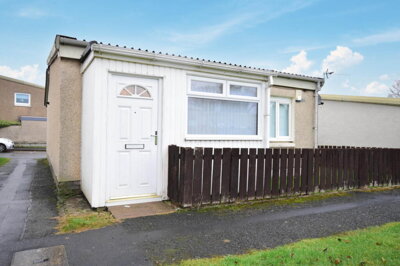
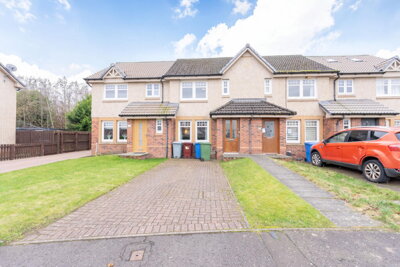
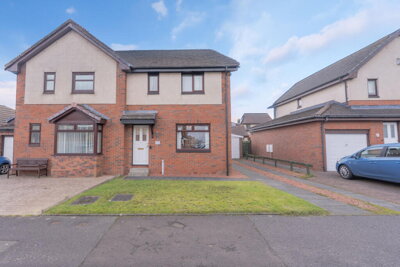
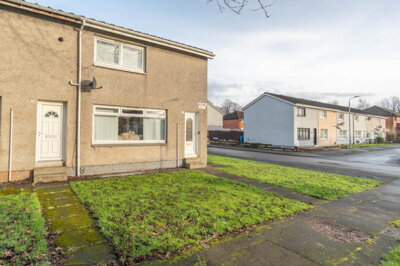
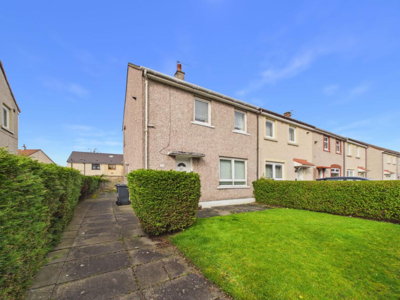
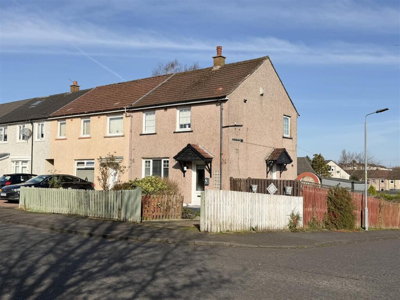
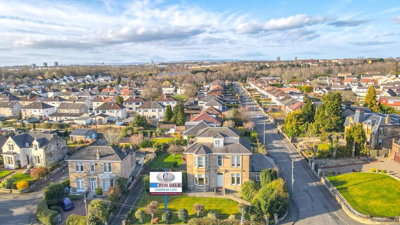
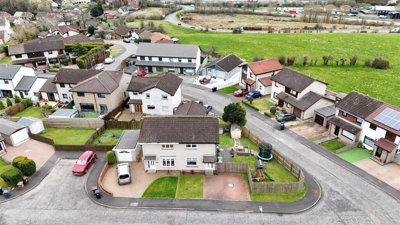
Browse 125 homes for sale in G71 from local estate agents.
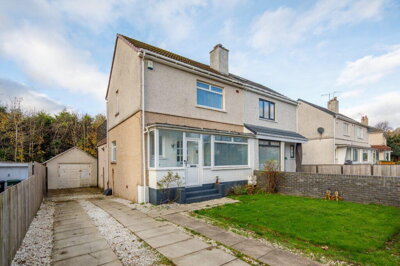
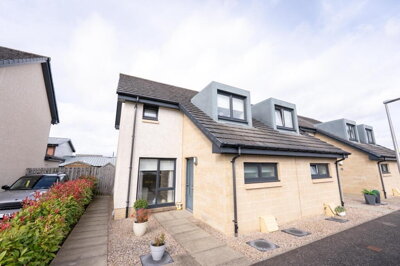
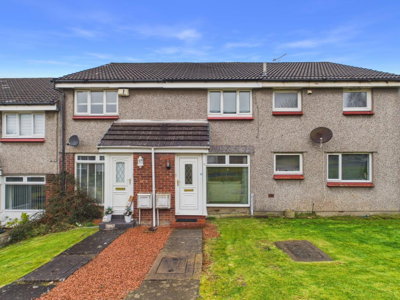
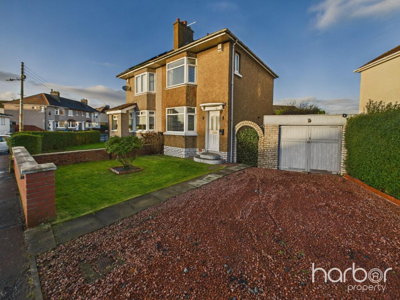
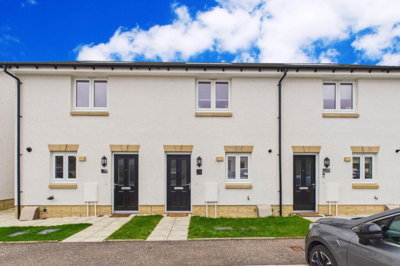
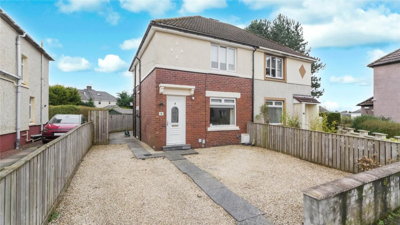
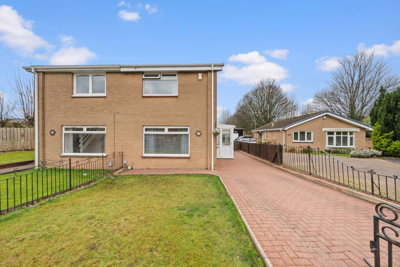
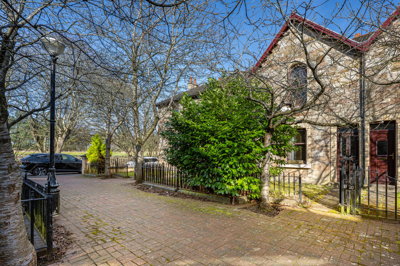
The 2 bed house market features detached, semi-detached, and terraced properties with two separate bedrooms plus living spaces. Properties in G71 range from Victorian and Edwardian period homes to modern new builds, with pricing varying across different neighbourhoods.
£135k
2
1
95
Source: home.co.uk
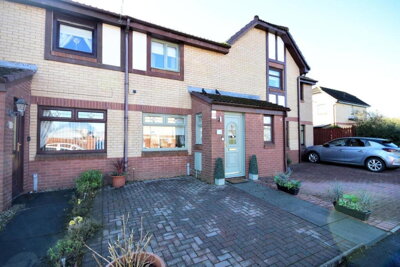
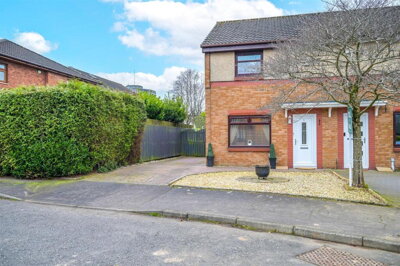
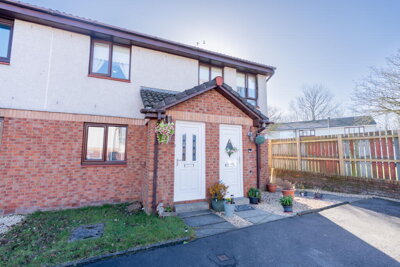
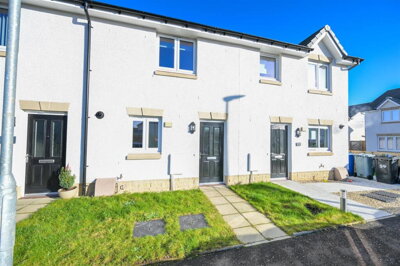
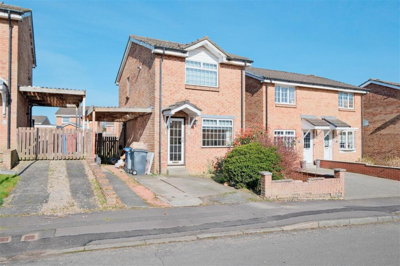
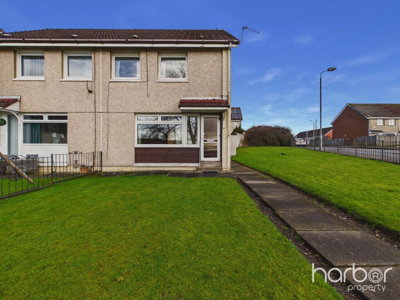
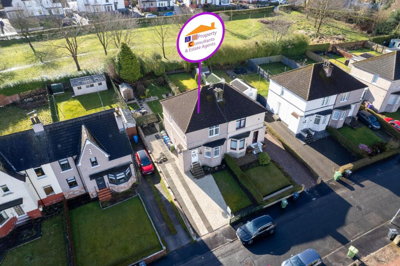
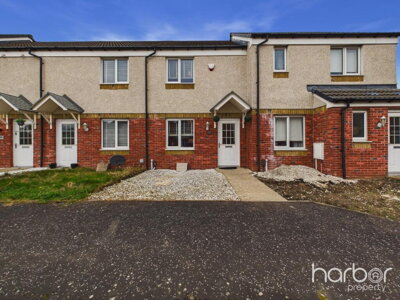
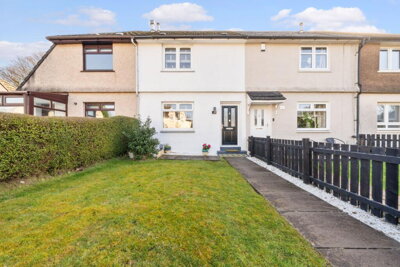
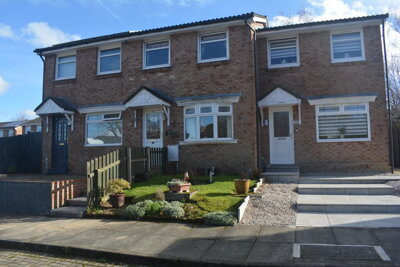
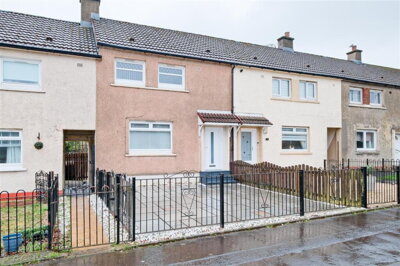
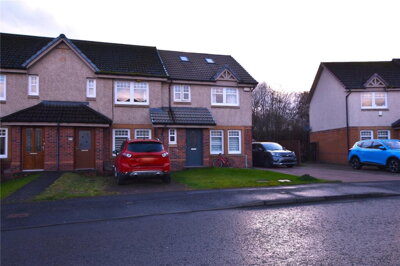
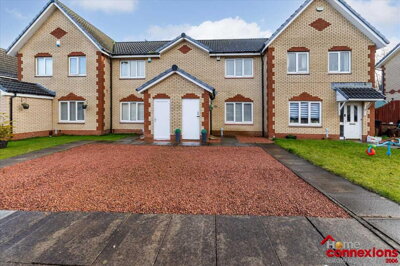
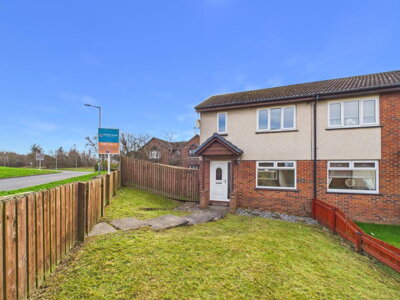
Showing 2 results for 2 Bedroom Houses for sale in G71. 1 new listing added this week. The median asking price is £135,000.
Source: home.co.uk
Terraced
2 listings
Avg £135,000
Source: home.co.uk
Source: home.co.uk
The G71 property market offers an attractive mix of property types to suit different buyer requirements and budgets. Detached properties command the highest prices, averaging £329,484, reflecting the generous space and privacy these homes provide, particularly in areas like Newton and the newer developments. Semi-detached homes, which form a substantial part of the local housing stock, average £202,308 and represent excellent value for families seeking that balance between space and affordability. These properties are particularly popular among first-time buyers and growing families who appreciate the practical room layouts and often generous gardens that semi-detached homes provide.
Terraced properties in G71 average £156,052, making them the most accessible entry point into the local property market. Many of these terraced homes date from the Victorian or Edwardian periods, particularly in the older streets of Cambuslang and Blantyre, and they often feature traditional sandstone construction, high ceilings, and period fireplaces that add character and charm. The stone construction common throughout G71's older housing stock typically uses the distinctive red or blonde sandstone that characterises much of suburban Glasgow and Lanarkshire, giving properties a robust appearance that has stood the test of time for well over a century. Flats in the area average £105,980 and are typically found in town centre locations or purpose-built developments. The flat market has seen relatively stable pricing with just a 1% adjustment over the past year, suggesting sustained demand for this property type among young professionals, downsizers, and investors alike.
The new build sector in G71 remains active with three significant developments currently underway. Newton Farm, being developed by Taylor Wimpey at G71 8BP, offers 3 and 4 bedroom detached and semi-detached homes priced from £265,000 to over £350,000. Bellway's Newton Gardens development at the same postcode features 3, 4, and 5 bedroom properties ranging from £259,995 to £429,995. Miller Homes' Dalsyde View development in Newton offers similar specifications with prices from £269,995 to £429,995. These new builds provide modern living with energy-efficient designs, open-plan layouts, and builder guarantees, though buyers should factor in premium pricing compared to equivalent second-hand properties. Many new build homes in these developments come with contemporary fittings, built-in appliances, and the reassurance of NHBC or equivalent warranties that can simplify the purchasing process for buyers unfamiliar with older property issues.
Looking at recent market activity, the G71 area has seen 465 property sales in the past 12 months, with the overall market showing a modest 2% price adjustment across all property types. Detached properties have been most resilient with just a 1% reduction, while semi-detached and terraced properties have each seen 2% adjustments. This relatively stable pricing reflects the enduring appeal of the G71 area as a place to live, with its combination of affordability compared to central Glasgow, strong commuter connections, and comprehensive local amenities continuing to attract buyers throughout the property cycle.

The G71 postcode encompasses a rich mix of communities, with Cambuslang and Blantyre serving as the two main towns that anchor this South Lanarkshire postcode. Cambuslang has a proud industrial heritage that has evolved into a modern suburban centre, with the conservation area around Main Street preserving the architectural character of the Victorian and Edwardian periods. Properties in this area often feature the distinctive red or blonde sandstone construction that characterises much of suburban Glasgow and Lanarkshire, giving homes a warm, robust appearance that has stood the test of time. The town centre offers a good selection of shops, cafes, and essential services, while community facilities include libraries, leisure centres, and regular markets.
The local population of approximately 38,000 to 40,000 residents across 16,000 to 17,000 households creates a strong sense of community that many buyers find appealing. Unlike some commuter suburbs that can feel anonymous, G71 has genuine neighbourhood spirit with local events, sports clubs, and community organisations bringing residents together. The area benefits from a mix of housing ages, from Victorian terraces through to 1970s housing estates and contemporary new builds, meaning that residents can find their preferred living environment within the same postcode. Blantyre similarly offers its own character, historically connected to the famous explorer David Livingstone, with amenities serving the local community including shops, schools, and recreational facilities. The annual Blantyre Gala Day and similar community events help maintain the strong local identity that residents value.
Green spaces are well-distributed throughout G71, with parks, playing fields, and natural areas providing recreational opportunities for residents of all ages. The proximity to the River Clyde adds to the area's environmental quality, though buyers should note that some low-lying areas do have surface water flood risk during periods of heavy rainfall. James Hamilton Heritage Park in nearby Blantyre provides a popular local destination for walking, cycling, and water activities, while smaller parks throughout the residential areas ensure green space is never far away. The underlying geology of the area comprises Carboniferous sedimentary rocks including coal measures, sandstones, and mudstones, with glacial boulder clay deposits that can create shrink-swell challenges for property foundations, particularly near mature trees or where drainage is inadequate. These geological factors are generally manageable with appropriate building standards and maintenance but are worth considering when assessing specific properties.
For leisure and recreation, residents of G71 have access to several sports facilities including football pitches, bowling greens, and community centres that host various activities throughout the year. The local leisure centre offers swimming, gym facilities, and fitness classes, while golf enthusiasts can enjoy nearby courses that take advantage of the area's attractive landscape. Shopping needs are well served by local parades and the nearby town centres, with larger retail parks accessible in surrounding areas for those seeking major high street names or specialist retailers. The combination of practical amenities, community facilities, and recreational options makes G71 a self-sufficient area where most daily needs can be met without travelling to Glasgow.

Families considering a move to G71 will find a comprehensive range of educational options at all levels. Primary education is well-served throughout the area with several primary schools serving different catchment zones within Cambuslang and Blantyre. These schools typically provide a strong foundation in core subjects alongside creative activities and personal development programs. Many parents particularly value the community-focused atmosphere of local primary schools, where teachers and staff know families personally and older children often mentor younger pupils. The transition from primary to secondary education is managed through South Lanarkshire Council's school placement system, which assigns pupils based on catchment area and parental preference where capacity allows.
Secondary education in the G71 area includes schools that prepare students for national qualifications and further education pathways. Pupils typically progress from primary school around age 11 or 12 and follow a curriculum leading to National 4 and National 5 qualifications in third and fourth year, before choosing subjects for the senior phase. Sixth year provides opportunity for Higher and Advanced Higher qualifications that are important for university applications. For families with children of secondary age, researching specific catchment schools and their academic performance records is essential before committing to a property purchase, as school placements are determined by address proximity. Education Scotland's website provides inspection reports and performance data that can help parents make informed decisions about school choices in the area.
Beyond statutory education, the G71 area offers various additional learning opportunities. Local colleges provide further education courses for school leavers and adult learners, covering vocational subjects from business administration to construction trades. Private tutoring services operate throughout the area, and there are opportunities for music lessons, sports coaching, and arts education through community organisations and private providers. For parents considering faith-based education, there are Catholic primary schools within reasonable distance that serve the local Catholic community. Transport arrangements for pupils attending schools outside their immediate catchment should be verified with South Lanarkshire Council, as eligibility criteria apply. Families should also note that some primary schools within G71 have catchment areas that overlap with specific secondary schools, making it important to verify which secondary school serves any property under consideration.
Early years education is well provided for in the G71 area, with nursery facilities available both through local authority nurseries and private providers. These facilities offer part-time and full-time places for children from around age two or three, helping families balance childcare and work commitments while ensuring children have opportunities for social development before starting primary school. After-school clubs and holiday programs provide additional support for working families, with many activities based at local schools or community centres throughout the area.
Transport connectivity is one of the G71 postcode area's strongest assets, making it particularly attractive to commuters working in Glasgow or further afield. Three train stations serve the area: Cambuslang, Blantyre, and Newton, each providing regular services into Glasgow Central and other destinations. From Cambuslang station, journey times to Glasgow Central are typically around 15 to 20 minutes, putting the city centre within easy commuting distance for those working in finance, healthcare, education, or other city-based professions. The trains generally run at intervals of 15 to 30 minutes throughout the day, with reduced services in the evenings and on Sundays.
Road transport is equally well-served, with the M74 motorway running nearby and providing direct access to Glasgow, the M8 connecting to Edinburgh and the west of Scotland, and the broader trunk road network enabling travel throughout central Scotland. For those who need to travel further afield, Glasgow Airport and Edinburgh Airport are both accessible within approximately 30 to 45 minutes by car. Daily commuters who drive to work will appreciate the relatively straightforward road connections, though like any suburban area, peak hour traffic on the motorway approaches can add time to journeys during busy periods. Local bus services operate throughout Cambuslang and Blantyre, providing options for those who prefer public transport or need to access destinations not directly served by rail. Several bus routes connect G71 to Glasgow city centre and surrounding towns, with stops throughout the residential areas.
For cyclists and pedestrians, G71 offers varying infrastructure depending on the specific route. Some residential areas have dedicated cycle paths and pavements, while others rely more on road-sharing arrangements. The area's position between Glasgow and South Lanarkshire means that some popular cycling routes connect to wider networks for leisure and commuting purposes. Parking availability varies by location, with town centre areas having public car parks while residential streets may have limited parking, particularly in older neighbourhoods with terraced housing where driveways are less common. Those considering a property purchase should verify parking arrangements if this is a priority, as some areas experience significant parking pressure during peak times.
The strategic location of G71 also provides convenient access to major employment centres beyond Glasgow. East Kilbride, one of Scotland's largest business districts, is easily reachable via the M74, offering additional employment opportunities in retail, technology, and public services. The proximity to the M8 also provides straightforward access to Livingston and the wider M8 corridor, while the connection to the M73 opens routes to the north of Glasgow and beyond. This multi-directional transport connectivity helps maintain property values in G71 by ensuring residents have access to a wide range of employment opportunities without necessarily needing to live in the city centre.
Start by exploring our listings to understand what is available within your budget. The G71 market offers properties ranging from flats around £106,000 to detached homes over £329,000, so knowing your price range helps narrow your search effectively. Take time to understand the different neighbourhoods within G71, from the Victorian streets of central Cambuslang to the newer developments in Newton, as each area has its own character and price dynamics.
Before booking viewings, approach a lender to obtain an agreement in principle. This confirms how much you can borrow and demonstrates to sellers that you are a serious buyer when you make an offer. Having your financing sorted before you start viewing properties can also help you avoid disappointment by ensuring you focus on properties within your actual budget rather than being tempted by homes outside your price range.
Arrange viewings on properties that match your criteria. Our platform provides access to detailed listings with photographs and descriptions to help you shortlist the most promising options before visiting in person. When viewing properties in person, take your time to look beyond the decoration and assess the property's condition, checking walls, ceilings, windows, and any visible outdoor spaces.
Once you have an offer accepted, book a RICS Level 2 Survey to assess the property condition. For typical 3-bedroom semi-detached homes in G71, these typically cost between £450 and £650. Given the area's mining heritage and clay soils, a thorough survey is particularly important. The survey will identify any structural issues, defects, or areas requiring specialist investigation before you commit to the purchase.
Choose a conveyancing solicitor to handle the legal aspects of your purchase. They will conduct searches including mining searches relevant to the G71 area, handle contracts, and coordinate with the seller's solicitor through to completion. Your solicitor will also handle the Stamp Duty Land Tax calculation and submission, ensuring all legal obligations are met before you take ownership.
Once all searches are satisfactory and financing is confirmed, you will exchange contracts and pay your deposit. Completion typically follows within weeks, when you receive the keys and take ownership of your new G71 home. On the day of completion, ensure you have buildings insurance in place and have arranged for utility transfers to your name.
Purchasing property in G71 requires attention to both general property condition issues and area-specific factors that can affect your investment. The mining legacy of South Lanarkshire means that some properties may be built on or near historical coal workings, so requesting a mining search report is advisable, particularly for properties in areas with known mining history. While not all properties will be affected, understanding the ground conditions helps inform your purchase decision and any necessary insurance arrangements. Your solicitor will typically arrange these searches as part of the conveyancing process, but it is worth understanding what they reveal about potential ground instability risks.
The presence of boulder clay soils throughout the G71 area creates potential for shrink-swell ground movement, particularly in properties with mature trees nearby or where drainage may be inadequate. Look for signs of subsidence such as diagonal cracks in walls, doors or windows that stick, or uneven floors. Properties in flood risk zones, particularly those near the River Clyde or in low-lying areas prone to surface water flooding, should be assessed carefully. Insurance arrangements for flood risk properties can be more complex and expensive, so understanding the flood history and drainage situation of any property you are considering is essential. The Scottish Environment Protection Agency (SEPA) provides flood maps that can help identify properties in potential flood risk areas.
Older properties in the G71 area, particularly those in the conservation area around Cambuslang Main Street, require particular attention to their special architectural features and any planning restrictions that may apply. If you are considering renovating or extending a period property, you will need to obtain Listed Building Consent or planning permission from South Lanarkshire Council, and works within the conservation area may face additional scrutiny. Electrical and plumbing systems in older properties, particularly those built before the 1980s, may require upgrading to meet current standards, and this should be factored into your overall budget. Many Victorian and Edwardian properties in G71 still have original wiring and plumbing that will need updating, even if the property appears well-maintained.
New build properties, while generally meeting modern standards, often have management fees and service charges that buyers should understand before committing. Review the details of any leasehold or commonhold arrangements, and check what services are covered by the management company charges. Properties in new developments like Newton Farm, Newton Gardens, and Dalsyde View typically come with warranties from the builders and may also be subject to estate management charges for communal areas. Understanding these ongoing costs helps ensure you can budget accurately for your new home beyond the purchase price.
The average property price in G71 is currently £217,994 based on recent data. Property types vary significantly in price, with detached homes averaging £329,484, semi-detached homes at £202,308, terraced properties at £156,052, and flats averaging £105,980. The market has shown a modest 2% adjustment over the past 12 months, indicating relative price stability in this South Lanarkshire suburb. This stability reflects the area's enduring appeal to buyers seeking value without sacrificing access to Glasgow's employment and leisure opportunities.
Properties in the G71 postcode fall within South Lanarkshire Council's jurisdiction. Council tax bands range from A through to H and are determined by the Scottish Assessors website based on property value as of 1991. Most properties in the area fall within bands A through D, with newer or larger properties potentially in higher bands. You can check the specific band for any property through the Scottish Assessors portal or your solicitor can verify this during conveyancing. The band affects your annual council tax liability, which funds local services including education, waste collection, and road maintenance.
The G71 area is served by several primary and secondary schools under South Lanarkshire Council's education authority. Primary schools throughout Cambuslang and Blantyre serve their local catchments, while secondary education is provided by schools serving the wider area. School performance data, including inspection reports from Education Scotland, is publicly available and worth researching when choosing a property location. For the most accurate school placement information, prospective buyers should contact South Lanarkshire Council's education department. The council's website provides a school finder tool that allows parents to identify which schools serve any specific address in the G71 area.
The G71 area benefits from excellent public transport connectivity with three train stations at Cambuslang, Blantyre, and Newton providing regular services to Glasgow Central in approximately 15 to 20 minutes. Local bus services operate throughout the area, connecting to surrounding towns and Glasgow. The M74 motorway provides road access to Glasgow and the wider central Scotland motorway network. Both Glasgow and Edinburgh airports are accessible within about 30 to 45 minutes by car, making international travel straightforward for residents. Train services from Cambuslang station run throughout the day with typically 2 to 4 trains per hour in each direction during peak periods.
The G71 postcode offers several factors that make it attractive for property investment. Its proximity to Glasgow makes it appealing to commuters, while the availability of new developments like Newton Farm, Newton Gardens, and Dalsyde View indicates ongoing demand in the area. Property prices in G71 are generally lower than comparable Glasgow suburbs, potentially offering better value for money. The area's strong rental demand from tenants working in Glasgow or local businesses provides potential for rental income, with typical yields varying by property type and condition. However, as with any investment, buyers should research rental yields, vacancy rates, and local development plans before committing, and should consider consulting a property professional for advice specific to their circumstances.
Stamp Duty Land Tax rates in Scotland differ from the rest of the UK. As of 2024-25, there is no SDLT on properties up to £145,000, with rates rising through bands up to 12% for properties over £1.5 million. First-time buyers in Scotland benefit from relief on properties up to £175,000, paying no tax on the first £145,000 and reduced rates above that threshold. Your solicitor or conveyancer will calculate the exact amount due based on the purchase price and your circumstances, including whether you are a first-time buyer or if you own other properties. For a typical G71 property at the average price of £217,994, a first-time buyer would pay no SDLT, while a additional buyer would pay approximately £1,459.
Given the variety of property ages in the G71 area, a RICS Level 2 Survey is strongly recommended for most purchases. For a typical 3-bedroom semi-detached property, these typically cost between £450 and £650. The survey will assess construction quality, identify defects like damp, roof issues, or structural movement, and flag any areas requiring specialist investigation. Properties in mining areas may benefit from additional mining searches, while older or listed buildings might need a more comprehensive RICS Level 3 Building Survey. Your surveyor can advise on which level of inspection is most appropriate for the specific property. Given that a significant proportion of G71's housing stock is over 50 years old, with many Victorian, Edwardian, and post-war properties, a thorough survey is particularly valuable for identifying issues common to older construction methods.
From 4.5% APR
Compare mortgage rates from leading UK lenders to find the best deal for your G71 purchase
From £499
Expert conveyancing solicitors to handle your property purchase legal work
From £450
Professional property surveys for homes in G71 from qualified RICS inspectors
From £30
Ground stability checks essential for properties in South Lanarkshire's mining area
Understanding the full costs of purchasing property in G71 goes beyond the advertised price and includes various fees and taxes that buyers must budget for carefully. Stamp Duty Land Tax (SDLT) applies to all property purchases in Scotland and is calculated on a graduated band system. For standard purchases, there is no SDLT on the first £145,000 of the purchase price, with 2% applying to the next £105,000, 5% on the portion up to £750,000, 10% on the next £750,000, and 12% on any amount exceeding £1.5 million. For a typical G71 property at the average price of £217,994, the SDLT would fall within the lower bands and be relatively modest for most buyers.
First-time buyers in Scotland receive relief that increases the nil-rate threshold to £175,000, meaning no SDLT is payable on the first £145,000 and reduced rates apply on the balance up to £625,000. This relief is valuable for first-time buyers looking at terraced properties or flats in the G71 area, potentially saving thousands of pounds compared to previous thresholds. However, first-time buyer relief does not apply above £625,000, so buyers purchasing higher-value properties in this price range should plan for full SDLT rates accordingly.
Beyond SDLT, buyers should budget for solicitor fees which typically range from £500 to £1,500 depending on complexity and property value, plus disbursements for searches including local authority searches, water and drainage searches, environmental searches, and potentially a mining search given the G71 area's history. Mortgage arrangement fees vary by lender and can range from zero to £2,000 or more, while valuation fees typically cost £300 to £500 for a standard property valuation. Survey costs for a RICS Level 2 Survey range from £450 to £650 for typical properties in the area, and removal costs vary based on distance and volume of belongings. Building insurance must be in place from completion day, and life insurance or mortgage protection is often required by lenders. Total buying costs can typically range from £3,000 to £10,000 depending on property price and individual circumstances, so obtaining quotes for each service before committing to a purchase helps ensure smooth completion.
Properties for Sale In London

Properties for Sale In Plymouth

Properties for Sale In Liverpool

Properties for Sale In Glasgow

Properties for Sale In Sheffield

Properties for Sale In Edinburgh

Properties for Sale In Coventry

Properties for Sale In Bradford

Properties for Sale In Manchester

Properties for Sale In Birmingham

Properties for Sale In Bristol

Properties for Sale In Oxford

Properties for Sale In Leicester

Properties for Sale In Newcastle

Properties for Sale In Leeds

Properties for Sale In Southampton

Properties for Sale In Cardiff

Properties for Sale In Nottingham

Properties for Sale In Norwich

Properties for Sale In Brighton

Properties for Sale In Derby

Properties for Sale In Portsmouth

Properties for Sale In Northampton

Properties for Sale In Milton Keynes

Properties for Sale In Bournemouth

Properties for Sale In Bolton

Properties for Sale In Swansea

Properties for Sale In Swindon

Properties for Sale In Peterborough

Properties for Sale In Wolverhampton

Enter your details to see if this property is within your budget.
Loans, cards, car finance
Estimated property budget
Borrowing + deposit
You could borrow between
Typical borrowing
Monthly repayment
Est. at 4.5%
Loan-to-value
This is an estimate only. Your actual budget may vary depending on interest rates, credit history, and personal circumstances. For an accurate affordability assessment, speak to one of our free mortgage advisors.
This calculator provides estimates for illustrative purposes only and does not constitute financial advice. Your home may be repossessed if you do not keep up repayments on your mortgage. Estimates based on 4.5% interest rate, repayment mortgage. Actual rates depend on your circumstances.
Homemove is a trading name of HM Haus Group Ltd (Company No. 13873779, registered in England & Wales). Homemove Mortgages Ltd (Company No. 15947693) is an Appointed Representative of TMG Direct Limited, trading as TMG Mortgage Network, which is authorised and regulated by the Financial Conduct Authority (FRN 786245). Homemove Mortgages Ltd is entered on the FCA Register as an Appointed Representative (FRN 1022429). You can check registrations at NewRegister or by calling 0800 111 6768.

We use cookies to show you personalised content and improve your experience of our website. Find out more in our Privacy policy and Cookie policy.