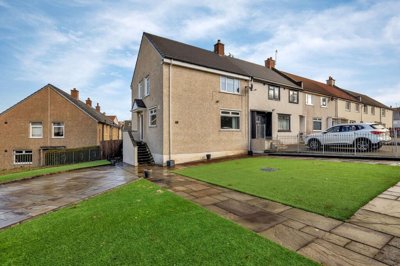
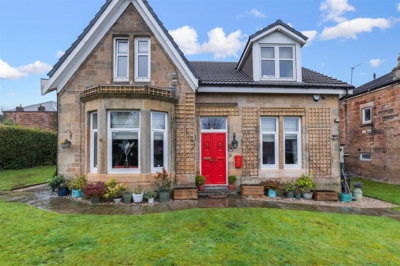
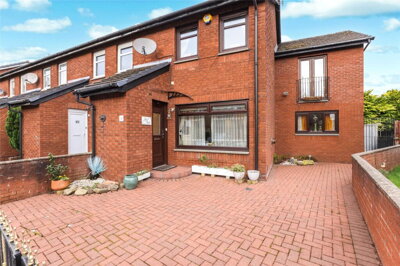
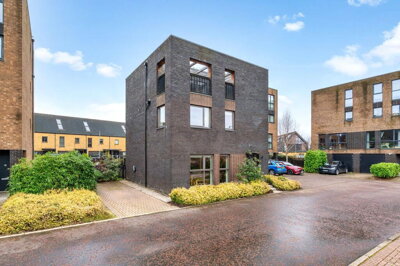
Browse 5 homes for sale in G5 from local estate agents.
The larger property sector typically features multiple bathrooms, substantial reception space, and private gardens or off-street parking. Four bedroom houses in G5 span detached, semi-detached, and occasionally terraced configurations, with styles ranging from period properties to modern executive homes.
£0k
0
0
0
Source: home.co.uk
Showing 0 results for 4 Bedroom Houses for sale in G5.
The G5 property market offers remarkable diversity, with property types ranging from traditional sandstone tenements to contemporary new-build apartments. Flats dominate the housing stock, accounting for approximately 77.2% of all properties in the area, while terraced houses make up 12.3%, semi-detached properties 7.1%, and detached homes just 3.4%. This predominantly flat-based market provides excellent opportunities for buyers seeking characterful period properties at accessible price points. The average flat in G5 commands around £145,000, while terraced properties average £182,000 and semi-detached homes reach approximately £220,000.
Recent data shows 198 property sales completed in G5 over the past twelve months, indicating a healthy level of market activity in the area. The ongoing regeneration projects continue to attract buyers, with new-build developments offering modern living spaces at competitive prices. The Crown Street Regeneration by CCG Homes features one and two-bedroom apartments from £149,000, while the Laurieston Living development by Urban Union provides two, three, and four-bedroom homes ranging from £165,000 for apartments to £230,000 for houses. Bellway Homes' Richmond Gate development offers two and three-bedroom apartments from £174,995. These new-build options appeal to buyers seeking modern construction standards and energy efficiency.
Property age distribution in G5 reveals a predominantly older housing stock, with 45.1% of properties built before 1919. A further 15.8% dates from the interwar period (1919-1945), while 20.5% was constructed between 1945 and 1980. Only 18.6% of the housing stock postdates 1980. This means approximately 81.4% of all properties in G5 were built before 1980, making thorough surveys essential for most purchases. Older properties offer character and typically more robust construction, but they require careful inspection for common defects associated with traditional building methods.
The Gorbals Conservation Area covers a significant portion of G5, preserving the distinctive urban fabric that defines this historic neighbourhood. Properties within this designated area may be subject to planning restrictions regarding alterations and modifications. Listed buildings scattered throughout the Gorbals and Laurieston require particular attention, as any works may need listed building consent from Glasgow City Council. Buyers considering properties in these designations should factor in potential limitations on future changes to the property.

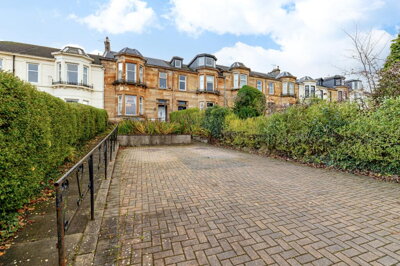
The G5 postcode area pulses with the authentic character of Glasgow's Southside, home to approximately 26,000 residents across 13,000 households. The neighbourhood radiates a distinctive urban energy shaped by its industrial heritage and modern regeneration. Traditional sandstone tenements, many built before 1919, line the streets and contribute to the area's architectural identity. These period properties, which comprise 45.1% of the housing stock, feature characteristic red and blonde sandstone facades that weather gracefully across the decades. Living in G5 means becoming part of a community with deep roots and genuine neighbourly spirit.
Local amenities include familiar high street retailers alongside independent shops, cafes, and traditional pubs that cluster around the Gorbals and Laurieston Road. The area benefits from proximity to retail options in the broader south side, while local services serve day-to-day needs efficiently. Green spaces provide essential recreation areas for residents, with local parks offering playgrounds, sports facilities, and tranquil spots for relaxation. The Gorbals Health Centre provides NHS services to local residents, with additional medical facilities available throughout the south side.
The underlying geology of G5 comprises Carboniferous sedimentary rocks including coal measures, sandstones, mudstones, and limestones. Superficial deposits include glacial till (boulder clay) and alluvial deposits along the River Clyde. The presence of boulder clay creates potential ground stability considerations, with moderate to high shrink-swell risk during extreme weather periods. Some areas may also be affected by legacy mining activity from Glasgow's industrial past, as the region has a documented history of coal extraction. While direct mining within G5 is limited, properties in former coalfield areas may benefit from a mining report as part of the purchase due diligence.
Flood risk assessment is advisable for properties in lower-lying sections of G5, particularly those near the River Clyde and Polmadie Burn. Parts of the area are designated as having medium to high river flood risk, and surface water flooding can affect low-lying urban sections with extensive hardstanding. Properties closer to the riverfront, including some tenements along Cumberland Street and the surrounding Gorbals streets, warrant particular attention. SEPA flood maps provide useful information for assessing specific property risk, and our surveyors will note any visible signs of previous flooding or water damage during inspections.
Families considering a move to G5 will find a range of educational establishments serving the local community. Primary schools in the Gorbals area include Gorbals Primary School and Hutchesontown Primary School, providing education for children aged 5 to 11. These institutions serve their local catchments and have established reputations within the community. St. Francis' Primary School offers faith-based education for Catholic families in the area. Secondary education is provided by schools including Holyrood Secondary School and Shawlands Academy, with catchment areas that extend across different parts of the G5 postcode.
The presence of established schools makes G5 a practical choice for families seeking to balance property affordability with educational provision. Parents should research individual school performance data, recent inspection reports, and admission criteria when planning a move, as catchment areas can significantly influence school placement. Glasgow City Council's school admission policies determine which schools children can access based on residential address, so verifying catchment boundaries before purchasing is essential. School rolls and admission policies can change, so consulting the council's website for current information is recommended.
G5 benefits from its proximity to some of Glasgow's most respected universities, adding to the area's academic atmosphere. Strathclyde University and Glasgow Caledonian University are both within easy reach via the excellent public transport network, with journey times of approximately 15-20 minutes by bus or rail. This proximity attracts students and academics to the area, contributing to the vibrant, youthful character of the neighbourhood and supporting demand for rental properties. For families with older children considering higher education, the short journey times from G5 represent a significant advantage.
Further education colleges in Glasgow provide additional vocational and academic pathways for school leavers and adult learners. City of Glasgow College and Glasgow Clyde College offer courses across various disciplines, accessible from G5 via the comprehensive transport network. The availability of further and higher education options enhances G5's appeal to families planning for their children's long-term educational journeys.
G5 enjoys excellent connectivity that makes commuting straightforward for residents working throughout Glasgow and beyond. The area sits close to the M74 motorway at Junction 1 (Glasgow Cross), providing swift access to the wider motorway network and connections to Edinburgh via the M8, the south of Scotland, and beyond. Daily commuters find the strategic position particularly advantageous, with the motorway interchange offering routes to business districts, industrial areas, and residential neighbourhoods across the central belt. The Gorbals and Hutchesontown areas have regular bus services connecting to Glasgow city centre, with journey times typically taking 15 to 25 minutes depending on traffic conditions.
For those who prefer rail travel, the area benefits from proximity to Glasgow Central station and Bridgeton railway station. Glasgow Central provides direct services to destinations across Scotland including Edinburgh, Ayrshire, and the west coast. Local train services connect the south side to the city centre, with regular intervals throughout the day. The station is accessible from G5 via the frequent bus services or a short journey by car or cycle.
Cyclists will find designated routes emerging throughout the area as Glasgow invests in active travel infrastructure. The River Clyde walkway provides an scenic cycling route connecting G5 to the city centre and beyond, while local streets offer varying levels of cyclist provision. Electric bike schemes operated by nextbike and similar providers are available throughout Glasgow, offering flexible transport options for short journeys. Parking availability varies throughout G5, with newer developments at Crown Street and Laurieston often incorporating dedicated parking spaces while older tenement areas may rely on on-street parking arrangements. Residents without private vehicles will find the comprehensive bus network more than adequate for daily travel needs, with services running frequently throughout the day and evening.
Explore current listings and recent sale prices in the Gorbals, Laurieston, and surrounding areas. Understanding local property values helps you identify genuine bargains and avoid overpaying in this regenerating neighbourhood. With 198 property sales in the past twelve months and prices ranging from £145,000 for flats to £304,000 for detached homes, researching comparable properties will give you realistic expectations of what your budget can achieve in G5's diverse housing market.
Contact lenders or use Homemove's mortgage comparison tool to secure an agreement in principle before viewing properties. This strengthens your position when making offers and demonstrates to sellers that you are a serious buyer with confirmed borrowing capacity. Given G5's affordable average price of £177,159, many first-time buyers find their borrowing requirements fall within attractive fixed-rate products available from high street lenders.
Visit a selection of properties across different tenures and conditions. Given G5's diverse housing stock ranging from period tenements to new-build apartments, viewing multiple properties helps you understand what your budget can achieve in the area. Pay particular attention to properties in different conditions, as unrenovated tenement flats may offer purchase opportunities below renovated equivalents.
With 81.4% of G5 properties built before 1980, a comprehensive survey is essential before committing to purchase. Our inspectors frequently identify issues including dampness, roof condition, timber defects, and structural movement common in sandstone tenements. Survey costs in G5 typically range from £400 to £700 depending on property size and type. The Crown Street Regeneration and Laurieston Living new-build properties may require less extensive surveying, but a valuation element remains important for mortgage purposes.
Appoint a conveyancing solicitor to handle the legal aspects of your purchase. They will conduct searches including local authority, drainage, and mining searches, review contracts, and manage the transfer of ownership. Homemove can connect you with experienced conveyancing services familiar with G5 properties, including those in the Gorbals Conservation Area and listed buildings.
Once searches are satisfactory and mortgage is confirmed, your solicitor will exchange contracts and agree a completion date. On completion day, you receive the keys and can move into your new G5 home. Factor in Land and Buildings Transaction Tax (LBTT) costs, which start from £145,000 in Scotland, when budgeting for your total moving costs.
Prospective buyers in G5 should pay particular attention to the construction and condition of traditional sandstone tenements, which comprise a significant portion of the housing stock. Properties built before 1919 feature solid sandstone walls, slate roofs on timber sarking, and timber floor joists that require ongoing maintenance. The characteristic red and blonde sandstone facades throughout the Gorbals and Laurieston areas add architectural appeal but can show signs of weathering and decay requiring specialist repair. Understanding the construction type helps you anticipate maintenance requirements and associated costs.
Common defects in period properties include rising damp, penetrating damp through external walls, and condensation issues, particularly in ground-floor flats with compromised damp-proof courses. Our inspectors regularly identify dampness affecting sandstone walls where the original lime-based mortar has eroded over decades of exposure. Roof condition deserves careful inspection, as slate deterioration, defective leadwork around chimney stacks, and blocked or damaged gutters frequently affect older buildings. Properties along Crown Street and the surrounding Gorbals streets often show these age-related issues.
Timber elements in G5's older properties may show signs of wet or dry rot and woodworm infestation, especially where damp has penetrated the structure. Ground-floor flats with solid floors and older joist ends are particularly vulnerable. Our inspectors will check suspended timber floors where accessible, examining joist ends for decay and beetle activity. The lath and plaster internal finishes common in pre-1919 properties can hide underlying structural issues and may require specialist assessment if significant movement is suspected.
The underlying geology of G5, comprising Carboniferous sedimentary rocks and glacial deposits including boulder clay, creates potential ground stability considerations. While subsidence is not widespread, some areas may experience movement due to shrink-swell clay conditions during periods of extreme weather or legacy mining activity from Glasgow's industrial past. Properties showing signs of cracking or movement should be referred for a more detailed structural assessment. Mining reports are available through the Coal Authority and can identify potential risks from historical coal workings in the area.
Given the proximity to the River Clyde and Polmadie Burn, flood risk assessment is advisable for properties in lower-lying sections. Properties near the riverfront and tributaries warrant particular attention to damp-proofing measures, floor levels, and any visible flood resilience features. Properties within the Gorbals Conservation Area may face planning restrictions on alterations and modifications, and listed buildings require listed building consent for significant works. Freehold versus leasehold tenure requires careful verification, with flats typically sold leasehold and houses usually freehold. Service charges, communal repair fund contributions, and ground rent terms should be reviewed thoroughly before committing to a purchase.
The average house price in G5 stands at £177,159 as of February 2026, according to recent market data. Property prices vary significantly by type, with flats averaging around £145,000, terraced properties at approximately £182,000, semi-detached homes reaching £220,000, and detached properties commanding around £304,000. The market has shown modest growth with a 1.2% increase over the past twelve months, indicating stable conditions attractive to both homeowners and investors. With 198 property sales in the past year, the G5 market demonstrates healthy activity, particularly in the flat segment which comprises 77.2% of all transactions.
Properties in G5 fall under Glasgow City Council's jurisdiction and are assigned council tax bands ranging from A to H, depending on the property's valuation as of April 1991. Flats in the Gorbals and Laurieston areas typically fall into bands A to C, making them among the more affordable council tax options in the city. A band A property in Glasgow currently pays approximately £1,073 per year in council tax, while band D properties pay around £1,432. Banding is based on the property's value as assessed by the Scottish Assessors, and buyers should verify the specific banding before completing a purchase as incorrect banding can be appealed.
G5 offers several primary and secondary schools serving the local community, with establishments located throughout the Gorbals and surrounding neighbourhoods. Primary options include Gorbals Primary School and Hutchesontown Primary School for children aged 5-11. Secondary schools serving the area include Holyrood Secondary School and Shawlands Academy, both of which have established reputations. Parents should research individual school performance data on the Scottish Government website, recent Education Scotland inspection reports, and catchment area boundaries when evaluating options. St. Francis' Primary School provides faith-based education for Catholic families in the area. The proximity to Strathclyde University and Glasgow Caledonian University adds to its educational appeal for families with older children considering higher education pathways.
G5 benefits from excellent public transport links, with regular bus services connecting the area to Glasgow city centre and surrounding neighbourhoods. First Bus and McGill's operate extensive routes through the Gorbals and Laurieston, providing frequent connections to the city centre, West End, and southern suburbs. Journey times to Glasgow Central and Buchanan Street typically range from 15 to 25 minutes by bus. The M74 motorway at Junction 1 provides convenient road access for commuters travelling by car, offering connections to Edinburgh via the M8 and routes south to Dumfries and beyond. Bridgeton railway station provides rail connections to Glasgow Central, with regular services throughout the day. The comprehensive transport network makes G5 particularly attractive to commuters working throughout Glasgow and beyond.
G5 presents several investment opportunities driven by ongoing regeneration projects and relatively affordable property prices compared to central Glasgow. The Crown Street Regeneration Phase 2 by CCG Homes, Laurieston Living Phase 3 by Urban Union, and Richmond Gate by Bellway Homes indicate continued investment in the area. Rental demand remains steady given the proximity to Strathclyde University, Glasgow Caledonian University, and the Queen Elizabeth University Hospital, all accessible via the excellent transport network. With 198 property sales in the past twelve months and modest price growth of 1.2%, the market demonstrates healthy activity. First-time buyer demand is strong given average prices around £177,159, while rental yields can be attractive for landlords targeting students and young professionals. However, investors should consider factors including flood risk in certain areas, maintenance requirements for older properties with pre-1919 construction, and potential leasehold costs when calculating returns.
In Scotland, buyers pay Land and Buildings Transaction Tax (LBTT) rather than Stamp Duty Land Tax. The nil rate threshold for residential properties starts at £145,000, with progressive rates applying above this threshold. For purchases between £145,001 and £250,000, the rate is 1%; between £250,001 and £325,000, it rises to 2%; and between £325,001 and £750,000, the rate is 5%. Above £750,000, rates continue to increase up to 12% for portions exceeding £2,000,000. First-time buyers in Scotland benefit from relief on properties up to £175,000, effectively removing LBTT for eligible purchases within this range. At the G5 average price of £177,159, a first-time buyer would not pay any LBTT, while a buyer not qualifying for first-time relief on the same property would pay approximately £322. Additional costs including conveyancing fees, survey costs, and mortgage arrangement fees should be budgeted alongside the purchase price and LBTT.
Given that 45.1% of properties in G5 were built before 1919, surveys on tenement flats should carefully examine several area-specific concerns. Dampness affecting sandstone walls is among the most common issues our inspectors identify, particularly rising damp where the original damp-proof course has failed or penetrating damp through weathered pointing. Roof condition is critical, with slate deterioration, defective lead flashings around chimney stacks, and blocked gutters frequently requiring attention. Timber defects including wet rot, dry rot, and woodworm beetle can affect floor joists, particularly in ground-floor flats. The condition of shared elements including communal stairwells, roof structure, and stonework should be assessed, along with any maintenance fund status. Properties near the River Clyde warrant particular attention to flood resilience measures and signs of previous water ingress. The survey should verify electrical and plumbing systems, which may be outdated in older properties and require upgrading to meet current standards. For properties within the Gorbals Conservation Area or listed buildings, a more detailed RICS Level 3 Survey may be recommended due to the specialist nature of historic construction and potential planning constraints.
Understanding the full cost of purchasing property in G5 requires careful consideration of all expenses beyond the purchase price. In Scotland, buyers pay Land and Buildings Transaction Tax (LBTT) rather than Stamp Duty, with thresholds and rates set by the Scottish Government. The nil rate threshold for residential properties starts at £145,000, with rates of 1% applying between £145,001 and £250,000, 2% up to £325,000, and 5% up to £750,000. For a typical G5 flat at £145,000, no LBTT is payable. A terraced property at £182,000 would incur approximately £370 in LBTT, while a semi-detached at £220,000 would attract around £1,070. First-time buyers in Scotland benefit from relief on properties up to £175,000, effectively removing LBTT for eligible first-time purchases within this price range.
Beyond LBTT, buyers should budget for several additional costs including mortgage arrangement fees typically ranging from £500 to £1,500 depending on the lender and product chosen. Survey costs for a RICS Level 2 Survey in G5 typically range from £400 to £700 depending on property size and complexity. Conveyancing fees begin from £499 upwards, though more complex transactions may cost more. Search fees, Land Registry registration costs, and teleport fees add several hundred pounds to the legal costs. Buildings insurance must be arranged from completion, often with initial premiums ranging from £150 to £400 depending on property value and rebuild cost.
For buyers purchasing flats, service charges and contribution to communal repair funds should be verified with the seller or management company. These costs can vary significantly depending on the development and the state of any communal maintenance funds. Factor in moving costs and potential furniture or renovation expenses when setting your total budget. Properties in the Gorbals Conservation Area may require listed building consent for certain works, which could add to renovation costs. Our surveyors can identify potential issues that may require future investment, helping you budget accurately for your move to your new G5 home.
From 3.5%
Compare mortgage deals from leading lenders
From £499
Expert solicitors handling your property purchase
From £400
Thorough inspection for G5 properties built pre-1980
From £60
Energy performance certificate for your property
Properties for Sale In London

Properties for Sale In Plymouth

Properties for Sale In Liverpool

Properties for Sale In Glasgow

Properties for Sale In Sheffield

Properties for Sale In Edinburgh

Properties for Sale In Coventry

Properties for Sale In Bradford

Properties for Sale In Manchester

Properties for Sale In Birmingham

Properties for Sale In Bristol

Properties for Sale In Oxford

Properties for Sale In Leicester

Properties for Sale In Newcastle

Properties for Sale In Leeds

Properties for Sale In Southampton

Properties for Sale In Cardiff

Properties for Sale In Nottingham

Properties for Sale In Norwich

Properties for Sale In Brighton

Properties for Sale In Derby

Properties for Sale In Portsmouth

Properties for Sale In Northampton

Properties for Sale In Milton Keynes

Properties for Sale In Bournemouth

Properties for Sale In Bolton

Properties for Sale In Swansea

Properties for Sale In Swindon

Properties for Sale In Peterborough

Properties for Sale In Wolverhampton

Enter your details to see if this property is within your budget.
Loans, cards, car finance
Estimated property budget
Borrowing + deposit
You could borrow between
Typical borrowing
Monthly repayment
Est. at 4.5%
Loan-to-value
This is an estimate only. Your actual budget may vary depending on interest rates, credit history, and personal circumstances. For an accurate affordability assessment, speak to one of our free mortgage advisors.
This calculator provides estimates for illustrative purposes only and does not constitute financial advice. Your home may be repossessed if you do not keep up repayments on your mortgage. Estimates based on 4.5% interest rate, repayment mortgage. Actual rates depend on your circumstances.
Homemove is a trading name of HM Haus Group Ltd (Company No. 13873779, registered in England & Wales). Homemove Mortgages Ltd (Company No. 15947693) is an Appointed Representative of TMG Direct Limited, trading as TMG Mortgage Network, which is authorised and regulated by the Financial Conduct Authority (FRN 786245). Homemove Mortgages Ltd is entered on the FCA Register as an Appointed Representative (FRN 1022429). You can check registrations at NewRegister or by calling 0800 111 6768.

We use cookies to show you personalised content and improve your experience of our website. Find out more in our Privacy policy and Cookie policy.