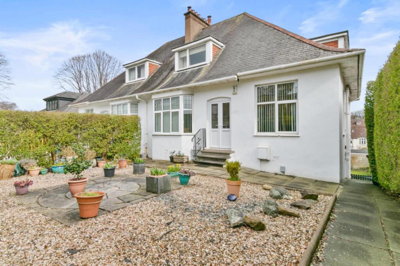
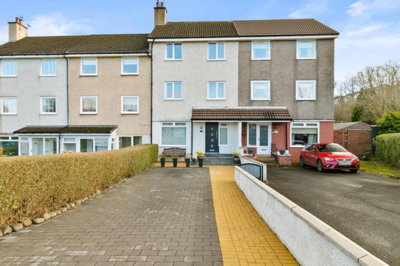
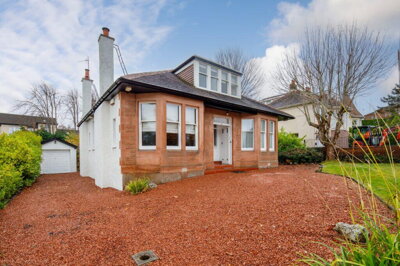
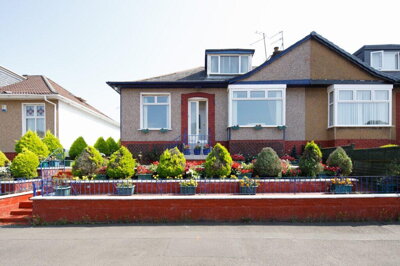
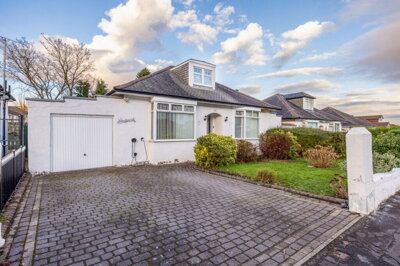
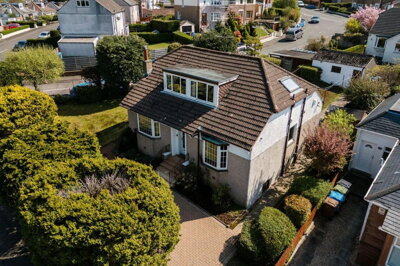
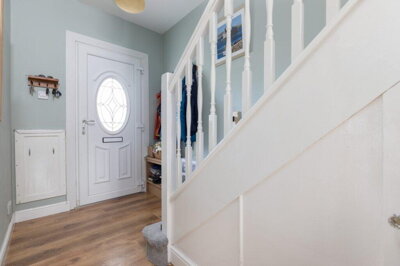
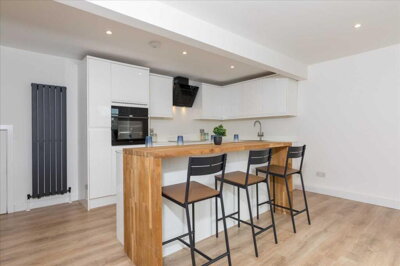
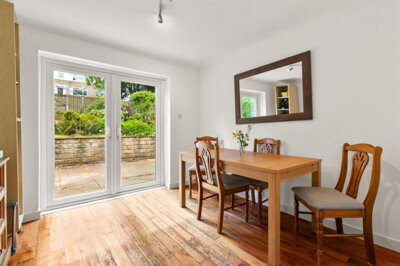
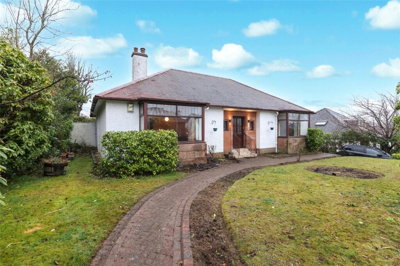
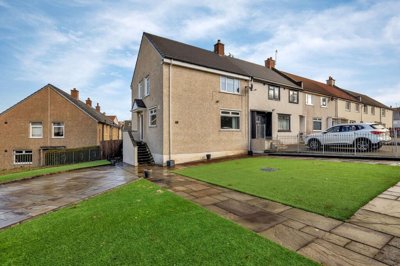
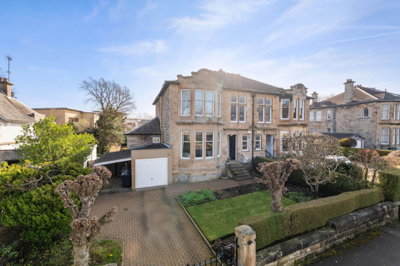
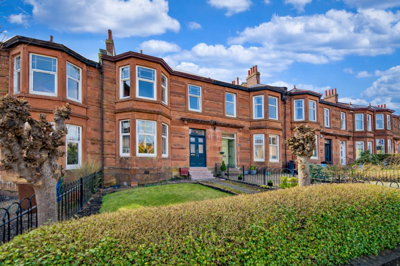
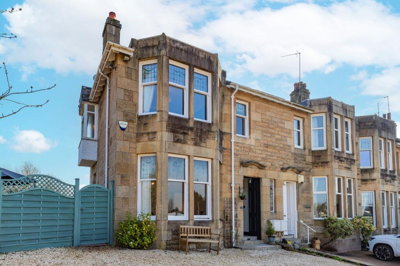
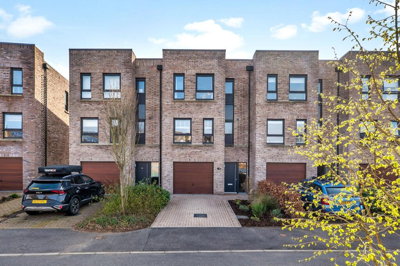
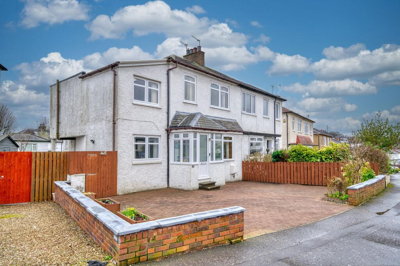
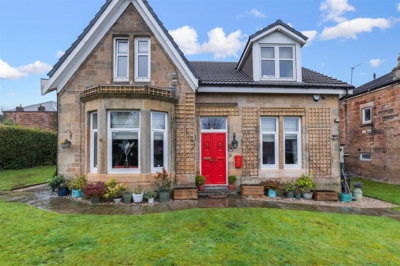
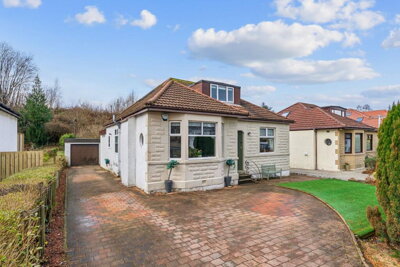
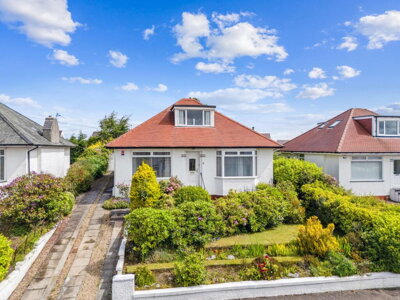
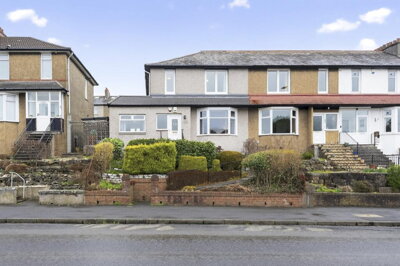
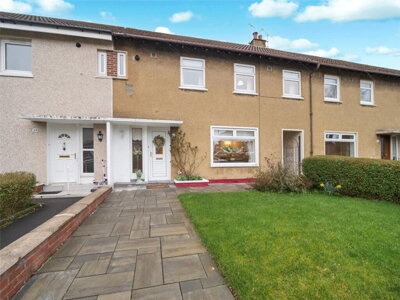
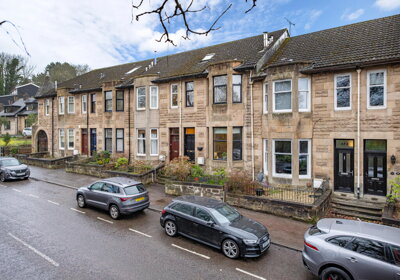
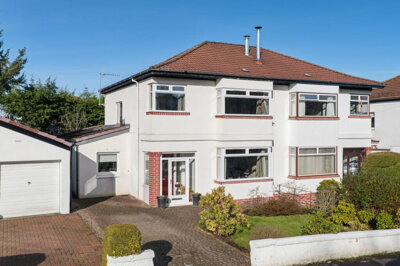
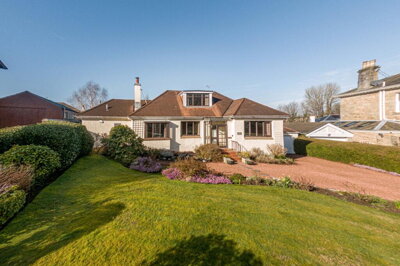
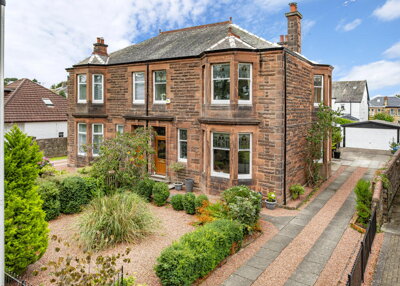
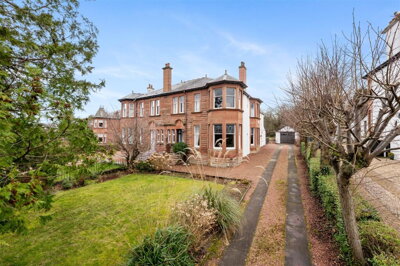
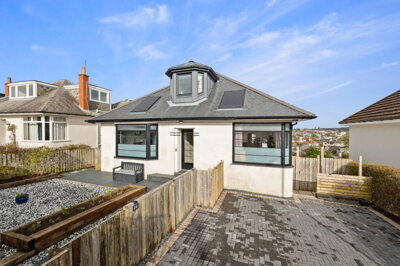
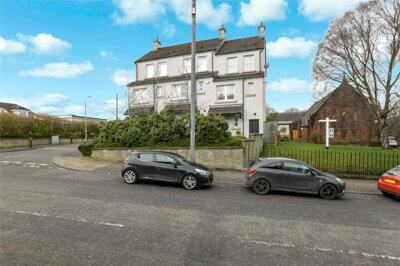
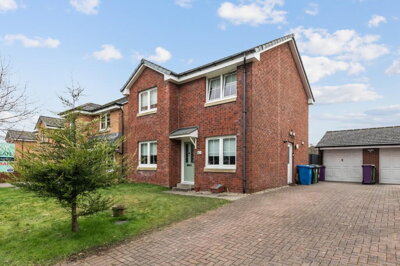
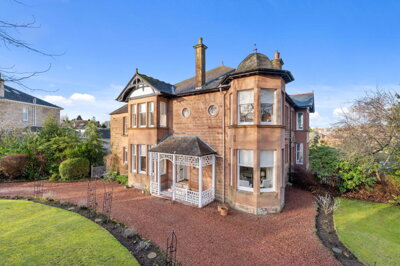
Browse 67 homes for sale in G44 from local estate agents.
The larger property sector typically features multiple bathrooms, substantial reception space, and private gardens or off-street parking. Four bedroom houses in G44 span detached, semi-detached, and occasionally terraced configurations, with styles ranging from period properties to modern executive homes.
£445k
3
1
12
Source: home.co.uk
Showing 3 results for 4 Bedroom Houses for sale in G44. 1 new listing added this week. The median asking price is £445,000.
Source: home.co.uk
Detached
1 listings
Avg £450,000
Semi-Detached
1 listings
Avg £420,000
Terraced
1 listings
Avg £445,000
Source: home.co.uk
Source: home.co.uk
The G44 property market presents a diverse range of opportunities for buyers across all budget levels. Our current listings include traditional sandstone tenement flats starting from around £130,000, spacious mid-terraced Victorian properties in the £280,000 to £350,000 range, and substantial semi-detached family homes that can reach £400,000 or more for particularly impressive examples. Zoopla records indicates over 10,000 property sales across the G44 postcode in recent years, demonstrating the high transaction volume and active nature of this local market. Property types are distributed as follows: semi-detached homes comprise approximately 49% of the housing stock, terraced properties account for 36%, with detached homes and flats making up the remaining 15%.
Recent price trends show robust growth across the G44 area, though performance varies between specific postcode sectors. G44 4PY has recorded exceptional growth of 54% year-on-year, while G44 4SP has seen a more modest but healthy 25% increase. The G44 4EN sector is up 21% on the previous year despite being 8% down on its 2021 peak, suggesting good value opportunities in certain micro-markets. For buyers seeking solid investment potential, these variations between neighbouring streets and sectors indicate the importance of thorough local research within G44.
Property prices in G44 vary considerably by location, with G44 3 commanding the highest prices and G44 5 offering more accessible entry points. Detached homes in G44 3 average around £400,770, while similar properties in G44 5 start from approximately £230,500. Terraced properties in the G44 4 sector, which covers Cathcart and Mount Florida, average £330,818, compared to £289,490 in the G44 5 area. Flats remain the most affordable option throughout G44, with average prices ranging from £130,757 in G44 5 to £197,752 in the premium G44 3 sector.

G44 encapsulates the distinctive character that makes Glasgow Southside one of the most desirable places to live in Scotland. The postcode includes several distinct neighbourhoods, each with its own personality. Cathcart retains a village-like atmosphere with its historic sandstone buildings, independent shops along Old Castle Road, and the beautiful Kings Park nearby. Mount Florida has become particularly popular among young professionals and families, offering a cosmopolitan feel with cafes, bars, and restaurants alongside traditional tenement living. The area's Victorian and Edwardian architecture, built predominantly from the red and blonde sandstone that characterises Glasgow's Southside, gives the streets an immediate sense of history and quality construction.
The demographics of G44 reflect a balanced community that appeals to a wide range of buyers. The strong presence of families is supported by excellent local amenities, while the proximity to excellent transport links makes the area equally attractive to commuters working in Glasgow city centre or beyond. The housing stock is dominated by properties built before 1945, giving the area its characteristic appearance of traditional tenement flats, Victorian villas, and inter-war semi-detached homes. Many properties retain original features such as sash and case windows, decorative cornicing, and solid wooden floors, though buyers should budget for the potential renovation costs that come with older properties.
Parts of G44 fall within designated conservation areas, particularly in Cathcart and Mount Florida where well-preserved Victorian and Edwardian architecture is concentrated. These areas contain significant concentrations of listed buildings, including traditional red sandstone tenements and larger Victorian villas that contribute to the area's distinctive character. Properties in conservation areas benefit from enhanced streetscapes but require planning consent for external alterations, which can affect renovation options and costs. The presence of listed buildings throughout G44 means that buyers should investigate whether any property they are considering carries listed status, as this will influence what works can be carried out after purchase.

Education provision in G44 ranks among the strongest of any Glasgow postcode, making the area particularly popular with families. Primary schools in the catchment area include Cathcart Primary School, which serves the Cathcart neighbourhood with its mix of traditional and modern educational facilities. Other well-regarded primaries include King's Park Primary, Lairdsland Primary, and St. Francis' Catholic Primary, which serves families seeking faith-based education. The consistency of provision across G44 means that parents generally have good access to quality primary education regardless of which specific neighbourhood within the postcode they choose.
Secondary education is equally well-served, with King's Park Secondary School serving the southern parts of G44 and providing strong academic results alongside good extracurricular facilities. For families seeking alternative educational pathways, there are several notable independent schools within reasonable travelling distance, including some of Glasgow's most prestigious private institutions. The presence of these educational options, combined with the strong academic track record of local schools, explains why G44 consistently appears as one of the most sought-after postcodes for families looking to relocate within Glasgow.
Transport connectivity represents one of G44's strongest advantages for residents. The Glasgow South Western Line runs directly through the area, with Mount Florida station providing the most frequent services. From Mount Florida, trains reach Glasgow Central in approximately 12 minutes, making it practical for daily commuters. Cathcart station offers additional options, while the nearby Queens Park station provides further accessibility to the network. The area is also well-served by bus routes connecting to Glasgow city centre, the West End, and other major destinations across the Greater Glasgow area.
For residents who commute by car, G44 benefits from proximity to major road infrastructure. The area sits conveniently for access to the M8 motorway, which provides connections to Edinburgh via the M9, Glasgow Airport to the west, and the wider motorway network beyond. Local roads through the Southside are generally well-maintained, though parking availability varies by neighbourhood, with tenement areas often requiring resident permits or on-street parking arrangements. Cycling infrastructure has improved in recent years, with several dedicated routes connecting G44 to the city centre and surrounding areas.
Understanding the predominant construction methods in G44 helps buyers appreciate the character of properties they may purchase. The area is characterised by traditional Scottish tenement construction, typically featuring solid wall construction with double-leaf sandstone or brick. These buildings commonly use timber floor joists and roof structures, with roofs traditionally covered in slate or tiles. The solid wall construction means properties lack the cavity insulation found in modern buildings, which can affect thermal performance and heating costs. Buyers should consider the potential for increased energy bills when purchasing traditional tenement flats, particularly those on upper floors where heat loss through the roof can be significant.
The traditional tenement blocks in G44 feature shared closes and stairwells, with communal rear gardens typical of Glasgow's Southside developments. These shared areas require ongoing maintenance contributions from all residents, which is managed through factoring arrangements or informal agreements between neighbours. Prospective buyers should investigate the condition of shared elements including roof, close, and rear boundaries before purchase, as legacy maintenance issues can result in unexpected costs. Properties in tenement blocks also require compliance with Scottish tenement legislation regarding structural responsibilities and maintenance obligations.
Cottage flats represent another significant property type in G44, particularly common in areas like Croftfoot and Kings Park. These are typically two-storey buildings divided into an upper and lower flat, often with private gardens to the front and rear. Cottage flats offer advantages over traditional tenement flats in terms of privacy and outdoor space, though upper floor flats may still be affected by issues common to older buildings. The construction of cottage flats generally follows similar principles to tenement buildings, with traditional masonry walls and timber construction, though the smaller scale of these properties often results in lower maintenance costs for shared elements.
Start by exploring current listings in your target neighbourhoods within G44. Consider working with a local estate agent who knows the Cathcart, Mount Florida, and Kings Park areas intimately. Attend open viewings to understand what your budget buys in different parts of the postcode. Property prices vary significantly between sectors, with G44 3 commanding premium prices while G44 5 offers more accessible entry points. Understanding these variations helps you identify where your budget goes furthest.
Before making offers, obtain a mortgage agreement in principle from a lender. This strengthens your position as a buyer and demonstrates to sellers that you have finance secured. Our mortgage partners can help you compare rates and find the best deal for your circumstances. Having finance in place is particularly important in competitive G44 sub-markets where multiple buyers may be pursuing similar properties.
Once you have identified suitable properties, arrange detailed viewings through the estate agents listed. For older properties in G44, we recommend arranging a preliminary inspection to identify any obvious issues before committing to a full survey. Given the prevalence of traditional sandstone properties and older construction in G44, this early assessment can help you avoid purchasing properties with fundamental problems. When you find the right property, submit your offer promptly with any conditions clearly stated.
We strongly recommend commissioning a RICS Level 2 Survey before purchase, particularly given the prevalence of traditional sandstone properties and older construction in G44. This will identify defects common to the local housing stock, including potential damp issues, roof condition, and any signs of subsidence from the clay soils prevalent in the Glasgow area. For listed buildings or properties in conservation areas, a more detailed RICS Level 3 Building Survey may be more appropriate due to the complex construction and specialist requirements of historic properties.
Your solicitor will handle all legal aspects of the purchase, including searches with Glasgow City Council, title checks, and coordination with the Land Registry. They will also arrange your removals and ensure a smooth handover on completion day. In G44, specific searches should include mining reports given Glasgow's coal mining history, flood risk assessments for properties near the White Cart Water, and planning searches to identify any historic permissions or compliance issues affecting the property.
Properties in G44 present both opportunities and challenges that buyers should understand before committing to a purchase. The traditional sandstone tenements that characterise much of the housing stock are generally well-built but require ongoing maintenance. Common issues include damp penetration, particularly in ground floor flats where the solid construction lacks modern damp-proof courses. Roof conditions warrant careful inspection on upper floor properties, as the original slate coverings on many Victorian and Edwardian buildings may be approaching the end of their serviceable life.
The geology of the Glasgow area presents specific considerations for G44 buyers. The prevalence of boulder clay and Carboniferous sedimentary rocks means that properties may be susceptible to shrink-swell subsidence, particularly during periods of extreme weather. This risk is most pronounced for older properties with traditional shallow foundations, which may experience movement as clay soils expand and contract with moisture changes. Our inspectors regularly identify signs of subsidence movement in G44 properties, including crack patterns in walls and distortion of door and window frames, which warrant further investigation before purchase.
Mining legacy represents an important consideration for G44 buyers given Glasgow's extensive coal mining history. While specific mining activity in G44 requires verification, many areas of Glasgow are affected by legacy mining that can lead to ground instability. We recommend requesting a mining report from the Coal Authority for any property in G44, particularly those in areas with known mining history. Properties identified as being in mining risk zones may require special foundations or ongoing monitoring, which should be factored into your purchase decision and associated costs.
Timber defects including wet rot, dry rot, and woodworm can affect structural timbers in G44 properties, especially in areas with damp or inadequate ventilation. Original sash and case windows in older properties may be in poor condition, leading to draughts and heat loss that increase ongoing running costs. Electrical wiring and plumbing systems in older properties often require upgrading to meet current standards, with our surveys frequently identifying outdated consumer units, inadequate earthing, and lead or copper plumbing that requires replacement. These renovation costs should be anticipated when budgeting for older properties in G44.
Sandstone masonry deterioration is common in G44 properties, with issues including spalling, erosion, and defective pointing affecting the external fabric of traditional buildings. The red and blonde sandstone used in many Victorian and Edwardian properties is durable but can suffer from weathering and pollution damage over time. Properties with significant masonry deterioration may require repointing or stone replacement works that represent substantial costs. A thorough survey will assess the condition of masonry and identify any urgent repairs required.
The average house price in G44 over the last year was approximately £222,206 according to Rightmove, with Zoopla reporting a slightly higher figure of £230,740 for properties sold in the previous 12 months. This represents a 5% increase year-on-year and sits 11% above the 2022 peak of £199,811. Property prices vary significantly by type and location, with detached homes averaging around £370,565, semi-detached properties at approximately £372,108, terraced homes at £352,767, and flats averaging £150,882. Significant variation exists between postcode sectors, with G44 3 commanding premium prices while G44 5 offers more accessible entry points for first-time buyers.
G44 benefits from strong educational provision at both primary and secondary levels. Notable primary schools include Cathcart Primary School, King's Park Primary, Lairdsland Primary, and St. Francis' Catholic Primary for families seeking faith-based education. King's Park Secondary School serves the secondary catchment area and maintains good academic standards alongside strong extracurricular facilities. The area is also within reasonable travelling distance of several well-regarded independent schools, making G44 particularly attractive to families seeking educational choice within Glasgow's Southside.
G44 enjoys excellent public transport connectivity through the Glasgow South Western Line. Mount Florida station provides the most frequent services, reaching Glasgow Central in approximately 12 minutes. Cathcart and Queens Park stations offer additional options, while the area is comprehensively served by bus routes connecting to the city centre, West End, and Greater Glasgow. This makes G44 particularly attractive to commuters who work in the city centre or require regular rail access for business or leisure travel.
G44 has demonstrated consistent property price growth, with values increasing 5% over the past year and now standing 11% above previous peaks. The strong local amenities, excellent schools, and good transport links support continued demand from buyers and tenants alike. The mix of property types, from affordable tenement flats starting around £130,000 to substantial family homes reaching £400,000 or more, provides options across different budget levels and investment strategies. Properties in conservation areas and those with original period features can command premiums, while properties requiring renovation may offer value opportunities for investors willing to undertake works.
Older properties in G44, particularly traditional sandstone tenements and Victorian villas, require careful inspection for several common issues. These include rising and penetrating damp due to solid wall construction lacking modern damp-proof courses, roof condition on upper floor properties with original slate coverings that may be nearing end of life, and signs of subsidence related to the clay soils and potential mining legacy common in the Glasgow area. Timber defects including rot and woodworm can affect structural elements, while original sash and case windows may require restoration or replacement. Electrical wiring and plumbing systems in older properties frequently require upgrading to meet current standards. A comprehensive RICS Level 2 Survey is essential for identifying these issues before purchase.
Parts of G44 carry flood risk, particularly properties located near the White Cart Water watercourse which runs through the area. Fluvial flooding from this river during heavy rainfall represents the primary flood threat, while surface water flooding can affect urban areas due to overwhelmed drainage systems during intense storms. Properties near watercourses or in low-lying areas should be researched using SEPA flood maps before purchase, with particular attention to the depth and frequency of potential flooding. Appropriate insurance should be factored into ongoing costs for properties in affected zones, and buyers should understand what flood resilience measures may be required.
Given Glasgow's extensive coal mining history, we recommend requesting a mining report from the Coal Authority for any property in G44. The postcode sits on Carboniferous sedimentary rocks including coal measures, and while specific mining activity in G44 requires local verification, the wider Glasgow area has documented mining legacy affecting ground stability. Mining reports are typically obtained through specialist providers and can identify past, present, and future mining activity, as well as any ground stability risks. Properties identified in mining risk zones may require special consideration during survey and may affect mortgage availability, so obtaining this information early in the purchase process is advisable.
Current SDLT thresholds for 2024-25 apply to all properties in Scotland. For standard purchases, there is no duty on properties up to £250,000, with 5% charged on the portion between £250,001 and £925,000. For properties priced between £925,001 and £1.5 million, the rate is 10% above £925,000, rising to 12% for properties over £1.5 million. First-time buyers benefit from relief on properties up to £425,000, paying 5% only on the portion between £425,001 and £625,000. Given that most properties in G44 fall below the £250,000 threshold, many buyers will pay no SDLT, though the higher-value properties in premium sectors may attract duty at the standard rates.
From 4.5%
Competitive mortgage rates from trusted lenders
From £499
Expert legal services for your property purchase
From £400
Thorough inspection for traditional G44 properties
From £85
Energy performance certificate for your new home
Understanding the full costs of purchasing property in G44 helps you budget accurately for your move. Beyond the purchase price, buyers should budget for solicitor fees typically ranging from £500 to £1,500 depending on complexity, plus Land Register registration fees and searches with Glasgow City Council. Additional costs to factor in include SDLT as applicable, mortgage arrangement fees, survey costs, and removal expenses. If the property you are purchasing is a flat, you should also investigate the share of future maintenance costs and any outstanding works to common areas that may fall to you as a new owner.
A RICS Level 2 Survey for the traditional properties common in G44 typically costs between £400 and £900 depending on property size and value, with larger detached properties at the higher end of this range. For listed buildings or properties in conservation areas requiring more detailed assessment, a RICS Level 3 Building Survey may be necessary, which will cost more but provides comprehensive analysis of complex historic construction. Given the prevalence of mining risk in parts of G44, buyers should also budget for a mining report from the Coal Authority, typically available for around £20-30 through specialist providers. These survey costs are modest relative to the property value but can identify issues that save thousands in unexpected repairs.
Stamp Duty Land Tax (SDLT) applies to property purchases in Scotland with the following structure for 2024-25. Properties up to £250,000 attract no SDLT, meaning most flats and entry-level properties in G44 attract no duty at all. Purchases between £250,001 and £925,000 incur 5% on the amount above £250,000, which covers the majority of terraced and semi-detached properties in the area. For properties priced between £925,001 and £1.5 million, the rate is 10% above £925,000, rising to 12% for properties over £1.5 million. First-time buyers should note that relief applies to purchases up to £425,000, with 5% charged only on the portion between £425,001 and £625,000. Your solicitor will calculate the exact SDLT due based on your purchase price and circumstances.
Properties for Sale In London

Properties for Sale In Plymouth

Properties for Sale In Liverpool

Properties for Sale In Glasgow

Properties for Sale In Sheffield

Properties for Sale In Edinburgh

Properties for Sale In Coventry

Properties for Sale In Bradford

Properties for Sale In Manchester

Properties for Sale In Birmingham

Properties for Sale In Bristol

Properties for Sale In Oxford

Properties for Sale In Leicester

Properties for Sale In Newcastle

Properties for Sale In Leeds

Properties for Sale In Southampton

Properties for Sale In Cardiff

Properties for Sale In Nottingham

Properties for Sale In Norwich

Properties for Sale In Brighton

Properties for Sale In Derby

Properties for Sale In Portsmouth

Properties for Sale In Northampton

Properties for Sale In Milton Keynes

Properties for Sale In Bournemouth

Properties for Sale In Bolton

Properties for Sale In Swansea

Properties for Sale In Swindon

Properties for Sale In Peterborough

Properties for Sale In Wolverhampton

Enter your details to see if this property is within your budget.
Loans, cards, car finance
Estimated property budget
Borrowing + deposit
You could borrow between
Typical borrowing
Monthly repayment
Est. at 4.5%
Loan-to-value
This is an estimate only. Your actual budget may vary depending on interest rates, credit history, and personal circumstances. For an accurate affordability assessment, speak to one of our free mortgage advisors.
This calculator provides estimates for illustrative purposes only and does not constitute financial advice. Your home may be repossessed if you do not keep up repayments on your mortgage. Estimates based on 4.5% interest rate, repayment mortgage. Actual rates depend on your circumstances.
Homemove is a trading name of HM Haus Group Ltd (Company No. 13873779, registered in England & Wales). Homemove Mortgages Ltd (Company No. 15947693) is an Appointed Representative of TMG Direct Limited, trading as TMG Mortgage Network, which is authorised and regulated by the Financial Conduct Authority (FRN 786245). Homemove Mortgages Ltd is entered on the FCA Register as an Appointed Representative (FRN 1022429). You can check registrations at NewRegister or by calling 0800 111 6768.

We use cookies to show you personalised content and improve your experience of our website. Find out more in our Privacy policy and Cookie policy.