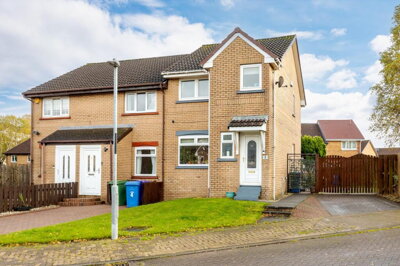
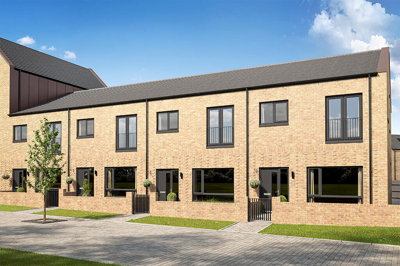
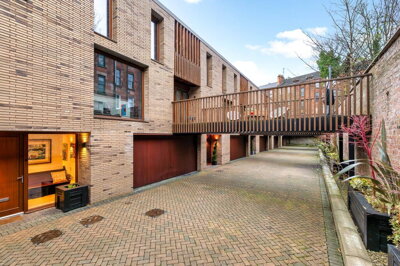
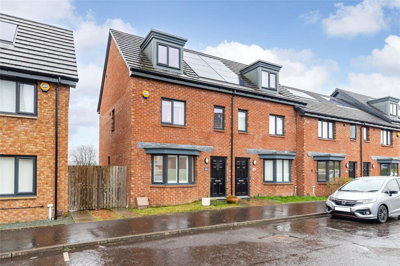
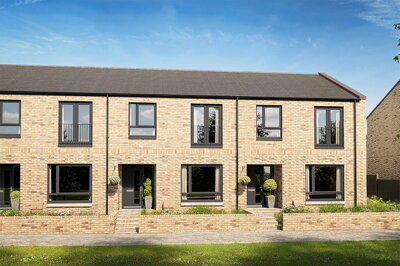
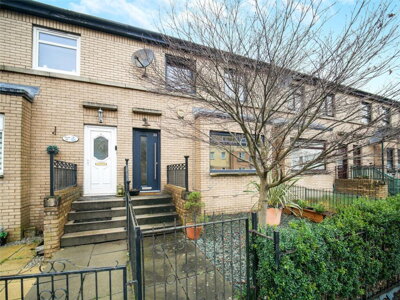
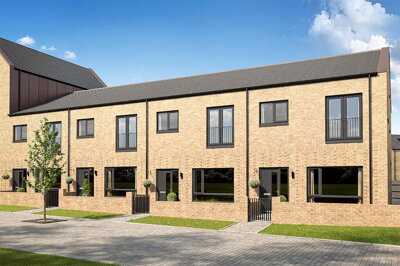
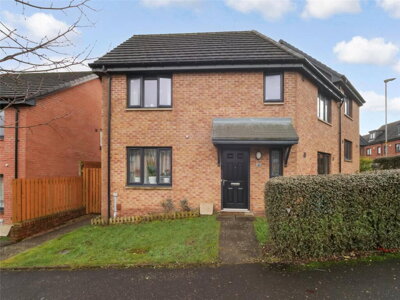
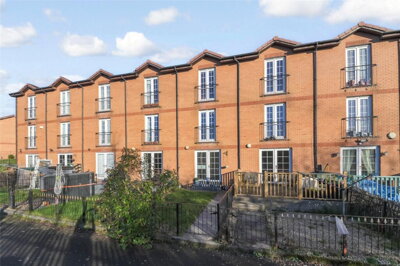
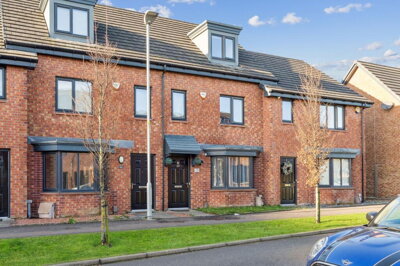
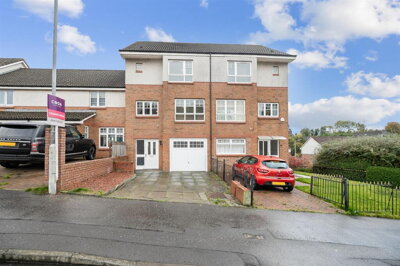
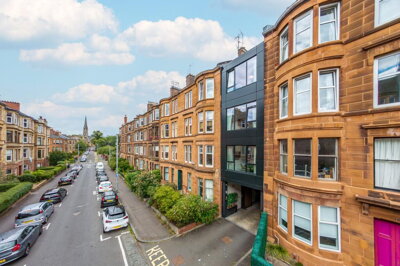
Browse 16 homes for sale in G4 from local estate agents.
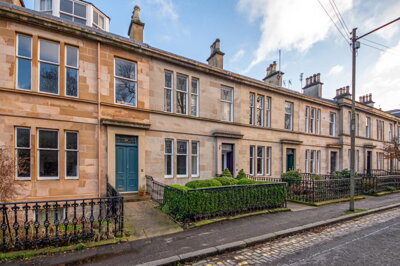
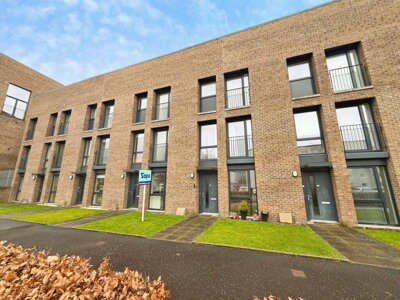
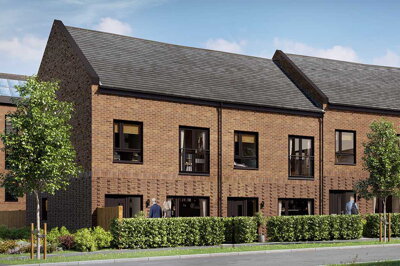
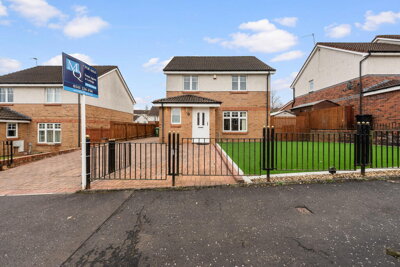
Three bedroom properties represent a significant portion of the G4 housing market, offering space for families with multiple reception rooms and gardens in many cases. Browse detached, semi-detached, and terraced options ranging from period character homes to contemporary developments.
£351k
4
0
32
Source: home.co.uk
Showing 4 results for 3 Bedroom Houses for sale in G4. The median asking price is £350,995.
Source: home.co.uk
Terraced
4 listings
Avg £349,245
Source: home.co.uk
Source: home.co.uk
£163,892
Average Property Price
-1%
12-Month Price Change
+11%
5-Year Price Change
19
Properties Sold (12 months)
22,000
Population
10,000
Households
The G4 property market offers remarkable variety for buyers seeking city centre living in Glasgow. Our current listings include traditional sandstone tenement flats with original period features alongside modern apartments in newly developed complexes. The average property price of £163,892 positions G4 as accessible compared to other major UK city centres, yet the area commands premium prices for larger properties, with semi-detached homes reaching around £206,250 and detached properties averaging £235,000. This price diversity means buyers can find suitable properties across various budgets, from compact one-bedroom apartments to spacious family homes.
Several significant new build developments are shaping the G4 landscape. The Printworks on Port Dundas Road offers contemporary one and two-bedroom apartments from £160,000, developed by Kelvin Properties in a converted industrial building. Merchants Gate on North Hanover Street, built by CCG Homes, provides larger one, two, and three-bedroom options starting from £169,995. High Street Station on the High Street offers one, two, and three-bedroom apartments for rent, managed by Get Living, adding to the diverse housing options in the area. These developments cater to buyers seeking modern specifications, energy efficiency, and amenities within walking distance of the city centre. The mix of historic tenements and new-build stock gives G4 a distinctive character that appeals to diverse buyer demographics.
We notice that flats represent the largest proportion of available properties in G4, reflecting Glasgow's broader tenement culture. First-time buyers often gravitate toward one and two-bedroom flats priced between £120,000 and £180,000, while families seeking more space typically consider three-bedroom tenement apartments or terraced properties. The area's geology, underlain by Carboniferous sedimentary rocks including sandstones and mudstones, has historically influenced construction choices, with local sandstone quarries providing the distinctive red and blonde materials that define the Victorian streetscape. Understanding these local construction patterns helps buyers appreciate why certain properties command premiums and what maintenance considerations may arise.
The Printworks, 140-144 Port Dundas Road represents one of G4's most distinctive conversions, transforming an industrial building into contemporary apartments by Kelvin Properties. These one and two-bedroom homes start from £160,000 and offer modern living within a character building. Merchants Gate, 100 North Hanover Street from CCG Homes provides another option for buyers seeking new-build quality, with one, two, and three-bedroom apartments from £169,995. High Street Station adds rental diversity to the postcode with Get Living's managed development offering one to three-bedroom apartments on the historic High Street. Each development brings different benefits, from converted industrial charm to purpose-built modern facilities, giving buyers genuine choice when considering new versus established properties in G4.

G4 represents one of Glasgow's most historically significant and architecturally striking neighbourhoods. The area is characterised by magnificent red and blonde sandstone tenement buildings from the Victorian and Edwardian eras, many constructed before 1919, creating an streetscape of considerable aesthetic appeal. These traditional tenements feature high ceilings, original cornicing, and generous room proportions that reflect the architectural ambition of late 19th-century Glasgow. The population of approximately 22,000 residents across 10,000 households creates a lively yet intimate community atmosphere that distinguishes G4 from more anonymous city centre districts.
The neighbourhood offers excellent access to Glasgow's renowned cultural amenities. The area sits close to the Theatre Royal, Gallery of Modern Art, and the vibrant dining and entertainment scene of the city centre. Garnethill, within G4, contains the Glasgow School of Art campus and retains much of its historic village atmosphere despite its central location. Local green spaces provide respite from urban density, while the proximity to the University of Strathclyde and Glasgow Caledonian University campuses creates a scholarly atmosphere enriched by cafes, bookshops, and academic events. The G4 postcode truly embodies Glasgow's famous friendliness, with communities that welcome newcomers and maintain strong local connections.
For buyers considering G4, the area's regeneration should be factored into purchasing decisions. Port Dundas, at the western edge of the postcode, has seen significant investment in recent years, transforming former industrial land into mixed-use developments. Townhead, to the north, continues to evolve with various improvement initiatives. The Forth and Clyde Canal, which runs through parts of G4, provides both recreational opportunities and occasional flood risk considerations that buyers should discuss with our team when evaluating specific properties. We have seen neighbourhoods throughout G4 benefit from sustained investment, making the area increasingly attractive to both owner-occupiers and investors seeking capital growth.
The predominant building materials in G4 reflect Glasgow's construction heritage: red and blonde sandstone for tenement facades, brick for rear elevations, and Welsh slate for roofs. Timber suspended floors and solid wall construction characterise most pre-1919 properties, meaning insulation standards differ from modern cavity-walled buildings. Our inspectors frequently note that these traditional construction methods require different maintenance approaches than newer properties, with solid walls requiring breathable paints and plasters to prevent moisture retention. Understanding these local building practices helps buyers appreciate both the character and the maintenance responsibilities that come with purchasing period property in G4.

Education provision in G4 serves a diverse population ranging from young families to university students and lifelong learners. The area hosts two of Glasgow's major universities, with the University of Strathclyde's city campus situated within easy walking distance of most G4 addresses. Glasgow Caledonian University is similarly accessible, making G4 particularly attractive to students, academics, and professionals working in higher education. The concentration of university activity supports a vibrant local economy with numerous cafes, bookshops, and student-oriented services that benefit the wider community.
For families with school-age children, G4 provides access to several well-regarded primary and secondary establishments in the surrounding postcodes. Parents should research individual school catchment areas and recent Ofsted-equivalent inspection results from Education Scotland to identify the most suitable options for their circumstances. The presence of specialist schools and additional support provision in the broader Glasgow area ensures that families with children requiring specific educational support can find appropriate placements. Given the area's diverse housing stock ranging from compact flats to larger tenement apartments, families should confirm that prospective properties fall within their preferred school catchment boundaries before committing to a purchase.
We recommend that buyers with school-age children verify catchment boundaries directly with Glasgow City Council, as these can change and may not align with traditional postcode assumptions. Primary schools serving parts of G4 include Garnethill Primary School, which benefits from its location within the Garnethill conservation area, and several others across adjacent postcodes. Secondary options include schools with strong academic records that attract pupils from across the north side of Glasgow. Education Scotland's inspection reports provide objective quality assessments, and school catchment boundaries should be verified before purchasing to ensure compliance with placement policies.
G4 enjoys exceptional connectivity that makes commuting and exploring Glasgow straightforward. The area sits within easy walking distance of Glasgow Queen Street and Glasgow Central stations, providing direct rail links to destinations across Scotland. Glasgow Airport can be reached by car or public transport in approximately 15-20 minutes, while the M8 motorway passes close to the northern edge of G4, connecting Edinburgh and the west of Scotland. Bus services throughout the area provide frequent connections to the wider city and surrounding towns, with stops accessible throughout the neighbourhood.
For cyclists, G4 offers increasingly improved infrastructure including dedicated lanes on major routes and secure parking facilities at key destinations. The flat terrain of central Glasgow makes cycling practical for most residents, while the expanding Sustrans-connected routes provide opportunities for recreational cycling and longer journeys. Pedestrian access to the city centre means many residents can work, shop, and socialise without private vehicle dependence, reducing ongoing motoring costs. The excellent transport links combined with walkable neighbourhood design make G4 particularly suitable for buyers seeking to minimise commuting time and maximise urban lifestyle benefits.
Our team often advises buyers to consider specific transport access when evaluating properties within G4. Properties closer to the High Street benefit from immediate access to frequent bus services and proximity to High Street Station. Those near Port Dundas Road enjoy connections to the western side of the city and motorway access. The Forth and Clyde Canal, while primarily a recreational asset, occasionally creates surface water management considerations for properties in immediate proximity. We have seen many buyers specifically choose G4 for its accessibility, with Queen Street Station providing direct services to Edinburgh in under 50 minutes and Glasgow Central connecting to destinations across the rail network.
Before viewing properties, obtain a mortgage agreement in principle from a lender to understand your true budget. Include consideration of solicitor fees, survey costs (typically £400-£550 for a RICS Level 2 Survey on a G4 flat), and stamp duty Land Tax (SDLT) which applies to purchases above £250,000 at 5%. Many G4 properties fall below the SDLT threshold, meaning first-time buyers and those purchasing flats may pay nothing in stamp duty.
Browse current listings on Homemove to understand what your budget buys in different G4 neighbourhoods. Flats near the universities differ in character and price from properties in Garnethill conservation area, so define your priorities early. Consider whether you prefer the character of a pre-1919 tenement with period features or the modern specifications of a new-build apartment in a development like Merchants Gate or The Printworks.
Schedule viewings through listed estate agents. For older tenement properties, which predominate in G4, consider attending viewings with awareness that common issues include dampness, outdated electrics, and roof deterioration. Properties built before 1919 often require electrical rewiring and may have solid walls that lack modern insulation. Our inspectors frequently identify defects in G4 properties that are not apparent during casual viewings.
Once you have an offer accepted, instruct a RICS Level 2 Survey to assess the property condition. For G4's older sandstone buildings, this survey will identify defects like rising damp, timber rot, and masonry issues that may affect your decision or negotiating position. Given the prevalence of glacial till soils in the Glasgow area, a RICS Level 2 Survey can also flag potential foundation concerns, particularly for properties with mature trees nearby. Survey costs range from £400-£550 for flats and £500-£700 for houses.
Appoint a solicitor to handle legal work including title checks, local authority searches (which should include mining records given Glasgow's coal mining history), and contract exchange. They will coordinate with your mortgage lender and the seller's solicitors. For properties near the Forth and Clyde Canal, additional drainage and flooding searches may prove worthwhile.
Finalise mortgage arrangements, pay SDLT if applicable, and arrange building insurance before your completion date. Your solicitor will transfer funds and register your ownership with the Land Registry. For tenement properties, confirm that building insurance covers the full reinstatement value and that any shared repairs have been properly documented.
Properties in G4 present unique considerations that buyers should investigate carefully before committing to a purchase. The area's geology presents specific challenges: the underlying Carboniferous sedimentary rocks and glacial till soils can experience shrink-swell movement that affects foundations, particularly during drought periods or following heavy rainfall. Properties with mature trees nearby face elevated subsidence risk, and a specialist ground condition assessment may prove worthwhile. Additionally, Glasgow's historic coal mining means some areas within G4 may have residual ground instability from past workings, making a coal mining search report an essential precaution.
The concentration of historic sandstone buildings in G4 brings both charm and obligations. Properties within conservation areas like Garnethill or the Central Conservation Area face stricter planning controls that affect permitted developments, renovations, and exterior alterations. Listed buildings require Listed Building Consent for most changes and may need specialist conservation-aware surveyors for accurate assessment. Our inspectors approach these properties with particular attention to original construction details and materials, noting that inappropriate modern interventions can compromise both character and structural integrity. We have seen cases where well-intentioned improvements to listed properties have created damp problems or masonry deterioration that a thorough survey would have identified beforehand.
Buyers should budget for potential costs of bringing older properties up to modern standards, particularly regarding electrical rewiring (often required in pre-1919 buildings), plumbing updates, and insulation improvements that older solid-walled construction may lack. Our surveyors commonly identify dampness issues in G4 properties, including rising damp through solid floors, penetrating damp through weathered masonry, and condensation related to inadequate ventilation. Roof condition is another frequent concern, with slate tiles showing age-related deterioration and lead flashing requiring periodic replacement. Surface water flooding awareness is also important given G4's urban density and proximity to the Forth and Clyde Canal, which can affect low-lying properties during periods of heavy rainfall.
Our inspectors have identified recurring defect patterns across G4's housing stock. Rising damp affects numerous tenement ground floor properties, where the original damp-proof course may have failed or been bridged by external ground levels over time. Penetrating damp commonly appears where sandstone masonry has weathered or where pointing has deteriorated, allowing water ingress through the solid wall construction. Timber defects, including wet rot and dry rot, frequently affect wooden floors and structural timbers where dampness has penetrated or ventilation has been restricted. For properties near the Forth and Clyde Canal or in low-lying areas, surface water management and drainage become particularly important considerations during property surveys.
The average property price in G4 is £163,892 based on recent sales data. Property prices vary significantly by type, with flats averaging around £150,000, terraced homes at approximately £165,000, semi-detached properties at £206,250, and detached houses reaching around £235,000. Over the past five years, prices have increased by 11%, though the most recent 12-month period shows a modest 1% decrease, suggesting market stabilisation rather than decline. This relatively stable price environment offers good conditions for buyers seeking to enter the G4 market without competing against rapid price escalation seen in some other city centre postcodes.
Council tax bands in G4 vary by property type and value, ranging from Band A for lower-value flats through to Band D or E for larger tenement apartments and period houses. Glasgow City Council manages tax collection and can confirm the specific band for any listed property. Buyers should note that newer properties, including some modern apartments in developments like The Printworks or Merchants Gate, may fall into different bands than comparable older stock. Banding can affect ongoing costs significantly, so we recommend requesting the council tax band as part of your initial property enquiries and factoring this into your budget calculations.
G4 itself contains the campuses of the University of Strathclyde and Glasgow Caledonian University, making it ideal for higher education and academic professionals. For school-age children, parents should research primary and secondary schools across Glasgow's north-side catchment areas, as specific school performance varies considerably. Education Scotland's inspection reports provide objective quality assessments, and school catchment boundaries should be verified before purchasing to ensure compliance with placement policies. Garnethill Primary School serves parts of the G4 postcode and benefits from its location in a conservation area, while secondary options across the north side include several establishments with strong reputations. Given the complexity of Glasgow's school admission arrangements, we strongly recommend confirming catchment positions directly with Glasgow City Council before committing to a purchase.
G4 enjoys excellent public transport connections with Glasgow Queen Street and Central stations accessible within walking distance of most addresses in the postcode. Multiple bus routes serve the area providing frequent city-wide connections, with stops on major roads including High Street, Duke Street, and George Street. The M8 motorway runs near the northern boundary, providing road access to Edinburgh and the west of Scotland, while Glasgow Airport is approximately 15-20 minutes away by car or public transport. This connectivity makes G4 particularly attractive to commuters working across Glasgow or travelling further afield. High Street Station provides local rail connections, complementing the broader network accessible from Queen Street and Central stations.
G4 offers several investment advantages including strong rental demand driven by the student population, young professionals, and city centre workers. The presence of two universities ensures consistent tenant demand for flats, while regeneration projects in areas like Port Dundas and Townhead suggest continued neighbourhood improvement. Property values have demonstrated 11% growth over five years with relative market stability, though recent months have seen a modest 1% correction. However, investors should factor in potential void periods, maintenance costs for older buildings (particularly tenement properties requiring shared repair contributions), and adherence to conservation area planning requirements that can limit rental property alterations. The diverse housing stock in G4, ranging from compact student flats to larger family homes, provides options for different investment strategies.
Standard SDLT rates apply to G4 property purchases. No stamp duty is payable on purchases up to £250,000, which covers many flats and entry-level properties in the postcode. For properties priced between £250,001 and £925,000, a 5% rate applies on the amount above £250,000. First-time buyers benefit from enhanced relief with a zero-rate band up to £425,000, potentially saving thousands on eligible purchases. Given G4's average price of £163,892, many buyers will pay minimal or no SDLT, though larger terraced, semi-detached, or detached properties may incur the standard rates. We recommend using HMRC's SDLT calculator or consulting with a solicitor to confirm your exact liability before making an offer.
G4's urban density and proximity to the Forth and Clyde Canal create some flood risk considerations for buyers. While the area is not on the coast, surface water flooding can occur during heavy rainfall due to impermeable surfaces and drainage capacity constraints. Properties near the canal should have drainage and flood history checked as part of conveyancing searches. Our inspectors always report on evidence of dampness or water damage that might indicate previous flooding episodes. Glasgow City Council's flood risk maps show varying levels of surface water risk across different parts of G4, and we recommend requesting a drainage and flooding search as part of your legal due diligence. Properties in lower-lying areas near the canal corridor warrant particular attention during survey inspections.
Understanding the full costs of purchasing property in G4 helps buyers budget accurately and avoid financial surprises. The SDLT thresholds for 2024-25 set the zero-rate band at £250,000 for standard purchases, meaning many G4 flats and apartments attract no stamp duty whatsoever. Properties priced between £250,001 and £925,000 incur 5% on the amount above £250,000, while higher-value properties face progressively steeper rates. First-time buyers benefit from enhanced relief with a zero-rate band up to £425,000, potentially saving thousands on eligible purchases. With the average G4 property price at £163,892, many buyers in this postcode will complete their purchase without any SDLT liability.
Beyond SDLT, buyers should budget for solicitor fees typically ranging from £500-£1,500 depending on complexity, plus disbursements for local searches including the recommended coal mining search for Glasgow properties. Land Registry fees for registering your ownership vary based on property price, while mortgage arrangement fees depend on your lender and deal structure. A RICS Level 2 Survey costs between £400 and £550 for a typical G4 flat and £500-£700 for larger houses, representing essential protection against undisclosed defects in older properties. Building insurance must be in place from completion, and removals costs vary based on distance and volume. Factoring these costs alongside your mortgage ensures a realistic total budget for your G4 purchase.
For tenement properties specifically, buyers should understand potential shared repair costs that may arise after purchase. Common repair contributions can include roof work, masonry maintenance, and shared drainage repairs. We recommend requesting information about any outstanding maintenance issues or planned works from the seller's solicitor before committing. While a RICS Level 2 Survey will identify current defects, it cannot predict future repair requirements, making it worthwhile to ask about the building's maintenance history and any planned programmes of work. These factors contribute to the true cost of ownership beyond the purchase price and mortgage.
From £400
A detailed inspection of the property condition, essential for G4's older tenement stock. Identifies defects common to sandstone buildings including dampness, timber issues, and masonry deterioration.
From £499
Solicitors handling your legal work including title checks, local searches, and contract exchange. Essential for G4 properties including mining searches.
From 4.5%
Expert mortgage advice from specialists familiar with Glasgow city centre properties. Shop around for the best rates on your G4 purchase.
From £80
Energy Performance Certificate required for all property sales. Particularly important for older tenement properties with solid wall construction.
Properties for Sale In London

Properties for Sale In Plymouth

Properties for Sale In Liverpool

Properties for Sale In Glasgow

Properties for Sale In Sheffield

Properties for Sale In Edinburgh

Properties for Sale In Coventry

Properties for Sale In Bradford

Properties for Sale In Manchester

Properties for Sale In Birmingham

Properties for Sale In Bristol

Properties for Sale In Oxford

Properties for Sale In Leicester

Properties for Sale In Newcastle

Properties for Sale In Leeds

Properties for Sale In Southampton

Properties for Sale In Cardiff

Properties for Sale In Nottingham

Properties for Sale In Norwich

Properties for Sale In Brighton

Properties for Sale In Derby

Properties for Sale In Portsmouth

Properties for Sale In Northampton

Properties for Sale In Milton Keynes

Properties for Sale In Bournemouth

Properties for Sale In Bolton

Properties for Sale In Swansea

Properties for Sale In Swindon

Properties for Sale In Peterborough

Properties for Sale In Wolverhampton

Enter your details to see if this property is within your budget.
Loans, cards, car finance
Estimated property budget
Borrowing + deposit
You could borrow between
Typical borrowing
Monthly repayment
Est. at 4.5%
Loan-to-value
This is an estimate only. Your actual budget may vary depending on interest rates, credit history, and personal circumstances. For an accurate affordability assessment, speak to one of our free mortgage advisors.
This calculator provides estimates for illustrative purposes only and does not constitute financial advice. Your home may be repossessed if you do not keep up repayments on your mortgage. Estimates based on 4.5% interest rate, repayment mortgage. Actual rates depend on your circumstances.
Homemove is a trading name of HM Haus Group Ltd (Company No. 13873779, registered in England & Wales). Homemove Mortgages Ltd (Company No. 15947693) is an Appointed Representative of TMG Direct Limited, trading as TMG Mortgage Network, which is authorised and regulated by the Financial Conduct Authority (FRN 786245). Homemove Mortgages Ltd is entered on the FCA Register as an Appointed Representative (FRN 1022429). You can check registrations at NewRegister or by calling 0800 111 6768.

We use cookies to show you personalised content and improve your experience of our website. Find out more in our Privacy policy and Cookie policy.