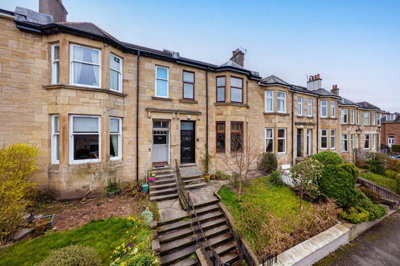
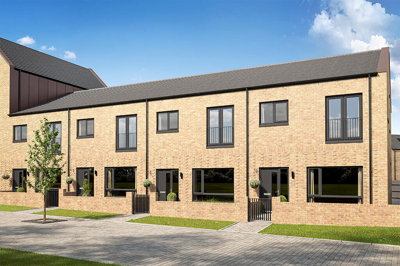
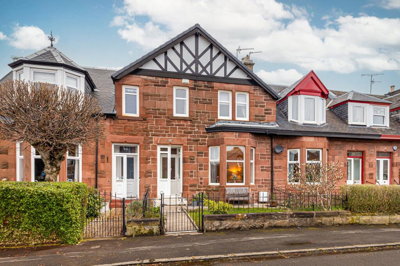
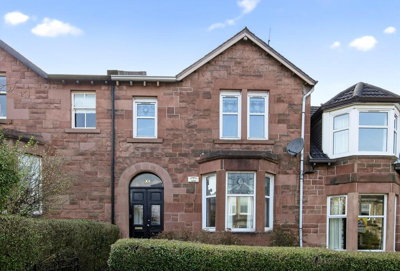
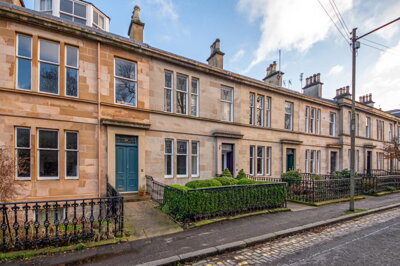
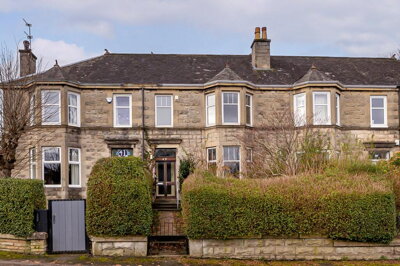
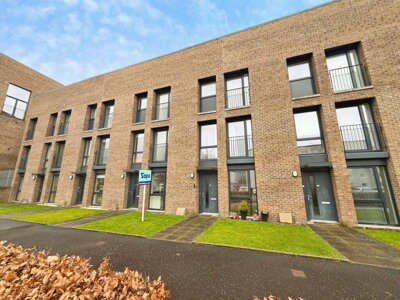
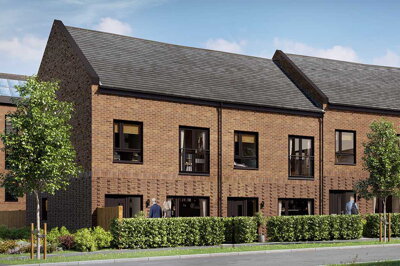
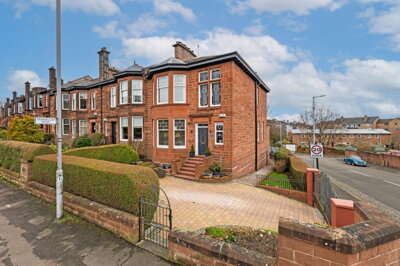
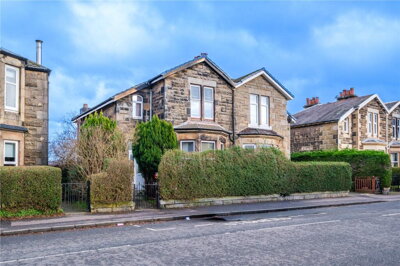
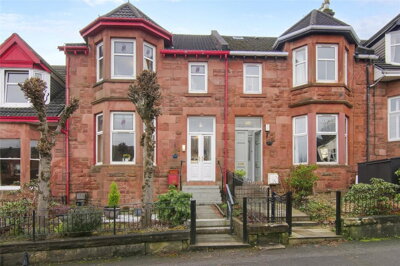
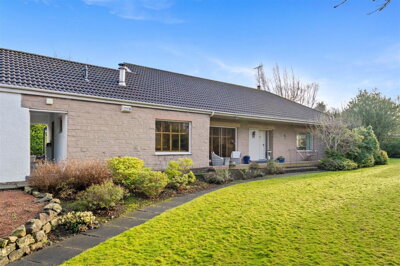
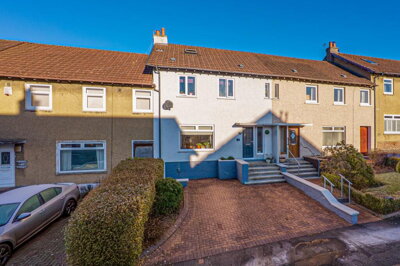
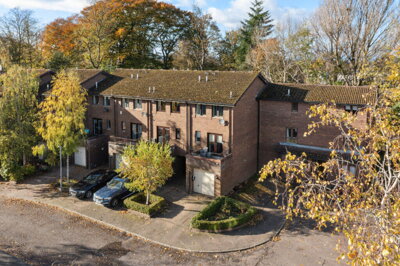
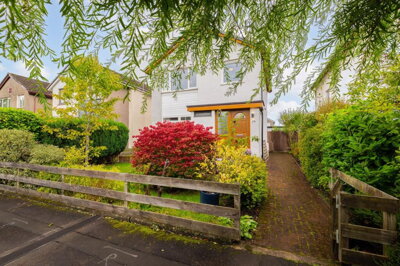
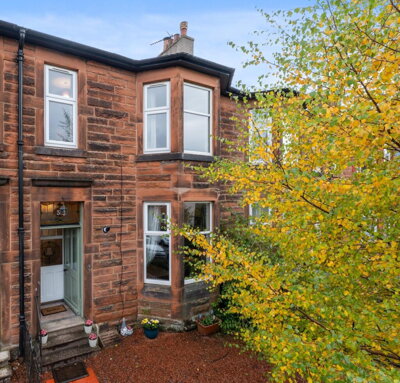
Browse 28 homes for sale in G2 from local estate agents.
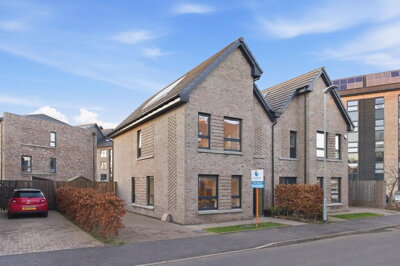
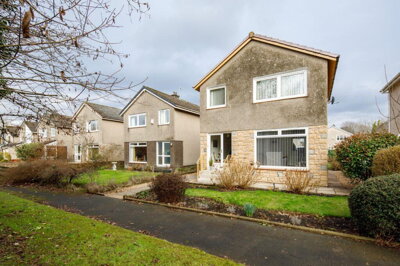
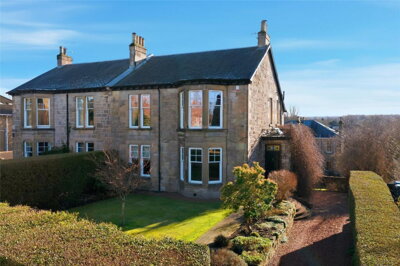
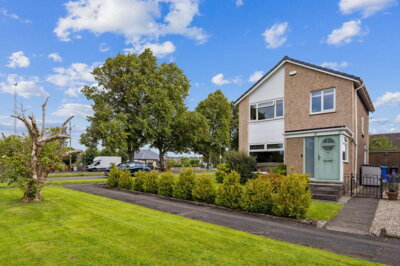
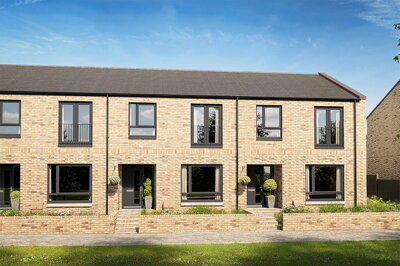
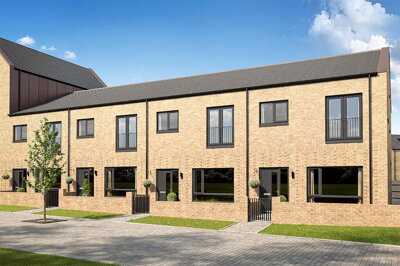
Three bedroom properties represent a significant portion of the G2 housing market, offering space for families with multiple reception rooms and gardens in many cases. Browse detached, semi-detached, and terraced options ranging from period character homes to contemporary developments.
£0k
0
0
0
Source: home.co.uk
Showing 0 results for 3 Bedroom Houses for sale in G2.
The G2 property market is characterised by its overwhelming dominance of apartment living, with flats accounting for the majority of sales in this city centre postcode. According to Rightmove, the average price for flats in G2 stands at £206,448, making apartment ownership highly accessible for first-time buyers and investors alike. Terraced properties in the area average £138,333, offering more affordable alternatives for those seeking slightly different accommodation profiles. New build activity within G2 itself is limited, as the postcode primarily consists of existing commercial and residential buildings rather than development sites.
Property values in G2 have demonstrated strong performance, with the overall average price of £201,140 representing a significant 13% increase compared to the previous year. This growth outpaces the Glasgow city-wide average of 4.8%, which saw properties reach £189,000 by December 2025. Terraced properties across Glasgow showed particularly strong appreciation at 7.6%, while flats increased by 3.8% over the same period. The market benefits from Glasgow's broader economic strengths, including its position as Scotland's financial hub and the presence of major international employers that continue to drive housing demand in the city centre.
For buyers considering investment opportunities, G2 presents compelling rental potential backed by robust demand. Greater Glasgow rental prices have risen 6.1% year-on-year, reaching an average of £1,273 per month in January 2026. The high concentration of professionals working in the International Financial Services District creates consistent tenant demand for quality city centre accommodation. Long-term rental prospects remain strongly positive, supported by population growth forecasts indicating Glasgow households will increase from 292,619 in 2018 to 328,229 by 2043.

G2 occupies a prime position in Glasgow's city centre, encompassing streets that define the urban character of Scotland's largest city. Bath Street, Renfield Street, West Regent Street, Hope Street, Argyle Street, and Sauchiehall Street all fall within this postcode, creating a neighbourhood rich in architectural variety and commercial activity. The 2011 Scotland Census recorded 2,757 residents within the G2 postcode district, though this figure likely understates the current population given the significant residential development that has transformed city centre living over the past decade.
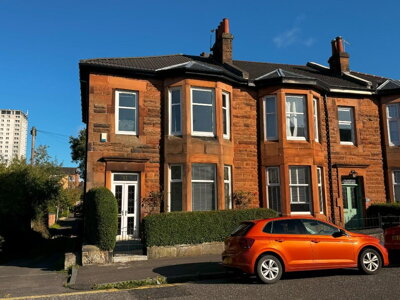
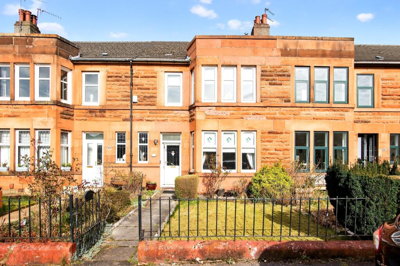
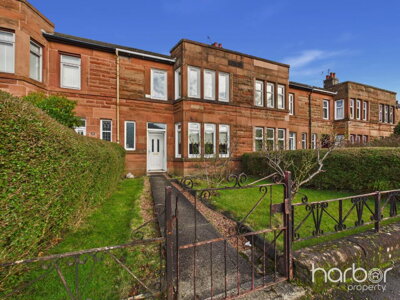
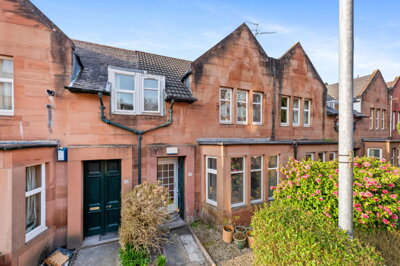
The architectural heritage of G2 is dominated by Victorian and Edwardian buildings constructed from distinctive red sandstone, giving the area its characteristic warm appearance. Notable examples include Lion Chambers at 172 Hope Street, Castle Chambers on Renfield Street, and the impressive Watt Brothers building on Sauchiehall Street. The Art Deco Beresford Building on Sauchiehall Street provides architectural variety from the interwar period, demonstrating the area's architectural evolution across different eras. Many buildings date from the late 19th and early 20th centuries, with construction dates of 1884, 1885, 1895-96, 1899, 1905, 1906, and 1914 represented in the building stock.
The character of G2 extends beyond its buildings to encompass the vibrant street life and cultural amenities that define city centre living. As part of Glasgow's commercial heart, residents enjoy immediate access to restaurants, cafes, shops, theatres, and galleries. The high concentration of listed buildings across various grades reflects the architectural significance of the area, with parts of G2 likely falling within designated conservation areas. The Mechanics' Institute on Bath Street represents just one example of the historic buildings that contribute to the neighbourhood's distinctive character and sense of place.
For families considering property in G2, understanding the educational landscape requires looking beyond the immediate city centre postcode to the wider Glasgow area. G2 itself is primarily commercial in character, with schools located in surrounding neighbourhoods accessible via short commutes. Primary education in central Glasgow is served by various establishments, with St Mungo's Primary School and the Glasgow Gaelic Primary School providing options for younger children. Parents should research specific catchment areas, as Scottish education policies link school admissions to residential proximity.
Secondary education in the area includes schools such as Hillhead High School, Glasgow High School, and St. Thomas Aquinas Secondary School, each offering distinct curricular programmes and extracurricular activities. Glasgow's education system includes both denominational and non-denominational schools, allowing parents to select according to their preferences. Grammar school provision differs from the English system, with Glasgow operating a comprehensive system rather than selective grammar schools. Sixth form and further education opportunities are abundant, with institutions including Glasgow Clyde College, City of Glasgow College, and the University of Glasgow accessible via public transport.
Higher education proximity represents a significant advantage of living in G2, with several major universities located within or near the city centre. The University of Strathclyde sits adjacent to the G2 boundary, while the University of Glasgow main campus is accessible via short bus or subway journeys. This concentration of educational institutions creates a vibrant atmosphere and supports the rental market, with students and academic staff comprising a substantial portion of the city centre population. Parents prioritising educational provision should consider specific school performance data, catchment area boundaries, and travel times when evaluating properties in and around G2.
G2 enjoys exceptional connectivity within Glasgow's comprehensive transport network, making it an ideal location for commuters and those who travel regularly for business. The area sits adjacent to Glasgow Central Station, one of Scotland's major railway hubs, providing direct services to destinations across the country including Edinburgh (approximately 50 minutes), London (around 4.5 hours), and numerous Scottish cities. The nearby Queen Street Station serves additional routes, including connections to the Highlands and western Scotland. For air travel, Glasgow Airport is accessible via the Glasgow Airport Express bus service and taxi, while Prestwick Airport offers further options.
Within the city itself, G2 benefits from extensive bus services operated by First Glasgow and McGill's, with numerous routes serving the city centre and connecting to surrounding neighbourhoods. The Subway system, one of the oldest underground railways in the world, provides convenient access to areas including West End, Southside, and the outer suburbs. St Enoch and Buchanan Street subway stations are both within walking distance of G2, offering easy connections to the wider subway network. For cyclists, Glasgow's active travel infrastructure continues to improve, with cycle lanes and bike-sharing schemes increasingly available throughout the city centre.
The walking accessibility of G2 deserves particular mention, as the compact city centre layout means many amenities are reachable on foot within minutes. Shopping on Buchanan Street, dining in the Merchant City, and accessing cultural attractions including the Theatre Royal and Gallery of Modern Art all lie within comfortable walking distance. For those driving, the M8 motorway provides quick access to Edinburgh and the west of Scotland, while the M77 connects to the south. Parking in the city centre can be challenging and expensive, which is worth considering when choosing between properties with and without dedicated parking.
Start by exploring current property listings in G2 to understand what is available at your budget. The average property price of £201,140 provides a useful benchmark, though flats range from around £138,000 for terraced properties to over £200,000 for city centre apartments. Consider engaging with local estate agents who have specialist knowledge of the G2 market and can alert you to new listings before they appear publicly.
Before arranging viewings, obtain a mortgage agreement in principle from a lender. This demonstrates your seriousness to sellers and agents, strengthening your position when making offers. With Glasgow property prices showing 13% annual growth in G2, acting quickly when you find a suitable property is advisable given the competitive nature of the city centre market.
Visit multiple properties in G2 to compare locations, conditions, and amenities. Pay particular attention to the building's age and construction type, as many properties date from the Victorian or Edwardian periods. Consider factors including floor level, lift access, noise from surrounding businesses, and the quality of communal areas in blocks of flats.
For properties in G2, where a high proportion of homes are over 50 years old, a RICS Level 2 Survey is essential. This will identify potential issues including damp, roof condition, subsidence, and outdated electrics common in older buildings. Survey costs typically range from £400 to £800 depending on property value and size. For listed buildings or those with unusual construction, consider a more comprehensive RICS Level 3 Survey.
Once your offer is accepted, instruct a solicitor experienced in Glasgow property transactions to handle the legal work. They will conduct searches, handle title transfers, and coordinate with the Land Registry of Scotland. Factor in LBTT (Land and Buildings Transaction Tax) costs, which apply to Scottish property purchases rather than Stamp Duty.
Your solicitor will guide you through contract exchange and the final completion process. Ensure buildings insurance is in place from the completion date. On moving day, arrange for meter readings to be taken and notify relevant utility companies of your new address. Register with local services and enjoy your new home in G2.
Purchasing property in G2 requires awareness of several area-specific factors that distinguish city centre buying from suburban purchases. The high concentration of listed buildings across streets including Bath Street, Hope Street, and Sauchiehall Street means many properties carry listed status, imposing restrictions on alterations and renovations. Before purchasing a listed property, consider whether you are prepared to comply with Historic Environment Scotland guidelines that govern changes to protected buildings. A more detailed RICS Level 3 Survey may be advisable for listed properties to fully assess their condition and maintenance requirements.
Building materials in G2 merit careful attention, with red sandstone construction being prevalent among Victorian and Edwardian buildings. While this material contributes to the area's attractive character, it requires appropriate maintenance and can be susceptible to weathering and erosion over time. Look for evidence of damp-proof course installation and adequate rainwater disposal systems, as damp represents one of the most common defects identified in older masonry buildings. Roof conditions on tenemental and commercial buildings converted to flats should be assessed, as deteriorating slates or flashings can lead to water ingress affecting multiple properties.
Flood risk assessment is advisable for any property purchase, including those in G2. While the postcode is generally elevated from the River Clyde, urban surface water flooding can occur during heavy rainfall events. Check property boundaries for evidence of previous flooding and review local authority flood risk data. Ground stability issues, while not specifically documented for G2, should be considered given Glasgow's mining heritage and the presence of glacial till deposits in some areas. Properties showing signs of subsidence, including cracking or uneven floors, warrant specialist structural surveys before purchase proceeds.
For flat purchases specifically, review the terms of the title deed and any management company arrangements that govern the building. Service charges and communal maintenance responsibilities vary significantly between developments, and understanding these costs is essential for accurate budgeting. Ground rent arrangements on older leases may require negotiation or renegotiation. In blocks of flats, the condition of communal areas, lift maintenance schedules, and building insurance arrangements all affect both quality of life and ongoing ownership costs.
The average property price in G2 Glasgow stands at £201,140 according to Rightmove data, with a slightly higher figure of £205,208 reported by Zoopla for the past 12 months. Flats average £206,448, while terraced properties average £138,333. Prices have risen significantly by 13% over the past year, outpacing the Glasgow-wide average of 4.8%. This growth reflects strong demand for city centre living and Glasgow's relative affordability compared to other major UK cities.
Properties in Glasgow City, including the G2 postcode, fall within council tax bands A through H, with the specific band depending on property value and characteristics. City centre flats typically fall within bands A to D, while larger apartments or those in prestigious buildings may be in higher bands. You can verify the council tax band for any specific property through the Scottish Assessors Association website or by contacting Glasgow City Council directly.
G2 itself is primarily commercial, with most schools located in surrounding neighbourhoods. Primary options include St Mungo's Primary School and the Glasgow Gaelic Primary School, with secondary schools such as Hillhead High School and Glasgow High School serving the wider area. The University of Strathclyde sits adjacent to G2, while the University of Glasgow is accessible via public transport. Parents should research specific catchment areas, as Scottish school admissions are determined by geographic proximity.
G2 enjoys excellent public transport connections, sitting adjacent to Glasgow Central Station for rail services to Edinburgh, London, and destinations across Scotland. Queen Street Station provides additional routes, while Buchanan Street and St Enoch subway stations offer access to Glasgow's underground network. Extensive bus services operate throughout the city centre, and Glasgow Airport is reachable via the Glasgow Airport Express service. The compact city centre layout also makes walking a practical option for most daily needs.
G2 presents compelling investment credentials backed by strong data. Glasgow offers rental yields of 7% to 8%, with Greater Glasgow rents averaging £1,273 per month as of January 2026, representing 6.1% year-on-year growth. The presence of major employers in the International Financial Services District including Barclays, JP Morgan, and Morgan Stanley ensures consistent tenant demand. Population forecasts predict Glasgow household numbers will grow from 292,619 to 328,229 by 2043, indicating sustained demand for city centre housing. Property prices rose 7.3% citywide in 2024 with 2% to 4% growth forecasted.
Scotland operates Land and Buildings Transaction Tax (LBTT) rather than Stamp Duty Land Tax. LBTT thresholds for residential properties start at 0% for the first £145,000 of the purchase price, then 2% on the portion from £145,001 to £250,000, 5% from £250,001 to £325,000, 10% from £325,001 to £750,000, and 12% above £750,000. First-time buyers in Scotland may qualify for relief on the portion of the price up to £175,000. Your solicitor will calculate the exact amount based on your circumstances and purchase price.
Given the prevalence of Victorian, Edwardian, and interwar buildings in G2, common defects include damp arising from inadequate damp-proof courses, roof deterioration affecting slates and flashing, potential subsidence in buildings on variable ground conditions, and outdated electrical systems requiring upgrading to meet current safety standards. The high proportion of properties over 100 years old means these issues are frequently encountered. A thorough RICS Level 2 Survey is strongly recommended before purchase to identify all relevant defects.
G2 contains a high concentration of listed buildings across streets including Bath Street, Renfield Street, and Sauchiehall Street, with various grades including A, B, and C classifications. While specific conservation area boundaries for G2 were not formally documented in available sources, the density of listed buildings strongly suggests that parts of the postcode fall within designated conservation areas. Properties in conservation areas may face additional planning restrictions on alterations and improvements.
Understanding the full costs of purchasing property in G2 requires familiarity with Scotland's distinct tax system, which uses Land and Buildings Transaction Tax (LBTT) rather than the Stamp Duty Land Tax applied in England. LBTT operates on progressive bands, with residential purchases paying nothing on the first £145,000 of the property price. For a typical G2 flat at the average price of £201,140, LBTT would be calculated at 0% on £145,000 plus 2% on the remaining £56,140, totalling £1,122.80. Your solicitor will calculate the precise amount based on your specific purchase price and circumstances.
First-time buyers in Scotland benefit from additional relief under the LBTT first-time buyer supplement, which provides relief on residential purchases where the total chargeable consideration is under £175,000. This means first-time buyers purchasing properties up to this threshold pay no LBTT at all. For purchases between £175,000 and £250,000, first-time buyers pay 2% on the amount above £175,000. Above £250,000, first-time buyer relief does not apply, and standard LBTT rates govern the calculation. Investors and those who have previously owned property should note that additional dwellings supplement of 4% may apply.
Beyond LBTT, budget for solicitor fees which typically range from £800 to £2,000 depending on complexity and property value. Survey costs for a RICS Level 2 Survey range from £400 to £800 for standard properties, with older buildings or those with unusual construction potentially incurring higher fees. For G2's many listed buildings, a RICS Level 3 Survey may be advisable at costs starting from £600. Mortgage arrangement fees vary by lender, typically ranging from £0 to £2,000. Buildings insurance should be budgeted at approximately £200 to £500 annually for city centre flats. Factor in removal costs, potential renovation expenses, and a contingency fund for unexpected issues identified during survey or after moving.

Properties for Sale In London

Properties for Sale In Plymouth

Properties for Sale In Liverpool

Properties for Sale In Glasgow

Properties for Sale In Sheffield

Properties for Sale In Edinburgh

Properties for Sale In Coventry

Properties for Sale In Bradford

Properties for Sale In Manchester

Properties for Sale In Birmingham

Properties for Sale In Bristol

Properties for Sale In Oxford

Properties for Sale In Leicester

Properties for Sale In Newcastle

Properties for Sale In Leeds

Properties for Sale In Southampton

Properties for Sale In Cardiff

Properties for Sale In Nottingham

Properties for Sale In Norwich

Properties for Sale In Brighton

Properties for Sale In Derby

Properties for Sale In Portsmouth

Properties for Sale In Northampton

Properties for Sale In Milton Keynes

Properties for Sale In Bournemouth

Properties for Sale In Bolton

Properties for Sale In Swansea

Properties for Sale In Swindon

Properties for Sale In Peterborough

Properties for Sale In Wolverhampton

Enter your details to see if this property is within your budget.
Loans, cards, car finance
Estimated property budget
Borrowing + deposit
You could borrow between
Typical borrowing
Monthly repayment
Est. at 4.5%
Loan-to-value
This is an estimate only. Your actual budget may vary depending on interest rates, credit history, and personal circumstances. For an accurate affordability assessment, speak to one of our free mortgage advisors.
This calculator provides estimates for illustrative purposes only and does not constitute financial advice. Your home may be repossessed if you do not keep up repayments on your mortgage. Estimates based on 4.5% interest rate, repayment mortgage. Actual rates depend on your circumstances.
Homemove is a trading name of HM Haus Group Ltd (Company No. 13873779, registered in England & Wales). Homemove Mortgages Ltd (Company No. 15947693) is an Appointed Representative of TMG Direct Limited, trading as TMG Mortgage Network, which is authorised and regulated by the Financial Conduct Authority (FRN 786245). Homemove Mortgages Ltd is entered on the FCA Register as an Appointed Representative (FRN 1022429). You can check registrations at NewRegister or by calling 0800 111 6768.

We use cookies to show you personalised content and improve your experience of our website. Find out more in our Privacy policy and Cookie policy.