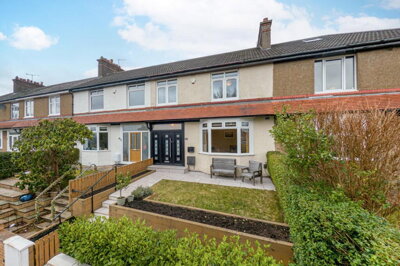
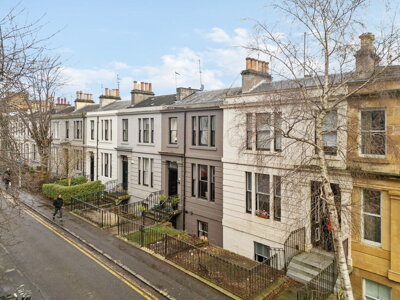
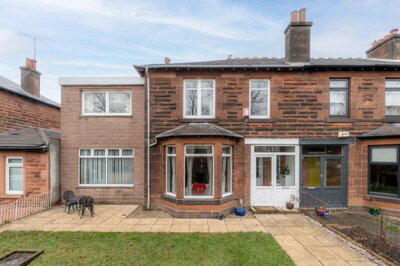
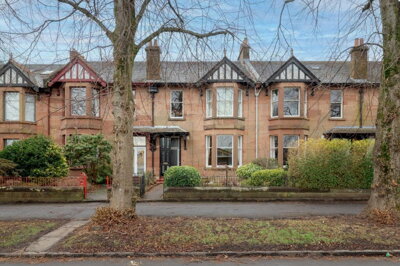
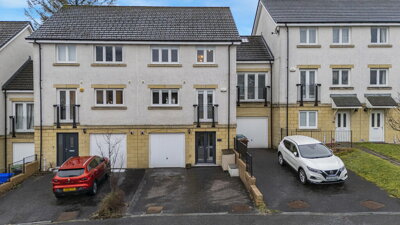
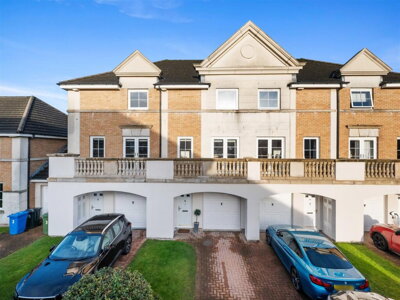
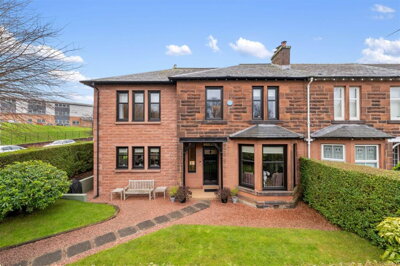
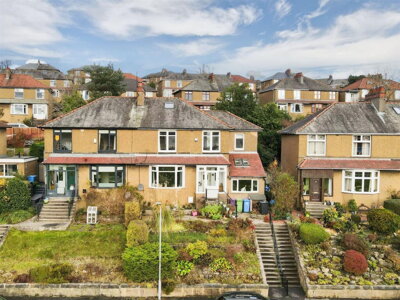
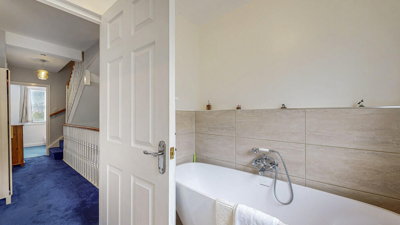
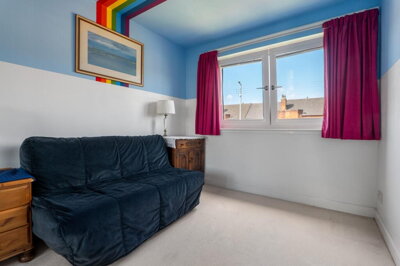
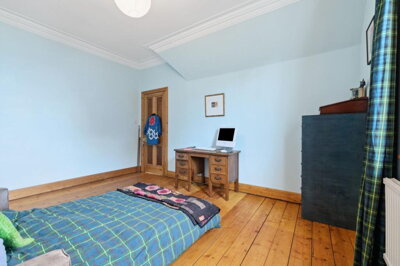
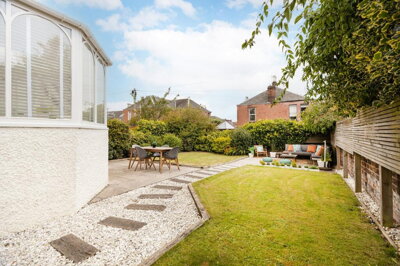
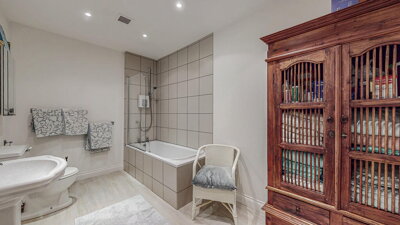
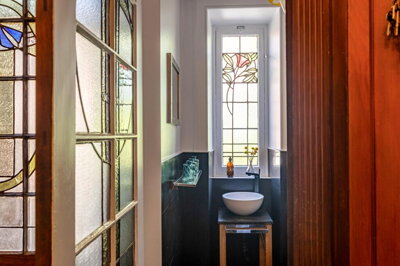
Browse 22 homes for sale in G11 from local estate agents.
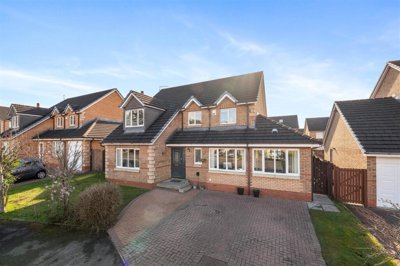
The larger property sector typically features multiple bathrooms, substantial reception space, and private gardens or off-street parking. Four bedroom houses in G11 span detached, semi-detached, and occasionally terraced configurations, with styles ranging from period properties to modern executive homes.
£0k
0
0
0
Source: home.co.uk
Showing 0 results for 4 Bedroom Houses for sale in G11.
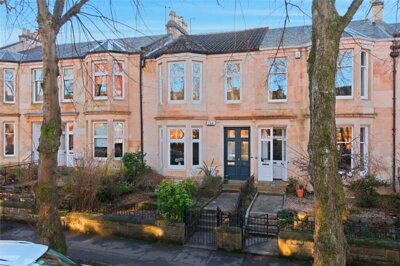
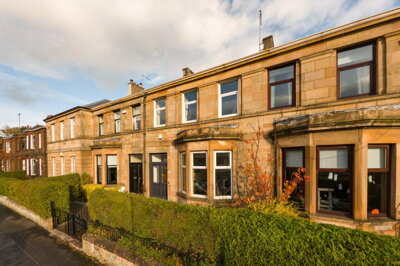
The G11 property market is characterised by a strong prevalence of traditional tenement flats, which account for the majority of sales in the area. Zoopla records an average price of £241,947 for flats in G11, while Rightmove confirms a similar figure of £242,132, suggesting consistent valuations across major property portals. These sandstone-fronted properties, built predominantly in the late 19th and early 20th centuries, offer generous room proportions, high ceilings, and period features that continue to command premium prices in the West End market. The popularity of tenement living in G11 reflects a broader appreciation for period architecture and the practical benefits of central locations.
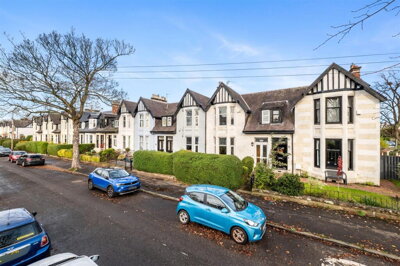
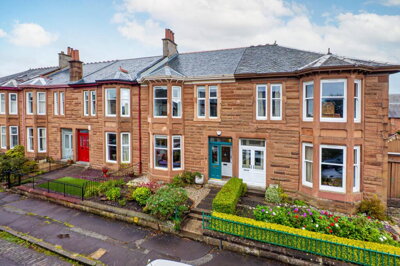
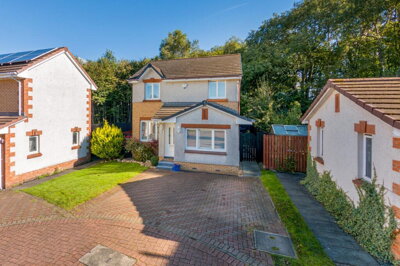
For buyers seeking more space, terraced properties in G11 average £353,865 according to Rightmove, with Zoopla recording higher valuations at £544,612 for the same tenure. This significant variation between portals likely reflects differences in the sample of properties included and recent sales composition rather than any discrepancy in the underlying market. Semi-detached homes fetch around £566,639, while detached properties show considerable variation depending on location, with averages ranging from £392,778 on Rightmove to £836,667 on Zoopla. This variation likely reflects the mix of traditional Victorian detached houses in areas like Hyndland alongside newer developments that occasionally appear in the postcode.
Street-level data provides additional insight into local market variations. Properties on Broomhill Drive, a desirable residential street within G11, showed prices 5% up on the previous year but 2% down on the 2023 peak of £283,328. Meanwhile, properties in G11 7AE demonstrated significant price volatility, with values 29% down on the previous year and 33% down on the 2022 peak of £457,000. These variations highlight the importance of examining micro-market conditions rather than relying solely on postcode-wide averages when assessing property values in G11. The market remains active with multiple sales completing in late 2025 and early 2026, indicating healthy transaction volumes throughout the area.

G11 occupies a prime position within Glasgow's celebrated West End, a district renowned for its bohemian atmosphere, architectural grandeur, and exceptional quality of life. The area is defined by its impressive red sandstone tenement buildings, constructed from the characteristic local sandstone that gives much of Glasgow's West End its distinctive warm terracotta appearance. These traditional buildings, many dating from the Victorian and Edwardian eras, line leafy streets and create an intimate urban environment that feels a world away from the city centre while remaining remarkably accessible. The cobbled lanes and original stone staircases found throughout Hyndland and Broomhill add to the authentic character of the neighbourhood.
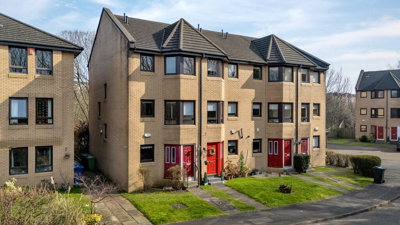
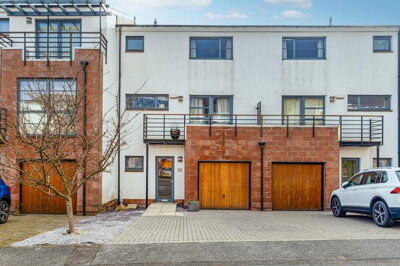
Daily life in G11 revolves around Byres Road and nearby Dumbarton Road, where residents find an excellent selection of independent shops, artisan cafes, acclaimed restaurants, and traditional pubs. The area attracts a diverse community, from young professionals drawn to the vibrant social scene to families seeking the excellent schools and spacious parks that the West End provides. Oranmore Court and Huntly Gardens represent examples of residential developments within G11 that offer more contemporary living options alongside the traditional tenement stock. Green spaces such as Kelvingrove Park are within easy walking distance, offering pristine gardens, children's play areas, and the River Kelvin walkway for recreational walks and cycling.
The presence of the University of Glasgow campus nearby adds to the intellectual and cultural atmosphere, with easy access to museums, galleries, and public events throughout the year. Kelvin Hall on Dumbarton Road provides additional cultural facilities, including the Riverside Museum transport collection and the BBC studios. The West End festival held annually brings the neighbourhood alive with music, art, and community events, reinforcing the area's reputation as one of Glasgow's most desirable places to live. Residents benefit from this rich cultural without sacrificing the practical conveniences of excellent public transport links and proximity to the city centre.

Education provision in and around G11 is exceptionally strong, making the area particularly popular with families seeking quality schooling for their children. The postcode falls within the Glasgow City Council educational catchment area, with several primary schools serving the local community. Hyndland Primary School is a standout choice, consistently achieving strong results and enjoying an excellent reputation among local parents. The school benefits from its proximity to the wider Hyndland neighbourhood and its connections to the secondary school catchment, making it a key consideration for families prioritising educational outcomes when buying property in G11. Other nearby primaries include Broomhill Primary School and Wellshot Primary School, both serving different portions of the postcode.
At secondary level, pupils in G11 typically progress to schools in the wider West End catchment, with options including some of Glasgow's most sought-after state secondary schools. The specific secondary school allocation depends on exact home address within G11, and parents should verify catchment boundaries before committing to a property purchase. West End schools such as Hillhead High School and Cleveden Secondary serve portions of the G11 catchment, while others may feed into different schools depending on exact location. The presence of the University of Glasgow's main campus in the adjacent G12 postcode provides higher education opportunities on the doorstep, while Glasgow Caledonian University and other higher education institutions are readily accessible via the excellent public transport connections.
For families considering private education, several independent schools operate in the wider West End area, offering alternative educational pathways. Notable options include Glasgow Academy in the North Kelvinside area and St Aloysius College in the city centre, both accessible from G11. The Scottish education system operates a different structure from England, with primary school typically running from Primary 1 to Primary 7 (ages 5-12), followed by secondary education from S1 to S6 (ages 12-18). Parents relocating from elsewhere should familiarise themselves with this structure and how it affects educational planning. Always verify current catchment areas and admission policies with Glasgow City Council before committing to a property purchase, as these can change and may significantly impact schooling options.
G11 boasts excellent transport connections that make commuting and exploring Glasgow straightforward, regardless of your preferred method of travel. The area is served by several subway stations, providing quick access to the wider Greater Glasgow area via the underground system. Hillhead station on Byres Road is within easy reach for many residents, offering direct connections to the city centre and the South Side of Glasgow. Partick station provides interchange opportunities between the subway, rail services, and bus connections, making it a key hub for G11 residents travelling further afield. The subway operates from early morning until late evening, providing reliable transport options seven days a week.
The extensive bus network that serves the West End provides additional flexibility, with multiple routes connecting G11 to the city centre, Merchant City, and surrounding suburbs throughout the day and evening. Routes along Byres Road and Dumbarton Road serve as primary arterial services, with stops conveniently located throughout the postcode. First Glasgow and McGill's operate services in the area, providing competitive pricing and regular frequencies on key routes. Night bus services operate on certain routes, making the area accessible for those working late shifts or enjoying the West End's nightlife without requiring a car.
For those who drive, G11 benefits from proximity to major road corridors while remaining largely free from the heaviest traffic that affects some central Glasgow areas. The Clydeside Expressway provides connections to the M8 motorway heading east and west, while the Dumbarton Road route offers access to the Erskine Bridge and connections to the west of Scotland. Parking in G11 can be challenging during peak periods, particularly near Byres Road and around university term time, so buyers should factor this into their property search. Glasgow Central and Queen Street stations are accessible for regional and national rail travel, with regular services to Edinburgh taking approximately 50 minutes and London available via Virgin Pendolino services. The recently improved cycling infrastructure throughout the West End also encourages sustainable commuting, with dedicated lanes making cycling a viable option for many residents and connecting to the wider Glasgow cycle network.
Understanding the construction methods used in G11 properties helps buyers appreciate both the character and potential challenges of the housing stock. The overwhelming majority of residential properties in G11 were built using traditional sandstone construction, with the distinctive red sandstone quarried from local sources including Giffnock and Bishopton. These solid-walled properties typically feature load-bearing masonry walls often exceeding 400mm in thickness, providing excellent thermal mass but requiring different considerations from modern cavity wall construction. The age of the properties, predominantly late Victorian and Edwardian, means that many features will reflect the building standards and materials of their era.
Traditional tenement construction in G11 typically involves properties arranged in blocks of four to six apartments, sharing a common stairwell and external structure. Each flat usually occupies one floor, though larger upper floor duplex arrangements exist in some buildings. The shared stairwell represents a crucial consideration for buyers, as maintenance responsibilities and costs are shared among all owners in the building. Original features such as cast iron railings, decorative cornicing, and timber sash windows are characteristic of the period and contribute significantly to property values, though they may require ongoing maintenance and specialist repair. Our inspectors frequently note that the quality of communal areas can indicate how well a building has been maintained overall.
Roof construction in G11 tenements typically involves traditional pitched roofs with slate or pantile coverings, often with original timber structure. Flat roof sections over bay windows and rear additions may have been replaced over the years, and our surveyors check for signs of deterioration or inadequate installation. The sub-floor structure in these properties usually consists of suspended timber boards over joists, with varying levels of ventilation beneath depending on the property's elevation. Basement flats, where present, may have restricted headroom and different moisture considerations compared to upper floor properties. We assess all these factors during surveys to give buyers a complete picture of the property's condition and likely maintenance requirements.
Before you start viewing properties in G11, obtain a mortgage agreement in principle from a lender. This confirms your borrowing capacity and demonstrates to sellers that you are a serious, prepared buyer when making offers on West End properties. Scottish mortgage processes differ slightly from England, with separate legals and longer settlement periods sometimes required. Contact multiple lenders or use a mortgage broker to compare rates and ensure you have adequate borrowing capacity for the G11 market.
Study property prices, recent sales data, and neighbourhood characteristics specific to G11. Understand the difference between tenement flats, traditional houses, and any newer developments in the area. Review street-level data where available, as prices can vary significantly within the postcode. Our platform provides comprehensive data on average prices and listing volumes, but we also recommend checking Zoopla and Rightmove for additional market intelligence. Pay particular attention to factor agreements and maintenance histories for tenement properties.
Visit multiple properties in different G11 neighbourhoods including Hyndland, Broomhill, and Byres Road areas. Pay attention to property condition, factors like floor level for flats, and the surrounding street environment during your visits. View properties at different times of day to assess noise levels, natural light, and foot traffic. For flats, examine the shared stairwell condition and ask about upcoming maintenance works. Take photographs and notes to help compare properties later in the decision-making process.
Once you have an offer accepted, arrange a RICS Level 2 Survey (Homebuyer Report) for any property, particularly given G11's prevalence of older sandstone tenements. This survey identifies defects like damp, roof issues, and outdated electrics that are common in traditional West End properties. For older or larger properties, consider upgrading to a full RICS Level 3 Building Survey that provides more detailed analysis of construction and condition. We recommend booking your survey promptly after offer acceptance to allow time for any renegotiation if significant issues are identified.
Choose an experienced conveyancing solicitor to handle the legal aspects of your purchase. They will conduct searches, handle contracts, and coordinate with the seller's representatives through to completion. In Scotland, the missives process typically involves a more structured negotiation phase than England, with standardised Scottishclauses governing the transaction. Your solicitor will conduct mining searches given Glasgow's historical coal mining activity, which is particularly important for properties in parts of G11 closer to historical mining areas.
Your solicitor will exchange contracts once all parties are ready, typically setting a completion date. In Scotland, settlement dates are typically every Friday, and your solicitor will coordinate the final arrangements. On completion day, you receive the keys to your new G11 home and can begin moving into your West End property. Remember to redirect mail, transfer utilities, and notify your buildings insurance provider of your new address.
Purchasing property in G11 requires attention to several area-specific factors that reflect the unique characteristics of Glasgow's West End housing stock. The prevalence of traditional sandstone tenement buildings means that buyers should carefully assess the condition of common stairwells, roof structures, and external walls. Tenement properties typically share maintenance responsibilities with other owners in the building, so reviewing the title deeds and any factor agreements is essential to understand your future obligations and any outstanding maintenance costs. Ask the seller for details of recent maintenance work, current factor fees, and any planned future works that may require additional contributions.
Common defects in older G11 properties include damp penetration, which can affect ground floor flats and properties with solid walls rather than cavity insulation. Our inspectors regularly find evidence of rising damp in basement properties and penetrating damp in properties where external pointing has deteriorated. The condition of original wooden sash windows should be assessed, as restoration can be costly while replacement may affect the character and potentially violate conservation considerations. Many G11 properties are situated within or near conservation areas, which may impose restrictions on external alterations. Electrical systems in older tenements may be outdated and require updating to meet current standards, with fuse boards and wiring predating modern requirements.
Given Glasgow's historical coal mining activity, standard property searches should include mining records, though specific mining subsidence risk for individual G11 properties should be verified with your solicitor. The western portions of the G11 postcode may be closer to historical mining areas than others, warranting careful investigation. Other considerations specific to G11 include the condition of shared drainage and below-ground pipework, which can be difficult to assess but may reveal issues in older properties. Factor disputes are not uncommon in tenement blocks, so understanding the history of the building's management and any ongoing issues is advisable before committing to a purchase. We strongly recommend a thorough RICS Level 2 or Level 3 Survey before purchasing any property in G11 to identify these potential issues.
Understanding the full costs of purchasing property in G11 is essential for budgeting effectively, and the primary consideration for Scottish buyers is Land and Buildings Transaction Tax (LBTT). Unlike the rest of the UK, Scotland operates its own land tax system, with rates that apply to the portion of the purchase price within each band. For a typical G11 flat at the average price of £242,000, LBTT would be calculated at 0% on the first £145,000 and 2% on the remaining £97,000, resulting in a tax liability of £1,940 before any first-time buyer relief. Our calculator can help you estimate LBTT for your specific purchase price, accounting for all relevant bands and reliefs.
Beyond LBTT, buyers should budget for solicitor fees which typically range from £500 to £1,500 depending on the complexity of the transaction and whether the property is leasehold or freehold. Most G11 properties are sold freehold, which simplifies the transaction compared to leasehold properties elsewhere in the UK. Survey costs for a RICS Level 2 Survey start from around £350 for standard properties, though larger or older G11 homes may require the more comprehensive Level 3 Survey starting from £450. Additional costs include mortgage arrangement fees, property valuation fees charged by lenders, search fees, and moving expenses. Factor search fees may apply if the property forms part of a tenement building with communal maintenance arrangements.
First-time buyers purchasing properties up to £175,000 qualify for first-time buyer relief under LBTT, which can reduce the tax burden significantly on more affordable G11 properties. This relief covers the portion of the purchase price between £145,000 and £175,000, effectively increasing the 0% band for qualifying buyers. Other potential costs include land registry fees, title insurance premiums, and removal costs. We recommend budgeting for a contingency of at least 5% of the purchase price to cover unexpected costs that may arise during the transaction or immediately after moving in. Our platform provides a comprehensive cost calculator to help you plan your G11 property purchase.
According to Rightmove data, the average house price in G11 is £254,139, while Zoopla records £266,151. Flats average around £242,000, terraced properties £354,000 to £545,000 depending on the source, and detached homes command significantly higher prices. Prices in G11 have risen 3% year-on-year and are 8% above the 2022 peak, indicating sustained demand for West End property. Street-level variations exist, with some roads like Broomhill Drive commanding premiums while other areas within the postcode show more volatility.
Glasgow City Council sets council tax bands for all properties in G11 based on the Scottish banding system. Bands range from A to H, with most tenement flats typically falling into bands A to C, while larger Victorian and Edwardian houses may be in higher bands D through F. The banding affects monthly council tax payments and is worth verifying early in your property search. You should verify the specific band for any property you are considering through the Scottish Assessors Association portal or your solicitor during conveyancing.
G11 is served by several well-regarded primary schools including Hyndland Primary School and Broomhill Primary School, both enjoying strong local reputations for academic achievement and community involvement. Secondary school options include schools within the Glasgow City catchment area, with many families choosing West End schools for their proximity and consistently strong educational outcomes. The University of Glasgow campus in G12 provides higher education opportunities nearby, while Glasgow Caledonian University and Strathclyde University are accessible via public transport. Always verify current catchment areas and admission policies with Glasgow City Council, as these can affect school allocations.
G11 offers excellent public transport connectivity through the Glasgow Subway with Hillhead and Kelvinbridge stations serving the area, plus an extensive bus network along Byres Road and Dumbarton Road. Hillhead subway station provides quick access to the city centre and South Side, while Partick station offers interchange with rail services for regional travel. Bus services operate frequently throughout the day and evening, connecting G11 to Glasgow Central, Queen Street stations, and destinations across the city. The West Line train services are also accessible from G11 for regional travel to destinations including Paisley, Gourock, and Helensburgh.
G11 represents a strong investment opportunity given its location in Glasgow's desirable West End, consistent price growth of 3% year-on-year, and proximity to the University of Glasgow. The rental market benefits from steady demand from students, young professionals, and academic staff, with popular rental areas including Hyndland and the streets surrounding Byres Road. Traditional tenement flats typically offer good rental yields, though investors should factor in potential maintenance costs for older buildings, factor responsibilities, and the need for compliance with rental regulations including the Scottish landlord registration scheme. Properties in good condition with period features command the highest rents in the area.
As G11 is in Scotland, buyers pay Land and Buildings Transaction Tax (LBTT) rather than UK stamp duty. Rates start at 0% on the first £145,000 of residential property purchases, rising to 2% on the next £105,000, 5% up to £750,000, and higher rates above that threshold. First-time buyers in Scotland may qualify for additional relief on the portion up to £175,000, effectively raising the 0% threshold for qualifying purchasers. Your solicitor will calculate the exact LBTT liability based on your purchase price and circumstances, including any additional dwellings supplement that may apply.
Glasgow has a historical legacy of coal mining, and parts of the G11 area may fall within zones of potential mining influence. Standard property searches conducted by your solicitor will include mining records from the Coal Authority, which identifies historical mine workings and any recorded subsidence. Properties in areas closer to former collieries and mining villages may have higher assessed risk, while others in areas with minimal historical mining activity may present lower concern. Your solicitor can advise on the specific mining risk assessment for any property you are considering purchasing in G11.
Factor agreements govern the maintenance and management of communal areas in tenement properties, and reviewing this document is essential before purchasing a G11 flat. Check the current factor fees, any reserve fund contributions, and the history of major maintenance works completed or planned. Look for evidence of disputes between owners, outstanding service charges, or proposed works that may require significant contributions. Properties with well-managed communal areas and healthy reserve funds typically represent better investments than those with deferred maintenance or financial issues. Your solicitor should obtain copies of factor agreements during the conveyancing process.
From 4.5%
Expert mortgage advice tailored to G11 property purchases. Compare rates from leading lenders.
From £499
Expert Scottish conveyancing solicitors experienced in G11 property transactions.
From £350
Essential survey for G11 tenement properties. Identifies defects common in traditional sandstone buildings.
From £450
Comprehensive building survey for older or larger G11 properties requiring detailed assessment.
Properties for Sale In London

Properties for Sale In Plymouth

Properties for Sale In Liverpool

Properties for Sale In Glasgow

Properties for Sale In Sheffield

Properties for Sale In Edinburgh

Properties for Sale In Coventry

Properties for Sale In Bradford

Properties for Sale In Manchester

Properties for Sale In Birmingham

Properties for Sale In Bristol

Properties for Sale In Oxford

Properties for Sale In Leicester

Properties for Sale In Newcastle

Properties for Sale In Leeds

Properties for Sale In Southampton

Properties for Sale In Cardiff

Properties for Sale In Nottingham

Properties for Sale In Norwich

Properties for Sale In Brighton

Properties for Sale In Derby

Properties for Sale In Portsmouth

Properties for Sale In Northampton

Properties for Sale In Milton Keynes

Properties for Sale In Bournemouth

Properties for Sale In Bolton

Properties for Sale In Swansea

Properties for Sale In Swindon

Properties for Sale In Peterborough

Properties for Sale In Wolverhampton

Enter your details to see if this property is within your budget.
Loans, cards, car finance
Estimated property budget
Borrowing + deposit
You could borrow between
Typical borrowing
Monthly repayment
Est. at 4.5%
Loan-to-value
This is an estimate only. Your actual budget may vary depending on interest rates, credit history, and personal circumstances. For an accurate affordability assessment, speak to one of our free mortgage advisors.
This calculator provides estimates for illustrative purposes only and does not constitute financial advice. Your home may be repossessed if you do not keep up repayments on your mortgage. Estimates based on 4.5% interest rate, repayment mortgage. Actual rates depend on your circumstances.
Homemove is a trading name of HM Haus Group Ltd (Company No. 13873779, registered in England & Wales). Homemove Mortgages Ltd (Company No. 15947693) is an Appointed Representative of TMG Direct Limited, trading as TMG Mortgage Network, which is authorised and regulated by the Financial Conduct Authority (FRN 786245). Homemove Mortgages Ltd is entered on the FCA Register as an Appointed Representative (FRN 1022429). You can check registrations at NewRegister or by calling 0800 111 6768.

We use cookies to show you personalised content and improve your experience of our website. Find out more in our Privacy policy and Cookie policy.