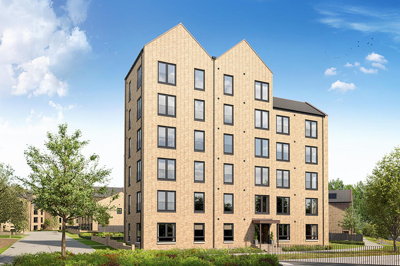
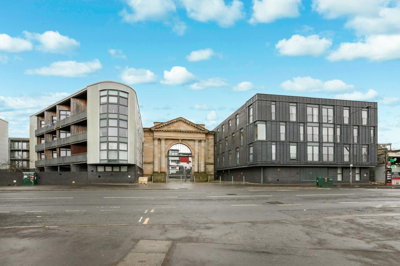
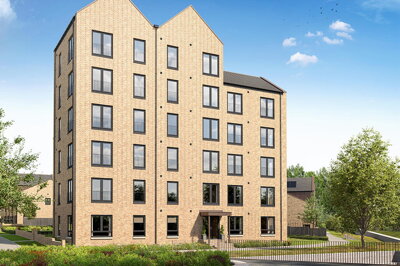
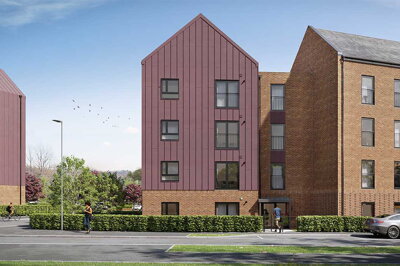
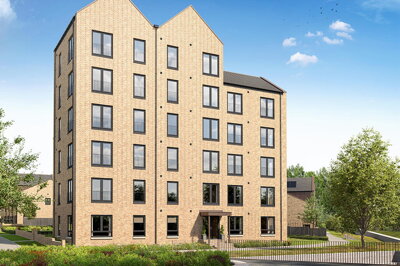
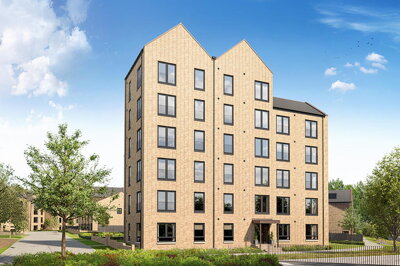
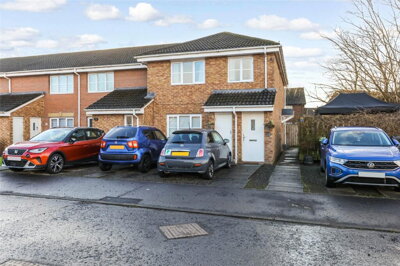
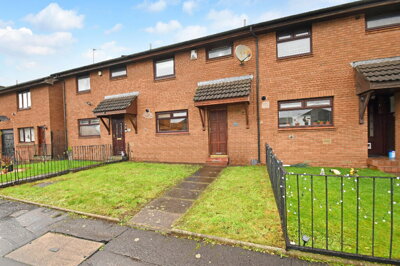
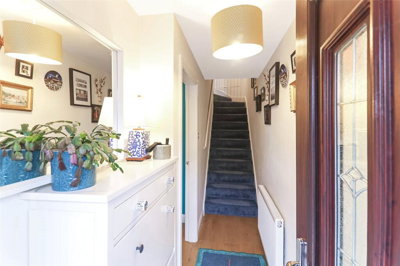
Browse 10 homes for sale in G1 from local estate agents.
The 2 bed house market features detached, semi-detached, and terraced properties with two separate bedrooms plus living spaces. Properties in G1 range from Victorian and Edwardian period homes to modern new builds, with pricing varying across different neighbourhoods.
£0k
0
0
0
Source: home.co.uk
Showing 0 results for 2 Bedroom Houses for sale in G1.
The G1 property market demonstrates the diversity and resilience that characterises Glasgow city centre living. Our data shows that flats dominate the sales landscape, with an average price of £188,846 reflecting strong demand for city centre apartments among young professionals, investors, and downsizers alike. Terraced properties command a premium, selling for an average of £208,867, highlighting the scarcity and desirability of traditional townhouses within this prestigious postcode. The overall average of £188,297 represents solid value compared to equivalent city centre locations in London or Edinburgh, making G1 an attractive proposition for buyers seeking urban convenience without premium capital city pricing.
Recent market activity indicates healthy transaction volumes across the G1 postcode, with Rightmove listing over 3,000 properties in the broader area. Sub-postcode variations reveal interesting price patterns: G1 1 averages around £198,285, while G1 2 offers more accessible entry points at approximately £135,000, and G1 4 sits at roughly £145,944. These differences reflect variations in property condition, building age, and proximity to specific amenities. The 3% year-on-year price increase suggests steady, sustainable growth rather than speculative bubbles, which should reassure buyers concerned about overpaying in a volatile market. This stable appreciation makes G1 an appealing choice for both owner-occupiers and property investors.
The sales data masks significant variation between property types and conditions within these postcode sub-districts. A renovated Victorian flat on Ingram Street will command a premium over a comparable unmodernised tenement on the periphery of the zone, even when both fall within the same G1 designation. We recommend working with our conveyancing partners who understand Glasgow city centre values and can advise on realistic pricing for specific properties. Understanding these nuances helps buyers avoid overpaying in competitive situations while identifying genuine value opportunities in the market.

Life in G1 revolves around the incredible concentration of amenities that only a capital city centre can provide. The postcode spans Glasgow's commercial core, incorporating the retail heart around Buchanan Street and the Merchant City's fashionable bars and restaurants. Residents enjoy immediate access to major employers in finance, retail, education, and healthcare sectors, with the University of Strathclyde and Glasgow Caledonian University both located within or adjacent to the G1 boundary. The cultural offering is exceptional, from the Kelvingrove and Gallery of Modern Art to the theatre district and live music venues that make Glasgow one of the UK's most vibrant night-time economies. For sports fans, the proximity to Celtic Park and Ibrox adds another dimension to city centre living.
The built environment in G1 reflects Glasgow's proud architectural heritage, with traditional sandstone tenement buildings sitting alongside contemporary steel and glass developments. This architectural mix creates neighbourhoods with genuine character rather than the homogenous feel of newer developments. George Square serves as the civic heart, surrounded by the City Chambers and major commercial buildings that demonstrate Victorian prosperity. The River Clyde waterfront has undergone significant regeneration, creating attractive walking and cycling routes along the water and transforming former industrial docklands into residential developments. Community life thrives through local markets, street festivals, and the year-round events programme that draws visitors from across Scotland and beyond.
The day-to-day practicalities of G1 living compare favourably with other UK city centres. Grocery shopping is convenient with branches of major supermarkets within walking distance, while the covered shopping centres at Buchanan Galleries and the St Enoch Centre provide all-weather retail therapy. Healthcare facilities include the Glasgow Royal Infirmary on the periphery of G1, numerous pharmacies, and dental practices serving city centre residents. The area maintains excellent public services including hospitals, police headquarters, and government offices, ensuring residents have access to essential facilities without needing to travel across the city.

Education provision in G1 serves both traditional school-age children and the substantial student population that defines city centre living. Several primary schools serve the immediate G1 area, including the recognised Good and Very Good establishments that parents frequently cite when choosing city centre locations. While specific Ofsted-equivalent ratings for every G1 primary school require individual verification, the broader Glasgow education authority maintains high standards across its estate. Secondary school provision within easy reach includes establishments with strong academic reputations, though catchment area boundaries mean parents should verify placements before committing to a property purchase. The flexibility of city centre living often means families can choose schools across a wider area due to shorter commute times.
Higher and further education opportunities within and adjacent to G1 are exceptional. The University of Strathclyde, situated directly in the city centre on Cathedral Street, specialises in science, engineering, and business programmes and consistently ranks among Scotland's top universities for graduate employment. Glasgow Caledonian University on the Gorbals campus offers health and social care courses alongside other degrees and maintains strong industry links with Glasgow's healthcare sector. The Glasgow School of Art, though currently undergoing restoration following the 2018 fire, remains a prestigious destination for creative students and continues to produce graduates who shape the visual arts sector. Adult learners benefit from numerous part-time and evening courses offered by these institutions, making G1 ideal for those seeking continuous professional development.
For families with older children considering university pathways, the presence of these universities within or adjacent to G1 adds to property investment appeal. Student accommodation demand supports both rental yields for investors and future resale value for owner-occupiers who may eventually need to accommodate family members attending local institutions. The concentration of educational facilities also means G1 attracts academically-minded residents who tend to maintain their properties well and contribute to stable neighbourhood dynamics. Parents buying specifically for school catchment purposes should verify current boundary allocations with Glasgow City Council, as these can change and directly affect which schools your children can attend.
Transport connectivity from G1 ranks among the best in Scotland, making this postcode ideal for commuters and those who travel regularly for business or leisure. Glasgow Central Station, located within the G1 boundary on Gordon Street, provides direct rail services to London Euston with journey times of approximately four and a half hours, as well as regular connections to Edinburgh taking around 50 minutes. Glasgow Queen Street station offers additional connections to Edinburgh via the newly upgraded Borders Railway and services to Aberdeen, Inverness, and the Highlands. Within the city, the Glasgow Subway system - the third-oldest underground railway in the world - offers convenient links to the West End and Southside neighbourhoods, while an extensive bus network serves destinations across Greater Glasgow. The M8 motorway provides rapid access to Edinburgh via the M9 and to the M74 connecting to England and the South.
For those who prefer cycling or walking, G1 benefits from significant infrastructure investment in active travel routes. The Clyde walkway offers scenic routes east towards the River Cart confluence and west toward the West End's Victorian terraces and Glasgow University. Dedicated cycling lanes on major roads including Sauchiehall Street and Argyle Street make bike commuting practical for those within reasonable distance. The city council has committed to expanding cycling infrastructure, with additional protected lanes planned for implementation over the coming years. Daily commuting within G1 itself is rarely necessary given the concentration of employment, though reduced car parking availability in city centre streets and associated costs make public transport and cycling more attractive options for residents.
Glasgow Airport sits approximately eight miles west of the city centre, accessible via the Glasgow Airport Express bus service (Route 500) which runs every 10 minutes from St Enoch Square. Edinburgh Airport can be reached within 45 minutes by train from Glasgow Central, making international travel straightforward for G1 residents who do not want to rely solely on Glasgow's own airport. Those considering G1 should factor these transport realities into their property choices, particularly if regular commuting to Edinburgh or London forms part of their routine. The excellent transport links also mean G1 properties appeal to tenants who work in different parts of the region, supporting strong rental demand from professional tenants.
Start by exploring current listings across property portals and understanding price variations between different streets and postcodes within G1. The difference between G1 1 averages around £198,285 and G1 2 prices at approximately £135,000 represents a significant value gap that your budget could exploit if you're willing to consider different neighbourhoods. Consider registering with local estate agents who handle city centre properties, many of whom operate from offices around George Square and the Merchant City, and set up automated alerts for new listings matching your criteria.
Before viewing properties seriously, obtain a mortgage Agreement in Principle from a lender or broker. This demonstrates your financial credibility to sellers and agents, strengthening your position when making offers in a competitive market where multiple bids are common for well-presented city centre properties. Interest rates and lending criteria change regularly, so speak to a qualified mortgage adviser who can assess your circumstances against current market offerings. Several specialist brokers operate in Glasgow city centre and understand the specific lending considerations for tenement flats and listed buildings.
View multiple properties across different price ranges within G1 to understand what your budget buys in each neighbourhood. Pay attention to building management arrangements for flats, service charges that can vary dramatically between developments, and the condition of common areas including stairwells and lifts. City centre flats can vary dramatically between newly renovated apartments with modern fixtures and those requiring significant modernisation work, so factor potential renovation costs into your budget calculations.
Once you have an offer accepted, arrange a RICS Level 2 Survey to assess the property condition thoroughly. Given that many G1 properties are older sandstone tenements built before modern building regulations, this survey can identify potential issues with damp penetration, roof condition, or electrical systems that may not be visible during a standard viewing. For leasehold properties, obtain and review the lease terms and management accounts carefully to understand your ongoing financial obligations and any planned major works.
Choose an experienced solicitor to handle the legal aspects of your purchase. They will conduct searches including local authority checks, handle title transfers, and coordinate with your mortgage lender to ensure smooth completion. City centre transactions can involve additional complexities such as listed building consents, factored building management arrangements, or title issues common to converted Victorian properties. Choose a solicitor with specific Glasgow city centre experience who understands these local particularities.
After all searches are satisfactory and your mortgage offer is confirmed, you will exchange contracts and pay your deposit typically totalling 10% of the purchase price. Completion typically follows within days or weeks, depending on your preferred timeline and whether the chain involves other transactions. Collect your keys from the estate agent and arrange your move to your new G1 home.
Purchasing property in Glasgow city centre requires attention to specific factors that do not apply in suburban or rural locations. The predominance of flats in G1 means understanding leasehold terms is essential for any buyer considering an apartment. Ground rent clauses, service charge levels, and the reputation of building management companies can significantly impact your ongoing costs and the property's future value. We recommend requesting the last three years of service charge accounts and reserve fund statements before committing to a purchase. Some older tenement buildings in G1 may have been converted to factored management arrangements that require unanimous consent for major works, potentially leading to unexpected special assessment charges.
Given the mix of traditional sandstone construction and modern high-rise developments in G1, buyers should be aware of potential survey considerations that differ from suburban properties. Older tenement properties built in the Victorian and Edwardian periods may have historic damp issues related to solid wall construction, outdated electrical wiring from previous decades, or roof problems that affect upper floor flats. The shared structure of tenement buildings means defects in common parts can become collective financial responsibilities, so understanding the condition of the whole building matters as much as your individual flat. Modern apartments in high-rise developments sometimes carry cladding concerns following the Grenfell tragedy, and while Glasgow has not experienced the same scale of remediation issues as some English cities, verifying fire safety compliance provides reassurance for buyers.
Listed building status affects many city centre properties in G1, restricting permitted alterations and requiring consents for changes that owners of non-listed properties can undertake freely. These restrictions can limit future renovation options but also protect the character and value of distinctive properties. Properties in designated conservation areas may face additional planning considerations that affect what you can do with the exterior or even significant interior alterations. Our RICS Level 2 Survey can identify listed building status and flag conservation area considerations, helping you understand the constraints and benefits these designations bring. Budget accordingly for any specialist surveys that listed properties may require.
The average house price in G1 over the past year was £188,297 according to available market data. Flats averaged £188,846 while terraced properties sold for approximately £208,867. Prices vary significantly by sub-postcode, with G1 1 averaging around £198,285, G1 2 at approximately £135,000, and G1 4 at roughly £145,944. The market has shown steady growth with a 3% increase year-on-year, suggesting healthy demand for city centre property. First-time buyers typically find the most accessible entry points in G1 2 and peripheral G1 streets where older stock offers lower asking prices.
Council tax bands in G1 vary by property type and value, ranging from Band A for lower-value flats through to Band E or higher for premium city centre apartments and penthouses. Glasgow City Council sets the tax rates, and buyers should verify the specific band with the council tax department before completing a purchase. Band valuations are based on 1991 property values, so they do not reflect current market prices - a flat that cost £50,000 in 1991 might now be worth £180,000 but remains in the same council tax band. First-time buyers should also note that some new-build city centre apartments may be in higher bands than comparable older properties.
G1 benefits from several well-regarded primary schools within easy reach, though specific Ofsted-equivalent ratings should be verified directly with Education Scotland's online comparison tools. Secondary schools serving the city centre include establishments with strong academic records, though catchment areas determine placements and parents should confirm school allocations before committing to a purchase. The University of Strathclyde and Glasgow Caledonian University provide excellent higher education options within the postcode itself, making G1 attractive for families with older children or those planning long-term educational pathways. Families prioritising particular school placements should request confirmation from Glasgow City Council's education department.
G1 offers exceptional public transport connectivity, with Glasgow Central and Queen Street stations providing direct rail services to London, Edinburgh, Aberdeen, Inverness, and across the West Coast Main Line. The Glasgow Subway network serves the wider city area with stations at St Enoch, Bridge Street, and Shields Road providing access to the Southside and West End. Extensive bus services operate throughout the city centre with stops on every major thoroughfare including Buchanan Street, Sauchiehall Street, and George Square. Glasgow Airport is approximately eight miles away with regular bus connections via the Glasgow Airport Express service.
G1 presents a compelling investment case for both rental income and capital appreciation. The city centre location ensures consistent demand from young professionals, students, and young families seeking urban convenience, while the concentration of universities and major employers provides a stable tenant base. Steady 3% annual price growth demonstrates sustainable market appreciation without the volatility of more speculative markets. Student population from nearby universities supports rental demand, while ongoing regeneration along the Clyde waterfront and in the Merchant City continues to enhance the area's appeal. However, investors should carefully consider service charges, lease terms with remaining duration, and management arrangements that affect net yields - city centre flats can carry higher annual service charges than suburban equivalents.
Stamp Duty Land Tax (SDLT) in Scotland operates under the Land and Buildings Transaction Tax (LBTT) system rather than English SDLT. As of 2024-25, LBTT rates start at 0% for the first £145,000 of residential property purchases, rising to 2% on the portion up to £250,000, 5% up to £325,000, 10% up to £750,000, and 12% on any amount above £750,000. First-time buyers may qualify for relief on the first £175,000, eliminating tax on properties up to that value. Given that the G1 average price of £188,297 would attract approximately £866 in LBTT after the nil-rate threshold, most buyers can calculate their likely liability using Revenue Scotland's online calculator.
G1 contains numerous listed buildings reflecting Glasgow's Victorian and Edwardian architectural heritage, with many tenement blocks on streets like Buchanan Street, Bath Street, and the Merchant City carrying protected status. Properties designated as listed (either Category A for national importance or Category B for regional significance) may be subject to restrictions on alterations and require consent for external changes from Historic Environment Scotland. While these constraints limit some renovation options, listed building status often correlates with higher property values and better maintenance of the street scene. Our surveyors can identify listed building status during a property inspection and advise on what permissions might be required for future works.
Tenement flats represent a significant portion of the G1 property stock and come with specific ownership considerations that differ from modern apartments. Common repair responsibilities for the roof, external walls, and structure are shared between all owners in the building, meaning your share of any major works costs depends on the title documents. Factor ownership arrangements should include details of how decisions are made and who manages day-to-day maintenance. We recommend requesting the last five years of factor correspondence and meeting minutes to identify any ongoing disputes or planned major expenditure. Properties where owners have neglected common maintenance may carry hidden liabilities for new purchasers.
From £350
A detailed assessment of property condition essential for tenement flats and listed buildings
From £500
Comprehensive structural survey for older properties or those with apparent defects
From £80
Energy performance certificate required for all property sales
From £499
Expert legal services for your G1 property purchase
From 4.5% APR
Competitive rates for Glasgow city centre properties
Understanding the full costs of purchasing property in G1 helps buyers budget accurately and avoid unexpected expenses. Beyond the property price, you should budget for Land and Buildings Transaction Tax (LBTT) which replaces stamp duty in Scotland. Using current 2024-25 thresholds, a property priced at the G1 average of £188,297 would attract approximately £866 in LBTT after the nil-rate threshold of £145,000. First-time buyers purchasing properties up to £175,000 would pay no LBTT at all, providing significant savings for those meeting the eligibility criteria. Above £325,000, rates increase progressively, so higher-value properties carry substantially larger tax liabilities that should be factored into your overall budget.
Additional buying costs include solicitor fees typically ranging from £500 to £1,500 depending on complexity and property value, with city centre transactions sometimes commanding higher fees due to the additional searches required for listed buildings or factored properties. Mortgage arrangement fees range from £0 to £2,000 depending on your chosen deal, though many lenders offer fee-free mortgages that compensate with slightly higher interest rates. Lender-required valuation fees typically run around £300 to £500 and assess the property value rather than condition. Survey costs for a professional RICS Level 2 Survey typically start from £350 for city centre flats but vary with property size, accessibility, and whether special factors like listed building status require additional consideration.
Moving costs for city centre properties are generally lower than for family homes, with removal costs ranging from £300 to £1,000 depending on belongings volume and whether you are moving from another flat or a larger property. Factor in buildings insurance (mandatory with most mortgages) typically running £200 to £400 annually for city centre flats, and immediate moving costs like redirecting post, updating council tax records with Glasgow City Council, and setting up utilities at your new address. Thorough budgeting ensures a smooth purchase process and prevents financial stress during what should be an exciting life transition to your new G1 home.
Properties for Sale In London

Properties for Sale In Plymouth

Properties for Sale In Liverpool

Properties for Sale In Glasgow

Properties for Sale In Sheffield

Properties for Sale In Edinburgh

Properties for Sale In Coventry

Properties for Sale In Bradford

Properties for Sale In Manchester

Properties for Sale In Birmingham

Properties for Sale In Bristol

Properties for Sale In Oxford

Properties for Sale In Leicester

Properties for Sale In Newcastle

Properties for Sale In Leeds

Properties for Sale In Southampton

Properties for Sale In Cardiff

Properties for Sale In Nottingham

Properties for Sale In Norwich

Properties for Sale In Brighton

Properties for Sale In Derby

Properties for Sale In Portsmouth

Properties for Sale In Northampton

Properties for Sale In Milton Keynes

Properties for Sale In Bournemouth

Properties for Sale In Bolton

Properties for Sale In Swansea

Properties for Sale In Swindon

Properties for Sale In Peterborough

Properties for Sale In Wolverhampton

Enter your details to see if this property is within your budget.
Loans, cards, car finance
Estimated property budget
Borrowing + deposit
You could borrow between
Typical borrowing
Monthly repayment
Est. at 4.5%
Loan-to-value
This is an estimate only. Your actual budget may vary depending on interest rates, credit history, and personal circumstances. For an accurate affordability assessment, speak to one of our free mortgage advisors.
This calculator provides estimates for illustrative purposes only and does not constitute financial advice. Your home may be repossessed if you do not keep up repayments on your mortgage. Estimates based on 4.5% interest rate, repayment mortgage. Actual rates depend on your circumstances.
Homemove is a trading name of HM Haus Group Ltd (Company No. 13873779, registered in England & Wales). Homemove Mortgages Ltd (Company No. 15947693) is an Appointed Representative of TMG Direct Limited, trading as TMG Mortgage Network, which is authorised and regulated by the Financial Conduct Authority (FRN 786245). Homemove Mortgages Ltd is entered on the FCA Register as an Appointed Representative (FRN 1022429). You can check registrations at NewRegister or by calling 0800 111 6768.

We use cookies to show you personalised content and improve your experience of our website. Find out more in our Privacy policy and Cookie policy.