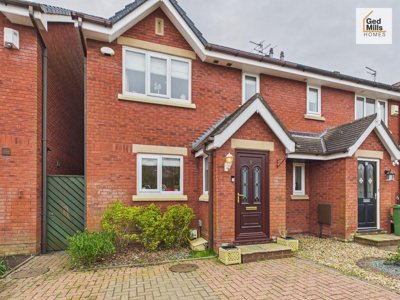
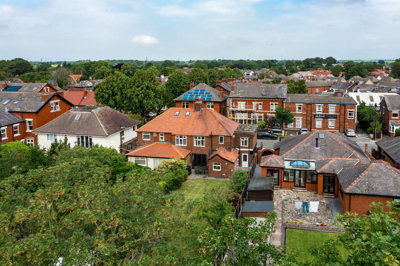
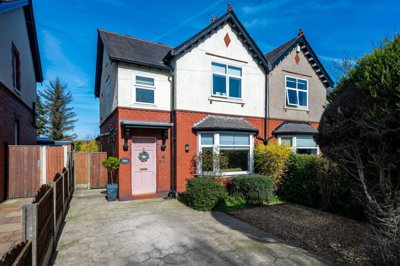
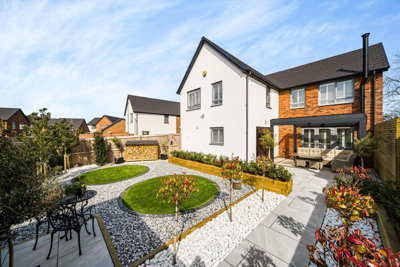
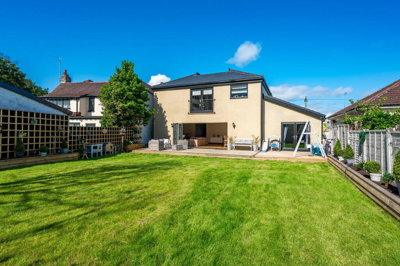
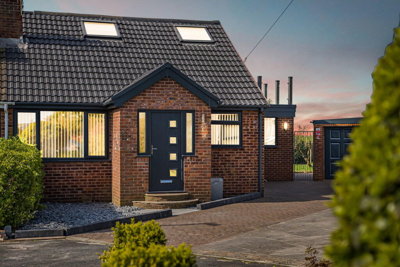
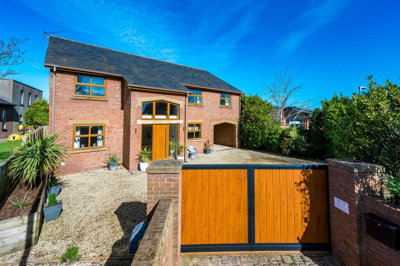
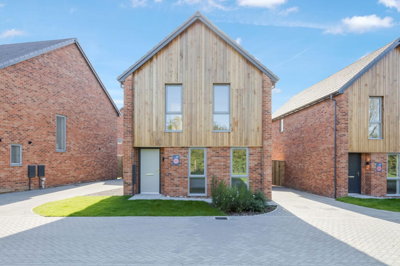
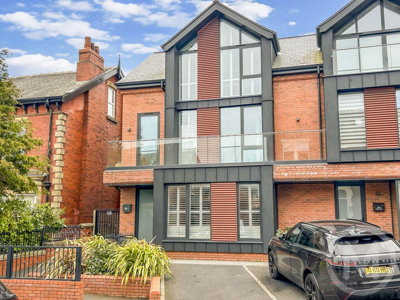
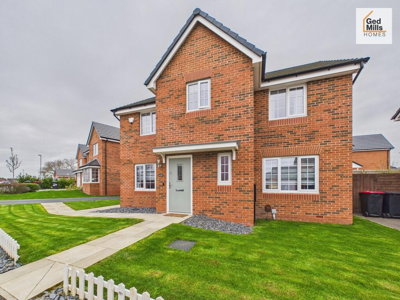
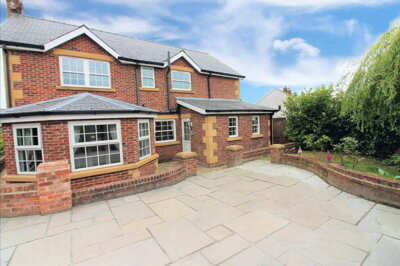
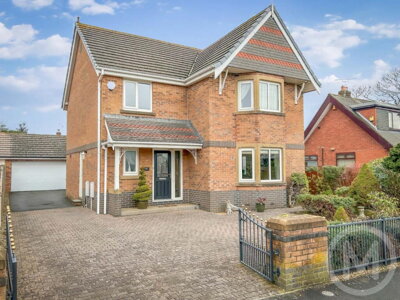
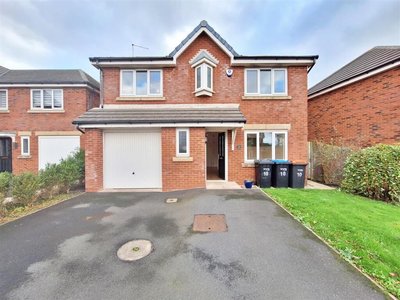
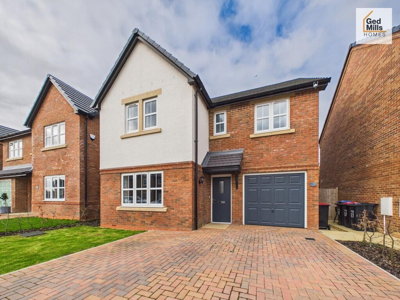
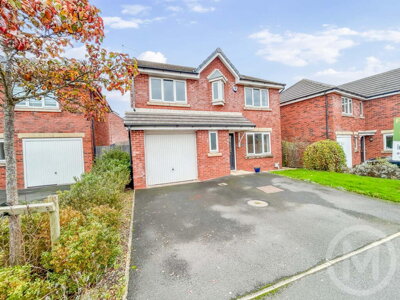
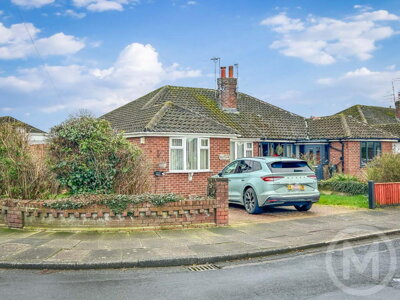
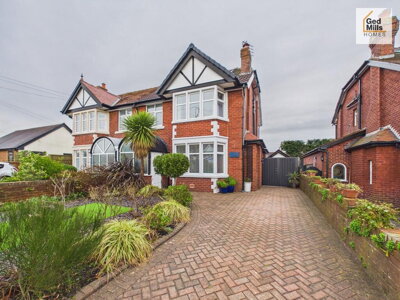
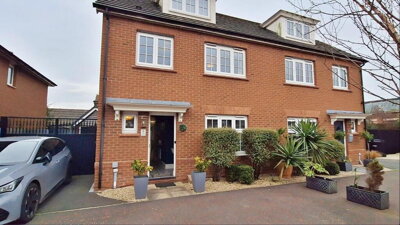
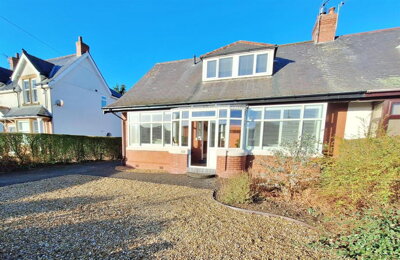
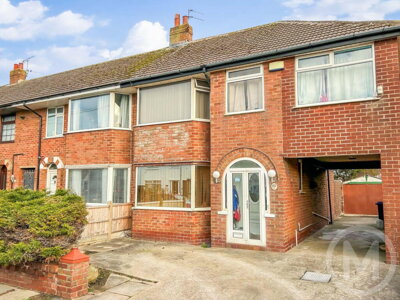
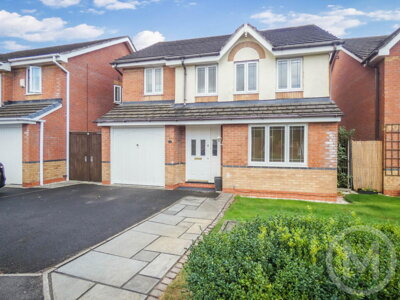
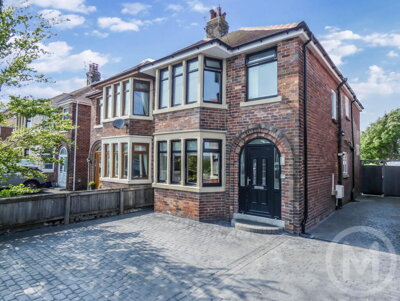
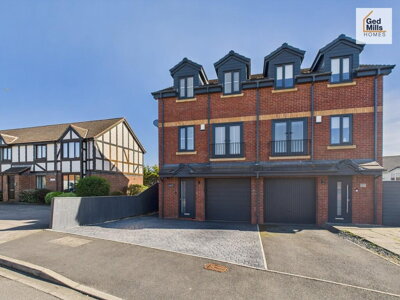
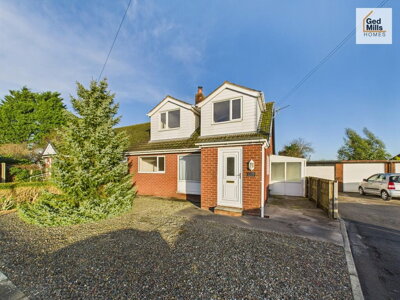
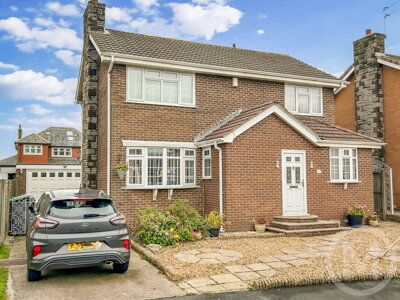
Browse 310 homes for sale in FY6 from local estate agents.
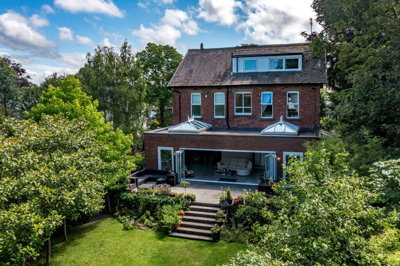
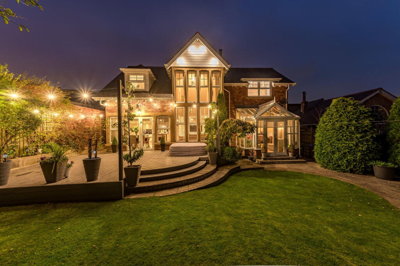
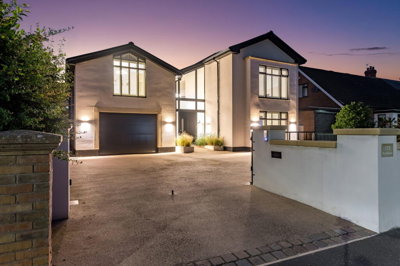
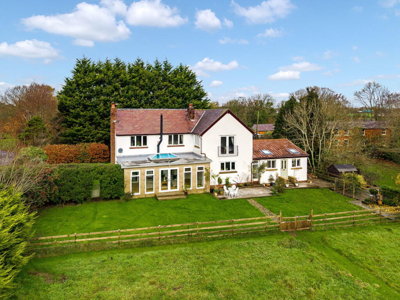
The larger property sector typically features multiple bathrooms, substantial reception space, and private gardens or off-street parking. Four bedroom houses in FY6 span detached, semi-detached, and occasionally terraced configurations, with styles ranging from period properties to modern executive homes.
£475k
91
3
140
Source: home.co.uk
Showing 91 results for 4 Bedroom Houses for sale in FY6. 3 new listings added this week. The median asking price is £475,000.
Source: home.co.uk
Detached
80 listings
Avg £531,389
Semi-Detached
10 listings
Avg £345,980
Terraced
1 listings
Avg £375,000
Source: home.co.uk
Source: home.co.uk
The FY6 property market offers a diverse range of property types to suit different budgets and preferences. Detached properties command the highest prices, averaging around £310,763 in the FY6 area according to Zoopla data, with some locations showing averages closer to £378,000 for larger family homes. Semi-detached properties, which form a substantial part of the local housing stock, typically sell for around £245,000, making them popular choices for families upgrading from terraced homes. Terraced properties in FY6 average approximately £195,000 to £230,000 depending on the specific location and condition, while flats remain the most affordable option at around £132,000 on average.
Price trends across the FY6 postcode show considerable variation between different sectors. Some areas like FY6 0EL have shown resilience with prices rising 5% over the past year, while others have experienced more significant corrections. The FY6 7 sector saw prices fall by 3.2% in the year to February 2026, and market analysis based on 530 sales over 24 months indicates a measured market with approximately 6 sales completing each month in the district. For buyers, this mixed picture creates opportunities in areas where prices have moderated, while sellers in more active sectors can generally achieve competitive valuations for well-presented properties.
The broader economic picture supports the FY6 property market, with key employers including BAE Systems operations in nearby Warton, tourism-related businesses centred on Blackpool, and healthcare and education sectors serving the local population. This employment diversity helps maintain stable demand for housing in the area, as residents can access job opportunities across different industries without necessarily commuting to larger cities. First-time buyers will find that the area offers relatively accessible entry points compared to nearby Preston or Manchester, with terraced properties and flats providing affordable options for those building their deposit.

Poulton-le-Fylde, the historic market town the FY6 postcode, offers a welcoming community atmosphere that appeals to families and professionals alike. The town centre retains much of its traditional character, centred around the historic church and weekly market square where local vendors sell fresh produce and artisan goods. The presence of a conservation area in Poulton town centre helps preserve the architectural heritage of the older properties, contributing to the visual appeal and character of the residential streets. Streets around Queens Square and along Chapel Street showcase the traditional architecture that makes this part of Lancashire distinctive.
The broader FY6 area encompasses coastal villages like Knott End-on-Sea, where residents enjoy views across the River Wyre estuary to Fleetwood on the opposite bank. This riverside position means properties closer to the water may face considerations around flood risk and coastal erosion, factors that responsible buyers should investigate before committing to a purchase. The flat terrain of the Fylde Coast, formed by glacial deposits over Triassic bedrock, creates a landscape that is largely free from the ground instability concerns found in other parts of Lancashire, though clay soils in some areas can present shrink-swell risks for properties with significant nearby vegetation.
Residents benefit from a range of local amenities including supermarkets, independent retailers, pubs, restaurants, and leisure facilities, all within easy reach regardless of where they are located within the FY6 postcode. The local economy draws strength from several sectors, including tourism centred on nearby Blackpool, aerospace employment through BAE Systems operations in nearby Warton, and healthcare and education sectors serving the local population. This economic diversity provides employment opportunities across different industries, supporting the residential market and contributing to the stability of the area.

Education provision in the FY6 area serves families with children at all levels, from primary through to further education. The area includes several primary schools serving local neighbourhoods, with many families prioritising proximity to good schools when choosing where to live within the postcode. Parents researching schools should consult the latest Ofsted inspection reports and consider visiting schools directly to assess which institutions best meet their children's needs and learning styles. School catchment areas can directly affect property desirability in specific streets and estates, making this an important factor when evaluating different neighbourhoods.
Secondary education options in the FY6 area and nearby towns provide comprehensive and grammar school choices, depending on the specific location and catchment areas. As with primary schools, catchment boundaries for secondary schools should be verified before committing to a purchase, as these can change over time and directly impact which schools your children can attend. The presence of grammar schools in neighbouring areas provides additional options for families seeking academic selective education, though competition for places can be intense.
For older students, further education opportunities are available at colleges in nearby Blackpool and Preston, accessible via the excellent transport links serving the FY6 area. The presence of BAE Systems in the region also creates pathways into engineering and aerospace careers for young people pursuing technical qualifications, with apprenticeship programmes and graduate schemes attracting talent from across the North West. When buying property in FY6, families should verify current school catchment boundaries as these can affect which schools children can access, and consider the travel implications of their school choices on daily family routines.

The FY6 postcode area benefits from strong transport connections that make commuting to major employment centres feasible. Poulton-le-Fylde railway station provides direct services to Blackpool, Preston, and beyond, connecting residents to broader rail networks across the North West and beyond. The M55 motorway, accessible from several points in the FY6 area, provides a crucial link to Preston and the M6 corridor, making car-based commuting to Manchester, Liverpool, and Leeds practical for those working further afield. Local bus services connect communities within FY6 to Blackpool town centre and surrounding areas, providing options for those without cars or preferring public transport.
For residents working in Blackpool, regular bus and train services make daily commuting straightforward, with journey times typically under 30 minutes. This makes FY6 an attractive option for those who want to benefit from coastal living while maintaining employment in the larger town. The proximity to the Fylde Coast also means that leisure travel to seaside destinations, coastal walks, and beach locations requires minimal journey time for those living in FY6. Cycling infrastructure varies across the area, with some dedicated routes available, though the flat terrain of the Fylde Coast generally makes cycling accessible to most riders regardless of fitness level.
Commuters working in Preston can access the city via the M55 in around 20 minutes by car, while train services from Poulton-le-Fylde to Preston typically take around 25 minutes. For those travelling further afield to Manchester, the rail journey from Preston takes approximately 45 minutes, opening up employment opportunities in the Greater Manchester area without the need to live in the city itself. This transport connectivity helps explain why FY6 remains popular with buyers who need flexibility in their commuting options.

Explore different neighbourhoods within FY6, from Poulton town centre with its historic market square to the riverside atmosphere of Knott End-on-Sea. Consider factors like proximity to schools, transport links, and property types that match your requirements. Review local house prices and market trends to understand what you can expect to pay in your preferred area. Property prices vary considerably between different sectors of FY6, so understanding these nuances can help you find better value.
Before scheduling viewings, approach a lender to obtain a mortgage agreement in principle. This document confirms how much you could borrow and demonstrates to sellers that you are a serious buyer. Having your finance arranged strengthens your position when making an offer on a property. Given that many FY6 properties fall within the lower price brackets, some buyers may find they can borrow more than they initially expected, potentially opening up options for larger properties or more desirable locations.
Use Homemove to browse available properties in FY6 and schedule viewings with estate agents. View multiple properties to compare options and take notes on condition, location, and value. Consider visiting properties at different times of day to assess noise levels, light, and neighbourhood activity. Given the variety of property ages in FY6, from Victorian terraces to modern detached homes, taking time to understand the condition and maintenance requirements of each property type can save costly surprises later.
Once your offer is accepted, arrange a survey to assess the property condition. Given the age of many properties in FY6, including Victorian and Edwardian terraces in the conservation area and post-war semis throughout the postcode, a thorough survey is essential to identify any structural issues, damp, roof condition, or other defects before you commit to the purchase. Our team can connect you with RICS qualified surveyors who know the local housing stock.
Choose a conveyancing solicitor to handle the legal aspects of your purchase. Your solicitor will conduct searches, handle contracts, and coordinate with the seller's legal team through to completion. Searches should include local authority checks, drainage and water searches, and environmental searches specific to Lancashire, including any historical mining or ground stability records that may affect the property.
Once all searches are satisfactory and financing is confirmed, your solicitor will exchange contracts and agree a completion date. On completion day, you receive the keys and can move into your new home in FY6. We recommend arranging buildings insurance to commence from exchange of contracts, as the property becomes your legal responsibility at this point.
Property buyers in FY6 should be aware of several area-specific factors that can affect their purchase. Properties in or near the Poulton-le-Fylde Conservation Area are subject to stricter planning controls, which can affect permissions for extensions, alterations, or changes to the exterior appearance. Anyone considering works to a conservation property should factor in the additional requirements and potential costs of obtaining necessary consents. Listed buildings, if encountered, require Listed Building Consent for most alterations and may demand specific materials or methods for any repairs.
The local geology of the Fylde Coast, characterised by glacial till over Triassic sandstones and mudstones, means some properties may be built on clay soils that can be susceptible to shrink-swell movement. This makes it particularly important to have a thorough survey that checks for signs of subsidence, especially in properties with trees or large shrubs nearby. Properties in areas like Knott End-on-Sea, close to the River Wyre estuary, may also face considerations around flood risk and coastal erosion that warrant careful investigation before purchase.
The age profile of housing in FY6 means that many properties will have construction features typical of their era. Victorian and Edwardian terraces in Poulton town centre typically feature solid brick walls, timber suspended floors, and pitched roofs with slate or tile coverings. These construction methods can be robust but may show their age through issues like rising damp where original damp-proof courses have failed, worn roof coverings, or timber defects in floors and roof structures. Post-war semi-detached properties often use cavity wall construction with brick outer leaves, though original windows and roofing may need updating. Our inspectors are experienced in identifying these common defect patterns in local properties.

Average house prices in FY6 vary by source, with Zoopla reporting figures between £217,712 and £278,280 depending on the specific location. The ONS reports the Fylde area average at £228,000 as of December 2025. Detached properties average around £310,763 to £378,000, semi-detached properties around £238,000 to £245,000, terraced homes between £195,000 and £230,000, and flats approximately £132,000. Price trends vary significantly between different sectors of the postcode, with some areas like FY6 0EL showing 5% growth over the past year while others such as FY6 7 have experienced declines of around 3.2%.
Properties in the FY6 postcode fall under Wyre Borough Council for council tax purposes. Council tax bands range from A to H and are determined by the Valuation Office Agency based on property value. To find the specific band for a property you are considering, you can check the Valuation Office Agency website or request this information through your solicitor during the conveyancing process. Bands affect ongoing running costs, so this should be factored into your budget alongside mortgage payments and other expenses. Council tax rates in Wyre are set annually and can be confirmed by contacting the council directly or checking their website for current charges.
The FY6 area includes several primary schools serving local communities, with families advised to research individual school performance through Ofsted reports and Department for Education data. Secondary education options in the area include both comprehensive and grammar schools, with catchment areas determining access. Parents should verify current catchment boundaries as these can change and directly affect school placement. The proximity of good schools often influences property values and desirability in specific neighbourhoods, making this an important consideration when house hunting. Schools in the nearby areas of Wesham and Staining also serve parts of the FY6 postcode and may be worth considering when evaluating the broader school landscape.
FY6 enjoys good public transport connections through Poulton-le-Fylde railway station, which provides direct services to Blackpool and Preston. Bus services connect communities throughout the FY6 postcode to Blackpool town centre and surrounding areas, including regular services to Knott End-on-Sea and the surrounding villages. The M55 motorway provides road access to Preston and connections to the broader motorway network. For residents working in Blackpool, regular train services offer journey times of under 30 minutes, making this a practical option for commuters who prefer to avoid car travel.
The FY6 property market offers several factors that may appeal to investors, including more affordable average prices compared to nearby Preston or Manchester. The diversity of the local economy, including tourism, aerospace through BAE Systems in Warton, and service sectors, provides employment stability that supports tenant demand. Properties in the conservation area or those requiring renovation may present opportunities for value-add investments. However, any investment decision should consider local rental yields, void periods, and future development plans in the area. Consulting with a local letting agent can provide insights into rental demand and typical yields in specific FY6 neighbourhoods.
For standard residential purchases, stamp duty rates start at 0% on the first £250,000 of property value, rising to 5% on the portion between £250,001 and £925,000, 10% between £925,001 and £1.5 million, and 12% on anything above £1.5 million. First-time buyers benefit from increased thresholds, paying 0% on the first £425,000 and 5% between £425,001 and £625,000. Given average FY6 prices of around £228,000, many purchases by first-time buyers would fall entirely within the zero-rate threshold, while standard buyers would only pay the entry-level 5% on amounts above £250,000. Your solicitor will handle SDLT submission to HMRC.
From 4.5%
Expert mortgage advice and competitive rates for FY6 buyers
From £499
Specialist conveyancing solicitors for FY6 property purchases
From £350
Comprehensive condition surveys for FY6 properties
From £60
Energy performance certificates for FY6 homes
Understanding the full costs of buying property in FY6 helps you budget accurately and avoid surprises during the transaction. Stamp Duty Land Tax (SDLT) is calculated on a tiered basis, with the first £250,000 of a property purchase attracting 0% duty for standard buyers. On a typical FY6 property priced at the area average of £228,000, a standard buyer would pay no SDLT at all, making this an attractive feature of the local market. First-time buyers benefit from even more favourable terms, with relief available on purchases up to £625,000, meaning most FY6 properties would incur no stamp duty whatsoever for qualifying buyers.
Beyond stamp duty, buyers should budget for solicitor fees which typically start from around £499 for conveyancing, plus disbursements for searches which can include local authority searches, drainage and water searches, and environmental searches specific to Lancashire. A RICS Level 2 Survey typically costs from £350 depending on property size and value, while an Energy Performance Certificate, required before marketing, starts from around £60. Mortgage arrangement fees, valuation fees, and broker charges should also be factored in. On a £228,000 property, total buying costs excluding mortgage fees typically range from £1,500 to £3,000 depending on the complexity of the transaction and services chosen.
Additional costs to consider include removal expenses, buildings insurance from exchange of contracts, and any immediate repairs or furnishing you plan to undertake. Some buyers in FY6 choose to have a professional snagging inspection on newer properties, while older properties may benefit from more detailed structural surveys given the age of much of the local housing stock. Budgeting for these professional inspections as part of your overall buying costs can help ensure you have a complete picture of your financial commitments.

Properties for Sale In London

Properties for Sale In Plymouth

Properties for Sale In Liverpool

Properties for Sale In Glasgow

Properties for Sale In Sheffield

Properties for Sale In Edinburgh

Properties for Sale In Coventry

Properties for Sale In Bradford

Properties for Sale In Manchester

Properties for Sale In Birmingham

Properties for Sale In Bristol

Properties for Sale In Oxford

Properties for Sale In Leicester

Properties for Sale In Newcastle

Properties for Sale In Leeds

Properties for Sale In Southampton

Properties for Sale In Cardiff

Properties for Sale In Nottingham

Properties for Sale In Norwich

Properties for Sale In Brighton

Properties for Sale In Derby

Properties for Sale In Portsmouth

Properties for Sale In Northampton

Properties for Sale In Milton Keynes

Properties for Sale In Bournemouth

Properties for Sale In Bolton

Properties for Sale In Swansea

Properties for Sale In Swindon

Properties for Sale In Peterborough

Properties for Sale In Wolverhampton

Enter your details to see if this property is within your budget.
Loans, cards, car finance
Estimated property budget
Borrowing + deposit
You could borrow between
Typical borrowing
Monthly repayment
Est. at 4.5%
Loan-to-value
This is an estimate only. Your actual budget may vary depending on interest rates, credit history, and personal circumstances. For an accurate affordability assessment, speak to one of our free mortgage advisors.
This calculator provides estimates for illustrative purposes only and does not constitute financial advice. Your home may be repossessed if you do not keep up repayments on your mortgage. Estimates based on 4.5% interest rate, repayment mortgage. Actual rates depend on your circumstances.
Homemove is a trading name of HM Haus Group Ltd (Company No. 13873779, registered in England & Wales). Homemove Mortgages Ltd (Company No. 15947693) is an Appointed Representative of TMG Direct Limited, trading as TMG Mortgage Network, which is authorised and regulated by the Financial Conduct Authority (FRN 786245). Homemove Mortgages Ltd is entered on the FCA Register as an Appointed Representative (FRN 1022429). You can check registrations at NewRegister or by calling 0800 111 6768.

We use cookies to show you personalised content and improve your experience of our website. Find out more in our Privacy policy and Cookie policy.