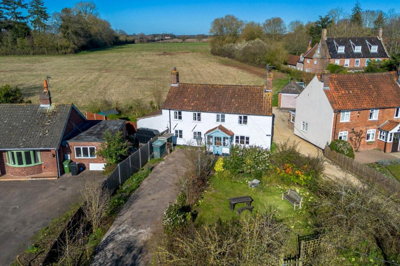
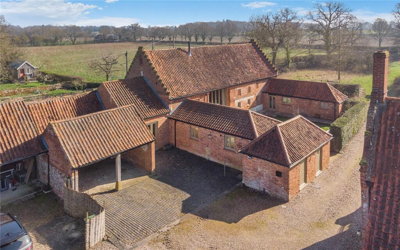
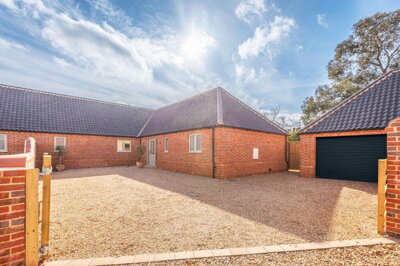
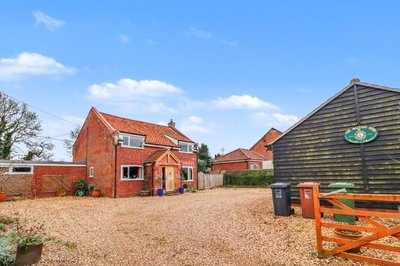
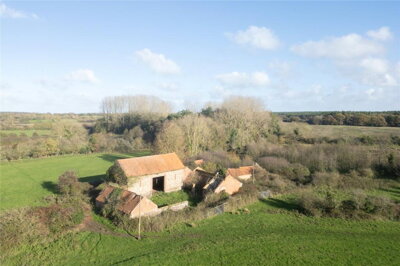
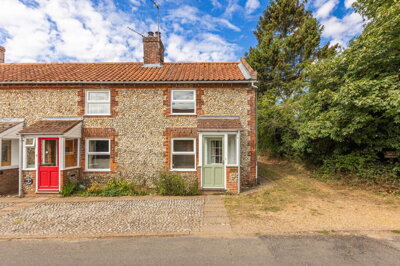
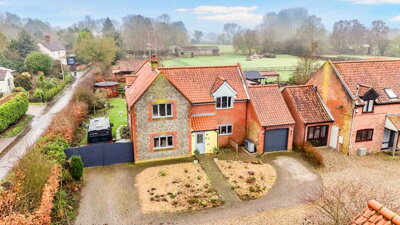
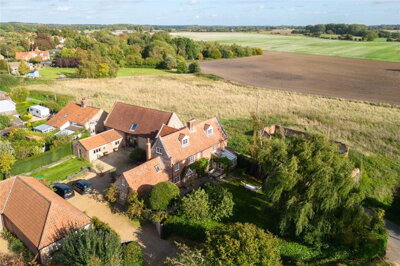
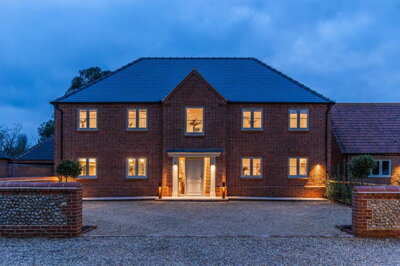
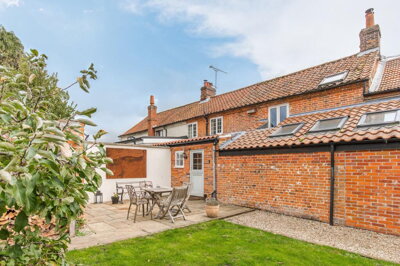
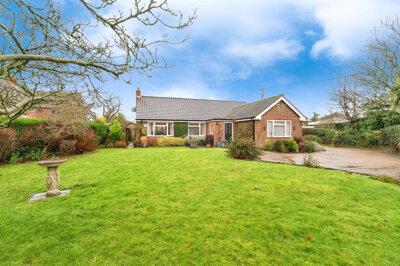
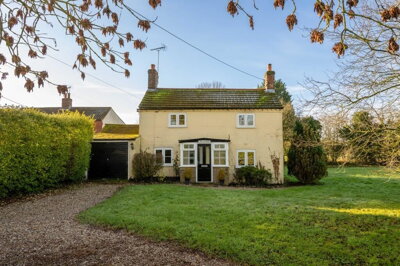
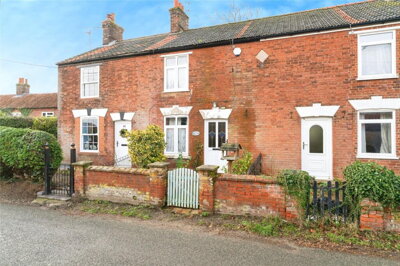
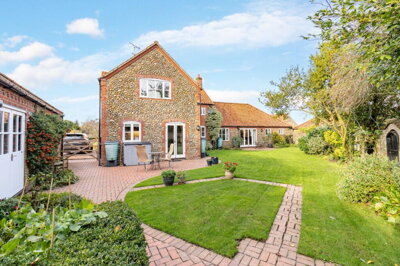
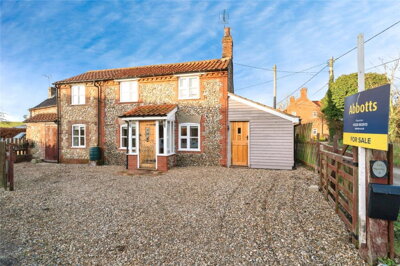
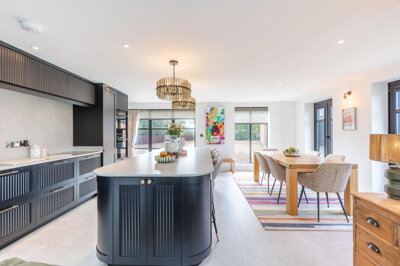
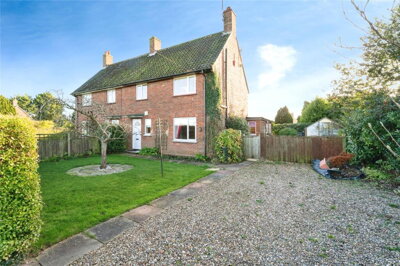
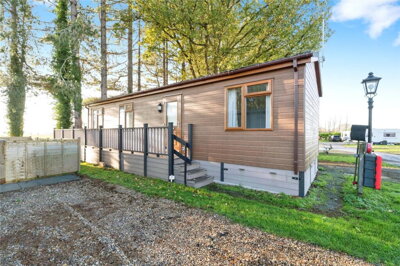
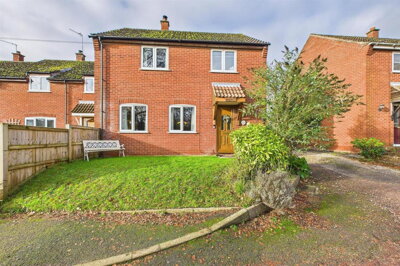
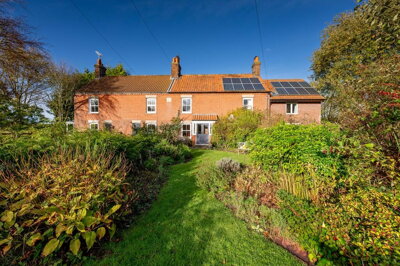
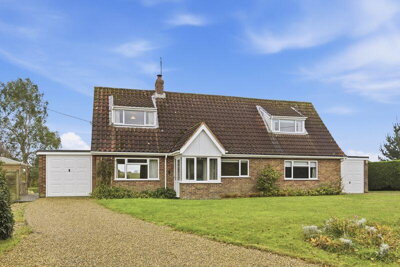
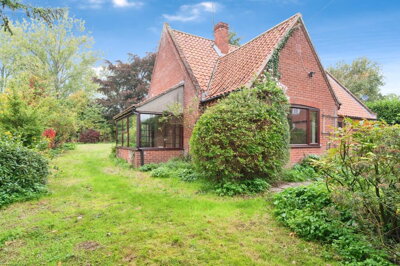
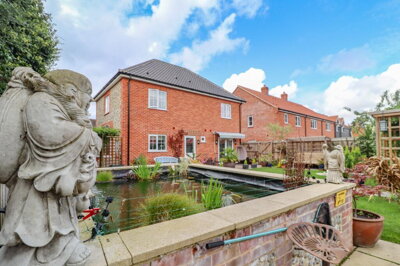
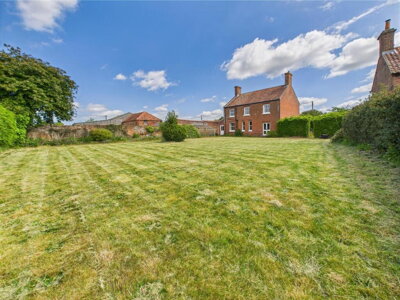
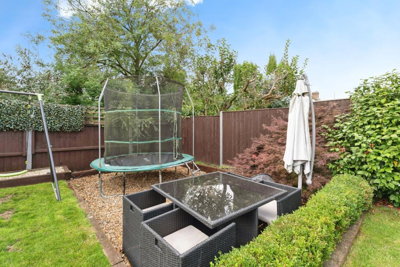
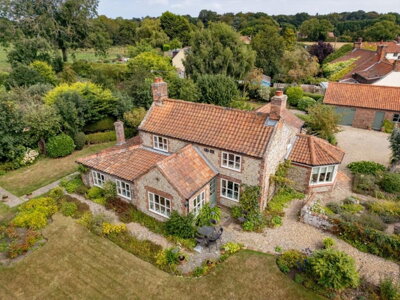
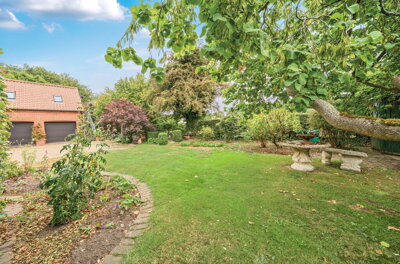
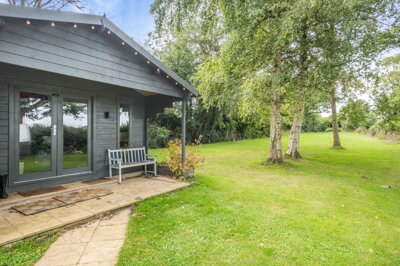
Browse 38 homes for sale in Fulmodeston, North Norfolk from local estate agents.
£250k
5
0
240
Source: home.co.uk
Source: home.co.uk
Semi-Detached
2 listings
Avg £250,000
Character Property
1 listings
Avg £170,000
End of Terrace
1 listings
Avg £260,000
Terraced
1 listings
Avg £220,000
Source: home.co.uk
Source: home.co.uk
The Bexley property market demonstrates steady growth and resilience, with average house prices reaching £444,621 across the borough over the past twelve months, according to provisional data from late 2025. The market saw a year-on-year price increase of approximately 1.3%, reflecting consistent demand from buyers attracted to the borough's combination of affordability compared to central London and strong transport connections. Property sales in the area numbered 193 transactions over the past year, with the market showing particular strength in terraced properties, which rose by 6.7% in value. This growth in terraced homes reflects growing demand from families seeking more space without the premium attached to detached properties.
Understanding property types is essential when searching in Bexley, as prices vary considerably across the housing spectrum. Detached properties command the highest prices at around £724,000, offering generous accommodation and gardens for families needing maximum space. Semi-detached homes, which make up approximately 47.7% of the local market, typically sell for around £527,000 and represent the most popular choice for buyers seeking a balance between price and living space. Terraced properties average £413,000 and have shown the strongest price appreciation at 6.7%, while flats and maisonettes remain the most accessible entry point at approximately £247,000. These varied price points mean Bexley accommodates buyers across the full affordability spectrum, from first-time purchasers seeking flats to families upgrading to spacious detached homes.
The borough's market composition shows distinct geographical patterns, with semi-detached properties dominating in areas like Welling, Barnehurst, and Northumberland Heath, while terraced housing concentrates around Bexleyheath, Erith, and the historic cores of Bexley Village and Old Bexley. Detached properties tend to cluster around Danson, where larger plots and tree-lined roads command premium prices, and in select pockets of Sidcup and Crayford. Flats are most prevalent in purpose-built developments around Bexleyheath town centre and along the rail corridors serving stations like Slade Green and Erith. This spatial distribution of property types gives each neighbourhood within Bexley its own distinct character and price dynamics.

The London Borough of Bexley offers a distinctive quality of life that distinguishes it from other London suburbs, combining historic character with modern conveniences. The borough's development history spans multiple periods, from Victorian and Edwardian terraces in established villages to inter-war semi-detached housing and post-war developments, creating neighbourhoods with genuine architectural variety and street-level interest. Bexley Village remains the historic heart of the area, preserving its village atmosphere with independent shops, traditional pubs, and period properties clustered around the parish church. Old Bexley maintains an equally charming character, with tree-lined streets and conservation area protections ensuring the preservation of its heritage buildings and layout.
Green space is abundant throughout Bexley, with Danson Park standing as a particular highlight. This expansive parkland offers 770 acres of recreational space, including a lake, formal gardens, sports facilities, and a historic house, providing residents with countryside recreation on their doorstep. Hall Place and Gardens adds another dimension to the borough's attractions, with its Elizabethan manor house, formal gardens, and cafe creating a cultural destination for residents and visitors alike. Lesnes Abbey Woods extends the green credentials further, offering ancient woodland, archaeological sites, and walking trails that connect residents to the natural landscape of south-east London. These amenities contribute significantly to Bexley's appeal as a family-friendly borough where residents can enjoy outdoor activities without travelling far from home.
The borough also offers strong local shopping and amenities, with Bexleyheath town centre providing high street favourites alongside independent traders, while Erith has seen significant investment in its riverside area in recent years. Parents and families will appreciate the range of extracurricular activities available through local community centres and theThe borough's commitment to maintaining clean, safe streets and its active community associations in areas like Northumberland Heath and Belvedere contribute to a strong sense of neighbourhood pride and belonging that distinguishes Bexley from more anonymous London suburbs.

Education provision in the London Borough of Bexley serves families well, with a mix of excellent primary schools, strong secondary options, and further education facilities within the borough itself. The area features several highly regarded primary schools that consistently achieve good Ofsted ratings, making Bexley particularly attractive to families with young children. Primary schools such as St. John Fisher Catholic Primary Academy and Bexleyheath Academy Primary provide faith-based education options, while other community primary schools offer secular alternatives with strong academic records. Parents researching the area should note that many primary schools operate catchment area policies, making property location a critical consideration when choosing a home near the best-performing schools.
Secondary education in Bexley includes several notable schools that prepare students for further education and university study. The borough hosts grammar schools that serve academically selective students from Bexley and surrounding areas, providing pathways to top university destinations. St. Columba's Catholic Boys' School and St. Catherine's Catholic School for Girls are among the faith schools available, alongside strong community secondary schools that offer comprehensive education with diverse curriculum offerings. Erith School and Townley Grammar School represent key options for secondary-aged children, with the latter being a selective grammar school with an excellent academic reputation. For post-16 education, the borough's sixth forms and colleges provide vocational and academic courses, reducing the need for students to travel far for quality further education.
When buying property in Bexley, families should research school catchments carefully, as popular primaries like Bishopness, Hillsgrove, and Urban Primary can fill quickly with catchment-area siblings and proximity criteria. Properties within walking distance of highly-rated schools often command a premium, particularly near Townley Grammar School in Bexleyheath and the St. Columba's cluster in the north of the borough. The borough also offers SEND (Special Educational Needs and Disabilities) provision through several specialist units, making Bexley suitable for families with children who have additional support requirements. Private education options exist for those preferring independent schooling, with several private and faith schools operating within and near the borough boundaries.

Commuting from the London Borough of Bexley is straightforward, with multiple transport options connecting residents to Central London and employment hubs across the capital. Bexleyheath station provides direct National Rail services to London Bridge in around 35 minutes, making the borough practical for city workers who need regular access to the financial district and professional services. Additional rail connections serve stations including Erith, Belvedere, and Barnehurst, each offering routes into Central London termini. The Superloop bus service enhances connectivity within the borough and to surrounding areas, providing frequent links to destinations including Greenwich, Woolwich, and Bromley, reducing car dependency for local journeys.
The Elizabeth line has transformed transport accessibility for Bexley residents, with services connecting the area to key employment centres including Canary Wharf, Liverpool Street, and Bond Street via interchange stations. This improved connectivity has strengthened Bexley's appeal as a commuter's choice, bringing Central London within reasonable journey times while maintaining suburban housing affordability. For drivers, the A2 trunk road provides direct access to Central London and the Dartford Crossing, offering routes to Kent and the motorway network beyond. Local bus services operated by London Buses ensure that residents without cars can access shopping centres, hospitals, and recreational facilities throughout the borough and beyond, making Bexley practical for residents across all transport circumstances.
Properties near stations like Albany Park, Bexley, and Sidcup command premiums among commuters, with journey times to London Cannon Street typically ranging from 30 to 45 minutes depending on the specific station. The Crossrail extension plans, if implemented, would further reduce travel times to key employment nodes, potentially increasing property values in well-connected areas. For those working in Canary Wharf, the combination of rail services and riverboat options from nearby piers provides flexible commuting alternatives that reduce reliance on the tube network during peak hours. Parking provision varies across the borough, with some stations offering permit schemes while others have limited availability, a factor worth considering for buyers with cars.

Before viewing any properties, obtain a mortgage agreement in principle from a lender. This document confirms how much you can borrow and demonstrates to estate agents and sellers that you are a serious buyer with funding in place. Bexley's property market moves steadily, so being financially prepared gives you a competitive edge when you find the right home. Consider speaking with a whole-of-market mortgage broker who can compare deals across multiple lenders, as different banks have varying appetite for lending in specific postcodes within Bexley, which may affect your borrowing capacity.
Spend time exploring different areas within the borough, from Bexley Village's historic charm to the family-focused estates around Welling and the riverside developments in Erith. Consider factors like school catchments, commute times, local amenities, and future development plans when narrowing down your preferred location. Each area offers distinct advantages, so visiting at different times of day helps you understand the neighbourhood character. When researching, look into local planning applications through Bexley Council's website to identify any upcoming developments that might affect your chosen street or nearby amenities.
Work with local estate agents who know the Bexley market intimately and can alert you to new listings before they appear on major portals. View properties in person to assess condition, natural light, room sizes, and any signs of structural issues like damp or subsidence. Ask about the results of previous surveys and any renovation work undertaken by previous owners. In Bexley's older properties, pay particular attention to walls near the ground floor and around windows, where signs of damp or movement may indicate underlying issues related to the local London Clay geology.
Once you have an offer accepted, commission a RICS Level 2 Survey before proceeding. Given Bexley's London Clay geology, a professional survey is essential to identify any subsidence risk, heave damage, or foundation issues that may not be visible during a standard mortgage valuation. The survey report provides negotiating leverage if issues are found or confirms the property's condition for your records. For period properties in conservation areas like Old Bexley or Bexley Village, consider whether a more detailed RICS Level 3 Survey might be appropriate given the unique construction methods and potential for heritage-related issues.
Choose a solicitor with experience handling property transactions in the London Borough of Bexley who understands local requirements including any conservation area restrictions and leasehold considerations. Your solicitor will handle searches, contract review, and coordinate with your mortgage lender to ensure the transaction progresses smoothly through to completion. Local searches through Bexley London Borough Council will reveal details about planning history, conservation area status, and any local land charges that might affect the property. Flood risk searches are particularly important in areas near the River Cray or Thames Estuary.
Once all searches are satisfactory and your mortgage offer is confirmed, you will exchange contracts and pay your deposit. Completion typically follows within days or weeks, at which point you will receive the keys to your new Bexley home and can begin settling into your new neighbourhood and community. On completion day, ensure you have buildings insurance in place from the moment of ownership, as properties in Bexley's flood-risk areas may require specialist insurers. Consider scheduling a follow-up appointment with a builder or tradesperson to address any minor issues identified during your survey before they develop into larger problems.
Properties in the London Borough of Bexley present some area-specific considerations that buyers should investigate carefully before committing to a purchase. The borough's geology presents particular challenges, as the underlying London Clay is prone to shrink-swell behaviour during periods of drought and heavy rainfall. This movement can affect properties with shallow foundations, potentially causing subsidence or heave damage that manifests as cracks in walls, sticking doors, or uneven floors. A thorough RICS Level 2 Survey is strongly recommended for any property in Bexley, particularly those built before the 1970s, to assess foundation condition and identify any signs of ground movement that may require remediation.
Flood risk is another important consideration in certain parts of Bexley, particularly areas near the River Cray, River Shuttle, and River Darent, as well as low-lying areas prone to surface water flooding. Properties in Erith and Belvedere face additional consideration regarding Thames Estuary coastal flood risk, and buyers in these areas should review the Environment Agency's flood risk maps and consider whether appropriate insurance is obtainable and affordable. Checking the history of any flooding in the property or street through seller disclosures and local knowledge helps assess the practical risk level before purchase. Properties in flood-risk zones may face higher insurance premiums or difficulty obtaining cover, so factoring this into your budget is essential.
Conservation areas in Bexley Village, Old Bexley, Crayford, Erith, and Welling impose restrictions on external alterations, extensions, and modifications to preserve the architectural character of these areas. Buyers considering period properties within these designations should understand that planning permission may be required for works that would normally be permitted development elsewhere, and restrictions on architectural styles and materials may limit renovation options. If the property is a listed building, specialist surveys and consultation with conservation officers may be necessary for any works, adding complexity and cost to future maintenance and improvements. Victorian and Edwardian properties in Bexley's conservation areas often feature original timber sash windows, fireplaces, and plasterwork that require specialist restoration rather than replacement.
When viewing properties in Bexley, look beyond cosmetic finishes to assess the condition of key structural elements. Check the roof covering, flashings, and leadwork on period properties, as these often show wear after 30-40 years and can lead to penetrating damp if neglected. Look for signs of timber decay or woodworm in suspended wooden floors, particularly on ground floors of Victorian and Edwardian terraces. Electrical consumer units should ideally be modern and RCD-protected, and the plumbing system should show evidence of partial or full replacement rather than original lead or galvanised steel pipes that may be nearing the end of their serviceable life. Properties with obvious damp patches, black mould on walls, or a musty smell should prompt further investigation before proceeding.

The average house price in the London Borough of Bexley stands at approximately £410,000 according to provisional data from December 2025, with the borough-wide average over the past twelve months reaching around £444,621. Property prices vary significantly by type, with detached homes averaging £724,000, semi-detached properties at £527,000, terraced homes at £413,000, and flats and maisonettes at approximately £247,000. The market has shown steady growth of around 1.3% year-on-year, with terraced properties demonstrating the strongest appreciation at 6.7% over the twelve-month period. First-time buyers will find the most accessible entry point through flat purchases, while families seeking more space typically target the semi-detached sector that dominates areas like Welling, Northumberland Heath, and Barnehurst.
Properties in the London Borough of Bexley fall within council tax bands A through H, with the majority of residential properties in the borough classified in bands B through D. The exact band depends on the property's value as assessed by the Valuation Office Agency. Bexley London Borough Council sets the annual council tax charges for each band, and buyers can verify the specific band for any property through the council's online database or the official government council tax band checker before purchase. As a guide, Victorian and Edwardian terraced houses in areas like Bexley Village and Old Bexley typically fall into bands C to E, while larger detached properties near Danson Park may attract bands F to H. Understanding the council tax band helps buyers budget for ongoing costs and may influence negotiations if the band seems unexpectedly high for the property's condition.
The borough offers strong educational provision at all levels, with several primary schools consistently receiving good or outstanding Ofsted ratings including St. John Fisher Catholic Primary Academy, Crook Log Primary School, and other community schools serving families well. Secondary options include the selective Townley Grammar School (which admits students through the 11-plus examination), St. Columba's Catholic Boys' School, and St. Catherine's Catholic School for Girls, alongside comprehensive options like Erith School and Cleeve Park School. The borough's grammar school system provides academic pathways for students who pass the selection tests, while further education is available at local sixth forms including Townley Grammar's sixth form and vocational colleges offering A-level and BTEC programmes. When buying near schools, verify current catchment areas as these can change year-on-year based on demand and intake numbers.
Bexley offers excellent public transport links, with National Rail services from Bexleyheath station providing direct connections to London Bridge in approximately 35 minutes and Cannon Street in around 40 minutes. The Superloop SL9 bus service enhances intra-borough connectivity, while the Elizabeth line connects residents to Canary Wharf, Liverpool Street, Farringdon, and Bond Street via interchange stations at Stratford and Abbey Wood. Local bus services operated by London Buses ensure comprehensive coverage across the borough, including routes 89 to Slade Green, 229 to Queen Mary's Hospital, and 492 to Bluewater shopping centre. Properties within a 10-minute walk of Bexley, Albany Park, or Sidcup stations typically command higher prices due to the premium placed on commuting convenience in this part of south-east London.
Bexley presents several positive indicators for property investment, including its relative affordability compared to central London locations, steady price appreciation, and strong rental demand from commuters seeking more space for their budgets. The borough's three percent population growth over the past year demonstrates growing appeal, while ongoing improvements to transport connectivity through Elizabeth line services have enhanced its attractiveness to London workers. Rental yields in Bexley tend to be competitive, with two-bedroom flats in areas like Bexleyheath and Erith often achieving yields of around 4-5% before costs. Demand from tenants working in Central London, Canary Wharf, or the emerging commercial developments along the Thames continues to support the private rental sector. Investors should note that terraced properties have shown the strongest recent appreciation at 6.7%, suggesting strong buyer demand in this sector.
Stamp Duty Land Tax rates for standard buyers in England start at zero percent on the first £250,000 of property value, then five percent on the portion between £250,001 and £925,000. For properties above £925,000, the rate increases to ten percent up to £1.5 million, with twelve percent applying above that threshold. First-time buyers benefit from relief on the first £425,000, paying five percent only on the amount between £425,001 and £625,000, with no relief available above £625,000. For a typical Bexley property at the borough average price of £410,000, a standard buyer would pay £8,000 in SDLT, while first-time buyers would pay nothing as the purchase falls within the relief threshold. You should calculate your specific SDLT liability based on your purchase price and buyer status using HMRC's online calculator before proceeding.
Flood risk in Bexley comes from multiple sources, with areas near the River Cray (particularly along Crayford High Street and near the railway station) and the River Darent experiencing elevated risk from river flooding during periods of heavy rainfall. Properties in Erith and Belvedere face additional coastal flood risk from the Thames Estuary, with the Environment Agency designating these areas as requiring consideration for long-term flood resilience. Surface water flooding affects low-lying areas throughout the borough during exceptional rainfall events, and buyers should check the EA's flood risk maps and local drainage records before purchasing. Properties with basements or ground-floor accommodation in flood-risk areas require particular attention to waterproofing and drainage, and mortgage lenders may require a flood risk assessment or specialist insurance confirmation before proceeding.
Bexley has several designated conservation areas that restrict permitted development rights and impose planning conditions on external works. The Bexley Village Conservation Area covers the historic core around St. Mary's Church and the Market Place, protecting the village's Georgian and Victorian character. Old Bexley Conservation Area preserves the suburban village atmosphere established in the late 19th century, while Crayford Conservation Area protects the historic town centre and industrial heritage buildings along the River Cray. Erith Conservation Area encompasses the riverside and former town centre, reflecting the area's maritime and commercial history. Properties in these areas require planning permission for works that would normally be permitted development elsewhere, including dormer extensions, roof alterations, and the installation of uPVC windows that do not match the original character. Buyers should factor these restrictions into renovation budgets and timeline expectations.
Get expert mortgage advice for your Bexley purchase
From 3.99% APR
Expert legal services for your property transaction
From £499
Professional survey to identify property issues
From £350
Energy performance certificate for your new home
From £85
Understanding the full costs of purchasing property in the London Borough of Bexley extends beyond the asking price to include stamp duty, legal fees, survey costs, and moving expenses. For a typical Bexley property at the borough average price of £410,000, a standard buyer without first-time buyer status would pay zero percent SDLT on the first £250,000 and five percent on the remaining £160,000, resulting in a stamp duty bill of £8,000. First-time buyers purchasing at this price point would benefit from full relief, as the entire purchase falls within the £425,000 threshold for first-time buyer exemption, saving the full £8,000 that would otherwise be payable.
Beyond stamp duty, buyers should budget for a RICS Level 2 Survey at approximately £350 to £600 depending on property size and value, which is particularly important in Bexley where the London Clay geology can cause structural issues. Conveyancing costs typically range from £500 to £1,500 including disbursements and searches, with more complex transactions such as leasehold flats or properties in conservation areas attracting higher fees. Mortgage arrangement fees vary by lender but commonly range from zero to £2,000, and while these can sometimes be added to the mortgage, doing so increases the total interest paid over the loan term. Removal costs, mortgage broker fees, and potential renovation or repair costs following survey findings should also factor into your overall buying budget for a Bexley property.
Additional costs to budget for include land registry fees (currently around £150 to £500 depending on property value), search fees from Bexley London Borough Council (approximately £150 to £300 for local authority, drainage, and environmental searches), and potentially a mortgage valuation fee if your lender charges for this (typically £300 to £700 for standard properties). For leasehold properties, you may need to pay notice fees and document retrieval costs to the freeholder's solicitor. Buildings insurance should be in place from completion day, and if you're buying in a flat, contributing to a buildings insurance policy may be a condition of the lease. Factor in a contingency of around 5-10% of the purchase price for unexpected costs discovered during surveys or legal searches, particularly for older properties in Bexley's conservation areas where renovation requirements can quickly escalate.

Properties for Sale In London

Properties for Sale In Plymouth

Properties for Sale In Liverpool

Properties for Sale In Glasgow

Properties for Sale In Sheffield

Properties for Sale In Edinburgh

Properties for Sale In Coventry

Properties for Sale In Bradford

Properties for Sale In Manchester

Properties for Sale In Birmingham

Properties for Sale In Bristol

Properties for Sale In Oxford

Properties for Sale In Leicester

Properties for Sale In Newcastle

Properties for Sale In Leeds

Properties for Sale In Southampton

Properties for Sale In Cardiff

Properties for Sale In Nottingham

Properties for Sale In Norwich

Properties for Sale In Brighton

Properties for Sale In Derby

Properties for Sale In Portsmouth

Properties for Sale In Northampton

Properties for Sale In Milton Keynes

Properties for Sale In Bournemouth

Properties for Sale In Bolton

Properties for Sale In Swansea

Properties for Sale In Swindon

Properties for Sale In Peterborough

Properties for Sale In Wolverhampton

Enter your details to see if this property is within your budget.
Loans, cards, car finance
Estimated property budget
Borrowing + deposit
You could borrow between
Typical borrowing
Monthly repayment
Est. at 4.5%
Loan-to-value
This is an estimate only. Your actual budget may vary depending on interest rates, credit history, and personal circumstances. For an accurate affordability assessment, speak to one of our free mortgage advisors.
This calculator provides estimates for illustrative purposes only and does not constitute financial advice. Your home may be repossessed if you do not keep up repayments on your mortgage. Estimates based on 4.5% interest rate, repayment mortgage. Actual rates depend on your circumstances.
Homemove is a trading name of HM Haus Group Ltd (Company No. 13873779, registered in England & Wales). Homemove Mortgages Ltd (Company No. 15947693) is an Appointed Representative of TMG Direct Limited, trading as TMG Mortgage Network, which is authorised and regulated by the Financial Conduct Authority (FRN 786245). Homemove Mortgages Ltd is entered on the FCA Register as an Appointed Representative (FRN 1022429). You can check registrations at NewRegister or by calling 0800 111 6768.

We use cookies to show you personalised content and improve your experience of our website. Find out more in our Privacy policy and Cookie policy.