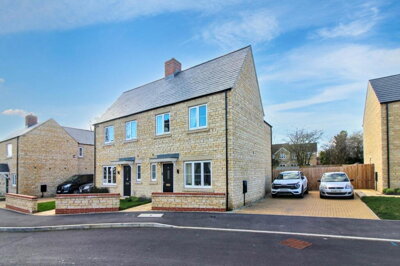
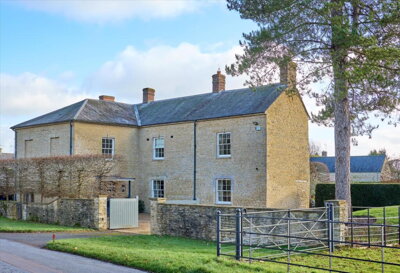
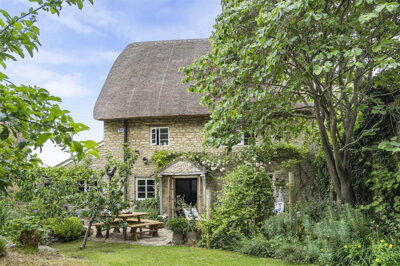
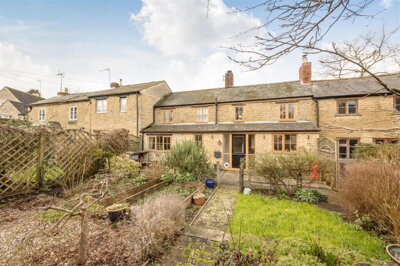
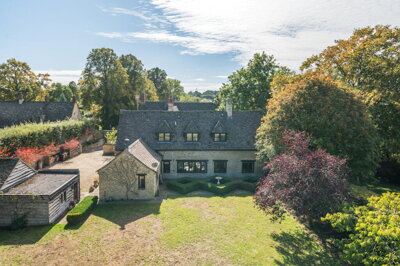
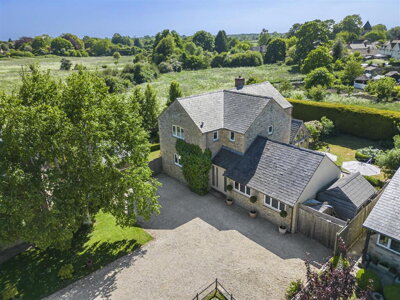
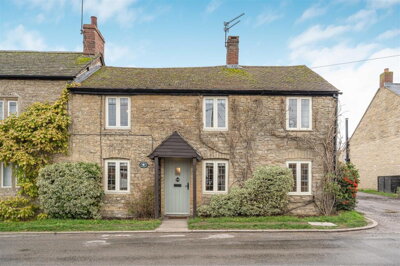
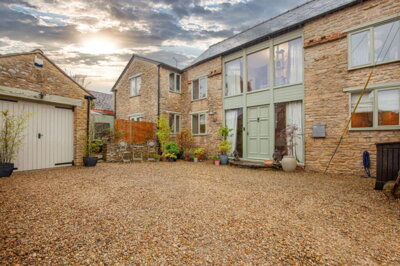
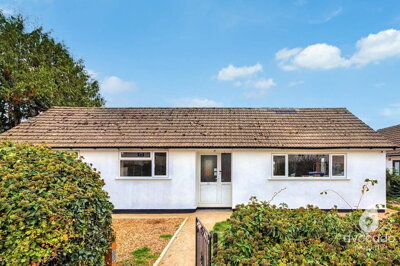
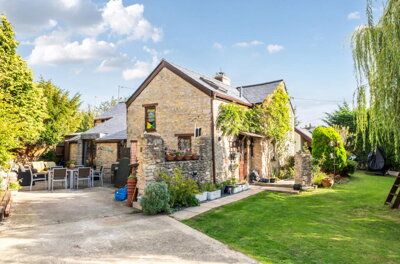
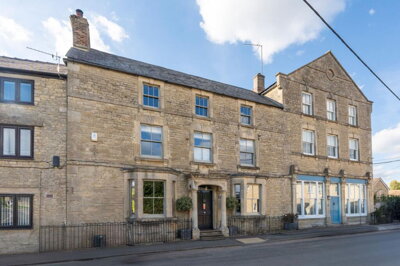
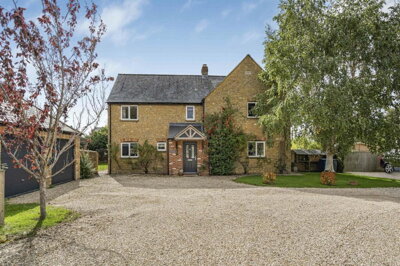
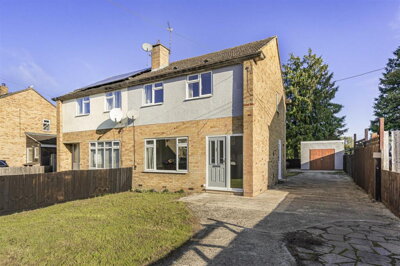
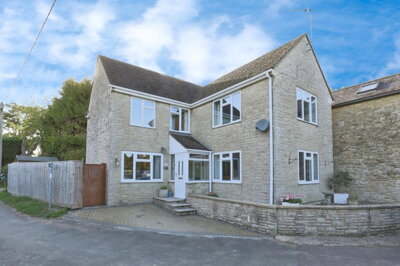
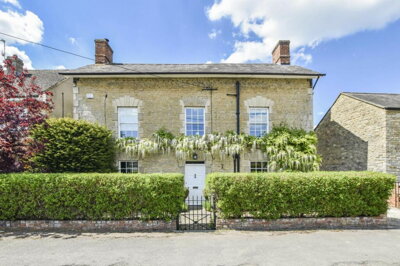
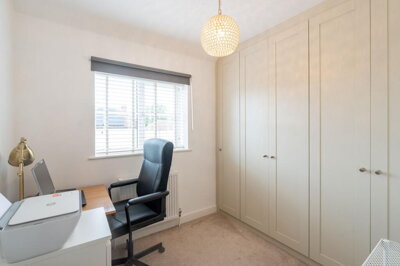
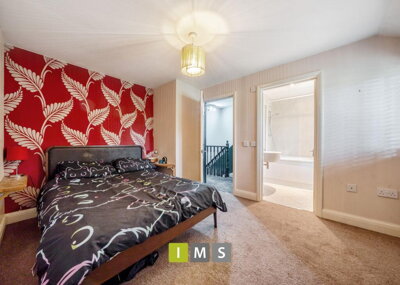
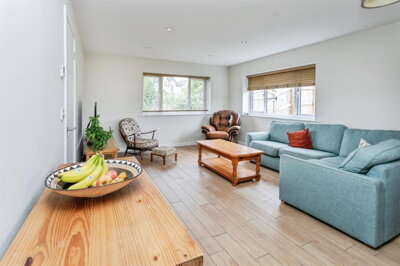
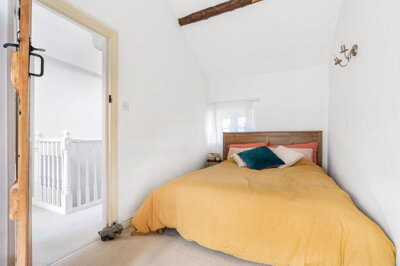
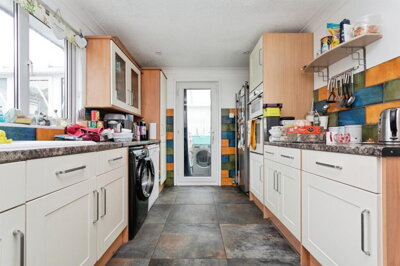
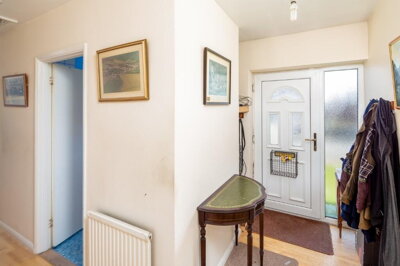
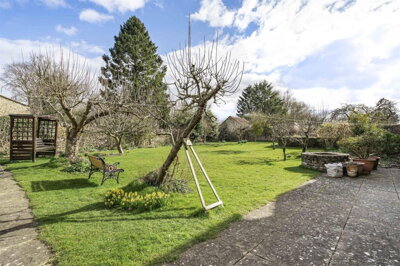
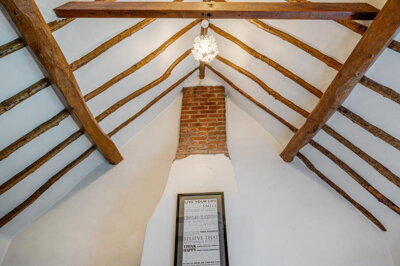
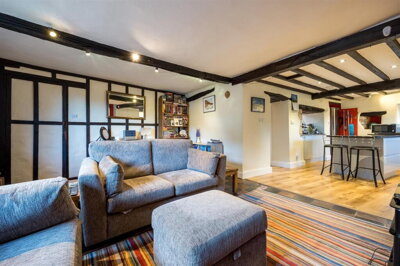
Browse 24 homes for sale in Fritwell, Cherwell from local estate agents.
The Fritwell property market offers detached, semi-detached, and terraced houses spanning various price ranges and neighbourhoods. Each listing includes detailed property information, photographs, and direct contact with the marketing agent.
£537k
4
0
98
Source: home.co.uk
Showing 4 results for Houses for sale in Fritwell, Cherwell. The median asking price is £537,000.
Source: home.co.uk
Detached
3 listings
Avg £1.19M
Semi-Detached
1 listings
Avg £170,000
Source: home.co.uk
Source: home.co.uk
The Dunwich property market reflects the village's character: traditional, limited in supply, and deeply attractive to buyers seeking coastal living without the pressures of larger towns. Detached properties command the highest prices, averaging around £495,000, offering generous gardens and the generous proportions that period coastal homes often provide. Semi-detached properties average approximately £350,000, while terraced cottages typically start from £300,000, though exact prices vary significantly based on condition, location within the village, and proximity to the cliff edge. The village's Conservation Area status effectively prevents new build development, meaning all available stock comes from the existing historic housing stock dating primarily to the pre-1919 period.
The market has demonstrated steady growth, with the 5.0% annual price increase indicating sustained demand despite the village's small size and limited amenities. Flats represent less than 5% of the housing stock, making them exceptionally rare in Dunwich when they do appear on the market. Most properties on the market are period homes requiring varying degrees of modernisation, appealing to buyers who appreciate the character of older Suffolk buildings and who are willing to invest in creating their ideal coastal retreat. The combination of traditional construction methods - including oak timber frames, flint work in some boundary walls, and single-skin brickwork - with the exposed coastal position means that properties here often present both opportunities for sympathetic renovation and challenges requiring specialist understanding of historic building conservation.
We work directly with local estate agents to ensure our listings reflect the true current availability in the Dunwich area. Our team monitors new listings daily, helping buyers stay ahead in a market where properties can sell quickly to buyers who understand the village's appeal. When you register your property search with us, we can alert you to new listings before they appear on major portals, giving you a crucial advantage in this tightly held market where homes may sell within weeks of listing.

Life in Dunwich offers a rare pace of existence, shaped by the rhythms of the tides and the seasons. The village clusters around its historic core, with St James's Street and Westleton Road containing the greatest concentration of Listed Buildings and the surviving architectural heritage of a town that once rivaled London in medieval times before coastal erosion claimed most of the medieval town. St James's Church stands as the village's past significance, while various cottages along these streets showcase the traditional Suffolk vernacular that defines the village's character today. The village green and the beach access provide informal gathering points for residents and visitors alike, with the latter accessed via a path descending from the cliff top car park.
Today, the village supports a traditional pub, the atmospheric Black Ship Inn, and the Dunwich Museum, which chronicles the village's remarkable history of coastal erosion and loss. The museum's exhibits document how the once-thriving port town has diminished over centuries, serving as a reminder that buyers should consider the long-term implications of living on an eroding coastline. The local economy revolves primarily around tourism, with visitors drawn to the dramatic coastal scenery, the adjacent RSPB Minsmere nature reserve just one mile north, and the Suffolk Coast Path which passes through the village. Agriculture continues in the surrounding farmland, while second homes and holiday lets represent a notable proportion of the housing stock, contributing to the seasonal variation in the village's population from approximately 180 permanent residents to several hundred during peak summer months.
The nearest comprehensive shopping and services are found in the market town of Saxmundham, approximately 7 miles inland along the B1125, while the larger centres of Aldeburgh and Southwold offer additional cultural and dining attractions within easy driving distance. For everyday needs, the nearby village of Westleton provides a local shop and post office, while Saxmundham offers a Waitrose supermarket, independent retailers, and professional services including banks, solicitors, and medical facilities. The combination of rural isolation and access to essential services makes Dunwich particularly suitable for those who value coastal tranquility while maintaining reasonable connectivity to urban amenities.

Families considering a move to Dunwich will find educational options within the surrounding Suffolk Coastal area. The nearest primary school is typically the primary school in the nearby village of Westleton, which serves the local rural community and is well-regarded for its supportive atmosphere. Westleton Primary School has approximately 120 pupils across mixed-age classes, reflecting the village school model common in rural Suffolk. The school benefits from strong community links and reasonable class sizes, though parents should visit to assess whether its facilities meet their expectations compared to larger primary schools in more urban areas.
For families seeking broader curriculum choices or specialist provision, Saxmundham Primary School and the Saxmundham Free School offer alternative options in the nearest market town, with school transport arrangements available for eligible pupils. The journey from Dunwich to Saxmundham schools involves approximately 20-25 minutes by car, and the local authority provides transport for primary-age children living more than two miles from their nearest suitable school. Secondary education in the area centres on the market town of Saxmundham, where students can access comprehensive secondary schooling at Saxmundham High School. The wider Suffolk Coastal district offers several well-performing secondary schools and sixth forms, with Thomas Mills High School in Framlingham being a notable option for families willing to travel approximately 15 miles for its strong academic reputation.
Parents should research current catchment areas and admissions policies, as these can change and may influence which schools children can access from Dunwich. The Suffolk County Council school admissions website provides current information on catchment schools, oversubscription criteria, and appeal processes. For families prioritising education, properties with good access to the A12 corridor via Saxmundham offer reasonable commuting times to schools in more distant towns including Woodbridge and Ipswich, though this significantly increases daily travel requirements for children.
Dunwich sits on the Suffolk Heritage Coast, with transport connections reflecting its rural coastal location. The nearest railway station is in Saxmundham, approximately 7 miles away, offering regular services on the East Suffolk Line connecting to Ipswich and Norwich. From Saxmundham, passengers can reach Ipswich in around 35-40 minutes, with onward connections to London Liverpool Street available via Norwich or Ipswich taking approximately 2-3 hours total journey time depending on routing and connection waiting times. The nearest direct access to London via a shorter journey time can be found at Diss station, approximately 25 miles north of Saxmundham, which offers more frequent services to London Liverpool Street with journey times of around 90 minutes.
Bus services in the area are limited but functional, with the Saxmundham to Southwold route providing public transport access to neighbouring towns and villages including Westleton, where the stop connects with the village centre. This bus service operates approximately every two hours on weekdays with reduced weekend services, making it suitable for occasional journeys but insufficient for daily commuting. For daily commuting, a car is effectively essential for most residents, with the A12 running inland through Saxmundham connecting the area to Ipswich to the south and Lowestoft and Great Yarmouth to the north. The A12 is a single-carriageway road for much of its route through Suffolk, so journey times can be variable depending on traffic levels.
Cycling is popular for leisure, with the flat Suffolk countryside and coastal paths offering attractive routes including the national cycle route 1 which passes through Saxmundham. However, commuting by bicycle to distant workplaces requires significant commitment given the distances involved. Many residents who work in Ipswich, Norwich, or other larger centres choose to work from home where possible, taking advantage of the village's broadband connectivity for remote working arrangements. Our platform provides commute time information for properties, allowing you to assess whether your working requirements can be accommodated from a Dunwich base.
Spend time exploring Dunwich at different times of day and week before committing to a purchase. Understand the implications of living near the coast, including flood risk from the North Sea and ongoing coastal erosion that has already consumed much of the historic town. The seasonal nature of tourism and the high proportion of second homes means the village feels significantly different in summer and winter, with some roads and facilities much quieter during off-peak months. Walk the cliff top paths, visit the Black Ship Inn on various evenings, and speak with permanent residents to understand what living here year-round actually involves.
Before viewing properties, obtain a mortgage agreement in principle from a lender. This strengthens your position when making offers and demonstrates your serious intent to sellers. Dunwich properties are relatively rare on the market, so being prepared to move quickly when the right property appears is advantageous. For properties at Dunwich's average price of £420,000, ensure your mortgage broker or lender is comfortable with the valuation implications of coastal and period properties, as some lenders apply additional scrutiny to properties in Conservation Areas or near coastal erosion zones.
Work with local estate agents who understand the Dunwich market and can provide context about why properties are selling and previous transaction prices. View multiple properties to understand the range of conditions and prices across the village. Properties range from well-maintained period homes that have been sympathetically updated to cottages requiring significant renovation. Our platform aggregates listings from multiple agents, making it easier to compare available properties and schedule viewings efficiently, even if you are based at a distance from the village.
Given the age of most properties in Dunwich and the coastal environment, a thorough RICS Level 2 Survey is essential before purchasing. These typically cost £500-£800 for a 3-bedroom property and will identify issues common to coastal period properties including damp, timber defects, and potential structural concerns related to the underlying London Clay geology. Common defects found in Dunwich properties include penetrating damp due to sea air exposure, woodworm affecting oak timber frames, deterioration of traditional clay pantiles, and subsidence risk from clay shrink-swell. Our team can arrange a RICS Level 2 Survey with a local surveyor who understands Suffolk coastal properties.
Appoint a conveyancing solicitor with experience of Suffolk rural properties and coastal locations. They will handle searches specific to flood risk, coastal erosion, and Conservation Area requirements, ensuring you understand any obligations relating to the property's historic status. Searches should include the Environment Agency flood risk data, local authority planning records for the Dunwich Conservation Area, and drainage searches given the village's reliance on private water and drainage systems in some properties. Solicitors experienced with listed buildings can advise on any historic consent requirements that may affect your intended use of the property.
Once surveys are satisfactory and legal searches are complete, your solicitor will coordinate the exchange of contracts and set a completion date. Due to the small number of transactions in Dunwich, build flexibility into your timeline as delays can occur, particularly if the chain involves properties in multiple villages or if survey issues require renegotiation. Completion typically takes place 2-4 weeks after exchange, allowing time for final mortgage arrangements and removal logistics. Our conveyancing partners offer competitive rates for Dunwich transactions with specific experience of Suffolk coastal property purchases.
Purchasing property in Dunwich requires careful consideration of several area-specific factors. The village sits on a coastline subject to ongoing erosion, and properties closer to the cliff edge carry additional risk that buyers must assess carefully, including potential insurance implications and long-term property value impacts. The Dunwich Conservation Area designation imposes planning restrictions on alterations and extensions, while any Listed Building will require Listed Building Consent for significant works. Understanding these constraints before purchasing prevents costly surprises later and ensures your renovation plans are achievable within the planning framework.
The underlying Crag deposits over London Clay geology creates a moderate to high shrink-swell risk, particularly for properties with trees nearby or shallow foundations. This can lead to subsidence or movement over time, and any surveyor will flag this in the context of local conditions. Examine the condition of foundations where visible, check for crack patterns in walls, and review any past underpinning or structural works. Coastal properties also face accelerated weathering, so examine roof conditions, external timber, and the condition of lime mortar pointing carefully. Modern cement pointing on historic properties can trap moisture and cause deterioration, so properties that have been well-maintained using traditional materials will generally be in better structural condition.
Look for signs of damp penetration, which commonly affects coastal properties due to sea spray and prevailing winds. Check window frames, door frames, and the condition of any rendered surfaces for cracking or bubbling that might indicate trapped moisture. Properties with modern double glazing, updated electrical systems, and efficient heating will command premiums, but older properties offer opportunities for sympathetic improvements that enhance value while preserving character. The electrical wiring in many pre-1919 properties will not meet current standards and may require partial or complete rewiring, so factor this into your renovation budget. Our inspectors specifically check for these common defects when conducting surveys in the Dunwich area, providing detailed reports on condition and recommended repairs.
Stamp Duty Land Tax (SDLT) applies to all residential property purchases in England, with current thresholds (2024-25) setting the zero-rate band at £250,000 for standard buyers. For a property at Dunwich's average price of £420,000, this means SDLT of £8,500 on the portion between £250,001 and £425,000. First-time buyers benefit from increased relief, with zero SDLT up to £425,000 and 5% on the next £200,000, meaning a first-time buyer purchasing at the average price would pay no SDLT at all, representing significant savings compared to standard buyer purchases.
Beyond stamp duty, budget for additional purchase costs including mortgage arrangement fees (typically £500-£2,000 depending on lender and product), valuation fees, and solicitor costs. Conveyancing fees typically start from £499 for standard transactions but coastal and period properties may cost more due to additional searches required including flood risk assessments, Conservation Area checks, and potentially Listed Building searches. Survey costs for a RICS Level 2 Survey on a typical 3-bedroom property in Dunwich range from £500-£800, with more complex or larger properties commanding higher fees. Our team can provide quotes from local surveyors familiar with the specific challenges of Dunwich properties.
Factor in Land Registry fees for registration and searches specific to flood risk, drainage, and environmental conditions that are particularly relevant for coastal Suffolk properties. Buildings insurance premiums for Dunwich properties may be higher than average due to the coastal location and flood risk, so obtain insurance quotes before finalising your budget. Properties with holiday let potential may require specialist landlord insurance, which typically costs more than standard residential cover but can be offset against holiday rental income. Our mortgage and conveyancing partners can provide comprehensive cost breakdowns specific to your purchase situation, ensuring no unexpected expenses arise during the transaction.
The average house price in Dunwich is currently around £420,000. Detached properties average approximately £495,000, semi-detached homes around £350,000, and terraced cottages from £300,000. The market has shown a 12-month price increase of 5.0%, reflecting sustained interest in this unique coastal village despite its small size and limited amenities. Flats are exceptionally rare in Dunwich, representing less than 5% of the housing stock, so pricing data for this property type is limited and transactions are infrequent.
Properties in Dunwich fall under East Suffolk Council. Most period cottages and detached homes in the village typically fall into council tax bands C through E, though the specific band depends on the property's assessed value. Banding can vary considerably between individual properties, particularly when comparing smaller cottages to larger detached homes with sea views. You can check specific bands on the Valuation Office Agency website using the property address or postcode IP17 5XX.
The nearest primary school is typically Westleton Primary School, serving the local rural community with approximately 120 pupils across mixed-age classes. Secondary education is available at Saxmundham High School in the nearest market town, approximately 7 miles from Dunwich. For families willing to travel further, Thomas Mills High School in Framlingham offers an alternative with a strong academic reputation, though this involves approximately 15 miles of daily travel. Parents should check current admissions policies and catchment areas, as these can affect school placement from Dunwich and may change annually.
Dunwich has limited public transport options reflecting its rural coastal location. The nearest railway station is Saxmundham, approximately 7 miles away, with services connecting to Ipswich in 35-40 minutes and onward to London Liverpool Street in 2-3 hours. Bus services operate approximately every two hours on the Saxmundham to Southwold route, providing access to neighbouring villages including Westleton. For most residents, a car is essential for daily travel. Properties within walking distance of the village centre offer the best accessibility without private transport, though even these locations require a car for accessing services in Saxmundham.
Dunwich property values have shown steady appreciation, with 5.0% growth over the past year. The village's unique character, Conservation Area status, and proximity to RSPB Minsmere maintain its appeal among buyers seeking coastal property. Holiday let potential is significant given the area's tourism draw, with visitors attracted to the dramatic coastline, nature reserves, and walking routes including the Suffolk Coast Path. However, investors should note the high proportion of second homes and holiday lets, seasonal tourism fluctuations, and the ongoing coastal erosion risk that affects certain locations within the village. Insurance costs for coastal properties and potential planning restrictions in the Conservation Area should factor into investment calculations.
For a property at the average Dunwich price of £420,000, standard buyers pay SDLT of £8,500 calculated on the portion between £250,001 and £425,000 at the prevailing rate. First-time buyers benefit from increased relief on the first £425,000, meaning they would pay no SDLT on an average-priced Dunwich property. Additional purchase costs include solicitor fees from £499 for straightforward transactions rising to £1,500 or more for complex coastal properties requiring additional searches, RICS Level 2 Survey costs of £500-£800, and mortgage arrangement fees of typically £500-£2,000 depending on lender and product selected.
Dunwich faces significant coastal flood risk due to its North Sea location, with ongoing coastal erosion having already consumed much of the historic medieval town documented in the local museum. Properties closer to the cliff edge carry higher risk, and buyers should review Environment Agency flood risk data before committing to a purchase. Surface water flooding also presents a risk during heavy rainfall, particularly in low-lying areas and near drainage ditches that handle agricultural runoff from surrounding farmland. Insurance implications of coastal and flood risk locations can be significant, so obtain specialist insurance quotes before completing your purchase. Our team can advise on specific flood risk data for individual properties based on their location within the village.
Given the predominantly pre-1919 construction of Dunwich properties, common defects include damp penetration exacerbated by sea air exposure, woodworm and fungal decay in oak timber frames and floor joists, deterioration of traditional clay pantile or slate roofing, and structural movement related to the underlying London Clay geology. Many properties retain outdated electrical wiring that does not meet current standards and may require partial or complete rewiring. Solid wall construction lacks cavity insulation, resulting in higher heating costs, while lime mortar pointing may have been replaced with inappropriate cement mortar in past repairs, trapping moisture and causing brickwork deterioration. A RICS Level 2 Survey is essential to identify these issues before purchase.
From £500
A thorough survey for properties in Dunwich, identifying common defects including damp, timber issues, and structural concerns related to the coastal location and underlying clay geology.
From £800
A comprehensive building survey recommended for larger period properties or Listed Buildings in the Dunwich Conservation Area, providing detailed analysis of construction and condition.
From £85
Energy Performance Certificate required for all property sales, particularly important for older Dunwich properties with solid wall construction and limited insulation.
From £499
Specialist conveyancing for Dunwich properties including Conservation Area searches, flood risk assessments, and Listed Building consent checks.
From 4.5%
Competitive mortgage rates for Dunwich property purchases, with specialist advice on lending for coastal and period properties.
Properties for Sale In London

Properties for Sale In Plymouth

Properties for Sale In Liverpool

Properties for Sale In Glasgow

Properties for Sale In Sheffield

Properties for Sale In Edinburgh

Properties for Sale In Coventry

Properties for Sale In Bradford

Properties for Sale In Manchester

Properties for Sale In Birmingham

Properties for Sale In Bristol

Properties for Sale In Oxford

Properties for Sale In Leicester

Properties for Sale In Newcastle

Properties for Sale In Leeds

Properties for Sale In Southampton

Properties for Sale In Cardiff

Properties for Sale In Nottingham

Properties for Sale In Norwich

Properties for Sale In Brighton

Properties for Sale In Derby

Properties for Sale In Portsmouth

Properties for Sale In Northampton

Properties for Sale In Milton Keynes

Properties for Sale In Bournemouth

Properties for Sale In Bolton

Properties for Sale In Swansea

Properties for Sale In Swindon

Properties for Sale In Peterborough

Properties for Sale In Wolverhampton

Enter your details to see if this property is within your budget.
Loans, cards, car finance
Estimated property budget
Borrowing + deposit
You could borrow between
Typical borrowing
Monthly repayment
Est. at 4.5%
Loan-to-value
This is an estimate only. Your actual budget may vary depending on interest rates, credit history, and personal circumstances. For an accurate affordability assessment, speak to one of our free mortgage advisors.
This calculator provides estimates for illustrative purposes only and does not constitute financial advice. Your home may be repossessed if you do not keep up repayments on your mortgage. Estimates based on 4.5% interest rate, repayment mortgage. Actual rates depend on your circumstances.
Homemove is a trading name of HM Haus Group Ltd (Company No. 13873779, registered in England & Wales). Homemove Mortgages Ltd (Company No. 15947693) is an Appointed Representative of TMG Direct Limited, trading as TMG Mortgage Network, which is authorised and regulated by the Financial Conduct Authority (FRN 786245). Homemove Mortgages Ltd is entered on the FCA Register as an Appointed Representative (FRN 1022429). You can check registrations at NewRegister or by calling 0800 111 6768.

We use cookies to show you personalised content and improve your experience of our website. Find out more in our Privacy policy and Cookie policy.