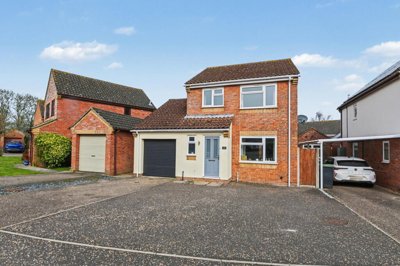
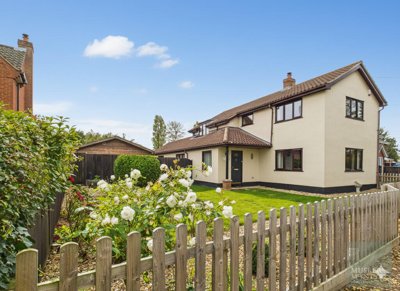
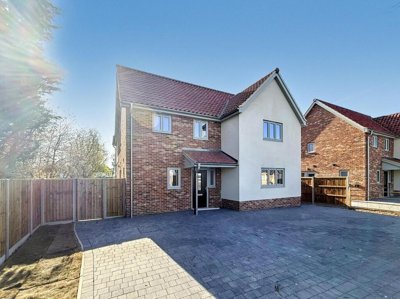
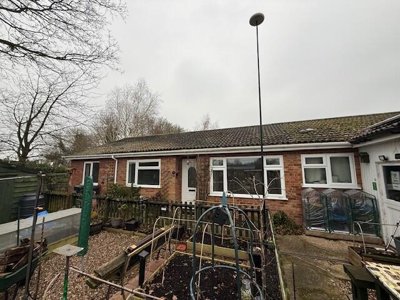
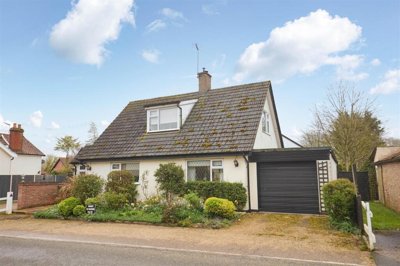
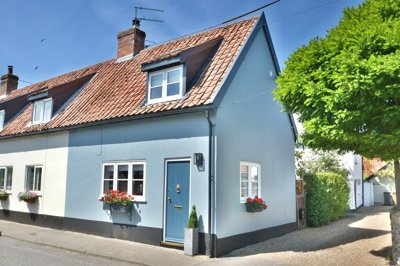
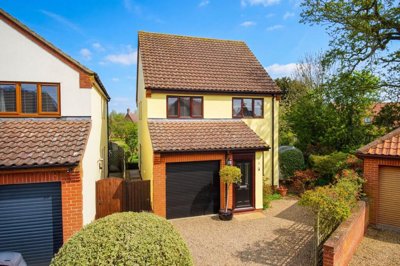
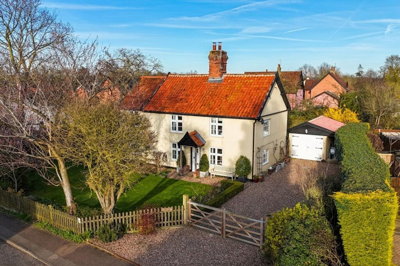
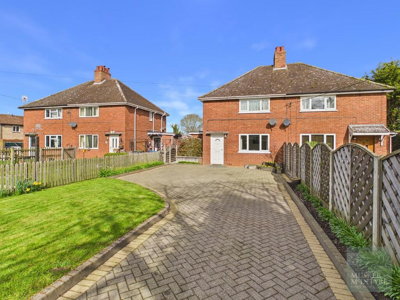
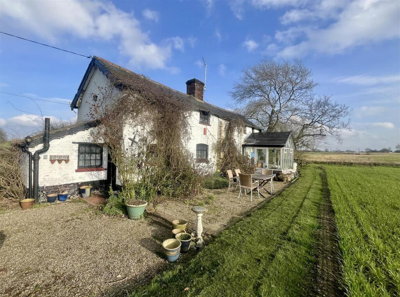
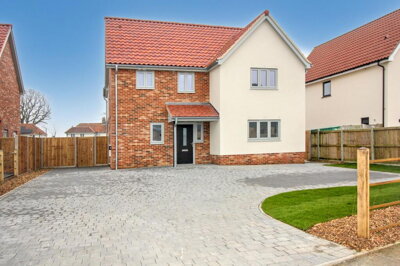
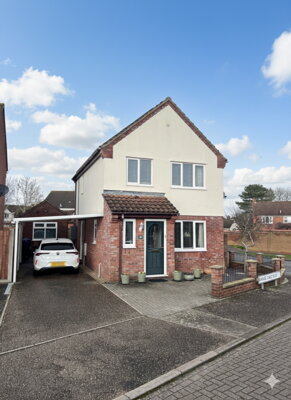
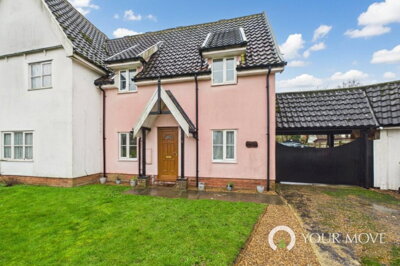
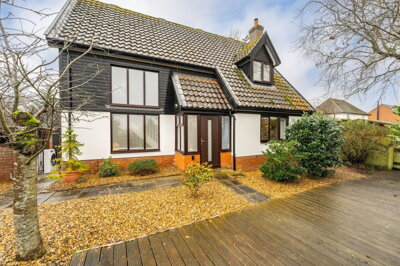
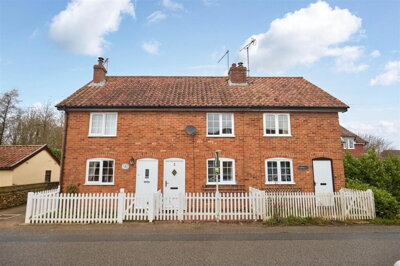
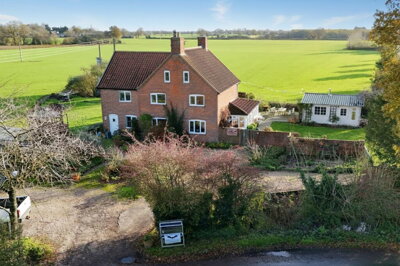
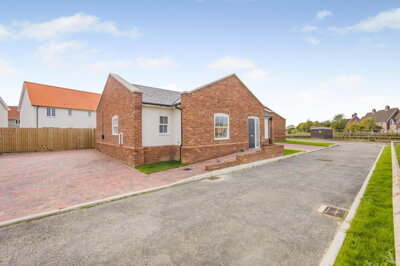
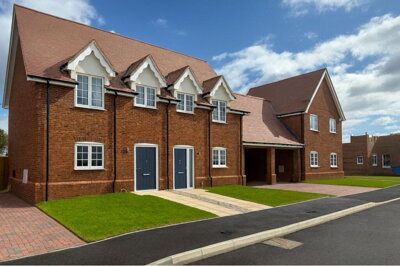
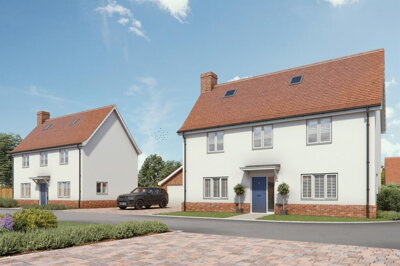
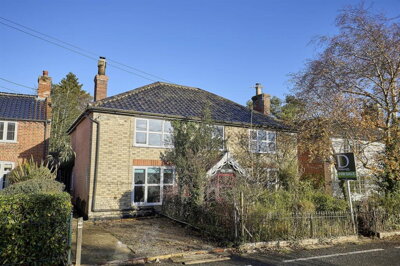
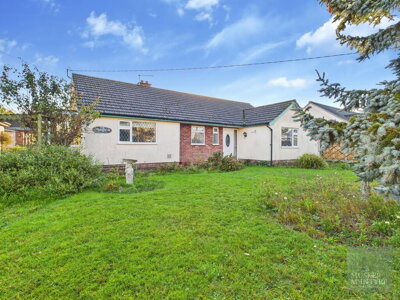
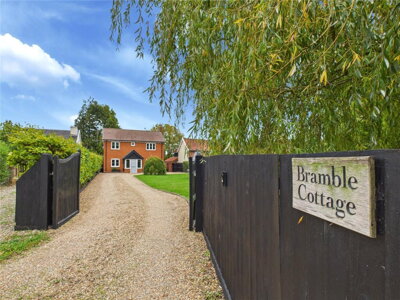
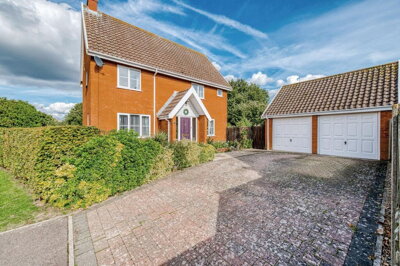
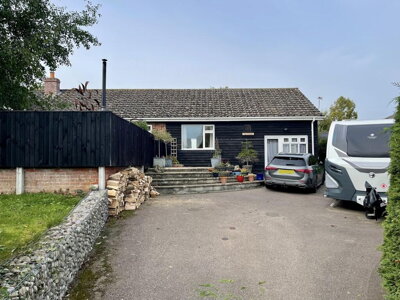
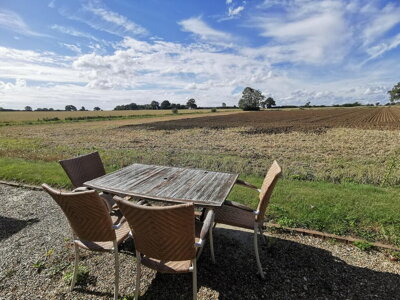
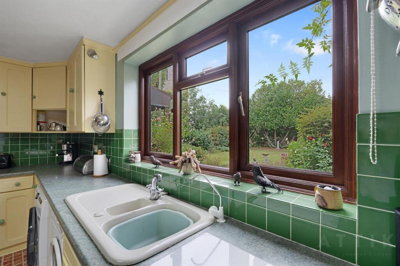
Browse 43 homes for sale in Fressingfield, Mid Suffolk from local estate agents.
£422k
24
3
129
Source: home.co.uk
Source: home.co.uk
Detached
12 listings
Avg £495,833
Detached Bungalow
3 listings
Avg £458,317
detached
2 listings
Avg £540,000
Bungalow
1 listings
Avg £140,000
Chalet
1 listings
Avg £375,000
Cottage
1 listings
Avg £345,000
End of Terrace
1 listings
Avg £215,000
House
1 listings
Avg £2.00M
Semi-Detached
1 listings
Avg £270,000
Terraced
1 listings
Avg £185,000
Source: home.co.uk
Source: home.co.uk
The Fressingfield property market demonstrates the characteristics of a stable yet nuanced rural housing sector. Current average prices stand at £385,000 for all property types, with detached homes commanding around £450,000 and semi-detached properties averaging approximately £290,000. Over the past twelve months, overall prices have shown a modest decline of 1%, with terraced properties experiencing the most significant adjustment at minus 2%, while flats have remained resilient with a slight 0.5% increase. This price stability makes Fressingfield an attractive proposition for buyers seeking long-term value in a proven market rather than volatile urban hotspots experiencing rapid fluctuations.
The housing stock composition in Fressingfield reflects its predominantly rural character, with detached properties comprising approximately 55% of all homes, semi-detached houses at 25%, terraced cottages at 15%, and flats accounting for just 5% of the market. This skewed distribution toward larger detached homes explains why the median price sits above the national rural average and why family-sized properties command premium values in this village setting. First-time buyers may find the terraced segment more accessible, with cottages typically priced from £250,000, while those seeking period character will discover timber-framed homes offering substantial living space at competitive rates.
New build opportunities in Fressingfield provide alternatives for buyers preferring modern construction and energy efficiency. The Alders development on IP21 5PE, delivered by Abel Homes, offers 2, 3, and 4-bedroom homes priced from approximately £280,000 to £500,000. The nearby Pastures development also features 3 and 4-bedroom detached and semi-detached properties, with homes typically ranging between £350,000 and £550,000. Both developments represent valuable options for first-time buyers eligible for first-time buyer relief schemes, given their positioning within accessible price brackets for the Help to Buy ISA and Lifetime ISA bonuses.

Life in Fressingfield embodies the essence of traditional English village living within the Suffolk countryside. With a population of approximately 1,100 residents across roughly 450 households, the community maintains an intimate scale while offering sufficient amenities for daily needs. The village hosts a well-regarded primary school, village pub serving local cuisine, a convenience store for essentials, and various community groups catering to diverse interests from horticulture to local history. The demographic mix includes families with children, working-age commuters, and established retirees, creating a balanced intergenerational community that welcomes newcomers warmly.
The surrounding landscape of Fressingfield consists predominantly of productive agricultural land, with the village positioned away from major trunk roads, resulting in very low ambient noise levels and excellent air quality. Local employers include agricultural businesses, hospitality venues serving tourists exploring the Suffolk heritage trail, and small enterprises in nearby market towns such as Harleston, Diss, and Eye. Many working residents commute to larger employment centres including Norwich and Ipswich, taking advantage of the semi-rural location that offers both peaceful living and practical connectivity. The village's proximity to the A143 and A140 provides reasonable access to the regional road network, while Diss railway station offers direct trains to London Liverpool Street.
The village centre and surrounding areas benefit from a strong network of community facilities that support daily life without requiring travel to larger towns. The parish council maintains regular events throughout the year, including the popular annual flower show and village fete that draw visitors from across the region. Local sporting opportunities include football teams competing in the Suffolk Youth League and walking groups exploring the network of public footpaths that cross the surrounding farmland. For everyday shopping, the convenience store stocks essentials, while the award-winning local pub provides freshly prepared meals using locally sourced ingredients, serving as a genuine hub for community interaction.

Education provision in Fressingfield centres on Fressingfield Primary School, a community school serving children from reception through to Year 6. The school provides education within the village itself, removing the need for young families to travel significant distances for primary education. For secondary education, residents typically access schools in surrounding market towns, with options including Hartismere School in Eye, which serves a wide catchment area across mid Suffolk and maintains a strong academic reputation. Parents should verify current catchment arrangements and admissions policies directly with Suffolk County Council, as these can influence which schools children attend based on residence.
The property age distribution in Fressingfield reveals that approximately 30% of homes predate 1919, with a further 15% constructed between 1919 and 1945. This substantial heritage of older properties means the village includes numerous buildings of architectural and historical significance, including listed structures that require specialist consideration during purchase. Families prioritising educational outcomes should research individual school Ofsted ratings and performance data, as these metrics can vary year by year and influence property values in specific catchment zones. The nearest sixth form and further education colleges are located in the larger towns of Bury St Edmunds, Ipswich, and Norwich, accessible via daily commute for older students pursuing advanced qualifications.
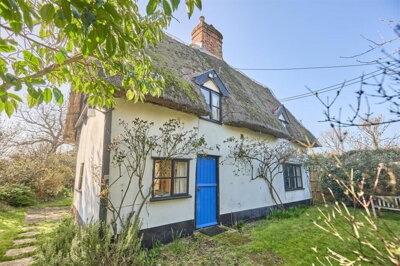
The construction of older properties throughout Fressingfield reflects traditional Suffolk building methods that remain relevant for families considering period homes. Pre-1919 properties typically feature timber-framed construction with wattle and daub or brick infill panels, often rendered or weatherboarded externally, while solid brick walls in Flemish or English bond represent another common structural approach. Lime mortar was used universally before modern cement-based products became standard, and this breathable material requires specific maintenance knowledge that affects long-term ownership costs. Properties built between 1919 and 1945 saw the introduction of cavity wall construction, though solid brick walls remained prevalent, meaning the village's housing stock presents varied construction types requiring different assessment approaches during survey.

Transport connectivity from Fressingfield relies primarily on road networks and the nearby railway station at Diss, approximately 8 miles from the village centre. The A143 provides east-west connectivity through the region, linking Fressingfield to Harleston and eventually joining the A14 trunk road that runs across Suffolk connecting Felixstowe port to the Midlands. North-south movement is facilitated by the A140, which provides access to Norwich and the Norfolk coastline. For commuters working in Norwich, typical road journey times range from 40 to 50 minutes depending on traffic conditions, making Fressingfield viable for those who prefer rural living but maintain urban employment.
Diss railway station offers direct services to London Liverpool Street with journey times of approximately one hour and 50 minutes, positioning the village within comfortable commuting distance for professionals working in the capital on a hybrid schedule. Regional train services connect Diss to Norwich, Ipswich, and Cambridge, providing access to wider employment markets and amenities. Local bus services operated by Suffolk County Council connect Fressingfield with nearby villages and market towns, though frequencies are limited compared to urban routes, making car ownership effectively essential for residents without alternative transport arrangements. Cyclists benefit from quieter rural lanes, though the undulating Suffolk countryside requires reasonable fitness for regular cycling.
Prospective buyers should factor flood risk considerations into location decisions, particularly regarding surface water flooding that affects certain areas of the village. The Environment Agency flood maps indicate elevated surface water flood risk around the village centre and along minor drainage routes that run through lower-lying land. Properties situated adjacent to these drainage channels may require additional consideration during purchase, and our inspectors always check drainage conditions and any evidence of previous flooding when surveying properties in these locations. The village's inland position means coastal flood risk does not apply, and there is no history of mining-related subsidence affecting properties in the area, factors that simplify risk assessment compared to other regions.

Explore current listings on Homemove to understand property types, prices, and availability in Fressingfield. The village offers detached family homes averaging £450,000, terraced cottages from £250,000, and new builds from £280,000, giving you a clear budget framework before proceeding. Consider engaging a local estate agent with knowledge of the village market, as relationships with vendors can sometimes provide advantages in this tight-knit community.
Contact a mortgage broker or lender to secure an agreement in principle before viewing properties. This demonstrates your financial credibility to sellers and speeds up the purchasing process once you find your ideal home in Fressingfield. Given the rural nature of the market and the value range of properties available, seeking advice from a broker familiar with countryside property finance can help navigate the specific requirements of rural lending.
Visit multiple properties across different market segments to compare locations, conditions, and value. Pay particular attention to properties in the Conservation Area, where planning restrictions protect character, and newer homes on developments like The Alders offering modern warranties. When viewing period properties, look beyond cosmetic presentation to assess structural condition, noting that approximately 45% of Fressingfield homes predate 1945 and may show signs of age-related wear.
Before completing your purchase, arrange for a qualified surveyor to assess the property condition. Given that approximately 75% of Fressingfield homes were built before 1980, surveys typically cost between £450 and £850 depending on property size, identifying defects common to older construction including damp, timber defects, and potential shrink-swell issues from local boulder clay geology. Our inspectors have extensive experience surveying properties in Mid Suffolk and understand the specific defect patterns common to local construction methods.
Appoint a solicitor to handle legal searches, property checks, and registration procedures. Local searches in Mid Suffolk include drainage and environmental records, while the Land Registry handles title registration for all properties in the village. For properties within the Conservation Area or those that are listed, additional searches regarding permitted development rights and any conditions attached to previous planning consents will be necessary.
Once surveys satisfy and legal processes complete, both parties sign contracts and transfer deposit funds. Completion typically follows within days to weeks, at which point you receive keys and take ownership of your new Fressingfield home. We recommend arranging a final walkthrough immediately before completion to confirm the property condition matches expectations following any negotiated repairs.
Properties in Fressingfield present unique considerations that prospective buyers should evaluate carefully before committing to purchase. The village's boulder clay geology creates a moderate to high shrink-swell risk, meaning older properties with inadequate foundations may show signs of movement or subsidence over time. Our inspectors frequently identify foundation concerns during surveys of period properties in this area, particularly where large trees stand close to structures or where original foundations were constructed to lesser depths than modern standards require. Look for cracking patterns in walls, doors that stick, and uneven floors, as these may indicate past or ongoing movement that requires remediation.
The extensive Conservation Area covering the historic village centre imposes planning controls on alterations, extensions, and exterior changes to properties within its boundary. Buyers considering properties near St Peter and St Paul's Church or along The Street and Stradbroke Road should contact Mid Suffolk District Council planning department to understand permitted development rights and restrictions before planning renovations. Listed buildings, of which there are numerous examples in the village, require listed building consent for virtually any external or structural alterations, significantly limiting scope for modification and adding complexity to any future renovation projects. A RICS Level 3 Survey is generally recommended for listed properties due to their complex construction, age, and the specialist knowledge required for repairs using appropriate traditional materials.
The predominant building materials used throughout Fressingfield properties influence both their character and their maintenance requirements. Traditional properties feature red brick construction, often with Suffolk white brick detailing for decorative courses and window surrounds, while timber framing with rendered or weatherboarded elevations characterises many historic homes. Roofs typically employ pantiles or plain clay tiles, materials that require periodic maintenance and can suffer from frost damage or general deterioration over time. When surveying properties in this area, our team pays particular attention to the condition of these traditional materials and any signs of inadequate repair using modern products that may trap moisture and cause accelerated deterioration.
Electrical and plumbing systems in Fressingfield's older properties frequently require upgrading to meet current standards and ensure safe operation. Properties built before modern electrical regulations may still contain rubber-insulated cabling, cotton-covered wires, or outdated fuse boards that would not pass current inspection. Lead pipework, while less common than in previous decades, still appears in some older homes and represents both a maintenance concern and a potential health issue. Our survey reports include detailed assessments of these services and provide clear recommendations for any upgrades necessary to bring systems up to acceptable safety standards.

The average house price in Fressingfield currently stands at £385,000 according to recent market data. Detached properties average around £450,000, semi-detached homes cost approximately £290,000, and terraced properties typically sell for £250,000. Flats in the village average £150,000. Prices have shown a slight decline of 1% over the past twelve months, creating potential opportunities for buyers seeking to enter the market at a favourable moment. New build properties at developments like The Alders offer contemporary alternatives from £280,000 to £500,000, providing options across multiple price points for different buyer requirements.
Properties in Fressingfield fall under Mid Suffolk District Council jurisdiction for council tax purposes. The majority of homes in the village would typically fall within Bands B through E, reflecting the mix of property sizes and values present in this rural community. Exact band allocations depend on the specific property valuation, with smaller terraced cottages potentially qualifying for Band B or C, while larger detached family homes may be placed in Band D or E. Prospective buyers should verify individual property council tax bands through the Valuation Office Agency website or the local council, as bands can be challenged if they believe valuation errors exist.
Fressingfield Primary School serves the village directly, providing education for children from reception through to Year 6, with the school building itself representing an example of mid-20th century construction that characterises many village educational facilities. For secondary education, families typically consider Hartismere School in Eye, Diss High School, or other schools in the surrounding market towns, with admissions determined by catchment areas established by Suffolk County Council. Schools in the wider area have received varying Ofsted ratings, and parents should consult the Ofsted website for current performance data and inspection outcomes. The nearest sixth form provision is available in larger towns like Bury St Edmunds and Norwich, accessible for older students pursuing advanced qualifications.
Fressingfield is served by limited local bus services connecting to surrounding villages and market towns, though frequencies are low compared to urban areas. The nearest railway station at Diss, approximately 8 miles away, provides direct services to London Liverpool Street with journey times around one hour and 50 minutes, making the capital accessible for commuters working hybrid schedules. Diss also offers regional connections to Norwich, Ipswich, and Cambridge. Most residents rely on private vehicles for daily transport, and the village's position away from major roads contributes to its peaceful character but necessitates car ownership for full participation in community life. The A143 provides reasonable access to the regional road network for those commuting by car to employment in larger towns.
Fressingfield offers several factors that may appeal to property investors, including its rural character, historic Conservation Area designation, and proximity to employment centres in Norwich and Ipswich. The village maintains stable property values with modest recent price adjustments rather than dramatic fluctuations. Limited new development, combined with restricted planning permissions within the Conservation Area, helps preserve property values by preventing oversupply. Rental demand exists from commuters, rural workers, and those seeking countryside living, though investors should note that the small market size limits tenant pool depth and that properties in this price range typically appeal to owner-occupiers rather than tenants. The predominance of older properties requiring maintenance should factor into investment calculations, as ongoing upkeep costs can affect net rental yields.
Stamp Duty Land Tax for residential purchases in Fressingfield follows standard England rates unless you qualify for first-time buyer relief. Standard rates apply 0% on the first £250,000 of purchase price, 5% on amounts from £250,001 to £925,000, 10% on £925,001 to £1.5 million, and 12% on any amount exceeding £1.5 million. First-time buyers purchasing properties up to £625,000 pay 0% on the first £425,000 and 5% on amounts between £425,001 and £625,000, with no relief available above that threshold. For a typical £385,000 Fressingfield property, a first-time buyer would pay no stamp duty, while a subsequent buyer would pay £6,750.
Fressingfield is not located on a major river and therefore does not face coastal or significant river flood risk, representing a positive factor for property buyers compared to riverside or coastal locations elsewhere in Suffolk. However, the Environment Agency flood maps indicate some areas of elevated surface water flood risk, particularly around the village centre and along minor drainage routes that cross lower-lying agricultural land. Properties situated near these drainage channels should be carefully evaluated during survey, with particular attention to the condition of drainage systems and any evidence of previous water ingress. Our inspectors check these specific concerns when surveying properties in affected locations, ensuring buyers have full information about potential surface water risks before completing purchase.
The village contains numerous listed buildings, from the Grade I listed St Peter and St Paul's Church to various Grade II listed timber-framed houses and farmhouses scattered throughout the Conservation Area. Listed building status imposes significant restrictions on alterations, requiring consent from Mid Suffolk District Council for virtually any external change or structural modification. These properties often require specialist maintenance using traditional materials and methods, which can increase ownership costs compared to standard properties. Our inspectors recommend a RICS Level 3 Survey for listed properties, as this comprehensive assessment provides in-depth analysis of construction, condition, and recommended repairs appropriate for heritage buildings. Budget considerations should include not only the purchase price but also provisions for ongoing conservation-compliant maintenance.
From 4.5%
Compare mortgage rates from leading lenders for your Fressingfield purchase
From £499
Expert solicitors handling your Fressingfield property transaction
From £450
Comprehensive inspection ideal for most Fressingfield properties
From £850
Detailed building survey recommended for period and listed properties
Understanding the full costs of purchasing property in Fressingfield extends beyond the advertised asking price. Beyond stamp duty, buyers should budget for solicitor fees averaging £800 to £1,500 for conveyancing work including local searches, title registration, and completion procedures. Survey costs range from £450 for a standard RICS Level 2 inspection of a modest terraced property up to £850 or more for larger detached homes, with historic properties potentially requiring additional specialist reports. Removal costs, typically ranging from £500 to £2,000 depending on distance and volume of belongings, and potential renovation works should also factor into your overall financial planning.
The Stamp Duty Land Tax thresholds applicable to Fressingfield purchases are set by the UK Government and apply uniformly across England, including properties in Mid Suffolk. For a median-priced property of £385,000, a first-time buyer qualifies for relief on the first £425,000, resulting in zero stamp duty liability. A buyer purchasing as a second home or investment property would pay the additional 3% surcharge on the entire purchase price, totalling £11,550, though this does not apply to primary residences. Factor in mortgage arrangement fees, typically 0.5% to 1.5% of the loan amount, and valuation fees charged by lenders, which vary based on property price and chosen deal structure.
Properties in Fressingfield may incur additional costs related to the age and character of the local housing stock that buyers should anticipate. Properties predating 1980 frequently require updating of electrical systems to meet current safety standards, with rewire costs typically ranging from £3,000 to £8,000 depending on property size and accessibility. Heating system replacements in older homes can cost £3,000 to £7,000 for a complete gas central heating installation, while windows and doors in period properties may need gradual replacement over time. Our survey reports provide detailed cost estimates for any remedial works identified, allowing buyers to factor these into their overall budget before committing to purchase.

Properties for Sale In London

Properties for Sale In Plymouth

Properties for Sale In Liverpool

Properties for Sale In Glasgow

Properties for Sale In Sheffield

Properties for Sale In Edinburgh

Properties for Sale In Coventry

Properties for Sale In Bradford

Properties for Sale In Manchester

Properties for Sale In Birmingham

Properties for Sale In Bristol

Properties for Sale In Oxford

Properties for Sale In Leicester

Properties for Sale In Newcastle

Properties for Sale In Leeds

Properties for Sale In Southampton

Properties for Sale In Cardiff

Properties for Sale In Nottingham

Properties for Sale In Norwich

Properties for Sale In Brighton

Properties for Sale In Derby

Properties for Sale In Portsmouth

Properties for Sale In Northampton

Properties for Sale In Milton Keynes

Properties for Sale In Bournemouth

Properties for Sale In Bolton

Properties for Sale In Swansea

Properties for Sale In Swindon

Properties for Sale In Peterborough

Properties for Sale In Wolverhampton

Enter your details to see if this property is within your budget.
Loans, cards, car finance
Estimated property budget
Borrowing + deposit
You could borrow between
Typical borrowing
Monthly repayment
Est. at 4.5%
Loan-to-value
This is an estimate only. Your actual budget may vary depending on interest rates, credit history, and personal circumstances. For an accurate affordability assessment, speak to one of our free mortgage advisors.
This calculator provides estimates for illustrative purposes only and does not constitute financial advice. Your home may be repossessed if you do not keep up repayments on your mortgage. Estimates based on 4.5% interest rate, repayment mortgage. Actual rates depend on your circumstances.
Homemove is a trading name of HM Haus Group Ltd (Company No. 13873779, registered in England & Wales). Homemove Mortgages Ltd (Company No. 15947693) is an Appointed Representative of TMG Direct Limited, trading as TMG Mortgage Network, which is authorised and regulated by the Financial Conduct Authority (FRN 786245). Homemove Mortgages Ltd is entered on the FCA Register as an Appointed Representative (FRN 1022429). You can check registrations at NewRegister or by calling 0800 111 6768.

We use cookies to show you personalised content and improve your experience of our website. Find out more in our Privacy policy and Cookie policy.