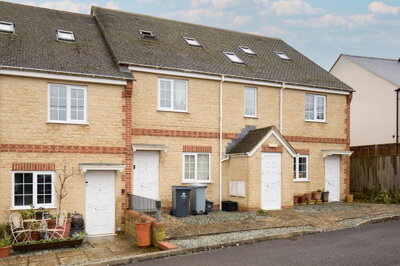
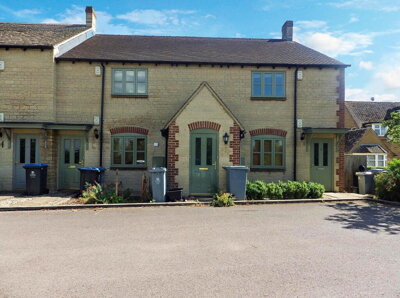
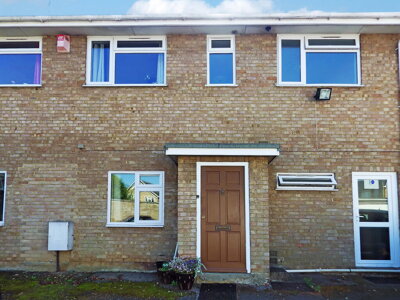
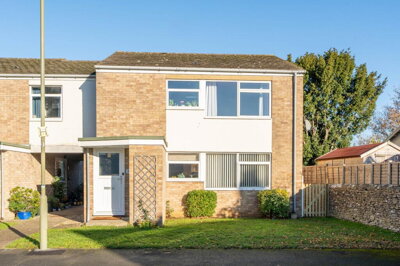
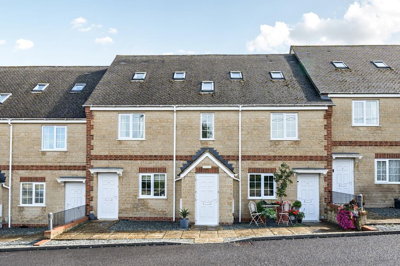
Browse 5 homes for sale in Freeland, West Oxfordshire from local estate agents.
Studio apartments feature open-plan living spaces without separate bedrooms, incorporating sleeping, living, kitchen, and bathroom facilities. The Freeland studio market includes properties in modern apartment complexes, converted Victorian and Georgian buildings, and purpose-built developments.
£0k
0
0
0
Source: home.co.uk
Showing 0 results for Studio Flats for sale in Freeland, West Oxfordshire.
£428,000
Average Property Price
+17%
12-Month Price Change
208
Population
91
Households
Woodbridge (5 miles)
Nearest Station
C to E
Council Tax Band
The Campsea Ashe property market reflects its status as a sought-after Suffolk village, with detached homes commanding an average of £500,000 and semi-detached properties typically around £350,000. Our data shows that only three property sales completed in Campsea Ashe over the past twelve months, indicating limited stock that drives competitive conditions among buyers. The village predominantly features traditional detached and semi-detached houses built in the characteristic Suffolk style, with many homes constructed using local materials such as Suffolk White brick and timber frames.
Property values in Campsea Ashe have shown remarkable resilience and growth, with the 17% year-on-year increase substantially outpacing national averages. This trend reflects the broader appeal of rural Suffolk living, where villages with good transport connections and characterful housing command premium prices. No new build developments were identified within the village itself, meaning buyers seeking modern amenities typically look to nearby towns or accept the character and potential renovation work that comes with period properties.
The local housing stock skews heavily towards older, characterful properties given the village's medieval origins and Conservation Area status. Many homes date from the pre-1919 period, featuring traditional construction methods including solid wall build, timber floors, and original sash windows. These period properties offer significant charm but require understanding of the maintenance demands associated with historic buildings. The absence of flats in recent market activity reflects the village's residential character, with all available stock consisting of houses rather than apartments or maisonettes.

Campsea Ashe embodies the timeless appeal of rural Suffolk, offering residents a peaceful lifestyle surrounded by farmland and traditional village architecture. The village's Conservation Area ensures that new development respects the historic character, preserving features such as the medieval church, traditional cottages, and historic farmsteads that define the local streetscape. With a population of just over 200 residents, the community maintains an intimate village atmosphere where neighbours know each other and local events bring people together throughout the year.
The local economy centres on agriculture and services, with residents often commuting to larger employment centres in Woodbridge, Ipswich, or the Suffolk coast. The village provides essential local amenities while larger towns offer comprehensive shopping, healthcare, and cultural facilities within a short drive. The surrounding Suffolk countryside offers excellent walking, cycling, and outdoor recreation opportunities, with the Deben Valley and Suffolk Coast Area of Outstanding Natural Beauty easily accessible from the village.
For those seeking cultural activities, the nearby market town of Woodbridge provides an array of independent shops, restaurants, and the renowned Woodbridge Museum. The Riverside Theatre offers regular performances, while the Tide Mill organic dairy farm provides a unique local attraction demonstrating the region's agricultural heritage. Weekend farmers markets in surrounding towns showcase the best of Suffolk's produce, from locally grown vegetables to award-winning cheeses and artisan breads.

Families considering a move to Campsea Ashe will find a selection of local primary schools in the surrounding villages, with several Good and Outstanding rated schools within reasonable driving distance. The nearest primary schools typically serve the rural catchment areas around Wickham Market and the surrounding parishes, providing education for children from Reception through to Year 6. Parents should check specific catchment areas and admissions policies, as school places in popular rural schools can be competitive given the dispersed population.
Secondary education options include schools in nearby market towns such as Woodbridge and Saxmundham, both offering comprehensive secondary education with sixth form provision. Woodbridge School provides excellent academic results and a strong reputation, while Farlingaye High School in Woodbridge regularly features among the top-performing secondary schools in Suffolk. For families prioritising education, viewing properties with good school accessibility and checking current Ofsted ratings should form a key part of the property search process.
Transport to schools in rural Suffolk presents practical considerations for parents. School bus services operate from Campsea Ashe to secondary schools in Woodbridge, though journey times of 20-30 minutes are common. Many families choose to drive their children initially, particularly during the early secondary years, before transitioning to independent bus travel as pupils grow older. The proximity of good schools remains a significant factor in property values, with homes within sensible driving distance of popular schools often maintaining stronger resale values.
Campsea Ashe benefits from its position near the A12, the main arterial road connecting Suffolk to Ipswich and Colchester, providing straightforward access for commuters and those travelling to the coast. The nearest railway station at Woodbridge offers regular services to Ipswich, where connections to London Liverpool Street can be made with journey times of approximately one hour twenty minutes. Alternatively, the station at Saxmundham provides access to services heading towards Lowestoft and Norwich, expanding travel options for residents.
Local bus services connect Campsea Ashe with surrounding villages and towns, though frequencies are limited compared to urban routes, making car ownership practical necessity for most residents. The village position offers a good balance between rural tranquility and transport connectivity, with many residents appreciating the relatively short drive to larger centres for work, shopping, and leisure activities. Cyclists can enjoy quiet country lanes, though the rolling Suffolk countryside does include some challenging hills.
For commuters working in London, the journey to Liverpool Street involves approximately 90 minutes from Woodbridge station plus the drive to the station itself. This positions Campsea Ashe as viable for weekly commuters who can tolerate the travel time, while also appealing to those who work locally in Woodbridge, Saxmundham, or the surrounding agricultural and service industries. The nearby A12 provides access to the port of Felixstowe for those employed in logistics, while the technology and financial services sectors in Ipswich are reachable within 30 minutes by car.
Understanding the construction methods used in Campsea Ashe properties helps buyers appreciate the character and maintenance requirements of homes in this rural Suffolk village. Properties here commonly feature traditional Suffolk White brick, a distinctive cream-coloured brick made from local clay that gives many buildings their characteristic warm appearance. This local material has been used for centuries in East Anglia, with properties often featuring decorative brickwork patterns around windows and doorways that reflect skilled traditional craftsmanship.
Timber framing represents another prevalent construction method in the village's older properties, with oak beams visible internally in many period cottages and farmhouses. These timber-framed structures often feature wattle and daub or brick noggin infill panels, construction techniques that predate modern cavity wall insulation. Properties of this age typically have solid walls rather than cavity walls, resulting in different insulation properties and potential moisture management considerations that buyers should understand.
Roof construction throughout Campsea Ashe predominantly uses traditional methods including timber rafters with clay tile or slate coverings. Many properties feature original or early replacement roofs that may require assessment for condition, with particular attention to flashing details where roofs meet walls or chimneys. The combination of traditional materials and age means that roof-related defects represent a common finding during property surveys in the village. Our team recommends requesting a thorough inspection of roof structure and coverings before committing to purchase any property in Campsea Ashe.
Given the prevalence of older properties in Campsea Ashe, buyers should pay particular attention to construction materials and potential defects common in traditional Suffolk buildings. The local geology features clay soils susceptible to shrink-swell movement, which can affect foundations, particularly for properties with shallow footings or those located near large trees. A thorough survey that specifically examines foundation conditions and signs of subsidence or heave provides essential information before committing to purchase.
The presence of listed buildings and the Conservation Area means that any significant works to properties may require planning permission or Listed Building Consent from East Suffolk Council. Buyers should understand these restrictions before purchase, particularly if considering renovations that might alter the character of period properties. Additionally, older homes often feature outdated electrical systems, plumbing, and insulation that may require upgrading, adding to renovation costs beyond the purchase price.
Common defects identified in properties across similar Suffolk villages include rising damp in solid wall constructions, timber decay in floor joists and window frames, and roof covering deterioration particularly on north-facing slopes. The age of many Campsea Ashe properties means that original electrical wiring and plumbing systems may still be in place, requiring comprehensive rewiring or pipe replacement as part of any renovation programme. Our surveyors recommend budgeting for these hidden costs when evaluating properties at the village average price of £428,000.
Spend time exploring Campsea Ashe village, checking local amenities, travel times to work, school catchment information, and the condition of properties available. Understanding the local market and what makes this village special will help you make an informed decision. Visit at different times of day and week to appreciate the atmosphere and any seasonal variations in village life.
Before viewing properties, obtain a mortgage agreement in principle from a lender. This demonstrates your financial readiness to sellers and estate agents, strengthening your position when making offers in what can be a competitive market. With property values averaging £428,000, ensure your borrowing capacity covers the full purchase price plus additional costs.
Book viewings through Homemove to see properties firsthand, assessing their condition, character, and potential. Pay particular attention to the age of properties, construction materials, and any signs of maintenance issues that might require investment. Take measurements and photographs to assist with furniture planning and to identify any areas requiring renovation.
For properties over 50 years old, which represent a significant proportion of Campsea Ashe's housing stock, a RICS Level 2 Survey provides essential assessment of condition, identifying defects ranging from damp to structural issues common in period properties. The local geology with shrink-swell clay soils makes foundation assessment particularly important for properties in this village.
Appoint a conveyancing solicitor to handle the legal aspects of your purchase, including local searches, contracts, and registration with HM Land Registry. Local knowledge of East Suffolk properties and conservation area requirements proves valuable when navigating the legal process for properties in Campsea Ashe. Your solicitor should conduct drainage and environmental searches specific to the village location.
Once all searches are satisfactory and finances are confirmed, your solicitor will exchange contracts and set a completion date. On completion day, ownership transfers and you receive the keys to your new Campsea Ashe home. Allow time for utilities transfer and update your address details with relevant organisations following your purchase.
The average house price in Campsea Ashe currently stands at £428,000, with detached properties averaging £500,000 and semi-detached homes around £350,000. Prices have increased by approximately 17% over the past twelve months, reflecting strong demand for rural Suffolk properties with good transport connections. Limited property supply, with only three sales completing in the past year, suggests continued upward pressure on values in this sought-after village.
Properties in Campsea Ashe fall under East Suffolk Council's council tax bands, with specific bands depending on property valuation. Rural village homes in the area typically range from Band C for smaller cottages through to Band E for larger detached family houses. Prospective buyers should check the specific banding for any property through the Valuation Office Agency website, as banding affects ongoing annual costs for utilities and local services.
Campsea Ashe itself is a small village without its own primary school, with children typically attending schools in surrounding villages such as those near Wickham Market. Primary schools in the surrounding area include several rated Good or Outstanding by Ofsted, serving catchment populations from multiple small villages across rural East Suffolk. Secondary schools in nearby Woodbridge, including Farlingaye High School, have excellent reputations with strong academic results. Parents should verify current school capacities and catchment boundaries before purchasing, as rural school admissions can be competitive.
Public transport options from Campsea Ashe are limited, with local bus services providing connections to surrounding towns but at frequencies lower than urban areas. The nearest railway station at Woodbridge offers services to Ipswich and connections to London Liverpool Street, with journey times of approximately 90 minutes to the capital. Most residents rely on car ownership for daily transport needs, though the proximity to the A12 provides reasonable access to employment centres in larger Suffolk towns.
The 17% price increase over twelve months demonstrates Campsea Ashe's strong investment potential within the rural Suffolk market. Limited property supply, the village's character, proximity to the coast, and good transport connections to major employment centres all support continued demand. Properties requiring renovation may offer particular value-add opportunities for investors willing to undertake improvement works while preserving the character that makes the village attractive to buyers.
Standard stamp duty rates apply for England: zero percent on purchases up to £250,000, five percent on the portion from £250,001 to £925,000, ten percent from £925,001 to £1.5 million, and twelve percent above that threshold. For a typical Campsea Ashe property at the village average of £428,000, stamp duty for a main residence buyer would amount to approximately £8,900. First-time buyers benefit from increased thresholds with zero percent up to £425,000 and five percent between £425,001 and £625,000.
Campsea Ashe has very low risk of flooding from rivers and the sea, though some areas near watercourses may have low to medium surface water flooding risk during heavy rainfall. The village's inland position and elevation generally provide protection from tidal and river flooding that affects some coastal Suffolk communities. A property search will identify specific flood risk for any individual plot, and buyers should discuss any concerns with their surveyor, particularly for properties near the small watercourses that drain the local farmland.
Period properties in Campsea Ashe typically feature traditional construction methods including Suffolk White brick, timber framing, and solid wall build. When viewing older properties, look for signs of damp particularly at low level on solid walls, timber condition around windows and floors, and roof condition including tile condition and flashing. Given the local clay geology, check for any cracking to walls that might indicate foundation movement. Many properties will require updating of electrical and plumbing systems, so factor this into your renovation budget alongside the purchase price.
When purchasing a property in Campsea Ashe, budget awareness extends beyond the purchase price to include significant additional costs. Stamp Duty Land Tax applies at standard rates for England: nothing on the first £250,000 of value, five percent on the portion between £250,001 and £925,000, ten percent up to £1.5 million, and twelve percent above that threshold. For a typical Campsea Ashe property at the village average of £428,000, stamp duty for a main residence buyer would amount to approximately £8,900.
First-time buyers benefit from increased thresholds, paying zero percent up to £425,000 and five percent between £425,001 and £625,000. This relief eliminates stamp duty for many first-time purchases at the village average price point. Beyond stamp duty, budget for solicitor fees typically ranging from £800 to £2,000 depending on complexity, survey costs of £500 to £800 for a RICS Level 2 Survey, and removal expenses. Land Registry registration fees and local search fees add further costs, making a contingency of approximately £3,000 to £5,000 above purchase price advisable for smoother completion.
Additional costs to factor include mortgage arrangement fees ranging from zero to £2,000 depending on lender and product chosen, valuation fees typically £150 to £500, and buildings insurance from completion day onwards. For properties in the Campsea Ashe Conservation Area or listed buildings, factor in potential specialist survey costs and the time required for any planning applications should renovation be intended. Speaking with a local mortgage broker and conveyancing solicitor before viewing properties helps establish a clear budget and prevents delays during the transaction process.
From 4.5%
Find competitive mortgage rates for your Campsea Ashe purchase
From £499
Expert solicitors handling your legal requirements
From £500
Professional survey for your property
From £80
Energy performance certificate
Properties for Sale In London

Properties for Sale In Plymouth

Properties for Sale In Liverpool

Properties for Sale In Glasgow

Properties for Sale In Sheffield

Properties for Sale In Edinburgh

Properties for Sale In Coventry

Properties for Sale In Bradford

Properties for Sale In Manchester

Properties for Sale In Birmingham

Properties for Sale In Bristol

Properties for Sale In Oxford

Properties for Sale In Leicester

Properties for Sale In Newcastle

Properties for Sale In Leeds

Properties for Sale In Southampton

Properties for Sale In Cardiff

Properties for Sale In Nottingham

Properties for Sale In Norwich

Properties for Sale In Brighton

Properties for Sale In Derby

Properties for Sale In Portsmouth

Properties for Sale In Northampton

Properties for Sale In Milton Keynes

Properties for Sale In Bournemouth

Properties for Sale In Bolton

Properties for Sale In Swansea

Properties for Sale In Swindon

Properties for Sale In Peterborough

Properties for Sale In Wolverhampton

Enter your details to see if this property is within your budget.
Loans, cards, car finance
Estimated property budget
Borrowing + deposit
You could borrow between
Typical borrowing
Monthly repayment
Est. at 4.5%
Loan-to-value
This is an estimate only. Your actual budget may vary depending on interest rates, credit history, and personal circumstances. For an accurate affordability assessment, speak to one of our free mortgage advisors.
This calculator provides estimates for illustrative purposes only and does not constitute financial advice. Your home may be repossessed if you do not keep up repayments on your mortgage. Estimates based on 4.5% interest rate, repayment mortgage. Actual rates depend on your circumstances.
Homemove is a trading name of HM Haus Group Ltd (Company No. 13873779, registered in England & Wales). Homemove Mortgages Ltd (Company No. 15947693) is an Appointed Representative of TMG Direct Limited, trading as TMG Mortgage Network, which is authorised and regulated by the Financial Conduct Authority (FRN 786245). Homemove Mortgages Ltd is entered on the FCA Register as an Appointed Representative (FRN 1022429). You can check registrations at NewRegister or by calling 0800 111 6768.

We use cookies to show you personalised content and improve your experience of our website. Find out more in our Privacy policy and Cookie policy.