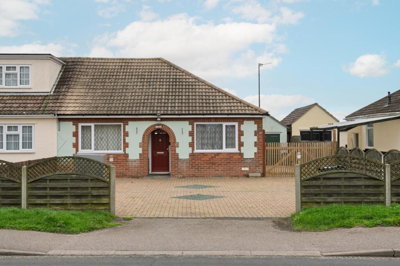
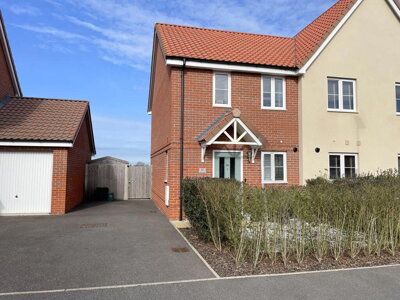
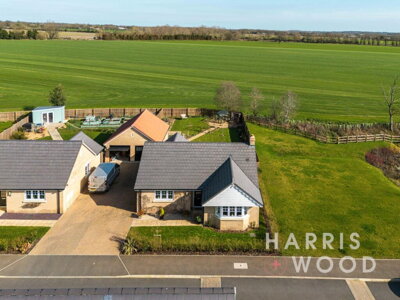
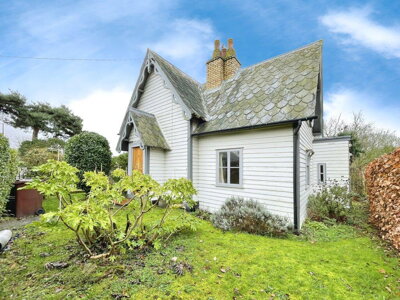
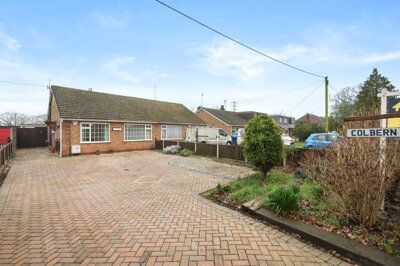
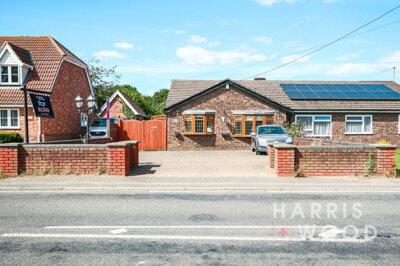
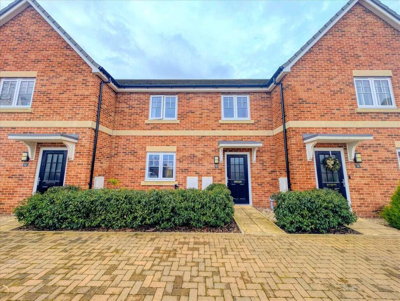
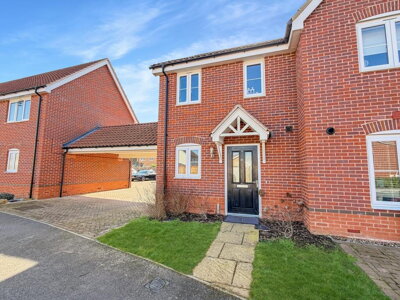
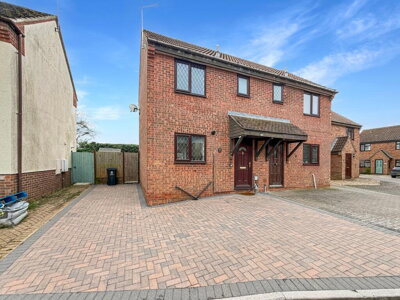
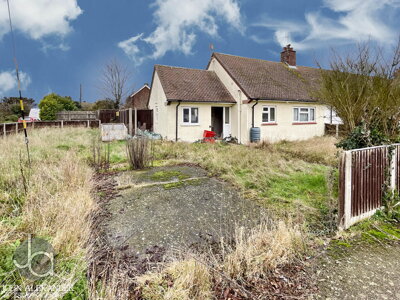
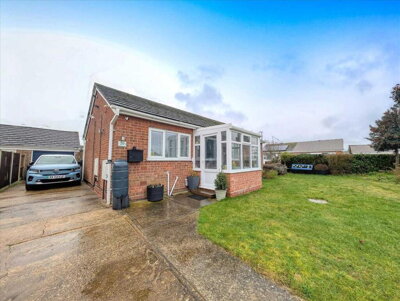
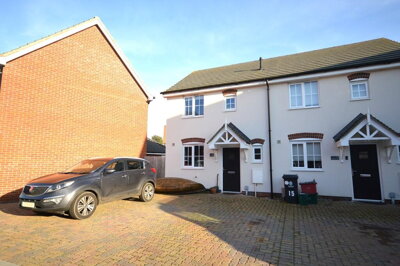
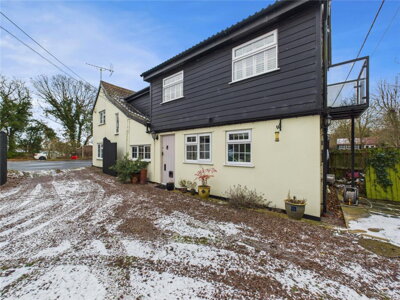
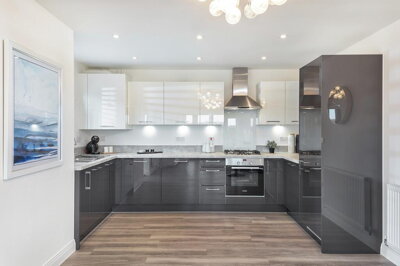
Browse 20 homes for sale in Frating, Tendring from local estate agents.
The 2 bed house market features detached, semi-detached, and terraced properties with two separate bedrooms plus living spaces. Properties in Frating range from Victorian and Edwardian period homes to modern new builds, with pricing varying across different neighbourhoods.
£0k
0
0
0
Source: home.co.uk
Showing 0 results for 2 Bedroom Houses for sale in Frating, Tendring.
£435,000
Average Price
-1.15%
12-Month Change
10
Properties Sold (12mo)
CO7 7
Postcode
The Frating property market presents a diverse range of options across all main property types, though the village's intimate scale means available stock changes regularly. Detached properties command the highest average prices at £525,000, reflecting the space and privacy that buyers seek in rural Essex settings where larger plots are available. Semi-detached homes offer more accessible pricing at approximately £350,000, making them popular among families and first-time buyers looking to enter the village property market without the commitment required for a detached purchase.
Terraced properties in Frating average around £290,000, providing an affordable route to village homeownership with lower maintenance requirements than detached alternatives. The village's housing stock spans several construction periods, from historic cottages in the village centre to mid-20th century family homes that represent much of the current residential stock. Pre-1919 properties often feature traditional construction methods including solid walls and older damp-proof courses, requiring careful assessment before purchase by any prospective buyer.
Property sales activity has remained steady in Frating, with 10 transactions completed over the past 12 months. This relatively modest volume reflects the intimate scale of the village property market, where each available property tends to attract genuine interest from buyers seeking the rural lifestyle that Frating provides. The recent price adjustment has stabilised the market, allowing buyers more time for careful consideration rather than rushed decisions typical of faster-moving urban areas. New build development activity within the CO7 7 postcode area remains limited, meaning buyers typically focus on the existing housing stock built throughout the 20th century and beyond.
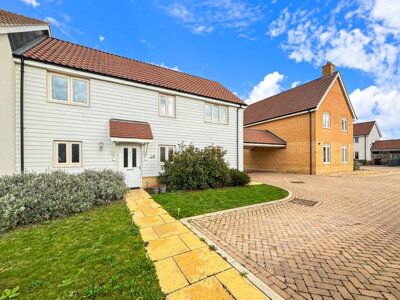
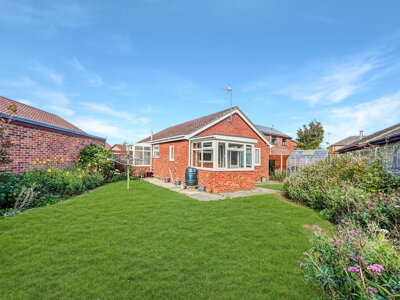
Traditional brick construction dominates the local architecture throughout Tendring, with a mix of red and yellow bricks common in the region. Rendered finishes add visual variety to the village streetscene, particularly on more modern or extended properties. The scarcity of new properties means that buyers interested in Frating should act promptly when suitable homes for sale in Frating become available, as the limited supply combined with steady demand from commuters and families seeking village life ensures properties rarely remain on the market for extended periods.
Frating embodies the essence of rural Essex village life, offering residents a peaceful environment away from the pressures of urban congestion while remaining well-connected to regional amenities. The village sits within the Tendring district, characterised by its working agricultural landscape and traditional settlements that have shaped the region for centuries. Community life centres around local facilities and the strong bonds between residents that define village living throughout this part of England, with events and gatherings helping to foster the social cohesion that makes Frating distinctive.
The population of approximately 500 residents across 204 households creates an intimate community where neighbours frequently know one another and local events foster social cohesion. The village benefits from its proximity to larger settlements including Colchester, Clacton-on-Sea, and Ipswich, allowing residents to access broader retail, healthcare, and entertainment facilities while returning to the tranquility of village life at the end of each day. This balance between rural seclusion and urban accessibility makes Frating particularly attractive to commuters and families alike who want the best of both worlds.
The local economy surrounding Frating reflects its agricultural heritage, with farming operations and local services forming the traditional economic base. However, the village's strategic position near the A120 and A12 major road corridors opens opportunities for residents to commute to larger employment centres. Many residents work in Colchester's commercial district or travel further afield to Chelmsford or even London, making the most of the village's excellent transport connections while living in a location that offers space, character, and community spirit rarely found in urban settings.
The Tendring district surrounding Frating includes several nearby villages and towns that residents commonly access for additional amenities. Great Bentley, with its popular pub and village shop, lies a short drive away, while the coastal town of Frinton-on-Sea offers beaches and seaside attractions during summer months. For larger shopping trips, Colchester provides comprehensive retail facilities including the Culver Square shopping centre and weekly markets, ensuring residents have access to everything needed for daily life while still enjoying the peaceful setting of their village home.
Families considering a move to Frating will find a range of educational options within reasonable travelling distance. Primary education is available at nearby village schools serving the surrounding rural communities, with older children typically progressing to secondary schools in larger nearby towns. The Tendring district maintains several primary schools that serve the local villages, each offering solid foundations for early years education within a community setting that many families value above larger, more impersonal school environments.
Primary schools serving Frating include those in Great Bentley and Weeley, both accessible by car within 10-15 minutes. These schools serve their local communities and often have waiting lists for certain year groups, making it advisable for families to contact schools directly before finalising any property purchase to understand current admission arrangements. Many parents appreciate the smaller class sizes and individual attention available at village primary schools compared to larger town alternatives, factors that influence family decisions when choosing homes for sale in Frating.
Secondary education options in the area include schools in towns such as Colchester and Clacton-on-Sea, accessible by school transport or parental conveyance. Colchester offers particularly strong options including the Colchester Royal Grammar School for academically selective pupils, alongside other secondary schools with good reputations. Parents should research specific catchment areas and admission arrangements for schools serving the Frating postcode, as these can influence property values and availability in particular streets or developments.
For families with sixth form or further education requirements, the proximity of Colchester to Frating proves advantageous. Colchester hosts several secondary schools with sixth form provision, alongside Colchester Institute which offers vocational and academic courses across diverse subject areas. Sixth form students from Frating can access these opportunities while benefiting from the village home environment, making Frating practical for families at various stages of their educational journey without requiring relocation to larger towns.

Transport connectivity from Frating centres on road infrastructure, with the village positioned usefully near major routes serving Essex and beyond. The A120 provides direct access to Colchester and the A12, which continues south to Chelmsford and London. This road network makes Frating practical for commuters working in regional centres who prefer the lifestyle benefits of village residence over urban housing costs and congestion. The journey to Colchester typically takes around 15-20 minutes by car under normal traffic conditions.
Rail services are accessible from nearby stations in Colchester, offering connections to London Liverpool Street with journey times typically around one hour. Colchester stations provide both stopping services and faster express options, allowing commuters to select the balance between journey duration and ticket price that suits their circumstances. Manningtree station, also within reasonable driving distance, offers access to services heading towards London Liverpool Street and East Anglia, providing additional options for those working in the capital. The drive from Frating to Colchester station takes approximately 20-25 minutes under normal traffic conditions, making daily commuting feasible for those working in London.
Local bus services operate between Frating and surrounding villages, providing essential connectivity for residents without private vehicles. The 74 bus route connects local villages including Great Bentley and Weeley with Clacton-on-Sea, though service frequencies are limited compared to urban routes. Many residents find that a combination of occasional bus use for local journeys and private vehicle ownership for commuting and larger shopping trips works best for their circumstances. Cycling infrastructure in the area continues to develop, with quieter rural lanes offering pleasant routes for leisure cycling while serving as practical commuting alternatives for shorter distances.
The geology underlying much of the Tendring district, which includes Frating, is predominantly characterised by London Clay with superficial deposits of sand and gravel. London Clay is known for its shrink-swell potential, meaning it can expand when wet and contract when dry, posing a moderate to high risk of subsidence for properties built on it without appropriate foundations. Understanding this geology is essential for anyone considering homes for sale in Frating, as it affects foundation design, drainage requirements, and potential maintenance issues.
Properties built on London Clay substrate face potential shrink-swell behaviour that can cause subsidence if foundations prove inadequate or drainage systems fail. Signs of subsidence include cracking to walls, doors or windows sticking, and visible movement in the property structure. The proximity of mature trees and vegetation can exacerbate clay movement during dry periods, as trees extract moisture from the soil. Any survey of a property in Frating should specifically assess foundation condition and the proximity of trees or vegetation that may affect the structural integrity of the property over time.
Surface water flooding represents a consideration for some properties in Frating, particularly those in low-lying areas or near natural drainage channels. The village has areas with flood risk, particularly along roads and near natural drainage lines. While not directly coastal, Frating's proximity to the coast means that some areas could be indirectly affected by tidal influences on drainage systems. The River Colne is not immediately adjacent to Frating, but smaller watercourses and ditches contribute to local flood risk, and prospective buyers should request Flood Risk searches from their solicitor when purchasing.
Properties within the designated conservation area around the historic core of Frating may face additional planning constraints affecting extensions, alterations, or significant changes to the property exterior. The village centre includes several listed buildings including Frating Hall and St Mary's Church, which contribute to the character of the area but impose obligations on owners regarding maintenance and alterations. Listed properties cannot be modified without consent from the local planning authority, and works must respect the building's historic character, adding complexity to any future renovation plans.
Start by exploring current listings for homes for sale in Frating and understanding price trends. With an average property price of £435,000 and detached homes averaging £525,000, knowing your budget helps narrow your search effectively. Research the village's conservation area status and listed building requirements that may affect your purchase plans, as these can impact both the buying process and future renovation possibilities.
Before arranging viewings, obtain a mortgage agreement in principle from a lender. This strengthens your position when making offers and demonstrates to sellers that you have secured financing. Local mortgage brokers understand Essex property values and can advise on appropriate lending levels for properties in Frating and surrounding villages, helping you understand what you can realistically borrow against the local property market.
View multiple properties across different types to compare characteristics, conditions, and value. Pay attention to construction age, as Frating contains many properties over 50 years old with potential issues requiring surveyor assessment. Note features specific to the area such as London Clay foundations and proximity to flood-risk zones that may require further investigation before committing to purchase.
Before completing your purchase, arrange a professional survey to assess property condition. Survey costs in Frating typically range from £400 to £800 depending on property size and type. Given the prevalence of older properties and London Clay geology, a thorough survey identifies any subsidence risk, damp issues, or timber defects common in the local housing stock, potentially saving significant expense and stress in the long term.
Appoint a solicitor experienced in Essex property transactions to handle legal matters. They will conduct searches specific to Tendring district, including local authority checks, environmental searches, and drainage investigations. Your solicitor will manage the transfer of ownership and ensure all documentation meets legal requirements for properties in conservation areas or with listed status, which applies to several properties in Frating.
Once all searches are satisfactory and financing is confirmed, your solicitor will arrange contract exchange with the seller. A deposit typically 10% of the purchase price is paid at this stage, with remaining funds and property ownership transferred on completion day. Your solicitor will coordinate with your mortgage lender to ensure funds transfer smoothly on the agreed completion date, finalising your purchase of your new home in Frating.
Properties in Frating span several construction periods, from historic cottages in the village centre to mid-20th century family homes and later additions to the village. Pre-1919 properties often feature traditional construction methods including solid walls and older damp-proof courses, requiring careful assessment before purchase. Understanding the age and construction type of any property helps buyers anticipate maintenance requirements and potential issues during their ownership period.
Common defects found in older Frating properties include damp (rising, penetrating, and condensation), timber defects (rot and woodworm), roof issues (missing tiles, lead flashing defects, and sagging), and general wear and tear on older building elements. Properties built before the 1980s may also have outdated electrical systems that do not meet current safety standards and often require upgrading. Given the mix of older and newer properties in the village, a thorough survey before purchase is strongly recommended to identify any issues requiring attention or negotiation with the seller.
Many properties in Frating hold listed building status, imposing obligations on owners regarding maintenance and alterations. Properties within these designations often require specialist surveys such as a RICS Level 3 Building Survey due to their unique construction, historical significance, and the specific regulations governing alterations. While listed status preserves property values and village character, it adds complexity to any future renovation plans that buyers should understand before committing to purchase, as works that might be straightforward on an unlisted property may require lengthy consent processes.
The London Clay geology underlying much of the village requires specific attention during property purchase. Prospective buyers should check the history of any property they are interested in regarding subsidence claims or foundation repairs, as properties on shrink-swell clay are susceptible to movement if foundations are inadequate or if drainage around the property has been compromised. Trees located close to properties can also pose a risk during extended dry periods, as root systems extract moisture from the clay and cause it to shrink, potentially affecting foundations over time.
The average property price in Frating stands at £435,000 based on recent market data. Detached properties average £525,000, semi-detached homes around £350,000, and terraced properties approximately £290,000. Prices have shown a modest 12-month decline of 1.15%, creating potential opportunities for buyers in this Essex village property market. Ten property sales have completed in the past year, reflecting the intimate scale of the local market where properties rarely appear in large numbers.
Properties in Frating fall under Tendring District Council administration for council tax purposes. Specific banding depends on property valuation, with typical residential properties in rural Essex ranging from bands A through E. Band D represents a common level for mid-sized family homes in the village. Prospective buyers should check the council tax band for any specific property through the Valuation Office Agency website or request this information during enquiries before completing their purchase.
Frating itself has limited schooling provision, with primary schools available in nearby villages including Great Bentley and Weeley serving the local community. Families typically access primary education at these surrounding village schools, with secondary education at schools in Colchester or Clacton-on-Sea reachable by school transport. Colchester offers additional options including grammar schools and sixth form colleges. Parents should verify current catchment areas and admission policies as these can affect school placements for their children.
Public transport options from Frating are limited compared to urban areas, with local bus services connecting the village to surrounding settlements but with modest frequency. The nearest railway stations are in Colchester, offering regular services to London Liverpool Street in approximately one hour. The A120 and A12 road corridors provide essential connectivity for those with private vehicles, making the village most practical for residents who drive or work from home rather than relying on daily public transport.
Frating offers investment appeal through its rural lifestyle positioning and strong transport connections to major employment centres including Colchester and London. The village attracts buyers seeking character properties in a conservation setting, supporting long-term demand for suitable properties. Limited new build supply means existing housing stock maintains relevance in the market. However, investors should consider factors including London Clay subsidence risks, surface water flooding potential in low-lying areas, and conservation area restrictions that may affect future saleability or rental prospects.
Standard Stamp Duty Land Tax rates apply to purchases in Frating, with 0% duty on the first £250,000 of property value, 5% on the portion from £250,001 to £925,000, and 10% up to £1.5 million. First-time buyers may claim relief on the first £425,000, paying 5% between £425,001 and £625,000 with no relief above that threshold. At Frating's average price of £435,000, a standard buyer would pay approximately £9,250 in stamp duty after the nil-rate threshold.
The primary risks when buying property in Frating relate to the underlying London Clay geology, which can cause subsidence in properties with inadequate foundations or poor drainage. Surface water flooding affects some properties in low-lying areas, particularly during periods of heavy rainfall. Properties with listed building status or within the conservation area face restrictions on alterations and renovations. Prospective buyers should commission appropriate surveys and searches to identify any issues before completing their purchase.
From 4.5%
Professional mortgage advice and competitive rates for Frating buyers
From £499
Expert property solicitors experienced in Tendring transactions
From £400
Professional property survey identifying defects in Frating homes
From £85
Energy performance certificate for your new property
Purchasing a property in Frating involves several costs beyond the advertised property price that buyers should budget for carefully. Stamp Duty Land Tax represents a significant upfront expense, calculated on a sliding scale that begins with zero duty on the first £250,000 of purchase price. For a typical Frating property at £435,000, a standard buyer without first-time buyer relief would pay approximately £9,250 in stamp duty, calculated as 5% on £185,000 above the nil-rate threshold.
First-time buyers purchasing in Frating benefit from enhanced relief, paying zero duty on the first £425,000 and 5% on amounts between £425,001 and £625,000. At Frating's average price point, many first-time buyers would qualify for relief on their entire purchase, potentially saving £9,250 compared to buyers who have previously owned property. Properties priced above £625,000 do not receive first-time buyer relief on any portion of the purchase price, meaning buyers at this price level should budget for the full stamp duty amount.
Additional purchasing costs include solicitor fees for conveyancing, typically ranging from £500 to £2,000 depending on complexity and whether the property is freehold or leasehold. Survey costs for a RICS Level 2 HomeBuyer Report typically range from £400 to £800 in the Frating area, with larger detached properties at the higher end of this range reflecting the additional inspection time required. Searches specific to Tendring district, including local authority, drainage, and environmental searches, typically cost between £200 and £400.
Factor transfer and registration fees complete the typical purchase cost breakdown, usually totalling between £100 and £200. Mortgage arrangement fees, if applicable, vary by lender but often range from zero to £2,000 or more. Properties in Frating's conservation area or with listed building status may incur additional legal costs for specialist searches and compliance documentation. Obtaining a mortgage agreement in principle before property hunting helps establish clear budgets and strengthens your negotiating position when making offers on homes for sale in Frating.
Properties for Sale In London

Properties for Sale In Plymouth

Properties for Sale In Liverpool

Properties for Sale In Glasgow

Properties for Sale In Sheffield

Properties for Sale In Edinburgh

Properties for Sale In Coventry

Properties for Sale In Bradford

Properties for Sale In Manchester

Properties for Sale In Birmingham

Properties for Sale In Bristol

Properties for Sale In Oxford

Properties for Sale In Leicester

Properties for Sale In Newcastle

Properties for Sale In Leeds

Properties for Sale In Southampton

Properties for Sale In Cardiff

Properties for Sale In Nottingham

Properties for Sale In Norwich

Properties for Sale In Brighton

Properties for Sale In Derby

Properties for Sale In Portsmouth

Properties for Sale In Northampton

Properties for Sale In Milton Keynes

Properties for Sale In Bournemouth

Properties for Sale In Bolton

Properties for Sale In Swansea

Properties for Sale In Swindon

Properties for Sale In Peterborough

Properties for Sale In Wolverhampton

Enter your details to see if this property is within your budget.
Loans, cards, car finance
Estimated property budget
Borrowing + deposit
You could borrow between
Typical borrowing
Monthly repayment
Est. at 4.5%
Loan-to-value
This is an estimate only. Your actual budget may vary depending on interest rates, credit history, and personal circumstances. For an accurate affordability assessment, speak to one of our free mortgage advisors.
This calculator provides estimates for illustrative purposes only and does not constitute financial advice. Your home may be repossessed if you do not keep up repayments on your mortgage. Estimates based on 4.5% interest rate, repayment mortgage. Actual rates depend on your circumstances.
Homemove is a trading name of HM Haus Group Ltd (Company No. 13873779, registered in England & Wales). Homemove Mortgages Ltd (Company No. 15947693) is an Appointed Representative of TMG Direct Limited, trading as TMG Mortgage Network, which is authorised and regulated by the Financial Conduct Authority (FRN 786245). Homemove Mortgages Ltd is entered on the FCA Register as an Appointed Representative (FRN 1022429). You can check registrations at NewRegister or by calling 0800 111 6768.

We use cookies to show you personalised content and improve your experience of our website. Find out more in our Privacy policy and Cookie policy.