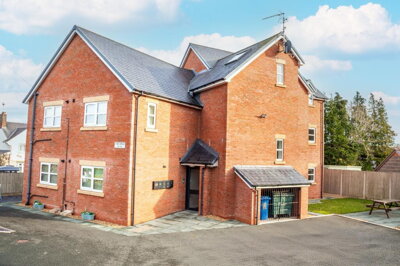
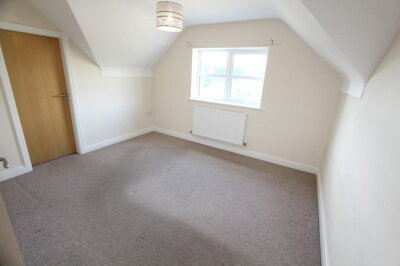
Browse 2 homes for sale in Flint, Flintshire from local estate agents.
The 2 bed flat sector typically includes two separate bedrooms, dedicated living areas, and bathroom facilities. Properties in Flint span purpose-built blocks, converted period houses, and modern apartment complexes on various floors.
£0k
0
0
0
Source: home.co.uk
Showing 0 results for 2 Bedroom Flats for sale in Flint, Flintshire.
The Yelling property market has demonstrated remarkable resilience and growth over the past year, with historical sold prices climbing 50% compared to the previous year. Despite this strong performance, prices remain 11% below the 2021 peak of £881,000, creating a window of opportunity for buyers who may have missed the previous market high. The village recorded 84 property sales over the past twelve months, a healthy transaction volume that reflects sustained demand for homes in this sought-after rural location. This combination of recent price growth and relative value compared to peak prices makes Yelling an attractive proposition for both primary residence buyers and investors.
Property types in Yelling span the full range from intimate period cottages to substantial family homes, with detached properties commanding premium prices between £504,000 and £950,000. Recent sales data shows detached houses selling for £887,500 and £950,000 in March 2025, while a five-bedroom detached home is currently listed at £1,000,000. Semi-detached properties provide more accessible entry points, with a four-bedroom semi-detached house listed at £675,000 and a smaller three-bedroom example sold for £280,000 in 2023. The village's housing stock is predominantly older construction, with 17th-century timber-framed and brick properties featuring prominently along the High Street, offering character that is increasingly rare in modern developments.
Unlike many Cambridgeshire villages, Yelling has seen limited new build activity within its own boundaries, with most nearby developments located in surrounding settlements such as Alconbury Weald and Houghton. This scarcity of new housing stock means existing properties in Yelling are highly prized, particularly those offering period features alongside modern conveniences. The absence of new developments within the village itself preserves its historic character and ensures that buyers investing in Yelling are acquiring homes in a genuinely established community rather than a growth area. Our listings include properties from major estate agents operating in the Huntingdonshire region, giving you comprehensive market coverage.
Yelling embodies the classic English village experience, nestled in the rolling countryside of Huntingdonshire at an elevation ranging from 100 to 200 feet above sea level. The village is centred around its historic High Street, which is lined with an impressive collection of 17th-century houses and cottages that showcase traditional Cambridgeshire architecture. Properties such as Church Farmhouse, a red-brick structure from the 1600s, and The Old Forge, a timber-framed cottage, exemplify the character that defines Yelling's built environment. The presence of thatched cottages adds further visual interest to the villagescape, creating an atmosphere that feels preserved from an earlier era while remaining thoroughly livable.
The community in Yelling numbers just 415 residents according to the 2021 Census, with the population estimated to have slightly declined to around 405 by mid-2024. This intimate scale means that neighbours know each other, community events draw genuine participation, and newcomers are warmly welcomed into village life. Historically, Yelling's economy centred on agriculture, particularly the cultivation of cereals and beans, and while farming remains part of the local landscape, the village now primarily serves as a residential community for those working in nearby towns. The settlement's geographic position on heavy clay land has shaped both its agricultural heritage and the construction traditions that define its architecture.
The village is anchored by the medieval Church of the Holy Cross, with architectural elements dating back to 1180-1190, providing a focal point for both spiritual and community life. This historic church serves as a reminder of Yelling's long history as a settlement and contributes to the sense of permanence and rootedness that defines the village. While Yelling itself offers limited commercial amenities, the surrounding area provides access to everything needed for daily life, with larger villages and towns within easy reach for shopping, dining, and services. The combination of village tranquility, historic architecture, and strong community bonds creates a living environment that many buyers find irreplaceable.

Families considering a move to Yelling will find educational options available both within the village's immediate catchment area and in surrounding towns. The village falls within Cambridgeshire's educational framework, with primary schools located in nearby communities serving younger children. Secondary education is typically accessed in larger settlements such as St Ives or Huntingdon, where a broader range of schools including grammar schools and academies provide diverse options for families. Cambridgeshire as a county consistently performs above national averages for educational outcomes, making it an attractive location for families prioritising academic excellence for their children.
Cambridgeshire maintains a selective secondary education system, with grammar schools available in nearby towns for academically capable students. These schools draw students from across the county and often feature competitive entrance processes. For families seeking alternatives, the surrounding area offers several comprehensive secondary schools and academies with strong reputations for both academic and extracurricular provision. Sixth form education is available at schools in nearby towns and colleges in Huntingdon and Cambridge, providing clear progression routes for older students. The proximity of Cambridge and its renowned educational institutions adds further value for families with children planning higher education.
Early years and primary education provision is available in nearby villages and towns, with several primary schools serving the communities surrounding Yelling. These schools typically offer wraparound care and extracurricular activities that support working families. The village's small population means that primary schools in the catchment area tend to have strong community connections and individual attention for students. Parents should verify specific catchment areas and admission arrangements with Cambridgeshire County Council, as school placement can significantly impact property desirability in particular streets or hamlets. Our platform allows you to filter properties by school catchment areas, helping families find homes that align with their educational preferences.
Yelling occupies a strategic position within Cambridgeshire, offering residents access to major transport routes while maintaining its peaceful village atmosphere. The village is situated near the A1307 road, which provides connections to Cambridge to the southeast and Huntingdon to the northwest. This positioning allows residents to reach Cambridge city centre in approximately 30-40 minutes by car, depending on traffic conditions, making the city accessible for work, shopping, and leisure activities. The A14 trunk road runs through Huntingdon, providing eastward connections to Felixstowe port and westward links toward Northampton and the M1 motorway.
Public transport options from Yelling are limited, reflecting the village's small scale and rural character. Bus services connecting Yelling to nearby towns operate on limited frequencies, so residents relying on public transport should verify current timetables and consider the practical implications for daily commuting. For rail travel, Huntingdon station provides access to the East Coast Main Line, with direct services to London King's Cross taking approximately 50 minutes. Cambridge station offers additional rail connections including services to London Liverpool Street and Stansted Airport, expanding travel options for those needing international access.
Cycling infrastructure in the surrounding area has improved in recent years, with quieter country lanes providing pleasant routes for confident cyclists between Yelling and nearby towns. The flat to gently undulating terrain of Huntingdonshire is generally favorable for cycling, though the clay substrate can create muddy conditions on unsurfaced paths during wet periods. For commuters working in Cambridge, the guided busway serving St Ives provides an alternative to car travel, with park and ride facilities available at several points. Many residents of villages like Yelling adopt a mixed-mode approach to commuting, using rail services from Huntingdon or Cambridge combined with car travel to the station.
Start by exploring our current listings to understand what properties are available and at what price points. Yelling homes typically range from period cottages around £500,000 to substantial detached family homes exceeding £900,000. Consider working with a local estate agent who knows the village intimately and may be aware of properties coming to market before they appear on major portals. Given the village's limited housing supply, establishing relationships with agents can give you an advantage in a competitive market.
Before viewing properties, obtain a mortgage agreement in principle from a lender. This demonstrates your financial readiness to sellers and agents, which is particularly important in a village market where properties may receive multiple offers. Current rates for residential mortgages in Cambridgeshire typically start from around 4.5%, though your specific rate will depend on your financial circumstances and deposit size. Having this in place signals serious intent and can strengthen your position when making offers on desirable village properties.
Visit properties that match your requirements, taking time to assess both the home and the village character. Pay attention to the age and condition of period properties, as many homes in Yelling are 17th-century constructions that may require maintenance or renovation. Consider the proximity to neighbouring properties, available outdoor space, and any shared arrangements that may affect your enjoyment of the property. Viewing multiple properties will help you understand the range of conditions and prices within the village.
Given Yelling's predominantly older housing stock, we strongly recommend a RICS Level 2 Survey (HomeBuyer Report) before proceeding. This inspection will identify any structural issues, damp problems, or roof concerns common in period properties. National average costs for a Level 2 Survey range from £416 to £639, with larger or more complex properties attracting higher fees. For 17th-century timber-framed properties, a thorough survey is particularly valuable in assessing the condition of historic construction.
Once your offer is accepted, instruct a conveyancing solicitor to handle the legal aspects of your purchase. Your solicitor will conduct searches with Huntingdonshire District Council, investigate any planning restrictions, and manage the transfer of ownership. Conveyancing costs in the area typically start from around £499 for standard purchases. For properties on the historic High Street or those near the Church of the Holy Cross, additional checks for listed building status and conservation area restrictions may be required.
Final arrangements include building insurance, utility transfers, and key collection. On completion day, you will receive the keys to your new Yelling home and can begin settling into this historic Cambridgeshire village. Buildings insurance for period properties, particularly those with thatched roofs, should be arranged well before completion. Consider the timing of your move carefully, as village access roads may be narrower than those in urban areas.
The predominance of 17th-century construction in Yelling means that buyers should pay particular attention to the condition and maintenance history of older properties. Timber-framed houses, while charming, can be susceptible to woodworm, wet rot, and structural movement over time. When viewing period properties, look for signs of damp including discoloured plaster, musty odours, and warped timbers. The presence of thatched roofs on some properties, while picturesque, typically requires specialist insurance and more frequent maintenance than conventional tiled roofs. Properties along the High Street, including those near Church Farmhouse and The Old Forge, exemplify the character properties that dominate the village.
The clay soil underlying Yelling presents specific considerations for property buyers, as heavy clay is prone to shrink-swell movement in response to moisture changes. This movement can affect foundations and cause cracking in walls, particularly in properties with mature trees nearby or those that have experienced changes in ground drainage. The village sits at an elevation of 100-200 feet above sea level, and the underlying geology has shaped both the agricultural traditions and the construction methods seen in local properties. A thorough RICS Level 2 Survey will assess the condition of foundations and identify any signs of subsidence or movement that may require attention. Buyers should also investigate whether any underpinning or foundation work has been carried out on older properties.
Conservation considerations are important in Yelling, given the village's historic character and the presence of listed buildings. Properties in designated conservation areas may be subject to restrictions on external alterations, extensions, or demolition. Listed buildings carry additional obligations regarding maintenance and restoration, requiring planning permission or listed building consent for many changes. Before purchasing, verify the property's status with Huntingdonshire District Council and consider how any restrictions may affect your plans for the property. These considerations apply particularly to properties on the historic High Street and near the Church of the Holy Cross, where the concentration of period buildings is highest.
Energy efficiency should be evaluated carefully in older properties, as period construction typically lags behind modern standards. Many Yelling homes will have been updated with modern heating systems and some insulation, but original single-glazed windows and solid walls without cavity insulation remain common. Consider the potential costs of upgrading older properties to meet contemporary energy standards, and factor these into your overall budget. An EPC assessment will provide a formal energy rating and recommendations for improvements. Given the limited new build activity in the village, most available properties will be older stock that may require investment in energy efficiency improvements over time.

The average house price in Yelling, Cambridgeshire, currently stands at £780,500 based on properties sold over the past year. This figure reflects a 50% increase compared to the previous year, though prices remain 11% below the 2021 peak of £881,000. Detached properties typically command prices between £500,000 and £950,000, with recent sales including a detached house sold for £887,500 in March 2025 and another for £950,000 the same month. Semi-detached homes offer more accessible entry points starting around £280,000 for smaller properties, while a four-bedroom semi-detached was listed at £675,000. The village has recorded 84 property sales over the past twelve months, indicating a healthy level of market activity for a settlement of its size.
Properties in Yelling fall under Huntingdonshire District Council, with council tax bands ranging from A to H depending on the property's assessed value. Most period properties in the village, including the 17th-century cottages and houses on the High Street, typically fall into bands C to E due to their historic character and assessed values. Exact council tax rates are calculated based on the band and the council's annual budget, with Band D properties in Huntingdonshire currently paying around £1,900 to £2,000 per year. The specific charge is available from Huntingdonshire District Council's website or your conveyancing solicitor during the purchase process.
Yelling is served by Cambridgeshire's education system, with primary schools available in nearby villages and secondary education accessed in towns such as St Ives and Huntingdon. Cambridgeshire operates a selective system with grammar schools available for academically capable students, including schools within reasonable commuting distance of Yelling. The county consistently achieves above-average educational outcomes, making it attractive for families prioritising academic provision. Primary school catchment areas should be verified with Cambridgeshire County Council, as placement can vary depending on address and demand. For sixth form and further education, students typically travel to schools and colleges in Huntingdon or Cambridge, with Cambridge's renowned institutions providing excellent progression opportunities.
Yelling's public transport connections reflect its rural village character, with bus services operating on limited frequencies to nearby towns including St Ives and Huntingdon. Huntingdon railway station, accessible by car or connecting bus, provides access to the East Coast Main Line with direct services to London King's Cross in approximately 50 minutes. Cambridge station offers additional routes including services to London Liverpool Street and Stansted Airport for international travel. Those working in Cambridge can access the guided busway from St Ives, which provides park and ride facilities at several points. Residents relying heavily on public transport should verify current bus timetables before purchasing, as services may be reduced at weekends and during school holidays.
Yelling offers several factors that may appeal to property investors. The village's limited new build supply helps protect the value of existing properties, while Cambridgeshire's ongoing economic growth supports demand for housing in surrounding areas. The strong 50% year-on-year price increase demonstrates market vitality, and the village's historic character means properties are likely to retain their appeal. However, investors should note the small population of around 415 residents and limited rental demand within the village itself, as well as the specialist maintenance requirements of period properties with 17th-century construction. Any rental plans should comply with local planning requirements and investors should consider the practical challenges of managing heritage properties remotely.
Stamp Duty Land Tax rates for residential properties purchased in England are: 0% on the first £250,000 of purchase price, 5% on the portion from £250,001 to £925,000, 10% on the portion from £925,001 to £1,500,000, and 12% on any amount above £1,500,000. First-time buyers benefit from relief on the first £425,000, with 5% applied between £425,001 and £625,000, but no relief above £625,000. Given Yelling's average price of £780,500, a standard buyer purchasing at this price would pay approximately £16,525 in stamp duty. A first-time buyer purchasing at the same price would pay £12,025, potentially reducing costs further for lower-priced properties in the village.
From 4.5%
Expert mortgage advice and competitive rates for Yelling buyers
From £499
specialist solicitors handling Yelling property purchases
From £350
Thorough inspection of Yelling period properties
From £75
Energy performance certificates for Yelling homes
Understanding the full costs of purchasing property in Yelling is essential for budgeting effectively. The primary additional cost beyond the purchase price is Stamp Duty Land Tax, which applies to all property purchases above £250,000 in England. At Yelling's average price of £780,500, a standard buyer would pay approximately £16,525 in stamp duty, calculated at 0% on the first £250,000 and 5% on the remaining £530,500. First-time buyers purchasing properties up to £625,000 may qualify for relief that reduces this cost, though relief does not apply to purchases above that threshold. For properties priced at the village's higher end, such as the five-bedroom detached home currently listed at £1,000,000, stamp duty would be approximately £27,375 for standard buyers.
Beyond stamp duty, buyers should budget for conveyancing fees, which typically start from £499 for standard purchases but may be higher for properties with complications such as listed building status or complex title arrangements. Local searches with Huntingdonshire District Council and Cambridgeshire County Council are included within conveyancing fees and investigate matters including planning history, environmental constraints, and drainage arrangements. Survey costs should also be factored in, with RICS Level 2 Surveys ranging from approximately £416 to £639 depending on property size and complexity. Given the age of properties in Yelling and the prevalence of 17th-century construction, a thorough survey is particularly important to identify any issues with period property defects including damp, timber rot, and structural movement.
Ongoing costs associated with owning property in Yelling include council tax, utility bills, building insurance, and potential maintenance or renovation expenses. Properties on the High Street and near the Church of the Holy Cross may be subject to planning restrictions affecting external alterations, and listed building consent may be required for certain works. Buildings insurance premiums for older properties, particularly those with thatched roofs, may be higher than average due to the specialist construction and increased risk profiles. Service charges and ground rent may apply to any leasehold properties, though freehold ownership is more common in this village setting. Your conveyancing solicitor will provide a detailed breakdown of all costs during the conveyancing process, helping you understand the full financial commitment of purchasing your new Yelling home.
Properties for Sale In London

Properties for Sale In Plymouth

Properties for Sale In Liverpool

Properties for Sale In Glasgow

Properties for Sale In Sheffield

Properties for Sale In Edinburgh

Properties for Sale In Coventry

Properties for Sale In Bradford

Properties for Sale In Manchester

Properties for Sale In Birmingham

Properties for Sale In Bristol

Properties for Sale In Oxford

Properties for Sale In Leicester

Properties for Sale In Newcastle

Properties for Sale In Leeds

Properties for Sale In Southampton

Properties for Sale In Cardiff

Properties for Sale In Nottingham

Properties for Sale In Norwich

Properties for Sale In Brighton

Properties for Sale In Derby

Properties for Sale In Portsmouth

Properties for Sale In Northampton

Properties for Sale In Milton Keynes

Properties for Sale In Bournemouth

Properties for Sale In Bolton

Properties for Sale In Swansea

Properties for Sale In Swindon

Properties for Sale In Peterborough

Properties for Sale In Wolverhampton

Enter your details to see if this property is within your budget.
Loans, cards, car finance
Estimated property budget
Borrowing + deposit
You could borrow between
Typical borrowing
Monthly repayment
Est. at 4.5%
Loan-to-value
This is an estimate only. Your actual budget may vary depending on interest rates, credit history, and personal circumstances. For an accurate affordability assessment, speak to one of our free mortgage advisors.
This calculator provides estimates for illustrative purposes only and does not constitute financial advice. Your home may be repossessed if you do not keep up repayments on your mortgage. Estimates based on 4.5% interest rate, repayment mortgage. Actual rates depend on your circumstances.
Homemove is a trading name of HM Haus Group Ltd (Company No. 13873779, registered in England & Wales). Homemove Mortgages Ltd (Company No. 15947693) is an Appointed Representative of TMG Direct Limited, trading as TMG Mortgage Network, which is authorised and regulated by the Financial Conduct Authority (FRN 786245). Homemove Mortgages Ltd is entered on the FCA Register as an Appointed Representative (FRN 1022429). You can check registrations at NewRegister or by calling 0800 111 6768.

We use cookies to show you personalised content and improve your experience of our website. Find out more in our Privacy policy and Cookie policy.