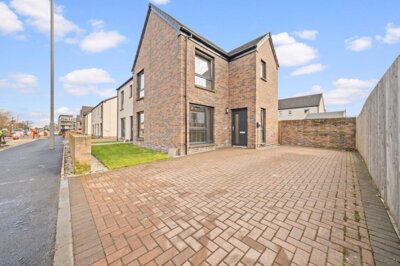
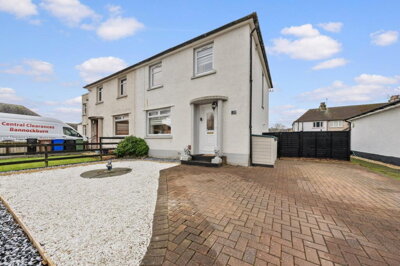
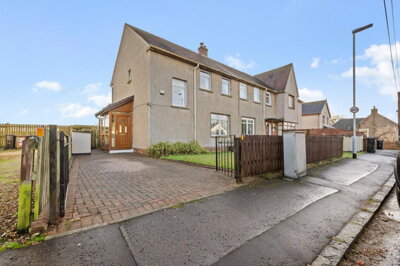
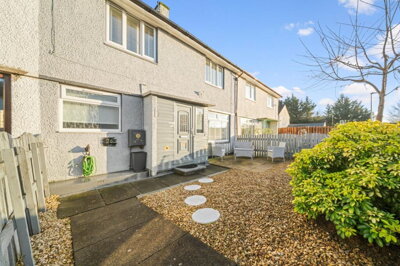
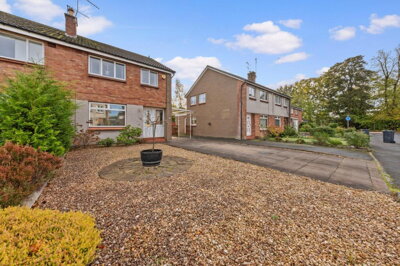
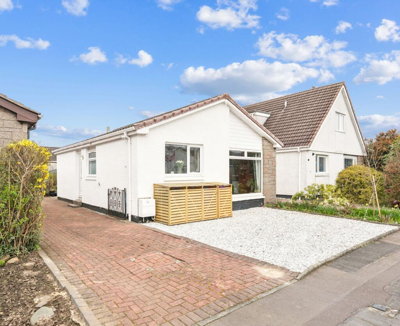
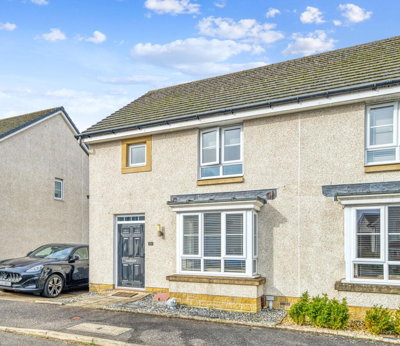
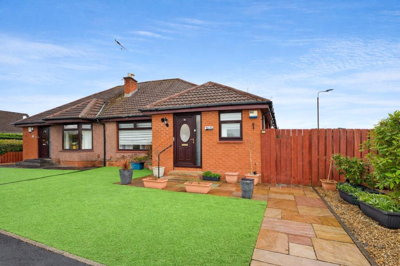
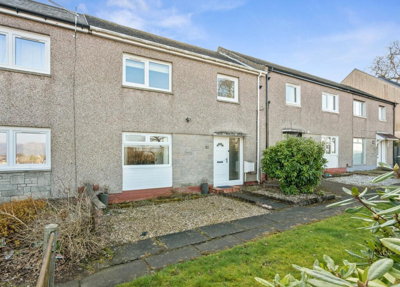
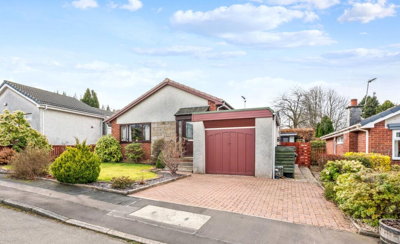
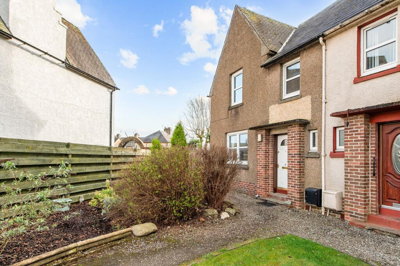
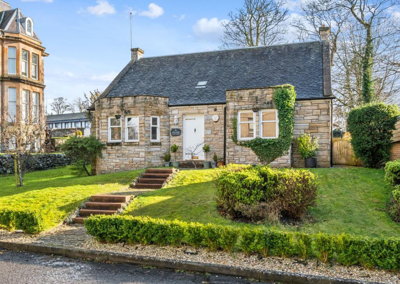
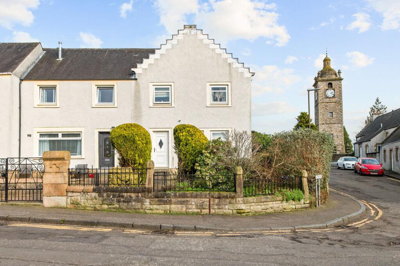
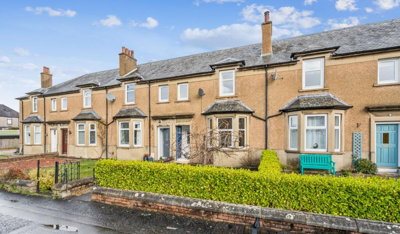
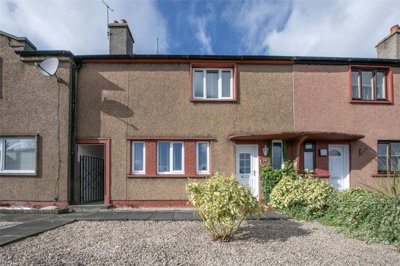
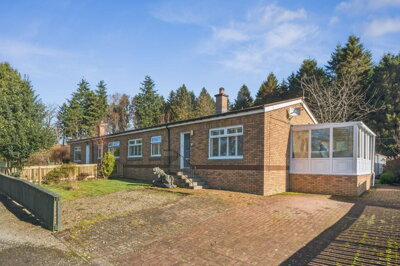
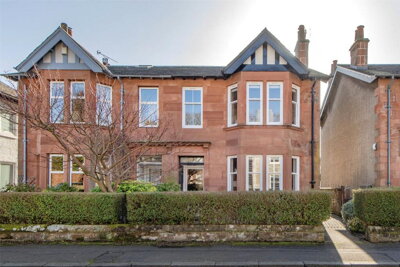
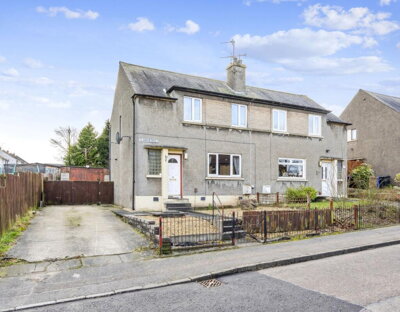
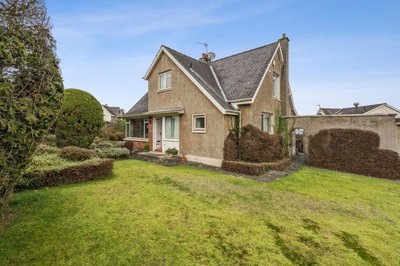
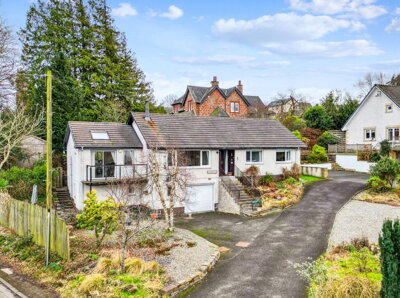
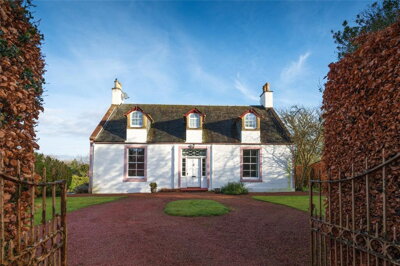
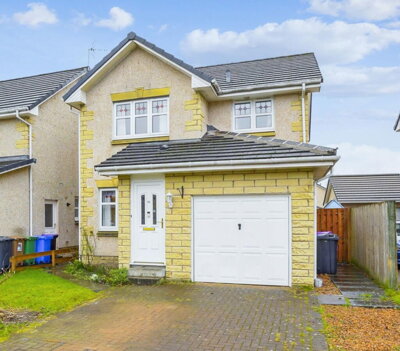
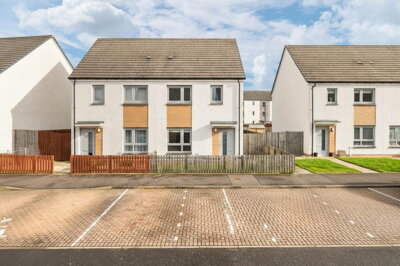
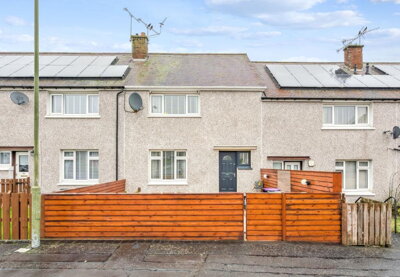
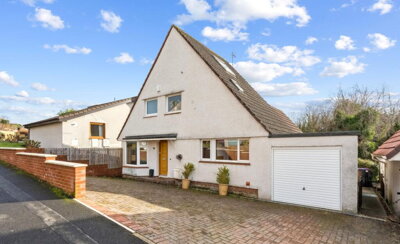
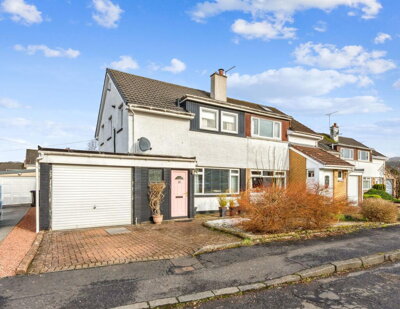
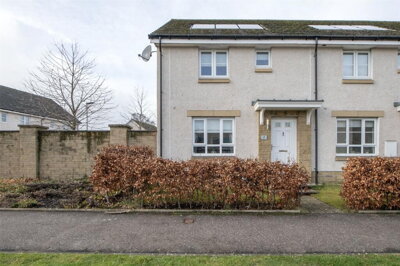
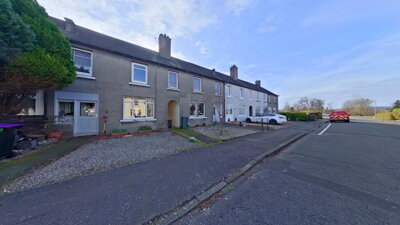
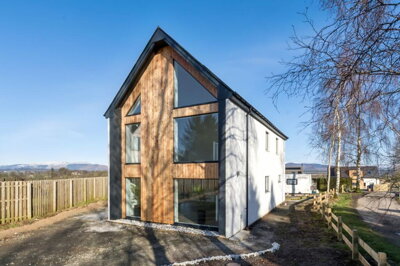
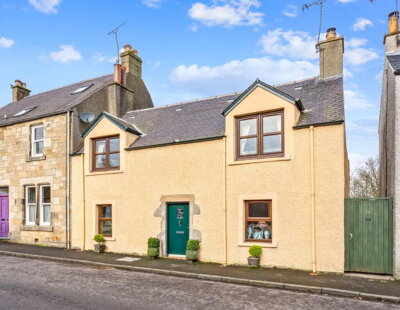
Browse 65 homes for sale in FK8 from local estate agents.
Three bedroom properties represent a significant portion of the FK8 housing market, offering space for families with multiple reception rooms and gardens in many cases. Browse detached, semi-detached, and terraced options ranging from period character homes to contemporary developments.
£278k
4
1
34
Source: home.co.uk
Showing 4 results for 3 Bedroom Houses for sale in FK8. 1 new listing added this week. The median asking price is £277,500.
Source: home.co.uk
Semi-Detached
3 listings
Avg £248,333
Detached
1 listings
Avg £450,000
Source: home.co.uk
Source: home.co.uk
The Stirling FK8 property market presents a balanced mix of traditional and modern housing, reflecting the city's historical significance and continued growth. Our current listings show detached properties averaging £352,668, semi-detached homes at £206,179, terraced houses around £165,372, and flats priced from £118,290. This variety ensures that whether you are seeking a spacious family home with gardens or a convenient city-centre apartment, Stirling can accommodate your requirements.
New build activity in the area remains robust, with several major developments underway. The Meadow development on FK8 2RF offers 3, 4, and 5 bedroom homes from £278,000 to £449,000 through Ogilvie Homes. At the Highfield development in FK8 2QX, multiple national housebuilders are constructing new homes including Stewart Milne Homes, Cala Homes, Miller Homes, and Barratt Homes. These builders offer 3 to 5 bedroom properties ranging from £279,995 to £509,000, providing significant options for buyers seeking modern construction with developer warranties and energy-efficient specifications.
Price trends over the past year show a modest market correction, with overall prices declining approximately 0.96% across Stirling FK8. Detached properties have been most resilient with a 0.63% decline, while flats have seen slightly larger adjustments at 1.24%. Semi-detached and terraced properties fell 1.04% and 1.03% respectively. These stable conditions benefit buyers who are not facing the bidding wars common in Edinburgh or Glasgow, allowing more time for due diligence and negotiation. Properties are selling after an average of around 60-90 days on market, giving serious buyers opportunities to view and assess homes without excessive pressure.

Stirling's character is defined by its dramatic landscape position between the Highlands and the Lowlands, sitting atop an extinct volcano with the River Forth flowing through its base. The city blends seamlessly with surrounding countryside, offering residents easy access to hillwalking, golf courses, and outdoor pursuits while maintaining excellent urban amenities. The FK8 postcode encompasses diverse neighbourhoods from the historic King's Park conservation area to modern residential developments, each with its own distinct atmosphere and community spirit.
The King's Park area is particularly sought after, featuring tree-lined streets with Victorian and Edwardian sandstone villas that reflect Stirling's prosperous past. This conservation area contains many properties built during the late 19th century when Stirling expanded as a railway and administrative centre. Residents of King's Park enjoy proximity to the King's Park itself, a significant green space with sports facilities, a boating pond, and panoramic views towards the Wallace Monument. The area commands premium prices compared to newer developments, with period features and mature gardens adding to the appeal.
The local economy benefits from diverse sectors including the University of Stirling, which employs significant academic and support staff and contributes to the city's youthful atmosphere. Tourism centred on Stirling Castle and the Wallace Monument brings visitors year-round, supporting hospitality and retail businesses. Local government services, growing financial services operations, and healthcare employment provide stable public sector jobs. The Stirling Council area has a population of approximately 94,330 across 42,488 households, creating a vibrant community that punches above its weight in cultural facilities, restaurants, and recreational amenities relative to its size. The city centre offers a good mix of independent shops and national retailers, while the Thistles Shopping Centre provides additional retail therapy.

Education provision in Stirling attracts many families to the FK8 area, with options spanning state and independent sectors at all levels. The University of Stirling itself ranks among Scotland's leading institutions, offering higher education opportunities that contribute to the city's youthful atmosphere and economic vitality. The campus sits in 330 acres of attractive woodland, with facilities including a sports centre, swimming pool, and arts centre that are available to the wider community.
For school-age children, parents can choose from several well-regarded primary schools serving different catchment areas throughout the FK8 postcode. Primary schools such as Borestone Primary, Bannockburn Primary, and St Mary's Primary serve various neighbourhoods, with several achieving positive inspection reports from Education Scotland. Stirling's zoning system means that property location directly determines school eligibility, making it essential for families to verify catchment areas before purchasing. Primary schools in popular areas like King's Park and Cambusbarron are particularly oversubscribed.
Secondary education in Stirling includes historically significant schools with strong academic records and extensive extracurricular programmes. Stirling Secondary School and Bannockburn High School serve the FK8 area, with both offering a range of subjects and activities beyond the curriculum. The city's grammar schools and zoned secondary establishments serve distinct communities, and property values in popular catchment areas reflect the demand for places. Properties within the catchment of high-performing schools often command premiums of £10,000 to £30,000 compared to equivalent properties outside the zone. Stirling also offers good provision for further education and vocational training through colleges and training providers, ensuring that residents have educational pathways from early years through to higher education and professional development without needing to travel to either Glasgow or Edinburgh.
Stirling's transport connections make it exceptionally well-positioned for commuters and those who travel regularly for business or leisure. Stirling railway station provides regular services to both Glasgow Queen Street and Edinburgh Waverley, with journey times typically around 50 minutes to both cities. The station has undergone significant redevelopment in recent years, improving facilities and accessibility. ScotRail services operate throughout the day, with peak-hour trains providing additional capacity for commuters. This accessibility has made Stirling increasingly attractive to commuters who wish to avoid the higher property prices and congestion of the major cities while maintaining professional connections and access to broader amenities.
Road connectivity is equally strong, with the M9 providing direct motorway access to Edinburgh and connections towards Glasgow via the M80. The A9 runs through Stirling, providing the main arterial route north towards Perth, the Highlands, and Cairngorms ski resorts. For those travelling to the central belt, the M9/M80 interchange provides efficient access to both Glasgow and Edinburgh. Traffic levels in Stirling itself are generally manageable compared to larger cities, with the historic city centre traffic management protecting the pedestrianised areas around the Portcullis and around the Castle esplanade.
Local bus services operate throughout Stirling and connect to surrounding towns including Falkirk, Alloa, and Aberfoyle. McGill's and Stagecoach provide services across the region, with regular routes to the University of Stirling campus. The city's compact centre makes walking and cycling viable options for daily commuting and errands, with dedicated cycle paths connecting residential areas to the city centre. For air travel, Glasgow Airport and Edinburgh Airport are both accessible within approximately one hour's drive, offering international connections to destinations across Europe and beyond.
Understanding the construction of properties in Stirling FK8 helps buyers assess potential maintenance needs and repair costs. The local housing stock spans several eras of building practice, from traditional Scottish stone construction to modern energy-efficient designs. Properties built before 1919 in areas like King's Park and the historic city centre typically feature solid sandstone walls, with construction using locally quarried stone and lime-based mortars. These solid-wall properties lack cavity insulation and may have ineffective or absent damp-proof courses, requiring different maintenance approaches compared to modern construction.
Post-war properties built between 1945 and 1980 predominantly use cavity wall construction with brick or rendered blockwork. These homes often feature timber roof structures with slate or tile coverings. Common issues in post-war properties include mortar degradation, carbonation of concrete elements, and the effects of past maintenance using inappropriate materials. Properties from the 1960s and 1970s may incorporate concrete frame construction or system-built elements that require specialist assessment.
Modern developments in FK8, including those at The Meadow and Highfield sites, use contemporary construction methods that prioritise energy efficiency. These properties typically feature cavity wall insulation, modern uPVC windows, and efficient heating systems. New-build homes come with National House-Building Council warranties covering structural defects for ten years. Roof construction in newer properties uses trussed rafters with tile or slate finishes, and foundations are designed to accommodate local ground conditions. When viewing properties of any age, paying attention to the construction type helps you anticipate common issues and budget for potential repairs.
Explore current listings in FK8 and understand price trends. Stirling's market shows modest price adjustments across property types, with detached homes averaging £352,668 and flats from £118,290. Use Homemove to set up property alerts for your preferred areas and price range. Consider registering with local estate agents who may have properties not listed on major portals.
Before viewing properties, obtain a mortgage agreement in principle from a lender. This strengthens your position when making offers and helps you understand your true budget. Stirling's proximity to Glasgow and Edinburgh means properties can move quickly, so being finance-ready is essential. Speak to a mortgage broker who can advise on products suitable for Scottish property purchases.
View properties that match your criteria, paying attention to construction materials common in the area, including traditional sandstone construction in older properties and cavity-wall systems in post-war homes. Note any signs of damp, roof condition, or subsidence issues, particularly in properties on clay soils. Take measurements and photos to help with comparison and future planning.
For properties in Stirling, especially older homes or those in flood-risk areas near the River Forth, a RICS Level 2 Survey is highly recommended. Surveyors in the FK8 area typically charge £400-700 depending on property size and complexity, and this investment can identify defects that affect value or require remediation. For listed buildings or period properties with significant character, consider a more detailed RICS Level 3 Survey.
Appoint a conveyancing solicitor familiar with Scottish property law to handle legal work, searches, and registration. Your solicitor will conduct local authority searches, check for planning restrictions, and manage the efficient progression of your purchase through to settlement. In Scotland, the home report prepared by the seller should already include a single survey, energy certificate, and property questionnaire.
In Scotland, the conclusion of missives represents the binding agreement, followed by settlement when ownership transfers and funds are exchanged. Arrange buildings insurance for your new home before settlement and coordinate with your solicitor and mortgage lender to ensure a smooth completion date. Factor in removal costs and any immediate repairs or renovations you plan to undertake.
Property buyers in Stirling should be aware of several area-specific factors that can affect purchase decisions and future ownership costs. The geology of the Stirling area includes clay-rich soils in certain locations, which can pose moderate to high shrink-swell risk that may affect foundations. Properties with mature trees in close proximity to buildings warrant particular scrutiny, and a thorough survey can identify any subsidence or movement that may have occurred or could develop over time. The area's complex geology includes sedimentary rocks such as sandstones, shales, and limestones, as well as glacial till deposits that can create variable ground conditions.
Flood risk is a consideration for some properties in FK8, particularly those near the River Forth and its tributaries or in low-lying areas around the riverbanks. SEPA flood maps are publicly available and should be consulted when considering properties in affected zones. Surface water flooding can occur during heavy rainfall in areas with poor drainage, so understanding the flood history of any specific location is worthwhile. Properties in flood-risk areas may face higher insurance premiums, and you should consider flood resilience measures when evaluating such properties.
Stirling's conservation areas, particularly around the King's Park and historic city centre, contain listed buildings with planning restrictions that affect alterations, extensions, and even external changes. These properties may require specialist surveys and consent for works that would be routine elsewhere. Listed building consent is required for significant alterations, and conservation area consent applies to exterior changes in designated zones. Budget accordingly if you plan to modernise a period property, as requirements can add both time and cost to renovation projects.
Construction materials vary significantly across Stirling's housing stock, from traditional Scottish sandstone in pre-1919 properties to brick and render finishes on post-war and modern developments. Older properties may lack modern damp-proof courses and cavity insulation, potentially leading to condensation or penetrating damp issues. Properties over 50 years old commonly have electrical systems that require updating to meet current safety standards. When evaluating service charges for flats, ensure you understand what is included and whether there are planned maintenance works or sinking fund deficiencies that could result in special assessments.
The average house price in Stirling FK8 is £222,060 as of February 2026. Property types vary significantly, with detached homes averaging £352,668, semi-detached properties at £206,179, terraced houses around £165,372, and flats from £118,290. The market has shown modest 12-month price adjustments of approximately -1% across most property types, creating stable conditions for buyers considering entry into the Stirling property market. First-time buyers may find terraced properties or flats most accessible, while families seeking more space often focus on the semi-detached and detached sectors.
Council tax in Stirling is set by Stirling Council, and property bands range from A to H based on home valuation. Specific bands depend on the property's assessed value, with Band A being the lowest Council Tax charge and Band H the highest. You can verify the council tax band for any specific property through the Scottish Assessors Association website or on the property's home report. Average council tax in Stirling is broadly comparable with similar Scottish authorities, though specific charges should be confirmed for your property. Properties newly built or recently altered may be re-banded, so check the current assessment before budgeting.
Stirling offers good educational provision across all levels, with several primary and secondary schools serving the FK8 postcode. Schools in the Stirling area have varying reputations and catchment areas, so parents should research specific schools and their Education Scotland inspection reports. The University of Stirling provides higher education opportunities locally, and there are options for further education and vocational training within the city. Properties in popular school catchment areas, including zones for Bannockburn Primary and Stirling Secondary School, can command premiums, so families should factor school zones into their property search. Visiting schools directly and speaking to current parents can provide valuable insights beyond official statistics.
Stirling railway station provides excellent connectivity with regular services to Glasgow Queen Street and Edinburgh Waverley, with journey times of approximately 50 minutes to both cities. Bus services operate throughout Stirling and connect to surrounding towns and villages including Falkirk, Alloa, and Aberforthy. The M9 motorway provides road access to Edinburgh, while the M80 connects towards Glasgow. For air travel, both Glasgow Airport and Edinburgh Airport are accessible within about an hour's drive, making Stirling well-positioned for both domestic and international travel. The city's bus station is centrally located on Munches Street, providing connections across the region.
Stirling's property market benefits from several factors that make it attractive for investment. The city has a diverse economy centred on the University of Stirling, tourism, public administration, and growing financial services sectors. Transport links to Glasgow and Edinburgh make Stirling viable for commuters who wish to avoid city-centre prices while maintaining access to major employment centres. The presence of new build developments and ongoing regeneration suggests continued demand for housing in the area. However, as with any property investment, you should consider your personal circumstances, investment horizon, and local market conditions carefully. Rental yields in Stirling are competitive for central Scotland, with demand from students, young professionals, and families.
Stamp Duty Land Tax in Scotland operates under the Land and Buildings Transaction Tax system, which has different thresholds from rest-of-UK SDLT. For standard purchases, there is no LBTT on properties up to £145,000, with rates of 2% on the portion from £145,001 to £250,000, 5% from £250,001 to £325,000, 10% from £325,001 to £750,000, and 12% above £750,000. First-time buyers in Scotland may qualify for relief on properties up to £175,000. Your solicitor or conveyancer can calculate the exact LBTT liability for your specific purchase, and first-time buyer relief is worth investigating if applicable.
Parts of the Stirling FK8 postcode area are subject to flood risk due to proximity to the River Forth and its tributaries. Properties on riverbanks and in low-lying areas face both river flooding and surface water flooding risks during periods of heavy rainfall. The Scottish Environment Protection Agency provides detailed flood maps that prospective buyers should consult. Properties in flood-risk areas may face higher insurance premiums, and you should consider flood resilience measures when evaluating such properties. The River Forth flows through the base of the volcanic outcrop on which Stirling Castle sits, and several tributaries including the Bannockburn add to local flood considerations.
Common defects in Stirling properties vary by age and construction type. Older sandstone properties may suffer from damp due to missing or ineffective damp-proof courses, while properties on clay soils can exhibit subsidence or heave movement, particularly where large trees are nearby. Roof issues are frequently encountered in older properties, including slipped slates, defective leadwork, and timber decay. Properties with original electrical systems installed before the 1980s often require rewiring. A RICS Level 2 Survey will identify these issues and help you negotiate repairs or price adjustments with the seller. Properties in areas with historic mining activity, which may exist in localised parts of FK8, should be checked for any ground stability concerns.
Stirling FK8 contains several conservation areas that impose additional planning controls on property owners. The King's Park conservation area encompasses many of the city's most attractive Victorian and Edwardian properties, with restrictions on external alterations designed to preserve character. The historic city centre around Stirling Castle also has conservation area status. Properties in these areas require planning permission or listed building consent for changes that would not need consent elsewhere, including window replacements, roof alterations, and some garden works. If you are considering a period property in a conservation area, budget for potential costs and time delays associated with obtaining necessary consents.
Several new build developments are actively selling in FK8, offering homes from national housebuilders with warranties. The Meadow development by Ogilvie Homes in FK8 2RF provides 3, 4, and 5 bedroom homes from £278,000 to £449,000. The Highfield development in FK8 2QX features homes from Stewart Milne Homes, Cala Homes, Miller Homes, and Barratt Homes, with 3 to 5 bedroom options ranging from £279,995 to £509,000. New build properties offer advantages including energy efficiency, modern layouts, and developer warranties, though prices may be higher than equivalent older properties. Visiting show homes at these developments gives buyers a clear idea of specifications and finishes available.
Understanding the full costs of purchasing property in Stirling FK8 helps you budget accurately and avoid surprises during the transaction. Beyond the property purchase price, buyers should budget for Land and Buildings Transaction Tax (LBTT), which is Scotland's equivalent of stamp duty. For a property at the FK8 area average price of £222,060, LBTT would be calculated at 2% on the portion between £145,000 and £222,060, resulting in approximately £1,541 in tax. First-time buyers may qualify for relief on purchases up to £175,000.
Additional purchase costs include solicitor or conveyancer fees, typically ranging from £500 to £1,500 depending on complexity and property value. Survey costs for a RICS Level 2 Survey in the Stirling area typically range from £400 to £700, with older or larger properties at the higher end. Mortgage arrangement fees vary by lender and product, ranging from zero to around £2,000. You should also budget for Land Registry registration fees, searches, and potential mortgage broker fees. Building insurance must be in place from the date of settlement, and removal costs should be factored in if you are moving from outside the area.
When calculating your total budget, remember that moving costs can accumulate quickly. Survey and valuation fees typically total £400-700, while legal costs including searches and registration may reach £500-1,500. If you are purchasing with a mortgage, arrangement fees can add £0-2,000 depending on your chosen product. Removal firms in the Stirling area typically charge £300-800 for a standard house move, with longer distances or larger properties costing more. Setting aside a contingency fund of around 5% of the purchase price for unexpected costs is prudent, particularly for older properties where survey issues may emerge after purchase.
From 4.5% APR
Compare mortgage rates and find the right finance for your Stirling property purchase
From £499
Scottish property solicitors to handle your legal work efficiently
From £400
Expert survey of your Stirling property by qualified inspectors
From £85
Energy performance certificate for your Stirling property
Properties for Sale In London

Properties for Sale In Plymouth

Properties for Sale In Liverpool

Properties for Sale In Glasgow

Properties for Sale In Sheffield

Properties for Sale In Edinburgh

Properties for Sale In Coventry

Properties for Sale In Bradford

Properties for Sale In Manchester

Properties for Sale In Birmingham

Properties for Sale In Bristol

Properties for Sale In Oxford

Properties for Sale In Leicester

Properties for Sale In Newcastle

Properties for Sale In Leeds

Properties for Sale In Southampton

Properties for Sale In Cardiff

Properties for Sale In Nottingham

Properties for Sale In Norwich

Properties for Sale In Brighton

Properties for Sale In Derby

Properties for Sale In Portsmouth

Properties for Sale In Northampton

Properties for Sale In Milton Keynes

Properties for Sale In Bournemouth

Properties for Sale In Bolton

Properties for Sale In Swansea

Properties for Sale In Swindon

Properties for Sale In Peterborough

Properties for Sale In Wolverhampton

Enter your details to see if this property is within your budget.
Loans, cards, car finance
Estimated property budget
Borrowing + deposit
You could borrow between
Typical borrowing
Monthly repayment
Est. at 4.5%
Loan-to-value
This is an estimate only. Your actual budget may vary depending on interest rates, credit history, and personal circumstances. For an accurate affordability assessment, speak to one of our free mortgage advisors.
This calculator provides estimates for illustrative purposes only and does not constitute financial advice. Your home may be repossessed if you do not keep up repayments on your mortgage. Estimates based on 4.5% interest rate, repayment mortgage. Actual rates depend on your circumstances.
Homemove is a trading name of HM Haus Group Ltd (Company No. 13873779, registered in England & Wales). Homemove Mortgages Ltd (Company No. 15947693) is an Appointed Representative of TMG Direct Limited, trading as TMG Mortgage Network, which is authorised and regulated by the Financial Conduct Authority (FRN 786245). Homemove Mortgages Ltd is entered on the FCA Register as an Appointed Representative (FRN 1022429). You can check registrations at NewRegister or by calling 0800 111 6768.

We use cookies to show you personalised content and improve your experience of our website. Find out more in our Privacy policy and Cookie policy.