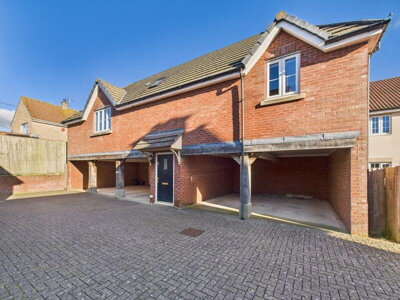
Browse 1 home for sale in Fivehead, Somerset from local estate agents.
Studio apartments feature open-plan living spaces without separate bedrooms, incorporating sleeping, living, kitchen, and bathroom facilities. The Fivehead studio market includes properties in modern apartment complexes, converted Victorian and Georgian buildings, and purpose-built developments.
£0k
0
0
0
Source: home.co.uk
Showing 0 results for Studio Flats for sale in Fivehead, Somerset.
The property market in Low Abbotside operates differently from typical residential areas. With only around 110 residents across the entire civil parish, properties come to the market infrequently, making each opportunity noteworthy. The housing stock reflects the area's heritage, with traditional stone-built cottages, farmhouses, and agricultural buildings representing the majority of available homes. Many properties date from the 17th century or earlier, carrying the architectural features that make Yorkshire Dales properties so distinctive.
Specific average price data for Low Abbotside itself is limited due to the low volume of transactions in this small parish. However, properties in the broader Wensleydale area typically reflect the premium associated with National Park locations, where demand consistently outstrips supply. Stone cottages with original features, farmhouses with land, and converted agricultural buildings command particular interest from buyers seeking authenticity and character. New build activity within the parish remains virtually non-existent, preserving the historic fabric that makes this area so appealing to discerning buyers.
When evaluating properties in this market, buyers should understand that rural homes in protected landscapes often command premiums beyond what comparable urban properties might achieve. The restrictions inherent in National Park designation, while limiting development potential, also protect the character and scarcity of existing stock. A traditional three-bedroom stone cottage in Wensleydale might reasonably be expected to exceed £400,000, while larger farmhouses with land can reach considerably higher figures. These are not impulse purchases, but long-term investments in a way of life that remains increasingly rare in modern Britain.
Buyers should note that properties in Low Abbotside often include land, outbuildings, or agricultural elements, which can affect both purchase price and ongoing maintenance costs. The absence of new developments means the character of the area remains unspoiled, though it also means buyers have limited opportunity to purchase modern construction in this specific parish. Working with local estate agents who understand the Wensleydale market is essential for identifying opportunities before they reach wider public awareness.

Life in Low Abbotside centres on appreciation for the natural world and the rhythms of countryside living. The parish forms part of the Yorkshire Dales National Park, meaning residents wake daily to views of heather-covered moorlands, limestone pavements, and the patchwork fields that have shaped this landscape for centuries. There is no village centre within the parish itself; instead, the community is distributed across the beautiful rolling terrain, united by shared appreciation for their exceptional surroundings. This is living for those who value space, silence, and scenery above convenience.
The local economy in the broader Wensleydale area revolves around agriculture, with sheep farming being particularly significant on the high fells. Tourism also plays a vital role, with visitors drawn to attractions including Wensleydale Creamery, Hardraw Force waterfall, and the historic market towns of Hawes and Leyburn nearby. The annual calendar includes traditional events, agricultural shows, and seasonal festivals that celebrate Yorkshire heritage. For residents, this means access to quality local produce, community spirit, and the knowledge that their home sits within a landscape actively protected for future generations.
Seven listed buildings are recorded within the Low Abbotside parish, including one at Grade II* status and six at Grade II. These heritage properties include traditional farmhouses, former almshouses, and historic milestones that speak to the long human history of this area. The architectural character emphasises roughcast rubble walls and stone slate roofs, with timber windows and vertically boarded doors adding authentic detail. Living in Low Abbotside means becoming a steward of this heritage, maintaining properties that represent centuries of Yorkshire building tradition.
The absence of urban amenities requires adjustment, but residents find compensations in the quality of life that more than offset the loss. Fresh air, dark skies, and the sounds of nature replace traffic noise and street lights. Local pubs in nearby villages provide social hubs, while the close-knit community looks after its own. Those who make the move often speak of a fundamental shift in their relationship with time itself, finding that the pace of life in the dales brings perspective that city living cannot offer.
Families considering a move to Low Abbotside should be aware that the parish itself does not contain a school. The nearest primary education is available in nearby villages within Wensleydale, with small rural schools serving local communities. These village schools typically offer a warm, community-focused education with strong links between staff, pupils, and families. Given the dispersed nature of the population, school transport arrangements are an important consideration for parents, with minibus services operating to bring children from outlying farms to their nearest school.
Secondary education options in the area include schools in the market towns of Hawes and Leyburn, both of which serve wide catchment areas across the dales. These schools provide comprehensive education through to GCSE level, with sixth form provision typically available at nearby colleges. For families seeking private education, options are more limited locally, with boarding schools in North Yorkshire offering alternative pathways. The rural setting means parents should carefully research catchments and transport logistics when evaluating properties in the wider area surrounding Low Abbotside.
Education in rural Yorkshire differs from urban provision in important ways. Class sizes tend to be smaller, allowing more individual attention, and the outdoor environment provides learning opportunities unavailable in town settings. Schools in the dales have strong relationships with the agricultural community, and children grow up understanding where food comes from and how the landscape has been shaped by generations of farmers. The daily journey to school, often involving travel through stunning scenery, becomes part of the experience rather than a chore.
Transport connectivity from Low Abbotside reflects its rural nature, with private vehicles being essential for daily life. The parish sits several miles from the nearest town amenities, meaning car ownership is effectively mandatory rather than optional. The A684 runs through the broader Wensleydale area, connecting residents to the market towns of Leyburn and Hawes, and providing onward links to the A1(M) for travel to larger cities. Journey times to Darlington take approximately 45 minutes, while Leeds is around 90 minutes away by car.
Public transport options are limited, as is typical for sparsely populated rural areas. Bus services operate along main routes through Wensleydale, but frequencies are low and services may not reach more isolated properties. The nearest railway stations are in Garsdale or Ribblehead, offering connections on the scenic Settle-Carlisle line. For commuters requiring regular rail access, the proximity of these stations should be factored into property location decisions. Cycling is popular in the area, with quiet country lanes and designated routes through the National Park attracting both residents and visitors who appreciate the stunning scenery.
For those working remotely or with flexible arrangements, the transport limitations become less constraining. High-speed broadband, while requiring verification at individual properties, has improved significantly in many rural areas and opens up possibilities for those whose work can be done online. The journey to Leeds or Newcastle becomes a manageable occasional trip rather than a daily grind, making the trade-off between accessibility and quality of life a positive choice rather than a constraint.
Spend time exploring Low Abbotside and the surrounding Wensleydale before committing to purchase. Visit at different times of year, speak with local residents, and understand what living here actually means in practice. The Yorkshire Dales lifestyle requires adjustment if you are moving from an urban area. Consider the seasonal variations, the distances to amenities, and how you will manage day-to-day logistics before making any financial commitment.
Before viewing properties, obtain a mortgage agreement in principle from a lender. This demonstrates your seriousness to sellers and estate agents, and helps you understand your budget before you fall in love with a particular property. Rural properties in National Parks can sometimes take longer to complete due to their specialist nature, including listed building considerations and properties with land. Factor in additional time for the legal process when planning your move.
Once you have identified suitable properties, arrange viewings through local estate agents familiar with the Wensleydale market. When you find your ideal home, commission a RICS Level 2 Survey before proceeding. Older stone properties in Low Abbotside may have defects typical of historic construction that require professional assessment, including issues with stonework, timber, and drainage systems that differ fundamentally from modern properties.
Choose a conveyancing solicitor with experience of rural and heritage properties. They will handle legal searches, check planning history, and ensure the title is clean. Properties with land or agricultural buildings may require additional due diligence, including environmental searches and investigations into rights of way that do not typically arise in standard urban transactions. Begin this process early to avoid delays.
Once all searches are satisfactory and financing is confirmed, your solicitor will arrange exchange of contracts. Completion typically follows within weeks, and keys are handed over. Allow time for setting up utilities and services in this remote location, as some providers may take longer to connect properties in rural areas. Register with local medical services and arrange school transport if applicable before you move.
Purchasing a property in Low Abbotside requires attention to matters specific to historic rural homes and National Park locations. The stone construction prevalent in the area, typically featuring roughcast rubble walls and stone slate roofs, requires ongoing maintenance that differs from modern brick or tile properties. Prospective buyers should assess the condition of stonework, looking for signs of cracking, bulging, or water penetration. Roof condition is equally important, as stone slate is heavy and expensive to replace, with repairs often requiring specialist contractors.
Given that many properties in the parish are listed buildings, understanding your obligations as an owner is essential. Listed building consent may be required for alterations, and works must respect the historic character of the property. Your solicitor should investigate the listing status and any planning conditions that may affect your intended use. The presence of agricultural buildings, land, or outbuildings adds complexity to transactions, potentially involving environmental searches and rights of way investigations that extend the timeline.
Damp presents one of the most common concerns in historic stone properties throughout Wensleydale. Rising damp, penetrating damp from water ingress, and condensation resulting from poor ventilation all occur regularly in buildings of this age. A thorough survey will identify the type and cause of any damp present, allowing you to budget for appropriate remediation. Similarly, roof problems ranging from missing or slipped stone tiles to sagging roof structures and inadequate insulation frequently require attention in older properties. These defects are not necessarily reasons to avoid a purchase, but they should be understood and costed before committing.
Flood risk in Low Abbotside is not extensively documented in available records, but properties in rural dales locations should always be assessed for proximity to watercourses and potential surface water issues. Drainage in older properties can be problematic, particularly where systems have not been updated to modern standards. Many rural properties rely on private sewage treatment systems or septic tanks that require regular maintenance and may need upgrading to meet current regulations. Service charges, common in modern developments, are rarely an issue here, but ongoing maintenance of private roads, septic tanks, and private water supplies should be factored into your cost calculations.
Specific average house price data for Low Abbotside itself is not available due to the very low number of property transactions in this small rural parish. Properties in the broader Wensleydale area command premiums consistent with their location within the Yorkshire Dales National Park. Traditional stone cottages, farmhouses, and properties with land typically represent the majority of available stock. For accurate pricing information, contact local estate agents specialising in Wensleydale properties who can provide market intelligence based on recent comparable sales in the area.
Properties in Low Abbotside fall under the jurisdiction of North Yorkshire Council. Council tax bands for the area range across all bands depending on property value and type. Historic stone cottages and converted agricultural buildings may fall into bands A through E, while larger farmhouses could attract higher bands depending on their assessment. Contact North Yorkshire Council directly or check the council tax band on any specific property listing for accurate banding information.
Low Abbotside itself has no schools; the nearest primary schools are in surrounding Wensleydale villages. Hawes Primary School and Leyburn Primary School serve local communities, with good reputations for nurturing pupils in a rural setting. Secondary education is available at schools in Hawes and Leyburn, both serving wide rural catchments. The nearest further education colleges are located in Darlington or Skipton. Parents should verify current catchments and transport arrangements with North Yorkshire Council before purchasing.
Public transport connectivity in Low Abbotside is limited, reflecting the rural nature of the area. Bus services operate along main routes through Wensleydale but at low frequencies, sometimes with only one or two services per day on some routes. The nearest railway stations are Garsdale and Ribblehead on the Settle-Carlisle line, offering connections to Leeds, Carlisle, and intermediate stations. For daily commuting or regular travel, a private vehicle is essential. The A684 provides road access to nearby market towns and onwards to the A1(M).
Low Abbotside offers a compelling investment case for buyers seeking something beyond conventional property investment. Properties within the Yorkshire Dales National Park benefit from strong demand and restricted supply, supporting long-term values. Heritage properties with listed status carry their own appeal, though owners must accept responsibilities regarding maintenance and consent. Rental demand in the area is driven by tourism and agricultural employment, though the latter is seasonal. The premium nature of National Park locations means capital growth may be more modest than some urban markets, but stability and lifestyle benefits are significant.
Stamp duty rates for England apply uniformly across Low Abbotside. Standard rates start at 0% for the first £250,000 of purchase price, then 5% on the portion from £250,001 to £925,000, 10% from £925,001 to £1.5 million, and 12% above £1.5 million. First-time buyers benefit from relief on purchases up to £625,000, paying 0% on the first £425,000 and 5% on the remainder up to that threshold. Properties priced at £625,000 or above do not qualify for first-time buyer relief. Given the rural nature of available stock, many properties fall within the lower stamp duty bands.
We strongly recommend commissioning a RICS Level 2 Survey before purchasing any property in Low Abbotside. The traditional stone construction and age of properties here means that defects common to historic buildings, such as damp, structural movement, or roof deterioration, occur regularly and may not be apparent during a standard viewing. A thorough survey typically costs between £400 and £600 depending on property size and value, but can save considerably more by identifying issues before you commit. For listed buildings or properties with unusual construction, additional specialist assessments may be advisable.
Around a third of Low Abbotside's seven listed buildings carry Grade II status, with one at Grade II*, meaning works affecting their character or appearance require listed building consent from North Yorkshire Council. This applies to alterations, extensions, and even some repairs that involve changing materials or methods. Standard building regulations may also apply differently to historic structures. Budget for potentially higher maintenance costs and longer project timelines when planning any works. Your solicitor should investigate the specific listing details for any property you are considering purchasing.
🏠
Our RICS Level 2 Surveys assess traditional stone properties for defects common to historic construction, including damp, structural movement, and roof condition. From £350
🏠
Our RICS Level 3 Surveys provide comprehensive assessment for older, larger, or more complex properties in Wensleydale. From £500
🏠
Energy Performance Certificates required for all property sales. From £60
🏠
Specialist mortgage advice for rural and heritage properties. From 4.5%
🏠
Conveyancing solicitors experienced with rural properties and listed buildings. From £499
Purchasing property in Low Abbotside involves standard costs in addition to the purchase price itself. Stamp duty land tax applies to all English property purchases above £250,000 at the current rates, with the threshold having been temporarily raised before reverting to this level. For a typical cottage in Wensleydale priced around £400,000, stamp duty would amount to £7,500 for a standard buyer. First-time buyers purchasing properties up to £625,000 benefit from relief, reducing costs significantly on qualifying purchases.
Survey costs are particularly important when purchasing historic stone properties in Low Abbotside. A RICS Level 2 HomeBuyer Report typically costs between £400 and £600 depending on property size and value, with larger or more complex properties attracting higher fees. Given the age of many properties in the parish, a thorough survey is money well spent, identifying issues such as damp, structural movement, or roof defects before you commit to purchase. Additional specialist surveys may be advisable for listed buildings or properties with unusual construction.
Legal fees for conveyancing typically range from £500 to £2,000 depending on complexity. Rural properties with land, agricultural buildings, or unusual title arrangements may incur higher costs due to additional searches and documentation. Your solicitor should provide a clear estimate before proceeding. Other costs to budget include mortgage arrangement fees, removal expenses, and the cost of setting up utilities at your new property. In a remote location like Low Abbotside, connecting to services may take longer and require additional coordination with local providers.
Removal costs vary significantly depending on distance and volume of belongings. If you are moving from a city apartment with relatively few possessions, costs may be modest. Families moving from larger homes with years of accumulated belongings should budget more generously. Some buyers use the move as an opportunity to declutter, selling or donating items that would not suit the rural lifestyle. The journey to Low Abbotside itself may require careful planning if you are coming from considerable distance, with some families choosing to make multiple trips rather than one large move.

Properties for Sale In London

Properties for Sale In Plymouth

Properties for Sale In Liverpool

Properties for Sale In Glasgow

Properties for Sale In Sheffield

Properties for Sale In Edinburgh

Properties for Sale In Coventry

Properties for Sale In Bradford

Properties for Sale In Manchester

Properties for Sale In Birmingham

Properties for Sale In Bristol

Properties for Sale In Oxford

Properties for Sale In Leicester

Properties for Sale In Newcastle

Properties for Sale In Leeds

Properties for Sale In Southampton

Properties for Sale In Cardiff

Properties for Sale In Nottingham

Properties for Sale In Norwich

Properties for Sale In Brighton

Properties for Sale In Derby

Properties for Sale In Portsmouth

Properties for Sale In Northampton

Properties for Sale In Milton Keynes

Properties for Sale In Bournemouth

Properties for Sale In Bolton

Properties for Sale In Swansea

Properties for Sale In Swindon

Properties for Sale In Peterborough

Properties for Sale In Wolverhampton

Enter your details to see if this property is within your budget.
Loans, cards, car finance
Estimated property budget
Borrowing + deposit
You could borrow between
Typical borrowing
Monthly repayment
Est. at 4.5%
Loan-to-value
This is an estimate only. Your actual budget may vary depending on interest rates, credit history, and personal circumstances. For an accurate affordability assessment, speak to one of our free mortgage advisors.
This calculator provides estimates for illustrative purposes only and does not constitute financial advice. Your home may be repossessed if you do not keep up repayments on your mortgage. Estimates based on 4.5% interest rate, repayment mortgage. Actual rates depend on your circumstances.
Homemove is a trading name of HM Haus Group Ltd (Company No. 13873779, registered in England & Wales). Homemove Mortgages Ltd (Company No. 15947693) is an Appointed Representative of TMG Direct Limited, trading as TMG Mortgage Network, which is authorised and regulated by the Financial Conduct Authority (FRN 786245). Homemove Mortgages Ltd is entered on the FCA Register as an Appointed Representative (FRN 1022429). You can check registrations at NewRegister or by calling 0800 111 6768.

We use cookies to show you personalised content and improve your experience of our website. Find out more in our Privacy policy and Cookie policy.