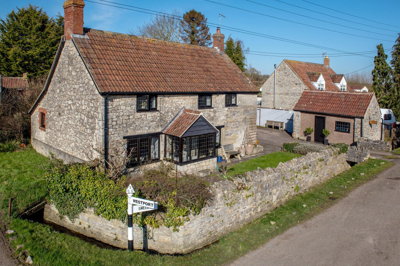
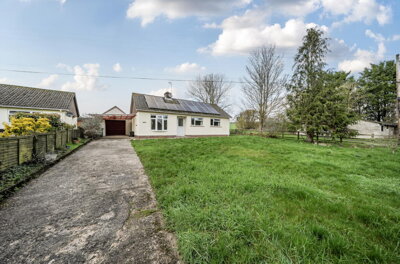
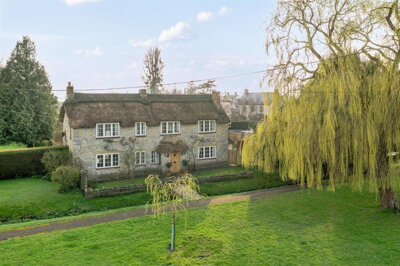
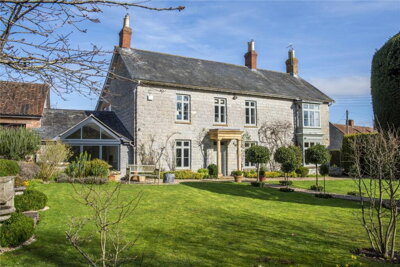
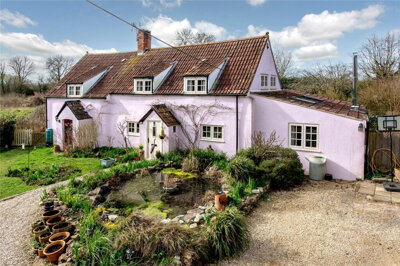
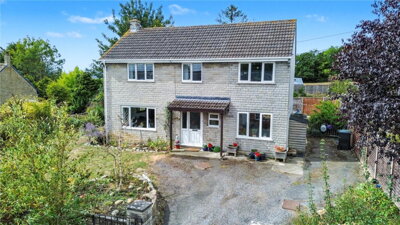
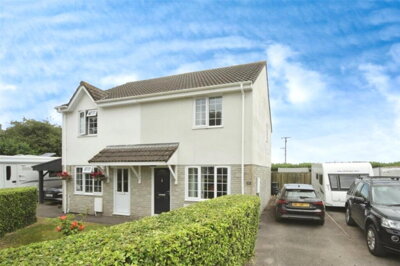
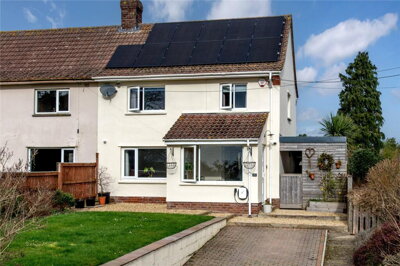
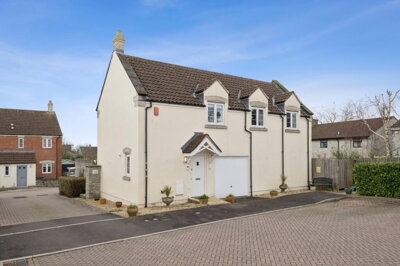
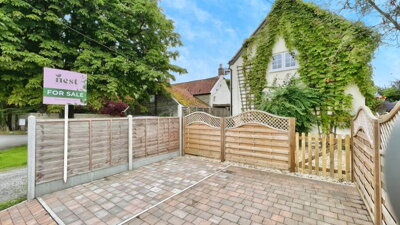
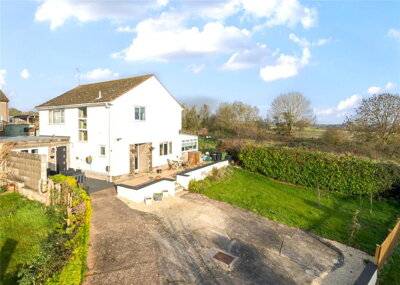
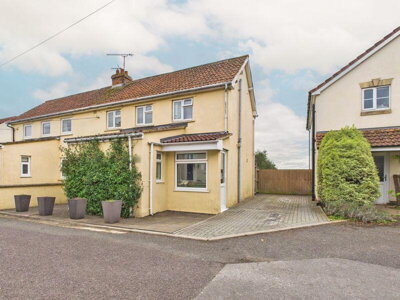
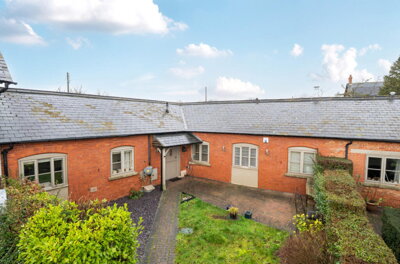
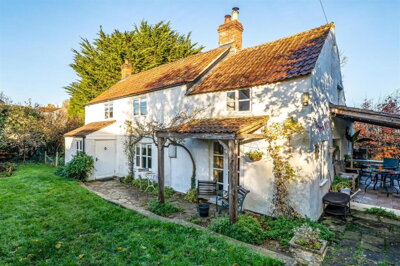
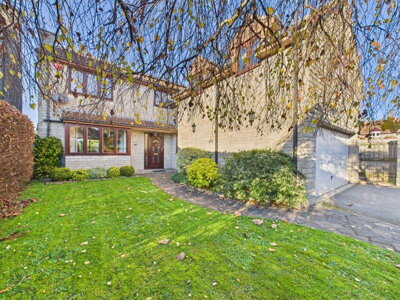
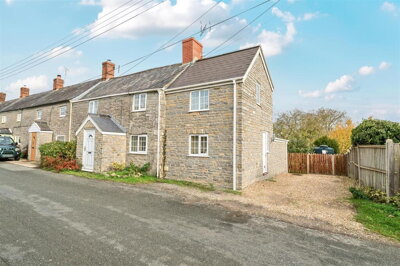
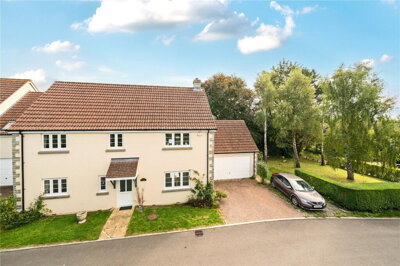
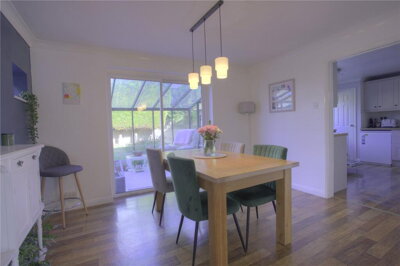
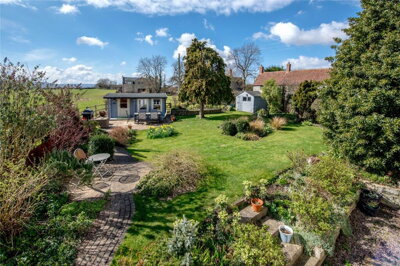
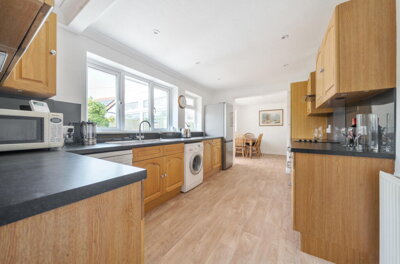
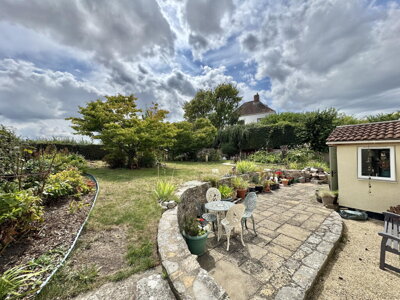
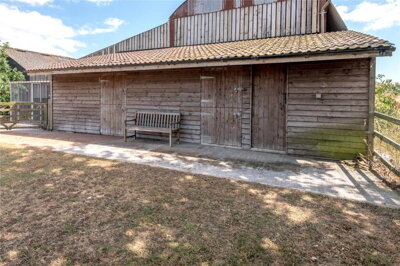
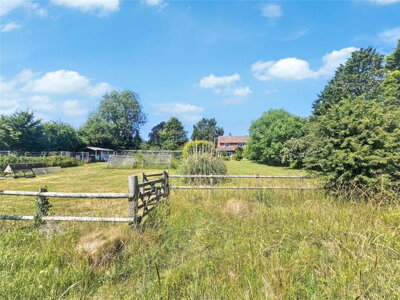
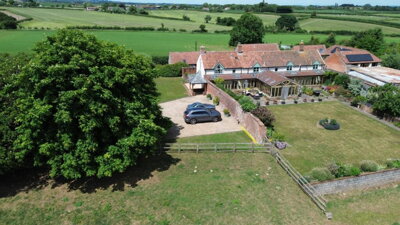
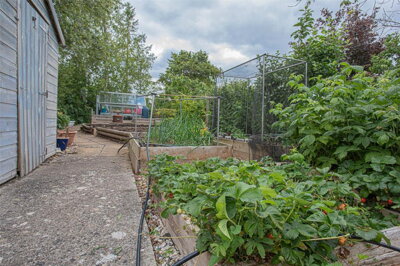
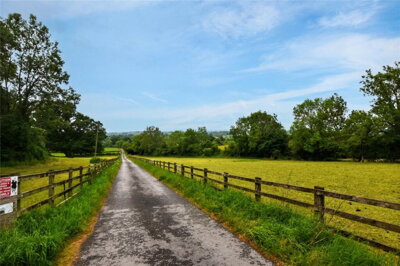
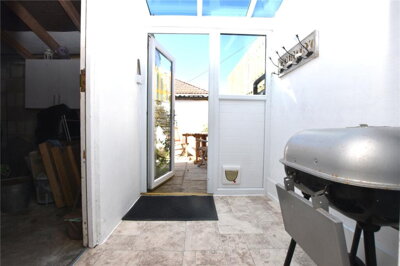
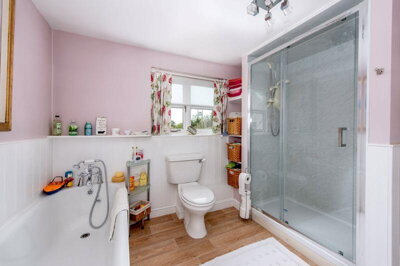
Browse 28 homes for sale in Fivehead, Somerset from local estate agents.
The Fivehead property market offers detached, semi-detached, and terraced houses spanning various price ranges and neighbourhoods. Each listing includes detailed property information, photographs, and direct contact with the marketing agent.
£495k
3
1
43
Source: home.co.uk
Showing 3 results for Houses for sale in Fivehead, Somerset. 1 new listing added this week. The median asking price is £495,000.
Source: home.co.uk
Detached
3 listings
Avg £520,000
Source: home.co.uk
Source: home.co.uk
The property market in Low Abbotside reflects the characteristics of a small, heritage-rich rural parish in the Yorkshire Dales. Specific average house price data is not published for this civil parish due to its minimal size and limited transaction volumes, a common situation for small communities across the Dales. Properties here typically include traditional stone-built dwellings, farmhouses, converted agricultural buildings, and occasional period cottages that have retained their original character over centuries. The absence of modern housing estates or new-build developments contributes to the area's unspoiled appearance and helps maintain property values through scarcity and sustained demand.
The historic housing stock features construction methods typical of the Dales region, with roughcast rubble walls, stone slate roofing, and traditional timber windows found throughout the parish. Properties of note include several Grade II and Grade II* listed buildings, ranging from former almshouses and farm buildings to substantial private residences dating from the 17th century. Coleby Hall and Lukes House represent examples of the traditional stone construction found throughout the area, featuring the distinctive building techniques that have served Dales properties for generations. Buyers should expect that period properties in Low Abbotside may require ongoing maintenance and sympathetic renovation rather than modern turnkey solutions.
The broader Wensleydale property market has shown consistent interest from buyers seeking rural retreats, and Low Abbotside properties rarely appear on the open market, making any available homes genuine opportunities. When properties do become available, they tend to attract attention from buyers across Yorkshire and beyond who appreciate the unique combination of heritage, landscape, and lifestyle that the parish offers. Our local knowledge helps buyers understand the true value proposition of properties in this sought-after area.
Low Abbotside is a civil parish of approximately 110 residents, making it one of the most sparsely populated communities in North Yorkshire. There is no formal village centre within the parish boundaries, with instead a dispersed pattern of farms, individual residences, and historic buildings scattered across the landscape. This settlement pattern reflects the agricultural heritage of Wensleydale, where farms developed in locations that maximized access to grazing land and water sources rather than clustering around a central point. Residents typically travel short distances to nearby villages for daily amenities, creating a lifestyle that balances seclusion with practical accessibility.
The surrounding Wensleydale landscape offers exceptional natural beauty, with rolling hills, limestone crags, moorland plateaus, and the River Ure flowing through the valley floor. The Yorkshire Dales National Park designation ensures that the parish and its surroundings remain protected from unsympathetic development, preserving the dark skies, air quality, and ecological diversity that make this area special. Community life centres on the broader dale, where local events, farmers markets, country shows, and pub gatherings bring residents together throughout the year.
The slower pace of life, clean air, and sense of living within a working landscape appeal strongly to those seeking an alternative to urban or suburban existence. Many residents are drawn to the area for its recreational opportunities, including walking, fishing, and exploring the extensive public rights of way network that crosses the parish. The sense of community in Wensleydale, despite its dispersed settlement pattern, remains strong, with neighbours knowing each other and supporting local events and initiatives.

Understanding the traditional construction methods used in Low Abbotside properties helps buyers appreciate both the character and the maintenance requirements of these historic buildings. The predominant building material throughout the parish is local limestone, sourced from the underlying geology of Wensleydale and worked into the roughcast rubble walls that define the Dales aesthetic. This traditional building technique creates walls typically 400-600mm thick, providing excellent thermal mass that helps regulate internal temperatures throughout the year. The stone used in these walls was often gathered from field walls or quarried locally, resulting in slight variations in colour and texture that give each property its unique appearance.
Stone slate roofing represents another defining feature of properties in Low Abbotside, with these thin, durable slates providing effective weather protection while contributing to the visual character of the landscape. Unlike modern concrete or clay tiles, stone slates were traditionally sourced from local quarries and require specialist skills to install and repair. Our inspectors frequently note that the condition of stone slate roofing warrants particular attention during property surveys, as deterioration can occur through frost damage, delamination, or displacement by wind exposure given the elevated positions many properties occupy.
Traditional timber windows featuring single glazing and timber frames remain common throughout the parish, reflecting the age of the housing stock and the listed status of many properties. These windows require ongoing maintenance including painting and putty replacement to ensure weather tightness and prevent timber decay. The vertically boarded doors seen on many agricultural buildings and converted properties represent another authentic feature of Dales architecture, though their condition and security provisions should be assessed during any property purchase.
Families considering a move to Low Abbotside will find educational provision centred in the nearby market towns of Hawes and Leyburn, both within reasonable driving distance of the parish. Hawes Primary School serves younger children from the upper Wensleydale area, offering small class sizes and strong community ties that characterise rural schooling in the Dales. The school provides education for children from reception through to Year 6, with older pupils typically progressing to secondary education at schools in the surrounding market towns.
Secondary education options for Low Abbotside residents include The Wensleydale School and Sixth Form in Leyburn, which provides comprehensive secondary education and sixth form provision for the wider area. For families seeking grammar school education, the historic Richmond School offers secondary education in the nearby town of Richmond. The distance to educational facilities is a practical consideration for families, requiring vehicle transportation rather than walking to school.
However, the quality of rural education in North Yorkshire, combined with smaller class sizes and strong teacher-pupil relationships, represents a significant advantage for children's learning and development in these settings. Outdoor learning opportunities are naturally integrated into the curriculum, with proximity to moorland, woodland, and farmland providing unique educational resources that urban schools cannot replicate.

Transport connectivity from Low Abbotside reflects its rural location within Wensleydale, with residents relying primarily on private vehicle ownership for daily transportation needs. The parish sits off the main through routes of the valley, with minor roads connecting properties to nearby villages and the A684 corridor that runs through Wensleydale linking Hawes, Leyburn, and onward to the A1(M) motorway at Leeming. Journey times to larger towns require planning, with Leyburn approximately 15-20 minutes by car and the historic city of Darlington around 45 minutes distant.
Public transport options are limited but present, with bus services connecting Wensleydale communities to market towns on specific routes. The nearest railway stations are located in Garsdale and Darlington, with Garsdale providing Northern Rail services connecting to the Settle-Carlisle line and onward destinations including Leeds and Carlisle. The scenic Settle-Carlisle line itself represents a major asset for the area, not only for transport but also as a visitor attraction that brings tourists to the Dales throughout the year.
Many Low Abbotside residents who commute for work choose to travel to larger employment centres by car, with remote working arrangements increasingly common for professional roles that do not require daily office attendance. The scenic beauty of the surrounding landscape makes these journeys pleasant rather than burdensome, with views across the Dales providing daily visual rewards. Broadband connectivity, while improving, may require consideration for those dependent on reliable high-speed internet for home working.
Given the limited property availability in this small parish, monitor Homemove and local estate agent listings regularly. Properties in Low Abbotside appear infrequently on the open market, so setting up alerts ensures you do not miss opportunities. Understanding the broader Wensleydale market helps contextualise individual property values, and building relationships with local agents who know when properties might be coming to market provides a valuable advantage in this supply-constrained environment.
Contact local estate agents serving the Yorkshire Dales area to arrange viewings of any properties that meet your criteria. Consider travelling to the area to familiarise yourself with the landscape, nearby amenities, and the feel of the community before making offers. Viewing properties in different seasons provides valuable insight into conditions throughout the year, including how the landscape changes with the seasons and how the property performs in different weather conditions.
Secure a mortgage agreement in principle before making formal offers on properties. This demonstrates your seriousness as a buyer and helps streamline the purchasing process once your offer is accepted. Given the period nature of many Low Abbotside properties, ensure your lender understands the property type and any renovation requirements, as some mortgage providers have specific criteria for older or non-standard construction.
Properties in Low Abbotside are likely to be older construction with traditional building methods. A comprehensive RICS Level 2 Survey identifies any defects, structural concerns, or renovation requirements before you commit to purchase. The typical cost for a survey on properties of this type ranges from GBP400 to GBP600 depending on size and value, with older or more complex buildings potentially requiring additional investigation or a full RICS Level 3 Building Survey instead.
Appoint a solicitor experienced in rural property transactions to handle the legal aspects of your purchase. They will conduct searches, handle land registry matters, and ensure smooth transfer of ownership. Rural transactions sometimes involve additional considerations such as rights of way, agricultural covenants, common land agreements, or listed building restrictions that require specialist knowledge.
Once all surveys, searches, and legal work are satisfactory, your solicitor will arrange contract exchange with the seller. Completion typically follows within days or weeks, depending on arrangements made between parties. Ensure your removal arrangements are confirmed, utilities transferred to your name, and buildings insurance in place from the point of exchange.
Properties in Low Abbotside typically date from the 17th century or earlier, and our inspectors frequently encounter defects associated with traditional construction methods when surveying homes in this area. Dampness represents one of the most common issues found in period stone properties, manifesting as rising damp where original damp-proof courses have failed or were never installed, penetrating damp resulting from deteriorating pointing or damaged stonework, and condensation related to periods of occupation and modern lifestyle activities. The thick stone walls that provide excellent thermal mass can also retain moisture for extended periods, requiring careful management of ventilation to prevent ongoing damp-related problems.
Roof defects frequently appear in our surveys of Low Abbotside properties, with stone slate roofing particularly vulnerable to damage from wind exposure, frost action, and general age-related deterioration. Our team commonly identifies slipped or missing slates, deterioration of lead flashings around chimneys and junctions, and inadequate insulation levels that fall below current standards. The structural integrity of roof timbers also warrants close inspection, as wet rot or dry rot can compromise rafters and beams over time, particularly where ventilation is inadequate or roof coverings have allowed water ingress.
Timber window frames and doors in historic properties often show signs of decay where paint coatings have failed or where end grain has absorbed moisture over years of exposure. Our inspectors check for evidence of woodworm activity, which can affect both structural timbers and joinery elements, though active infestation is less common than in some other regions. Stonework defects including frost-shattered masonry, deteriorating mortar joints, and movement cracking also appear regularly in our surveys of traditional Dales properties, with the severity of these issues varying considerably between properties depending on maintenance history and exposure to prevailing weather.
Purchasing property in Low Abbotside requires attention to factors specific to rural heritage properties in the Yorkshire Dales. The stone construction methods used throughout the parish, while providing excellent thermal mass and durability, may present considerations around damp penetration, pointing condition, and the integrity of traditional features. Prospective buyers should investigate the condition of stone slate roofing, which can be expensive to repair using traditional materials and skilled craftsmen familiar with Dales building techniques. Obtaining specialist quotes for any identified repairs before committing to purchase helps establish the true cost of ownership.
The listed building status of several properties in the parish brings additional responsibilities and considerations that any buyer must fully understand before proceeding. Grade II and Grade II* listings mean that external and significant internal alterations require Listed Building Consent from Richmondshire District Council, affecting possibilities for modernisation, extension, or changes to features such as windows, doors, and fireplaces. The National Heritage List for England records seven listed buildings within Low Abbotside, including one Grade II* property and six Grade II listings spanning houses, farmhouses, farm buildings, former almshouses, and milestones.
Properties may be subject to agricultural covenants, rights of way for neighbouring land, or other easements typical of working rural areas. These legal encumbrances are common in agricultural parishes like Low Abbotside and may affect how you can use or develop the property in future. Our team always recommends a thorough review of title documents during conveyancing to identify any restrictions that might impact your intended use of the property. Additionally, access arrangements should be verified, particularly for properties located at the end of private driveways or sharing access with neighbouring farms.
Specific average house price data is not published for Low Abbotside due to the civil parish's small size and minimal transaction volumes. The broader Wensleydale property market includes a range of property types from traditional stone cottages to substantial farmhouses, with prices reflecting condition, size, land holdings, and listing status. Properties in the Yorkshire Dales with traditional construction and heritage credentials typically command premiums, while those requiring renovation may be available at more accessible price points. Our team can provide guidance on current market conditions when you identify specific properties of interest.
Properties in Low Abbotside fall under Richmondshire District Council for council tax purposes. Banding depends on the property's assessed value under the 1991 valuation system, with many traditional stone properties in the Dales area falling into bands A through D. You can confirm the specific band for any property through the Valuation Office Agency or the council's website using the property address. Given the range of property types in the parish, from modest cottages to substantial farmhouses, council tax bands can vary considerably between properties.
Local primary education is provided by Hawes Primary School for younger children, serving the upper Wensleydale community with small class sizes and individual attention. Secondary education is available at The Wensleydale School and Sixth Form in Leyburn, which provides comprehensive education through to A-levels for the wider area. For grammar school options, Richmond School serves the wider Richmondshire area. The rural school setting offers benefits including outdoor learning opportunities and strong community connections that many families find preferable to larger urban educational settings.
Public transport connectivity from Low Abbotside is limited, reflecting its rural location. Bus services operate along the Wensleydale corridor connecting communities to market towns, though frequencies are lower than urban areas. The nearest railway station is Garsdale on the scenic Settle-Carlisle line, providing connections to Leeds, Carlisle, and intermediate stations including Dent, the highest mainline station in England. Most residents rely on private vehicles for daily transportation, and this practical consideration should factor into your decision to purchase property in the parish.
Low Abbotside offers a distinctive investment proposition centred on heritage, scarcity, and the enduring appeal of Yorkshire Dales living. Properties rarely appear on the open market, creating a supply-constrained environment that supports values over time. The Yorkshire Dales National Park designation limits new development, enhancing the value of existing properties. For buyers seeking a peaceful retreat, smallholding opportunity, or holiday let investment, the area provides both lifestyle returns and potential capital appreciation, though ongoing maintenance costs for period properties should be factored into any investment calculations.
Stamp Duty Land Tax applies to your purchase based on the property price. For residential purchases, the rates are 0% on the first GBP250,000, 5% on GBP250,001 to GBP925,000, 10% on GBP925,001 to GBP1.5 million, and 12% above GBP1.5 million. First-time buyer relief raises the nil-rate threshold to GBP425,000. Given that properties in Low Abbotside may range from modest cottages to substantial farmhouses, your stamp duty liability will depend on your specific purchase price. Always calculate your expected SDLT before making an offer to ensure your budget accounts for this significant purchase cost.
Properties in Low Abbotside are subject to planning restrictions arising from both the Yorkshire Dales National Park designation and the listed building status of many properties. National Park policies typically favour the preservation of landscape character and traditional buildings over new development, which helps maintain property values but may restrict certain changes. Properties listed at Grade II or Grade II* require Listed Building Consent for alterations that might affect their character, inside or out. Our inspectors can identify potential planning considerations during any survey, though you should verify specific planning matters with Richmondshire District Council.
Understanding the full costs of purchasing property in Low Abbotside helps you budget accurately and avoid financial surprises during the transaction. Beyond the purchase price, buyers should budget for Stamp Duty Land Tax, solicitor fees, survey costs, land registry fees, and moving expenses. For a property in the GBP400,000 to GBP600,000 range typical for quality rural dwellings in the Dales, Stamp Duty for non-first-time buyers would amount to between GBP7,500 and GBP17,500 depending on the final price. First-time buyers may benefit from reduced rates up to the GBP425,000 threshold.
Survey costs merit particular attention for Low Abbotside properties given their likely age and traditional construction. A RICS Level 2 Survey typically costs between GBP400 and GBP600 depending on property size and value, with older or more complex buildings potentially requiring additional investigation or a full Building Survey. Properties valued over GBP500,000 generally incur survey fees towards the upper end of this range, while the remote location of some properties may also affect overall survey costs.
Solicitor fees for conveyancing on a rural property may range from GBP800 to GBP2,000 depending on complexity, with factors such as listed building status, rights of way, or agricultural covenants potentially adding to the legal work required. Building insurance should be arranged from the point of exchange, noting that properties with stone slate roofs or those in exposed locations may require specialist insurance providers. Factor in ongoing costs for maintenance and renovation when budgeting for your purchase, as period properties in Low Abbotside typically require ongoing investment to maintain their condition and character.
From £350
A detailed inspection of a property, suitable for most conventional homes including traditional stone construction
From £600
A comprehensive building survey for older, larger, or complex properties
From £499
Legal services for property purchase including rural property specialists
From £0
Specialist rural mortgage advice for unique property types
Properties for Sale In London

Properties for Sale In Plymouth

Properties for Sale In Liverpool

Properties for Sale In Glasgow

Properties for Sale In Sheffield

Properties for Sale In Edinburgh

Properties for Sale In Coventry

Properties for Sale In Bradford

Properties for Sale In Manchester

Properties for Sale In Birmingham

Properties for Sale In Bristol

Properties for Sale In Oxford

Properties for Sale In Leicester

Properties for Sale In Newcastle

Properties for Sale In Leeds

Properties for Sale In Southampton

Properties for Sale In Cardiff

Properties for Sale In Nottingham

Properties for Sale In Norwich

Properties for Sale In Brighton

Properties for Sale In Derby

Properties for Sale In Portsmouth

Properties for Sale In Northampton

Properties for Sale In Milton Keynes

Properties for Sale In Bournemouth

Properties for Sale In Bolton

Properties for Sale In Swansea

Properties for Sale In Swindon

Properties for Sale In Peterborough

Properties for Sale In Wolverhampton

Enter your details to see if this property is within your budget.
Loans, cards, car finance
Estimated property budget
Borrowing + deposit
You could borrow between
Typical borrowing
Monthly repayment
Est. at 4.5%
Loan-to-value
This is an estimate only. Your actual budget may vary depending on interest rates, credit history, and personal circumstances. For an accurate affordability assessment, speak to one of our free mortgage advisors.
This calculator provides estimates for illustrative purposes only and does not constitute financial advice. Your home may be repossessed if you do not keep up repayments on your mortgage. Estimates based on 4.5% interest rate, repayment mortgage. Actual rates depend on your circumstances.
Homemove is a trading name of HM Haus Group Ltd (Company No. 13873779, registered in England & Wales). Homemove Mortgages Ltd (Company No. 15947693) is an Appointed Representative of TMG Direct Limited, trading as TMG Mortgage Network, which is authorised and regulated by the Financial Conduct Authority (FRN 786245). Homemove Mortgages Ltd is entered on the FCA Register as an Appointed Representative (FRN 1022429). You can check registrations at NewRegister or by calling 0800 111 6768.

We use cookies to show you personalised content and improve your experience of our website. Find out more in our Privacy policy and Cookie policy.