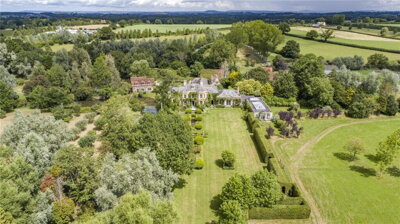
Browse 1 home for sale in Fifehead Neville from local estate agents.
Studio apartments feature open-plan living spaces without separate bedrooms, incorporating sleeping, living, kitchen, and bathroom facilities. The Fifehead Neville studio market includes properties in modern apartment complexes, converted Victorian and Georgian buildings, and purpose-built developments.
£280,000
Average Property Price
£614,039
DT2 0LS Average
£313k - £873k
Price Range
34
Listed Buildings
The Melbury Osmond property market presents a nuanced picture for prospective buyers. Our data shows the average property price sits at £280,000, representing a 30% decrease from the previous year and a 61% reduction from the 2021 peak of £725,000. However, within the specific DT2 0LS postcode area, prices have demonstrated resilience with a 6.5% increase since March 2021, when the last recorded sale stood at £725,000. This divergence between broader market averages and postcode-specific performance suggests opportunities for well-informed buyers who understand local variations.
Property listings in Melbury Osmond predominantly feature detached houses and traditional cottages, with sale prices ranging from approximately £313,421 for three-bedroom leasehold flats to £873,440 for substantial five-bedroom freehold houses. Recent transactions illustrate the range of properties available: 6 Barton Hill Cottages sold for £435,000 in September 2024, Monmouth Cottage on Pigs Lane achieved £485,000 in August 2024, Magpies on Brakes Hill sold for £665,000 in April 2023, and larger properties like School Cottage on The Street sold for £810,000 in October 2022.
The village market shows remarkable consistency in transaction values across different property types and sizes. DT2 0LS has seen a 27.1% increase in the sales market over the last decade, indicating long-term capital growth despite recent short-term fluctuations. No active new-build developments exist within the DT2 postcode, meaning buyers purchasing here acquire homes with genuine character and heritage. This absence of new supply preserves scarcity value for existing properties and ensures the village maintains its historic character for future generations.
For investors considering the local market, the working estate connections and proximity to Yeovil suggest underlying demand for quality rural homes. The village's 181 residents enjoy a stable community that has changed little over decades, with the 2011 census recording 199 residents and estimates suggesting similar numbers today. Properties near the stream and ford on the cul-de-sac lane represent the quintessential English village scene that attracts buyers to this corner of Dorset.
Life in Melbury Osmond centres on rural tranquillity and a strong sense of community within a village of approximately 181 residents. The settlement sits on a cul-de-sac lane that descends past traditional cottages toward a stream and ford, creating the kind of quintessential English village scene that has made Dorset one of Britain's most beloved counties. The community maintains its village shop, traditional pub, and the historic parish church at its heart, providing essential amenities without the need to travel to larger towns for everyday needs.
The local economy has historical roots in farming and rural trades, with the village once involved in the production of plated buckles, horn buttons, and dowlas cloth (a rough woollen fabric). Today, the surrounding working estate continues to define the local character, with agricultural activities visible throughout the parish including tractors and farm machinery on country lanes. The village remains essentially residential and agricultural, offering residents a pace of life far removed from urban pressures while maintaining sufficient local amenities for everyday needs. For those seeking genuine rural living within commuting distance of major employment centres, Melbury Osmond offers an attractive proposition.
The architectural character of Melbury Osmond reflects centuries of continuous habitation, with many cottages featuring traditional thatched roofs and construction using the local Forest Marble limestone. This shelly limestone from the Jurassic Forest Marble formation has been used for building throughout the area, sometimes called "Melbury marble" for its ability to take a high polish. Properties typically feature stone fireplaces, flagstone flooring, and other period details that speak to the village's heritage. The Forest Marble stone from Holt Farm quarry was historically exploited for paving and damp-proof courses due to its impermeable nature, making it particularly valuable for local construction.

Families considering a move to Melbury Osmond will find educational provision centred on nearby villages and the market town of Sherborne, approximately 5 miles away. The village itself falls within the catchment area for primary schools serving the surrounding rural communities, with the nearest primary school located in neighbouring settlements accessible via country lanes. Dorset Council school admissions policy determines catchment boundaries, and parents should verify current allocations before committing to a property purchase. Secondary education options include schools in Sherborne and Yeovil, both within reasonable commuting distance for families.
Sherborne is particularly notable for its educational offerings, with Sherborne School (a prestigious boarding and day school for boys established in the 16th century) and Sherborne Girls School providing secondary education options of regional and national reputation. These institutions attract families from across the country and internationally, contributing to the broader appeal of the Sherborne and Melbury Osmond area. For younger children, several primary schools in the surrounding villages serve the local community, with catchment areas determined by the Dorset Council school admissions policy.
For sixth form and further education, Yeovil College provides vocational and academic courses, while Sherborne offers additional secondary school sixth forms. The presence of these educational facilities within easy reach enhances the appeal of Melbury Osmond for families seeking a rural lifestyle without sacrificing access to quality schooling. Transport arrangements for secondary school pupils typically involve school bus services connecting the village to nearby towns, though families should confirm current routes and schedules with Dorset Council as these can change annually.
Melbury Osmond sits approximately 7 miles south of Yeovil, providing residents with access to the nearest major town and its comprehensive rail and road connections. The village benefits from a rural location that places it within easy reach of the A30 and A37, connecting to the wider road network including access to the M5 motorway at junction 25 (approximately 15 miles north). This positioning offers reasonable commuting options for those working in Yeovil, Sherborne, or travelling further afield to Bristol, Exeter, or Salisbury. The A37 provides a direct route north to Yeovil, while the A30 offers connections east toward Crewkerne and beyond.
Yeovil Junction railway station provides regular services to major destinations including London Waterloo (approximately 2-2.5 hours), Exeter St Davids, Bristol Temple Meads, and Salisbury. The station is located on the West of England Main Line, offering connectivity that makes day commuting or weekly travel feasible for professionals working in the capital or other regional centres. Local bus services connect Melbury Osmond to surrounding villages and towns, though frequencies may be limited compared to urban areas, making car ownership practically essential for most residents. Bus routes serving the village provide connections to Sherborne and Yeovil for those without private vehicles.
For air travel, Bristol Airport (approximately 35 miles north) and Exeter Airport (approximately 30 miles west) provide domestic and international connections. Bristol Airport offers flights across Europe and beyond, while Exeter provides additional options particularly for holiday destinations. The village's inland position, approximately 21-23 miles from the Jurassic Coast, offers excellent access to Dorset's famous coastline for leisure and recreation without the premium property prices associated with coastal locations like Lyme Regis or Weymouth. This positioning allows residents to enjoy both rural tranquillity and coastal amenities within reasonable driving distance.
Understanding the local construction methods used in Melbury Osmond properties is essential for any prospective buyer. The predominant building material throughout the village is the local Forest Marble limestone, a shelly limestone from the Jurassic period that has been quarried locally for centuries. This stone, sometimes referred to as "Melbury marble" due to its distinctive appearance and ability to take a high polish, can be found within the Oxford clay deposits that underlie the village. The limestone was historically exploited from Holt Farm quarry for paving and damp-proof courses, making it particularly valuable for local construction that has stood for generations.
The underlying geology of Melbury Osmond consists of Cornbrash limestone with adjacent Oxford clay deposits. Within the clay, deposits of "Melbury marble" can be found, creating the unique combination of stone and clay that characterizes the local landscape. Oxford clay is a low-lying area, and the presence of this clay creates potential for shrink-swell ground movement, particularly affecting older properties with shallow foundations. The clay-with-flints that is locally widespread on some dip slopes of the Upper Chalk in the broader area adds to the geological complexity that buyers should understand when assessing property condition.
Most properties in Melbury Osmond are built using traditional construction methods including solid wall construction, lime mortars, and traditional timber framing. The village's 34 listed buildings and structures demonstrate the durability of these traditional methods when properly maintained, with many buildings dating from the 17th and 18th centuries. Properties feature stone fireplaces, flagstone flooring, and thick walls that provide excellent thermal mass but may require different approaches to insulation and heating compared to modern construction. Understanding these traditional building methods helps buyers appreciate both the character and the maintenance requirements of village properties.
Properties in Melbury Osmond present specific defect patterns that prospective buyers should understand before committing to purchase. The prevalence of older, traditionally constructed buildings means that damp issues are common, particularly in solid wall properties where modern damp-proof courses may be absent or compromised. Our inspectors frequently identify penetrating damp from wind-driven rain affecting exposed elevations, and rising damp where original lime-based floors have been replaced with concrete that bridges potential damp barriers. Thatched roofs require specialist ongoing maintenance from approved contractors and may attract higher buildings insurance premiums.
The underlying Oxford clay geology creates potential for shrink-swell related ground movement that can lead to subsidence, especially in older properties with shallow foundations. Our surveyors check for signs of movement including cracking to walls, doors and windows that stick, and uneven floors that may indicate foundation issues. Properties in Melbury Osmond should be assessed for foundation depth and condition, particularly those built before modern building regulations introduced requirements for deeper footings. Timber defects including woodworm infestation and wet or dry rot are common in older buildings, particularly where dampness has affected structural timbers or floor joists.
Outdated electrical wiring and plumbing systems are frequently identified in Melbury Osmond properties. Properties built before modern electrical standards (typically pre-1990s) will likely need complete or partial rewiring to meet current regulations and ensure safety. Consumer units (fuse boxes) in older properties may also require replacement. Similarly, plumbing systems in older buildings often feature galvanized steel pipes that corrode internally over time, leading to reduced water pressure and potential leaks. Our RICS Level 2 surveys assess all these elements and provide detailed recommendations for remediation, allowing buyers to budget accurately for any works required after purchase.
Before beginning your property search in Melbury Osmond, arrange a mortgage agreement in principle to understand your budget constraints. Our data shows average prices ranging from £313,421 to £873,440 depending on property type and size, with recent sales including Monmouth Cottage on Pigs Lane (£485,000, August 2024) and 6 Barton Hill Cottages (£435,000, September 2024). Consider additional costs including Stamp Duty Land Tax, solicitor fees, and survey costs when setting your maximum offer. Given the village's historic character and prevalence of listed buildings, factor in potentially higher maintenance and insurance costs than modern properties.
Melbury Osmond properties are typically marketed through local estate agents covering the Sherborne and Yeovil areas, including those with offices in the DT9 postcode surrounding villages. Register your interest with multiple agents to ensure you receive details of new listings promptly. Given the village's small size and limited turnover, being first to view new properties offers a significant advantage. Properties in Melbury Osmond rarely come to market, so maintaining good relationships with local agents can provide early access to off-market opportunities that never appear on public property portals.
View multiple properties to compare the condition of older listed buildings versus more recent construction. Properties in Melbury Osmond often feature traditional construction methods including solid walls, thatched roofs, and local Forest Marble limestone, requiring different assessment criteria than modern properties. A RICS Level 2 survey is recommended before proceeding with any purchase offer. During viewings, pay particular attention to the condition of thatched roofs, evidence of damp in solid wall properties, and the condition of original features that contribute to the village's listed character.
Once your offer is accepted, instruct a conveyancing solicitor immediately. Given the prevalence of listed buildings (34 in the parish) and the village's historic character, your solicitor should have experience with heritage properties and any planning restrictions that may apply. Arrange your RICS Level 2 survey through Homemove, with costs starting from £375 for properties in the DT2 0LS area. For listed buildings, consider whether a more comprehensive RICS Level 3 Building Survey would be more appropriate given the specialist requirements of heritage properties.
Final arrangements include transferring funds, completing land registry documentation, and coordinating your move. For properties near the stream and ford that characterises the village lane, verify flood risk assessments with your solicitor. Buildings insurance for older properties may require specialist insurers familiar with thatched roofs and traditional construction, and costs can be higher than standard cover. Our team can recommend surveyors experienced with Melbury Osmond properties who understand the local construction methods and common defects found in the village.
Properties in Melbury Osmond present unique considerations due to their age, construction methods, and listed status. The village's 34 listed buildings and structures mean many properties fall under planning restrictions that affect alterations, extensions, and even maintenance works. Before purchasing, verify the listed status of any property with Dorset Council planning department, as works to listed buildings require Listed Building Consent and must use appropriate materials and methods. The parish includes Grade I listed buildings such as the Parish Church of St Osmond, rebuilt in 1745 and restored in 1888, as well as numerous Grade II listed cottages and farmhouses throughout the village.
The underlying geology presents important considerations for prospective buyers. Oxford clay beneath the village creates potential for shrink-swell ground movement, particularly affecting older properties with shallow foundations. Properties near the stream and ford may face elevated flood risk, and all buyers should commission appropriate surveys to assess these environmental factors. The presence of clay soils makes understanding foundation depth and condition particularly important, especially for properties showing any signs of movement or cracking. Our surveyors check for these issues as standard during any inspection in the Melbury Osmond area.
Building materials in Melbury Osmond properties include local Forest Marble limestone and traditional thatched roofing. Thatched roofs require specialist ongoing maintenance from approved contractors and may affect buildings insurance premiums significantly. Properties built before modern electrical standards will likely need wiring upgrades, and solid wall construction without cavity insulation may result in higher heating costs. A comprehensive RICS Level 2 survey will identify these issues before you commit to purchase, with survey costs in Dorset typically starting from £375 for a standard report.
The average property price in Melbury Osmond stands at £280,000 over the last year according to our market data. However, prices within the DT2 0LS postcode average £614,039, with individual sales ranging from approximately £313,421 for smaller properties to £873,440 for substantial five-bedroom homes. Recent transactions include Barton Hill Cottages (£435,000, September 2024), Monmouth Cottage (£485,000, August 2024), and School Cottage (£810,000, October 2022). The significant difference between the village average and postcode average reflects the mix of property types and sizes available, with the broader DT2 0LS area including more substantial detached houses and historic manor properties.
Properties in Melbury Osmond fall under Dorset Council tax jurisdiction. Specific band allocations vary by property depending on valuation, with typical rural Dorset properties ranging from Band B through to Band F for larger historic homes. The Grade II listed cottages and traditional farmhouses common throughout the village typically fall in the middle bands, while larger detached properties may attract higher allocations. Buyers should verify the exact council tax band for any specific property through the Dorset Council valuation listing or their solicitor during conveyancing.
Melbury Osmond is served by primary schools in surrounding villages and falls within the Sherborne catchment area for secondary education. Sherborne is renowned for its educational institutions including Sherborne School (a historic boarding and day school established in the 16th century) and Sherborne Girls School, both of national reputation. Local primary provision is available in nearby villages, with catchment areas determined by Dorset Council admissions. Parents should verify current Ofsted ratings and catchment boundaries directly with Dorset Council, as these can affect which school your children would attend.
Melbury Osmond is a rural village where car ownership is practically essential for daily living due to limited public transport options. Yeovil Junction railway station, approximately 7 miles away on the West of England Main Line, provides regular services to London Waterloo (2-2.5 hours), Bristol, Exeter, and Salisbury. Local bus services connect to surrounding villages and towns, though frequencies are limited to a few services per day. The A30 and A37 provide road connections to Yeovil and the wider motorway network via the M5 at junction 25 (approximately 15 miles north).
Melbury Osmond offers appeal for investors seeking long-term returns in a heritage village with limited new-build supply. The absence of new developments within the DT2 postcode preserves scarcity value for existing properties, while the DT2 0LS area has seen a 27.1% increase in the sales market over the last decade. The village's connections to a working estate, proximity to Yeovil (approximately 7 miles), and heritage character maintain demand. However, the small village size means limited rental turnover, and any investment should account for the specialist requirements of older, potentially listed properties including higher maintenance costs and insurance considerations for thatched buildings.
Stamp Duty Land Tax rates from April 2025 are 0% on the first £250,000, 5% on £250,001 to £925,000, 10% on £925,001 to £1.5 million, and 12% above £1.5 million. First-time buyers receive relief on the first £425,000 (0% rate) with 5% between £425,001 and £625,000. For a typical £280,000 property in Melbury Osmond, standard buyers pay no stamp duty, while first-time buyers would pay nothing on the entire purchase price under current thresholds. Given the village average of £280,000 and the typical price range of £313,421 to £873,440, most buyers will fall into nil or minimal stamp duty categories.
Given that most properties in Melbury Osmond are over 50 years old with significant numbers built before 1919, a RICS Level 2 survey is strongly recommended before purchase. For listed buildings, which comprise 34 structures in the parish including the Grade I Parish Church of St Osmond, a more comprehensive RICS Level 3 Building Survey may be more appropriate. Common issues to check include thatched roof condition and specialist maintenance requirements, damp in solid wall properties built with Forest Marble limestone, timber defects, outdated electrics and plumbing, and potential movement related to the underlying Oxford clay. Survey costs in Dorset typically start from £375 for a Level 2 report, with Level 3 surveys available from £600 for more complex heritage properties.
From £375
A detailed inspection of the property condition, ideal for most homes in Melbury Osmond including traditional cottages
From £600
A comprehensive building survey recommended for listed buildings and period properties
From 4.5%
Competitive mortgage rates for buyers in the DT2 0LS area
From £499
Specialist solicitors with experience in Dorset heritage properties
Understanding the full costs of purchasing property in Melbury Osmond helps buyers budget accurately for their move. Stamp Duty Land Tax rates from April 2025 apply as follows: 0% on the first £250,000 of purchase price, 5% on the portion between £250,001 and £925,000, 10% on amounts between £925,001 and £1.5 million, and 12% on any amount exceeding £1.5 million. For a typical property at the village average of £280,000, standard buyers would pay no stamp duty, making this an attractive entry point to the local market.
First-time buyers enjoy enhanced relief with 0% stamp duty on the first £425,000 and 5% between £425,001 and £625,000. This means first-time buyers purchasing at or below £425,000 would pay no stamp duty whatsoever. For properties above £625,000, first-time buyer relief does not apply, and standard rates take effect. Given the range of properties available in Melbury Osmond from approximately £313,421 to £873,440, many buyers will fall into nil or minimal stamp duty categories. The village average of £280,000 places most standard purchases below the nil-rate threshold entirely.
Beyond stamp duty, buyers should budget for solicitor conveyancing fees (typically £500-£1,500 for standard purchases, potentially higher for listed buildings with complex title issues), a RICS Level 2 survey from £375, and mortgage arrangement fees (0-2% of loan amount). Buildings insurance for older thatched properties may cost more than standard cover due to the specialist construction, and buyers should obtain quotes before completing. Land Registry fees for title registration are typically covered within solicitor costs. Careful budgeting across all these elements ensures a smooth transaction when purchasing your Melbury Osmond property.
Properties for Sale In London

Properties for Sale In Plymouth

Properties for Sale In Liverpool

Properties for Sale In Glasgow

Properties for Sale In Sheffield

Properties for Sale In Edinburgh

Properties for Sale In Coventry

Properties for Sale In Bradford

Properties for Sale In Manchester

Properties for Sale In Birmingham

Properties for Sale In Bristol

Properties for Sale In Oxford

Properties for Sale In Leicester

Properties for Sale In Newcastle

Properties for Sale In Leeds

Properties for Sale In Southampton

Properties for Sale In Cardiff

Properties for Sale In Nottingham

Properties for Sale In Norwich

Properties for Sale In Brighton

Properties for Sale In Derby

Properties for Sale In Portsmouth

Properties for Sale In Northampton

Properties for Sale In Milton Keynes

Properties for Sale In Bournemouth

Properties for Sale In Bolton

Properties for Sale In Swansea

Properties for Sale In Swindon

Properties for Sale In Peterborough

Properties for Sale In Wolverhampton

Enter your details to see if this property is within your budget.
Loans, cards, car finance
Estimated property budget
Borrowing + deposit
You could borrow between
Typical borrowing
Monthly repayment
Est. at 4.5%
Loan-to-value
This is an estimate only. Your actual budget may vary depending on interest rates, credit history, and personal circumstances. For an accurate affordability assessment, speak to one of our free mortgage advisors.
This calculator provides estimates for illustrative purposes only and does not constitute financial advice. Your home may be repossessed if you do not keep up repayments on your mortgage. Estimates based on 4.5% interest rate, repayment mortgage. Actual rates depend on your circumstances.
Homemove is a trading name of HM Haus Group Ltd (Company No. 13873779, registered in England & Wales). Homemove Mortgages Ltd (Company No. 15947693) is an Appointed Representative of TMG Direct Limited, trading as TMG Mortgage Network, which is authorised and regulated by the Financial Conduct Authority (FRN 786245). Homemove Mortgages Ltd is entered on the FCA Register as an Appointed Representative (FRN 1022429). You can check registrations at NewRegister or by calling 0800 111 6768.

We use cookies to show you personalised content and improve your experience of our website. Find out more in our Privacy policy and Cookie policy.