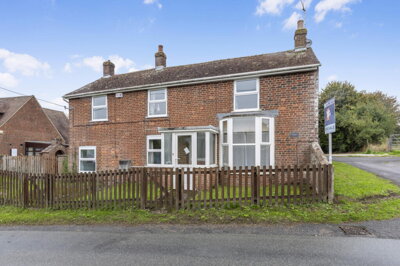
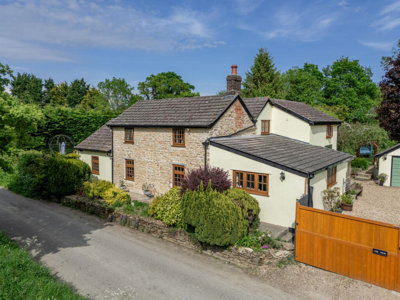
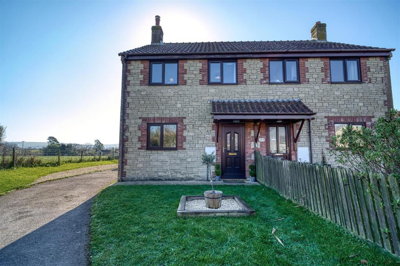
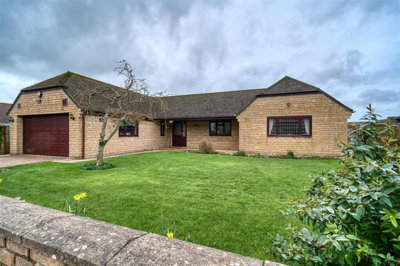
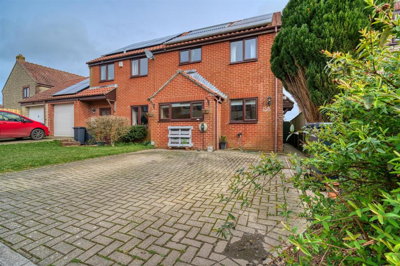
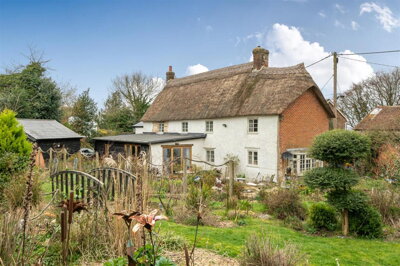
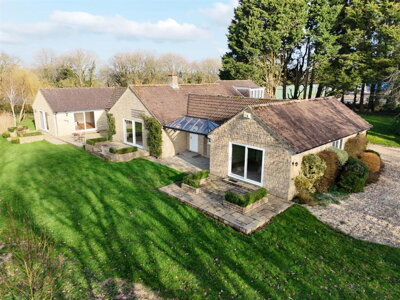
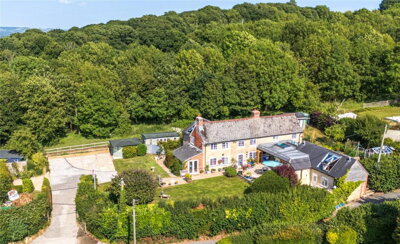
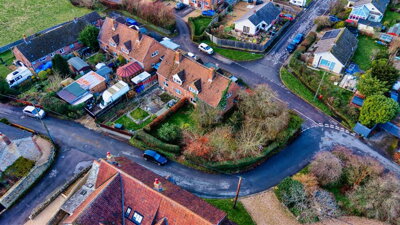
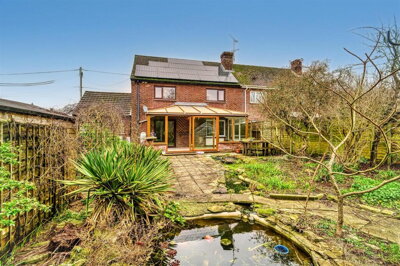
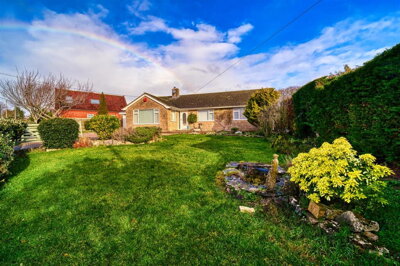
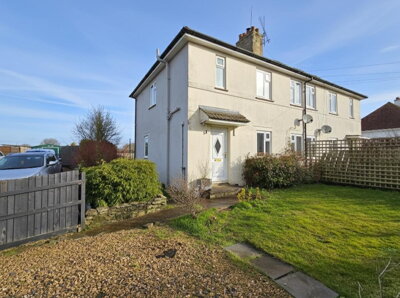
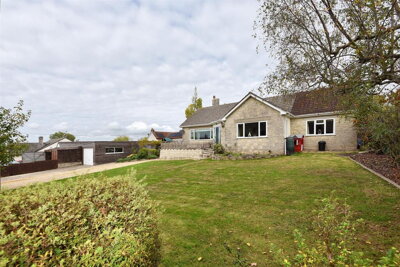
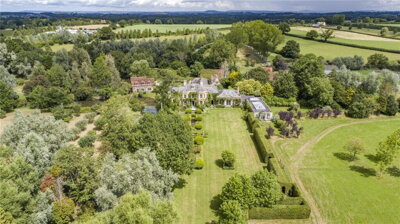
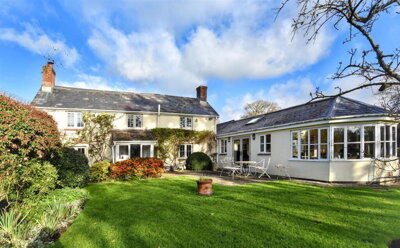
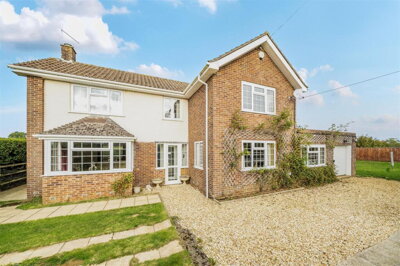
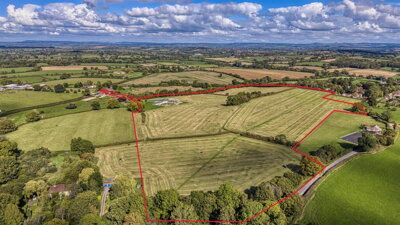
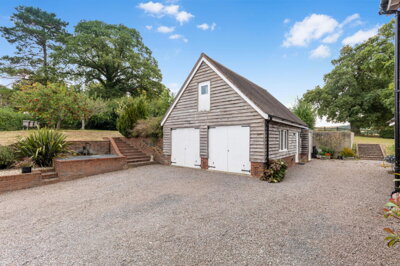
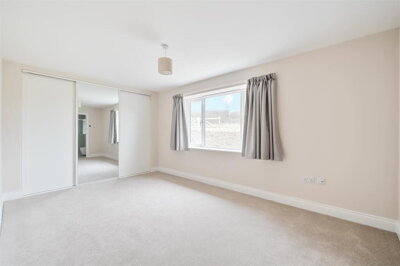
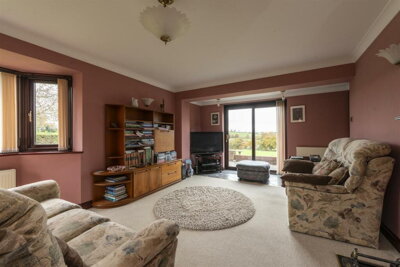
Browse 31 homes for sale in Fifehead Neville from local estate agents.
The Melbury Osmond property market presents an interesting opportunity for buyers seeking character homes in rural Dorset. Recent sales data shows prices ranging from around £313,000 for smaller leasehold properties up to £873,000 for substantial five-bedroom freehold houses. Individual property sales illustrate the range available: Barton Hill Cottages sold for £435,000 in September 2024, Monmouth Cottage on Pigs Lane achieved £485,000 in August 2024, and larger period homes like Magpies on Brakes Hill sold for £665,000 in April 2023.
The market has experienced notable correction recently, with average prices falling approximately 30% from the 2021 peak of £725,000. This adjustment presents potential value for buyers who may have been priced out of the area in previous years. However, the DT2 0LS postcode has shown more resilience, with prices increasing by 6.5% since March 2021 and rising 27.1% over the past decade. The village lacks new build developments within its own postcode, with most new housing stock appearing in neighbouring areas like Sherborne and Milborne Port.
With 34 listed buildings concentrated in this small village, properties in Melbury Osmond represent a rare opportunity to own character homes with genuine heritage credentials. The village's literary connection to Thomas Hardy adds cultural value that distinguishes properties here from other rural Dorset locations. Buyers should expect a competitive market for the most attractive properties, particularly thatched cottages and period farmhouses that match the village's distinctive character.

Life in Melbury Osmond revolves around the rhythms of rural England, where farming activities shape the daily landscape and the village pub serves as the social hub. The village sits on a charming cul-de-sac lane that descends past traditional cottages to a stream and ford, creating the kind of scene that defines chocolate-box English villages. Residents enjoy exceptional peace and quiet, surrounded by working agricultural land where tractors and farm machinery are familiar sights on country lanes.
The village's historical significance runs deep through its literary and architectural heritage. Thomas Hardy's mother was born in Barton Hill Cottage around 1813, and Hardy himself used Melbury Osmond as the model for his fictional village "Little Hintock" in "The Woodlanders". The parish church of St Osmond, rebuilt in 1745 and restored in 1888, stands as the spiritual centre of the community, with parish registers dating back to 1550. The village also maintains connections to traditional trades, historically involved in plated buckles, horn buttons, and the manufacture of dowlas cloth.
Local building materials reflect the geology of the area, with properties constructed predominantly from Forest Marble, a distinctive shelly limestone sometimes called "Melbury marble" due to its ability to take a high polish. This limestone, extracted from Oxford clay deposits, has been used for centuries in local construction. Many cottages retain their original thatched roofs, stone fireplaces, and flagstone floors, creating interiors that complement the village's external charm. The underlying geology includes Cornbrash limestone with adjacent Oxford clay, which adds to the traditional character while requiring specialist attention for period properties.
The village attracts people seeking an unhurried lifestyle away from urban pressures, with the surrounding Dorset countryside offering excellent walking and cycling opportunities. The close-knit community means newcomers are quickly welcomed, and village events provide regular opportunities to meet neighbours. Local amenities in nearby towns like Sherborne and Yeovil are within easy reach, ensuring that practical needs can be met without compromising the peaceful rural setting.

Families considering Melbury Osmond will find educational options spread across the surrounding Dorset and Somerset areas, with primary schools serving the immediate locality and secondary options available in nearby market towns. The village's small population means that local primary education is typically accessed in surrounding villages and towns, where schools maintain the traditional values and small class sizes characteristic of rural education. Parents should research specific school catchment areas and admissions criteria directly with local education authorities, as boundaries can vary and change.
Several primary schools in neighbouring villages serve the Melbury Osmond area, with many maintaining good Ofsted ratings and strong community connections. Schools in the surrounding area typically offer small class sizes that many parents prefer for younger children, allowing individual attention and a supportive learning environment. The rural setting of these schools often includes access to outdoor learning spaces and environmental activities that complement classroom education.
Secondary education options include schools in Yeovil, Sherborne, and surrounding towns, each offering different specialisms and sixth form provision. Sherborne School, both the historic public school and the newer Sherborne School for Girls, provides independent secondary education in the nearby town and draws students from across the region. The area also benefits from further education colleges in Yeovil and Dorchester that serve students progressing beyond GCSE level, with good transport links making these accessible for daily travel.
School transport arrangements typically involve bus services connecting Melbury Osmond to schools in nearby towns, though families should verify current routes and schedules as these can vary throughout the year. The rural nature of the village means that school transport considerations should factor into any property purchase decision, particularly for families with children at secondary level. Many families appreciate the manageable journey times to schools in surrounding towns, typically 15-30 minutes depending on the specific school and transport mode, balanced against the rural lifestyle benefits of village living.
Melbury Osmond sits approximately 7 miles south of Yeovil, placing residents within reasonable reach of the town's railway station and amenities while maintaining the village's rural character. Yeovil Junction station provides connections to major destinations including London Waterloo, with journey times to the capital typically around 2.5 hours. Yeovil Pen Line station offers additional rail connections to Bristol and Exeter for those working in larger regional centres. The nearby town also offers good road connections via the A30 and A37, connecting to the broader county road network and motorway system beyond.
Local bus services connect Melbury Osmond to surrounding villages and towns, though frequencies reflect the rural nature of the area with fewer services than urban routes. Most residents find that car ownership is essential for daily life, providing flexibility for shopping, school runs, and accessing services not available in the village itself. The scenic country lanes surrounding the village are popular with cyclists and walkers, though the narrow nature of some routes requires careful driving, particularly around agricultural machinery during harvest season.
For commuters working in Yeovil, Bristol, or other regional centres, Melbury Osmond offers a manageable commute that allows residents to enjoy countryside living without sacrificing employment opportunities. The journey to Yeovil takes approximately 20-25 minutes by car, while Bristol remains accessible in around 90 minutes. Local road improvements and the quality of the A303 corridor provide reasonable access to the south coast and connections beyond, with Exeter and the M5 motorway approximately 45 minutes away. The village position between 21-23 miles from the Jurassic Coast offers opportunities for leisure trips to the beach when desired.
Properties in Melbury Osmond showcase traditional building techniques that have shaped the village's distinctive character over centuries. The local stone, a shelly limestone from the Jurassic Forest Marble formation, has been quarried from local clay deposits and used extensively in village construction for generations. This distinctive material, sometimes called "Melbury marble" due to its ability to take a high polish, distinguishes the village from other Dorset settlements and creates the characteristic appearance that has made Melbury Osmond so photogenic.
Traditional construction methods in the village typically involve solid wall construction using the local limestone, with lime mortars allowing the walls to breathe and manage moisture naturally. Original lime render and pointing on external walls requires different maintenance approaches compared to modern cement-based products, and many homeowners find that retaining traditional methods is essential for the long-term health of these buildings. The shift to cement-based mortars and renders in the mid-20th century has caused problems in some properties, trapping moisture within solid walls and leading to damp issues that affect interior conditions.
Thatched roofs feature prominently throughout the village, with water reed, combed wheat reed, and long straw being traditional materials used in the area. Properties with original thatch can be several centuries old, with careful maintenance extending roof life to 40 years or more for quality work. The steep pitches and generous overhangs of traditional cottage roofs complement the village's historic character while providing effective weather protection. Specialist thatchers familiar with traditional methods are essential for any repair or replacement work on these distinctive roofs.
Interior features in period properties often include original flagstone floors on ground floors, providing durable surfaces that have served families for generations. Stone fireplaces with substantial wooden beams or lintels create focal points in living rooms, while exposed timber framing adds structural and aesthetic interest to upper floors. These traditional features require understanding and care from owners, but they contribute significantly to the character and value of properties in this historic village.
Start by understanding what makes Melbury Osmond unique, including the significance of its 34 listed buildings, the prevalence of thatched cottages, and the local geology that may affect properties. Review recent sales data to understand current pricing trends, which show average prices around £280,000, though period homes can command significantly higher values depending on their condition and listed status. The village's literary connection to Thomas Hardy adds cultural significance that influences property values and buyer interest.
Before viewing properties, obtain a mortgage agreement in principle from a lender. This demonstrates your serious intent to sellers and helps you understand your realistic budget. With average prices around £280,000, most standard mortgage products will be available, though specialist lending may be required for certain period or listed properties. Listed buildings can sometimes present challenges for standard mortgage valuations, so discussing this with your broker early in the process is advisable.
View multiple properties in Melbury Osmond to compare the varying styles of period homes available. Pay attention to construction materials, the condition of thatched roofs, signs of damp in solid-walled properties, and any maintenance issues that may require specialist attention. Properties here range from charming cottages to substantial farmhouses, each offering different considerations for buyers. Viewing properties at different times of day can reveal aspects like natural light, traffic noise, and neighbour activity levels.
Given the age of properties in Melbury Osmond, with many buildings dating back before 1919, a thorough RICS Level 2 Home Survey is essential. This survey will identify common issues in period properties including damp, roof condition, potential subsidence related to clay soils, outdated electrics, and timber defects. For listed buildings, consider whether a more comprehensive Level 3 survey might be more appropriate to address the specific complexities of heritage properties.
Once your offer is accepted, instruct a conveyancing solicitor with experience in rural and listed properties. They will handle local searches, check planning restrictions affecting heritage properties, and ensure smooth transfer of ownership. Exchange and completion typically follows standard timelines, though heritage properties may require additional due diligence regarding listed status and any planning conditions affecting the property.
Properties in Melbury Osmond require careful inspection due to their age and construction methods. Thatched roofs, while charming, require specialist maintenance and may need re-thatching every 20-40 years depending on materials and craftsmanship. Ask about recent roof work, insurance claims related to thatch, and budget accordingly for future maintenance. Properties built from the local Forest Marble stone with solid walls may show signs of damp if original lime mortars have been replaced with cement, which can trap moisture within the walls.
The presence of Oxford clay in the local geology means potential buyers should investigate foundation conditions carefully. Signs of subsidence, cracking, or uneven floors warrant professional assessment before purchase. A RICS Level 2 survey becomes particularly valuable here, as experienced surveyors will understand how to assess period properties built on clay soils and identify any historic movement or repairs. Ask vendors about any previous structural work, underpinning, or insurance claims related to ground movement.
With 34 listed buildings in the parish, buyers should establish whether any property is listed and understand the implications for future alterations and maintenance. Listed building consent is required for significant changes, and certain repairs must use appropriate traditional materials and methods. Conservation area restrictions may also apply, affecting permitted development rights. The charm of period living comes with responsibilities, but these restrictions also protect the character and value of properties in this special village.
Specialist surveyors with experience in period properties understand the construction methods and common defects found in buildings of this age. Our inspectors assess timber conditions carefully, as woodworm and wet rot can affect structural elements that have been exposed to damp over many years. Electrical and plumbing systems in older properties often require updating to meet current standards, and a thorough survey will identify any work needed to bring these essential services up to modern requirements.
Buying a property in Melbury Osmond involves several costs beyond the purchase price. For buyers purchasing at the current average price of around £280,000, stamp duty land tax is not applicable under standard residential rates, as the entire amount falls within the 0% threshold. First-time buyers also benefit from relief on the full purchase price at this level. However, properties commanding higher prices, such as the substantial period homes and farmhouses that characterise the village, will attract stamp duty according to standard rate bands.
Additional costs include mortgage arrangement fees, which typically range from £500 to £2,000 depending on the lender and product chosen. Survey costs should be budgeted at £395-550 for a RICS Level 2 Home Survey on a standard period property, rising to £600 or more for a comprehensive Level 3 Building Survey given the specialist nature of heritage properties. Listed buildings and properties with thatch typically attract higher survey fees due to their complexity and the additional time required for thorough assessment.
Conveyancing fees for handling the purchase of a historic or listed property in Melbury Osmond typically start from around £499, though costs may increase for more complex transactions involving heritage considerations, unusual title arrangements, or planning conditions. Additional search costs covering local authority records, environmental data, and drainage searches typically add several hundred pounds to overall legal costs.
Ongoing costs for period properties should also be factored into your decision. Buildings insurance premiums may be higher for thatched properties and listed buildings, and maintenance costs for traditional buildings often exceed those for modern construction. If considering a thatched cottage, budget for eventual re-thatching, which can cost £15,000-30,000 depending on property size and the materials used. Listed building maintenance requirements may also necessitate specialist tradespeople using appropriate traditional materials, adding to service costs. A thorough survey before purchase will help identify any immediate works required and allow accurate budgeting for your new home in this historic Dorset village.
The average property price in Melbury Osmond is currently around £280,000, though this masks significant variation. Prices range from approximately £313,000 for smaller leasehold properties up to £873,000 for substantial five-bedroom freehold houses. The DT2 0LS postcode area shows stronger values averaging £614,039, reflecting the premium for period properties in this historic village. The market has corrected from the 2021 peak of £725,000, presenting potential opportunities for buyers seeking entry to this desirable village.
Properties in Melbury Osmond fall under Dorset Council jurisdiction. Council tax bands vary by property depending on valuation, with period cottages typically falling in bands A through C, while larger farmhouses and substantial period homes may be in higher bands D through F. You can check the specific band for any property through the Valuation Office Agency website using the property address, which provides current banding information for all properties in England.
Melbury Osmond is a small rural village without its own school, so local primary education is accessed in surrounding villages and towns. Parents should research specific catchment areas with Dorset Council, as boundaries can vary and change over time. Nearby primary schools in surrounding villages often have good Ofsted ratings and small class sizes. Secondary education options include schools in Yeovil and Sherborne, with Sherborne School offering independent secondary education. School transport arrangements should be verified before purchase, particularly for secondary-aged children.
Melbury Osmond has limited public transport, reflecting its rural location. Bus services connect the village to surrounding areas, though frequencies are reduced compared to urban routes. Yeovil Junction station is approximately 7 miles away, providing rail connections to London Waterloo in around 2.5 hours. Yeovil Pen Line offers additional connections to Bristol and Exeter. Most residents find car ownership essential for daily life, though the village position offers reasonable road access to regional employment centres via the A30 and A303 corridors.
Melbury Osmond offers a unique investment proposition combining heritage value, rural lifestyle appeal, and limited supply of properties. The village's literary connection to Thomas Hardy, its 34 listed buildings, and the prevalence of attractive thatched cottages maintain demand from buyers seeking character properties. Property values in the DT2 0LS postcode have shown 27.1% growth over ten years, though recent market corrections have brought entry prices to more accessible levels. Beyond financial considerations, the village offers a lifestyle that appeals to buyers seeking heritage, rural tranquility, and community spirit.
Stamp duty land tax rates for 2024-25 are 0% on the first £250,000 of residential property, 5% on £250,001 to £925,000, 10% on £925,001 to £1.5 million, and 12% above £1.5 million. First-time buyers receive relief on the first £425,000, with 5% charged between £425,001 and £625,000. For a typical Melbury Osmond property at £280,000, standard buyers pay no stamp duty, while first-time buyers also pay nothing on the full amount under current thresholds.
With 34 listed buildings and structures in the Melbury Osmond parish, understanding listed status is important for buyers. The Grade I listed Parish Church of St Osmond is of exceptional interest, while Grade II listings include Barton Hill Cottages, Bridge Farmhouse, Manor Farmhouse, and many others. Grade I listings require Historic England consultation for any alterations, while Grade II requires consent from the local planning authority. All alterations affecting the character of listed buildings require consent, and repairs must use appropriate traditional materials and methods. Conservation area restrictions may also apply, further limiting permitted development rights.
Melbury Osmond lies on a cul-de-sac lane that descends past cottages to a stream and natural ford, which can experience surface water accumulation during heavy rainfall. Properties positioned near the stream or in lower-lying areas may warrant particular attention during surveys. Buildings insurance should confirm flood coverage is included, and a thorough survey will identify any signs of historic water damage or damp issues that might indicate vulnerability to moisture. We recommend checking specific flood risk data from official sources before purchase to ensure the property meets your requirements.
Rural Dorset villages like Melbury Osmond can experience variable broadband speeds, with some properties receiving download speeds below 10Mbps while others may access superfast services at 30Mbps or higher. Checking specific availability at the property address using Ofcom's broadband checker is essential before purchase. Mobile broadband may provide an alternative for those with good cellular coverage, and satellite broadband services offer solutions for properties in more remote locations. Working from home arrangements should factor in connectivity assessments as part of your property research.
From 4.5%
Finding the right mortgage for your Melbury Osmond purchase
From £499
Expert legal support for your property purchase
From £395
Comprehensive survey for period properties
From £600
Detailed building survey for complex or listed properties
Properties for Sale In London

Properties for Sale In Plymouth

Properties for Sale In Liverpool

Properties for Sale In Glasgow

Properties for Sale In Sheffield

Properties for Sale In Edinburgh

Properties for Sale In Coventry

Properties for Sale In Bradford

Properties for Sale In Manchester

Properties for Sale In Birmingham

Properties for Sale In Bristol

Properties for Sale In Oxford

Properties for Sale In Leicester

Properties for Sale In Newcastle

Properties for Sale In Leeds

Properties for Sale In Southampton

Properties for Sale In Cardiff

Properties for Sale In Nottingham

Properties for Sale In Norwich

Properties for Sale In Brighton

Properties for Sale In Derby

Properties for Sale In Portsmouth

Properties for Sale In Northampton

Properties for Sale In Milton Keynes

Properties for Sale In Bournemouth

Properties for Sale In Bolton

Properties for Sale In Swansea

Properties for Sale In Swindon

Properties for Sale In Peterborough

Properties for Sale In Wolverhampton

Enter your details to see if this property is within your budget.
Loans, cards, car finance
Estimated property budget
Borrowing + deposit
You could borrow between
Typical borrowing
Monthly repayment
Est. at 4.5%
Loan-to-value
This is an estimate only. Your actual budget may vary depending on interest rates, credit history, and personal circumstances. For an accurate affordability assessment, speak to one of our free mortgage advisors.
This calculator provides estimates for illustrative purposes only and does not constitute financial advice. Your home may be repossessed if you do not keep up repayments on your mortgage. Estimates based on 4.5% interest rate, repayment mortgage. Actual rates depend on your circumstances.
Homemove is a trading name of HM Haus Group Ltd (Company No. 13873779, registered in England & Wales). Homemove Mortgages Ltd (Company No. 15947693) is an Appointed Representative of TMG Direct Limited, trading as TMG Mortgage Network, which is authorised and regulated by the Financial Conduct Authority (FRN 786245). Homemove Mortgages Ltd is entered on the FCA Register as an Appointed Representative (FRN 1022429). You can check registrations at NewRegister or by calling 0800 111 6768.

We use cookies to show you personalised content and improve your experience of our website. Find out more in our Privacy policy and Cookie policy.