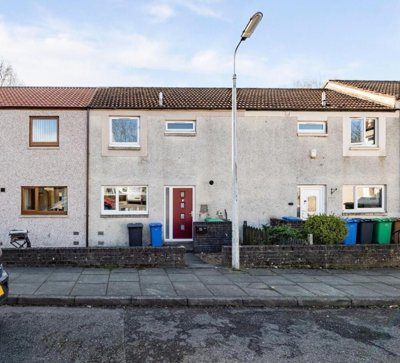
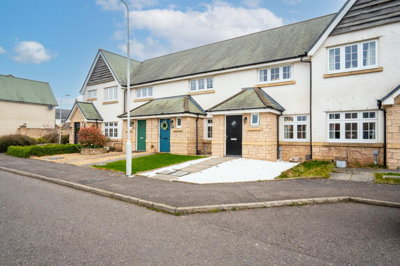
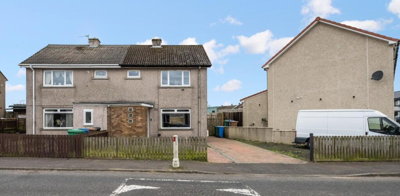
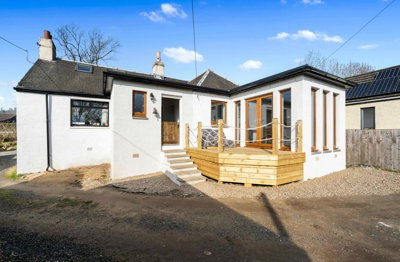
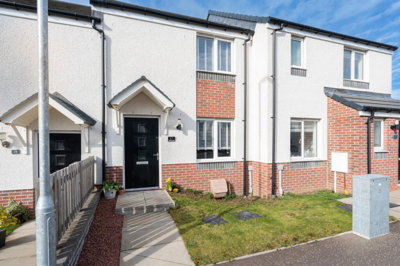
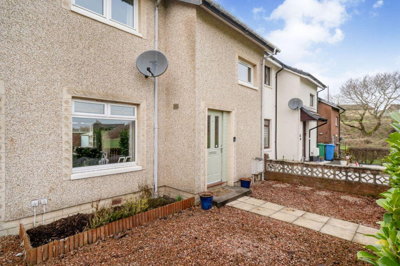
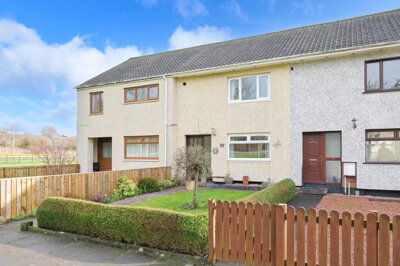
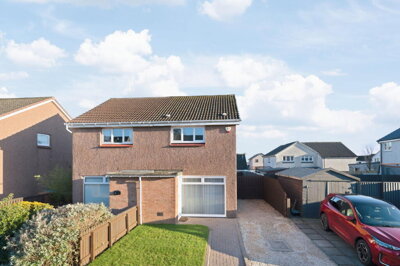
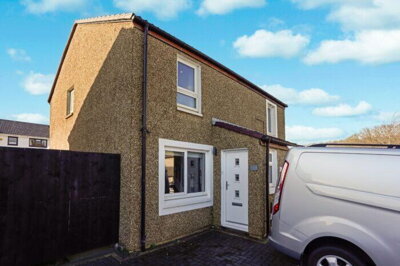
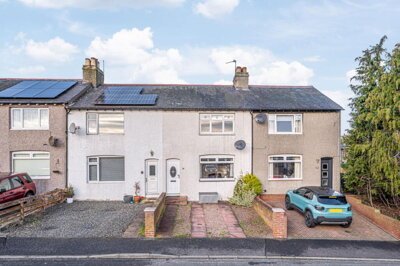
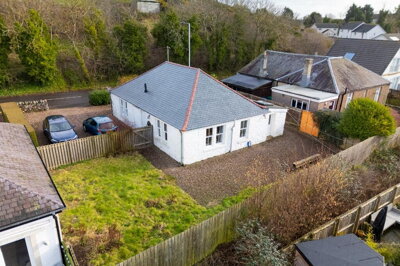
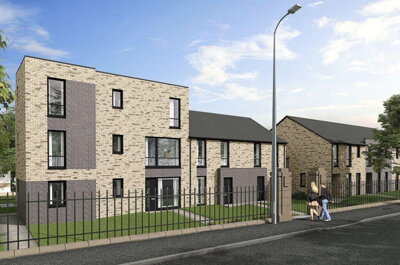
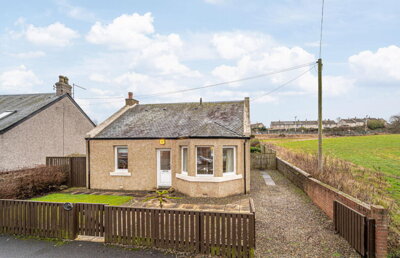
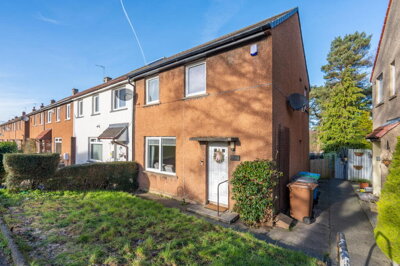
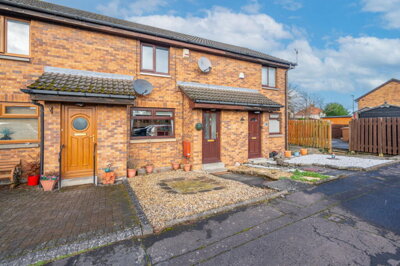
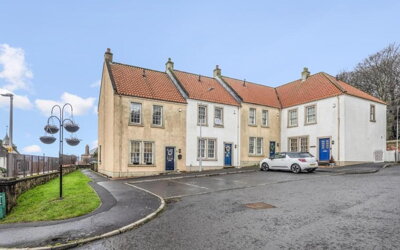
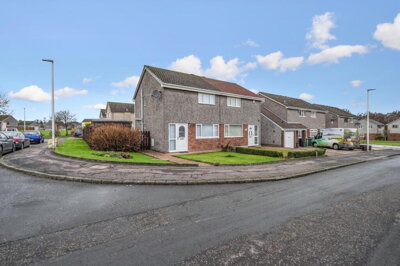
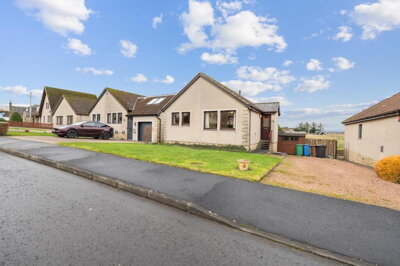
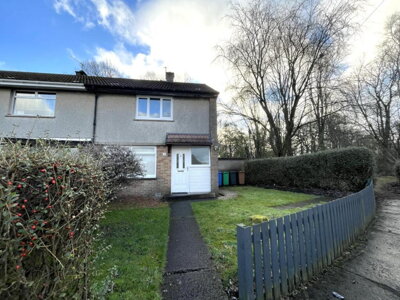
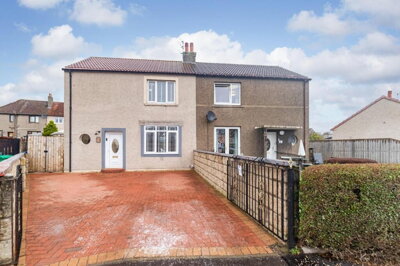
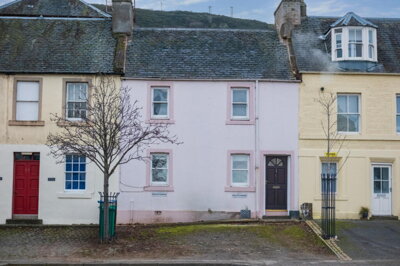
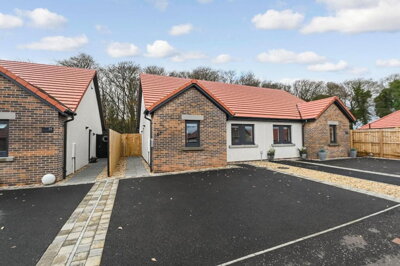
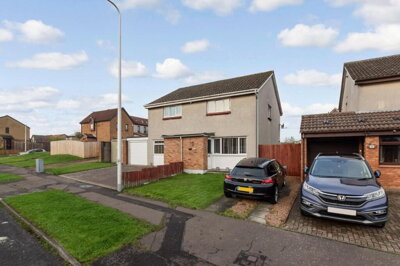
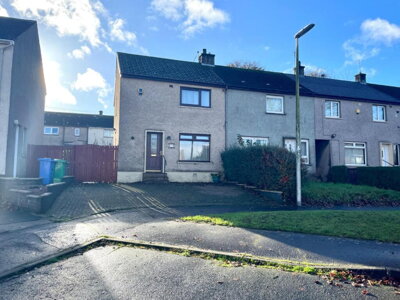
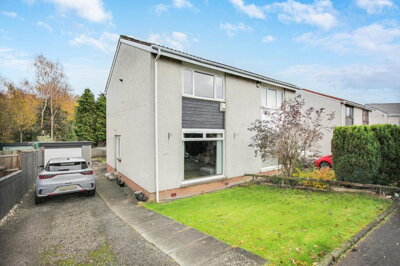
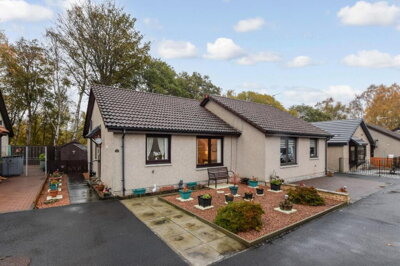
Browse 373 homes for sale in Fife, Scotland from local estate agents.
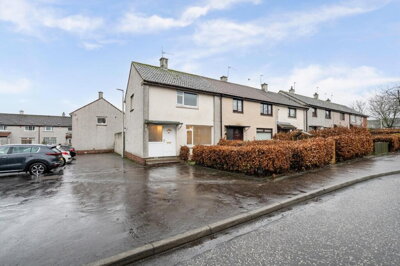
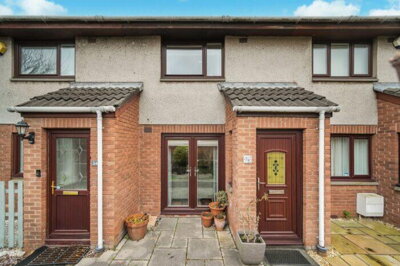
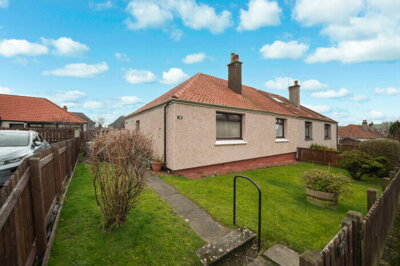
The 2 bed house market features detached, semi-detached, and terraced properties with two separate bedrooms plus living spaces. Properties in Fife range from Victorian and Edwardian period homes to modern new builds, with pricing varying across different neighbourhoods.
£145k
92
16
59
Source: home.co.uk
Showing 92 results for 2 Bedroom Houses for sale in Fife, Scotland. 16 new listings added this week. The median asking price is £145,000.
Source: home.co.uk
Terraced
57 listings
Avg £149,679
Semi-Detached
30 listings
Avg £206,163
Detached
5 listings
Avg £267,999
Source: home.co.uk
Source: home.co.uk
The Fife property market has demonstrated remarkable resilience and growth, with the average house price reaching £213,310 in the past year. Detached properties command the highest prices, averaging between £329,625 and £338,718, with the ONS reporting figures of £343,000 as of December 2025. For those seeking more affordable options, flats offer excellent value at an average of £124,700 to £127,710, making Fife one of the more accessible areas in the Edinburgh commuter belt for first-time buyers.
Property types across Fife cater to varied preferences and budgets. Semi-detached homes average around £201,270, providing ideal family accommodation with good space and manageable maintenance. Terraced properties, which have seen the strongest price growth at 8.9% over the past year, average between £164,646 and £170,471. Dunfermline remains the most active market in Fife, recording the highest number of listings and sales, making it an excellent choice for those seeking a vibrant local property market with good liquidity.
East Fife has emerged as a particularly strong performer, with average home prices rising by 14.4% between September and November 2025 to reach £294,153. This coastal region, encompassing towns like Anstruther, Crail, and St Andrews, attracts buyers seeking a higher quality of life with seaside amenities. The current average listing price across Fife stands at £261,314, slightly down by 4.76% from six months ago, presenting opportunities for buyers in a market that has corrected modestly after recent gains.
Historical data shows that Fife property prices peaked in 2023 at approximately £205,050, and current prices of £213,310 represent a 3% increase above that previous peak. This suggests sustained demand rather than a temporary spike, supporting the case for Fife as a solid long-term investment. Sales volumes have moderated slightly, with 4,639 homes exchanging and completing in 2025, representing a 3.4% decrease on the previous year, though this normalisation follows exceptional activity during the post-pandemic period.

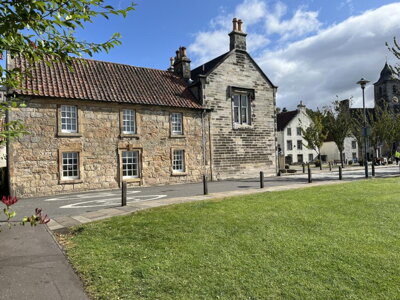
Fife occupies a distinctive peninsula between the Firth of Forth and the Firth of Tay, offering residents a remarkable blend of coastal living, historic towns, and easy access to Scotland's major cities. The region encompasses the ancient county of Fife, often referred to as "the Kingdom of Fife," with its rich history dating back centuries. The area is characterised by traditional Scottish sandstone architecture, particularly in towns like St Andrews, Cupar, and the picturesque villages of the East Neuk, where cobbled streets and whitewashed cottages create an unmistakable sense of place.
The local economy benefits from diverse employment sectors that provide stable foundations for the housing market. The University of St Andrews, one of Scotland's ancient universities and consistently ranked among the world's best, is a major employer and cultural institution. Healthcare is well-served by NHS Fife, while the energy sector maintains significant presence, with growing investment in renewable energy projects along the coastline. Manufacturing, tourism, and retail complete the economic picture, ensuring Fife is not overly reliant on any single industry.
Residents enjoy access to outstanding natural beauty, from the sandy beaches of St Andrews Bay to the dramatic cliffs of the Fife Coastal Path. The region boasts numerous parks, golf courses including the famous Old Course at St Andrews, and historic sites such as Falkland Palace and Dunfermline Palace. Cultural attractions include museums, galleries, and traditional pubs serving local seafood. The area's strong sense of community, excellent local schools, and lower cost of living compared to Edinburgh make Fife particularly attractive to families and retirees alike.
Fife's geography divides naturally into three distinct areas with their own character. The East Neuk features historic fishing villages and tourist hotspots. Central Fife centres on Dunfermline and Kirkcaldy, the main population centres with extensive amenities. North East Fife revolves around St Andrews, where the university and golf tourism drive a premium market. This diversity means buyers can choose between bustling town living, coastal charm, or academic village atmosphere according to their preferences and budget.

Education in Fife is served by a network of primary and secondary schools maintained by Fife Council, with the region offering a good range of educational options for families. The area is perhaps most renowned for the University of St Andrews, founded in 1413, which attracts students from around the world and contributes significantly to the local economy and cultural life. For school-age children, Fife provides both state and independent schooling options, with several primary schools feeding into well-regarded secondary schools across the region.
Among the notable secondary schools in Fife are Glenwood High School in Glenrothes, Kirkcaldy High School, and Dunfermline High School, each serving their local communities with broad curriculum offerings. St Andrews is served by Madras College, a historic institution providing secondary education to the town and surrounding area. Fife also has several primary schools with excellent reputations, including St Andrews Primary School and Canongate Primary School, which serve the university town and surrounding villages.
Further education opportunities are well-catered for within Fife, with Fife College offering a range of vocational and academic courses from campuses in Dunfermline, Glenrothes, Kirkcaldy, and St Andrews. The college provides pathways to higher education and industry-relevant qualifications. For families considering property in Fife, the presence of quality educational institutions at all levels adds significant value, with school catchment areas being an important factor in property selection. Parents are advised to verify current school performance data and catchment boundaries when considering specific properties.
School performance in Fife varies across the region, with urban schools in Dunfermline and Kirkcaldy serving larger catchment areas while rural schools in areas like the East Neuk serve smaller, more tight-knit communities. The Scottish Government's Parentzone website provides detailed information on school performance, while Fife Council maintains interactive catchment maps showing which schools serve specific addresses. For buyers prioritising education, we recommend researching specific school catchments before focusing your property search, as school quality can significantly impact both family satisfaction and long-term property values.
Fife offers excellent transport connections that make commuting to Edinburgh straightforward and popular with buyers seeking more affordable property prices. The Forth Bridge and the more recently opened Queensferry Crossing provide road access from the north of Fife directly into Edinburgh city centre, with journey times of around 30-40 minutes depending on exact location and traffic conditions. The Kincardine Bridge offers an alternative route for those in the western parts of Fife, connecting to the M9 for travel to Stirling and the north.
Rail services from Fife are comprehensive and well-used, with the Fife Circle Line connecting towns including Dunfermline, Kirkcaldy, Cowdenbeath, and Glenrothes to Edinburgh Waverley. Stations such as Inverkeithing and Kirkcaldy provide regular services, with journey times to Edinburgh Waverley typically ranging from 35 to 55 minutes depending on the departure point. The Leith North development has enhanced the Edinburgh transport network, with trams now extending to the Newhaven area, improving connectivity for commuters arriving by train.
Bus services operated by Stagecoach and other providers connect towns within Fife and provide links to Dundee, Perth, and other destinations. For those travelling further, Edinburgh Airport offers international flights and is easily accessible from Fife, typically requiring 45-60 minutes by road. Dundee Airport provides regional flights for those preferring a more local option. Within towns, local bus services offer reasonable coverage, though many residents find car ownership essential for maximum flexibility, particularly in more rural areas of Fife.
A significant development for Fife is the recently opened Levenmouth railway station, which has improved transport links for the eastern part of Fife including Leven, Buckhaven, and surrounding communities. This new station has brought renewed attention to the Levenmouth area, potentially influencing property values and making coastal towns in this part of Fife increasingly attractive to commuters who previously faced more limited public transport options. The Scottish Government's commitment to improving rail connections in Fife reflects the region's growing importance as a residential area for Edinburgh workers.
Before viewing properties in Fife, obtain a mortgage agreement in principle from a lender. This demonstrates your financial readiness to estate agents and sellers, strengthening your position when making offers on homes in competitive areas like Dunfermline or St Andrews. In the current market, having your financing sorted gives you a significant advantage over other buyers who may still be arranging their finances.
Use Homemove to browse all available properties in Fife and research specific neighbourhoods. Consider factors such as school catchments, flood risk (particularly relevant for coastal areas), and the mining history that affects some parts of Fife. Understanding local property values and recent sales helps you make informed decisions. Our platform brings together listings from all major estate agents, giving you a complete view of what is available.
Once you have identified properties of interest, arrange viewings through Homemove's estate agent partners. View properties multiple times and at different times of day if possible. In Fife, traditional stone properties may require more thorough inspection, while newer homes offer different considerations around construction quality. We recommend attending viewings with a notebook to compare properties systematically.
Before committing to purchase, arrange a RICS Level 2 Survey for properties over 50 years old or a more comprehensive Level 3 Survey for older or character properties. Given Fife's history with mining activity in areas like Cowdenbeath and Lochgelly, a mining search report is particularly important for properties in these locations. A professional survey can identify issues that might not be visible during a standard viewing, potentially saving you thousands in unexpected repair costs.
Choose a solicitor specialising in Scottish conveyancing to handle the legal aspects of your purchase. In Scotland, the conveyancing process differs from England and Wales, with different terminology and procedures that your solicitor will guide you through from offer acceptance through to settlement. Scottish conveyancing typically involves a more streamlined process, but specialist knowledge is still essential.
Your solicitor will handle the exchange of missives, which is the Scottish equivalent of contracts, and coordinate the completion date. On the day of settlement, the property becomes yours, and you will receive the keys to your new Fife home. In Scotland, the settlement date is typically set several weeks after the conclusion of missives, allowing time for final preparations and mortgage arrangements to be confirmed.
Buying property in Fife requires attention to several area-specific factors that may not be immediately obvious to those unfamiliar with the region. Properties in coastal areas, particularly along the Firth of Forth and Firth of Tay, may be subject to coastal flooding and erosion risks that require careful investigation. The Scottish Environment Protection Agency (SEPA) provides flood risk maps that can help identify properties in vulnerable locations. Surface water flooding can also affect low-lying urban areas during periods of heavy rainfall, making a thorough review of historical flooding records advisable.
For properties in former mining areas such as Cowdenbeath, Lochgelly, Kirkcaldy, and surrounding villages, a mining search report is essential before purchase. Fife has a significant coal mining heritage, and properties in these areas may be at risk of subsidence due to historical mining activity. Lenders typically require these reports for mortgage applications in affected postcodes, and buyers should factor potential remediation costs into their budget. This is one of the most important Fife-specific considerations for property purchasers.
The age and construction of properties in Fife varies considerably, with traditional sandstone buildings common in historic towns and villages. Older properties, particularly those built before 1919, often feature solid walls without cavity insulation and may require more maintenance than modern constructions. Slate roofs, while characterful, require periodic inspection and repair. For listed buildings in conservation areas such as those found throughout the East Neuk, planning restrictions apply to alterations and renovations, and specialist surveys may be required. Always check the property's Energy Performance Certificate (EPC) rating, as older stone properties can have higher heating costs.
Coastal erosion is a genuine consideration for properties in exposed coastal locations. The Fife coastline includes areas where properties are close to eroding cliffs or shorelines, and this risk should be assessed alongside flood risk. Properties in locations such as some parts of the East Neuk may require specialist insurance, and buyers should factor potential future costs into their decision. The Coal Authority maintains records of past and present mining activity that affect properties across Fife's former mining communities, and their Mine Water Records can be useful for understanding specific local risks.
When viewing properties in Fife, pay attention to signs of damp in older stone construction, condition of slate roofs, and any evidence of structural movement or subsidence. Properties in post-war housing estates, common in towns like Glenrothes and surrounding newer developments, may have different considerations around construction quality and potential renovation requirements. A thorough RICS Level 2 or Level 3 Survey will identify most significant issues, but being an informed viewer helps you ask the right questions and prioritise properties worth pursuing.
The average sold price for properties in Fife over the past 12 months is £213,310, according to the latest data. Property prices vary significantly by type, with detached homes averaging between £329,625 and £343,000, semi-detached properties around £201,270 to £204,000, terraced homes between £164,646 and £170,471, and flats averaging £124,700 to £127,710. The market has shown strong growth of 7.2% over the past year, outpacing the Scottish average of 4.9%, indicating sustained demand for property in this area.
Council tax in Fife is set by Fife Council and bands range from A to H, with the majority of properties falling into bands A through D. Band A properties, typically the lowest valued homes, are charged the lowest rates, while band H properties command the highest council tax. Exact bandings depend on the property's assessed value, and buyers can check current valuations through the Scottish Assessors Association website. Fife generally offers competitive council tax rates compared to Edinburgh and other major Scottish cities, making it an attractive location for budget-conscious buyers.
Fife offers excellent educational opportunities at all levels. Notable secondary schools include Dunfermline High School, Kirkcaldy High School, and Glenwood High School. St Andrews is served by Madras College, while primary schools such as St Andrews Primary School and Canongate Primary School serve the university town well. The area is also home to the prestigious University of St Andrews. School performance data is available through the Scottish Government website, and catchment areas should be verified with Fife Council before purchasing property, as these can affect which schools your children would attend.
Fife is well-served by public transport, with the Fife Circle railway line connecting major towns including Dunfermline, Kirkcaldy, Cowdenbeath, and Glenrothes to Edinburgh Waverley. Journey times to Edinburgh typically range from 35 to 55 minutes depending on departure point. Bus services operated by Stagecoach and others provide comprehensive coverage within Fife and connections to Dundee and Perth. The Forth Bridge and Queensferry Crossing provide excellent road access to Edinburgh, typically taking 30-40 minutes from northern Fife. The recently opened Levenmouth railway station has also improved connectivity for eastern coastal communities.
Fife offers compelling investment potential, with prices having grown by 7.2% over the past year, outperforming the Scottish average. The average price of £213,310 remains significantly lower than Edinburgh, making Fife attractive to first-time buyers and investors seeking value. Strong price growth of 14.4% in East Fife indicates hot spots with particularly strong returns. The diverse economy, presence of the University of St Andrews, and improving transport links support continued demand. Rental yields vary by location and property type, with towns like Dunfermline offering good tenant demand from commuters seeking more affordable housing than Edinburgh.
Scotland does not charge Stamp Duty Land Tax but instead applies Land and Buildings Transaction Tax (LBTT). The current LBTT thresholds for residential purchases are: 0% on the first £145,000, 2% on the portion from £145,001 to £250,000, 5% on the portion from £250,001 to £325,000, 10% on the portion from £325,001 to £750,000, and 12% on amounts above £750,000. For a typical Fife property at £213,310, this would result in LBTT of approximately £1,366. First-time buyer relief was abolished in Scotland in February 2024, so standard rates now apply to all buyers regardless of whether they are purchasing their first home.
Properties in Fife should be assessed for flooding risks, particularly in coastal areas along the Firth of Forth and Firth of Tay, where coastal flooding is a possibility during severe weather events. River flooding can affect areas near the River Eden and other watercourses, while surface water flooding can occur in urban and low-lying areas during heavy rainfall. SEPA provides flood risk maps that can help identify vulnerable properties, and we strongly recommend reviewing these maps and considering flood resilience measures when purchasing in affected areas. Properties in exposed coastal locations may also face coastal erosion risks that should be assessed alongside flooding potential.
Fife has a significant coal mining heritage, particularly in areas around Cowdenbeath, Lochgelly, Kirkcaldy, and the wider mining communities. Properties in these former mining areas may be at risk of subsidence due to historical underground mining. A mining search report is essential for properties in these postcodes and lenders will typically require one before approving a mortgage. These reports can be obtained through the Coal Authority or specialist search providers and will reveal any past, present, or proposed mining activity that could affect the property's stability. The Coal Authority also maintains Mine Water Records that document the location of mine entries and areas where mine water discharge may pose risks to surface structures.
From 4.5%
Find competitive mortgage rates from trusted lenders
From £499
Specialist Scottish conveyancing solicitors
From £350
Comprehensive property condition report
From £50
Essential for former mining areas
When purchasing property in Fife, you will need to budget for Land and Buildings Transaction Tax (LBTT), which is Scotland's equivalent to Stamp Duty Land Tax. The Scottish Government sets these rates, and they differ from those in England and Wales. Understanding these costs is essential for accurate budgeting when making an offer on properties across Fife, whether you are purchasing a flat in Kirkcaldy or a family home in Dunfermline.
For a typical property at the Fife average price of £213,310, the LBTT calculation would be 0% on the first £145,000 plus 2% on the amount between £145,001 and £213,310, resulting in total LBTT of approximately £1,366. First-time buyers in Scotland no longer receive additional relief following the abolition of the first-time buyer supplement in February 2024, though the lower starting threshold still provides some advantage compared to English SDLT rates for properties below £250,000.
Additional costs to budget for include solicitor conveyancing fees, which typically range from £500 to £2,000 depending on the complexity of the transaction and property value. A RICS Level 2 Survey costs from £350 for a standard property, rising for larger homes or those requiring more detailed inspection. For properties in former mining areas, a mining search report typically costs around £50-150. Factor in removal costs, potential stamp duty on chattels (furniture and fittings), and a buffer for unexpected expenses when moving to your new Fife home.
It is worth noting that the Scottish home buying process differs from England and Wales in several important ways. Offers are typically made through solicitors rather than directly to estate agents, and once an offer is accepted, the legal process of concluding missives begins. Unlike the English system, there is no separate exchange and completion date in Scotland; instead, the settlement date is fixed from the outset, and properties change hands on a specific date agreed between parties. Your solicitor will guide you through each stage of this process, ensuring all necessary searches, surveys, and legal requirements are completed in the correct order.
Properties for Sale In London

Properties for Sale In Plymouth

Properties for Sale In Liverpool

Properties for Sale In Glasgow

Properties for Sale In Sheffield

Properties for Sale In Edinburgh

Properties for Sale In Coventry

Properties for Sale In Bradford

Properties for Sale In Manchester

Properties for Sale In Birmingham

Properties for Sale In Bristol

Properties for Sale In Oxford

Properties for Sale In Leicester

Properties for Sale In Newcastle

Properties for Sale In Leeds

Properties for Sale In Southampton

Properties for Sale In Cardiff

Properties for Sale In Nottingham

Properties for Sale In Norwich

Properties for Sale In Brighton

Properties for Sale In Derby

Properties for Sale In Portsmouth

Properties for Sale In Northampton

Properties for Sale In Milton Keynes

Properties for Sale In Bournemouth

Properties for Sale In Bolton

Properties for Sale In Swansea

Properties for Sale In Swindon

Properties for Sale In Peterborough

Properties for Sale In Wolverhampton

Enter your details to see if this property is within your budget.
Loans, cards, car finance
Estimated property budget
Borrowing + deposit
You could borrow between
Typical borrowing
Monthly repayment
Est. at 4.5%
Loan-to-value
This is an estimate only. Your actual budget may vary depending on interest rates, credit history, and personal circumstances. For an accurate affordability assessment, speak to one of our free mortgage advisors.
This calculator provides estimates for illustrative purposes only and does not constitute financial advice. Your home may be repossessed if you do not keep up repayments on your mortgage. Estimates based on 4.5% interest rate, repayment mortgage. Actual rates depend on your circumstances.
Homemove is a trading name of HM Haus Group Ltd (Company No. 13873779, registered in England & Wales). Homemove Mortgages Ltd (Company No. 15947693) is an Appointed Representative of TMG Direct Limited, trading as TMG Mortgage Network, which is authorised and regulated by the Financial Conduct Authority (FRN 786245). Homemove Mortgages Ltd is entered on the FCA Register as an Appointed Representative (FRN 1022429). You can check registrations at NewRegister or by calling 0800 111 6768.

We use cookies to show you personalised content and improve your experience of our website. Find out more in our Privacy policy and Cookie policy.