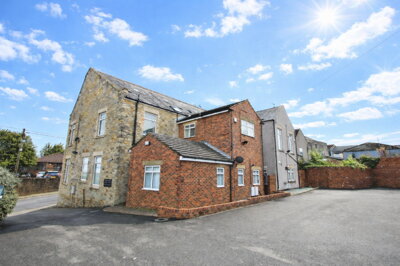
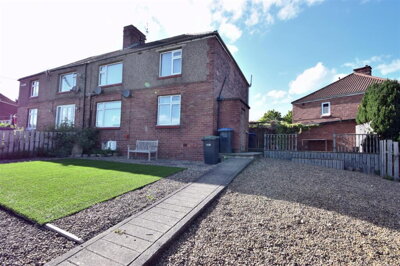
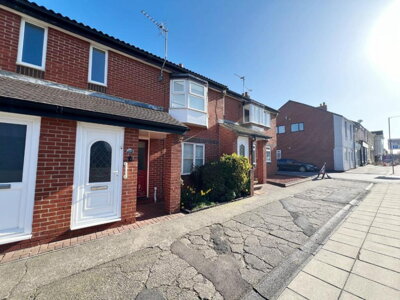
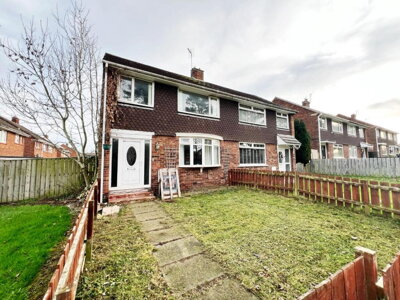
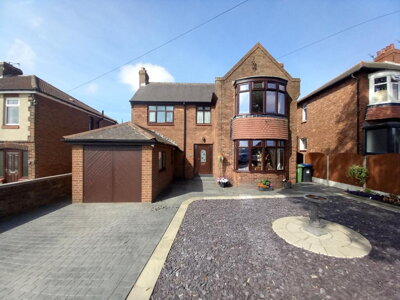
Browse 7 homes for sale in Ferryhill, County Durham from local estate agents.
Studio apartments feature open-plan living spaces without separate bedrooms, incorporating sleeping, living, kitchen, and bathroom facilities. The Ferryhill studio market includes properties in modern apartment complexes, converted Victorian and Georgian buildings, and purpose-built developments.
£0k
0
0
0
Source: home.co.uk
Showing 0 results for Studio Flats for sale in Ferryhill, County Durham.
The property market in Ambleston reflects the character of this small rural community, with detached homes commanding higher prices than semi-detached properties. Our current listings show detached properties averaging £317,500, while semi-detached homes are available at around £225,000, making Ambleston accessible for various budgets. The market has experienced a 10% price decrease over the past twelve months, creating potential opportunities for buyers who may find better value than in previous years. However, with only two recorded sales in the area recently, the market remains relatively quiet and properties can be competitive when they do become available.
New build development in Ambleston is virtually non-existent, as is typical for small villages in rural Pembrokeshire. Rather than large housing estates, development tends to occur through individual plots or conversions of existing agricultural buildings, which can offer unique opportunities for buyers seeking character properties with modern specifications. The existing housing stock is predominantly made up of older properties, many built before 1919 using traditional methods, with Pembrokeshire stone walls and natural slate roofing being common features. This means buyers should expect properties that require varying degrees of renovation or modernisation, presenting both challenges and opportunities for those seeking a project.
The geology of Ambleston and the surrounding area is characterised by sedimentary rocks including Ordovician and Silurian shales, sandstones, and limestones, with superficial deposits of glacial till and boulder clay in places. These clay-rich soils can present shrink-swell risks for foundations, particularly during periods of extreme wet or dry weather, which buyers should factor into their property assessments. Properties in the village often feature traditional Pembrokeshire sandstone construction, rendered walls, and some brickwork, alongside slate roofing that adds to the areas distinctive character. Our team regularly monitors new listings across Ambleston and the wider SA62 postcode area, ensuring you have access to the most current information about available properties.

Ambleston offers a genuinely rural Welsh lifestyle that has become increasingly rare in modern Britain. The community had a population of 339 residents across 139 households according to the 2011 Census, making it a small but vibrant village where neighbours know each other by name. The village is centred around St Mary's Church, a listed building that serves as both a spiritual centre and a historical landmark for the community. Local life revolves around the surrounding agricultural landscape, with small farms producing dairy and livestock, while tourism contributes significantly to the wider economy of Pembrokeshire.
The wider Pembrokeshire area brings substantial benefits to Ambleston residents, including access to beautiful coastline, the Pembrokeshire Coast Path, and numerous outdoor activities. While the village itself has limited shops, larger towns provide all necessary amenities, and many residents appreciate the balance between village tranquility and town convenience. The local economy primarily relies on agriculture, tourism, and small businesses, with commuting to towns like Haverfordwest or Fishguard being common for those working in professional sectors. The sense of community in villages like Ambleston often includes village halls, local events, and a genuine welcoming atmosphere that appeals to families and retirees alike.
For those drawn to the outdoor lifestyle, Pembrokeshire offers exceptional opportunities including coastal walks, water sports, and wildlife watching throughout the year. The proximity to the Preseli Hills provides additional walking and cycling routes with stunning views across the county. Many Ambleston residents enjoy the best of both worlds, benefiting from the villages peaceful setting while having easy access to the dramatic coastline and beaches that draw visitors from across the UK. The changing seasons bring different attractions, from spring lambing on local farms to autumn storms watched from cosy cottage interiors, creating a rhythm of life connected to the natural world.
Education for children in Ambleston typically begins at local primary schools in the surrounding villages, with families often travelling to nearby settlements for early years and primary education. The rural nature of Pembrokeshire means that primary schools serve wider catchment areas than their urban counterparts, and parents should research specific school allocations based on their intended property location. Primary education in the area aims to provide solid foundations in literacy, numeracy, and Welsh language, reflecting Pembrokeshire's bilingual heritage. Schools in the region have various Ofsted ratings, so prospective parents should check current performance data before committing to a property purchase.
Secondary education options include schools in Haverfordwest and Fishguard, which are accessible by bus services from Ambleston and surrounding villages. These schools offer broader curriculum choices, specialist facilities, and extracurricular activities that smaller primary schools cannot provide. For families considering secondary school options, the travel implications from a village location like Ambleston should factor into property decisions. Sixth form provision is available at secondary schools in larger towns, while further education colleges in Haverfordwest offer vocational and academic courses for older students. The Welsh language is strongly supported in Pembrokeshire schools, providing children with valuable bilingual skills that are highly valued in the Welsh job market.
For families prioritising education in their property search, visiting potential schools and speaking directly with staff can provide invaluable insights beyond official statistics. The bilingual nature of Pembrokeshire education means children can develop fluency in both English and Welsh, opening doors to additional career opportunities in public services, media, and government roles throughout Wales. Private education options are limited in rural Pembrokeshire, so state school provision forms the backbone of educational provision for most families living in Ambleston and surrounding villages.
Transport options from Ambleston reflect its rural location, with private vehicles being the most practical means of daily travel for most residents. The village is situated approximately 10 miles from Haverfordwest, the largest town in Pembrokeshire, which provides comprehensive shopping, healthcare, and employment opportunities. Major roads connect Ambleston to the A40 and A487, providing routes to Fishguard, St Davids, and the western edges of Pembrokeshire. Bus services operate in the area, though frequencies are limited compared to urban routes, making car ownership essential for most residents.
For those commuting to work, Haverfordwest offers the most significant employment hub, while Fishguard provides additional options including the ferry port to Ireland for international travel. Rail connections are available at Haverfordwest and Fishguard stations, linking Pembrokeshire to the broader Welsh rail network and services to Cardiff and beyond. Cycling is popular in Pembrokeshire for both recreation and commuting, with the generally gentle topography of inland areas making cycling accessible for most fitness levels. The proximity of Ambleston to the coast means that summer traffic on local roads can increase significantly, a consideration for those planning regular commuting patterns.
Fishguard harbour provides regular ferry services to Rosslare in Ireland, making Ambleston surprisingly well-connected for international travel compared to more isolated parts of Britain. For domestic rail travel, the journey from Haverfordwest to Cardiff takes approximately three hours, with connections to London and other major UK destinations available from the Welsh capital. Daily commuters should budget for fuel costs and vehicle maintenance, as rural driving typically increases wear and tear compared to urban journeys. Some residents work remotely, leveraging high-speed broadband connections to conduct business from their Ambleston homes without the need for daily travel to offices.
Start by exploring current listings in Ambleston through Homemove and understanding the average prices for detached properties at £317,500 and semi-detached homes around £225,000. Consider visiting the village to get a feel for the community and checking local amenities in nearby towns like Haverfordwest. With limited property availability, being prepared before properties come to market can give buyers a significant advantage in this tight-knit community.
Before viewing properties, obtain a mortgage agreement in principle from a lender to understand your budget and demonstrate your seriousness to sellers. With properties in this price range, most buyers require residential mortgages, and speaking to a mortgage broker can help find the best rates available. Having finance in place signals to sellers that you are a serious buyer ready to move quickly, which can be decisive when purchasing in a small village market with limited stock.
Arrange viewings of suitable properties in Ambleston, paying particular attention to the condition of older properties built using traditional methods. Many homes feature stone walls and slate roofs that may require ongoing maintenance, so assess whether renovation costs fit within your budget. Our team can arrange viewings at your convenience and provide context about the local area during property visits, helping you build a complete picture of each home you consider.
For older properties in Ambleston, a RICS Level 2 Survey is essential to identify defects common in the area, including potential damp issues, slate roof condition, and any signs of subsidence related to the local clay soils. Survey costs in Pembrokeshire typically range from £400 to £800 depending on property size, and this investment can reveal issues not visible during standard viewings. Our inspectors understand local construction methods and can provide detailed reports on traditional Pembrokeshire stone properties.
Choose a conveyancing solicitor to handle the legal aspects of your purchase, including searches on the property, checking flooding risks from surface water, and ensuring all planning permissions are in order. Local solicitors familiar with Pembrokeshire properties can provide valuable insights into any listed building considerations that may affect your purchase. The solicitor will also conduct drainage and environmental searches specific to the SA62 postcode area, identifying any issues that might affect your enjoyment of the property.
Once all surveys, searches, and mortgage arrangements are finalised, your solicitor will coordinate the exchange of contracts and set a completion date. With Ambleston's small village market, coordination between all parties is important to ensure a smooth transaction. Our team stays in touch throughout the process, ensuring you receive regular updates and can celebrate moving into your new Ambleston home as smoothly as possible.
Properties in Ambleston often feature traditional construction methods that differ significantly from modern homes, requiring careful consideration during the buying process. Pembrokeshire stone walls are common in older properties and provide excellent thermal mass, though solid wall construction means these homes may have higher heating costs than modern properties with cavity wall insulation. Slate roofs are another traditional feature that adds character but may require ongoing maintenance, including occasional replacement of individual slates or repair of leadwork around chimneys and valleys. Our inspectors regularly assess these traditional features and can advise on repair costs and maintenance requirements during the survey process.
The geology of Ambleston and surrounding Pembrokeshire includes clay-rich soils that can present shrink-swell risks for foundations, particularly during periods of extreme wet or dry weather. Buyers should look for signs of movement or cracking that might indicate subsidence issues, especially in properties with trees nearby or inadequate drainage. A thorough RICS Level 2 Survey will identify any structural concerns and help you understand potential repair costs before committing to a purchase. Properties with nearby watercourses or those in low-lying areas may face surface water flooding during heavy rainfall, so checking with Natural Resources Wales is advisable before purchasing in any specific location.
Pembrokeshire is identified as an area where radon gas levels can be higher than the national average in some properties, making testing and potential mitigation a consideration for buyers in Ambleston. This colourless, odourless radioactive gas occurs naturally in certain geological formations and can accumulate in buildings with limited ventilation, particularly those with solid floors or below-ground rooms. Our RICS Level 2 Surveys can identify properties that may benefit from radon testing, and simple mitigation measures such as positive ventilation systems are widely available if required. Outdated electrical systems and plumbing are common in properties built before the 1980s, so our inspectors pay particular attention to these services during surveys of traditional Ambleston homes.
The presence of listed buildings in Ambleston, including St Mary's Church, means that specific planning controls apply to certain properties, potentially limiting renovation options or requiring listed building consent for alterations. If you are considering a listed property, factor in the additional costs and requirements of maintaining historic features to acceptable standards. Freehold ownership is predominant in rural Pembrokeshire, with leasehold properties being less common than in urban areas, which simplifies some aspects of the purchase process. Always review service charges and ground rent arrangements carefully if purchasing a property with shared amenities, and ask our team about local property types and ownership structures common in the Ambleston area.
The average house price in Ambleston is currently £279,950, with detached properties averaging £317,500 and semi-detached homes around £225,000. Prices have decreased by 10% over the past twelve months, creating potential opportunities for buyers. However, with only two property sales recorded in the area recently, market activity is limited, and available properties may be relatively scarce compared to larger towns in Pembrokeshire. Our team monitors the Ambleston market continuously, and we can alert you to new listings before they appear on broader property portals.
Properties in Ambleston fall under Pembrokeshire County Council's jurisdiction, with council tax bands ranging from A to H depending on property value. Most rural properties in the SA62 postcode area typically fall into bands A through D, with band A being the lowest. You can check specific bandings on the Welsh Government website or request confirmation from the selling solicitor during the conveyancing process. For budgeting purposes, band D properties typically pay around £1,800-£2,000 per year in council tax, though actual amounts should be confirmed with the current vendor or Pembrokeshire County Council directly.
As a small village, Ambleston does not have its own primary school, so children typically attend schools in nearby villages or travel to larger settlements. Parents should research specific catchments and Ofsted ratings for schools in the surrounding area, including primary options in Wolfscastle and secondary schools in Haverfordwest or Fishguard. Pembrokeshire schools emphasise Welsh language education, providing children with valuable bilingual skills that are beneficial throughout their education and future careers. The bus services connecting Ambleston to secondary schools in Haverfordwest and Fishguard operate on set timetables, so families should confirm routes and timings before committing to a property purchase.
Public transport options from Ambleston are limited due to its rural location, with bus services operating less frequently than in urban areas. Most residents rely on private vehicles for daily travel, with Haverfordwest approximately 10 miles away and Fishguard similarly accessible by car. Rail connections are available at Haverfordwest and Fishguard stations, providing access to the broader Welsh rail network. Prospective buyers without cars should carefully consider the practical implications of limited public transport before purchasing in Ambleston, as daily essential travel to shops, medical appointments, and other services would be challenging without private transport.
Ambleston offers a peaceful rural lifestyle that appeals to buyers seeking escape from urban congestion, though the property market is very small with minimal transaction volumes. The 10% price decrease over twelve months suggests a buyers market, though limited availability means opportunities may be infrequent. Rural Pembrokeshire properties generally maintain their value well due to consistent demand from buyers seeking countryside living, and the areas tourism economy supports local property values. However, investors should consider that rental demand in small villages may be limited compared to larger towns, and any rental plans would need to account for the seasonal nature of tourism-related demand in Pembrokeshire.
Stamp duty land tax rates for residential properties purchased in 2024-25 are 0% on the first £250,000, 5% on the portion from £250,001 to £925,000, 10% up to £1.5 million, and 12% above that threshold. For a typical Ambleston property at the average price of £279,950, you would pay no stamp duty on the first £250,000 and 5% on the remaining £29,950, totalling £1,497.50. First-time buyers purchasing properties up to £625,000 may qualify for relief that raises the nil-rate threshold to £425,000, potentially eliminating stamp duty entirely on properties at the Ambleston average price. Always verify current thresholds with HMRC or your solicitor, as these rates can change with each budget.
Property buyers in Ambleston should be aware of several environmental factors relevant to the area. The clay-rich soils underlying much of Pembrokeshire can cause foundation movement during extreme weather conditions, so our RICS Level 2 surveys specifically check for signs of subsidence or structural movement. Additionally, radon gas levels in some Pembrokeshire properties exceed the national average, and testing is advisable for all purchases in the area. Surface water flooding can occur during heavy rainfall, particularly for properties near watercourses or in low-lying positions, and we recommend checking Natural Resources Wales flood maps before purchasing any specific property.
Most properties in Ambleston were built using traditional methods before modern building regulations, with Pembrokeshire stone walls, solid floor construction, and slate roofing being characteristic features. These traditional construction methods often result in properties with poor thermal insulation and higher heating costs compared to modern homes, as solid walls cannot accommodate cavity insulation. Our RICS Level 2 surveys assess the condition of traditional building elements, including stonework pointing, slate tile condition, and timber roof structures, identifying repair and improvement works that buyers should budget for. Properties with historic features may also be subject to planning controls that affect renovation options.
From 4.5% APR
Find competitive mortgage rates for your Ambleston property purchase
From £499
Expert legal services for your property purchase in Pembrokeshire
From £400
Detailed survey of your potential Ambleston property by our qualified inspectors
From £80
Energy performance certificate for your new Ambleston home
Understanding the additional costs of buying property in Ambleston is essential for budgeting accurately, beyond the property purchase price itself. Stamp duty land tax for a property at the Ambleston average price of £279,950 would cost £1,497.50 under current 2024-25 rates, with no tax on the first £250,000 and 5% on the balance. First-time buyers may benefit from relief that increases the nil-rate band to £425,000, potentially eliminating stamp duty entirely on properties within that threshold. Always verify current thresholds with your solicitor or HMRC, as stamp duty rates are subject to change with each fiscal event.
Survey costs for older properties in Ambleston are particularly important given the traditional construction methods common in rural Pembrokeshire. A RICS Level 2 Survey typically costs between £400 and £800 depending on property size, with larger detached homes at the higher end of this range. Given that many Ambleston properties are likely over 50 years old, this investment can identify significant defects such as damp, roof issues, or subsidence risks from local clay soils. For listed properties, a more detailed RICS Level 3 Building Survey may be appropriate despite higher costs, as these older homes often have unique construction features that require specialist assessment. Our team can recommend the most suitable survey level based on the specific property you are purchasing.
Legal costs for conveyancing in Pembrokeshire typically start from around £499 for straightforward purchases, though more complex transactions involving listed buildings or agricultural land may incur higher fees. Additional costs include local authority searches, which check for planning conditions, road schemes, and environmental factors relevant to Ambleston properties. Mortgage arrangement fees vary by lender but often range from 0% to 1% of the loan amount, while valuation fees typically cost between £150 and £500 depending on property value. Building insurance should be arranged from the point of exchange, and life and buildings insurance products can be compared through Homemove to ensure comprehensive coverage from day one of ownership. Removal costs, potential renovation works, and connection fees for utilities should also be factored into your overall budget when calculating the true cost of purchasing in Ambleston.

Properties for Sale In London

Properties for Sale In Plymouth

Properties for Sale In Liverpool

Properties for Sale In Glasgow

Properties for Sale In Sheffield

Properties for Sale In Edinburgh

Properties for Sale In Coventry

Properties for Sale In Bradford

Properties for Sale In Manchester

Properties for Sale In Birmingham

Properties for Sale In Bristol

Properties for Sale In Oxford

Properties for Sale In Leicester

Properties for Sale In Newcastle

Properties for Sale In Leeds

Properties for Sale In Southampton

Properties for Sale In Cardiff

Properties for Sale In Nottingham

Properties for Sale In Norwich

Properties for Sale In Brighton

Properties for Sale In Derby

Properties for Sale In Portsmouth

Properties for Sale In Northampton

Properties for Sale In Milton Keynes

Properties for Sale In Bournemouth

Properties for Sale In Bolton

Properties for Sale In Swansea

Properties for Sale In Swindon

Properties for Sale In Peterborough

Properties for Sale In Wolverhampton

Enter your details to see if this property is within your budget.
Loans, cards, car finance
Estimated property budget
Borrowing + deposit
You could borrow between
Typical borrowing
Monthly repayment
Est. at 4.5%
Loan-to-value
This is an estimate only. Your actual budget may vary depending on interest rates, credit history, and personal circumstances. For an accurate affordability assessment, speak to one of our free mortgage advisors.
This calculator provides estimates for illustrative purposes only and does not constitute financial advice. Your home may be repossessed if you do not keep up repayments on your mortgage. Estimates based on 4.5% interest rate, repayment mortgage. Actual rates depend on your circumstances.
Homemove is a trading name of HM Haus Group Ltd (Company No. 13873779, registered in England & Wales). Homemove Mortgages Ltd (Company No. 15947693) is an Appointed Representative of TMG Direct Limited, trading as TMG Mortgage Network, which is authorised and regulated by the Financial Conduct Authority (FRN 786245). Homemove Mortgages Ltd is entered on the FCA Register as an Appointed Representative (FRN 1022429). You can check registrations at NewRegister or by calling 0800 111 6768.

We use cookies to show you personalised content and improve your experience of our website. Find out more in our Privacy policy and Cookie policy.