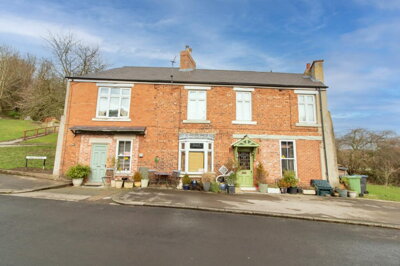
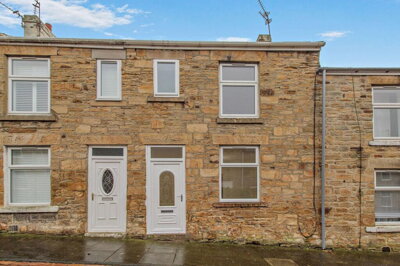
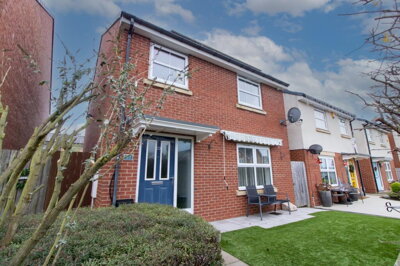
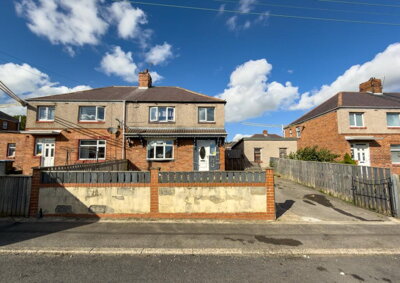
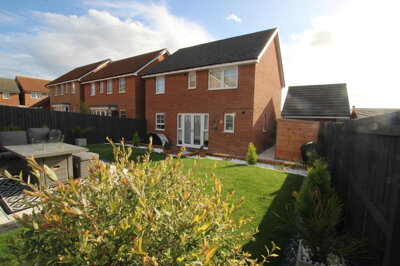
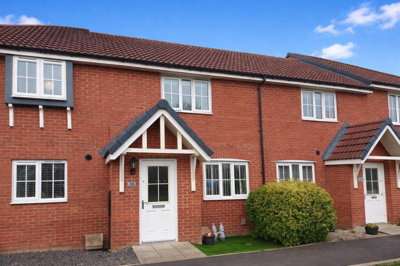
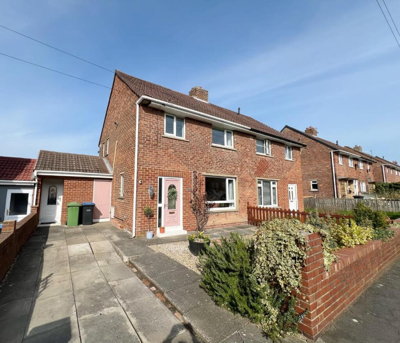
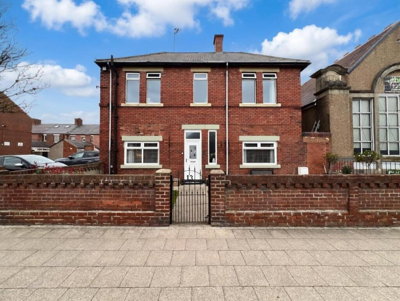
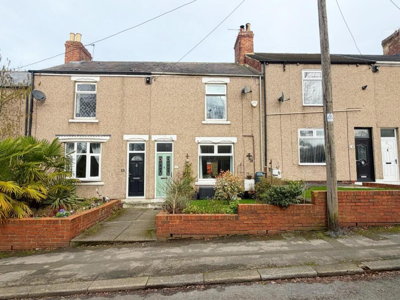
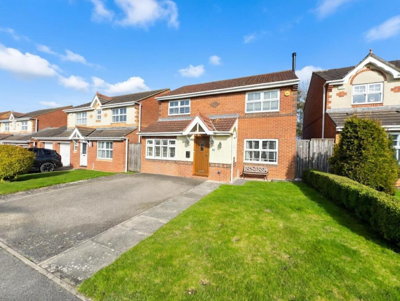
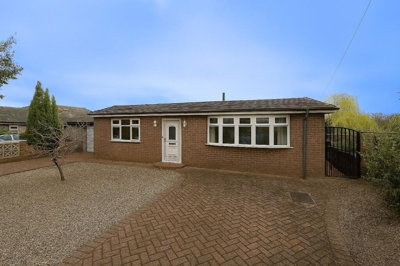
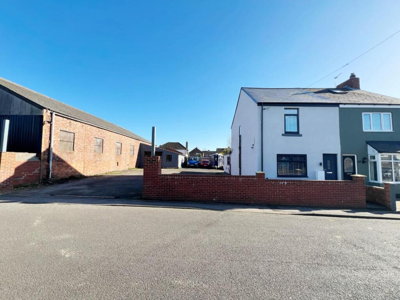
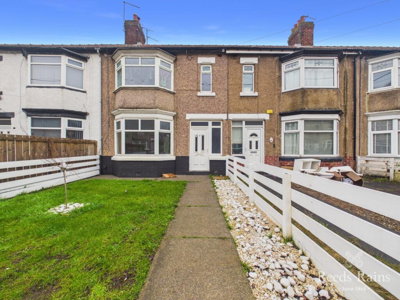
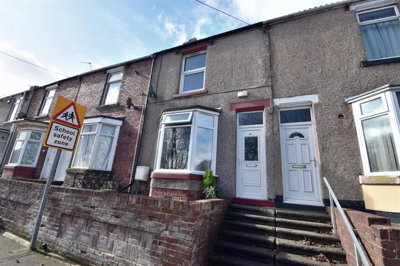
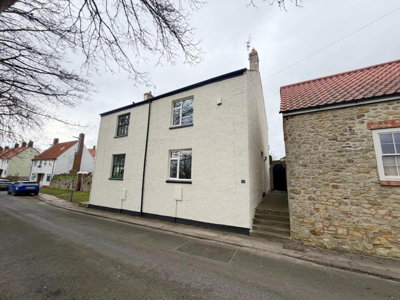
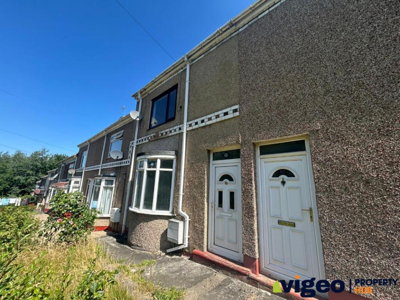
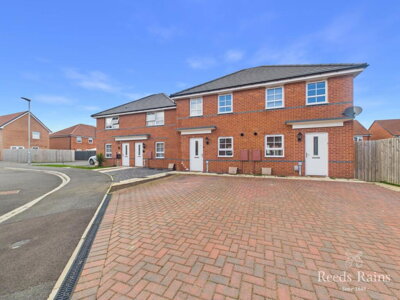
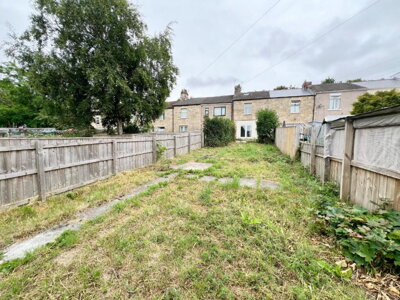
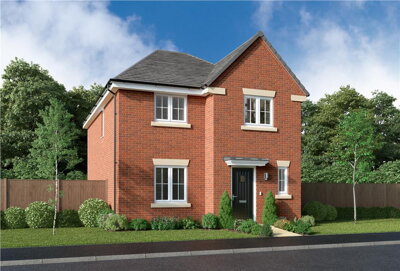
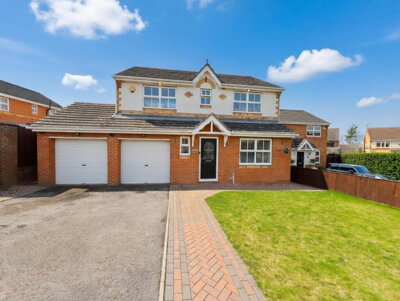
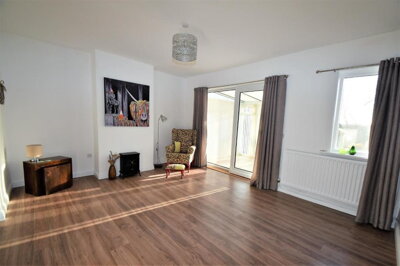
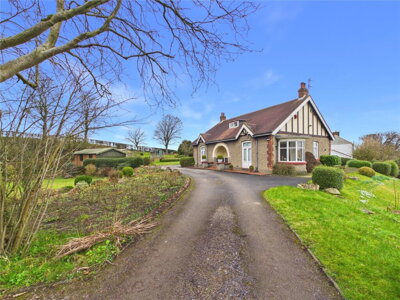
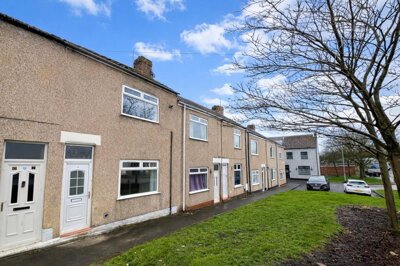
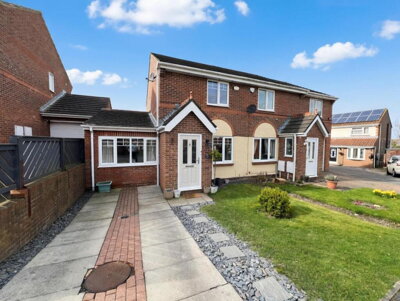
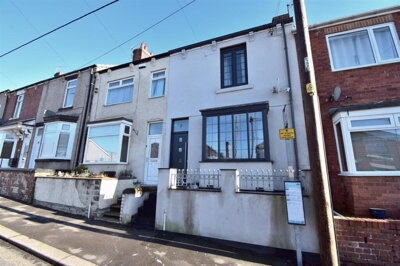
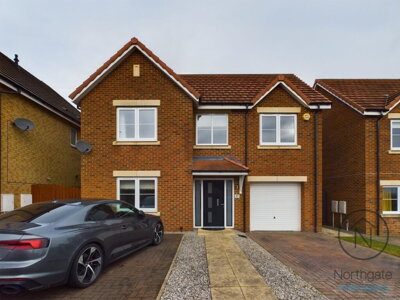
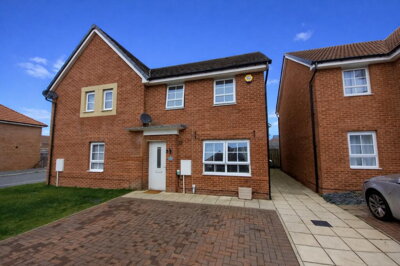
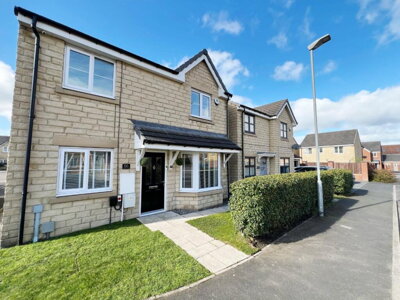
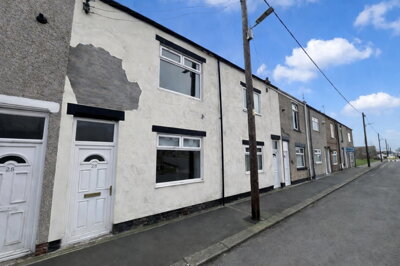
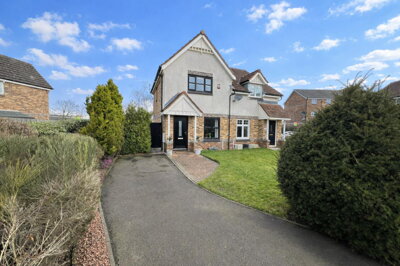
Browse 310 homes for sale in Ferryhill, County Durham from local estate agents.
The Ferryhill property market offers detached, semi-detached, and terraced houses spanning various price ranges and neighbourhoods. Each listing includes detailed property information, photographs, and direct contact with the marketing agent.
£105k
46
0
124
Source: home.co.uk
Showing 46 results for Houses for sale in Ferryhill, County Durham. The median asking price is £104,975.
Source: home.co.uk
Terraced
23 listings
Avg £67,226
Detached
14 listings
Avg £227,348
Semi-Detached
9 listings
Avg £131,204
Source: home.co.uk
Source: home.co.uk
The Ambleston property market operates on a smaller scale than urban areas, with just 2 property sales recorded in the village over the past twelve months. This limited transaction volume is characteristic of rural Welsh villages where homes change hands infrequently, often remaining within families or local networks for generations. The overall average price of £279,950 provides a useful benchmark for buyers, though individual properties may command significantly higher or lower values depending on their size, condition, and specific features. Our data shows that detached properties in the village average £317,500, reflecting the premium placed on space and privacy that rural buyers typically seek.
Price trends in Ambleston have shown a 10% decrease over the past twelve months, aligning with broader adjustments in the rural property market across Pembrokeshire. This market softening presents potential opportunities for buyers who may find more negotiating room compared to the competitive bidding scenarios that prevailed in previous years. Semi-detached properties in Ambleston average around £225,000, offering a more affordable pathway onto the property ladder for those who do not require the additional space that detached homes provide. Notably, terraced properties and flats are scarce in the village, reflecting the historical development pattern of rural Pembrokeshire where detached and semi-detached houses have long predominated.
New build activity in Ambleston remains minimal, consistent with the pattern across rural Pembrokeshire where development tends to occur as sporadic individual plots rather than larger housing developments. This scarcity of new build stock means that buyers seeking modern construction standards or energy-efficient homes may need to consider properties requiring some modernisation or investigate nearby larger settlements where new developments are more likely to emerge. The traditional construction found throughout the village, including properties built with local Pembrokeshire stone and traditional slate roofing, contributes significantly to the area's visual character and often reflects the solid craftsmanship of earlier eras.

Life in Ambleston centres around the rhythms of rural Wales, where the 339 residents of this community enjoy a quality of life that city dwellers often yearn for but rarely experience. The village forms part of the broader Ambleston community area, which encompasses the surrounding farmland and smaller settlements, creating a tight geographical and social unit where neighbours know one another and community events bring people together throughout the year. The presence of St Mary's Church, a listed building that anchors the village spiritually and architecturally, serves as a focal point for both worship and community gatherings, embodying the historical continuity that characterises this ancient corner of Pembrokeshire.
The local economy around Ambleston draws primarily from agriculture, with family farms scattered across the surrounding countryside producing livestock and crops that have sustained communities here for centuries. Tourism also plays a significant role in the wider Pembrokeshire economy, with visitors drawn to the county's stunning coastline, national park, and outdoor activities. For residents of Ambleston, this means access to a vibrant visitor economy that supports local pubs, farm shops, and artisan businesses without the visual intrusion of mass tourism that affects some other parts of Wales. The village sits comfortably positioned between the market towns of Haverfordwest and Fishguard, each offering essential services, supermarkets, and employment opportunities within a reasonable driving distance.
The natural environment surrounding Ambleston provides exceptional recreational opportunities for residents who appreciate outdoor pursuits. Rolling farmland gives way to dramatic coastal landscapes within a short journey, while the Preseli Hills offer walking and cycling routes with breathtaking views across Cardigan Bay. The geology of the area, characterised by Ordovician and Silurian sedimentary rocks including shales, sandstones, and limestones, creates varied terrain with streams and valleys that attract geology enthusiasts and nature lovers alike. Local wildlife, including rare birds and butterflies that thrive in the hedgerow-rich farmland, provides year-round interest for those who take time to observe the natural world unfolding around them.

Families considering a move to Ambleston will find educational provision arranged across a network of primary and secondary schools serving the rural communities of Pembrokeshire. Younger children in Ambleston typically attend their nearest primary school, which in rural settings often means a small, community-focused school where class sizes remain modest and teachers develop close relationships with each pupil. The village's small population means that local primary schools may have limited capacity, so parents are advised to investigate catchment areas and availability well in advance of any planned move. Many rural Pembrokeshire primary schools benefit from strong community involvement and outdoor learning opportunities that take advantage of the stunning natural environment surrounding them.
Secondary education for Ambleston residents is generally accessed through schools in the nearby market towns, with pupils typically travelling by school bus services that connect rural villages to larger schools offering broader curriculum choices and specialist facilities. Schools in towns like Haverfordwest and Fishguard provide comprehensive secondary education with opportunities to study sciences, humanities, languages, and creative subjects in well-equipped environments. Parents should research specific school performance data, including recent GCSE results and Ofsted inspection outcomes, to identify the most suitable options for their children's educational needs. The Welsh-medium education option is strong throughout Pembrokeshire, with numerous schools offering teaching through the Welsh language for families who wish their children to grow up bilingual.
For post-sixteen education, students from Ambleston can access further education colleges in Haverfordwest, which provide vocational qualifications, A-levels, and apprenticeships across a wide range of subject areas. The campus colleges and training providers serve students from across Pembrokeshire, offering pathways into higher education, professional qualifications, or direct employment. University-level study typically requires travel to larger centres such as Swansea or Cardiff, though many students now combine campus-based learning with online study options that reduce the need for full-time relocation. Families moving to Ambleston from further afield should consider these educational pathways when evaluating the long-term suitability of the village for their children's academic progression.
Transport connectivity from Ambleston reflects its status as a rural Pembrokeshire village, with residents accustomed to using private vehicles as their primary means of transport for most daily activities. The village sits approximately 15-20 minutes' drive from Haverfordwest, the county town, where comprehensive shopping, healthcare, and employment opportunities are concentrated. Fishguard, offering ferry connections to Rosslare in Ireland, lies within similar driving distance, providing international travel options that connect Pembrokeshire directly to continental Europe. The A40 trunk road, which passes through nearby towns, provides the main arterial route connecting the region to the rest of Wales and England, though journey times to major English cities remain substantial.
Public transport options serving Ambleston include bus routes that connect the village to neighbouring towns and villages, though frequencies are limited compared to urban services and generally orientated toward market day and school travel patterns. Residents planning to rely on public transport should carefully review current timetables and consider whether service frequencies meet their practical needs for work, shopping, and social activities. The nearest railway stations are located in Haverfordwest and Fishguard, offering connections to the broader Welsh rail network and direct services to major cities including Cardiff and Manchester for those willing to travel to the station. For commuters who work in offices located further afield, the driving distances involved mean that remote working has become an increasingly practical option that allows Ambleston residents to enjoy countryside living while maintaining professional careers.
For those who cycle, the quiet country lanes surrounding Ambleston offer pleasant riding opportunities, though the hilly terrain requires reasonable fitness levels. National cycle routes pass through parts of Pembrokeshire, though direct access from Ambleston may involve travel to nearby trail heads. Walking is a popular activity, with footpaths and bridleways criss-crossing the surrounding farmland and coastline, allowing residents to explore the local landscape without needing transport. Parking in Ambleston itself is generally straightforward due to the village's low volume of traffic, a contrast to the parking challenges faced by residents of larger towns and cities throughout the UK.
Before making an offer on any property, spend time exploring Ambleston at different times of day and week to understand the community atmosphere, noise levels from farming activities, and the availability of services you rely upon. Review the recent sales data for the village to understand how property prices have moved and what similar properties have sold for recently.
Contact mortgage lenders or brokers to obtain an Agreement in Principle before you start viewing properties. Having your financing confirmed strengthens your position as a buyer and demonstrates to sellers that you are a serious prospect. Factor in all purchase costs including solicitor fees, survey costs, and Stamp Duty to ensure your budget covers the full cost of buying.
Use our search tool to identify properties matching your requirements and contact the listed estate agents to arrange viewings. In a village with limited stock, be prepared to move quickly when suitable properties become available. Take someone with you to viewings who can offer a second opinion on the property's condition and potential issues.
Once your offer is accepted, instruct a qualified surveyor to conduct a RICS Level 2 Survey on the property. Given that many Ambleston properties are likely over 50 years old with traditional construction, this survey will identify any structural issues, damp problems, or defects that may require attention or negotiation with the seller before completion.
Choose a solicitor with experience in Welsh property transactions to handle the legal aspects of your purchase. They will conduct searches, liaise with the seller's solicitors, and manage the transfer of funds. For properties with listed building status, ensure your solicitor is familiar with the additional considerations this entails.
Your solicitor will coordinate the final checks and arrange for you to sign contracts before depositing funds. On completion day, the remaining balance is transferred and you receive the keys to your new Ambleston home. Celebrate your purchase and begin settling into your new community.
Properties in Ambleston typically feature traditional construction methods that require careful inspection by any prospective buyer. The prevalence of older stone-built properties throughout the village means that issues such as damp penetration, timber rot, and roof deterioration are realistic concerns that may not be immediately apparent during a casual viewing. A thorough RICS Level 2 Survey becomes particularly valuable in this context, providing professional assessment of the property's condition and identifying any works that may be required in the short to medium term. Pay particular attention to the condition of slate roofs, which are common throughout the village and can be expensive to repair or replace.
The presence of clay soils in parts of Ambleston, including glacial till and boulder clay deposits, creates potential shrink-swell risk for property foundations. This geological consideration means that properties with trees located nearby or those that have experienced drainage issues may show signs of movement or cracking that requires professional assessment. Buyers should examine walls, floors, and door frames for any signs of cracking that might indicate foundation movement, and discuss any concerns with the surveyor before proceeding. Properties located near watercourses or in lower-lying areas may also face increased surface water flood risk during periods of heavy rainfall.
Electrical wiring and plumbing systems in properties built before the 1980s frequently require updating to meet modern safety standards, and this consideration applies to many homes throughout Ambleston. Rewiring a property can be disruptive and costly, so understanding the condition of the electrics before purchase allows buyers to factor these costs into their offer or negotiate accordingly. Similarly, older plumbing systems using lead or galvanised steel pipes may need complete replacement, with associated costs that can quickly escalate beyond initial expectations.
Pembrokeshire is identified as an area where radon gas levels can be higher than the national average in some properties, making testing a sensible consideration when purchasing in Ambleston. This colourless, odourless radioactive gas occurs naturally in certain geological formations and can accumulate in buildings without adequate ventilation. Properties with basements or limited airflow may be particularly susceptible, and testing costs are relatively modest compared to potential mitigation measures if elevated levels are detected.
Listed building status affects some properties in Ambleston, including St Mary's Church and potentially other residential properties within the village. If you are considering a listed building purchase, understand that any alterations, extensions, or significant works will require listed building consent from Pembrokeshire County Council, adding both time and cost to any renovation projects. The additional planning constraints are balanced by the property's historical character and often superior construction quality, but buyers should factor these considerations into their decision-making process. For older properties generally, check whether adequate insulation has been installed, as thermal performance in traditional solid-walled buildings may fall well below modern standards.
The current average house price in Ambleston stands at £279,950 based on recent sales data. Detached properties command higher prices averaging around £317,500, while semi-detached homes average approximately £225,000. However, with only 2 property sales recorded in the village over the past twelve months, buyers should treat these figures as indicative rather than definitive, as limited transaction volume means individual property characteristics can significantly influence actual sale prices. The 10% price decrease recorded over the past year suggests that the market may offer opportunities for buyers who take time to identify properties that meet their requirements.
Properties in Ambleston fall under Pembrokeshire County Council's jurisdiction for council tax purposes. The specific band assigned to a property depends on its assessed value, with bands ranging from A through to H. Rural properties with traditional construction or those of historical interest may have been assessed using different criteria than modern urban homes. Prospective buyers should check the specific band for any property they are considering through the Valuation Office Agency website or request this information from the seller's solicitor during the conveyancing process.
Primary education is served by local village schools within reasonable driving distance of Ambleston, offering small class sizes and community-focused education. For secondary education, schools in Haverfordwest and Fishguard serve students from the Ambleston area, with various options available including Welsh-medium education for families seeking bilingual schooling. Parents should research current performance data and Ofsted ratings for specific schools, as well as understanding catchment area boundaries which can affect placement decisions. Post-sixteen education options are available at further education colleges in Haverfordwest.
Public transport connectivity from Ambleston is limited, reflecting the village's rural location. Bus services operate but with frequencies far below those found in urban areas, typically orientated around market days and school travel times. The nearest railway stations are in Haverfordwest and Fishguard, offering connections to the broader Welsh rail network. Most residents rely on private vehicles for daily transport needs, and prospective buyers who do not drive should carefully assess whether current public transport options meet their practical requirements before committing to a purchase.
Property investment in Ambleston should be approached with realistic expectations about rental demand and capital growth prospects. The village's small size and limited local employment mean that tenant demand from professionals seeking to commute may be limited compared to commuter villages near major cities. However, the county of Pembrokeshire attracts tourists year-round, and properties with holiday let potential could generate income for owners willing to manage the commitment this requires. Capital growth prospects depend on broader economic conditions and any future development in the area, though rural property markets typically experience more modest appreciation than urban equivalents.
Stamp Duty Land Tax rates for residential purchases in Wales are currently set at 0% on the first £225,000 of property value, 5% on the portion between £225,001 and £400,000, 7.5% between £400,001 and £750,000, and 10% between £750,001 and £1,500,000, with a higher rate of 12% applying above £1,500,000. First-time buyers in Wales may qualify for relief on properties up to £260,000. Given that the average property price in Ambleston is around £279,950, most buyers would expect to pay Stamp Duty on the portion above £225,000. Always verify current rates with HMRC or your solicitor, as thresholds are subject to government review.
From 4.5% APR
Compare competitive mortgage deals from trusted lenders
From £499
Expert solicitors handling your Ambleston property purchase
From £400
Professional survey recommended for all Ambleston property purchases
From £85
Energy performance certificate for your new home
Buying a property in Ambleston involves several costs beyond the purchase price itself, and understanding these expenses in advance helps buyers budget effectively for their move. The most significant additional cost is Stamp Duty Land Tax, which applies to all property purchases above the current threshold. For a typical Ambleston property priced around the village average of £279,950, a buyer who is not a first-time purchaser would pay Stamp Duty on the portion above £225,000, which at the current 5% rate would amount to approximately £2,748. First-time buyers benefiting from Welsh first-time buyer relief would only pay Stamp Duty on the portion above the relief threshold of £260,000, significantly reducing or eliminating this cost depending on the property value.
Solicitors' fees for conveyancing in Pembrokeshire typically range from £500 to £1,500 depending on the complexity of the transaction and whether the property is freehold or leasehold. Additional legal costs include search fees charged by local authorities for drainage and water searches, environmental searches, and any specialist reports required such as coal mining searches (though these are less relevant in Pembrokeshire than in other UK regions). For properties with listed building status, additional legal work relating to planning permissions and listed building consents may increase costs. Buyers should obtain quotes from several conveyancing solicitors to ensure competitive pricing while ensuring the firm has appropriate experience with rural Welsh property transactions.
A RICS Level 2 Survey represents a valuable investment for any buyer purchasing in Ambleston, particularly given the village's older housing stock and prevalence of traditional construction. Survey costs in Pembrokeshire typically range from £400 to £800 depending on property size and value, with larger or more complex properties commanding higher fees. While some buyers are tempted to skip the survey to reduce costs, this represents a false economy when purchasing an older property where hidden defects can result in significant unexpected expenditure. The survey report provides documented evidence of property condition that can be used to renegotiate the purchase price if significant issues are discovered or to ensure the buyer fully understands the maintenance commitments they are assuming.
Properties for Sale In London

Properties for Sale In Plymouth

Properties for Sale In Liverpool

Properties for Sale In Glasgow

Properties for Sale In Sheffield

Properties for Sale In Edinburgh

Properties for Sale In Coventry

Properties for Sale In Bradford

Properties for Sale In Manchester

Properties for Sale In Birmingham

Properties for Sale In Bristol

Properties for Sale In Oxford

Properties for Sale In Leicester

Properties for Sale In Newcastle

Properties for Sale In Leeds

Properties for Sale In Southampton

Properties for Sale In Cardiff

Properties for Sale In Nottingham

Properties for Sale In Norwich

Properties for Sale In Brighton

Properties for Sale In Derby

Properties for Sale In Portsmouth

Properties for Sale In Northampton

Properties for Sale In Milton Keynes

Properties for Sale In Bournemouth

Properties for Sale In Bolton

Properties for Sale In Swansea

Properties for Sale In Swindon

Properties for Sale In Peterborough

Properties for Sale In Wolverhampton

Enter your details to see if this property is within your budget.
Loans, cards, car finance
Estimated property budget
Borrowing + deposit
You could borrow between
Typical borrowing
Monthly repayment
Est. at 4.5%
Loan-to-value
This is an estimate only. Your actual budget may vary depending on interest rates, credit history, and personal circumstances. For an accurate affordability assessment, speak to one of our free mortgage advisors.
This calculator provides estimates for illustrative purposes only and does not constitute financial advice. Your home may be repossessed if you do not keep up repayments on your mortgage. Estimates based on 4.5% interest rate, repayment mortgage. Actual rates depend on your circumstances.
Homemove is a trading name of HM Haus Group Ltd (Company No. 13873779, registered in England & Wales). Homemove Mortgages Ltd (Company No. 15947693) is an Appointed Representative of TMG Direct Limited, trading as TMG Mortgage Network, which is authorised and regulated by the Financial Conduct Authority (FRN 786245). Homemove Mortgages Ltd is entered on the FCA Register as an Appointed Representative (FRN 1022429). You can check registrations at NewRegister or by calling 0800 111 6768.

We use cookies to show you personalised content and improve your experience of our website. Find out more in our Privacy policy and Cookie policy.