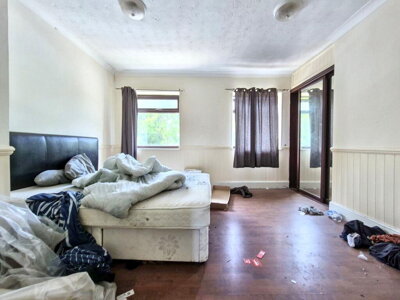
Browse 1 home for sale in Ferryhill, County Durham from local estate agents.
The 2 bed flat sector typically includes two separate bedrooms, dedicated living areas, and bathroom facilities. Properties in Ferryhill span purpose-built blocks, converted period houses, and modern apartment complexes on various floors.
£0k
0
0
0
Source: home.co.uk
Showing 0 results for 2 Bedroom Flats for sale in Ferryhill, County Durham.
The Ambleston property market reflects the character of rural Pembrokeshire, offering a limited but curated selection of homes that appeal to buyers prioritising space and architectural charm. Detached properties dominate the available stock, commanding an average price of £317,500 and providing generous gardens and countryside views that are difficult to find in urban settings. Semi-detached homes present a more accessible entry point at approximately £225,000, making them attractive to first-time buyers and growing families seeking the benefits of village life without the premium attached to larger detached houses.
Price trends over the past twelve months indicate a 10% decrease across all property types in Ambleston, creating potential opportunities for buyers who are ready to act in the current market conditions. This cooling period follows broader national adjustments in the housing market and may favour those who secure mortgage agreements in principle promptly. The village lacks significant new-build development, with most housing stock comprising traditional properties built from local stone and slate, offering buyers character homes that rarely come to market.
Properties in Ambleston typically feature solid wall construction, period features, and spacious plots that reflect the agricultural heritage of the area. The village sits within the SA62 postcode area, and buyers searching here will find a mix of pre-1919 period properties alongside homes from the mid-twentieth century. Given the age of much of the housing stock, we always recommend a thorough survey before committing to a purchase, as traditional construction methods require specialist assessment to identify potential defects that may not be apparent during a standard viewing.

Life in Ambleston centres on community, countryside, and a pace of living that contrasts sharply with urban life. The village forms part of a wider community area with a population of 339 residents across 139 households, fostering a close-knit atmosphere where neighbours know one another and local events bring people together throughout the year. The surrounding landscape comprises productive farmland, hedgerows, and woodland characteristic of inland Pembrokeshire, with the dramatic coastline of the national park accessible via country lanes within a short drive.
The geology of Ambleston consists predominantly of Ordovician and Silurian sedimentary rocks, including shales, sandstones, and limestones, overlaid in places by glacial boulder clay deposits. This geological foundation contributes to the rural charm of the area while also presenting practical considerations for property buyers, as clay-rich soils can exhibit shrink-swell behaviour that affects foundations during periods of extreme weather. Our inspectors regularly encounter properties on clay ground where careful assessment of foundation condition is essential before purchase.
Pembrokeshire is identified as an area where radon gas levels can exceed national averages in some properties, a factor worth investigating during the survey process. The presence of traditional Pembrokeshire stone in local construction reflects the area's geology, giving village homes their distinctive appearance while requiring standard maintenance approaches appropriate for solid wall buildings. The wider local economy is driven by agriculture, tourism, and small local businesses, with many residents commuting to Haverfordwest or Fishguard for employment opportunities.

Families considering a move to Ambleston will find educational provision centred on nearby village primary schools and secondary schools in the surrounding market towns. Ysgol Dyffryn Cledlyn and other local primaries serve the immediate community, offering small class sizes and strong community ties that many parents value for their children during the formative primary years. The village falls within the Pembrokeshire local education authority area, which maintains a range of schools across the county including Welsh-medium provision for families seeking bilingual education for their children.
Secondary education options include schools in Haverfordfordwest and Fishguard, both accessible via school transport links or the regional bus network that connects rural villages to larger towns. Parents are advised to check current catchment areas and admission policies directly with Pembrokeshire County Council, as these can change and may influence which schools serve specific addresses within the rural hinterland. The quality of education across Pembrokeshire is supported by regular Ofsted inspections, with several schools in the county achieving good or outstanding ratings in recent years.
Sixth form and further education opportunities are concentrated in Haverfordwest, the county town, where students can access a broader range of A-level subjects and vocational courses including construction, hospitality, and agricultural programmes relevant to the local economy. For families prioritising educational provision, the availability of school transport from Ambleston to secondary schools in surrounding towns makes daily commuting feasible for students of secondary school age.
Transport connections from Ambleston reflect its status as a rural Pembrokeshire village, with car travel forming the primary means of accessing surrounding towns and amenities. The village sits within easy reach of the A487 coastal road, providing routes north towards Cardigan and south towards the county town of Haverfordwest. Fishguard, with its ferry port connecting to Rosslare in Ireland, lies approximately twelve miles to the northwest, making international travel straightforward for residents who travel frequently. Daily commuting to larger employment centres typically requires a vehicle, with journey times to Haverfordwest taking around twenty to thirty minutes depending on route and traffic conditions.
Public transport options are limited but functional for a village of this size, with local bus services connecting Ambleston to nearby towns on specified days. Rail connections are available at Haverfordwest and Fishguard stations, offering services across the West Wales line to major destinations including Cardiff Central and Manchester Piccadilly. For residents working in Swansea or beyond, the journey involves either driving to a station or combining car travel with train services. Cycling is popular in the area, with quiet country lanes and designated routes within the national park attracting recreational cyclists, though the hilly terrain requires a reasonable level of fitness. Parking provision in the village is informal, with most properties offering off-street parking suitable for family vehicles.
Start by exploring current property listings in Ambleston on Homemove, noting prices for detached and semi-detached homes to understand the market. With only 2 sales in the past year, acting promptly when a suitable property becomes available is advisable given the limited stock. Register with local estate agents active in the area and set up property alerts to ensure you do not miss new listings as they come to market.
Contact a mortgage broker or lender to obtain an agreement in principle before viewing properties. This strengthens your position when making offers and demonstrates your financial readiness to estate agents handling homes in this rural Pembrokeshire village. With rates available from around 4.5% APR, comparing different mortgage products can save significant amounts over the life of a loan, and a broker can advise on schemes suitable for rural properties including those requiring renovation.
Schedule viewings of properties that match your requirements, taking time to assess the condition of traditional stone buildings, check for signs of damp or structural movement, and consider the plot sizes and orientation of gardens that matter for your lifestyle. When viewing properties in Ambleston, pay particular attention to the condition of slate roofs, stone walls, and any trees located close to the building that may affect foundations on the clay soils present in the area.
Given the age of local housing stock and presence of boulder clay soils, a thorough Level 2 Survey is essential for any property in Ambleston. Budget approximately £400 to £800 for this inspection, which will identify defects including potential shrink-swell issues, roof condition, and timber defects common in older properties. Our inspectors are experienced in assessing traditional Welsh construction and understand the specific challenges presented by solid wall buildings and period features.
Appoint a solicitor experienced in rural Welsh property transactions to handle legal work including local authority searches, title checks, and coordination with your mortgage lender. Conveyancing costs typically start from around £499 for standard purchases, though rural properties with complex titles or located near watercourses may require additional searches that increase fees. Your solicitor will also conduct drainage and water searches relevant to the specific location within Ambleston.
Once surveys, searches, and negotiations are complete, your solicitor will exchange contracts and set a completion date. On completion day, the remaining funds are transferred and you receive the keys to your new Ambleston home. We recommend arranging buildings insurance to commence from the date of contract exchange, as your liability for the property transfers at this point even before legal completion.
Purchasing a property in rural Pembrokeshire requires attention to several area-specific factors that differ from urban property transactions. The presence of boulder clay soils beneath many properties in Ambleston means foundations may be susceptible to ground movement during prolonged wet or dry periods. A thorough survey will check for cracking, subsidence indicators, and the condition of drains that can exacerbate soil movement when leaking. Trees located near properties on clay ground add to the shrink-swell risk as their root systems extract moisture from the soil during summer months.
Traditional properties in Ambleston typically feature solid wall construction, which was the standard building method before cavity wall construction became prevalent from the 1930s onwards. Solid walls lack the cavity that helps prevent moisture penetration, meaning they require different maintenance approaches including potential repointing of external stonework, assessment of render condition where applied, and attention to damp-proof course provisions that may be absent or inadequate in older properties. Our inspectors assess solid wall buildings thoroughly, checking for signs of penetrating damp, rising damp, and the condition of internal plaster and timber joists that can be affected by moisture ingress.
The age of much of the housing stock in Ambleston means that electrical and plumbing systems frequently require attention. Properties built before the 1980s may still contain original wiring and plumbing that does not meet current safety standards, with consumer units often requiring replacement and earth bonding that may be absent. During a survey, our team checks the condition of these services and advises on priorities for upgrading. Roof conditions on traditional slate-covered properties should be assessed for slipped, broken, or deteriorating slates and the condition of leadwork around chimneys and valleys, as repairs to traditional slate roofing require specialist tradespeople familiar with period building methods.
Given Ambleston's heritage, with listed buildings including St Mary's Church and other structures of historical note, buyers should verify whether any nearby or adjacent properties carry listed status. Grade II listed buildings require listed building consent for alterations, extensions, and even some repairs, adding complexity and cost to any future renovation plans. Properties affected by radon require testing and potential mitigation systems, with Pembrokeshire falling within an area where elevated radon levels occur more frequently than the national average. We recommend requesting a radon measurement test as part of the survey process for any property in this area.
The average house price in Ambleston stands at £279,950, with detached properties averaging £317,500 and semi-detached homes around £225,000. Market activity is limited with only 2 property sales recorded in the past twelve months, and prices have decreased by approximately 10% over this period, potentially creating opportunities for buyers in the current market. Terraced properties and flats have no recent sales data available in Ambleston, making direct price comparisons for these property types more difficult through standard databases.
Properties in Ambleston fall under Pembrokeshire County Council's jurisdiction and are assigned council tax bands based on their value and characteristics. Band A and B properties typically attract lower annual charges than higher bands, with exact amounts available from Pembrokeshire County Council's current valuation list. Rural properties with larger gardens and outbuildings may affect band assessments, and buyers can check the valuation agency website for specific band information using the property address. The council tax bands in Pembrokeshire range from A through to H, with most village properties falling within the lower bands given typical property values in the area.
Primary education in Ambleston is served by local village schools within the surrounding area, with secondary education available at schools in Haverfordwest and Fishguard accessible via school transport. Pembrokeshire County Council publishes current admission arrangements and school performance data that parents should consult when considering catchment areas and preferences for their children. Welsh-medium education is available within the county for families seeking bilingual schooling, and several primary schools in the surrounding area offer Welsh-language provision from early years through to secondary level.
Public transport from Ambleston is limited but functional, with local bus services connecting the village to nearby towns on specific days. The nearest railway stations are in Haverfordwest and Fishguard, offering services on the West Wales line to destinations including Cardiff and Manchester. Most residents rely on private vehicles for daily commuting and accessing amenities, with Haverfordwest approximately twenty to thirty minutes away by car. The A487 road provides the main arterial route connecting Ambleston to surrounding towns, and the proximity to Fishguard ferry port approximately twelve miles away makes international travel particularly accessible for residents who travel regularly to Ireland.
Ambleston offers potential for buyers seeking lifestyle investments or those drawn to the quiet Pembrokeshire countryside, though the market is small with limited liquidity. The 10% price decrease over the past year suggests a buyer-friendly market, while the enduring appeal of rural Pembrokeshire, proximity to the national park, and strong community character provide foundations for stable long-term demand. Properties requiring renovation may appeal to investors, though such projects require careful budgeting given the costs associated with traditional building maintenance and the potential need for specialist contractors experienced in historic construction methods.
Stamp duty rates from April 2025 onwards apply zero percent on the first £250,000 of residential property purchases, five percent on amounts between £250,001 and £925,000, ten percent between £925,001 and £1.5 million, and twelve percent above £1.5 million. First-time buyers receive relief on the first £425,000, paying five percent on the portion between £425,001 and £625,000 with no relief above that threshold. Given Ambleston's average price of £279,950, most buyers would pay no stamp duty on standard purchases, with only the portion above £250,000 attracting the five percent rate.
Ambleston is an inland village, meaning it is not exposed to coastal flooding or tidal risks that affect properties closer to the Pembrokeshire coastline. The primary flood considerations relate to surface water runoff during heavy rainfall and potential flooding from small local watercourses. Clay soils in the area can affect drainage patterns during periods of extreme weather, and we recommend reviewing Natural Resources Wales flood risk maps for the specific property location. Buyers should request a drainage and water search from their solicitor that includes information about water main locations and sewer connections relevant to the property.
Buying a property in Ambleston involves several costs beyond the purchase price that buyers should factor into their budget from the outset. Stamp duty land tax applies to all purchases above £250,000 at the standard residential rate, with the first £250,000 attracting zero percent duty. For a typical Ambleston home at the average price of £279,950, this means no stamp duty is payable on the first £250,000, with the remaining £29,950 attracting five percent duty, totalling £1,497.50. First-time buyers purchasing properties up to £425,000 can claim relief, potentially eliminating stamp duty entirely on qualifying purchases within this threshold.
Additional costs include mortgage arrangement fees typically ranging from zero to £2,000 depending on the lender and product chosen, valuation fees around £300 to £500 for standard properties, and surveyor costs for a RICS Level 2 Survey between £400 and £800. Solicitors' fees for conveyancing in rural Welsh property transactions generally start from £499 for standard purchases and can increase for properties with complex titles or those requiring additional searches. Local search fees payable to Pembrokeshire County Council cover drainage, environmental, and planning searches for the property and surrounding area.
Given the traditional construction of many properties in Ambleston, buyers should also budget for potential post-purchase works identified during survey. Properties with solid wall construction may require repointing, render repairs, or internal damp treatment, while older electrical systems frequently need rewiring to meet current standards. We recommend budgeting an additional contingency of at least 10-15% above the purchase price to cover survey-identified works and any unexpected issues discovered once you take ownership of a traditional Welsh property.
Properties for Sale In London

Properties for Sale In Plymouth

Properties for Sale In Liverpool

Properties for Sale In Glasgow

Properties for Sale In Sheffield

Properties for Sale In Edinburgh

Properties for Sale In Coventry

Properties for Sale In Bradford

Properties for Sale In Manchester

Properties for Sale In Birmingham

Properties for Sale In Bristol

Properties for Sale In Oxford

Properties for Sale In Leicester

Properties for Sale In Newcastle

Properties for Sale In Leeds

Properties for Sale In Southampton

Properties for Sale In Cardiff

Properties for Sale In Nottingham

Properties for Sale In Norwich

Properties for Sale In Brighton

Properties for Sale In Derby

Properties for Sale In Portsmouth

Properties for Sale In Northampton

Properties for Sale In Milton Keynes

Properties for Sale In Bournemouth

Properties for Sale In Bolton

Properties for Sale In Swansea

Properties for Sale In Swindon

Properties for Sale In Peterborough

Properties for Sale In Wolverhampton

Enter your details to see if this property is within your budget.
Loans, cards, car finance
Estimated property budget
Borrowing + deposit
You could borrow between
Typical borrowing
Monthly repayment
Est. at 4.5%
Loan-to-value
This is an estimate only. Your actual budget may vary depending on interest rates, credit history, and personal circumstances. For an accurate affordability assessment, speak to one of our free mortgage advisors.
This calculator provides estimates for illustrative purposes only and does not constitute financial advice. Your home may be repossessed if you do not keep up repayments on your mortgage. Estimates based on 4.5% interest rate, repayment mortgage. Actual rates depend on your circumstances.
Homemove is a trading name of HM Haus Group Ltd (Company No. 13873779, registered in England & Wales). Homemove Mortgages Ltd (Company No. 15947693) is an Appointed Representative of TMG Direct Limited, trading as TMG Mortgage Network, which is authorised and regulated by the Financial Conduct Authority (FRN 786245). Homemove Mortgages Ltd is entered on the FCA Register as an Appointed Representative (FRN 1022429). You can check registrations at NewRegister or by calling 0800 111 6768.

We use cookies to show you personalised content and improve your experience of our website. Find out more in our Privacy policy and Cookie policy.