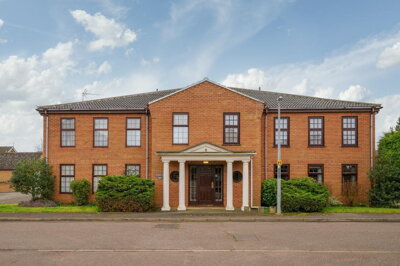
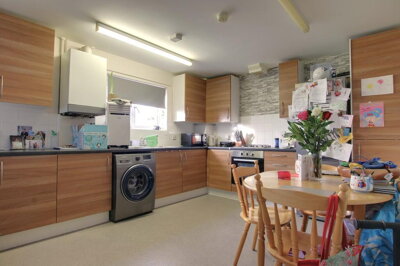
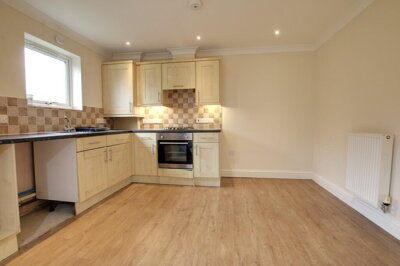
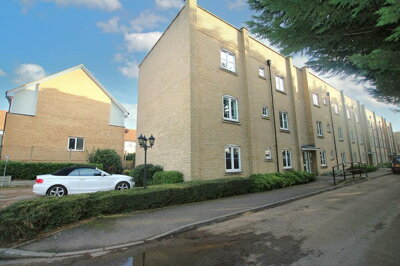
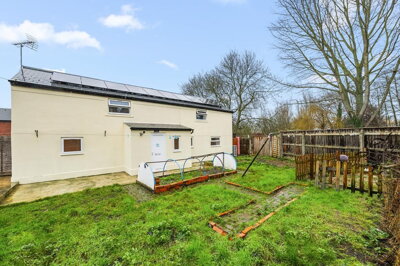
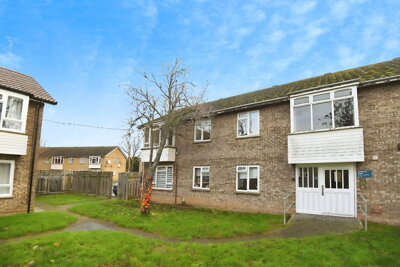
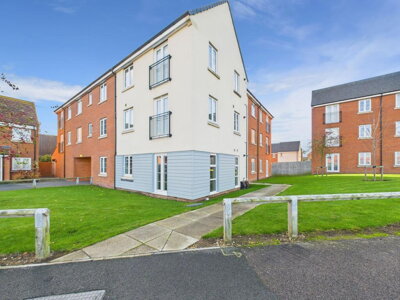
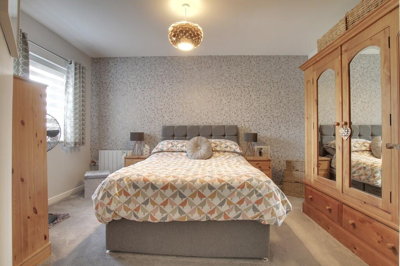
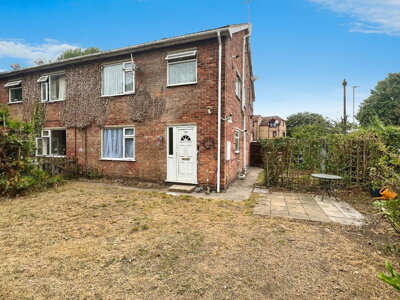
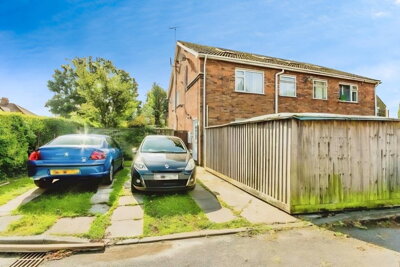
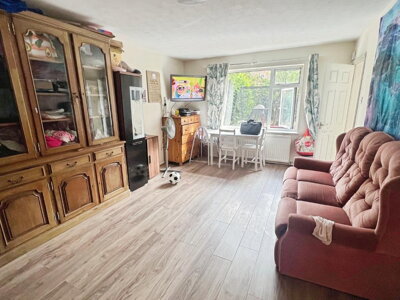
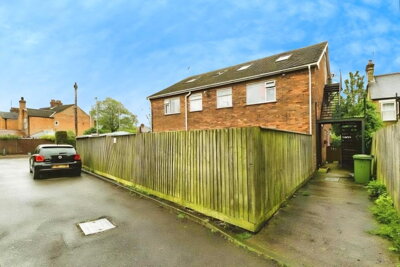
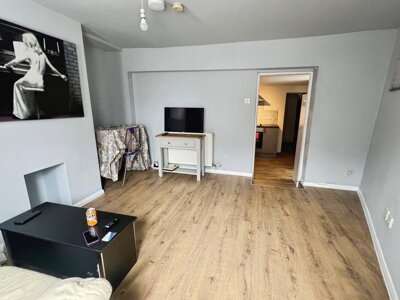
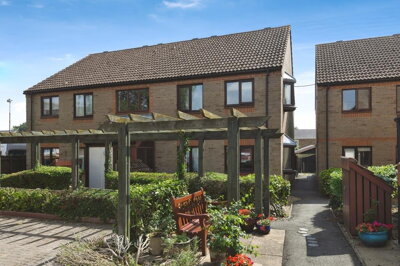
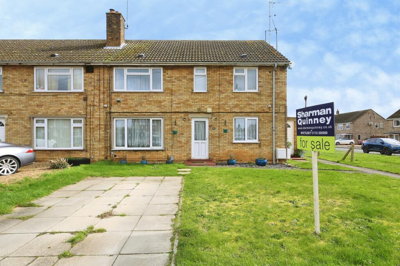
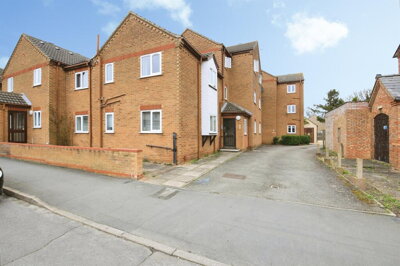
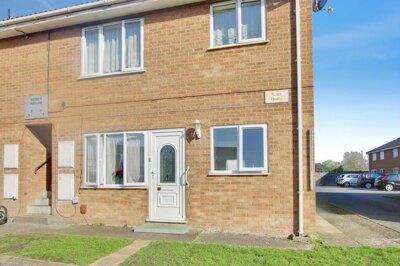
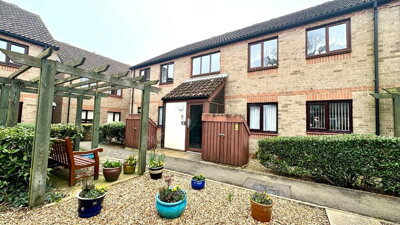
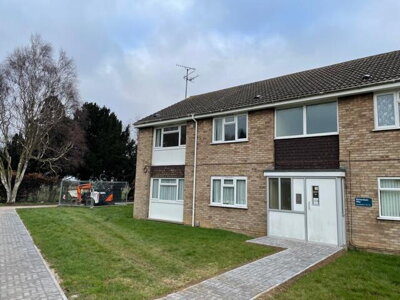
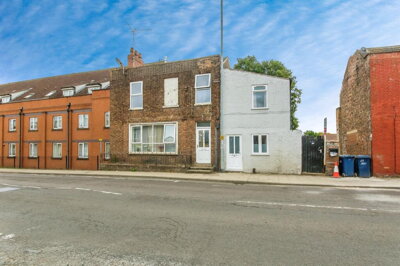
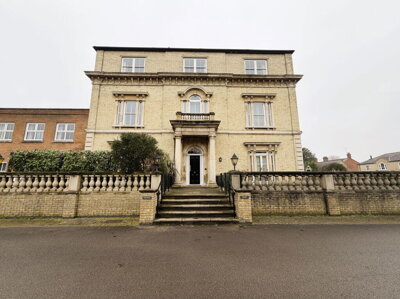
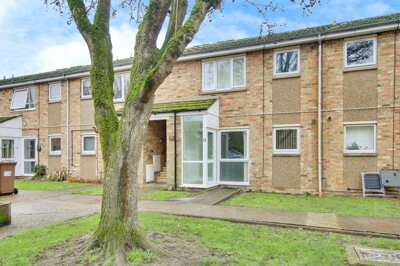
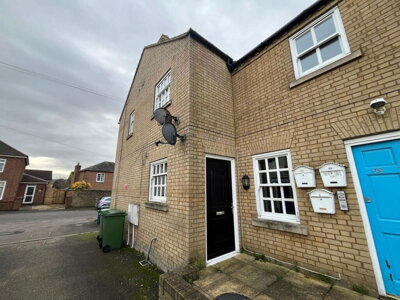
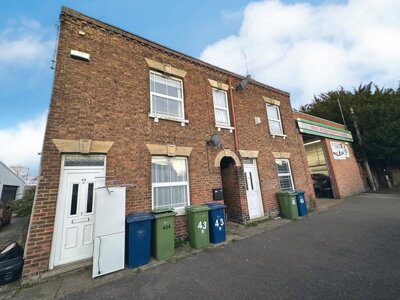
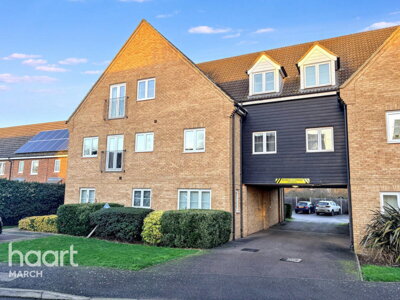
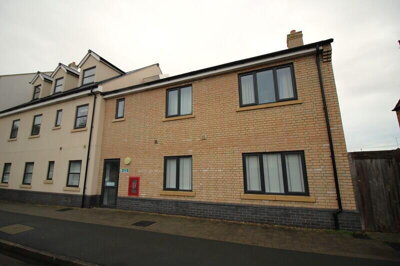
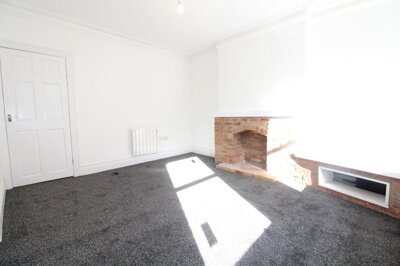
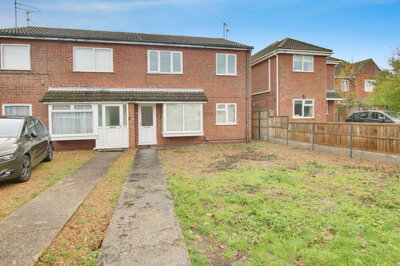
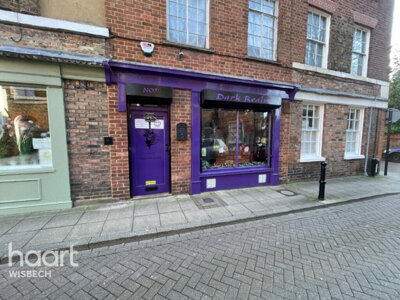
Browse 40 homes for sale in Fenland, Cambridgeshire from local estate agents.
The 2 bed flat sector typically includes two separate bedrooms, dedicated living areas, and bathroom facilities. Properties in Fenland span purpose-built blocks, converted period houses, and modern apartment complexes on various floors.
£98k
16
0
168
Source: home.co.uk
Showing 16 results for 2 Bedroom Flats for sale in Fenland, Cambridgeshire. The median asking price is £98,020.
Source: home.co.uk
Flat
16 listings
Avg £96,173
Source: home.co.uk
Source: home.co.uk
£235,000
Average House Price
+7.0%
Annual Price Growth
£323,000
Detached Average
£215,000
Semi-Detached Average
£203,000
First-Time Buyer Average
The Fenland property market has demonstrated remarkable resilience and steady growth, with the average house price reaching £235,000 in December 2025. This represents a 7.0% increase year-on-year, outpacing many urban markets and reflecting growing recognition of the area's value proposition. First-time buyers will find the market particularly accessible, with an average purchase price of £203,000 - significantly below the national average and achievable with smaller deposits. The gap between cash and mortgage purchases remains relatively modest, with cash buyers paying an average of £238,000 compared to £232,000 for those requiring financing.
Property types across Fenland cater to diverse buyer requirements and budgets. Detached homes command the highest average price at £323,000, offering generous space and gardens that suit growing families or those working from home. Semi-detached properties have shown the strongest price growth at 8.6%, averaging £215,000, suggesting strong demand from families upsizing from starter homes. Terraced properties provide the most affordable entry point at around £168,000, while flats and maisonettes average £96,000 - making Fenland one of the more affordable districts in Cambridgeshire for those seeking their first property or a buy-to-let investment.
The market has attracted increased interest from buyers from Cambridge and surrounding areas seeking more affordable alternatives. This demand has been supported by improved transport connections, with rail services from March, Whittlesey, and Manea stations providing access to Cambridge in under an hour. The relative affordability compared to neighbouring counties has made Fenland particularly attractive to those who might otherwise be priced out of the Cambridgeshire property market entirely.
Life in Fenland unfolds against a backdrop of expansive skies, fertile farmland, and the kind of community spirit that urban areas often lack. The district's low-lying geography, formed from alluvial deposits of silt, clay, peat, and sand, has created a landscape of gentle gradients and extensive drainage channels that define the character of the area. The River Nene flows through towns like Wisbech and Peterborough, while the River Great Ouse catchment influences the eastern portions of the district. These waterways, while beautiful, also remind residents of the ongoing relationship between the community and its environment - a relationship that has shaped the fens for centuries.
The market towns scattered across Fenland each offer distinct personalities and amenities. Wisbech, often described as the capital of the fens, boasts Georgian architecture, twice-weekly markets, and a thriving town centre with independent shops and cafes. March has developed as a key service centre with good rail connections and a strong sense of community identity. Smaller settlements like Whittlesey, Chatteris, and the villages of Manea, Welney, and Doddington offer tighter-knit communities where neighbours know each other by name.
The local economy centres around agriculture and food processing, reflecting the fertile nature of fenland soil. Major employers include processing facilities and distribution operations that serve the agricultural sector. The proximity to Peterborough and Cambridge opens additional employment opportunities for those willing to commute, while the lower cost of living means that local wages go further than in more expensive regions. Local amenities include supermarkets, primary schools, GP surgeries, and a network of pubs and restaurants that serve both residents and visitors exploring the Cambridgeshire fens.

Education provision across Fenland serves families at every stage of their children's development, from early years through to further education. The district maintains a network of primary schools in towns and villages, with larger primaries in Wisbech and March serving as community hubs. Secondary education is available through several schools across the district, with institutions in Wisbech, March, and Whittlesey providing education for 11-16 year-olds. For families considering secondary school options, it is worth researching individual school performance data and considering catchment areas when choosing a property location.
Beyond statutory education, Fenland offers various opportunities for continued learning and extracurricular activities. The Fenland Arts Centre in Wisbech provides creative workshops and performances, while community centres across the district host everything from sports clubs to craft groups. For families seeking further education routes, Cambridge Regional College has a presence in the area, and the proximity to Cambridge, Peterborough, and Ely opens additional options for older students.
When buying property in Fenland, parents should verify current school OFSTED ratings and enrolment policies directly with Cambridgeshire County Council, as these can change and catchment boundaries can affect which schools children can access. Properties in villages may offer access to smaller, more personal school settings, while those in larger towns provide broader educational infrastructure and extracurricular programmes.

Transport connections from Fenland have improved significantly in recent years, making commuting to larger employment centres increasingly viable. The area is served by Great Northern and East Anglia train services from stations including March, Whittlesey, and Manea, offering direct routes to Cambridge, London King's Cross, and Peterborough. Journey times to Cambridge typically range from 45 minutes to an hour, making Fenland a feasible option for those working in the city but seeking more affordable housing. The A141 road provides east-west connectivity through the district, while the A47 passes through Wisbech connecting to King's Lynn and Peterborough.
For those who prefer road travel, the proximity to major motorways requires some context. The M11 is accessible via Cambridge, while the A14 trunk road connects the region to Felixstowe port and the national motorway network. Local bus services operate throughout Fenland, connecting market towns and larger villages, though frequencies are typically more limited than in urban areas. Cyclists will find the flat terrain of the fens accommodating for both leisure and utility cycling, though long-distance routes are limited compared to more mountainous regions.
Parking provision varies by town, with larger centres offering public car parks while village parking can be more constrained. Those planning to commute by rail should check season ticket costs and car parking availability at local stations, as spaces can fill quickly during peak periods. The relative isolation of some villages means that access to a car remains practically essential for many residents, though the lower property prices compared to well-connected urban areas can offset fuel and maintenance costs.
Source: Homemove property market data, December 2025
Before viewing properties, understand the Fenland market thoroughly. Check current average prices for your preferred property type, research individual towns and villages, and factor in costs like flood risk insurance which may be higher in some areas due to the low-lying geography. Getting a mortgage agreement in principle before viewing helps you move quickly when you find the right property. Consider registering with local estate agents in Wisbech, March, and surrounding towns who often have listings before they appear on major portals.
Use Homemove to browse listings across Fenland and arrange viewings with local estate agents. Take notes on each property, ask about the age of the property, any renovation work undertaken, and the results of previous surveys. Pay attention to signs of damp or structural issues given the local geology of clay and peat soils. Viewing multiple properties in the same area helps build a picture of local value and condition standards.
Once you have made an offer and it has been accepted, instruct a RICS Level 2 Homebuyer Report survey before proceeding. This is especially important in Fenland where older properties may have issues related to the local geology, drainage history, or flood proximity. The survey will identify any defects that may affect value or require remediation. Many lenders require a survey before releasing funds, and the report provides valuable negotiating leverage if issues are discovered.
Appoint a solicitor experienced in Cambridgeshire property transactions to handle the legal work. They will conduct searches including local authority, drainage and water searches, and land registry checks. In Fenland specifically, drainage searches are particularly important given the extensive water management infrastructure in the area. Allow around 8-12 weeks for the conveyancing process, though this can vary depending on chain complexity and search turnaround times.
Your solicitor will handle contract exchange once all searches are satisfactory and financing is confirmed. On completion day, you will receive the keys to your new Fenland home. Allow time for utility transfers, Council Tax registration with Fenland District Council, and familiarising yourself with local services and amenities. Consider scheduling a post-move inspection to document the property condition for insurance purposes.
Purchasing property in Fenland requires awareness of specific local factors that may not affect buyers in other areas. The low-lying geology of the fens, characterised by alluvial deposits including clay, peat, and sand, creates conditions that can lead to ground movement. Properties may show signs of subsidence or heave, particularly those with shallow foundations on reactive clay soils. Before purchasing, review any existing survey reports, ask the vendor about foundation depth, and consider whether subsidence or movement has been previously identified and remedied. A thorough RICS Level 2 survey is essential to identify any structural concerns.
Flood risk warrants careful consideration given Fenland's geography and history of water management challenges. The area sits in a natural floodplain with extensive drainage channels and proximity to rivers including the Nene and Great Ouse. River flooding and surface water flooding are both concerns, and properties in lower-lying areas may face higher insurance premiums or difficulty obtaining cover. Check the Environment Agency flood maps for any property you are considering, and review what flood prevention measures exist. Properties in areas with historical flooding may have stories to tell that vendors are obligated to disclose.
The age and construction of properties across Fenland also merit attention. Many homes in market towns like Wisbech and March date from periods when construction standards differed from today. Look for signs of damp in period properties, particularly those without modern damp-proof courses. Electrical systems in older homes may require updating to meet current standards, and roof conditions on older properties should be assessed carefully. If you are considering a listed building or a property in a conservation area, factor in the additional requirements and costs that come with these designations, including restrictions on alterations and the need for specialist surveys.
Drainage and water management deserve particular attention in Fenland. The extensive network of drains, dikes, and watercourses that keep the fens dry is maintained by internal drainage boards. Properties near these water channels may have specific maintenance responsibilities or benefit from flood protection infrastructure. Ask vendors about any history of water ingress, basement flooding, or drainage issues, and check whether the property falls within a flood risk zone when reviewing the EA maps.
Understanding the full costs of buying property in Fenland helps you budget accurately and avoid surprises. Beyond the purchase price, buyers should factor in stamp duty land tax, solicitor fees, survey costs, and moving expenses. As of 2024-25, standard SDLT rates apply 0% on the first £250,000 of purchase price, 5% between £250,001 and £925,000, 10% up to £1.5 million, and 12% on amounts exceeding £1.5 million. For a typical Fenland property averaging £235,000, a standard buyer would pay no stamp duty on the first £250,000, making this an attractive feature for those purchasing at or below the current threshold.
First-time buyers purchasing in Fenland benefit from additional relief that can substantially reduce costs. The first-time buyer threshold applies 0% on the first £425,000 with 5% charged on the portion between £425,001 and £625,000. For properties priced at the current average of £235,000, most first-time buyers would pay no stamp duty at all. This advantage enables buyers to redirect savings toward legal fees, survey costs, or moving expenses. Additional purchase costs include conveyancing fees which typically range from £500 to £1,500 depending on complexity, a RICS Level 2 survey from around £350 for standard properties, and Land Registry fees for title registration.
Budgeting approximately 3-5% of the purchase price for these additional costs provides a realistic contingency. For a £235,000 property, this equates to roughly £7,000 to £11,750 on top of your deposit and mortgage. Remember to factor in moving costs, potential renovation or repair expenses identified by surveys, and the cost of setting up utilities and services in your new home. Buildings insurance must be in place from exchange of contracts, and life insurance and income protection should also be considered as part of a complete home-buying budget.
The average house price in Fenland was £235,000 as of December 2025, representing a 7.0% increase from the previous year. Detached properties average £323,000, semi-detached homes average £215,000, terraced properties average £168,000, and flats or maisonettes average £96,000. First-time buyers paid an average of £203,000. These figures make Fenland one of the more affordable districts in Cambridgeshire while still offering access to strong transport connections and quality of life. The semi-detached segment showed the strongest growth at 8.6% annually, indicating particular demand from families seeking more space.
Council tax bands in Fenland are set by Fenland District Council and Cambridgeshire County Council. Bands range from A through H and are based on the assessed value of properties as of April 1991. Most terraced properties and smaller semis fall into bands A to C, while larger detached homes may be in bands D through F. You can check specific bands on the government Council Tax bands website or through Fenland District Council's website. When budgeting for your move, remember that council tax funds local services including refuse collection, street lighting, and community facilities.
Fenland has several primary and secondary schools serving different communities. Schools in Wisbech, March, Whittlesey, and Chatteris serve as local options for families. For specific current performance data and OFSTED ratings, we recommend checking the OFSTED website directly as ratings are updated regularly. Secondary options include schools with sixth forms for post-16 education, and families should verify catchment areas before purchasing property. The proximity to Cambridge also opens options for families willing to commute to highly rated schools in the city.
Fenland is served by rail connections from Great Northern and East Anglia services at March, Whittlesey, and Manea stations, offering direct routes to Cambridge, London King's Cross, and Peterborough. Bus services operated by various providers connect towns and villages throughout the district, though frequencies are less frequent than in urban areas. The A141 provides road connectivity, and the A47 links Wisbech to King's Lynn and Peterborough. For London commuting, Cambridge station provides additional options within reasonable driving distance, making day-trips to the capital feasible for those working hybrid schedules.
Fenland offers several factors that may appeal to property investors. House prices remain accessible relative to other parts of Cambridgeshire and the southeast, and the 7.0% annual price increase suggests ongoing demand. Rental demand may be supported by workers in the agricultural and food processing sectors, as well as those seeking affordable housing near employment centres. However, investors should be aware of potential flood risk insurance implications and the need for properties in good condition to attract reliable tenants. Local rental yields will vary by property type and location, with terraced properties and flats typically offering stronger rental returns relative to purchase price.
For standard purchases, stamp duty rates start at 0% on the first £250,000 of property value, then 5% on the portion from £250,001 to £925,000. Properties priced above £925,000 incur 10% up to £1.5 million, and 12% on anything above that. First-time buyers benefit from increased thresholds, paying 0% on the first £425,000 and 5% between £425,001 and £625,000, provided the property is your only residence and you have not previously claimed first-time buyer relief. Given that the average Fenland property price of £235,000 falls below the standard nil-rate band, most buyers in the area will pay no stamp duty at all.
Flood risk is a significant consideration when buying in Fenland due to the low-lying nature of the area and its proximity to major rivers including the Nene and Great Ouse. Properties in higher flood risk zones may face elevated insurance premiums, and some insurers may decline cover entirely. We recommend checking Environment Agency flood maps for any specific property you are considering, and asking vendors directly about any historical flooding incidents. Properties with existing flood mitigation measures or those located on slightly elevated ground within the district may present lower risk profiles.
From £350
A detailed inspection of the property condition, ideal for standard homes in Fenland. Identifies defects including damp, structural movement, and roof issues common in older properties.
From £450
A comprehensive building survey recommended for older properties, listed buildings, or those with unusual construction in Fenland's conservation areas.
From 4.5%
Expert mortgage advice tailored to your circumstances, with access to competitive rates from leading lenders across the market.
From £499
Conveyancing solicitors experienced in Fenland property transactions, including local drainage and flood risk searches.
Properties for Sale In London

Properties for Sale In Plymouth

Properties for Sale In Liverpool

Properties for Sale In Glasgow

Properties for Sale In Sheffield

Properties for Sale In Edinburgh

Properties for Sale In Coventry

Properties for Sale In Bradford

Properties for Sale In Manchester

Properties for Sale In Birmingham

Properties for Sale In Bristol

Properties for Sale In Oxford

Properties for Sale In Leicester

Properties for Sale In Newcastle

Properties for Sale In Leeds

Properties for Sale In Southampton

Properties for Sale In Cardiff

Properties for Sale In Nottingham

Properties for Sale In Norwich

Properties for Sale In Brighton

Properties for Sale In Derby

Properties for Sale In Portsmouth

Properties for Sale In Northampton

Properties for Sale In Milton Keynes

Properties for Sale In Bournemouth

Properties for Sale In Bolton

Properties for Sale In Swansea

Properties for Sale In Swindon

Properties for Sale In Peterborough

Properties for Sale In Wolverhampton

Enter your details to see if this property is within your budget.
Loans, cards, car finance
Estimated property budget
Borrowing + deposit
You could borrow between
Typical borrowing
Monthly repayment
Est. at 4.5%
Loan-to-value
This is an estimate only. Your actual budget may vary depending on interest rates, credit history, and personal circumstances. For an accurate affordability assessment, speak to one of our free mortgage advisors.
This calculator provides estimates for illustrative purposes only and does not constitute financial advice. Your home may be repossessed if you do not keep up repayments on your mortgage. Estimates based on 4.5% interest rate, repayment mortgage. Actual rates depend on your circumstances.
Homemove is a trading name of HM Haus Group Ltd (Company No. 13873779, registered in England & Wales). Homemove Mortgages Ltd (Company No. 15947693) is an Appointed Representative of TMG Direct Limited, trading as TMG Mortgage Network, which is authorised and regulated by the Financial Conduct Authority (FRN 786245). Homemove Mortgages Ltd is entered on the FCA Register as an Appointed Representative (FRN 1022429). You can check registrations at NewRegister or by calling 0800 111 6768.

We use cookies to show you personalised content and improve your experience of our website. Find out more in our Privacy policy and Cookie policy.