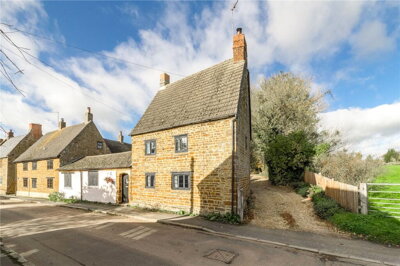
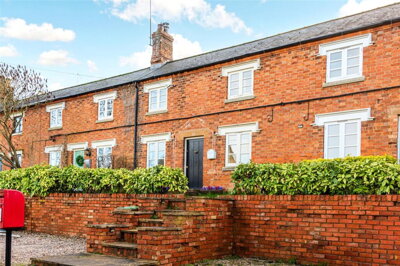
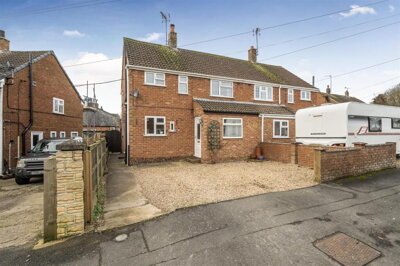
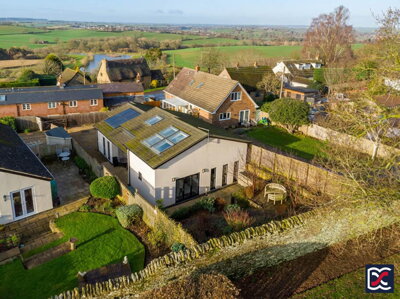
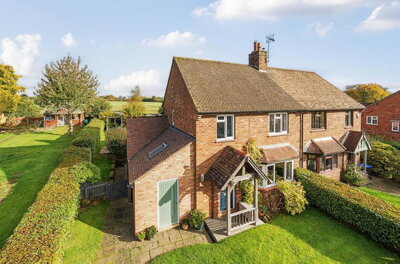
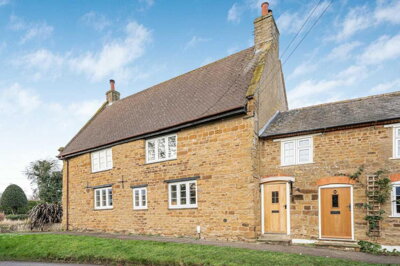
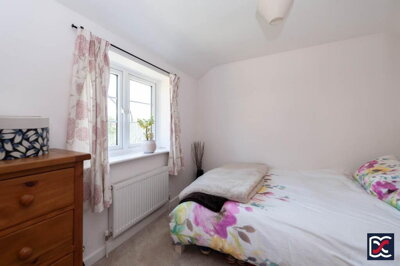
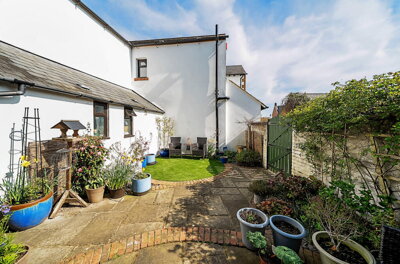
Browse 8 homes for sale in Farthingstone, West Northamptonshire from local estate agents.
Three bedroom properties represent a significant portion of the Farthingstone housing market, offering space for families with multiple reception rooms and gardens in many cases. Browse detached, semi-detached, and terraced options ranging from period character homes to contemporary developments.
£0k
0
0
0
Source: home.co.uk
Showing 0 results for 3 Bedroom Houses for sale in Farthingstone, West Northamptonshire.
The Farthingstone property market reflects the character of the village itself - compact, traditional, and rooted in history. Our listings show that properties in the village recently sold on Litchborough Road, Main Street, Everdon Road, Maidford Road, and Cattle End, with transactions recorded as recently as October and November 2025. The overall average sold price of £260,000 over the past twelve months represents a significant shift in the market, with prices down 52% compared to the previous year and 68% below the 2020 peak of £807,500. This correction brings prices back to more sustainable levels for local buyers and first-time purchasers looking to establish themselves in the area.
Property types in Farthingstone skew heavily towards detached and semi-detached homes, consistent with the village's rural character and the prevalence of older stone-built properties. For the wider Northamptonshire county, current averages by type show detached properties at around £455,000, semi-detached at £276,000, terraced homes at £230,000, and flats at approximately £147,000. While these county-wide figures offer useful context, individual properties in Farthingstone may differ based on their specific location, condition, and historical features. The village's historic housing stock, including properties constructed from local ironstone and brown sandstone, appeals to buyers who appreciate traditional craftsmanship and period features over modern convenience.
The village's architecture showcases traditional Northamptonshire craftsmanship, from the rough-cast rubblestone of older cottages to the rendered walls and steeply pitched gables of the 1914 Arts and Crafts properties. Wheelwrights Cottage, constructed from local ironstone with natural slate roofs, exemplifies the quality of the village's historic building stock. Collyweston slate, a distinctive local roofing material from nearby Cambridgeshire, features on several period properties, adding to the architectural character that distinguishes Farthingstone from newer developments. The Arts and Crafts cottages on Litchborough Road demonstrate the village's architectural diversity, with their steeply pitched gable frontages and rendered walls representing a different era of local building traditions.

Life in Farthingstone moves at a gentler pace, shaped by the rhythms of rural Northamptonshire and the strong sense of community that defines villages of this size. With a population of 192 and a mean age of 45.1 years, the village attracts families and professionals seeking an escape from urban life without complete isolation. The local pub, The Kings Arms, serves as a social hub where neighbours gather, while the 13th-century St Mary the Virgin Church remains a focal point for community events and celebrations. The village's population has remained remarkably stable, with just a single person difference between the 2011 census (193 residents) and the 2021 count (192 residents), suggesting an established community that values continuity.
The surrounding countryside offers excellent walking opportunities, with public footpaths crisscrossing farmland and meadows between Farthingstone and neighbouring villages. The local geology, dominated by Oolitic and Liasic formations including ironstones and ferruginous sandstones, creates the distinctive rusty and brown hues that characterise many buildings in the area. The Northampton Sand Formation underlying the village consists predominantly of sandy ironstone, which weathers to give the landscape its characteristic limonitic brown coloration. This same geological formation was formerly worked extensively for ironstone extraction in the area, a heritage that connects the village to Northamptonshire's industrial past.
The village's architecture showcases traditional Northamptonshire craftsmanship, from the rough-cast rubblestone of older cottages to the rendered walls and steeply pitched gables of the 1914 Arts and Crafts properties. Wheelwrights Cottage, constructed from local ironstone with natural slate roofs, exemplifies the quality of the village's historic building stock. For families considering a move to the area, the former Farthingstone Hotel and Golf Course site is undergoing redevelopment proposals that could eventually bring additional amenities and local employment opportunities. The NN12 postcode area surrounding Farthingstone includes the nearby towns of Towcester and Brackley, which offer broader shopping, dining, and leisure facilities within easy reach.

Families moving to Farthingstone will find a selection of primary and secondary schools within reasonable driving distance in the surrounding Northamptonshire area. For primary education, primary schools in nearby villages and towns serve the local catchment, including Sponne School in Towcester which provides education from reception through to secondary level. Several village primary schools in surrounding communities serve younger children, with schools in Blakesley, Pattishall, and Silverstone within approximately 15 minutes' drive. Parents should verify current catchment arrangements with West Northamptonshire Council, as these can change and directly impact which schools children can attend.
Secondary education options include Sponne School in Towcester, which serves as the main secondary school for many villages in the surrounding area, along with Campbells Rift School in Northampton and The Parker in Daventry. Parents commonly travel short distances to access good or outstanding Ofsted-rated institutions, with several schools in the broader area maintaining strong academic records. West Northamptonshire Council manages the majority of state schools in the area, though faith-based and independent options exist in nearby towns. For families seeking faith-based education or independent schooling, options exist in the nearby towns of Northampton, Milton Keynes, and Coventry, all accessible via the excellent road connections that make Farthingstone particularly convenient for regional travel.
The village's mature population profile suggests many households may be past the school-attendance stage, though families with children will find that Northamptonshire maintains a reasonable standard of educational provision. Several schools in the broader area have achieved good or outstanding Ofsted ratings, though specific inspection outcomes change over time and should be checked directly on the Ofsted website. The proximity to major road networks means that secondary schools in surrounding towns are generally accessible within 20-30 minutes by car, making daily school runs practical for families willing to factor in travel time.
Farthingstone enjoys an enviable position relative to major transport routes, making it an excellent choice for commuters who need to access employment centres across the Midlands and beyond. The village sits close to the M1 motorway at junction 16, providing direct connections to Northampton in approximately 15 minutes, Milton Keynes in around 25 minutes, Leicester in roughly 45 minutes, and Birmingham in about an hour. The M40 is also within easy reach, offering routes south to Oxford in approximately 35 minutes and London in around 90 minutes, while the A5 trunk road provides additional north-south connectivity. This strategic location means that residents can enjoy the peace and quiet of village life while maintaining practical access to major urban employment hubs.
Public transport options are more limited, reflecting the village's small scale and rural character. Bus services connect Farthingstone with nearby towns at specified times, though these may not suit those requiring daily commuting flexibility. The nearest railway stations are located in Northampton and Milton Keynes, both offering services to London Euston with journey times of around one hour. Milton Keynes Central provides additional high-speed connections to destinations beyond London, making it a practical option for business travellers. For residents who work from home or have irregular commuting patterns, this combination of road connectivity and rural tranquillity strikes an appealing balance. Cyclists will find some routes through the Northamptonshire countryside, though the hilly terrain can present challenges for less experienced riders.
The excellent road connections also serve the broader NN12 postcode area, making it practical to access amenities in surrounding towns without long journeys. Towcester, the nearest market town, is approximately 6 miles away and offers supermarkets, independent shops, and leisure facilities. Daventry provides additional shopping options and services, while Northampton and Milton Keynes offer comprehensive retail, healthcare, and cultural amenities within reasonable driving distance. This accessibility factor significantly enhances the appeal of Farthingstone as a place to live, combining village charm with practical connectivity.
Explore online listings for Farthingstone and understand current price trends. With average prices around £260,000 and the market having corrected significantly from the 2020 peak of £807,500, conditions may favour buyers seeking value in a historic village setting. Look at both currently listed properties and recently completed sales to gauge realistic expectations.
Spend time in Farthingstone at different times of day and week to get a genuine feel for the community. Walk the streets, visit local amenities like The Kings Arms pub, and speak to residents to understand what daily life is really like before making any commitment.
Speak to a mortgage broker to understand your borrowing capacity. Getting an agreement in principle before viewing properties strengthens your position when making offers and demonstrates serious intent to sellers.
View multiple properties in Farthingstone to compare conditions, especially given the village's older housing stock. Pay particular attention to the condition of roofs, stonework, and any signs of damp or structural movement in properties built from traditional materials.
Before completing, arrange for a qualified surveyor to inspect the property. Given Farthingstone's many older properties built from ironstone and traditional materials, a Level 2 survey is essential to identify any defects or maintenance issues that may not be visible during viewings.
Appoint a conveyancing solicitor to handle the legal aspects of your purchase, including searches related to local planning, flood risk, and any historical mining activity in the area. Given the Northampton Sand Formation's history of ironstone extraction, a mining search is particularly important for this area.
The historic properties in Farthingstone come with specific considerations that buyers should understand before committing to a purchase. The village's geology includes clay-rich soils derived from Liasic formations, which are susceptible to shrink-swell behaviour during periods of drought or heavy rainfall. This can cause subsidence in properties with older, shallow foundations, particularly those with mature trees nearby that extract moisture from the ground. Any property showing signs of cracking, uneven floors, or doors that do not close properly should be investigated thoroughly before purchase. A RICS Level 2 survey will help identify these issues and assess their severity.
The Northampton Sand Formation underlying the area is a noted emitter of radon gas, and buyers should verify whether radon measurements have been taken in any property they are considering. High radon levels can pose health risks over time, and testing is relatively straightforward using passive detectors available from the UK Health Security Agency. Properties with older construction may also contain asbestos in insulation, artex finishes, or pipe lagging, particularly those built before the 1970s. Electrical and plumbing systems in older homes may not meet current safety standards, and buyers should budget for potential upgrades. The village's traditional construction using breathable lime mortar and natural stone can be affected by modern interventions such as cement render or damp-proof courses that were not originally installed, so understanding the property's maintenance history is valuable.
Potential buyers should also investigate whether the property is listed or falls within any planning restriction. St Mary the Virgin Church is a Grade II* listed building, and other properties in the village may have listed status requiring consent for alterations and repairs. The village's historic character suggests it may fall within a conservation area, which would impose additional controls on external alterations and developments. Flood risk should be checked via the Environment Agency's mapping tools, as Farthingstone sits at the headwaters of streams flowing toward the River Nene, indicating some potential for river flooding after heavy rainfall. Surface water flooding can also occur during periods of intense rainfall, particularly in low-lying areas near watercourses.
Given the area's geological history, buyers should obtain a mining search to check for any historical ironstone extraction beneath or near the property. While large-scale mining has ceased, old mine workings can occasionally cause ground stability issues in localised areas. Properties with unusual floor levels, patched stonework, or recent structural repairs should prompt additional investigation. Almost one-third of homes built before 1919 are considered non-decent nationally, and given Farthingstone's significant pre-1919 housing stock, buyers should expect properties to require ongoing maintenance and renovation work. Budgeting for essential repairs and improvements is prudent when purchasing period properties in villages like Farthingstone.
The average sold price for properties in Farthingstone over the past twelve months is £260,000 according to Rightmove and Zoopla data. This represents a significant 52% decrease from the previous year and is 68% below the 2020 peak of £807,500. While prices have corrected substantially, the village offers relatively affordable access to the Northamptonshire property market compared to larger towns in the county. Recent sales have been recorded on Litchborough Road, Main Street, Everdon Road, Maidford Road, and Cattle End.
Properties in Farthingstone fall under West Northamptonshire Council's jurisdiction. Specific council tax bands vary by property depending on their valuation band, ranging from A through to H depending on the property's assessed value. Prospective buyers should check the Valuation Office Agency's council tax bandings for specific addresses, as bands directly affect monthly running costs. West Northamptonshire Council provides an online calculator to estimate annual council tax bills based on the property band.
Farthingstone itself is a small village without its own school, but primary schools in nearby villages and towns serve the local catchment area. Sponne School in Towcester provides both primary and secondary education and serves as a key educational establishment for the surrounding villages. Secondary education options include schools in Towcester and Daventry, with many families travelling short distances to access good or outstanding Ofsted-rated institutions. Catchment areas are managed by West Northamptonshire Council and can be verified before purchase.
Public transport options are limited, reflecting Farthingstone's rural character. Bus services connect the village to nearby towns at specified times, but these may not suit daily commuters. The nearest railway stations are in Northampton and Milton Keynes, offering services to London Euston in approximately one hour. The village's strength lies in its road connections via the M1 at junction 16, the M40, and the A5 trunk road, providing straightforward access to major employment centres including Northampton, Milton Keynes, Birmingham, and Oxford.
Farthingstone offers potential for buyers seeking long-term value in a historic village setting with excellent transport connectivity. Prices have corrected significantly from their 2020 peak, bringing them to more accessible levels. The village's limited new-build supply and historic character suggest properties are likely to hold their value, though the market is small and less liquid than in larger towns. The proposed redevelopment of the former Hotel and Golf Course site could positively influence local desirability by potentially adding amenities and services to the village.
Stamp Duty Land Tax rates for 2024-25 are 0% on the first £250,000 of residential property, 5% on £250,001 to £925,000, 10% on £925,001 to £1.5 million, and 12% above £1.5 million. First-time buyers receive relief on the first £425,000 (0% rate) with 5% applied between £425,001 and £625,000. Given Farthingstone's average price of £260,000, most buyers purchasing at or near the average price would pay little or no stamp duty.
There are no large-scale new-build developments currently being marketed directly within Farthingstone village itself. The only verified new-build opportunity is a building plot with outline planning permission (West Northamptonshire Council - 2023/5160/OUT) for a single self-build dwelling with a double garage. Most new-build activity in the broader NN12 postcode area is concentrated in nearby towns like Towcester, where developments such as Barratt Homes at Towcester Grange are available.
From 4.5%
Compare rates from leading lenders for your Farthingstone purchase
From £499
Expert legal services for your property purchase in Farthingstone
From £395
Professional property survey by qualified inspectors covering Farthingstone's historic housing stock
From £85
Energy Performance Certificate for your Farthingstone property
Buying a property in Farthingstone involves several costs beyond the purchase price, with stamp duty being a significant consideration for many buyers. The current SDLT thresholds for residential properties in England (2024-25) set the nil rate band at £250,000, meaning buyers pay no tax on the first quarter of a million pounds. For properties priced between £250,001 and £925,000, the rate is 5%, rising to 10% for the portion between £925,001 and £1.5 million, and 12% on anything above that threshold. Given that Farthingstone's average property price sits around £260,000, many buyers purchasing at or near the average price would pay minimal stamp duty, making the village particularly attractive for first-time buyers and those looking to minimise upfront costs.
First-time buyers benefit from enhanced relief, with the nil rate band increased to £425,000 and a 5% rate applying between £425,001 and £625,000. This means first-time buyers purchasing a property at Farthingstone's average price of £260,000 would pay no stamp duty whatsoever. However, first-time buyer relief is not available for purchases above £625,000. Beyond stamp duty, buyers should budget for solicitor conveyancing costs (typically £500 to £1,500 depending on complexity), survey fees for a RICS Level 2 inspection (approximately £395 to £700 for properties in the Northampton area), and mortgage arrangement fees which can range from zero to around £2,000 depending on the lender and product chosen.
Additional costs to factor in include removals expenses, buildings insurance (essential from the point of exchange), Land Registry fees for registration, and any searches specific to Farthingstone's local area. The Environment Agency recommends checking flood risk maps for the village, and local authority searches will reveal planning history, conservation area status, and any highways or rights of way affecting the property. Given the area's history of ironstone mining, a mining search should be included to identify any potential ground stability concerns. For older properties built from ironstone or other traditional materials, a thorough RICS Level 2 survey is money well spent, as repairs to stonework, roofing, and historic features can be costly if defects are discovered after purchase.
Properties for Sale In London

Properties for Sale In Plymouth

Properties for Sale In Liverpool

Properties for Sale In Glasgow

Properties for Sale In Sheffield

Properties for Sale In Edinburgh

Properties for Sale In Coventry

Properties for Sale In Bradford

Properties for Sale In Manchester

Properties for Sale In Birmingham

Properties for Sale In Bristol

Properties for Sale In Oxford

Properties for Sale In Leicester

Properties for Sale In Newcastle

Properties for Sale In Leeds

Properties for Sale In Southampton

Properties for Sale In Cardiff

Properties for Sale In Nottingham

Properties for Sale In Norwich

Properties for Sale In Brighton

Properties for Sale In Derby

Properties for Sale In Portsmouth

Properties for Sale In Northampton

Properties for Sale In Milton Keynes

Properties for Sale In Bournemouth

Properties for Sale In Bolton

Properties for Sale In Swansea

Properties for Sale In Swindon

Properties for Sale In Peterborough

Properties for Sale In Wolverhampton

Enter your details to see if this property is within your budget.
Loans, cards, car finance
Estimated property budget
Borrowing + deposit
You could borrow between
Typical borrowing
Monthly repayment
Est. at 4.5%
Loan-to-value
This is an estimate only. Your actual budget may vary depending on interest rates, credit history, and personal circumstances. For an accurate affordability assessment, speak to one of our free mortgage advisors.
This calculator provides estimates for illustrative purposes only and does not constitute financial advice. Your home may be repossessed if you do not keep up repayments on your mortgage. Estimates based on 4.5% interest rate, repayment mortgage. Actual rates depend on your circumstances.
Homemove is a trading name of HM Haus Group Ltd (Company No. 13873779, registered in England & Wales). Homemove Mortgages Ltd (Company No. 15947693) is an Appointed Representative of TMG Direct Limited, trading as TMG Mortgage Network, which is authorised and regulated by the Financial Conduct Authority (FRN 786245). Homemove Mortgages Ltd is entered on the FCA Register as an Appointed Representative (FRN 1022429). You can check registrations at NewRegister or by calling 0800 111 6768.

We use cookies to show you personalised content and improve your experience of our website. Find out more in our Privacy policy and Cookie policy.