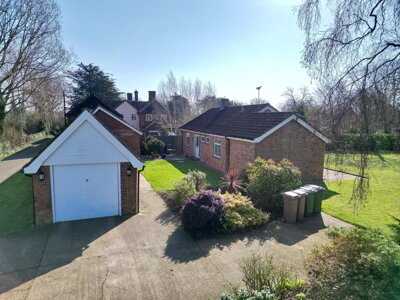
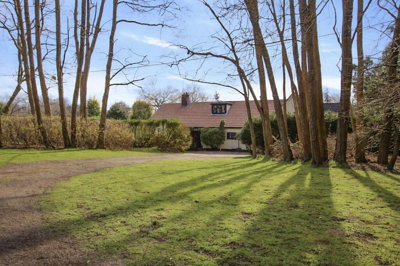
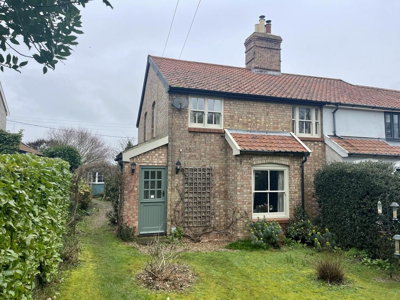
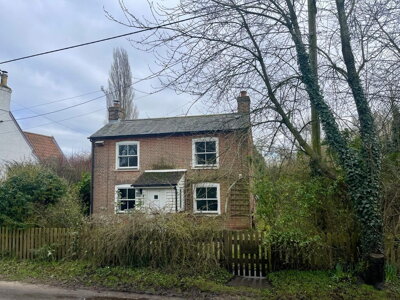
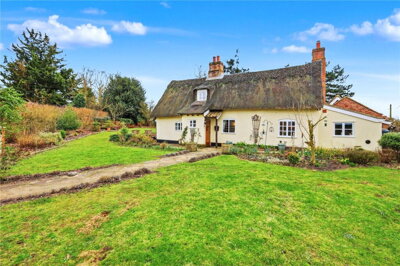
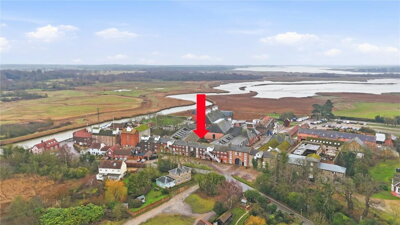
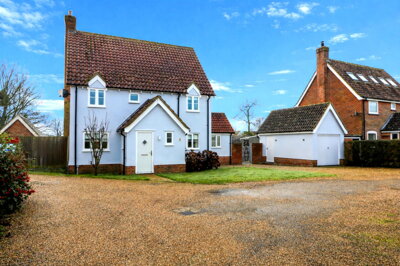
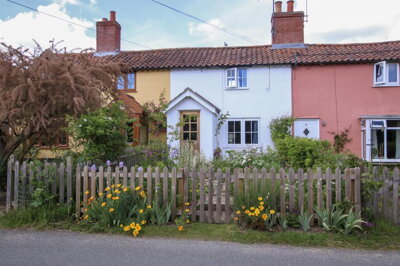
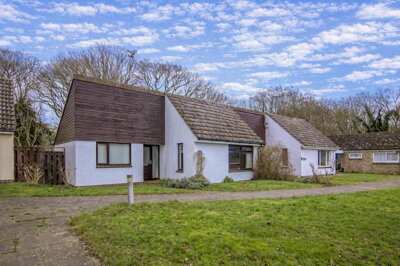
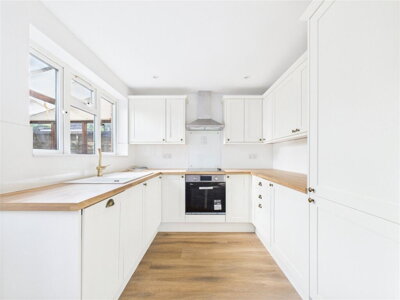
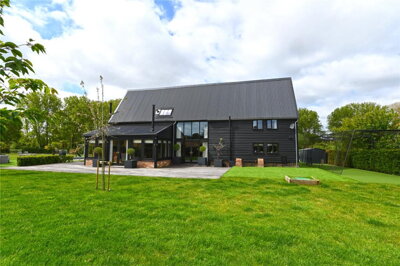
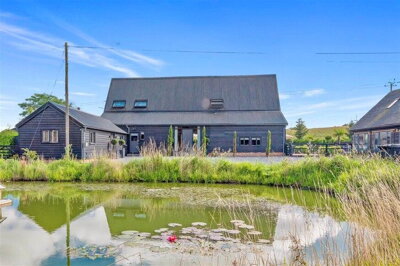
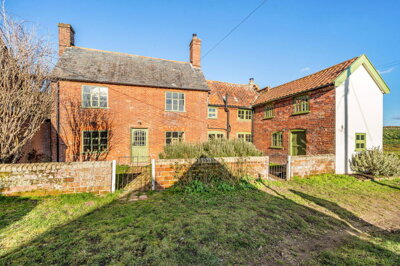
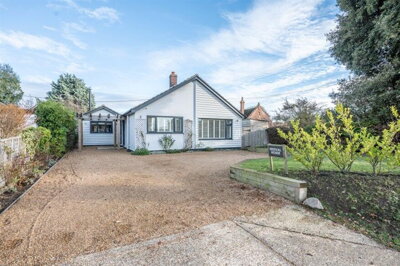
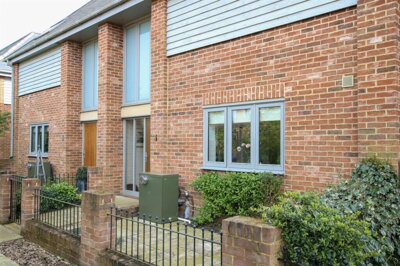
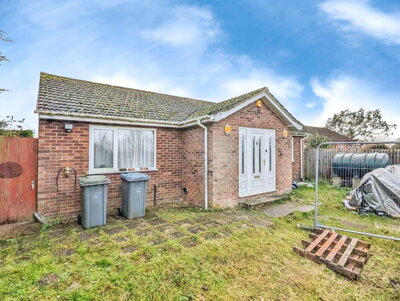
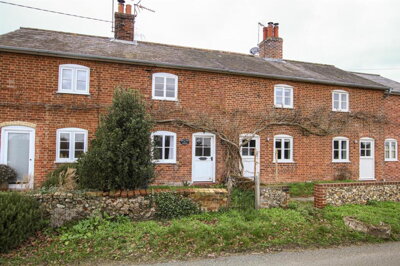
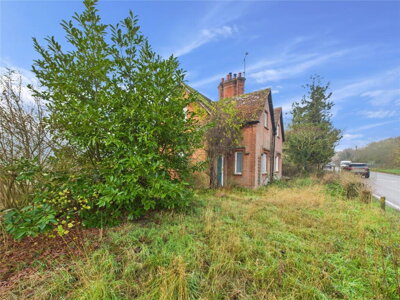
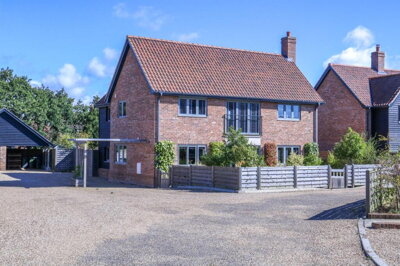
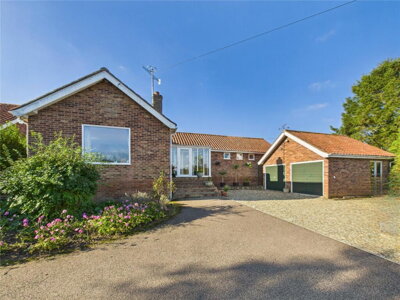
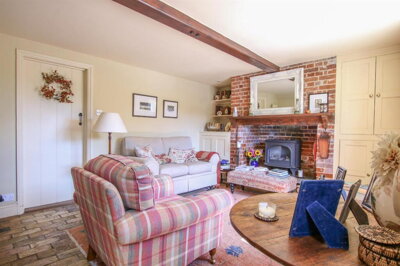
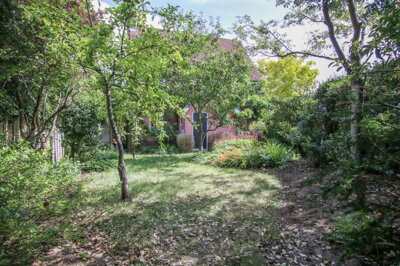
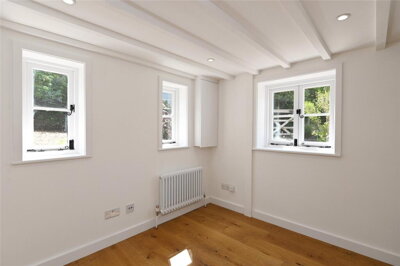
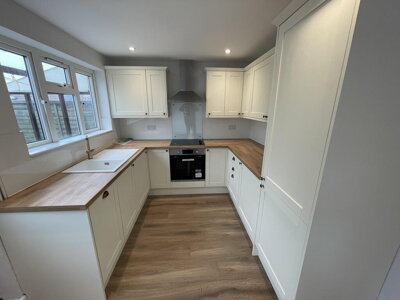
Browse 33 homes for sale in Farnham from local estate agents.
The Alton Pancras property market has experienced notable movement over the past year, with our data indicating approximately 41 sales completed through Rightmove within the last twelve months. The overall average price of £220,000 reflects a significant shift in market conditions, sitting 61% below the previous year's figures and 77% below the 2020 peak of £941,800. Properties along Main Road, the village's primary thoroughfare, saw particularly dramatic price adjustments with a 66% decrease in average values compared to the previous year. These figures suggest a market correction phase that may present opportunities for buyers looking to enter this sought-after rural location at more accessible price points.
Property types available in Alton Pancras span the full range from compact terraced homes to substantial detached residences. Recent sales data reveals terraced properties commanding around £220,000, with examples such as 4 Boldacre on Main Road achieving this price point in late 2025. Semi-detached homes have sold for between £412,000 and £465,000, with 5 Holcombe Mead achieving £465,000 in April 2024. Detached properties represent the premium segment of the local market, with sales ranging from £580,000 for properties like Keepers Cottage up to £650,000 for The Glebe House, both along Main Road. The higher value achieved at The Glebe House in February 2024 demonstrates continued demand for substantial family homes in this rural setting.
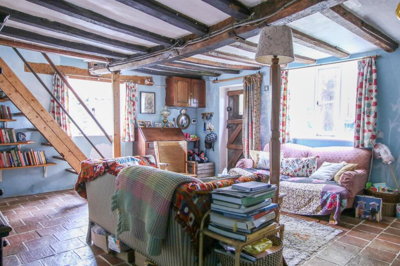
New build activity within the DT2 7 postcode area remains limited, with no active developments specifically within Alton Pancras village identified through our searches. This absence of new construction means the local housing stock consists almost entirely of character properties, many of which will have original features, traditional construction methods, and historical significance. For buyers prioritising authenticity and period charm over modern conveniences, this scarcity of new supply actually enhances the appeal of existing properties, many of which date from the 18th and 19th centuries when the village was more extensively populated and economically active.

Alton Pancras embodies the quintessential English village experience that continues to captivate buyers seeking an escape from urban living. The village takes its name from the Old English "Ald Tune" meaning old farmstead, with "Pancras" referring to Saint Pancras, indicating an early Christian foundation dating back over a thousand years. The settlement clusters around the parish church and village green, creating the intimate, walkable community centre that defines village life in this part of Dorset. Residents benefit from the strong community spirit that rural villages like Alton Pancras maintain, where neighbours know each other and local events bring the community together throughout the year.
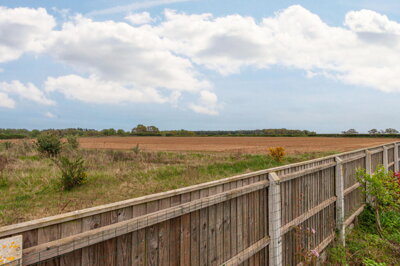
The surrounding Blackmore Vale landscape provides an stunning backdrop to daily life, with rolling farmland, ancient hedgerows, and picturesque footpaths offering endless opportunities for countryside walks and outdoor recreation. The vale is famous for its lush, green pastures and the River Piddle which flows through nearby villages. This geology, part of Dorset's diverse landscape including chalk uplands and limestone ridges, creates the characteristic scenery that has made this area a favourite with artists, writers, and those seeking a rural idyll. The village's position within Dorset, England's sunniest county, adds to its year-round appeal for outdoor enthusiasts and garden lovers.
As a small rural community, Alton Pancras offers a lifestyle centred around tranquility, natural beauty, and connection to the land. The local economy historically relied on agriculture, with many properties having been farm cottages or estate workers' homes. Today, residents increasingly work remotely or commute to larger settlements, but the agricultural heritage remains evident in the landscape and built environment. Local amenities in the village itself are limited by necessity, reflecting the small population, but the proximity to larger villages and Dorchester ensures that shopping, healthcare, and services remain accessible within a short drive. This balance of rural seclusion with practical accessibility defines the appeal of living in Alton Pancras.
Families considering a move to Alton Pancras will find educational provision centred primarily on nearby villages and the market town of Dorchester. The village itself does not host its own primary school, reflecting its small population, but several well-regarded primary schools serve the surrounding area. Schools in neighbouring villages such as Piddlehinton, Cerne Abbas, and Charlton Down provide education for younger children within a reasonable distance. Parents should research current catchment areas and admission arrangements through Dorset Council, as these can vary and change based on demand and capacity at each school.
Secondary education options expand considerably with proximity to Dorchester, which hosts several secondary schools including the comprehensive schools that serve the wider rural area. For families prioritising academic achievement, the grammar school system in Dorset provides additional options, with schools in Dorchester and surrounding towns offering selective education for academically capable students. Sixth form provision is available in Dorchester, with the town's colleges offering A-level courses and vocational qualifications to students continuing their education beyond sixteen. Transport arrangements for secondary school students typically involve school buses serving the rural catchment areas.
Early years and childcare provision in the surrounding area includes village playgroups, preschool facilities in nearby communities, and childminders operating from their homes across the Blackmore Vale. These arrangements suit the rural location, providing flexible care options for families with young children while maintaining the community-based approach that characterises village life. Parents moving to Alton Pancras should arrange visits to local educational settings well in advance of any move, as demand for places at popular schools can be strong given the desirable nature of the wider area.
Transport connectivity from Alton Pancras relies primarily on road networks, with the village situated within easy reach of the A37 and A35 that traverse Dorset connecting the county to major urban centres. The A35 provides a direct route east towards Poole and Bournemouth, while the A37 offers access to Yeovil and the M5 motorway to the north. This road infrastructure places Alton Pancras within reasonable commuting distance of larger employment centres, though the rural nature of the approach roads means that car ownership is effectively essential for daily travel needs.
Public transport options include bus services connecting rural villages to Dorchester, though these operate on limited timetables typical of low-demand rural routes. The nearest railway stations are located in Dorchester, offering mainline services along the South Western main line connecting to London Waterloo, Bristol, and the south coast. Journey times from Dorchester to London Waterloo take approximately two and a half hours, making regular commuting feasible for those working in the capital but requiring greater flexibility than urban commuters might expect. The train station also provides connections to regional destinations, expanding travel options beyond the immediate area.
For cyclists and walkers, the extensive public footpath and bridleway network surrounding Alton Pancras provides car-free routes to neighbouring villages and the wider countryside. National Cycle Route 26 passes through the region, offering longer-distance cycling opportunities. The relatively flat terrain of the Blackmore Vale compared to other parts of Dorset makes cycling a practical option for local journeys, with the wind-sheltered valley often providing pleasant conditions even when coastal areas experience stronger winds. Many residents embrace cycling as an alternative to short car journeys, particularly during summer months when the weather encourages outdoor activity.
Before arranging viewings, spend time in Alton Pancras at different times of day and week to understand what living in this rural village truly involves. Visit local shops, explore footpaths, and speak with residents to gauge the community atmosphere. Consider practical factors such as your commute requirements, nearest school admissions criteria, and what amenities you access regularly, as these will shape your daily experience.
Contact a mortgage broker or lender to secure an Agreement in Principle before you start viewing properties. This document confirms how much you can borrow and demonstrates to sellers that you are a serious, financially prepared buyer. With an average property price of £220,000 in Alton Pancras, most buyers will require a mortgage, and having this in place gives you a competitive edge when making offers on desirable homes.
Contact local estate agents active in the Alton Pancras and Blackmore Vale area to arrange viewings of suitable properties. Take photographs and notes during each viewing, paying particular attention to the condition of older properties, which are prevalent in this village. Look for signs of damp, roof condition, and the state of original features such as windows and heating systems. A second viewing at a different time of day can reveal aspects missed during the first visit.
Once your offer is accepted, arrange a RICS Level 2 Survey (Homebuyer Report) for the property. Given that many homes in Alton Pancras will be pre-1919 construction with traditional features, this survey is essential for identifying any defects, structural concerns, or necessary repairs before you commit to the purchase. The surveyor will check for issues common to older rural properties, including damp, timber defects, and roof condition.
Appoint a solicitor or licensed conveyancer to handle the legal aspects of your purchase. They will conduct searches with Dorset Council, check for planning permissions and restrictions affecting the property, and manage the transfer of funds on completion. Choose a solicitor with experience in rural property transactions, as these can involve additional considerations such as rights of way, agricultural restrictions, or listed building regulations.
Your solicitor will arrange for contracts to be signed and deposited with the seller's solicitor, at which point you pay your deposit and the sale becomes legally binding. Completion typically follows shortly after, when the remaining funds are transferred and you receive the keys to your new home. Allow time for setting up utilities, redirecting mail, and settling into your new Alton Pancras community.
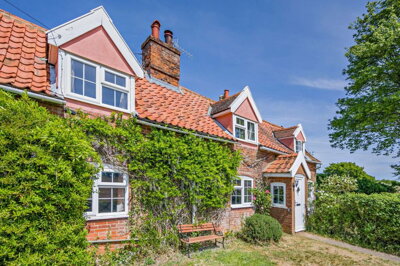
Properties in Alton Pancras predominantly consist of older construction, with many homes dating from the 18th and 19th centuries when the village was a more self-sufficient rural community. Traditional building materials in this part of Dorset typically include local stone, flint, and brick, often with render finish on external walls. Prospective buyers should assess the condition of these materials, looking for signs of cracking, crumbling mortar, or previous repairs that may indicate underlying structural movement. The presence of clay geology in parts of Dorset can create shrink-swell risk for foundations, particularly in properties built on or near clay subsoils, so a careful assessment of the building's foundations is advisable.
Many properties in rural Dorset, including Alton Pancras, may fall within or near conservation areas, and some homes will be listed buildings enjoying legal protection for their historic character. If purchasing a listed property, you will need Listed Building Consent for many alterations, and specialist surveyors should assess the property's condition with these additional obligations in mind. The planning department at Dorset Council can confirm whether a property is listed or within a conservation area, and your solicitor should verify this during the conveyancing process. These designations can affect what you can do with the property but also protect its character and often provide certain planning advantages.
Flood risk in Alton Pancras should be investigated specifically for each property, as our research could not confirm detailed local flood mapping. While the village is inland and therefore avoids coastal flooding concerns, valley locations and proximity to watercourses can create flood risk during periods of heavy rainfall. Your solicitor should arrange appropriate searches with the Environment Agency, and you should ask current owners about any historic flooding issues. Properties on higher ground within the village may offer more protection against flooding, though such positions often command premium prices. Building insurance availability and cost should also be checked before completing a purchase.
The average property price in Alton Pancras over the last year was approximately £220,000 based on sales data from Rightmove. This figure represents a significant market correction, sitting 61% below the previous year and 77% below the 2020 peak of £941,800. Individual property prices vary considerably by type, with terraced homes around £220,000, semi-detached properties from £412,000 to £465,000, and detached homes ranging from £580,000 to £650,000 depending on size and condition. The village's small population and limited property supply mean that each sale can substantially influence average figures, so buyers should research specific roads and property types relevant to their search.
Properties in Alton Pancras fall under Dorset Council's jurisdiction, with council tax bands ranging from A through to H depending on the property's assessed value. Most cottages and smaller terraced properties in the village typically fall into bands A to C, while larger detached homes may be assessed in higher bands. Prospective buyers can check specific properties on the Valuation Office Agency website using the property address. Dorset Council sets the annual council tax rates, and the band determines your contribution to local services including police, fire service, and council provision.
Alton Pancras does not have its own primary school due to the village's small population, so children attend schools in neighbouring communities such as Piddlehinton, Cerne Abbas, or Charlton Down. Secondary schools are located in nearby Dorchester, approximately 8 miles from the village, with options including both comprehensive and grammar schools depending on your child's academic abilities and admission preferences. Parents should verify current catchment areas and admission arrangements through Dorset Council, as these can change and vary between schools. School transport arrangements for secondary pupils typically involve dedicated bus services from the village.
Public transport connectivity from Alton Pancras is limited, reflecting the village's small size and rural location. Bus services operate between rural villages and Dorchester but run on timetables designed for occasional rather than daily commuting use. The nearest mainline railway station is in Dorchester, offering South Western Railway services to London Waterloo with journey times of approximately two and a half hours. Most residents of Alton Pancras rely entirely on private cars for daily transport, and car ownership is considered essential rather than optional in this rural location. Cycling is popular for local journeys given the relatively flat Blackmore Vale terrain.
Alton Pancras offers potential for property investment, though buyers should understand the village's characteristics and limitations. The significant price correction from the 2020 peak of £941,800 to the current average of £220,000 has created more accessible entry points for buyers. Rural villages like Alton Pancras tend to maintain their appeal over time, with limited housing supply and consistent demand from buyers seeking countryside lifestyles. However, the village's small population means rental demand may be limited, and any investment should account for the likelihood of slow capital growth and low liquidity compared to urban property markets. Properties requiring renovation may offer value opportunities given the prevalence of older construction.
Stamp Duty Land Tax on a property purchase in Alton Pancras depends on the purchase price and your buyer status. For standard purchases, you pay nothing on the first £250,000, then 5% on the portion from £250,001 to £925,000. For a typical terraced property at £220,000, no stamp duty would be payable under current thresholds. First-time buyers benefit from relief on the first £425,000, with 5% payable between £425,001 and £625,000. Properties above £1.5 million incur higher rates. Your solicitor will calculate the exact SDLT liability and include this in your total purchase costs, which should be budgeted alongside survey fees, solicitor charges, and moving expenses.
Older properties in Alton Pancras, which form the majority of the housing stock, require careful consideration before purchase. Traditional construction methods using local stone, flint, and brick create beautiful homes but require ongoing maintenance and understanding of how older buildings perform. Common issues include damp penetration through solid walls (rather than cavity walls), timber deterioration, outdated electrical systems, and heating efficiency. A thorough RICS Level 2 Survey is essential, and buyers should budget for potential repair and renovation costs. Some properties may be listed buildings requiring special permissions for alterations, while others may be in conservation areas with planning restrictions on external appearance changes.
From 4.5% APR
Compare mortgage rates from leading UK lenders and find the best deal for your Alton Pancras purchase
From £499
Expert solicitors to handle your property purchase, searches, and contract work
From £350
Homebuyer Report ideal for properties in Alton Pancras with its older housing stock
From £60
Energy Performance Certificate required for all property sales
Budgeting for property purchase in Alton Pancras extends well beyond the advertised price, and understanding total costs helps prevent financial surprises during the transaction. The Stamp Duty Land Tax liability depends on your purchase price and buyer status. For properties at the village's average price of £220,000, standard buyers pay nothing as this falls below the £250,000 threshold. First-time buyers benefit from the enhanced relief, which raises the zero-rate threshold to £425,000, meaning a £220,000 purchase would incur no SDLT whatsoever. Higher-priced properties, particularly the detached homes selling for £500,000 or more, will incur SDLT at the standard rates.
Survey costs represent a significant line item, particularly for the older properties that characterise Alton Pancras. A RICS Level 2 Survey (Homebuyer Report) typically costs from £350 for smaller properties, rising based on property size, value, and complexity. For larger detached homes such as The Glebe House or Rectory Cottage, a more comprehensive RICS Level 3 Building Survey may be advisable, costing more but providing deeper analysis of construction and potential defects. Given that many properties here are pre-1919 construction, the additional cost of thorough surveying is money well spent before committing to purchase. Your solicitor's fees, including search fees, will typically total between £1,500 and £3,000 depending on complexity.
Additional costs to budget include mortgage arrangement fees (often 0-0.5% of loan amount), valuation fees, electronic identification checks, and land registry fees. Buildings insurance must be in place from exchange of contracts, and removals costs vary based on distance and volume. For properties in rural Dorset, Factor in costs for connecting utilities if the property has been vacant, and consider that older properties may require immediate investment in heating systems, rewiring, or roof repairs identified during survey. Total buying costs typically amount to 3-5% of the purchase price, so for a £220,000 property, budget approximately £6,600 to £11,000 beyond the purchase price itself.
Properties for Sale In London

Properties for Sale In Plymouth

Properties for Sale In Liverpool

Properties for Sale In Glasgow

Properties for Sale In Sheffield

Properties for Sale In Edinburgh

Properties for Sale In Coventry

Properties for Sale In Bradford

Properties for Sale In Manchester

Properties for Sale In Birmingham

Properties for Sale In Bristol

Properties for Sale In Oxford

Properties for Sale In Leicester

Properties for Sale In Newcastle

Properties for Sale In Leeds

Properties for Sale In Southampton

Properties for Sale In Cardiff

Properties for Sale In Nottingham

Properties for Sale In Norwich

Properties for Sale In Brighton

Properties for Sale In Derby

Properties for Sale In Portsmouth

Properties for Sale In Northampton

Properties for Sale In Milton Keynes

Properties for Sale In Bournemouth

Properties for Sale In Bolton

Properties for Sale In Swansea

Properties for Sale In Swindon

Properties for Sale In Peterborough

Properties for Sale In Wolverhampton

Enter your details to see if this property is within your budget.
Loans, cards, car finance
Estimated property budget
Borrowing + deposit
You could borrow between
Typical borrowing
Monthly repayment
Est. at 4.5%
Loan-to-value
This is an estimate only. Your actual budget may vary depending on interest rates, credit history, and personal circumstances. For an accurate affordability assessment, speak to one of our free mortgage advisors.
This calculator provides estimates for illustrative purposes only and does not constitute financial advice. Your home may be repossessed if you do not keep up repayments on your mortgage. Estimates based on 4.5% interest rate, repayment mortgage. Actual rates depend on your circumstances.
Homemove is a trading name of HM Haus Group Ltd (Company No. 13873779, registered in England & Wales). Homemove Mortgages Ltd (Company No. 15947693) is an Appointed Representative of TMG Direct Limited, trading as TMG Mortgage Network, which is authorised and regulated by the Financial Conduct Authority (FRN 786245). Homemove Mortgages Ltd is entered on the FCA Register as an Appointed Representative (FRN 1022429). You can check registrations at NewRegister or by calling 0800 111 6768.

We use cookies to show you personalised content and improve your experience of our website. Find out more in our Privacy policy and Cookie policy.