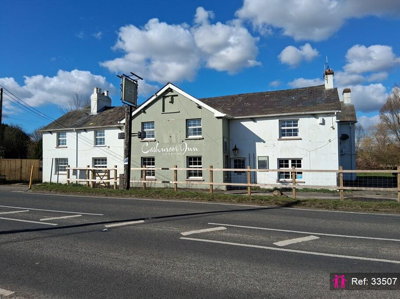
Browse 1 home for sale in Farnham from local estate agents.
The 2 bed house market features detached, semi-detached, and terraced properties with two separate bedrooms plus living spaces. Properties in Farnham range from Victorian and Edwardian period homes to modern new builds, with pricing varying across different neighbourhoods.
The Farnham, Dorset property market has demonstrated remarkable resilience despite broader national fluctuations. Prime prices across Farnham and its surrounding areas recorded a modest decline of 0.5% over the twelve-month period leading into Q1 2025, according to Savills data. However, when viewed through a longer lens, property values have increased by 8.7% since December 2019, prior to the pandemic, indicating sustained underlying demand for homes in this sought-after Dorset village. The market experienced a more significant cooling of 9.7% from its Q3 2022 peak, aligning with national corrections that have affected premium rural locations.
Transaction volumes in Farnham reflect the village's position as a smaller, specialist market rather than a high-volume suburban area. Land Registry records show 226 residential sales completed over the past year, representing a decrease of 27 transactions compared to the previous twelve months. The majority of these sales, numbering 67 properties, fell within the £260,000 to £466,000 price bracket, suggesting strong activity among family homes and starter properties. Properties above £965,000 continue to attract buyers seeking the substantial period homes and converted buildings that define the village's character, with the February 2026 average price paid standing at £670,000, according to current market indicators.
New build supply in Farnham remains limited, with no major active developments verified within the village itself. This scarcity of newly constructed homes contributes to the premium commanded by period properties and maintains the village's architectural character. Prospective buyers should note that while some modern properties do come to market, the majority of available stock consists of older homes constructed using traditional methods and materials. This factor significantly influences renovation budgets and ongoing maintenance requirements, making thorough surveys particularly valuable for anyone considering a purchase in the village.

Farnham, Dorset, embodies the essence of rural English village life, offering residents a peaceful retreat while maintaining access to the amenities of surrounding towns. The village is characterised by its handsome collection of period properties, including charming Grade II listed farmhouses and extended cottages that speak to centuries of architectural heritage. The presence of such historic buildings throughout the village creates a distinctive streetscape where traditional Dorset craftsmanship remains visible in stone walls, thatched roofs, and mature hedgerows that frame country lanes and public footpaths winding through the surrounding countryside.
The village and its immediate surroundings offer practical amenities for daily living, with the nearby market town of Blandford Forum providing additional shopping, healthcare, and educational facilities within easy reach. The local economy benefits from agricultural roots and the steady influx of commuters who appreciate Farnham's strategic position. Community life in villages like Farnham often centres on parish churches, village halls, and local pubs, creating opportunities for connection among residents who value the slower pace of country living. The area's appeal extends to outdoor enthusiasts, with numerous bridleways and footpaths offering recreation through Dorset's protected landscapes, including the Dorset Area of Outstanding Natural Beauty.
The surrounding countryside offers exceptional walking and riding opportunities, with public footpaths crossing farmland and through ancient woodlands typical of north Dorset. Cyclists find both challenging hill routes and gentler lanes suitable for family rides, while the proximity to the Cranborne Chase and West Wiltshire Downs AONB provides access to some of southern England's most unspoilt landscapes. Horse riders benefit from the network of bridleways connecting Farnham to neighbouring villages, making this part of Dorset particularly attractive to those who wish to keep horses at livery.

Families considering a move to Farnham, Dorset, will find educational provision available both within the village and in surrounding towns. The primary years are typically served by village schools or those in nearby communities, with broader secondary options located in towns such as Blandford Forum, Shaftesbury, and Poole. Given the village's premium property market and the significant proportion of upsizing buyers, educational quality ranks among the key considerations for households relocating to this part of Dorset. Parents are advised to research specific catchment areas and admission policies, as these can significantly influence school placement.
The primary school serving Farnham and surrounding villages typically draws pupils from a catchment area spanning several miles of Dorset's rural landscape. These smaller village schools often benefit from strong community connections and individual attention for pupils, though class sizes and facilities may differ from larger town schools. Parents should visit potential schools, meet headteachers, and review recent Ofsted reports when evaluating educational provision for younger children. The intimate scale of village education can offer real advantages for early years development, with younger children benefiting from mixed-age interactions and outdoor learning opportunities that rural settings provide naturally.
Secondary education in the wider area includes both state and independent options, with several well-regarded schools accessible within a reasonable commute. The Dorset local education authority maintains detailed information about school performance, catchment boundaries, and admission arrangements that buyers should consult when evaluating the suitability of specific postcodes. For families seeking religious education or alternative curricula, faith schools and independent establishments in towns like Poole and Wimborne provide additional choices. Sixth form provision is available at secondary schools in nearby towns, with Bournemouth and Poole colleges offering further and higher education opportunities for older students.
Independent schooling options in Dorset include a range of preparatory and senior schools, some offering boarding facilities for families requiring flexible arrangements. The proximity of Farnham to major road routes means that several highly regarded independent schools in Wiltshire and Hampshire fall within a reasonable daily commute range for families willing to travel. These schools often feature extensive grounds, specialist teaching facilities, and strong academic records that attract families from across the region. Planning school transport arrangements during the property search process can help ensure that chosen properties align with available educational options.
Farnham, Dorset, offers practical connectivity for commuters while maintaining its rural character, with routes linking the village to major urban centres including Bournemouth, Southampton, and London. The strategic positioning of Dorset villages like Farnham has long attracted buyers who appreciate country living but require access to capital for work or family reasons. Road connections via the A354 and surrounding A-roads provide routes to Salisbury and the motorway network beyond, while the mainline railway station at Tisbury offers direct services to London Waterloo, positioning Farnham favourably within the regional transport infrastructure.
Public transport options serving Farnham include bus routes connecting the village to Blandford Forum and other nearby towns, providing essential mobility for residents without private vehicles. The nearest major railway hubs are located at Salisbury, Southampton, and Bournemouth, each offering connections to the wider rail network and domestic services to London, the South Coast, and beyond. For air travel, Bournemouth Airport provides international flights alongside domestic and European routes, while Southampton Airport offers additional options. Cyclists benefit from country lanes and designated routes through the Dorset countryside, though the hilly terrain requires appropriate fitness levels. Parking provision in Farnham itself typically reflects its village character, with on-street parking common for residents.
The train journey from Tisbury to London Waterloo takes approximately two hours, making this route viable for those working in the capital on a hybrid basis. Regular commuters often find that the relatively short drive to Tisbury station compares favourably with longer journeys from more remote locations, adding to Farnham's appeal for buyers seeking to balance rural living with professional commitments. Advance booking of train tickets can yield significant savings for regular travellers, with season ticket options providing additional value for those commuting five days per week. The village's position away from major congestion points also means that driving to nearby towns for shopping or leisure typically involves straightforward journeys without the delays common in urban areas.
Begin your property search by exploring listings in Farnham, Dorset, and understanding current price trends. With average prices around £625,000 to £670,000 and properties ranging from £450,000 to over £965,000, knowing your budget and the types of property available will help you focus your search effectively. Given the village's mix of period and modern properties, research should include understanding which property types match your requirements and budget.
Before scheduling viewings, obtain a mortgage agreement in principle from a lender. This strengthens your position when making offers and demonstrates to sellers that you have financing secured. Farnham's competitive market often sees multiple buyers interested in premium properties, making financial preparation essential for successful purchases.
Arrange viewings of properties matching your criteria, paying attention to the condition of period features, potential maintenance requirements, and the surrounding neighbourhood. The village's Grade II listed properties may have specific considerations regarding permitted development rights and maintenance obligations. Take time to walk the village and speak with residents about the area.
Given the prevalence of older properties in Farnham, a Level 2 HomeBuyer Report is strongly recommended. This survey identifies defects such as damp, roof condition, and structural concerns common in period buildings, providing you with essential information before committing to purchase. Our team recommends this survey for most properties in the village due to the age of the housing stock.
Once you have found your ideal property and completed preliminary surveys, submit an offer through the estate agent. Be prepared to negotiate on price based on survey findings or market conditions. Farnham's market has seen slight price corrections, creating opportunities for informed buyers who approach negotiations with realistic expectations.
Appoint a conveyancing solicitor to handle the legal transfer of ownership, conduct searches, and manage contracts. On exchange of contracts, you will pay your deposit. Completion typically follows within weeks, transferring ownership and allowing you to collect your keys and begin your new life in Farnham.
Purchasing a property in Farnham, Dorset, requires attention to several area-specific considerations that reflect the village's character and property stock. The prevalence of period properties, including Grade II listed buildings, means that many homes will be constructed using traditional methods and materials such as local stone and handmade bricks. These properties often carry maintenance obligations and may be subject to planning restrictions that limit alterations or extensions. Prospective buyers should investigate whether listed building consent is required for any proposed changes and factor the cost of maintaining period features into their budget.
The construction of older properties in Farnham typically predates modern building regulations, meaning that features such as solid walls rather than cavity construction, original timber frames, and pre-1970s electrical systems are commonly encountered. These characteristics do not necessarily indicate problems but do require understanding when budgeting for maintenance and improvements. Our surveyors frequently identify issues including penetrating damp in solid wall constructions, timber decay in period window frames and floor joists, and outdated electrical installations that require updating to current standards. Having a professional survey conducted before purchase allows these matters to be quantified and, where necessary, addressed through price negotiations.
Flood risk assessment deserves careful attention despite the village's inland position. While specific flood risk data for Farnham, Dorset, was not definitively verified at the time of this research, general property searches should always include drainage and flood history enquiries. The age of many properties in the village also raises the importance of checking for issues common in older construction, including damp penetration, roof condition, timber decay, and outdated electrical wiring. A thorough RICS Level 2 survey will identify these concerns and provide negotiating leverage if remedial work is needed. Service charges and ground rent apply to any leasehold properties, so understanding these ongoing costs is essential for comparing the true cost of ownership across different property types available in the village.
Conservation area designation may apply to parts of Farnham, affecting what owners can do without planning permission. Properties within conservation areas typically face stricter controls over external alterations, extensions, and even boundary treatments. Prospective buyers should verify the conservation area status of any property they are considering, as this can significantly impact future renovation plans and costs. Our team can advise on how conservation area status might affect your ownership and any proposed changes to the property.
Understanding the typical construction methods found in Farnham properties helps buyers appreciate the characteristics and potential maintenance considerations of homes in this Dorset village. The majority of period properties in the area were built using local materials that reflect the geology and building traditions of north Dorset. Traditional construction typically features solid brick or stone walls, handcrafted timber roof structures with clay or slate tiles, and solid rather than suspended floor constructions. These building methods served their purpose admirably for generations but do require different approaches to insulation, moisture management, and maintenance compared to modern construction.
The solid wall construction prevalent in older Farnham properties presents particular considerations for energy efficiency and moisture management. Unlike modern cavity walls, solid walls have no gap for insulation to sit within, meaning that adding insulation requires careful consideration of breathability and moisture transfer. Our surveyors assess the condition of walls, identifying signs of penetrating or rising damp that commonly affect solid wall construction, particularly where original damp-proof courses have failed or been bridged by external ground levels or internal additions. Understanding these characteristics helps buyers make informed decisions about renovation budgets and ongoing maintenance priorities.
Roof structures in period Farnham properties typically consist of timber rafters supporting either clay tile or slate coverings, with some thatched roofs adding to the village's character. These roofs often have limited insulation between and below rafters by modern standards, representing both an opportunity for improvement and a potential source of heat loss. Our inspectors examine roof conditions thoroughly, noting the condition of tiles or thatch, the integrity of flashings and verges, and the presence of any timbers affected by wet or dry rot. Given that roof replacement or significant repair can represent a substantial cost, survey findings in this area are particularly valuable for budgeting purposes.
Land Registry data shows the average second-hand sale price in Farnham, Dorset, was £625,040 in the year to November 2024. More recent data indicates average prices of around £670,000 as of February 2026. Property prices in the village typically range between £450,000 and £965,000, with most sales activity occurring in the £260,000 to £466,000 bracket. Prices have shown resilience with an 8.7% increase since December 2019, despite more recent market corrections that have affected premium rural locations throughout the country.
Council tax bands in Farnham, Dorset, are set by Dorset Council and vary according to property value and type. Banding assessments are conducted by the Valuation Office Agency, with individual bands visible on property listings or through the council's online database. As a guide, smaller cottages and apartments typically fall into bands A to C, while substantial detached period homes often occupy bands F to H. Prospective buyers should verify the specific band for any property they are considering, as council tax contributions fund local services including education, waste collection, and road maintenance.
Primary education is available at village schools or those in nearby communities, with specific school quality assessed through Ofsted reports. The primary school serving Farnham typically caters to pupils from the village and surrounding countryside, offering the intimate scale and community feel that characterises rural education provision. Secondary education options in the wider Dorset area include schools in Blandford Forum, Shaftesbury, and other towns, each with varying academic and extracurricular strengths. Parents should research individual school performance data, admission catchment areas, and travel arrangements when evaluating educational provision. Independent school options exist in surrounding towns for families seeking alternative educational approaches.
Farnham, Dorset, is served by local bus routes connecting the village to Blandford Forum and neighbouring communities. The nearest mainline railway station is located at Tisbury, offering direct services to London Waterloo with journey times of approximately two hours. Major railway hubs at Salisbury, Southampton, and Bournemouth provide additional connectivity for longer-distance travel. For air travel, Bournemouth Airport and Southampton Airport offer domestic and international flights within convenient driving distance of the village.
Farnham, Dorset, appeals to investors seeking steady demand driven by the village's character, schooling, and commuting accessibility. The limited supply of new build properties in the village supports values in the premium segment, while strong local demand from upsizing families and commuters provides ongoing market activity. Rental yields may be moderate compared to urban areas, but the quality of tenant attracted to rural Dorset locations tends to be high. Property values have shown long-term growth of 8.7% since 2019, suggesting reasonable capital appreciation potential for patient investors. The scarcity of properties coming to market also means that well-priced homes typically attract interest quickly.
Stamp Duty Land Tax applies to all property purchases in England, including Farnham, Dorset. Standard rates start at 0% on the first £250,000 of purchase price, rising to 5% on the portion between £250,001 and £925,000, then 10% up to £1.5 million, and 12% on any amount above that. First-time buyers benefit from relief on the first £425,000, with 5% charged between £425,001 and £625,000. Given Farnham's average prices around £625,000, a typical buyer without first-time status would pay approximately £18,750 in stamp duty on a property at this price point.
Farnham, Dorset, contains a notable concentration of Grade II listed properties, including period farmhouses and cottages that contribute to the village's distinctive character. Listed building status provides legal protection for these properties' architectural and historical features, meaning that any alterations, extensions, or even some maintenance works require consent from the local planning authority. This designation can affect insurance considerations and may limit what changes owners can make to their properties. Prospective buyers should satisfy themselves that they understand these obligations before proceeding with a purchase of a listed property in the village.
Given the age of much of the housing stock in Farnham, common maintenance issues include damp affecting solid wall constructions, deterioration of timber elements such as window frames and floor joists, and outdated electrical systems that may require updating to meet current standards. Roof coverings on period properties may show wear requiring repair or replacement, while chimneys and flues on unused fireplaces often require attention. Our surveyors are experienced in assessing these typical defects and can provide detailed reports that help buyers understand the condition and maintenance requirements of specific properties they are considering.
From 4.5%
Compare mortgage rates from leading lenders
From £499
Expert conveyancing solicitors for your property purchase
From £350
Professional survey for standard properties in Farnham
From £450
Detailed structural survey for period properties
From £60
Energy performance certificate for your property
Understanding the full costs of purchasing property in Farnham, Dorset, is essential for budgeting effectively. Beyond the property price, buyers must account for Stamp Duty Land Tax, which for a typical Farnham property at the current average price of £625,000 would amount to approximately £18,750 for a buyer without first-time buyer relief. Those purchasing as their main residence and meeting eligibility criteria would qualify for first-time buyer relief, reducing this cost significantly. The tax operates on a tiered basis with nil rate on the first £250,000, 5% up to £925,000, 10% between £925,001 and £1.5 million, and 12% on amounts exceeding £1.5 million.
Additional purchase costs include solicitor or conveyancer fees, typically ranging from £500 to £2,000 depending on complexity and property value. Survey costs for a RICS Level 2 HomeBuyer Report generally start from around £350 for standard properties, though larger or more complex period homes may incur higher fees. Local search fees, bankruptcy checks, and land registry fees add several hundred pounds to the legal costs. Mortgage arrangement fees, valuation fees, and broker charges should also be factored into the overall budget, bringing typical buying costs to between 2% and 5% of the property price. Buyers purchasing leasehold properties should additionally budget for notice fees, deed certificate costs, and any ground rent or service charge apportionments due on completion.
Factor fund transfers and mortgage booking fees into your budget alongside building insurance, which should be arranged from the point of completion. Properties in conservation areas or those with period features may require specialist insurance coverage, potentially at higher premiums than standard policies. Setting aside a contingency fund equivalent to 10-15% of the purchase price is advisable to cover unexpected works identified by survey or issues arising after move-in. This reserve proves particularly valuable for period properties where maintenance requirements often exceed initial expectations.
Properties for Sale In London

Properties for Sale In Plymouth

Properties for Sale In Liverpool

Properties for Sale In Glasgow

Properties for Sale In Sheffield

Properties for Sale In Edinburgh

Properties for Sale In Coventry

Properties for Sale In Bradford

Properties for Sale In Manchester

Properties for Sale In Birmingham

Properties for Sale In Bristol

Properties for Sale In Oxford

Properties for Sale In Leicester

Properties for Sale In Newcastle

Properties for Sale In Leeds

Properties for Sale In Southampton

Properties for Sale In Cardiff

Properties for Sale In Nottingham

Properties for Sale In Norwich

Properties for Sale In Brighton

Properties for Sale In Derby

Properties for Sale In Portsmouth

Properties for Sale In Northampton

Properties for Sale In Milton Keynes

Properties for Sale In Bournemouth

Properties for Sale In Bolton

Properties for Sale In Swansea

Properties for Sale In Swindon

Properties for Sale In Peterborough

Properties for Sale In Wolverhampton

Enter your details to see if this property is within your budget.
Loans, cards, car finance
Estimated property budget
Borrowing + deposit
You could borrow between
Typical borrowing
Monthly repayment
Est. at 4.5%
Loan-to-value
This is an estimate only. Your actual budget may vary depending on interest rates, credit history, and personal circumstances. For an accurate affordability assessment, speak to one of our free mortgage advisors.
This calculator provides estimates for illustrative purposes only and does not constitute financial advice. Your home may be repossessed if you do not keep up repayments on your mortgage. Estimates based on 4.5% interest rate, repayment mortgage. Actual rates depend on your circumstances.
Homemove is a trading name of HM Haus Group Ltd (Company No. 13873779, registered in England & Wales). Homemove Mortgages Ltd (Company No. 15947693) is an Appointed Representative of TMG Direct Limited, trading as TMG Mortgage Network, which is authorised and regulated by the Financial Conduct Authority (FRN 786245). Homemove Mortgages Ltd is entered on the FCA Register as an Appointed Representative (FRN 1022429). You can check registrations at NewRegister or by calling 0800 111 6768.

We use cookies to show you personalised content and improve your experience of our website. Find out more in our Privacy policy and Cookie policy.