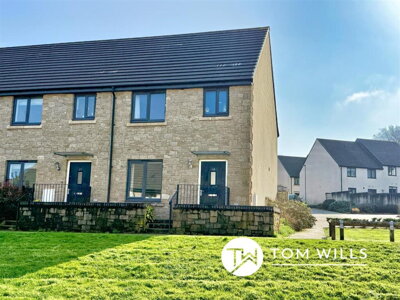
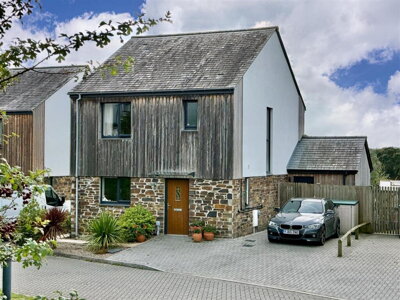
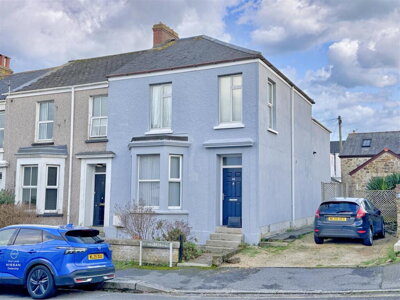
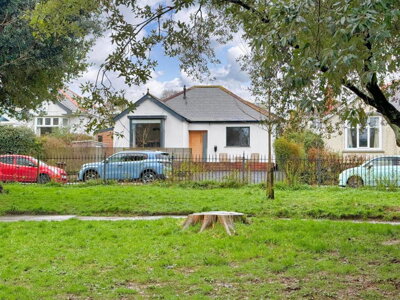
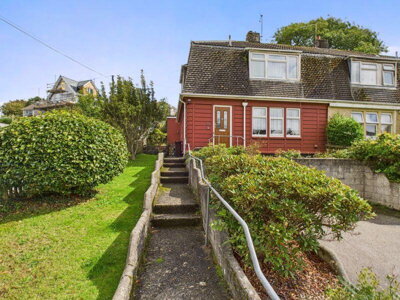
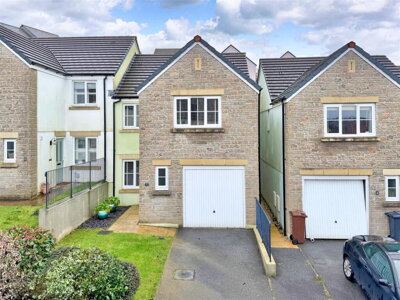
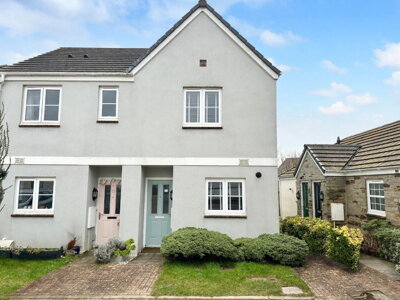
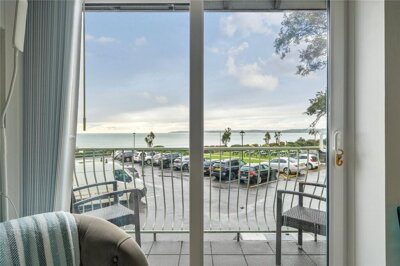
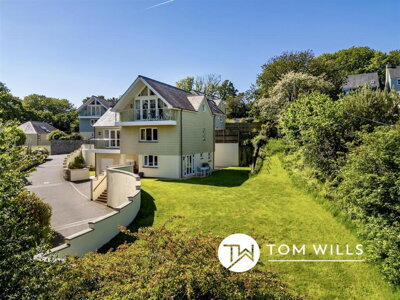
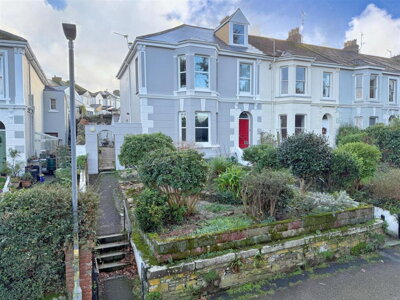
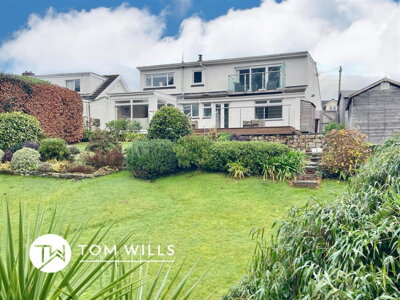
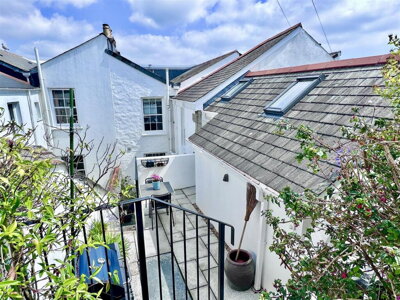
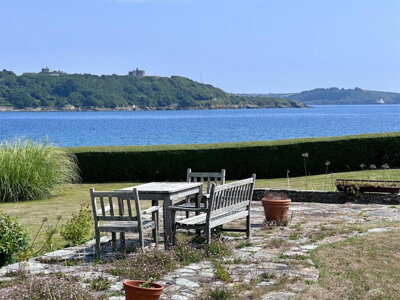
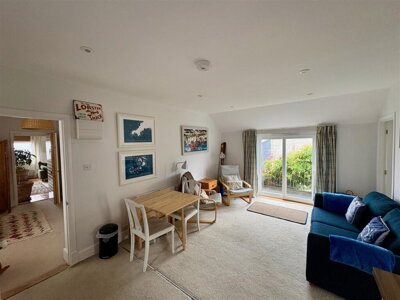
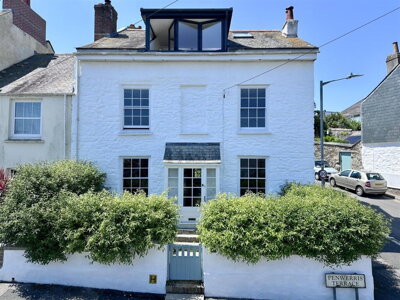
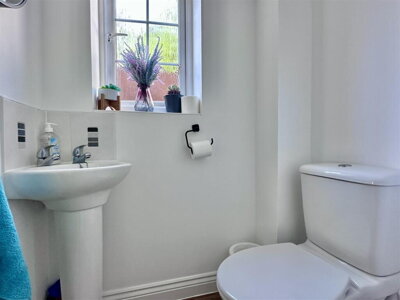
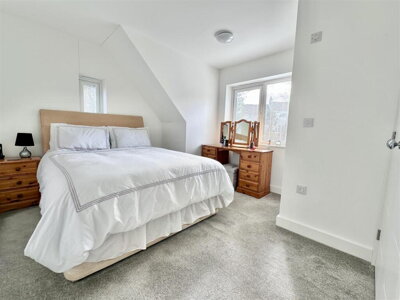
Browse 375 homes for sale in Falmouth, Cornwall from local estate agents.
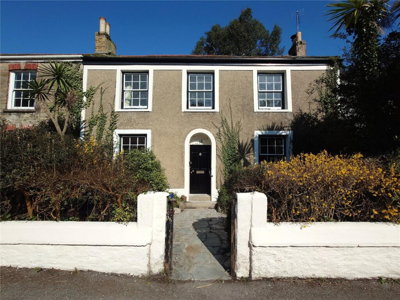
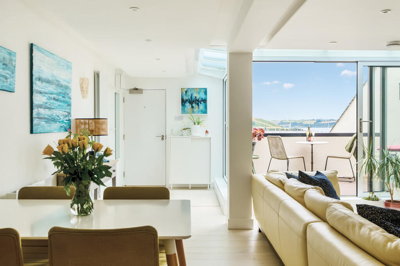
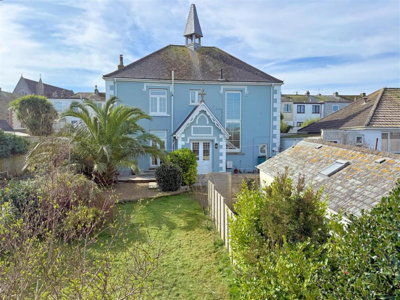
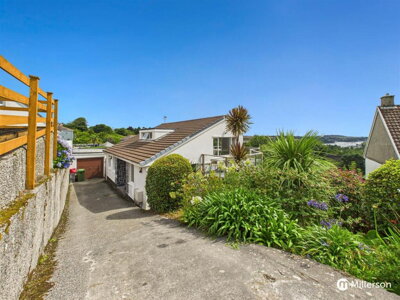
The Falmouth property market offers detached, semi-detached, and terraced houses spanning various price ranges and neighbourhoods. Each listing includes detailed property information, photographs, and direct contact with the marketing agent.
£385k
80
7
123
Source: home.co.uk
Showing 80 results for Houses for sale in Falmouth, Cornwall. 7 new listings added this week. The median asking price is £385,000.
Source: home.co.uk
Semi-Detached
28 listings
Avg £375,516
Detached
27 listings
Avg £560,777
Terraced
25 listings
Avg £345,745
Source: home.co.uk
Source: home.co.uk
Terraced properties dominate the sales mix in Falmouth, with an average price of £367,665 making them an attractive option for first-time buyers and investors alike. Semi-detached homes command slightly higher prices at around £378,980 on average, offering additional space for growing families. Flats remain the most affordable entry point at approximately £308,357, while detached houses reach an average asking price of £527,500. The town saw 287 residential property sales in the last year, representing a decrease of 71 transactions compared to the previous year as the market adjusts to new economic conditions.
The majority of housing stock dates from the post-war period, with 31% built between 1960 and 1979 and a further 16% from the 1940s and 1950s. About 12% of properties were constructed before 1939, including elegant Georgian townhouses along the waterfront and charming granite fisherman's cottages tucked away in the historic lanes. The remainder of Falmouth's homes were built from 2000 onwards, representing newer developments that cater to modern tastes while respecting the town's architectural heritage.
Asking prices have shifted by an average of -2.6% over the past six months, suggesting that sellers are adjusting expectations in response to changing market conditions. This price adjustment creates opportunities for buyers who were previously priced out of certain neighbourhoods, particularly near the university campus where student demand influences the rental market. The combination of stable long-term values and reasonable current pricing makes Falmouth an attractive option for both end-users and investors seeking a foothold in Cornwall's premier coastal town.

Falmouth occupies a stunning position on the Fal estuary, where the deep natural harbour has shaped the town's identity for centuries. The historic Georgian architecture lines the waterfront, with elegant terraces reflecting the wealth that once flowed through this busy port. Today, Falmouth maintains its maritime character while embracing a creative culture driven by the university, which specialises in art, design, and digital media. The town centre buzzes with independent shops, galleries, cafes, and restaurants serving fresh local seafood alongside international cuisine.
The local economy relies heavily on tourism, marine industries, and education, creating a seasonal rhythm that peaks in July when employment is 27% higher than the winter low. This seasonality also affects the housing market, with approximately 31% of homes in Falmouth used seasonally rather than as permanent residences. About 81% of the 14,000 year-round occupied housing units are owner-occupied, reflecting a strong sense of community pride among permanent residents who contribute to Falmouth's distinctive character throughout the year.
Falmouth's neighbourhoods each offer distinct character that appeals to different buyer profiles. The old town harbourside area features narrow lanes and historic terraces with direct water access, perfect for those who want to be maritime life. Areas like Penryn have experienced significant regeneration in recent years, with the university's Penryn Campus bringing new investment and younger residents to the town. Family-friendly neighbourhoods away from the town centre offer quieter residential streets within easy reach of local schools and amenities, making them popular choices for those seeking more space for their money compared to harbourside locations.

Families considering a move to Falmouth will find a good selection of educational establishments serving all age groups. The town is home to several primary schools, including Falmouth Primary Academy and St Mary's Catholic Primary School, which serve their respective catchments with dedicated teaching staff and strong community involvement. Secondary education is provided through Falmouth School and Penryn College, with the latter serving students from across south-west Cornwall including neighbouring Penryn. The local schools have worked hard to improve their Ofsted ratings in recent years, giving parents confidence in the educational provision available within the town itself.
Higher education plays a significant role in Falmouth's character through Falmouth University's campuses, which attract students from around the world to study creative subjects such as illustration, photography, animation, and marine biology. The university's presence creates a year-round youthful atmosphere and supports local businesses that cater to student needs. For families with older children considering university options, having Falmouth University on the doorstep eliminates the need to travel far for quality arts and sciences education, making the town particularly attractive to parents planning for their children's futures.
Early years provision in Falmouth includes a range of private nurseries and preschool settings, with several located near the university campus taking advantage of flexible staff timetables. For families relocating from larger cities, the scale of educational provision in Falmouth may feel more intimate compared to urban alternatives, but the quality of teaching and range of subjects available at secondary level compares favourably with schools in larger towns across the South West.
Getting to and from Falmouth has become increasingly convenient as the town has developed its transport connections over recent years. The nearest major railway station is Truro, approximately 30 minutes away by bus or car, which provides direct services to London Paddington, Plymouth, Bristol, and Exeter. The Falmouth branch line connects the town to Truro via Penryn, with regular services operated by Great Western Railway throughout the day. Many residents find that working remotely has made Falmouth an even more attractive proposition, combining beautiful coastal living with the ability to commute to London or other major cities for important meetings when needed.
Road access from Falmouth is via the A39 which runs through the town connecting to the A30 at Truro, providing the main arterial route across Cornwall. The journey to Truro takes approximately 20 minutes by car, while Exeter and the M5 motorway are around 90 minutes away. For international travel, Newquay Airport offers flights to various UK and European destinations, making overseas travel accessible without a long journey to major airports. Locally, the Falmouth Ferry connects to St Mawes during the summer months, providing a scenic alternative to road travel across the Fal estuary.
Daily commuters will appreciate that while Falmouth is a coastal town, the reliable train service to Truro and onward connections mean that occasional office visits are manageable. The working from home revolution has particularly benefited Falmouth, with many residents employed in creative industries, digital technology, and professional services that can be conducted remotely. The town's cafes and co-working spaces provide alternative working environments for those who prefer not to work from home every day.
Start by exploring listings on Homemove to understand what is available within your budget. The average asking price in Falmouth is £552,366, with terraced properties averaging £367,665 and detached homes reaching £527,500. Consider working with a local estate agent who knows the nuances of different neighbourhoods, from the harbour-front terraces of the old town to the modern developments near the university campus.
Before arranging viewings, contact a mortgage broker to obtain an agreement in principle. This document demonstrates to sellers that you are a serious buyer with financing already arranged. Current first-time buyer stamp duty thresholds extend to £425,000 for properties purchased without previous ownership, which covers many flats and terraced properties in Falmouth's market.
Visit properties that match your requirements, taking time to assess not just the home itself but also the surrounding neighbourhood. Consider factors such as proximity to schools, transport links, and local amenities. The seasonal population increase to 100,000 during summer months affects traffic and parking, so factor this into your assessment if you plan to live in the town year-round.
Once you have found your ideal property, instruct a qualified surveyor to conduct a RICS Level 2 Home Survey before completing. In Falmouth's coastal environment, these surveys commonly identify issues such as salt damage from sea air, moisture ingress in maritime-influenced homes, and roof deterioration on older properties. Survey costs in Falmouth start from around £375 for standard properties.
Appoint a solicitor to handle the legal aspects of your purchase, including property searches, contract review, and registration at the Land Registry. Your solicitor will also handle the transfer of funds on completion day and ensure all Stamp Duty Land Tax is correctly calculated and paid.
After satisfactory survey results and agreed terms, you will exchange contracts with the seller and pay your deposit. The completion date is then set, typically 2-4 weeks later, when the remaining funds are transferred and you receive the keys to your new Falmouth home.
Properties in Falmouth face unique challenges that buyers should understand before committing to a purchase. The coastal environment means salt damage from sea air is prevalent throughout the town, particularly affecting properties within close proximity to the harbour and waterfront. This salt exposure can accelerate corrosion of metalwork, deterioration of render finishes, and decay of timber components. A thorough survey is essential to identify any existing damage and estimate future maintenance costs that may not be immediately visible during a standard viewing.
Flood risk requires careful consideration given Falmouth's position on the Fal estuary. While specific flood zone designations vary by exact location, the deep natural harbour and tidal influence mean that properties near the waterfront or in low-lying areas may face increased risk of tidal flooding during severe weather events. Properties in high-risk radon areas have been identified in parts of Falmouth, so a radon test is advisable for ground-floor rooms and basements. Always review the Environment Agency flood risk maps for the specific postcode before purchasing and consider whether buildings insurance will adequately cover your needs.
The age of Falmouth's housing stock means that many properties will contain materials requiring specialist handling during renovation. Properties built before 1980 may contain asbestos in insulation, floor tiles, or pipe lagging, requiring professional assessment before any works commence. Historic settlement cracks are common in Georgian and Victorian properties, and poor quality cement-based repairs carried out over the years can sometimes cause more damage than the original defect. If you are considering a listed building, remember that permitted development rights may be restricted, requiring planning permission for extensions or significant alterations.
Construction materials in Falmouth reflect both the local geology and maritime heritage. Traditional granite stonework features in older cottages, while Victorian and Edwardian properties typically use locally-sourced stone with decorative rendered facades. Late 19th-century terraced properties often feature load-bearing solid or cavity masonry construction with pitched artificial slate roofs and timber floors. Understanding these construction methods helps buyers appreciate why certain maintenance issues arise and how best to address them when budgeting for repairs or improvements.
Falmouth continues to grow with several new housing developments either recently completed or at various planning stages. The largest proposed scheme is at Ponsharden on Falmouth's northern edge, where outline planning permission is being sought for up to 315 new homes along with mixed-use development including a new vehicular bridge over the Falmouth to Truro railway line. This development, situated west of the former Vospers garage site, would provide 35% affordable housing and is identified by Cornwall Council as meeting housing needs for both Falmouth and Penryn residents.
For buyers seeking newly constructed properties, a Barratt-built three-bedroom home was listed for sale in the area, complete with the remainder of its NHBC warranty, sun-trap garden, garage, and driveway, demonstrating that major national housebuilders are active in Falmouth. Additional planning applications in the surrounding area show continued interest in delivering new housing to meet demand from growing employment in marine industries, creative sectors, and tourism-related businesses that anchor the local economy.
New builds offer advantages including reduced maintenance requirements, modern insulation standards, and the security of warranties that protect against defects. However, buyers should also consider that new developments may be situated on the town outskirts where amenities require travel, and that premium prices for new-build properties sometimes exceed comparable older homes nearby. Our listings include both new build and existing properties across Falmouth, allowing you to compare options and decide what represents the best value for your circumstances.
The average house price in Falmouth stands at £389,376 based on recent sold prices, while the average asking price for current listings is £552,366. Terraced properties average £367,665, semi-detached homes around £378,980, and flats approximately £308,357. Detached houses command the highest prices with an average asking price of £527,500. Property prices have increased by 2.3% over the past year, showing a stabilising market after the 2022 peak of £402,506.
Properties in Falmouth fall under Cornwall Council's jurisdiction for council tax purposes. Bands range from A to H depending on the property's assessed value, with the majority of terraced properties and flats typically falling into bands A through C. Exact bands depend on the individual property valuation, and you can check specific bands on the Cornwall Council website or through property listing details. Cornwall Council publishes annual council tax schedules showing the exact amounts payable for each band.
Falmouth offers good educational options including Falmouth Primary Academy, St Mary's Catholic Primary School, and Flushing School at primary level. Secondary schools serving the area include Falmouth School and Penryn College, with the latter serving students from across south-west Cornwall. Falmouth University provides higher education opportunities locally, specialising in creative arts, design, and digital media subjects. Parents should always verify current catchment areas and Ofsted ratings directly with schools, as these can change and vary by property location.
Falmouth connects to the national rail network through the Falmouth branch line running to Truro, with Great Western Railway operating direct services. The journey from Truro to London Paddington takes approximately 4 hours 30 minutes. Local buses serve Falmouth and surrounding towns including Penryn, Truro, and St Ives. Newquay Cornwall Airport provides flights to UK and European destinations, while the Falmouth to St Mawes ferry operates during the summer season.
Falmouth offers solid investment potential due to its enduring appeal as a coastal destination with strong tourism and university-driven demand. The seasonal population increase to over 100,000 during summer months creates opportunities for holiday lettings, though this market can be competitive. The town's creative university and maritime industries help sustain year-round economic activity beyond pure tourism. Property prices have shown resilience with recent modest growth, and the ongoing development of new housing projects should help maintain supply for continued demand.
Standard Stamp Duty Land Tax rates start at 0% for properties up to £250,000, rising to 5% on the portion between £250,001 and £925,000, 10% up to £1.5 million, and 12% above that threshold. First-time buyers benefit from relief on properties up to £425,000, paying 0% on the first £425,000 and 5% on the portion between £425,001 and £625,000. This relief does not apply above £625,000. Your solicitor will calculate the exact amount due based on your circumstances and the purchase price.
Coastal-specific risks include salt air corrosion affecting metalwork and exterior finishes, potential flood risk for waterfront and low-lying properties, and moisture ingress in properties exposed to maritime weather conditions. Many properties pre-date 1980 and may contain asbestos requiring professional removal before renovation works. Some areas of Falmouth fall within high-risk radon zones, necessitating testing especially for ground-floor accommodations. A comprehensive RICS Level 2 survey will identify these issues and help you budget for any necessary remediation works.
Several new housing schemes are in development across Falmouth. The largest proposal is for up to 315 homes at Ponsharden on the northern edge of town, which would include 35% affordable housing and be delivered by the Church Commissioners for England. A recently completed three-bedroom Barratt home in the area demonstrates that national housebuilders remain active locally. The new build market in Falmouth tends to attract buyers seeking modern facilities and warranty protection, though prices for new properties typically exceed comparable older homes.
Employment in Falmouth follows a strongly seasonal pattern, with July employment levels running 27% higher than the winter low recorded in February. Key employment sectors include tourism, marine industries, and education, with Falmouth University serving as a major year-round employer. Average wages in these industries fall below what is needed to afford median-priced properties, meaning that many buyers work remotely for employers outside the area or commute periodically to offices in London, Bristol, or other major cities.
Understanding the full cost of buying a property in Falmouth extends beyond the purchase price to include Stamp Duty Land Tax, solicitor fees, survey costs, and moving expenses. For a typical terraced property at the average price of £367,665, a first-time buyer would pay no stamp duty on the first £425,000 but would owe 5% on any amount above that threshold. A home buyer purchasing with an existing property would pay 5% on the portion between £250,000 and £367,665, resulting in SDLT of approximately £5,883. These calculations depend on your buyer status and purchase price, so always confirm the exact amount with your solicitor.
Additional costs to budget for include RICS Level 2 surveys starting from around £375 in Falmouth, though larger or more complex properties will cost more. Conveyancing fees typically range from £499 to £1,500 depending on the property value and whether the transaction is straightforward. Mortgage arrangement fees vary by lender but commonly range from zero to £2,000, and you should also factor in valuation fees if required by your lender. Buildings insurance should be arranged from the point of exchange, and you may need to consider contents insurance for your new home. Overall, buyers should budget an additional 3-5% of the purchase price to cover these ancillary costs when planning their move to Falmouth.
Survey costs warrant particular attention given Falmouth's coastal environment. Properties near the harbour or waterfront often show higher maintenance requirements due to salt exposure, so investing in a thorough RICS Level 2 survey before purchase helps avoid unexpected repair bills. Flats and smaller properties typically cost around £400 for a survey, while larger homes or those with unusual construction may exceed £600. The modest cost of a survey compared to the overall purchase price makes it a worthwhile investment that can reveal defects requiring negotiation or that might otherwise prove expensive after completion.
Properties for Sale In London

Properties for Sale In Plymouth

Properties for Sale In Liverpool

Properties for Sale In Glasgow

Properties for Sale In Sheffield

Properties for Sale In Edinburgh

Properties for Sale In Coventry

Properties for Sale In Bradford

Properties for Sale In Manchester

Properties for Sale In Birmingham

Properties for Sale In Bristol

Properties for Sale In Oxford

Properties for Sale In Leicester

Properties for Sale In Newcastle

Properties for Sale In Leeds

Properties for Sale In Southampton

Properties for Sale In Cardiff

Properties for Sale In Nottingham

Properties for Sale In Norwich

Properties for Sale In Brighton

Properties for Sale In Derby

Properties for Sale In Portsmouth

Properties for Sale In Northampton

Properties for Sale In Milton Keynes

Properties for Sale In Bournemouth

Properties for Sale In Bolton

Properties for Sale In Swansea

Properties for Sale In Swindon

Properties for Sale In Peterborough

Properties for Sale In Wolverhampton

Enter your details to see if this property is within your budget.
Loans, cards, car finance
Estimated property budget
Borrowing + deposit
You could borrow between
Typical borrowing
Monthly repayment
Est. at 4.5%
Loan-to-value
This is an estimate only. Your actual budget may vary depending on interest rates, credit history, and personal circumstances. For an accurate affordability assessment, speak to one of our free mortgage advisors.
This calculator provides estimates for illustrative purposes only and does not constitute financial advice. Your home may be repossessed if you do not keep up repayments on your mortgage. Estimates based on 4.5% interest rate, repayment mortgage. Actual rates depend on your circumstances.
Homemove is a trading name of HM Haus Group Ltd (Company No. 13873779, registered in England & Wales). Homemove Mortgages Ltd (Company No. 15947693) is an Appointed Representative of TMG Direct Limited, trading as TMG Mortgage Network, which is authorised and regulated by the Financial Conduct Authority (FRN 786245). Homemove Mortgages Ltd is entered on the FCA Register as an Appointed Representative (FRN 1022429). You can check registrations at NewRegister or by calling 0800 111 6768.

We use cookies to show you personalised content and improve your experience of our website. Find out more in our Privacy policy and Cookie policy.