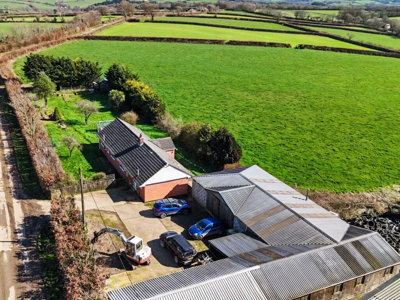
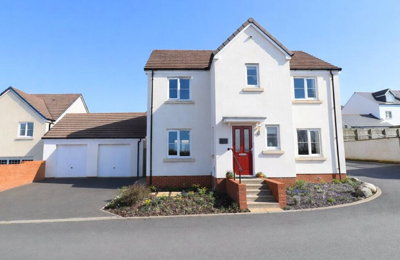
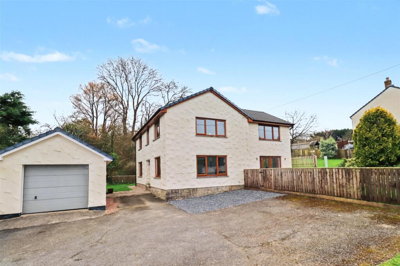
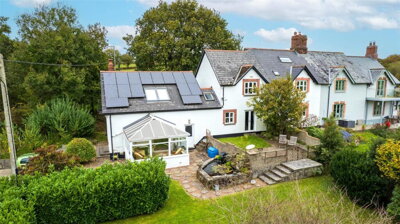
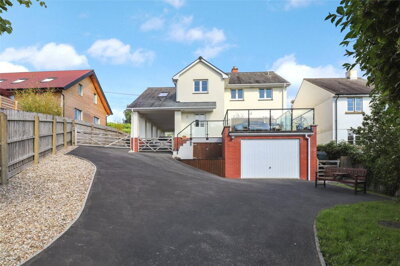
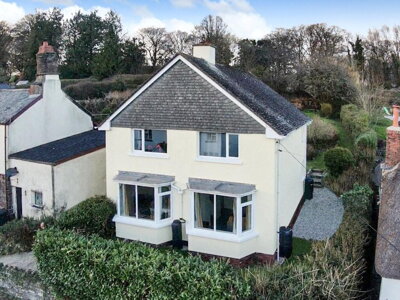
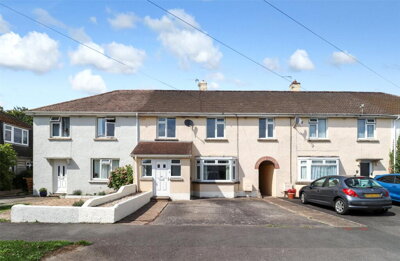
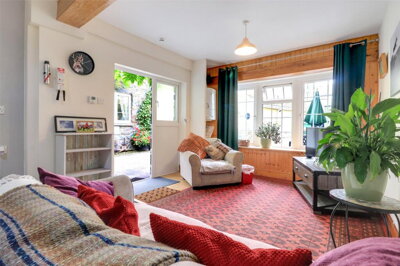
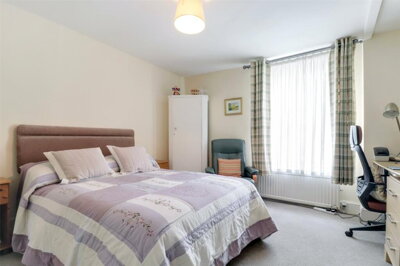
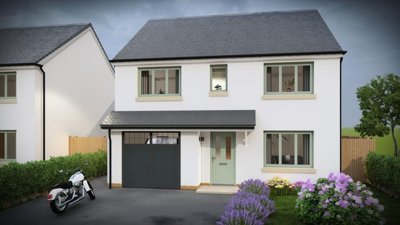
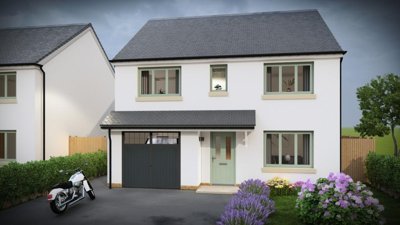
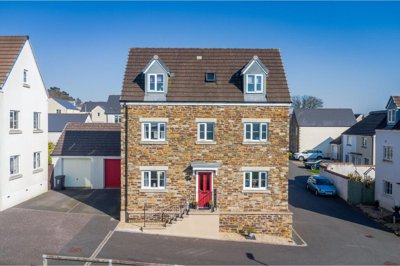
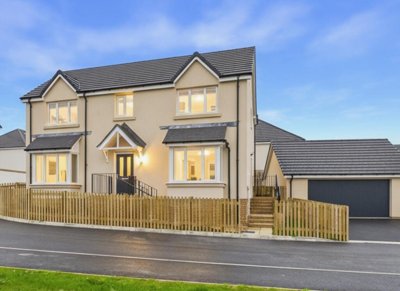
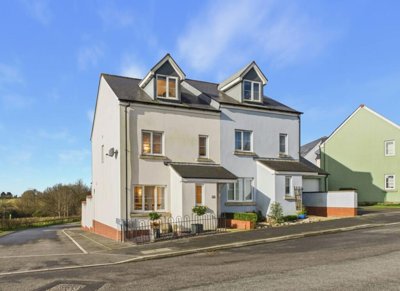
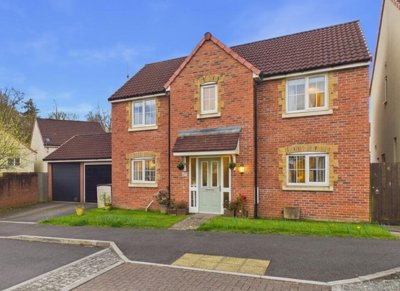
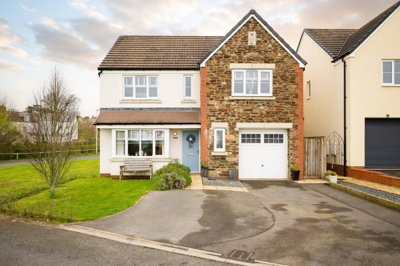
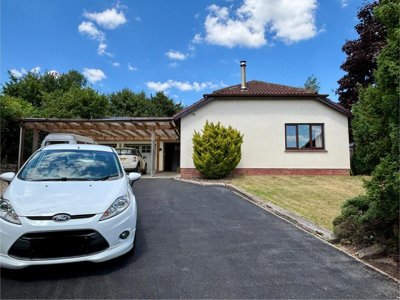
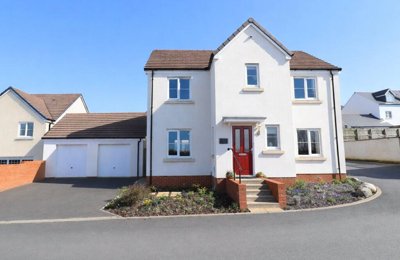
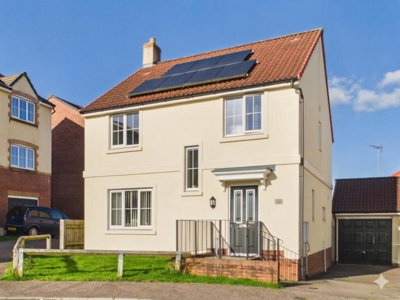
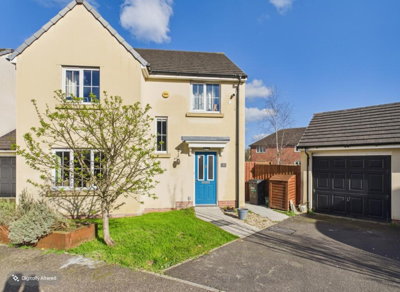
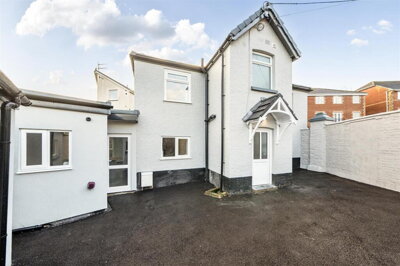
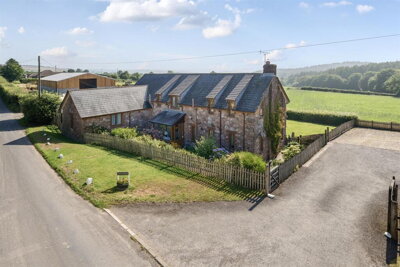
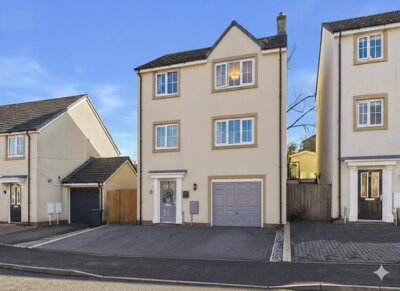
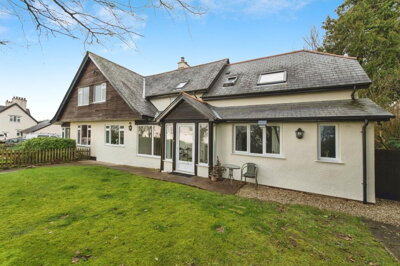
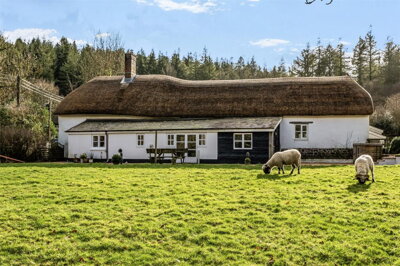
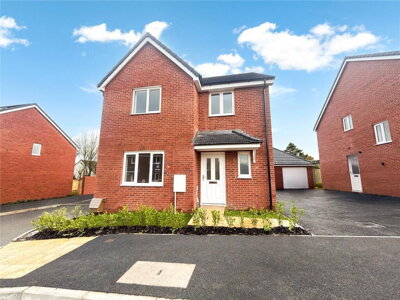
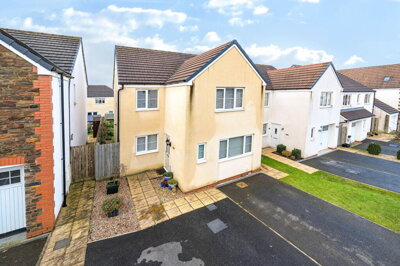
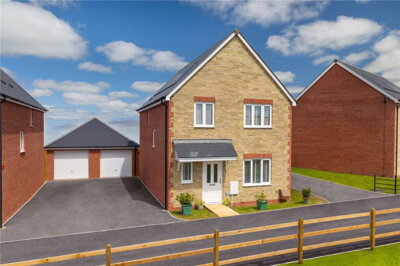
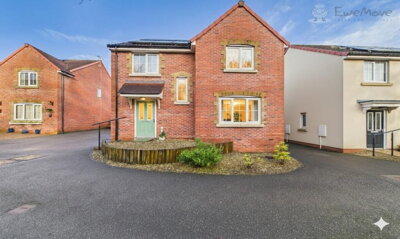
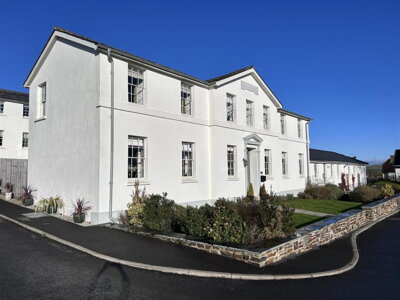
Browse 45 homes for sale in EX36 from local estate agents.
The larger property sector typically features multiple bathrooms, substantial reception space, and private gardens or off-street parking. Four bedroom houses in EX36 span detached, semi-detached, and occasionally terraced configurations, with styles ranging from period properties to modern executive homes.
£378k
26
7
102
Source: home.co.uk
Showing 26 results for 4 Bedroom Houses for sale in EX36. 7 new listings added this week. The median asking price is £377,500.
Source: home.co.uk
Detached
25 listings
Avg £530,586
Semi-Detached
1 listings
Avg £285,000
Source: home.co.uk
Source: home.co.uk
The EX36 property market demonstrates the characteristics of a resilient rural town experiencing natural market cycles. Rightmove data shows average prices currently sit at £295,635, representing a 3% decrease from the previous year and approximately 15% below the 2023 peak of £346,178. This price correction creates potential opportunities for buyers who were previously priced out of the market, particularly those seeking greater space and value than comparable properties in coastal Devon. Property types span the full spectrum from compact terraced homes around £227,672 to substantial detached houses averaging £361,013, with semi-detached properties typically around £300,485. For buyers with budgets above £350,000, the detached sector offers particular value at present, with prices having retreated significantly from recent highs.
Several new build developments continue to shape the local market, providing options for buyers prioritising modern construction and energy efficiency. Molbrook on Molbrook Road offers a range of 3 and 4-bedroom homes from approximately £269,950 to £469,950, representing quality new build stock from Vistry Group with house types including The Priestley, The Elgar, and The Colerdige. Old Tannery Drive on East Street provides an alternative new build option with guide prices ranging from £249,950 to £415,950, suitable for various buyer requirements. Smaller developments including Brook Meadow and Bee Meadow on North Road provide individual new build options around £275,000 and £299,995 respectively. For buyers seeking more affordable routes onto the property ladder, Hollywell Meadow in North Molton offers shared ownership terraced properties from £65,000, subject to specific eligibility criteria. Mill on the Mole Residential Park provides an alternative ownership model with park homes priced between £120,000 and £139,950, though buyers should understand the different tenure arrangements involved with residential park ownership.
Looking forward, significant new development is planned for the South Molton area. The Furzebray Farm site on George Nympton Road received outline planning permission in April 2024 for up to 170 dwellings, representing substantial future growth on the southwestern edge of the town. Additionally, Aster Group has submitted plans for 40 affordable rent homes off Nadder Lane, demonstrating continued investment in meeting local housing need. These developments will gradually expand the housing stock available in EX36, though buyers seeking immediate occupation should focus on existing properties and currently active sites. These varied price points ensure the market serves first-time buyers, growing families, and those seeking larger homes alike, whether preferring character period stock or contemporary new build accommodation.

South Molton serves as the principal market town for the surrounding rural communities of north Devon, offering amenities and services that belie its modest population of approximately 6,864 residents. The town centre retains its historic character, with the conservation area encompassing 78 listed buildings that reflect centuries of architectural development from medieval origins through Georgian elegance to Victorian red brick. The Parish Church of the Holy Cross stands as a particularly fine example of local stone construction, demonstrating the quality achievable when skilled craftspeople worked with materials sourced from the surrounding landscape. The weekly market, held traditionally in the town square, continues a commercial tradition dating back centuries, providing fresh local produce and supporting independent traders who give the town its distinctive character. Local shops, cafes, and pubs line the streets, creating an atmosphere that newcomers often describe as welcoming and genuinely community-focused.
The local economy reflects the area's dual identity as a service centre for surrounding farmland and a gateway to Exmoor's tourism industry. Education employs 25.2% of the local workforce, a notably higher proportion than regional and national averages, indicating strong schools and civic investment in learning. Hotels and restaurants account for 10.8% of employment, underlining tourism's importance to local prosperity. Land-based industries including real estate (19.1%) and agriculture and forestry (1.3%) also exceed national averages, reflecting the area's rural character. The town has historically sourced lime locally for agricultural and construction use, with limekilns existing throughout the area though this industry has long since declined. For those seeking evening entertainment or cultural activities, the town offers community venues and local events, though visitors should note that major cultural attractions are primarily found in Exeter or along the north Devon coast.
However, the town faces challenges common to rural Devon, including lower average wages, limited public transport options, and housing affordability ratios of 9.5 compared to 7.7 nationally. The age profile of the local population is increasing, with South Molton approaching projected levels where over a quarter of residents will be aged 65 and over by 2033. This demographic shift reflects national trends across the South West but creates particular pressures on rural services and housing demand. A steady loss of younger and more independent households occurs as residents move for education, employment, and access to affordable housing unavailable locally. Despite these challenges, many buyers find the quality of life benefits - including outstanding natural surroundings, strong community connections, and lower property prices than coastal alternatives - outweigh practical considerations.

Education provision in South Molton serves families drawn to the area by strong school ratings and the benefits of learning in smaller class sizes away from urban pressures. The town provides primary education through several schools within the EX36 area, with pupils typically progressing to South Molton Community College for secondary education. This secondary establishment serves as the main educational provider for the surrounding rural communities, drawing students from considerable distances across north Devon. The high proportion of local employment in education (25.2%) indicates both the importance the community places on learning and the quality of teaching positions available, which helps attract experienced educators to the area. Parents should research current Ofsted ratings for both primary and secondary provision when considering property purchase, as school performance can influence both catchment areas and long-term property values.
For families considering property purchase in EX36, understanding catchment areas is essential for those with school-age children. South Molton's position as a market town serving a wide rural hinterland means schools can draw pupils from considerable distances, potentially creating pressure on places at popular establishments. The travel implications for daily family routines deserve careful consideration before committing to a purchase, particularly for those without flexible working arrangements. For sixth form and further education, students typically look towards Exeter or Barnstaple for wider course selections, though the availability of sixth form provision locally should be confirmed with current admission policies, as these can change between academic years. Some students may opt for vocational pathways or apprenticeships available through local colleges and training providers, reflecting the practical skills valued in the local economy.
Beyond formal schooling, families should consider the availability of childcare, after-school activities, and extracurricular provision when evaluating the area's suitability. Local sports clubs, youth groups, and community organisations provide important social development opportunities for children, while music tuition and arts activities are available through both school and private providers. The presence of Exmoor and surrounding countryside offers excellent outdoor learning opportunities, with schools and youth groups able to access environmental education programmes linked to the national park's resources. Families moving from larger towns or cities may find the range of available activities more limited than urban alternatives, though the quality of community-based provision often compensates for this reduction in scale.

Transport connectivity defines daily life for EX36 residents, with the area's inland position between Exmoor and the north Devon coast presenting practical considerations for commuters and those dependent on public transport. The town sits approximately 8 miles from the A361 North Devon Link Road, which provides the primary arterial route connecting the region to Junction 27 of the M5 motorway near Tiverton. This connection brings Exeter around 45 minutes away by car, opening possibilities for workers in the city while maintaining rural living arrangements. The journey to Bristol typically takes around two hours, making day commuting to the south-west's major cities feasible for those with flexible working arrangements. For international travel, Bristol Airport offers flights to European destinations, while Exeter Airport provides additional options for domestic and short-haul flights.
Public transport options reflect the rural nature of the area, with bus services providing the primary alternative to private vehicles for those without cars. Local bus routes connect South Molton with surrounding villages and larger towns, though service frequencies are limited compared to urban areas, making car ownership effectively essential for most residents. Bus services to Barnstaple and Tiverton provide connections to rail services, though journey times can be lengthy compared to car travel. The nearest railway stations are at Tiverton Parkway (around 30 miles) and Barnstaple (around 20 miles), with the latter offering the scenic Tarka Line connecting to Exeter St Davids. This branch line provides a pleasant but time-consuming route to Exeter for those preferring rail travel, with journey times considerably longer than road alternatives.
For those working remotely or with hybrid arrangements, South Molton's position provides manageable access to major employment centres while offering an enviable quality of life surrounded by Devon's outstanding natural beauty. The improving availability of superfast broadband across the town centre and newer developments supports home working, though rural properties on the outskirts may experience more variable connectivity. Mobile phone coverage has improved with network upgrades but remains less reliable than urban areas in some locations. Prospective buyers should verify specific broadband speeds at any property under consideration, as this can significantly impact viability for home-based work. Despite these practical considerations, many residents find the quality of life benefits of rural North Devon living more than compensate for the transport limitations.

Start by exploring current property listings across major portals and local estate agent websites to understand what your budget buys in South Molton. Given average prices around £295,635, assess whether you need the flexibility of mortgage financing or if you can proceed as a cash buyer. Factor in additional costs including solicitor fees, survey costs, and stamp duty when establishing your realistic budget for property purchase in this area.
Before scheduling viewings, approach a lender to obtain an Agreement in Principle. This demonstrates your buying capacity to sellers and agents, strengthening your position in a competitive market where quality properties can attract multiple interested parties. With average property values below £300,000, many buyers find mortgage products readily available, though broker assistance can help navigate the limited high-street lender options for properties in rural areas.
Visit properties across different price ranges and locations within the EX36 area, from the town centre conservation area to newer developments on the outskirts such as Molbrook and Old Tannery Drive. Take time to assess not just the property condition but also noise levels, neighbour activity, proximity to amenities you use regularly, and practical factors including mobile signal strength and broadband speed which can vary considerably across the area.
Given South Molton's significant older property stock, arrange a HomeBuyer Survey from a qualified RICS surveyor before proceeding. This detailed inspection will identify any structural issues, damp problems, roof defects, or outdated electrics common in period properties, providing negotiation leverage if problems are discovered. For properties above £250,000, budget around £450-500 for a thorough Level 2 survey, with older or larger properties potentially requiring higher fees.
Choose a solicitor with experience in Devon property transactions to handle legal work, searches, and contract preparation. Your solicitor will investigate the property's title, local authority searches for EX36 including flood risk and planning history, and guide you through the conveyancing process through to completion. Flood risk searches are particularly important for properties near the River Mole, its tributaries at Alswear and North Molton, and locations near Mill on the Mole Residential Park.
Properties within South Molton's conservation area offer distinctive character but require careful assessment before purchase. With 78 listed buildings and many more period properties predating modern building regulations, potential buyers should understand the obligations that come with historic properties. Listed building consent may be required for alterations that might not need permission on standard properties, and any unauthorised previous works could become the new owner's responsibility to rectify. The historic core contains properties dating from medieval times through to the Victorian era, with some featuring 16th-century roof timbers as seen in properties formerly known as The Falcon Inn. A specialist survey from a surveyor experienced in historic buildings can identify conservation-specific issues and help you understand the true cost of ownership.
The local geology and construction history present particular considerations for buyers evaluating property condition. Buildings constructed from the crumbly local yellow brick, often rendered over for protection, require ongoing maintenance to prevent water penetration and subsequent structural problems. This brick was historically produced from local clays but lacked durability, explaining why many older buildings now appear rendered when originally constructed with this material. Timber framing and cob walling, present in some older properties, demand specialist knowledge to assess correctly, as these traditional construction methods can develop issues invisible to untrained observers. The slate hanging decorative finishes typical on west-facing elevations throughout the conservation area need periodic inspection and replacement, with missing or damaged slates allowing water penetration that can cause substantial damage over time. From a geological perspective, South Molton sits near where dominant geology changes from shales and slates with clay-rich soils to the south, to sandy soils with sandstone and quartzite to the north, though the shrink-swell clay hazard rating remains generally very low across the area.
Flood risk remains generally very low across most of the EX36 area, though properties along the River Mole and its tributaries warrant particular caution during due diligence. Riverside locations at Alswear, properties along East Street and Mole Cottages in North Molton, and areas near Mill on the Mole Residential Park, Riverside Caravan Park, and Mole Bridge Garage in South Molton occupy flood warning zones. Surface water flooding can also occur when intense rainfall overwhelms local drainage systems, sometimes affecting locations far from any watercourse. For buyers considering new build properties, several developments offer modern construction with the benefit of warranty protection. However, service charges and estate management fees on newer developments deserve scrutiny, as these ongoing costs can significantly affect the true cost of homeownership. Properties sold through shared ownership schemes like those at Hollywell Meadow carry specific eligibility requirements and restrictions on future sale that buyers must fully understand before committing. Whether purchasing period or modern stock, arranging a thorough building survey before completion remains essential for any property in EX36.

The average house price in EX36 stands at approximately £295,635 according to Rightmove data, with detached properties averaging £361,013, semi-detached homes around £300,485, and terraced properties at roughly £227,672. Prices have corrected by approximately 15% from the 2023 peak of £346,178, creating more accessible entry points for buyers compared to the recent market high. Zoopla reports slightly different averages ranging from £321,306 to £339,755 depending on the reporting period, reflecting normal variation between data sources.
Council tax bands in South Molton are set by North Devon Council, with bands typically ranging from A for lower-value properties through to H for the most valuable homes. Exact bands depend on individual property valuations carried out by the Valuation Office Agency. Buyers should obtain the specific band from the seller or through Land Registry records before purchase to accurately budget for ongoing costs alongside mortgage payments, service charges, and maintenance expenses.
South Molton provides primary and secondary education serving the surrounding rural communities, with South Molton Community College acting as the main secondary establishment for pupils from across the EX36 area. Education employs a notably high proportion (25.2%) of the local workforce, suggesting strong institutional commitment to school quality. Parents should verify current Ofsted ratings and admission policies directly with schools, as these can influence catchment area requirements and change between academic years.
Public transport connectivity in South Molton reflects its rural market town status, with bus services providing the primary public option to surrounding villages and towns including routes to Barnstaple and Tiverton. The nearest railway stations are at Barnstaple (approximately 20 miles via the A361) and Tiverton Parkway (around 30 miles), with Barnstaple offering the scenic Tarka Line to Exeter St Davids. Car ownership remains effectively essential for most residents due to limited service frequencies, though the A361 provides good road connections to Exeter and the M5 motorway at Tiverton.
South Molton offers several factors attractive to property investors, including relatively accessible purchase prices compared to coastal Devon, ongoing new build development creating demand, and a stable local population requiring rented accommodation. The Furzebray Farm development planning permission for 170 homes indicates continued growth, while the Nadder Lane affordable housing scheme demonstrates ongoing investment. However, rural market towns face structural challenges including lower average wages and limited employment growth, which can affect rental demand. The housing affordability ratio of 9.5 indicates the market may face continued pressure from local buyers seeking more affordable options than Exeter or coastal areas.
Stamp Duty Land Tax (SDLT) rates for standard purchases apply as follows: 0% on the first £250,000 of purchase price, 5% on the portion between £250,001 and £925,000, 10% on the portion between £925,001 and £1.5 million, and 12% on any amount exceeding £1.5 million. For a typical EX36 property at £295,635, this means approximately £2,281 in SDLT. First-time buyers benefit from relief on the first £425,000 (0% rate) with 5% applied between £425,001 and £625,000, potentially eliminating SDLT entirely on properties at or below £425,000.
Given South Molton's significant older property stock built with traditional materials including crumbly local brick, timber framing, and cob walling, buyers should watch for damp issues (both rising and penetrating damp), timber decay including dry rot and wet rot, roof defects such as missing tiles or inadequate insulation, and outdated electrical systems that may require full rewire. Properties built before damp-proof courses became standard practice are particularly susceptible to moisture problems. The slate hanging finishes common on west-facing elevations require periodic maintenance. A RICS Level 2 survey provides detailed assessment of these common issues, with survey costs typically ranging from £400-500 for properties at average prices in this area.
From 4.5%
Expert mortgage advice tailored to your circumstances
From £499
Specialist solicitors for your property transaction
From £400
Thorough inspection for EX36 properties
From £60
Energy performance certificate
Budgeting accurately for property purchase in EX36 requires understanding both the stamp duty payable on your transaction and the various ancillary costs that accumulate throughout the buying process. For a typical property at the area's average price of £295,635, a standard buyer would pay no stamp duty on the first £250,000 and 5% on the remaining £45,635, totalling approximately £2,281 in SDLT. First-time buyers purchasing qualifying properties would pay nothing in stamp duty thanks to relief on the first £425,000, though this threshold applies to the entire purchase rather than the property's location. Properties above £925,000 would incur higher SDLT rates including the 10% band, making South Molton's sub-£300,000 average particularly accessible from a tax perspective.
Beyond stamp duty, buyers should budget for solicitor conveyancing fees typically ranging from £500 to £1,500 depending on complexity and property value, plus disbursements including local authority searches (approximately £150-300), bankruptcy searches (£20-50), and Land Registry fees (£100-200). Flood risk searches are particularly important for properties near the River Mole and its tributaries, with specific flood warning zones identified at Alswear, North Molton, and locations near Mill on the Mole Residential Park. A RICS Level 2 HomeBuyer Survey costs between £400 and £800 depending on property size and complexity, with larger or older properties commanding higher fees. For properties around £295,000, budget approximately £450-500 for a thorough survey conducted by a RICS-qualified professional.
If the property requires a mortgage, arrangement fees of 0.5-1.5% of the loan amount may apply, though these can sometimes be added to the mortgage itself. Broker fees may apply if using a mortgage broker, though many brokers offer free advice funded by lender commissions. Buildings insurance should be in place from exchange of contracts, typically costing £200-500 annually for properties in this price range. For leasehold properties or those on managed estates, ground rent and service charges should be verified with the vendor, as these ongoing costs can significantly affect the true cost of homeownership. Completing these calculations before making an offer ensures you have a realistic total budget and can proceed with confidence when you find your ideal South Molton home.

Properties for Sale In London

Properties for Sale In Plymouth

Properties for Sale In Liverpool

Properties for Sale In Glasgow

Properties for Sale In Sheffield

Properties for Sale In Edinburgh

Properties for Sale In Coventry

Properties for Sale In Bradford

Properties for Sale In Manchester

Properties for Sale In Birmingham

Properties for Sale In Bristol

Properties for Sale In Oxford

Properties for Sale In Leicester

Properties for Sale In Newcastle

Properties for Sale In Leeds

Properties for Sale In Southampton

Properties for Sale In Cardiff

Properties for Sale In Nottingham

Properties for Sale In Norwich

Properties for Sale In Brighton

Properties for Sale In Derby

Properties for Sale In Portsmouth

Properties for Sale In Northampton

Properties for Sale In Milton Keynes

Properties for Sale In Bournemouth

Properties for Sale In Bolton

Properties for Sale In Swansea

Properties for Sale In Swindon

Properties for Sale In Peterborough

Properties for Sale In Wolverhampton

Enter your details to see if this property is within your budget.
Loans, cards, car finance
Estimated property budget
Borrowing + deposit
You could borrow between
Typical borrowing
Monthly repayment
Est. at 4.5%
Loan-to-value
This is an estimate only. Your actual budget may vary depending on interest rates, credit history, and personal circumstances. For an accurate affordability assessment, speak to one of our free mortgage advisors.
This calculator provides estimates for illustrative purposes only and does not constitute financial advice. Your home may be repossessed if you do not keep up repayments on your mortgage. Estimates based on 4.5% interest rate, repayment mortgage. Actual rates depend on your circumstances.
Homemove is a trading name of HM Haus Group Ltd (Company No. 13873779, registered in England & Wales). Homemove Mortgages Ltd (Company No. 15947693) is an Appointed Representative of TMG Direct Limited, trading as TMG Mortgage Network, which is authorised and regulated by the Financial Conduct Authority (FRN 786245). Homemove Mortgages Ltd is entered on the FCA Register as an Appointed Representative (FRN 1022429). You can check registrations at NewRegister or by calling 0800 111 6768.

We use cookies to show you personalised content and improve your experience of our website. Find out more in our Privacy policy and Cookie policy.