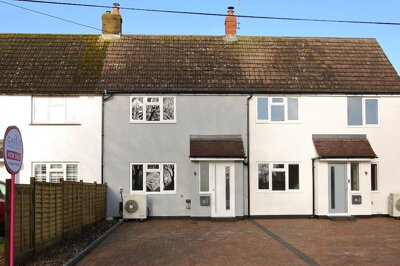
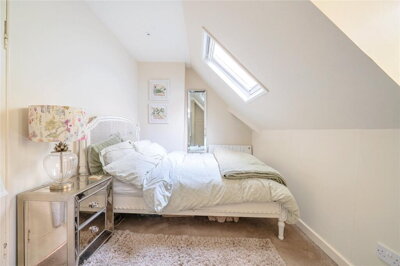
Browse 2 homes for sale in Everleigh, Wiltshire from local estate agents.
The Everleigh property market offers detached, semi-detached, and terraced houses spanning various price ranges and neighbourhoods. Each listing includes detailed property information, photographs, and direct contact with the marketing agent.
£350k
1
0
52
Source: home.co.uk
Showing 1 results for Houses for sale in Everleigh, Wiltshire. The median asking price is £349,950.
Source: home.co.uk
Terraced
1 listings
Avg £349,950
Source: home.co.uk
Source: home.co.uk
The Cattistock property market reflects the broader trends affecting the Dorset countryside, with the village recording an average property price of £365,200 over recent years. This figure positions Cattistock competitively within the South West region, where the average property price stands at £353,000 with a median of £305,000. The South West market experienced a modest 1% decline, equivalent to approximately £4,800, during the twelve months through December 2025, creating cautious optimism among sellers and opportunities for buyers seeking rural Dorset property at fair value. Transaction volumes across the region dropped by 14.1%, with 71,300 sales recorded, reflecting the broader national trend of reduced activity following interest rate changes.
Property types in Cattistock reflect its heritage as a traditional Dorset village, with a housing stock dominated by detached and semi-detached homes constructed from local materials. The absence of major new-build developments within the immediate postcode area means that buyers typically encounter period properties, many featuring the distinctive flint, chalk block, and Greensand construction methods that characterise the Frome Valley. These vernacular building techniques contribute to the village's architectural character while presenting unique considerations for buyers regarding maintenance and potential renovation projects.
The village was designated as a Conservation Area in September 1977, recognised as part of a cluster including Evershot, Maiden Newton, Frampton, Frome St Quintin, and Bradford Peverell. This conservation status means that properties within the boundary benefit from protections that preserve the village's historic character, though any significant external alterations will require planning permission from Dorset Council. The 2007 Conservation Area Appraisal provides detailed guidance on what makes Cattistock architecturally significant, and prospective buyers should familiarise themselves with these requirements before committing to renovation projects.
Supply constraints in Cattistock work in sellers' favour, with limited new development ensuring that demand consistently outstrips available properties. Properties requiring renovation may command lower initial prices but offer value-add opportunities for buyers willing to invest in restoring period homes to modern standards. The combination of AONB protection, Conservation Area status, and strong buyer demand from those seeking rural Dorset living supports long-term value retention in this village.
Cattistock embodies the timeless appeal of rural Dorset living, occupying a tranquil position in the upper Frome Valley approximately 8 miles northwest of Dorchester. The village forms part of the Dorset Area of Outstanding Natural Beauty, guaranteeing that the surrounding countryside of rolling hills, farmland, and river valleys remains protected from unsympathetic development. The 2021 Census recorded 540 residents living within the parish boundary, a modest increase from 509 in 2011, demonstrating the steady appeal of this corner of Dorset for those seeking an alternative to urban life.
The community spirit in Cattistock proves remarkably active for a village of its size. The Savill Hall hosts regular events and activities throughout the year, while the Fox and Hounds pub serves as the focal point for social gatherings and village celebrations. A village store and Post Office provide essential daily provisions, reducing the need for frequent journeys to larger towns. The community also benefits from tourism, with the village attracting visitors who appreciate its unspoiled character and access to the Dorset countryside. The Frome Valley footpaths offer miles of walking routes, connecting Cattistock to neighbouring villages and the wider network of public rights of way that criss-cross west Dorset.
The Parish Church of St Peter and St Paul stands as a Grade I Listed Building, representing the village's spiritual centre and architectural heritage. Originally dating back centuries, the church was rebuilt in the 19th century, combining historic significance with Victorian craftsmanship. Chantmarle, located nearly 1.75 miles north of the village centre, provides another architectural landmark - this 15th-century manor house with later additions from the 16th, 17th, and 19th centuries demonstrates the historical significance of the Cattistock area. The presence of these heritage buildings underscores why buyers are drawn to the village, seeking not just a home but a connection to Dorset's distinguished past.

Properties in Cattistock showcase the traditional building methods and local materials that define west Dorset architecture. The predominant construction materials include flint, chalk block, cob, brick clays, Greensand, and various limestones - all sourced from the local geology and combined using techniques passed down through generations of Dorset builders. These vernacular materials give Cattistock homes their distinctive appearance, with flint walls, thatched or slate roofs, and stone detailing that marks properties as unmistakably local.
The chalk block and Greensand formations underlying the Frome Valley have historically provided accessible building materials for local construction. Chalk block, cut from local quarries, was used extensively for wall construction and foundations, while Greensand provided a durable alternative for areas requiring greater weather resistance. Cob - a mixture of clay, straw, and sometimes lime - was used for some cottage construction, particularly for single-storey structures where its thermal mass provided excellent temperature regulation. Modern buyers should understand that these traditional materials require different maintenance approaches compared to standard brick or concrete construction.
Flint construction deserves particular attention given its prevalence in the Frome Valley. Flint walls, typically built with lime mortar, can be extremely durable when properly maintained but can suffer damage from water penetration and vegetation growth. The bond pattern of flint and the quality of the mortar joints significantly affect long-term durability. Some properties combine flint with ashlar stone for quoins and door surrounds, creating the attractive banding effect visible on many traditional buildings. Specialist contractors experienced in traditional building repairs are often required for significant maintenance work on these properties.
The presence of "brick clays" in local geology meant that locally made bricks supplemented stone and flint construction in some periods. These bricks, typically handmade using traditional kiln methods, may show considerable variation in colour, texture, and dimensions compared to modern machine-made products. Extension or repair work using matching traditional bricks requires careful sourcing, often from specialist reclamation yards. Buyers should factor potential difficulties in sourcing matching materials into renovation budgeting.

Families considering a move to Cattistock will find educational provision available through a network of primary schools serving the surrounding villages of the Frome Valley. The village's intimate scale means that primary-aged children typically attend schools in nearby settlements, with transport arrangements accommodating the rural geography. Several primary schools within a reasonable distance have achieved good or outstanding Ofsted ratings, providing quality education options for families relocating to the area.
Secondary education is available in the market towns of Dorchester and Bridport, both accessible via school bus services that serve the Cattistock area and surrounding parishes. The Gryphon School in Barnack and Dorchester School provide comprehensive secondary education, while Dorset maintains a grammar school system that provides selective secondary education opportunities for academically able students. Parents should research specific catchment areas and admission policies, as rural schools often have defined geographic boundaries that determine eligibility.
For families prioritising academic excellence, the grammar school options in Dorset serve high-performing students from the Cattistock area and wider west Dorset. The selective admission process means that students from rural primary schools compete for places alongside those from larger town schools, and preparation for entrance examinations often begins in Years 5 and 6. Transport to grammar schools in Dorchester typically requires additional planning and may involve earlier morning pick-ups than non-selective alternatives.
Transport connections from Cattistock reflect its rural village character, with residents relying primarily on private vehicles for daily commuting and larger-scale travel. The village sits approximately 10 miles from Dorchester, the county town of Dorset, where mainline railway services provide connections to London Waterloo, Bristol, and the south coast. The A35 trunk road passes through the region, connecting Cattistock to the major road network while threading through the Dorset AONB landscape.
For commuters working in Dorchester or the surrounding market towns, Cattistock offers an appealing compromise between peaceful rural living and reasonable access to employment centres. The journey to Dorchester takes approximately 25 minutes by car, while Bristol lies roughly 90 minutes distant. Local bus services operate on limited schedules, serving village stops and connecting to nearby towns for those without private transport. The First Dorset bus services provide connections to Dorchester and Bridport, though frequencies are significantly reduced compared to urban routes.
Those working in London but living in Cattistock typically find the distance manageable as an occasional commute, though the absence of a direct high-speed rail connection means most residents work locally or operate hybrid arrangements. Dorchester South station provides the most direct rail connection to London Waterloo, with journey times of approximately 2.5 hours. Cycling infrastructure in the area has improved in recent years, with Dorset Council promoting sustainable transport options along popular routes, though the hilly terrain and rural road character mean that cycling is primarily practical for shorter local journeys.
Properties in Cattistock, predominantly constructed before 1945, frequently exhibit defects associated with traditional building methods and aging fabric. Damp represents one of the most common issues identified during building surveys, particularly in properties built with solid walls rather than cavity construction. The local flint, chalk block, and cob construction methods used throughout the village mean that walls lack the inherent moisture resistance of modern cavity walls, and rising damp or penetrating damp may be present without obvious external signs.
Roof condition frequently requires careful assessment in period properties across Cattistock. Traditional roofs constructed with traditional lime-based mortars, thatch, or handmade clay tiles often show signs of age-related deterioration including slipped tiles, degraded mortar, and moss accumulation. The presence of older roof structures with timber principal rafters and purlins means that inspection should assess both the covering material and the structural elements. Properties with thatched roofs require specialist surveyors experienced in traditional roofing methods, as repair costs can significantly exceed those for standard tile roofs.
Electrical systems in older properties frequently require updating to meet modern standards and accommodate contemporary power demands. Rewiring may be necessary where original systems remain in place, as these were designed for lower power requirements than today's households demand. Gas installations, where present, should be checked for certification and pipework condition. Plumbing systems in period properties may include lead or galvanized steel pipes requiring replacement, particularly where hard water from the local chalk geology has caused internal scaling.
The traditional lime mortar used in flint and stone construction throughout Cattistock requires specific maintenance knowledge. Modern cement-based mortars, while stronger, can accelerate deterioration of traditional materials by trapping moisture within the walls. Prospective buyers should understand that maintenance of period properties often requires specialist contractors familiar with lime mortar repointing, flint repairs, and traditional render systems. Budgeting for ongoing maintenance represents an essential consideration when purchasing period property in the village.
Properties in Cattistock require careful environmental assessment due to the village's position in the Frome Valley and the local geology. The River Frome flows through the valley, and properties situated on the lower ground near the river course may carry flood risk during periods of heavy rainfall and high water levels. The West Dorset District Local Plan contains specific policies relating to flood risk zones, and any significant development or change of use in affected areas requires thorough assessment under national planning policy.
Surface water drainage presents additional considerations in the valley location. The underlying chalk geology, while generally permeable, can become saturated during prolonged wet periods, reducing its ability to absorb additional rainfall. Properties with large gardens or those located below road levels may experience surface water pooling during exceptional rainfall events. Drainage arrangements should be inspected as part of any property survey, and buyers should request a specific drainage and water search as part of their conveyancing due diligence.
The local geology includes chalk block, Greensand, limestones, and clay deposits, creating conditions that may affect certain properties. Clay minerals in the underlying ground can undergo shrink-swell movement in response to moisture content changes, particularly during extended dry periods or when vegetation with high moisture demands grows close to building foundations. While specific shrink-swell risk ratings for Cattistock were not found, the presence of "brick clays" in local geology indicates that clay conditions exist that warrant foundation assessment during building surveys.
Subsidence risk, while not historically documented as a significant issue in Cattistock itself, requires consideration when purchasing older properties. Traditional shallow foundations on variable ground conditions may experience movement over time, particularly where drainage defects or tree root activity affects soil stability. A thorough RICS Level 2 survey will assess whether any signs of movement are present and whether previous issues have been properly resolved. For properties showing evidence of structural movement, a RICS Level 3 survey providing more detailed structural assessment may be advisable.
Spend time exploring Cattistock and the surrounding Frome Valley before committing to a purchase. Visit the village at different times of day and week, speak with residents about their experience, and familiarise yourself with local amenities, road conditions, and the character of different property types available on the market. Consider attending village events at the Savill Hall or visiting the Fox and Hounds pub to get a genuine feel for the community atmosphere.
Contact a mortgage broker to obtain an Agreement in Principle before viewing properties. This demonstrates to sellers that you are a serious buyer with financing already arranged. Given the rural nature of Cattistock and the prevalence of higher-value period homes, some properties may exceed standard mortgage lending thresholds. Understanding your borrowing capacity early helps narrow your search effectively and positions you favourably when making offers on desirable village properties.
View multiple properties across different price ranges to understand what Cattistock offers at each level. Pay particular attention to construction materials given the local flint, chalk block, and Greensand building methods, and note any signs of maintenance needs or renovation potential in period properties. Properties in the Conservation Area will have additional planning considerations, so understanding the specific constraints affecting each property is essential before committing.
Before completing your purchase, arrange for a qualified RICS surveyor to inspect the property. Given Cattistock's heritage properties and Conservation Area status, a thorough survey can identify defects common to older buildings, including potential damp issues, roof condition, and any concerns related to traditional construction methods. For properties showing significant defects or unusual construction, consider upgrading to a RICS Level 3 structural survey that provides more detailed analysis. Budget approximately £400-600 for a standard Level 2 survey, rising for larger or older properties.
Appoint a solicitor experienced in rural property transactions to handle the legal aspects of your purchase. They will conduct local authority searches, check the title deeds, and manage the complex procedures involved in purchasing a property within a Conservation Area. Factor in searches specific to flood risk given the Frome Valley location and environmental searches covering ground conditions. Rural conveyancing often involves additional considerations including rights of way, agricultural drainage, and common land issues.
Once all surveys, searches, and legal work are satisfactory, you will exchange contracts and pay your deposit. Completion typically follows within days or weeks, at which point you will receive the keys to your new Cattistock home. Plan your removal logistics carefully, as the rural location may affect access for larger vehicles, and consider arranging utility transfers and Council Tax registration in advance of your move.
Purchasing property in Cattistock requires careful attention to the specific characteristics that define this rural Dorset village. The presence of a Conservation Area, designated in September 1977, means that any significant external alterations to properties require planning permission from Dorset Council, and works that might normally be permitted development may need Conservation Area Consent. Prospective buyers should factor this into any renovation plans, understanding that extending or modifying a Cattistock property involves additional regulatory considerations compared to properties outside Conservation Areas.
The local geology presents another important consideration for buyers. Cattistock sits on or near the River Frome, and properties in the valley floor may carry some flood risk during periods of heavy rainfall. The underlying geology includes chalk block, Greensand, and clay deposits, which can be associated with shrink-swell ground movement in certain conditions. A thorough building survey will assess any signs of subsidence or movement, particularly in older properties where traditional foundations may not extend to modern depths.
The presence of local materials such as flint and cob, while contributing to the village's distinctive character, also means that some properties may require specialist maintenance approaches. Buyers should assess whether previous maintenance has used appropriate traditional materials and methods, as inappropriate modern repairs can accelerate deterioration of heritage fabric. The condition of lime mortar pointing, the integrity of flint work, and the state of any thatched roofing should all form part of your assessment when viewing properties in the village.
The average property price in Cattistock stands at £365,200, positioning the village competitively within the Dorset property market. This figure reflects the character of the village as a desirable rural location within the Dorset AONB, where period properties and traditional construction methods contribute to property values. The South West region as a whole recorded an average price of £353,000, meaning Cattistock commands a slight premium consistent with its village character and protected landscape setting. Transaction volumes in the region dropped by 14.1% over the twelve months through December 2025, suggesting that available properties in desirable villages like Cattistock may attract strong interest when listed.
Properties in Cattistock fall under Dorset Council jurisdiction, with council tax bands ranging from A through to H depending on property value and type. Period cottages and smaller homes typically fall into bands A to C, while larger detached properties and converted farm buildings may be assigned higher bands. The village's period property stock means that many homes fall into mid-range bands reflecting their historic character and residential status. Prospective buyers should check specific properties against the Dorset Council valuation list to confirm the exact banding, as this affects annual running costs for the household.
Cattistock itself does not have a primary school within the village boundary, with primary education typically accessed through nearby village schools in the Frome Valley catchment. The lack of a local primary school means that families should research specific school catchment areas and admission policies before purchasing, as places can be competitive in popular rural villages. Secondary education is available in Dorchester, where schools include The Gryphon School and Dorchester School, while grammar school options serve academically selected students. Dorset maintains a strong overall standard of education, with several primary schools in the surrounding area achieving good Ofsted ratings.
Public transport options from Cattistock are limited, reflecting its status as a small rural village. Local bus services operate on reduced schedules connecting Cattistock to nearby towns including Dorchester and Bridport, though frequencies are significantly lower than urban routes. The nearest mainline railway station is in Dorchester, providing services to London Waterloo, Bristol, and Weymouth. Most residents rely on private vehicles for daily commuting, with the village positioned approximately 10 miles from Dorchester and reasonably accessible to the A35 road network connecting east Dorset to the south coast.
Cattistock offers several characteristics that appeal to property investors and those seeking a rural lifestyle investment. The village's position within the Dorset AONB provides inherent protection for property values by limiting new development, while the Conservation Area designation preserves the historic character that attracts buyers to the village. The combination of heritage properties, limited supply, and strong demand from buyers seeking rural Dorset living supports long-term value retention. Properties requiring renovation may offer value-add opportunities given the limited supply of new homes in the immediate area. However, investors should note the relatively small local rental market and the importance of period property maintenance when calculating potential returns.
Stamp Duty Land Tax applies to property purchases in Cattistock according to standard UK thresholds. For residential purchases, the rates are 0% on the first £250,000, 5% on the portion from £250,001 to £925,000, 10% on the portion from £925,001 to £1.5 million, and 12% on any amount above £1.5 million. First-time buyers benefit from increased thresholds, paying 0% on the first £425,000 and 5% on the portion from £425,001 to £625,000, though this relief does not apply to purchases above £625,000. Given the average Cattistock price of £365,200, most buyers would pay stamp duty only on the amount above £250,000.
Properties in Cattistock, particularly those in the lower parts of the village near the River Frome, may carry some flood risk from river flooding during periods of heavy rainfall and high water levels. The valley location of the village means that surface water drainage can also be a consideration in very wet conditions. The West Dorset District Local Plan contains policies relating to flood risk zones, and any planning applications in affected areas require careful assessment. Prospective buyers should request a flood risk search as part of their due diligence and review the Environment Agency flood maps for specific properties. Properties in higher positions within the village, away from the valley floor, generally face lower flood risk.
A professional building survey is essential before purchasing any property in Cattistock, where the predominantly older housing stock means that defects are frequently encountered. The traditional construction methods using flint, chalk block, and cob require specialist knowledge to assess properly, and a qualified surveyor will identify issues that may not be apparent during a casual viewing. Common findings in local properties include damp in solid walls, roof deterioration, outdated electrical and plumbing systems, and the need for repointing with appropriate lime mortar. The cost of a RICS Level 2 survey (typically £400-600) represents a small fraction of the purchase price but can reveal issues worth thousands in repair costs, providing crucial negotiating leverage or alerting you to properties to avoid altogether.
🏠
Get expert mortgage advice tailored to rural Dorset properties. From 4.5% APR
🏠
Expert property solicitors handling rural transactions including Conservation Area considerations. From £499
🏠
Comprehensive survey of your Cattistock property by qualified RICS inspectors. From £400
🏠
Energy Performance Certificate for your Cattistock property. From £85
Understanding the full costs of purchasing property in Cattistock helps buyers budget accurately for their move. Beyond the purchase price, buyers should account for Stamp Duty Land Tax, solicitor fees, survey costs, and various other charges that together can add several thousand pounds to the total investment. For a property at the Cattistock average price of £365,200, a standard residential buyer would pay SDLT at 5% on the £115,200 above the £250,000 threshold, equating to £5,760 in stamp duty.
First-time buyers purchasing below £625,000 would benefit from increased thresholds, reducing this to zero on the first £425,000 and 5% on the amount above that, though at the Cattistock average price this would still result in no SDLT liability. The current SDLT regime means that most buyers at or below the Cattistock average price will pay minimal stamp duty, though buyers of more expensive village properties should calculate their specific liability carefully.
Solicitor fees for conveyancing typically range from £500 to £1,500 depending on complexity, with rural properties and those in Conservation Areas sometimes requiring additional work. Searches specific to the Cattistock area include local authority searches with Dorset Council, drainage and water searches, and environmental searches covering flood risk and ground conditions. Given the Frome Valley location, flood risk searches are particularly advisable, while environmental searches should address the underlying geology and any historical land uses that might affect the property.
A RICS Level 2 survey costs between £400 and £600 for a standard property, rising for larger or older homes and those with non-standard construction. Given that most Cattistock properties qualify as older homes with traditional construction, budgeting toward the upper end of this range is sensible. Land Registry fees, bank transfer charges, and removal costs complete the picture, with buyers well advised to budget at least £3,000 to £5,000 beyond the purchase price for these associated costs when moving to Cattistock.
Properties for Sale In London

Properties for Sale In Plymouth

Properties for Sale In Liverpool

Properties for Sale In Glasgow

Properties for Sale In Sheffield

Properties for Sale In Edinburgh

Properties for Sale In Coventry

Properties for Sale In Bradford

Properties for Sale In Manchester

Properties for Sale In Birmingham

Properties for Sale In Bristol

Properties for Sale In Oxford

Properties for Sale In Leicester

Properties for Sale In Newcastle

Properties for Sale In Leeds

Properties for Sale In Southampton

Properties for Sale In Cardiff

Properties for Sale In Nottingham

Properties for Sale In Norwich

Properties for Sale In Brighton

Properties for Sale In Derby

Properties for Sale In Portsmouth

Properties for Sale In Northampton

Properties for Sale In Milton Keynes

Properties for Sale In Bournemouth

Properties for Sale In Bolton

Properties for Sale In Swansea

Properties for Sale In Swindon

Properties for Sale In Peterborough

Properties for Sale In Wolverhampton

Enter your details to see if this property is within your budget.
Loans, cards, car finance
Estimated property budget
Borrowing + deposit
You could borrow between
Typical borrowing
Monthly repayment
Est. at 4.5%
Loan-to-value
This is an estimate only. Your actual budget may vary depending on interest rates, credit history, and personal circumstances. For an accurate affordability assessment, speak to one of our free mortgage advisors.
This calculator provides estimates for illustrative purposes only and does not constitute financial advice. Your home may be repossessed if you do not keep up repayments on your mortgage. Estimates based on 4.5% interest rate, repayment mortgage. Actual rates depend on your circumstances.
Homemove is a trading name of HM Haus Group Ltd (Company No. 13873779, registered in England & Wales). Homemove Mortgages Ltd (Company No. 15947693) is an Appointed Representative of TMG Direct Limited, trading as TMG Mortgage Network, which is authorised and regulated by the Financial Conduct Authority (FRN 786245). Homemove Mortgages Ltd is entered on the FCA Register as an Appointed Representative (FRN 1022429). You can check registrations at NewRegister or by calling 0800 111 6768.

We use cookies to show you personalised content and improve your experience of our website. Find out more in our Privacy policy and Cookie policy.