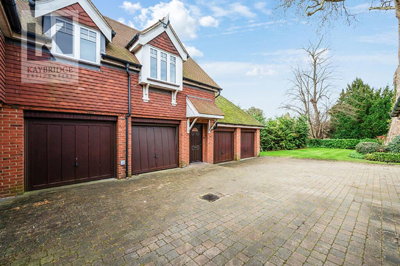
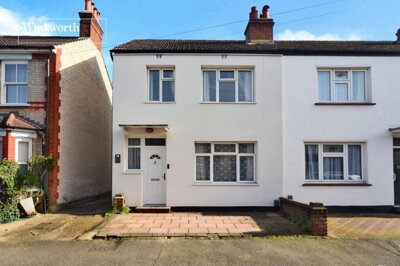
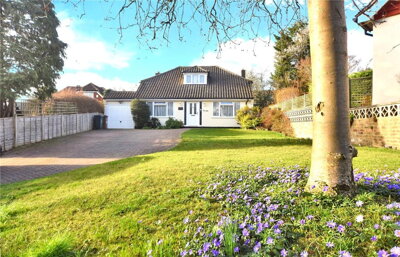
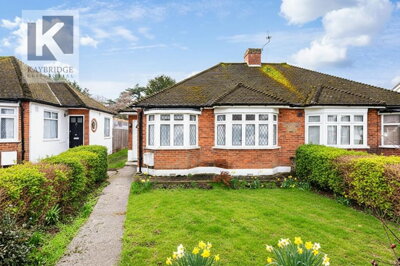
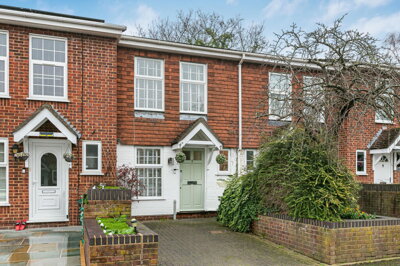
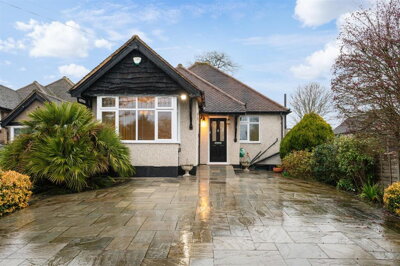
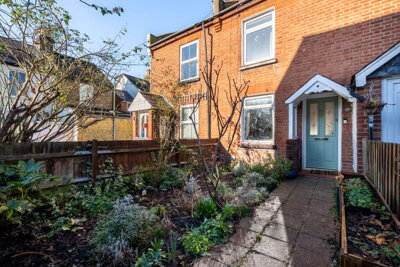
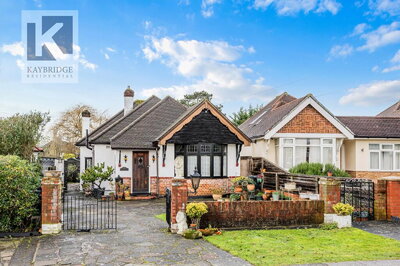
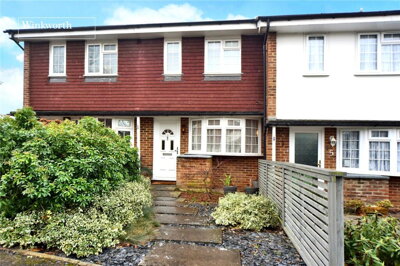
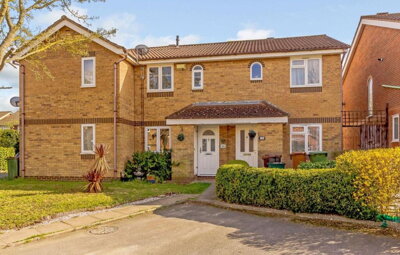
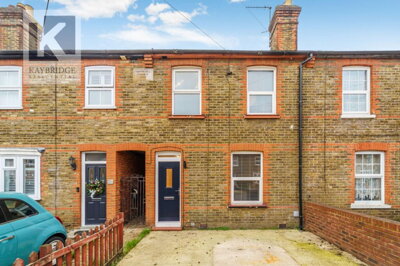
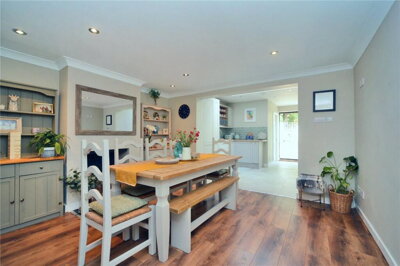
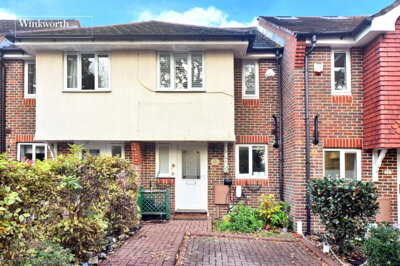
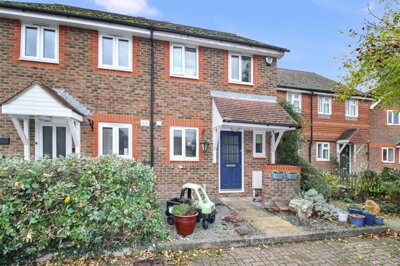
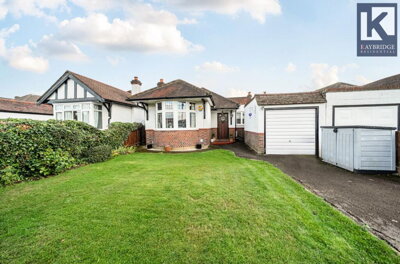
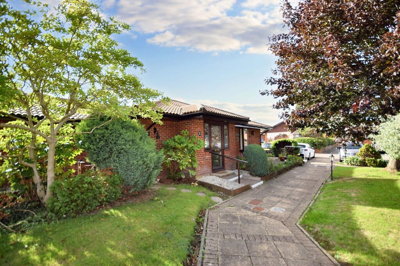
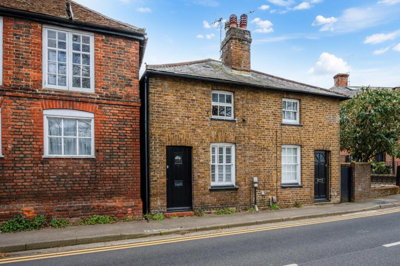
Browse 288 homes for sale in Epsom and Ewell from local estate agents.
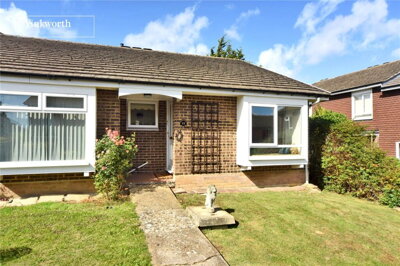
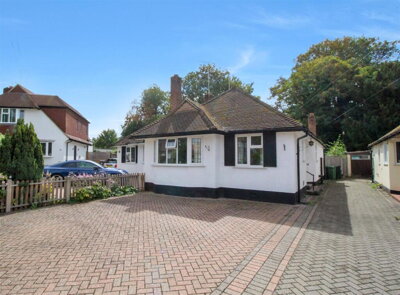
The 2 bed house market features detached, semi-detached, and terraced properties with two separate bedrooms plus living spaces. Properties in Epsom And Ewell range from Victorian and Edwardian period homes to modern new builds, with pricing varying across different neighbourhoods.
The Epsom and Ewell property market demonstrates resilience and steady performance, with 946 transactions completed in the twelve months to September 2025. Detached properties command the highest prices at an average of £934,000, reflecting the premium nature of larger family homes in this sought-after Surrey location. Semi-detached homes, which form the backbone of the local housing stock, average £621,000 and have shown the strongest price growth at 2.9% over the past year, indicating robust demand from families seeking spacious accommodation with good commuter links.
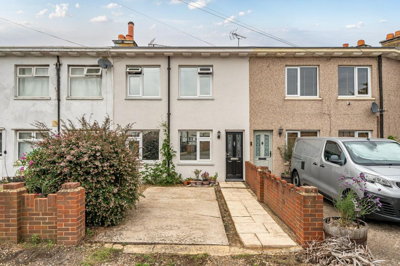
Terraced properties in Epsom and Ewell average £471,000, offering an accessible entry point to the local market for first-time buyers and young professionals. Flats and maisonettes average £292,000, representing the most affordable segment of the market, though prices in this category have softened by 1.5% over the past year as new apartment developments have increased supply. Rightmove data shows that while prices have dipped 7% from the 2023 peak of £609,529, the market remains fundamentally strong with buyer demand supported by excellent transport connections to London and the broader South East.
Analysis of sales data reveals that semi-detached properties dominate transactions in both Epsom and Ewell, accounting for the largest share of all sales on Rightmove. In Epsom specifically, flats represent the second most common sale type, followed by detached homes. Ewell shows a slightly different pattern with terraced properties as the second most popular category, reflecting the village character and older housing stock in that part of the borough. Understanding these patterns helps buyers identify where their target properties are concentrated and how competition varies across different neighbourhoods.

Epsom and Ewell is experiencing significant transformation as the borough council's local plan aims to deliver nearly 5,000 homes across 35 allocated sites. New build completions rose by 133% between 2021 and 2023, far outpacing the English average of 21%, signalling a period of substantial growth that is reshaping the local housing landscape. These new developments range from small-scale apartment conversions to major mixed-use schemes that will fundamentally change certain neighbourhoods.
Several notable projects are currently under way or in the planning pipeline across the borough. Central Epsom Apartments, located in the town centre, offers 16 meticulously designed one, two, and three-bedroom apartments with completion scheduled for the end of March 2026. Hope Court in Ewell provides two-bedroom, two-bathroom apartments catering to downsizers and young professionals. Kings Place in Ewell features one-bedroom apartments with separate study rooms and generous balconies, appealing to those who work from home. For larger family homes, The Furlongs on Epsom Lane North delivers four exclusive four-bedroom homes, each exceeding 2,300 square feet across three floors.
Major strategic sites are also advancing through the planning process. The Horton Farm development between Horton Lane and Hook Road is earmarked for over 1,250 homes alongside business spaces, a community building, and public parkland. Priest Hill adjacent to Ewell East Station could deliver 250-300 new homes as part of a mixed-use scheme featuring a central green park and linear park, with a public consultation held in February 2026. The Southern Gas Network Site on Hook Road is allocated for approximately 455 dwellings alongside a performing arts centre for Laine Theatre Arts, while Epsom Town Hall could accommodate around 90 apartments within this heritage building. South of Epsom, a planning application for Langley Vale proposes 110 homes on Green Belt land, with half planned as affordable housing.

Epsom and Ewell sits beautifully on the spring line where the permeable chalk of the North Downs meets the impermeable London Clay, creating the distinctive landscape that has shaped this area for centuries. The borough encompasses a population of approximately 81,000 residents across two principal centres: the bustling market town of Epsom and the charming village of Ewell. This geographic position provides residents with scenic chalk downland walks, established woodland areas, and the rolling countryside that characterises Surrey while remaining within easy reach of central London.
The local economy thrives on a diverse mix of sectors, with professional, scientific, and technical activities representing the largest employer category, followed by construction and real estate firms. The borough hosts 1,349 professional and technical companies, 793 construction firms, and 745 real estate businesses, demonstrating a strong local economy with particular strength in knowledge-based sectors. The horse racing industry holds a special place in Epsom's identity, contributing around £13 million annually to the local economy and attracting visitors from around the world to the famous Epsom Downs Racecourse.
Modern creative industries have established a growing presence in the town centre, with architects, graphic designers, games developers, and recording studios joining the traditional business community, adding contemporary energy to the historic streets. Epsom Hospital serves as a major healthcare employer, while Nescot (North East Surrey College of Technology) plays a significant role as both an educational institution and local employer, preparing students for careers across various sectors and contributing skilled workers to the local economy.
The borough boasts 21 designated Conservation Areas preserving areas of special architectural and historic interest, alongside over 400 statutory listed buildings and 72 locally listed heritage assets. Properties along The Avenue showcase the Victorian and Edwardian architecture that characterises many residential streets, while Ewell Village retains its historic character with buildings clustered around the Hogsmill River. Community facilities include Bourne Hall in Ewell, extensive parks including the grounds associated with Nonsuch Palace, and a vibrant town centre with shops, restaurants, and entertainment options serving local residents.
Education provision in Epsom and Ewell makes the borough particularly attractive to families, with a range of primary and secondary schools serving the local community. The area features several well-established schools that have earned strong reputations among parents, with catchment areas being an important consideration for those seeking to secure places at popular establishments. Secondary education options include both state schools and independent schools within reasonable distance, providing families with genuine choice based on their children's individual needs and academic aspirations.
Several secondary schools in the local area have achieved notable recognition, including Glyn School in Ewell, Blenheim High School, and Rosebery School, all serving students from the Epsom and Ewell area. Parents are advised to research current Ofsted ratings and admission criteria when considering schools as part of their property search, as catchment boundaries can significantly impact which schools children can access. Independent schooling options in the surrounding Surrey area are accessible from Epsom and Ewell for families pursuing private education.
Post-16 education is well catered for through local sixth forms and further education institutions, with Nescot playing a significant role as both an employer and provider of vocational and academic courses. The college prepares students for careers across various sectors and contributes skilled workers to the local economy. For families considering private education, several independent schools in the surrounding Surrey area are accessible from Epsom and Ewell, though competition for places and associated costs should factor into budgeting decisions when purchasing property in the catchment area of a particular school.
Epsom and Ewell benefits from excellent transport connections that have made it a favourite among London commuters seeking space for family life without sacrificing career opportunities. Epsom railway station provides regular services to London Waterloo, with journey times of approximately 35-40 minutes making daily commuting practical for professionals working in the capital. Ewell offers two stations, Ewell East and Ewell West, both providing convenient access to London with varying journey times depending on the route and interchange requirements.
The road network serves the borough well, with the A24 running through Epsom providing connections to the M25 motorway at junctions 8 and 9, offering access to the wider motorway network for those who travel by car. Local bus services connect Epsom and Ewell with surrounding towns including Epsom Hospital, Ewell Village, and neighbouring communities, while services to Kingston upon Thames and Sutton expand travel options for those without cars. Cycle infrastructure continues to develop, with various routes available for shorter journeys, though the hilly chalk terrain can present challenges for less experienced cyclists.
The proximity to major employers throughout London and the South East significantly influences property values in Epsom and Ewell, with areas closest to stations typically commanding premiums. Properties within comfortable walking distance of Epsom station or Ewell stations appeal particularly to commuters who want to minimise their door-to-door travel time. The ongoing demand from London workers seeking more space has supported prices even during periods of broader market uncertainty.
Before beginning your property search in Epsom and Ewell, approach a lender to obtain a mortgage agreement in principle. This document confirms how much you can borrow and strengthens your position when making offers, demonstrating to sellers that you are a serious buyer with funding already arranged. Given the average property price of £545,000, most buyers will require a substantial mortgage, and having this confirmed early helps you focus your search on properties within your true budget rather than being disappointed later.
Spend time exploring different neighbourhoods within Epsom and Ewell to understand what each area offers. Consider proximity to stations if commuting is important, school catchment areas for families, and the character of properties available in your price range, from Victorian terraces in conservation areas to modern apartments. Use our platform to set up property alerts and track new listings as they come to market, as desirable properties in popular areas can sell quickly.
Use Homemove to browse all available properties and arrange viewings through the listed estate agents. Take time to visit properties at different times of day and return for second viewings on promising homes. Ask about any planning permissions in the area and the history of the specific property you are considering. In Epsom town centre, pay attention to noise levels from the high street, while in quieter residential roads, verify proximity to amenities and transport links.
Once your offer is accepted, arrange a RICS Level 2 Survey to assess the property's condition thoroughly. Given that much of the local housing stock is over 50 years old, with numerous properties in conservation areas or listed buildings, a thorough survey is essential to identify any structural issues, damp problems, or necessary repairs before you commit to purchase. For properties over £500,000 in this area, expect survey costs around £586 on average, while smaller properties may cost from £384.
Choose a solicitor experienced in Surrey property transactions to handle the legal aspects of your purchase. They will conduct searches, review contracts, and coordinate with the seller's representatives to ensure a smooth transfer of ownership. Local knowledge of Epsom and Ewell Borough Council procedures can help avoid delays, and your solicitor should investigate any conservation area restrictions or listed building status that may affect your plans for the property.
After all searches are satisfactory and finances are confirmed, you will exchange contracts and pay your deposit. Completion typically follows within a few weeks, when you will receive the keys to your new home in Epsom and Ewell and can begin settling into your new community. Budget for your moving costs, which typically range from £500 for a flat move up to £2,500 for a large detached family home.
Properties in Epsom and Ewell present some specific considerations that buyers should understand before committing to a purchase. The geology of the area includes London Clay, which presents a potential shrink-swell risk where clay soils expand when wet and contract during dry periods. This can affect foundations, particularly in older properties with shallower construction, and may manifest as cracking in walls or movement in the structure. A thorough survey will assess whether any subsidence or heave has occurred and whether appropriate foundations or remedial works are in place.
Flood risk is another consideration for certain areas of Epsom and Ewell, particularly those near the Hogsmill River which flows through the north-western parts of the borough including East Ewell, West Ewell, and areas north of Epsom Town Centre. Properties in these locations may face elevated flood risk during periods of heavy rainfall, and any potential buyer should review Environment Agency flood maps and consider the flood history of any specific property. Surface water flooding can also occur during extreme weather events, so drainage and the property's position relative to watercourses merit careful attention.
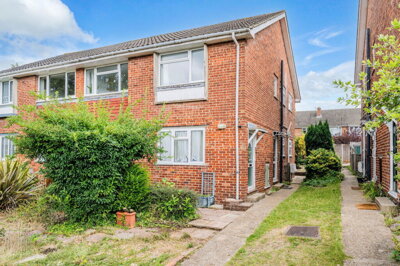
The local housing stock features traditional construction methods that buyers should understand. Walls and elevations are generally brickwork, with some render or pebbledash to the facade, and roofs are typically clay or concrete tiles on predominantly hipped roof forms. Some semi-detached properties have tile hanging between the front ground floor and first-floor windows, a distinctive local feature. Victorian and Edwardian properties along The Avenue feature solid brick walls, which may lack cavity insulation and damp-proof courses that are standard in newer construction.
The presence of 21 Conservation Areas and over 400 listed buildings means that many properties in Epsom and Ewell are subject to additional planning controls and restrictions. Buyers should understand that properties in conservation areas may require planning permission for certain alterations, including extensions, dormer conversions, or changes to windows and doors that affect the external appearance. Listed buildings carry even stricter requirements, with any works potentially requiring Listed Building Consent from Epsom and Ewell Borough Council. These factors can affect renovation plans and future resale value, so understanding the implications before purchase is essential.
For older properties, a RICS Level 2 Survey may identify issues common to the local housing stock, including damp arising from failed or absent damp-proof courses, roof defects such as slipped tiles or deteriorated felt, outdated electrical wiring that may not meet current safety standards, and timber defects including rot or woodworm affecting structural elements. Properties built before 2000 may contain asbestos-containing materials that require specialist assessment. If you are considering a listed building or a particularly old property in poor condition, a more comprehensive RICS Level 3 Building Survey is often recommended.
The average house price in Epsom and Ewell was £545,000 in December 2025, showing a 0.8% annual increase. Rightmove data indicates a median price of £569,696 over the past year, with prices ranging from around £292,000 for flats and maisonettes to £934,000 for detached properties. Semi-detached homes average £621,000 and terraced properties average £471,000, with the market having softened approximately 7% from the 2023 peak of £609,529. Ewell specifically shows an average of £576,426, down 3% on the previous year and 4% on the 2022 peak of £597,823.
Properties in Epsom and Ewell fall under Epsom and Ewell Borough Council, with council tax bands ranging from A to H depending on property value and size. Most standard three-bedroom semi-detached homes in the area typically fall into band D or E, while larger detached properties in areas like Epsom's more established roads may be in bands F, G, or H. Prospective buyers should check the specific band with the local authority as part of their due diligence, as this affects ongoing annual costs and should be factored into the overall budget for property ownership.
Epsom and Ewell offers good primary and secondary school options, with several establishments earning positive reputations among local families. Secondary schools including Glyn School in Ewell, Blenheim High School, and Rosebery School serve the local community, while parents should research current Ofsted ratings and admission criteria when considering schools as part of their property search. The area includes both state and independent schools, with catchment areas playing an important role in determining placements for popular state schools. Post-16 education is available through school sixth forms and Nescot further education college, which also provides vocational courses for school leavers and adult learners.
Epsom and Ewell enjoys excellent public transport links, with Epsom station providing regular services to London Waterloo in approximately 35-40 minutes. Ewell is served by two stations, Ewell East and Ewell West, offering additional options for accessing rail services to London and beyond. Local bus services connect the area with surrounding towns including Epsom Hospital, Kingston upon Thames, and Sutton, while the A24 and M25 motorway provide road connections for those travelling by car. Properties within walking distance of these stations typically command premiums given the convenience for daily commuters.
Epsom and Ewell offers strong fundamentals for property investment, supported by excellent commuter links to London and a diverse local economy with 47,824 employees and recent workforce growth of 5.71%. The area has seen significant new build activity, with completions rising 133% between 2021 and 2023, while the local plan aims to deliver nearly 5,000 homes across 35 sites. The horse racing industry contributes £13 million annually to the local economy, and the presence of creative industries adds economic diversity. The 74% home ownership rate and steady transaction volumes suggest a stable market with consistent demand from buyers seeking the balance of space and connectivity that Epsom and Ewell provides.
Stamp Duty Land Tax rates for standard purchases start at 0% on the first £250,000 of property value, rising to 5% on the portion between £250,001 and £925,000, then 10% up to £1.5 million, and 12% on any value above that. For a typical Epsom and Ewell property at the current average price of £545,000, a standard buyer would pay approximately £14,750 in stamp duty. First-time buyers benefit from increased thresholds, paying zero on the first £425,000 and 5% only on the next £200,000, reducing the bill to £6,000 for a £545,000 property. Those purchasing listed buildings should also budget for potential renovation costs given the additional maintenance requirements of heritage properties.
Understanding the full costs of buying a property in Epsom and Ewell is essential for budgeting effectively and avoiding financial surprises during your purchase. The Stamp Duty Land Tax (SDLT) represents a significant upfront cost, calculated on a tiered system where the first £250,000 of a property's value incurs zero duty, the next £675,000 (up to £925,000) incurs 5%, the portion between £925,001 and £1.5 million incurs 10%, and anything above £1.5 million incurs 12%. For a typical Epsom and Ewell property at the current average price of £545,000, a standard buyer would pay approximately £14,750 in stamp duty.
First-time buyers in Epsom and Ewell benefit from increased SDLT thresholds, paying zero duty on the first £425,000 and 5% only on the portion between £425,001 and £625,000. This means a first-time buyer purchasing a flat at the average price of £292,000 would pay no stamp duty whatsoever, while a first-time buyer purchasing a terraced home at £471,000 would pay approximately £2,300. These reliefs can make a meaningful difference to the total budget required for purchasing in this Surrey borough, particularly for those entering the market at lower price points.
Beyond stamp duty, buyers should budget for solicitor conveyancing costs which typically range from £500 to £2,000 depending on complexity, a RICS Level 2 survey at approximately £455 to £600 for standard properties in the Epsom and Ewell area (potentially higher for larger or older homes with more complex construction), and mortgage arrangement fees which vary by lender but often range from £0 to £2,000. Removal costs vary by property size, from £300-£600 for a flat move up to £1,000-£2,500 for a detached family home, while mortgage valuation fees and potential renovation or repair costs identified during survey should also be factored in. Homemove provides access to competitive quotes for all these services, helping you understand the total cost of purchasing your new home in Epsom and Ewell.
Properties for Sale In London

Properties for Sale In Plymouth

Properties for Sale In Liverpool

Properties for Sale In Glasgow

Properties for Sale In Sheffield

Properties for Sale In Edinburgh

Properties for Sale In Coventry

Properties for Sale In Bradford

Properties for Sale In Manchester

Properties for Sale In Birmingham

Properties for Sale In Bristol

Properties for Sale In Oxford

Properties for Sale In Leicester

Properties for Sale In Newcastle

Properties for Sale In Leeds

Properties for Sale In Southampton

Properties for Sale In Cardiff

Properties for Sale In Nottingham

Properties for Sale In Norwich

Properties for Sale In Brighton

Properties for Sale In Derby

Properties for Sale In Portsmouth

Properties for Sale In Northampton

Properties for Sale In Milton Keynes

Properties for Sale In Bournemouth

Properties for Sale In Bolton

Properties for Sale In Swansea

Properties for Sale In Swindon

Properties for Sale In Peterborough

Properties for Sale In Wolverhampton

Enter your details to see if this property is within your budget.
Loans, cards, car finance
Estimated property budget
Borrowing + deposit
You could borrow between
Typical borrowing
Monthly repayment
Est. at 4.5%
Loan-to-value
This is an estimate only. Your actual budget may vary depending on interest rates, credit history, and personal circumstances. For an accurate affordability assessment, speak to one of our free mortgage advisors.
This calculator provides estimates for illustrative purposes only and does not constitute financial advice. Your home may be repossessed if you do not keep up repayments on your mortgage. Estimates based on 4.5% interest rate, repayment mortgage. Actual rates depend on your circumstances.
Homemove is a trading name of HM Haus Group Ltd (Company No. 13873779, registered in England & Wales). Homemove Mortgages Ltd (Company No. 15947693) is an Appointed Representative of TMG Direct Limited, trading as TMG Mortgage Network, which is authorised and regulated by the Financial Conduct Authority (FRN 786245). Homemove Mortgages Ltd is entered on the FCA Register as an Appointed Representative (FRN 1022429). You can check registrations at NewRegister or by calling 0800 111 6768.

We use cookies to show you personalised content and improve your experience of our website. Find out more in our Privacy policy and Cookie policy.