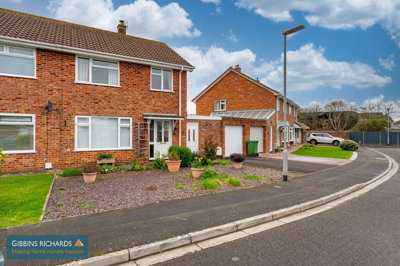
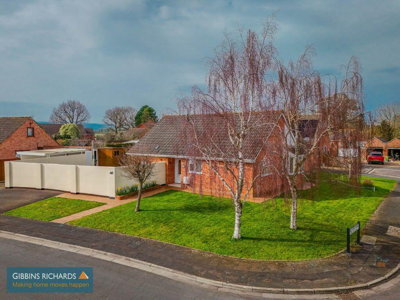
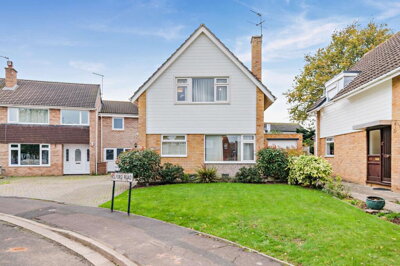
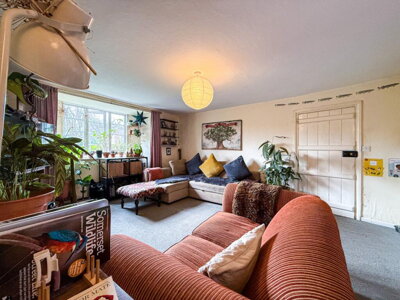
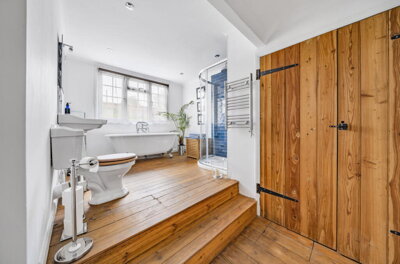
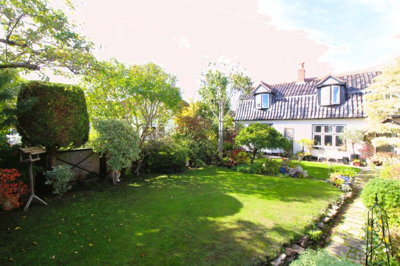
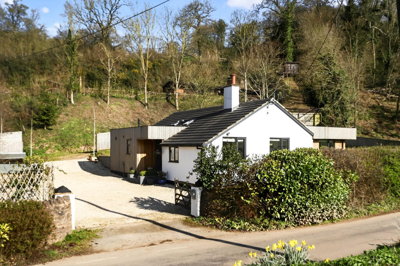
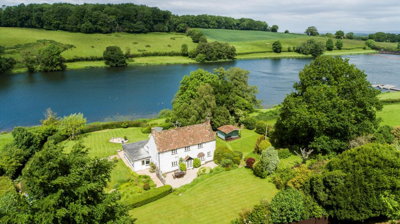
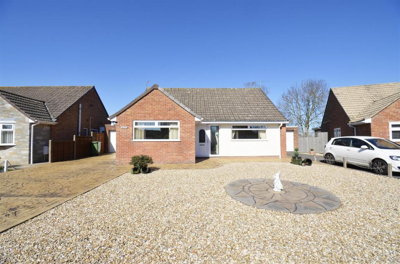
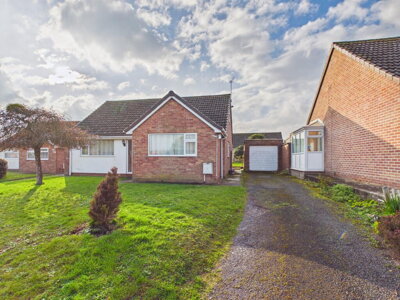
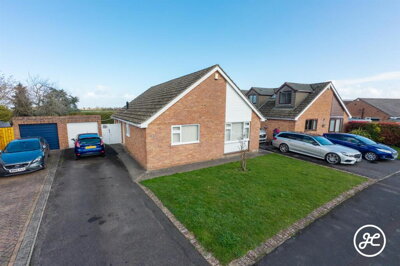
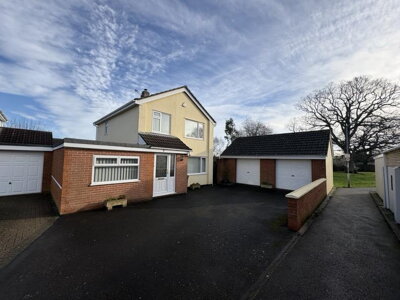
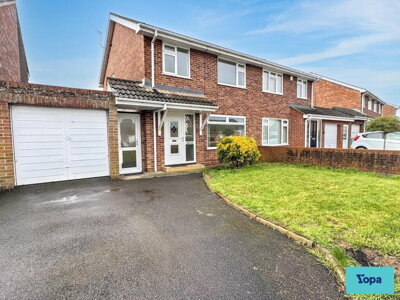
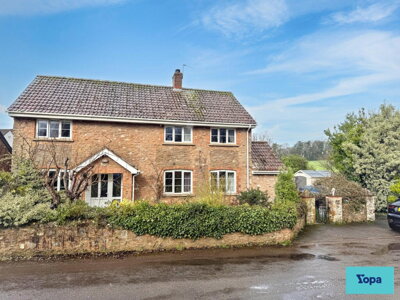
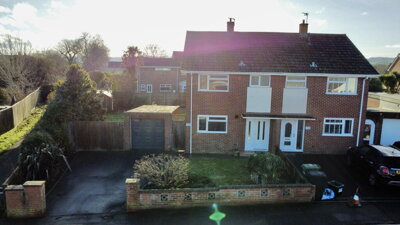
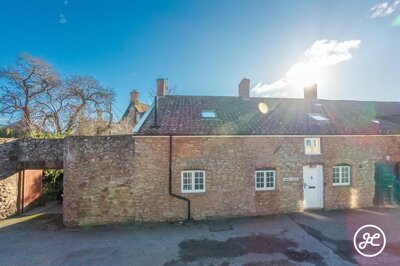
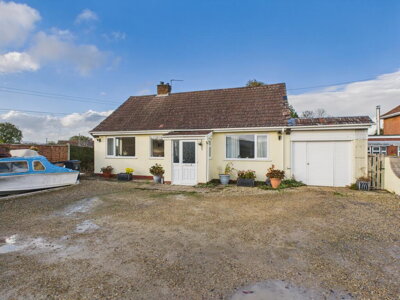
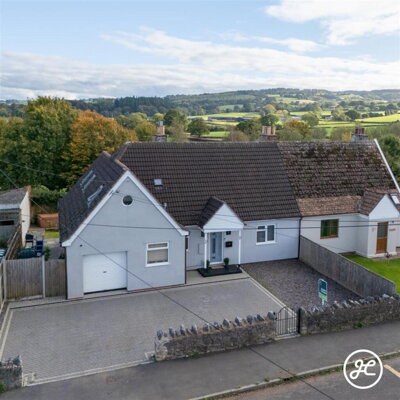
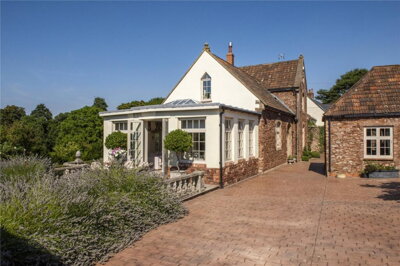
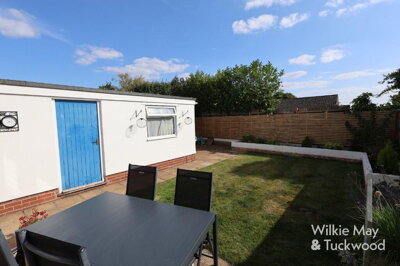
Browse 24 homes for sale in Enmore, Somerset from local estate agents.
Three bedroom properties represent a significant portion of the Enmore housing market, offering space for families with multiple reception rooms and gardens in many cases. Browse detached, semi-detached, and terraced options ranging from period character homes to contemporary developments.
£500k
1
0
42
Source: home.co.uk
Showing 1 results for 3 Bedroom Houses for sale in Enmore, Somerset. The median asking price is £500,000.
Source: home.co.uk
Detached
1 listings
Avg £500,000
Source: home.co.uk
Source: home.co.uk
The Enmore property market has demonstrated remarkable strength in recent years, with detached properties averaging £705,000 and semi-detached homes reaching around £425,000. This data reflects a broader trend in Somerset's rural property sector, where demand consistently outstrips supply. House prices in Enmore have risen 6% above the 2021 peak of £574,400, indicating sustained upward momentum that shows few signs of abating. The village attracts buyers seeking character properties in peaceful surroundings, willing to pay a premium for the quality of life that rural Somerset provides. While the overall sample size for property sales in this small village is limited due to its modest population, the transactions that do occur demonstrate strong values across all property types.
New build activity within Enmore itself remains minimal, as the village's conservation character and small scale limit large-scale development opportunities. Enmore Parish Council serves as a statutory consultee on all planning applications within the parish, ensuring that any development respects the village's heritage and character. However, nearby developments such as Saxon Gate in North Petherton and Centenary Heights in Wembdon offer alternative options for buyers seeking brand-new homes in the surrounding area. These developments, featuring two, three, and four-bedroom homes, provide modern alternatives within a few miles of Enmore. For those specifically seeking a property within Enmore's boundaries, the market consists largely of period properties, cottages, and traditional farm buildings that occasionally come to market as conversions or renovation projects.
The predominantly older housing stock means that many properties will predate modern building regulations and construction standards. Properties dating from the late 18th and early 19th centuries feature traditional construction methods including solid stone walls, timber-framed internal structures, and natural slate or Roman-style tiled roofs. These characteristics contribute significantly to the village's visual appeal and the character of individual homes, but they also mean that prospective buyers should budget for potential maintenance and upgrade costs that are common with period properties. Understanding the relationship between property age, construction type, and ongoing maintenance requirements is essential for anyone considering a purchase in this historic village.

Life in Enmore revolves around community, countryside, and a pace of living that has become increasingly rare in modern Britain. The village occupies a privileged position on the eastern slopes of the Quantock Hills, an Area of Outstanding Natural Beauty that provides endless opportunities for walking, riding, and outdoor recreation. The surrounding landscape features a mix of farmland, woodland, and rolling hills, with the underlying geology comprising Otter Sandstone and Devonian formations that create the distinctive golden and grey stone buildings throughout the area. Many local properties feature Ham Stone or Doulting Stone dressings and quoins, traditional materials that give Enmore its warm, harmonious appearance. The village's architecture spans several centuries, from medieval origins through Georgian elegance to Victorian solidity, creating a streetscape of considerable variety and visual interest.
The local economy reflects Somerset's agricultural heritage, with farming remaining important to the surrounding area alongside growing sectors in construction and manufacturing. Employment opportunities in nearby Bridgwater, just 2 miles away, provide additional options, with the town offering retail, healthcare, and light industrial roles. The broader Somerset economy has shown employment-led recovery, though affordability ratios have escalated significantly since 2001, making market entry challenging for some buyers. The Somerset Levels and Moors lie to the east of Enmore, a flat, historically marshy landscape that has shaped both the local environment and the character of the wider region. While Enmore itself sits on higher ground, the proximity to this low-lying area means residents should be aware of potential surface water runoff and local watercourse behaviour, particularly during periods of heavy rainfall.
The village's historic character is preserved through active conservation efforts, with Enmore Parish Council maintaining a watching brief on all planning applications within the parish boundary. Buildings constructed from local stone, including Otter Sandstone rubblestone and Devonian Hangman Sandstone, represent traditional building techniques that have served the community for centuries. Roof coverings throughout the village typically feature natural slate or double and triple Roman-style tiles, materials selected for their durability and visual appropriateness within the Quantock Hills landscape. Residents benefit from regular community events centred around the historic Church of St Michael, a Grade II* listed building dating largely from the 15th century that serves as both a spiritual and social focal point for village life.

Families considering a move to Enmore will find a selection of educational options within reasonable driving distance. The village itself is served by primary schools in surrounding villages and the nearby town of Bridgwater, where several primary schools cater to children from reception through to Year 6. Secondary education is concentrated in Bridgwater, with secondary schools serving the 11-16 age range and providing a pathway to further education. For those seeking grammar school provision, the surrounding Somerset area has selective schools that serve academically able students. Parents should research specific catchment areas and admission policies, as these can vary significantly between schools and may impact which institutions serve specific addresses in the Quantock Hills area.
Early years and nursery provision is available through a combination of village settings and town-based nurseries, offering flexible childcare arrangements for working families. Further education opportunities exist in Bridgwater and Taunton, with colleges offering vocational courses, A-levels, and professional qualifications for older students. The Grade II* listed Church of St Michael in Enmore, dating from the 15th century, provides a historic focal point for the village community, with regular services and events that contribute to the area's strong sense of local identity. For families prioritising educational provision, viewing the property and researching school admissions before committing to a purchase is essential, as catchment boundaries can change and places at popular schools can be competitive.
Enmore enjoys convenient access to the major transport routes of Somerset, making commuting to larger employment centres feasible for those who need to travel for work. The village sits approximately 2 miles from Bridgwater, where the A38 road provides connections to the M5 motorway at junction 24, linking directly to Bristol, Exeter, and the national motorway network. Journey times by car to Bristol typically take around an hour, while Exeter is approximately 45 minutes away. The A39 Quantock Road passes through nearby villages, connecting the coastal areas of Watchet and Minehead with Bridgwater and the interior of Somerset. For air travel, Bristol Airport offers domestic and international flights within approximately 90 minutes' drive, providing connections across Europe and beyond.
Public transport options include bus services operating between Bridgwater and surrounding villages, though frequency may be limited compared to urban areas, making car ownership practically essential for most residents. Bridgwater railway station provides access to the Bristol to Exeter main line, with services to Bristol Temple Meads, Bath Spa, and London Paddington via Reading. Train journey times to Bristol from Bridgwater take approximately 40 minutes, making day commuting feasible for those working in the city. The nearest major airport is Bristol, offering a broad range of destinations, while Exeter Airport provides additional options for international and domestic travel. Cyclists benefit from quiet country lanes throughout the Quantock Hills, though the hilly terrain requires a reasonable fitness level for recreational and commuting cycling.
Explore property listings on Homemove and visit the area at different times of day and week to understand traffic, noise levels, and the community atmosphere. Given Enmore's heritage properties and proximity to the Somerset Levels, understanding flood risk and conservation considerations is essential before committing. Take time to walk the village lanes, speak with residents, and get a feel for whether this small community suits your lifestyle expectations.
Speak to a mortgage broker or lender to obtain an Agreement in Principle before making offers. With average detached prices around £705,000, understanding your borrowing capacity will focus your search and strengthen your position when bidding on desirable properties. Enmore's premium pricing means that most buyers will require substantial deposits and competitive mortgage rates to secure financing.
View multiple properties in Enmore and surrounding villages to compare condition, character, and value. Pay particular attention to the age of properties, their construction materials, and any signs of damp or structural movement, as many homes here predate modern building standards. Stone-walled properties require different assessment criteria than modern brick or block construction, and understanding these differences is crucial for making informed purchase decisions.
Before purchasing an older property in Enmore, a RICS Level 2 Home Survey is essential. Typical defects in period properties include damp, roofing issues, and outdated electrics. In Bridgwater, Level 2 surveys average £432, while Taunton ranges from £395 to £1,250 depending on property value and size. Given the prevalence of stone construction and historic building methods in Enmore, a thorough professional survey is money well spent.
Appoint a solicitor experienced in Somerset property transactions to handle searches, contracts, and legal requirements. Enmore falls under Somerset Council jurisdiction, and local knowledge of planning policies and conservation areas is valuable. Your solicitor will conduct drainage searches, environmental checks, and planning history investigations that are particularly important for period properties with potentially complex ownership histories.
Once searches are satisfactory and finance is confirmed, your solicitor will exchange contracts and set a completion date. On the day, funds are transferred and keys are released, with registration at HM Land Registry completing your ownership. Ensure your removal arrangements are confirmed and that you have contacted utility providers to transfer accounts to your name.
Purchasing a property in Enmore requires careful attention to factors that may not affect buyers in newer urban developments. The village's geology includes areas with clay-rich soils that can exhibit shrink-swell behaviour, potentially causing subsidence in properties with shallow foundations. This risk is heightened by climate change projections suggesting increased ground movement across the south-west, with the British Geological Survey indicating that shrink-swell subsidence affecting properties could almost triple by 2070. Before purchasing, commission a thorough structural survey and review any previous foundation details or underpinning work. Properties built on the underlying Otter Sandstone and Devonian formations may have different foundation requirements than those on clay-heavy ground, making professional assessment crucial for older buildings.
Flood risk requires careful consideration despite Enmore's elevated position on the Quantock Hills. Surface water runoff from the hills during heavy rainfall can affect low-lying areas and properties near watercourses. The Somerset Levels and Moors, visible from higher ground around the village, have experienced significant flooding events, notably in early 2014 when vast areas were submerged for weeks. The Bridgwater Tidal Barrier project, completed to protect homes from tidal flooding in the wider Somerset area, demonstrates the ongoing investment in flood management infrastructure. While Enmore itself is not in the primary flood zone, proximity to these areas means that flood risk assessments and insurance implications should be investigated before purchase.
Listed buildings, including the Grade II* Church of St Michael and Barford House, require special consideration as alterations require listed building consent and repairs must often use traditional materials and methods. These restrictions can add significant cost and complexity to renovation projects, making specialist surveys advisable for any listed property purchase. The construction materials used throughout Enmore, predominantly Otter Sandstone rubblestone with Ham Stone or Doulting Stone dressings, represent traditional building techniques that require specialist knowledge to assess and maintain properly. Understanding the implications of owning a listed or potentially listed property, including the requirement for planning permission for various works and the higher costs associated with traditional materials and specialist contractors, should form part of your pre-purchase research.
The overall average house price in Enmore, Somerset, over the last year was £611,667, with detached properties averaging £705,000 and semi-detached homes around £425,000. House prices have risen significantly, up 47.1% over the past twelve months and 6% above the previous 2021 peak of £574,400. Given the village's small population and limited sales volume, individual property prices can vary considerably depending on condition, size, and character. Properties with original features, period details, and superior positions within the village command premiums in this desirable Quantock Hills location.
Properties in Enmore fall under Somerset Council's jurisdiction for council tax purposes. Bands range from A through to H, with the actual band assigned based on the property's assessed value as of April 1991. Period properties in Enmore, many dating from the 18th and 19th centuries, typically fall into bands C through F, though individual circumstances may vary. Prospective buyers should verify the specific band for any property through the Somerset Council website or their solicitor during conveyancing, as council tax constitutes an ongoing annual cost that should be factored into affordability calculations alongside mortgage payments and maintenance expenses.
Enmore itself does not have a primary school, with children typically attending schools in surrounding villages or Bridgwater, approximately 2 miles away. Several primary schools in Bridgwater serve the area, while secondary education is provided by secondary schools within the town. Somerset has grammar school provision for academically able students, with selective schools serving the wider area. Parents should research specific admission policies and catchment areas, as these determine which schools serve particular addresses. Early years and nursery provision is available through village networks and town-based settings, offering flexible childcare for families relocating to the area.
Public transport connectivity in Enmore is limited, with bus services providing connections to Bridgwater but frequency unlikely to support daily commuting without a car. Bridgwater railway station offers access to the Bristol to Exeter main line, with services to Bristol Temple Meads taking approximately 40 minutes and connections to London Paddington available via Reading. The M5 motorway is accessible via junction 24 near Bridgwater, providing road connections to Bristol, Exeter, and the wider motorway network. Bristol Airport is approximately 90 minutes away by car. Most Enmore residents rely on private vehicles for daily transport, making car ownership essential for full participation in village life and access to employment, shopping, and services.
Property in Enmore offers potential for capital appreciation given the village's desirable location on the Quantock Hills, limited supply of available homes, and increasing demand for rural properties with good transport links. Price growth of 47.1% over the past year demonstrates market strength, though such rapid appreciation may not continue indefinitely. The Somerset property market benefits from relatively affordable entry points compared to the south-east of England, attracting buyers relocating from more expensive regions. Properties requiring renovation may offer additional value opportunities for investors willing to undertake works, though heritage considerations and potential planning restrictions should be carefully evaluated before purchase.
Standard Stamp Duty Land Tax rates for 2024-25 apply to properties in Enmore, with 0% payable on purchases up to £250,000, 5% on the portion from £250,001 to £925,000, 10% on the portion from £925,001 to £1.5 million, and 12% on amounts exceeding £1.5 million. First-time buyers qualify for relief on purchases up to £625,000, paying 0% on the first £425,000 and 5% on the portion between £425,001 and £625,000. For a typical semi-detached property at £425,000, a standard buyer would pay £8,750 in stamp duty, while a first-time buyer would pay nothing under current thresholds.
From 4.5%
Expert mortgage advice for Enmore buyers
From £499
Solicitors experienced in Somerset property transactions
From £395
Thorough inspection ideal for Enmore's period properties
From £900
Detailed structural survey for older or complex properties
Understanding the full costs of purchasing property in Enmore extends beyond the advertised asking price and requires careful budgeting to avoid financial surprises during the transaction. Stamp Duty Land Tax represents the most significant additional cost, with rates of 0% on the first £250,000, 5% between £250,001 and £925,000, 10% up to £1.5 million, and 12% above that threshold for standard buyers in 2024-25. First-time buyers benefit from more generous relief, paying nothing on purchases up to £425,000 and 5% on the portion between £425,001 and £625,000. For the typical Enmore detached property at £705,000, a standard buyer would incur approximately £22,750 in stamp duty, while a first-time buyer would pay around £14,000 under current relief provisions.
Survey costs vary depending on property type and value, with RICS Level 2 Home Surveys in the Bridgwater area averaging around £432 and Taunton prices ranging from £395 to £1,250 for comparable properties. Given Enmore's predominantly older housing stock, with many properties dating from the 18th and 19th centuries, a thorough survey is strongly recommended to identify defects common in period properties, including damp, structural movement, and outdated services. Conveyancing fees typically start from £499 for standard transactions, though complex purchases involving listed buildings or unusual tenure arrangements may cost more. Search fees, Land Registry fees, and bank charges add further minor costs, while removal expenses for furniture and belongings should also be budgeted. Setting aside 3-5% of the purchase price for additional costs beyond the mortgage and deposit ensures a smooth transaction without last-minute financial pressure.
For buyers considering properties in Enmore that may require renovation or significant maintenance, additional budget provisions should be made for works that may be revealed once ownership transfers. Properties constructed from traditional stone with solid walls often require different maintenance approaches than modern buildings, with specialist contractors needed for repairs using appropriate traditional materials. The costs of rewiring, replumbing, and improving insulation in period properties can be substantial but are often necessary to bring homes up to contemporary living standards while preserving their historic character. Obtaining detailed survey reports before purchase helps identify potential costs and allows for more accurate budgeting and negotiation.
Properties for Sale In London

Properties for Sale In Plymouth

Properties for Sale In Liverpool

Properties for Sale In Glasgow

Properties for Sale In Sheffield

Properties for Sale In Edinburgh

Properties for Sale In Coventry

Properties for Sale In Bradford

Properties for Sale In Manchester

Properties for Sale In Birmingham

Properties for Sale In Bristol

Properties for Sale In Oxford

Properties for Sale In Leicester

Properties for Sale In Newcastle

Properties for Sale In Leeds

Properties for Sale In Southampton

Properties for Sale In Cardiff

Properties for Sale In Nottingham

Properties for Sale In Norwich

Properties for Sale In Brighton

Properties for Sale In Derby

Properties for Sale In Portsmouth

Properties for Sale In Northampton

Properties for Sale In Milton Keynes

Properties for Sale In Bournemouth

Properties for Sale In Bolton

Properties for Sale In Swansea

Properties for Sale In Swindon

Properties for Sale In Peterborough

Properties for Sale In Wolverhampton

Enter your details to see if this property is within your budget.
Loans, cards, car finance
Estimated property budget
Borrowing + deposit
You could borrow between
Typical borrowing
Monthly repayment
Est. at 4.5%
Loan-to-value
This is an estimate only. Your actual budget may vary depending on interest rates, credit history, and personal circumstances. For an accurate affordability assessment, speak to one of our free mortgage advisors.
This calculator provides estimates for illustrative purposes only and does not constitute financial advice. Your home may be repossessed if you do not keep up repayments on your mortgage. Estimates based on 4.5% interest rate, repayment mortgage. Actual rates depend on your circumstances.
Homemove is a trading name of HM Haus Group Ltd (Company No. 13873779, registered in England & Wales). Homemove Mortgages Ltd (Company No. 15947693) is an Appointed Representative of TMG Direct Limited, trading as TMG Mortgage Network, which is authorised and regulated by the Financial Conduct Authority (FRN 786245). Homemove Mortgages Ltd is entered on the FCA Register as an Appointed Representative (FRN 1022429). You can check registrations at NewRegister or by calling 0800 111 6768.

We use cookies to show you personalised content and improve your experience of our website. Find out more in our Privacy policy and Cookie policy.