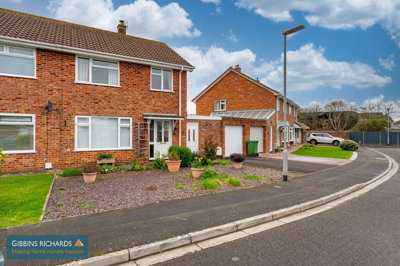
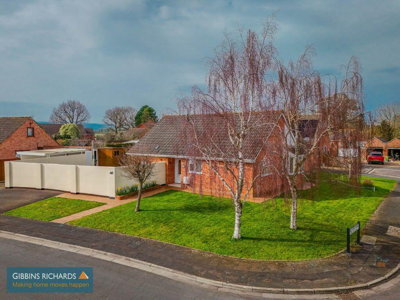
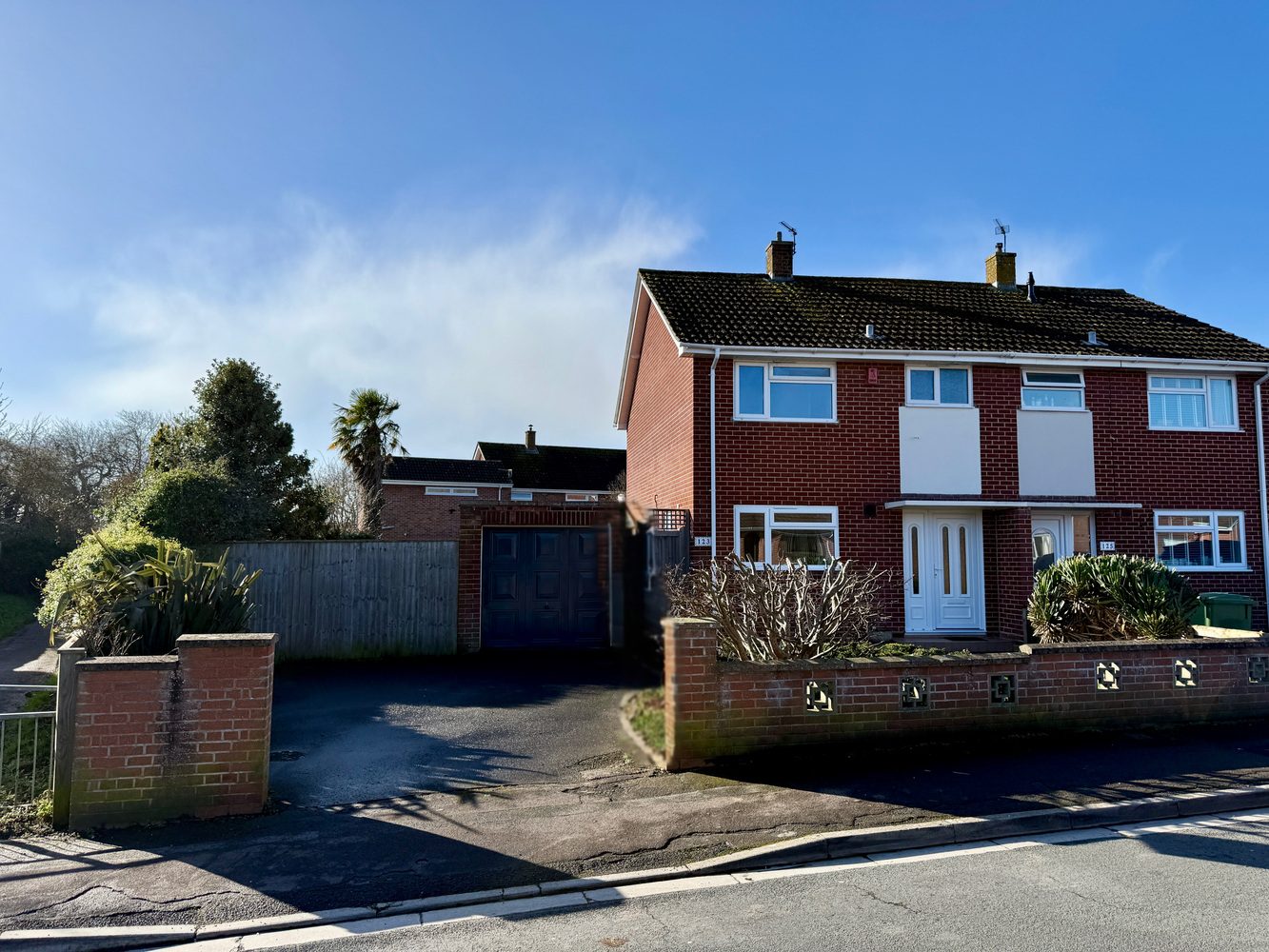
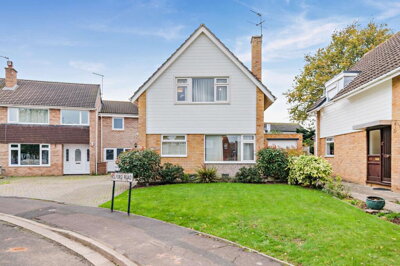
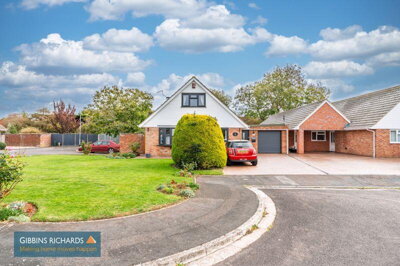
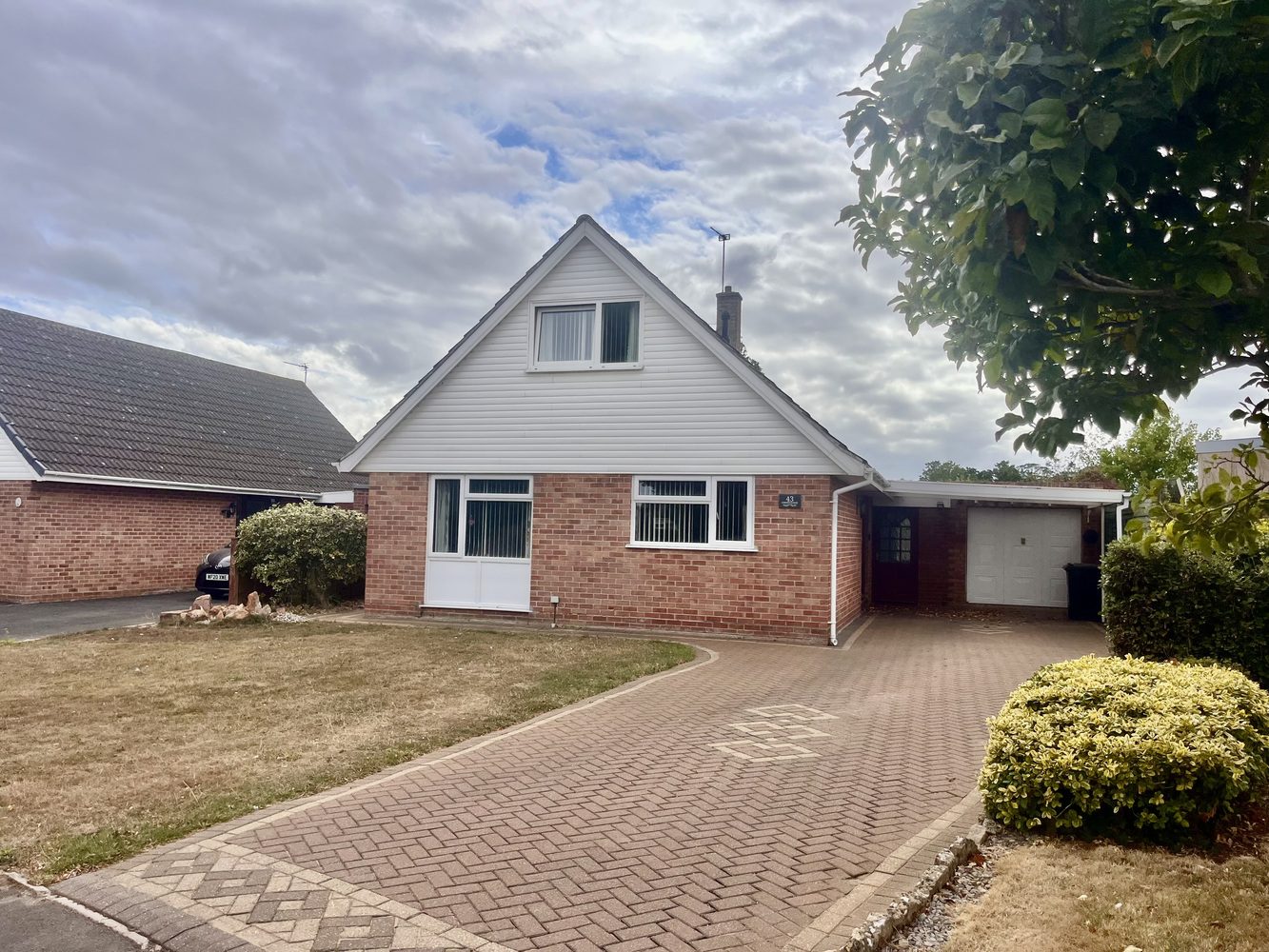
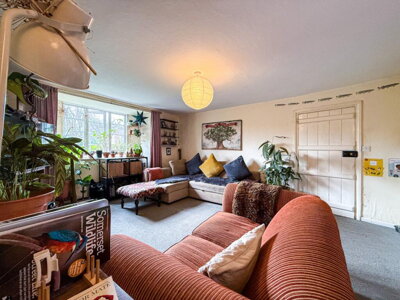
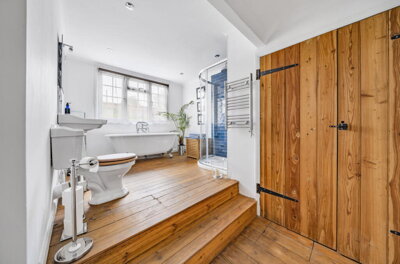
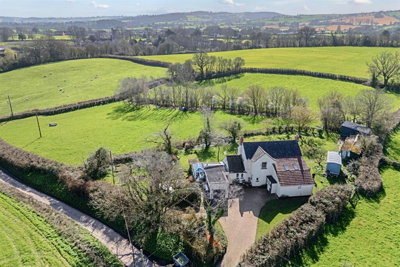
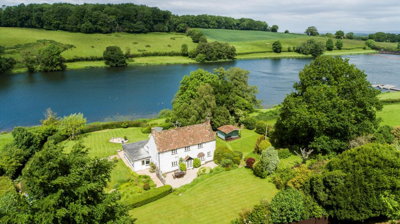
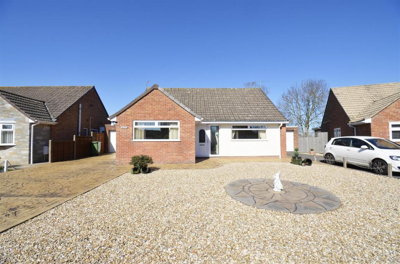
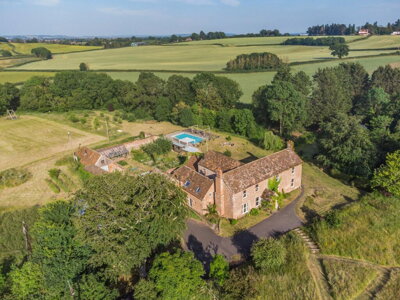
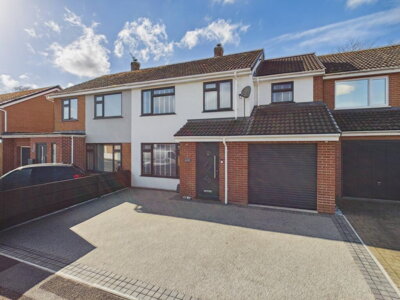
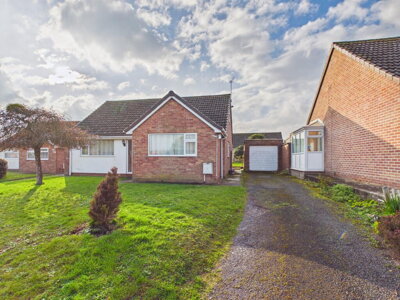
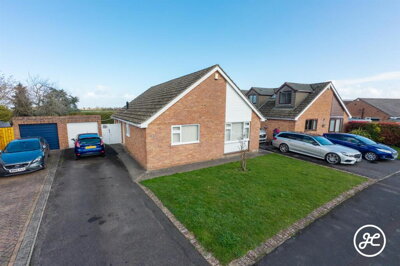
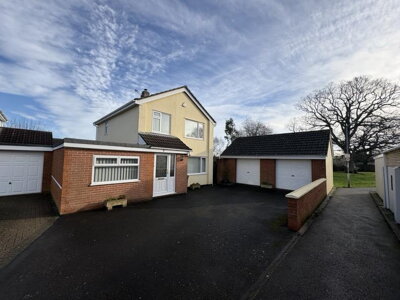
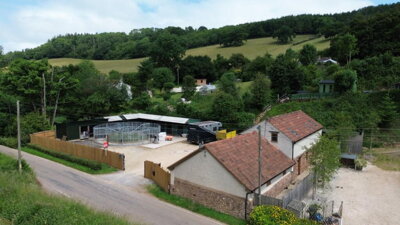
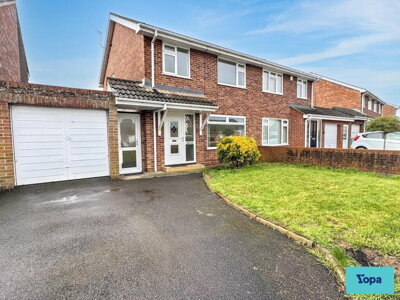
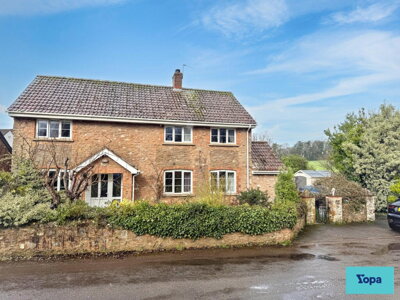
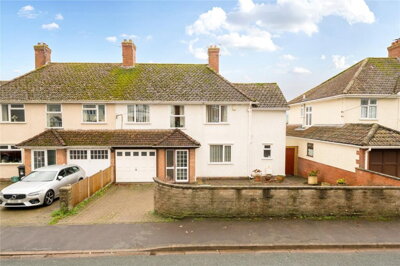
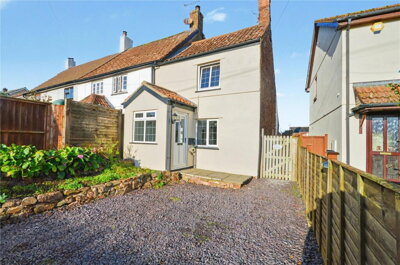
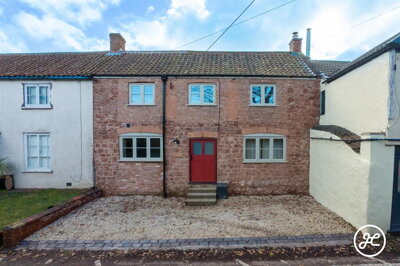
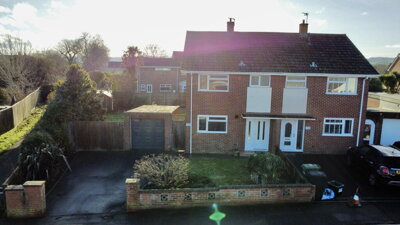
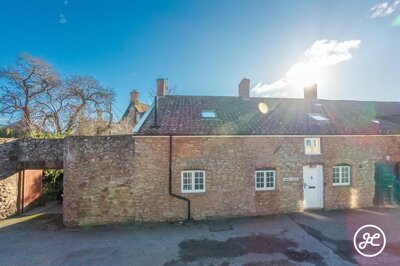
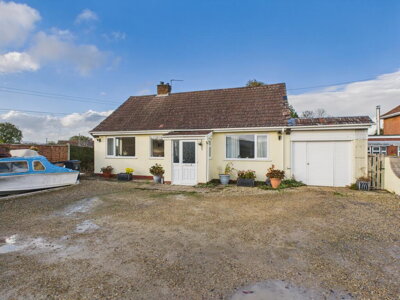
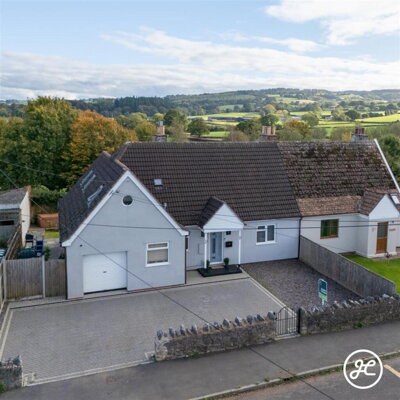
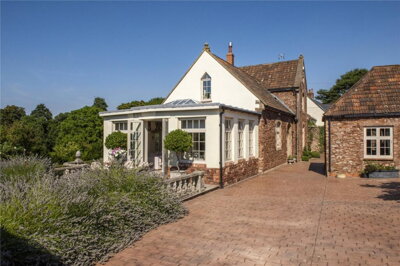
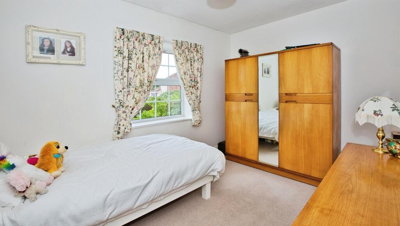
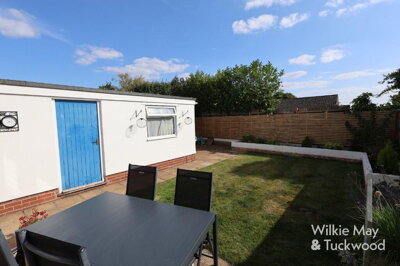
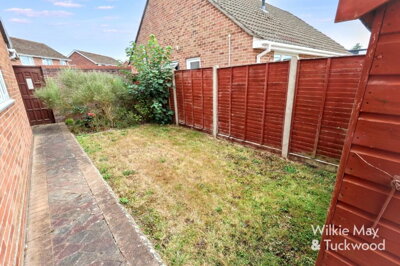
Browse 40 homes for sale in Enmore, Somerset from local estate agents.
£500k
3
0
141
Source: home.co.uk
Source: home.co.uk
Detached
2 listings
Avg £650,000
Detached Bungalow
1 listings
Avg £399,950
Source: home.co.uk
Source: home.co.uk
£478,000
Average Price
138
Properties Sold (12 months)
+1.3%
Annual Price Growth
+2.8%
Semi-Detached Growth
Properties in the London Borough of Hillingdon present unique challenges that our inspectors encounter on a weekly basis. The borough's underlying London Clay geology creates significant shrink-swell risks, particularly for older properties with shallow foundations or mature trees close to the building footprint. Our inspectors regularly identify subsidence damage, heave cracks, and structural movement in properties across Uxbridge, Ruislip, and Hayes, where the combination of clay soils and established vegetation poses ongoing risks to property stability. Understanding the extent of any movement before purchase allows you to budget for underpinning costs or negotiate a price reduction with the seller.
The borough's varied housing stock includes substantial numbers of Edwardian and Victorian properties built before 1914, inter-war semis constructed during the 1920s and 1930s housing boom, post-war developments from the 1950s and 1960s, and contemporary apartments from developments including Hayes Village by Barratt London and The Lock in Hayes. Each era brings its own typical defects. Pre-war properties commonly suffer from outdated electrical wiring, solid wall construction lacking insulation, and original timber windows requiring replacement. Post-war properties may contain concrete panel construction issues or asbestos-containing materials used in building work before 2000. Our inspectors know exactly what to look for in each property type across Hillingdon's diverse neighbourhoods.
Flood risk affects several areas within the borough, with the River Colne, River Pinn, and River Crane all flowing through Hillingdon. Properties near these waterways or in low-lying areas around Yeading, Hayes, and parts of Uxbridge face elevated flood risk during periods of heavy rainfall. Our inspectors assess drainage conditions, proximity to watercourses, and signs of previous flooding damage when surveying properties in these locations. Surface water flooding also occurs in urbanised zones where drainage systems can become overwhelmed, a concern particularly relevant given recent climate patterns.
Conservation area restrictions apply to significant portions of Hillingdon's older neighbourhoods, including Ruislip Village, Ickenham Village, Harefield Village, and parts of Uxbridge town centre. These designations impose planning constraints on alterations, extensions, and exterior modifications that affect what you can do with a property after purchase. Our inspectors note any conservation area implications and flag these considerations in our reports, helping you understand the practical limitations of owning a historic property in these sought-after locations.
When our inspectors visit a property in the London Borough of Hillingdon, we follow a comprehensive checklist developed specifically for the common construction types and defect patterns found in the area. The inspection covers all accessible areas including roofs, walls, floors, ceilings, windows, doors, and the building's structural elements. We assess the condition of utilities including electrical systems, plumbing, heating, and drainage, identifying any areas where installations fail to meet current safety standards or require updating before occupation.
Roof inspection forms a critical part of every survey, and our inspectors frequently identify issues in Hillingdon properties given the age profile of much of the housing stock. Common roof defects include slipped or broken tiles on period properties, degraded roofing felt allowing water penetration, damaged lead flashing around chimneys and valleys, and rafter or truss damage from woodworm or wet rot. In older properties with original slate roofs, we assess the remaining lifespan of the covering and flag any evidence of previous repairs using inappropriate materials. Properties at Hayes Village and The Lock typically feature modern flat roofs with membrane coverings that require assessment for membrane integrity and adequate drainage.
Our inspectors pay particular attention to signs of damp throughout the property, a defect we encounter regularly given Hillingdon's mix of older properties. Rising damp affects properties lacking modern damp-proof courses, particularly Victorian and Edwardian houses built before the 1920s when damp-proofing became standard practice. Penetrating damp results from defective rainscreens, damaged render, or failed leadwork, while condensation issues often affect modern properties with improved insulation but inadequate ventilation. We use moisture meters and thermal imaging equipment to identify damp presence and determine its cause, ensuring our reports distinguish between different damp types requiring different remediation approaches.
Electrical and gas safety receives detailed assessment during our surveys. Properties built before the 1980s frequently contain dated consumer units with inadequate circuit protection, original wiring that does not meet current IEE regulations, and insufficient socket outlets for modern household needs. Our inspectors note these deficiencies and recommend further investigation by qualified electricians and gas engineers. Given the potential costs of rewiring and gas system upgrades, this information proves valuable when budgeting for your purchase or negotiating with sellers on properties across Hillingdon's established neighbourhoods.
Visit our website or call our team to book your RICS Level 2 Survey for any property in the London Borough of Hillingdon. We confirm your inspection appointment within 24 hours and provide detailed preparation instructions to help you get ready for the survey day. Our straightforward booking process means you can secure your inspection slot quickly, with evening and weekend appointments often available to suit your schedule.
Our RICS-qualified inspector visits the property at the agreed time, spending typically 2-4 hours conducting a thorough visual assessment of all accessible areas. We examine the interior and exterior, including roof spaces where accessible, basements, and outbuildings. Our inspector measures room dimensions, photographs significant defects, and notes the property construction type and materials. We encourage buyers to attend the inspection during the final 30 minutes to discuss initial findings directly with our inspector.
Following the inspection, our team produces your comprehensive RICS Level 2 Survey report detailing all findings, defect classifications, and recommended actions. The report includes clear condition ratings for each element inspected, estimated repair costs for significant issues, and specific advice on urgent matters requiring attention before completion. We email the report in PDF format, allowing you to share it easily with your solicitor, mortgage lender, and family members involved in the purchase decision.
After receiving your report, our team remains available to answer questions and provide additional clarification on any findings. We can recommend reputable contractors for quotes on necessary repairs, advise on negotiation strategies with sellers based on survey findings, and explain technical terms in plain language. This ongoing support continues until your purchase completes, ensuring you have all the information needed to proceed confidently with your Hillingdon property purchase.
Over years of surveying properties across the London Borough of Hillingdon, our inspectors have built a detailed picture of the typical defect patterns affecting different property types and ages throughout the borough. London Clay-related subsidence represents the most significant structural concern we encounter, particularly in properties with original shallow foundations, mature trees in close proximity, or inadequate foundations for the soil conditions. Trees such as oaks, poplars, and elms common in Hillingdon's established gardens extract moisture from clay soils, causing ground movement that damages property foundations. Our inspectors look for diagonal cracks extending from doors and windows, sticking doors and windows, and uneven floors that indicate structural movement requiring further investigation.
Asbestos-containing materials appear frequently in Hillingdon properties built before 2000, when asbestos was finally banned from construction use in the UK. Properties from the 1960s through to the 1990s commonly contain asbestos in textured coatings (artex), insulation panels, boiler flues, floor tiles, and roofing materials. Our inspectors identify potential asbestos-containing materials and recommend specialist sampling or assumed presence with appropriate management measures. Given the health risks associated with asbestos disturbance during renovation work, this information proves essential for any buyer planning modifications to older Hillingdon properties.
Timber defects including wet rot, dry rot, and woodworm infestation affect the structural integrity of timber elements in older properties throughout the borough. Our inspectors examine structural timbers in roof spaces, floor joists, and support beams, looking for signs of fungal decay, insect activity, and wood-boring beetle emergence holes. Wet rot requires ongoing moisture sources to develop, so we pay particular attention to properties with leaking gutters, inadequate ventilation, or damp basements. The cost of timber remediation varies significantly depending on the extent of decay, with severe cases requiring replacement of structural elements that our reports will flag for specialist contractor assessment.
Flat-specific concerns affect the substantial number of apartment purchasers in Hillingdon, particularly in new developments like Hayes Village and The Lock in Hayes. Our inspectors examine communal areas, check the building's fire safety systems, assess the condition of windows and external doors, and review documentation including lease terms, service charge levels, and planned maintenance programmes. We identify cladding systems that may require remediation, check for adequate fire escape provisions, and flag any signs of inadequate building management. For leasehold properties, understanding service charge obligations and reserve fund adequacy helps you budget accurately for ongoing ownership costs.
Our inspectors cover the entire London Borough of Hillingdon, providing property surveys across all neighbourhoods from the historic village centres to modern urban developments. Uxbridge, the borough's main town centre, features a mix of Victorian and Edwardian properties along streets including Windsor Street, Oxford Street, and Vine Street, alongside contemporary apartments near the tube station and shopping centre. Our inspectors regularly survey properties in Uxbridge town centre and the surrounding residential roads, familiar with the common defect patterns affecting the area's older housing stock and newer apartment developments.
Ruislip and Ickenham represent some of Hillingdon's most desirable residential areas, with tree-lined avenues, period properties, and excellent schooling options attracting families to the area. Properties in Ruislip Village and Ickenham Village fall within conservation areas, meaning our inspectors pay particular attention to original features, planning constraints, and the implications for future modifications. The inter-war semi-detached properties on roads such as Ickenham Road, Eastcote Road, and the surrounding avenues represent typical stock in these areas, with our inspectors experienced in identifying defects common to 1920s and 1930s construction includingoriginal windows, outdated electrics, and potential asbestos in textured coatings.
Hayes and Harlington feature diverse housing ranging from Victorian terraces around the old town centre to substantial modern developments including Hayes Village and surrounding new build sites. The area benefits from Elizabeth line connectivity, making it popular with commuters, and our inspectors frequently survey properties for first-time buyers and investors attracted by relatively accessible price points compared to other parts of west London. The mix of older Victorian terraces requiring renovation and modern flats with contemporary specifications means our inspectors apply different assessment approaches depending on the property type and expected condition.
Harefield, situated in the northern part of the borough, retains a semi-rural village character with properties ranging from historic farmhouses to mid-century detached homes. The village conservation area designation affects many properties, and our inspectors understand the planning implications for buyers considering modifications or extensions. Northwood, while partially in the London Borough of Hillingdon, also attracts buyers seeking larger detached properties in a semi-rural setting, with our inspectors familiar with the specific characteristics of properties in these more exclusive locations.
Our RICS Level 2 Surveys in the London Borough of Hillingdon start from £350 for flats and maisonettes, with prices increasing for larger properties and houses. Semi-detached and terraced houses typically cost between £400 and £500, while larger detached properties may cost £550 or more depending on size and complexity. The price reflects the property value rather than just its size, as higher-value properties require more detailed assessment and documentation. We provide fixed-price quotes upfront with no hidden fees, and you can book online or speak to our team for a tailored quote for your specific property.
A RICS Level 2 Survey (also called a Homebuyer Report) provides condition ratings for key elements of the property and identifies significant defects with recommended actions and estimated repair costs. This level of survey suits most properties in Hillingdon, including standard houses, flats, and apartments. A RICS Level 3 Building Survey offers a more detailed analysis with comprehensive investigation of construction, detailed defect analysis, and specific guidance on renovation options and costs. We recommend a Level 3 survey for large properties, period homes in conservation areas, properties undergoing major renovation, or buildings where you suspect significant structural issues.
Our inspector spends typically 2-4 hours at the property depending on its size and complexity. A standard three-bedroom semi-detached house in Hillingdon usually takes around 2-2.5 hours to survey thoroughly, while larger detached properties or complexes with multiple outbuildings may require 3-4 hours. We deliver your written report within 5 days of the inspection, typically by email in PDF format. Rush reports are available if you need results faster for time-sensitive transactions, though additional fees apply for expedited delivery.
Our inspectors regularly survey properties within Hillingdon's conservation areas, including Ruislip Village, Ickenham Village, Harefield Village, and parts of Uxbridge town centre. Conservation area properties often require more detailed assessment due to their age, original construction methods, and the planning restrictions affecting what you can do with the property after purchase. We recommend considering a Level 3 Building Survey for significant historic properties, as this provides the comprehensive analysis needed to understand the implications of owning a heritage property and budgeting for specialist maintenance requirements.
Properties in the London Borough of Hillingdon sit on London Clay, which creates shrink-swell ground movement as the soil moisture content changes. This movement can cause subsidence damage to foundations, particularly for properties with shallow foundations, large trees nearby, or inadequate foundation depth for the soil conditions. Our inspectors look for diagonal cracks extending from window and door frames, floors that slope or feel uneven, and doors and windows that stick or bind. We also check drainage for leaks that can soften clay soils and assess the condition of any existing underpinning or foundation strengthening. If we find evidence of movement, we recommend further investigation by a structural engineer.
Even for new build properties at developments like Hayes Village or The Lock in Hayes, we recommend commissioning a RICS Level 2 Survey. While new properties have the benefit of modern construction standards and warranties, our inspections identify defects in finishes, fitments, and building work that may not meet expectations. Common issues in new builds include incomplete snagging items, inadequate ventilation causing condensation, and defects in flat roofing or waterproofing systems. Our independent survey provides you with a professional assessment before you complete, and we can liaise with developers on your behalf to ensure outstanding issues receive attention.
Preparing for your survey helps our inspector access all areas of the property and provide the most comprehensive assessment possible. Ensure all rooms are accessible, including loft spaces if applicable, and clear any clutter blocking walls or fixtures. Locate utility meters, stop cocks, and service cupboards for inspector access. If the property is occupied, inform the current residents that a survey will take place. Our team sends preparation guidance when you book, and you can contact us with any questions before the inspection date. We recommend attending the property during the final portion of the survey to discuss initial findings directly with our inspector.
If our survey identifies significant defects such as structural movement, extensive damp, or roof problems, we provide detailed information about the issue, its likely cause, and recommended remedial actions with estimated costs. This information empowers you to make an informed decision about proceeding with the purchase. Options include negotiating a price reduction with the seller to reflect repair costs, requesting that the seller complete repairs before completion, or in serious cases, deciding not to proceed with the purchase. Your solicitor will use our report to renegotiate terms with the seller's representatives, and we can recommend reputable contractors for further quotes if needed.
From £350
Expert condition survey by our qualified inspectors, identifying defects and repair costs
From £600
Comprehensive building survey for complex or period properties
From £80
Energy performance certificate for your Hillingdon property
From £150
Required valuation for Help to Buy and shared ownership
Properties for Sale In London

Properties for Sale In Plymouth

Properties for Sale In Liverpool

Properties for Sale In Glasgow

Properties for Sale In Sheffield

Properties for Sale In Edinburgh

Properties for Sale In Coventry

Properties for Sale In Bradford

Properties for Sale In Manchester

Properties for Sale In Birmingham

Properties for Sale In Bristol

Properties for Sale In Oxford

Properties for Sale In Leicester

Properties for Sale In Newcastle

Properties for Sale In Leeds

Properties for Sale In Southampton

Properties for Sale In Cardiff

Properties for Sale In Nottingham

Properties for Sale In Norwich

Properties for Sale In Brighton

Properties for Sale In Derby

Properties for Sale In Portsmouth

Properties for Sale In Northampton

Properties for Sale In Milton Keynes

Properties for Sale In Bournemouth

Properties for Sale In Bolton

Properties for Sale In Swansea

Properties for Sale In Swindon

Properties for Sale In Peterborough

Properties for Sale In Wolverhampton

Enter your details to see if this property is within your budget.
Loans, cards, car finance
Estimated property budget
Borrowing + deposit
You could borrow between
Typical borrowing
Monthly repayment
Est. at 4.5%
Loan-to-value
This is an estimate only. Your actual budget may vary depending on interest rates, credit history, and personal circumstances. For an accurate affordability assessment, speak to one of our free mortgage advisors.
This calculator provides estimates for illustrative purposes only and does not constitute financial advice. Your home may be repossessed if you do not keep up repayments on your mortgage. Estimates based on 4.5% interest rate, repayment mortgage. Actual rates depend on your circumstances.
Homemove is a trading name of HM Haus Group Ltd (Company No. 13873779, registered in England & Wales). Homemove Mortgages Ltd (Company No. 15947693) is an Appointed Representative of TMG Direct Limited, trading as TMG Mortgage Network, which is authorised and regulated by the Financial Conduct Authority (FRN 786245). Homemove Mortgages Ltd is entered on the FCA Register as an Appointed Representative (FRN 1022429). You can check registrations at NewRegister or by calling 0800 111 6768.

We use cookies to show you personalised content and improve your experience of our website. Find out more in our Privacy policy and Cookie policy.