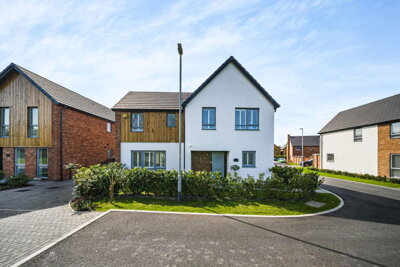
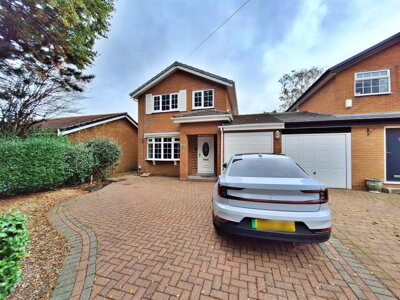
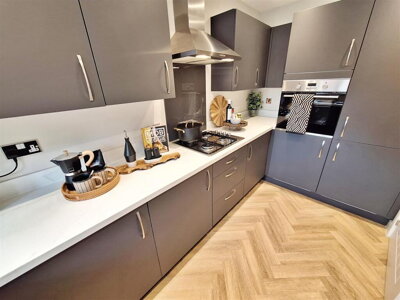
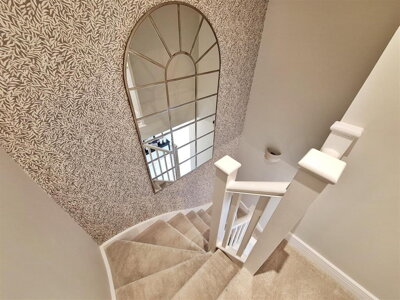
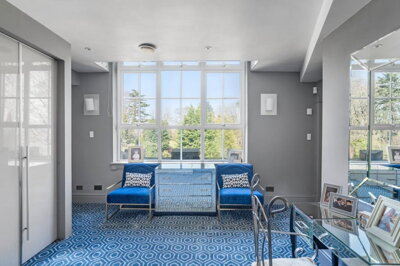
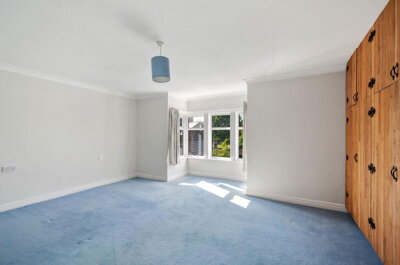
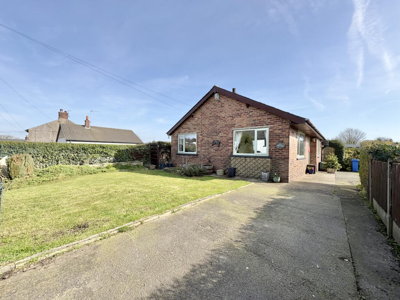
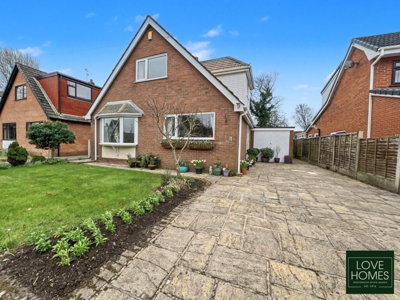
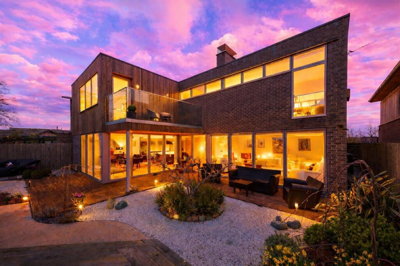
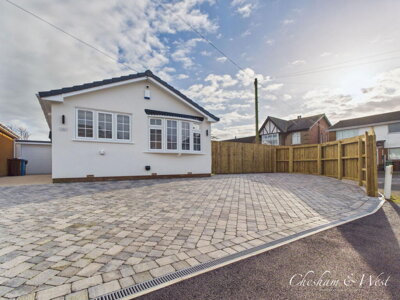
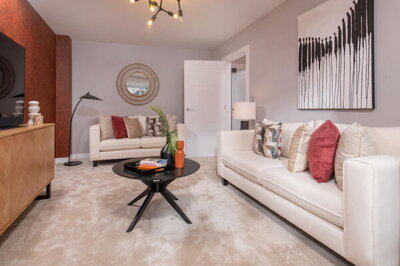
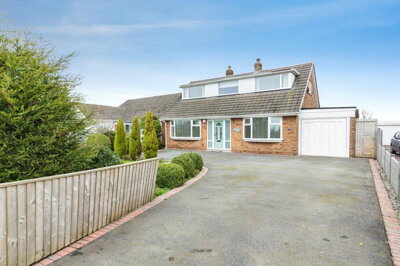
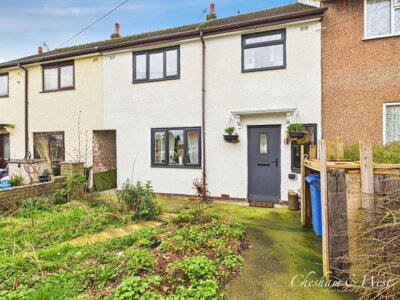
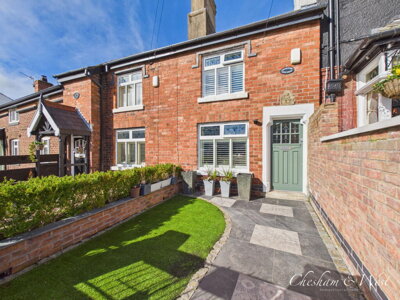
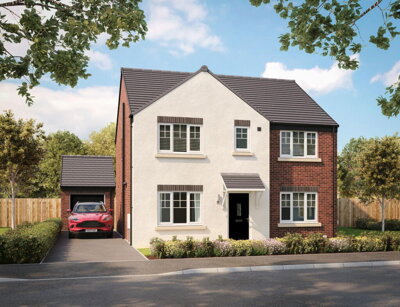
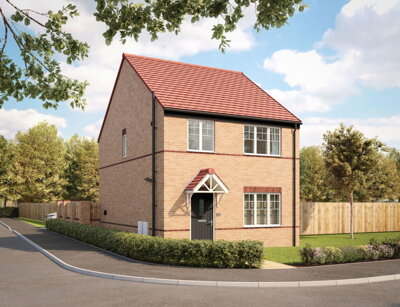
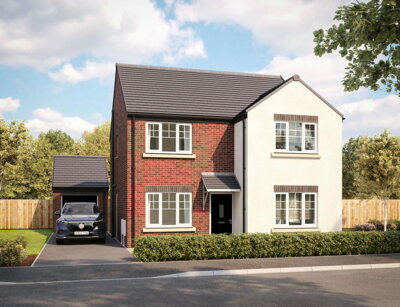
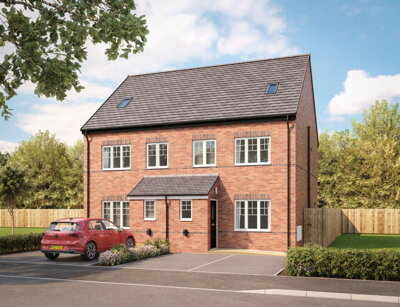
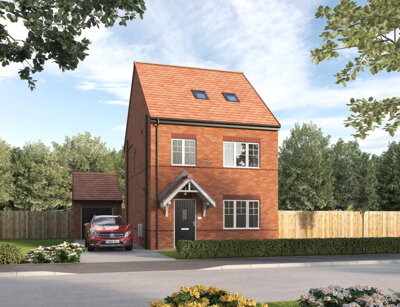
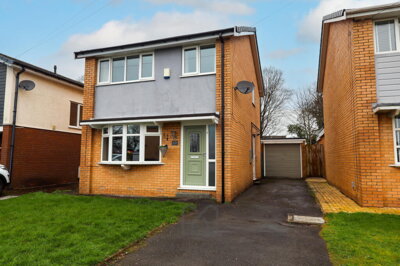
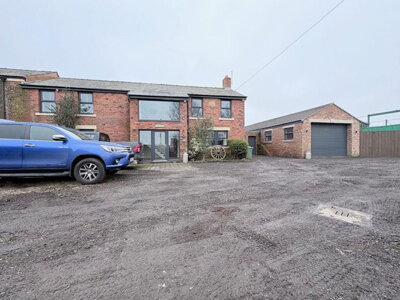
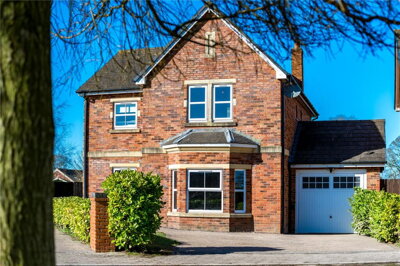
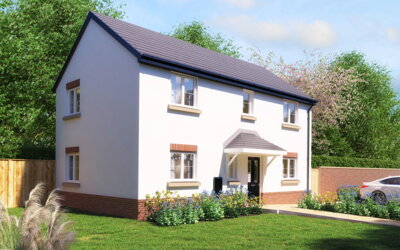
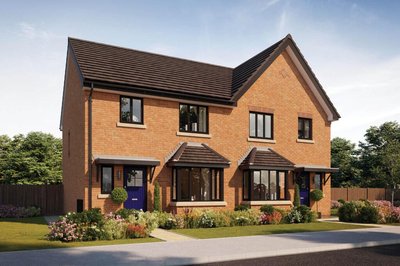
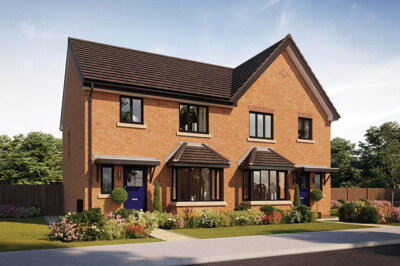
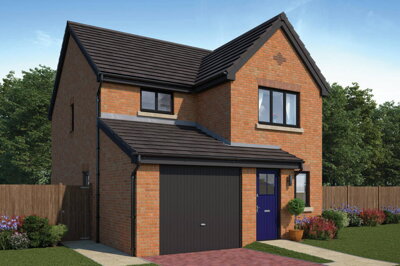
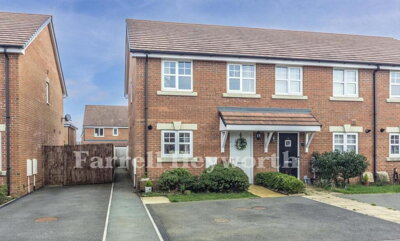
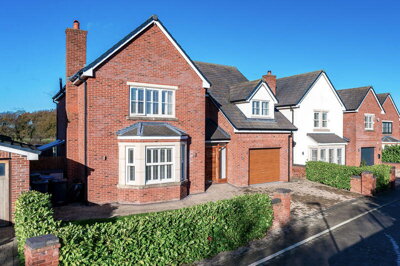
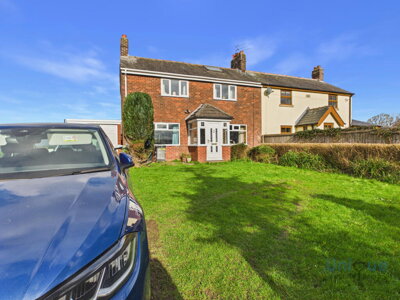
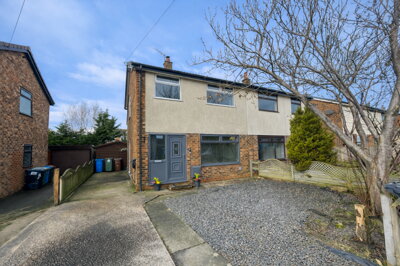
Browse 96 homes for sale in Elswick, Fylde from local estate agents.
The Elswick property market offers detached, semi-detached, and terraced houses spanning various price ranges and neighbourhoods. Each listing includes detailed property information, photographs, and direct contact with the marketing agent.
£400k
19
0
162
Source: home.co.uk
Showing 19 results for Houses for sale in Elswick, Fylde. The median asking price is £399,950.
Source: home.co.uk
Detached
15 listings
Avg £443,962
Semi-Detached
3 listings
Avg £234,167
Terraced
1 listings
Avg £107,500
Source: home.co.uk
Source: home.co.uk
The property market in Gillamoor reflects its status as a small, desirable rural village within the YO62 postcode district. Recent sales data shows considerable variation depending on location and property type, with average sold prices on Main Street reaching approximately £455,167, while properties on Gillamoor Road in the neighbouring town of Kirkbymoorside show lower averages around £207,000. This variation highlights the importance of understanding the specific location within the broader area when evaluating property values. Our current listings feature approximately 28 available properties across the Gillamoor area, providing reasonable choice for buyers who have the patience to monitor the market and act quickly when suitable properties become available.
The village housing stock predominantly consists of older period properties built from traditional Yorkshire sandstone and limestone, typically featuring red clay pantile roofs that are characteristic of the region. You will find a mix of terraced cottages, semi-detached family homes, and larger detached farmhouses, with relatively few modern developments given the village's conservation area status and proximity to the North York Moors National Park. The absence of new-build developments within the village itself means that buyers seeking modern construction may need to broaden their search to nearby towns such as Kirkbymoorside or Helmsley, which offer additional options while remaining within easy reach of Gillamoor.

Life in Gillamoor centres around its strong sense of community and proximity to some of Yorkshire's most beautiful countryside. The village name appears in the Domesday Book of 1086, confirming its long history as a settlement in this part of North Yorkshire. The economy remains rooted in agriculture, with two main farming families continuing to play a significant role in local activity, while tourism contributes to village life through visitors drawn to the stunning moorland scenery and historic architecture. The presence of the mid-17th century Royal Oak Inn provides a traditional village pub where locals gather, and St Aidan's Church, rebuilt in 1802, remains the spiritual heart of the community for many residents.
The village was designated a Conservation Area in November 1995, ensuring that its historic character and traditional architecture are protected for future generations. This conservation status means that any alterations to properties, particularly the eight listed buildings, require careful consideration and often formal consent from Ryedale District Council. The village's location on the edge of the North York Moors National Park places residents within easy reach of extensive moorland walking routes, cycling trails, and outdoor recreational opportunities. For everyday amenities, residents typically travel to nearby Kirkbymoorside, which offers a range of shops, schools, and services within approximately five miles of Gillamoor.
Beyond the Royal Oak Inn, village life is shaped by its agricultural heritage and the rhythms of the farming calendar. The surrounding farmland, much of it working agricultural land operated by the two principal farming families, creates a landscape that changes dramatically with the seasons. In spring and summer, the Limestone Hills Character Area bursts with wildflowers and traditional hay meadows, while autumn brings the harvest and winter transforms the village into a classic Yorkshire winter scene with frost-covered fields and clear moorland skies. This connection to the land and the passing of seasons defines daily life in Gillamoor in ways that urban living simply cannot replicate.

Families considering a move to Gillamoor will find educational options available in the surrounding area, with the village itself historically containing a small primary school. The wider Ryedale district offers a selection of primary schools serving rural communities, with many small village schools providing intimate learning environments for younger children. For secondary education, pupils typically travel to schools in nearby market towns, with Kirkbymoorside's Outwood Academy making it a popular choice for families living in the Gillamoor area. The academy provides secondary education for the 11-16 age group and is accessible via school bus services from outlying villages.
Parents should note that school catchment areas can significantly impact property values and demand in specific locations, so researching school performance and admission criteria is essential when buying near Gillamoor. The historic nature of many village properties means that school travel distances may be longer than in urban areas, making reliable transportation an important factor in family purchasing decisions. For families requiring childcare or early years education, smaller village settings may offer limited local provision, with additional options available in neighbouring towns. Parents are encouraged to visit potential schools and speak with local education authorities to understand current admission arrangements and any planned changes to school provision in the area.
Transport connectivity from Gillamoor reflects its rural village location, with residents relying primarily on private vehicles for daily commuting and longer-distance travel. The village sits approximately five miles from Kirkbymoorside, which provides access to local bus services connecting to larger towns including York, Malton, and Pickering. These bus services are essential for residents without cars, though frequency may be limited compared to urban routes, making car ownership virtually essential for most households in Gillamoor. The nearest railway station is located in Malton, offering East Coast Main Line services to York, Leeds, and London King's Cross, with regular bus connections available from the Kirkbymoorside area.
For commuters working in York or surrounding market towns, the A169 and A170 roads provide the main routes connecting Gillamoor to broader transport networks. The journey to York city centre takes approximately 45 minutes to an hour by car, depending on traffic conditions and the specific route taken. Cyclists will appreciate the scenic country lanes surrounding the village, though the hilly terrain of the North York Moors requires reasonable fitness levels. Walking and cycling are popular recreational activities, with the village positioned on various public footpaths and bridleways that explore the Limestone Hills Character Area and extend into the national park beyond.
Understanding the traditional construction methods used throughout Gillamoor is essential for any prospective buyer evaluating properties in this historic village. The predominant building materials are locally sourced Yorkshire sandstone and limestone, quarried from the underlying geology of the Limestone Hills Character Area. These stone walls, typically constructed using traditional dry-stone or lime mortar techniques, provide excellent thermal mass but require ongoing maintenance to prevent moisture ingress and deterioration. The thick stone walls seen throughout the village are complemented by characteristic thick stone lintels above windows and doors, a distinctive feature that buyers should inspect carefully for signs of cracking or movement.
Red clay pantile roofs dominate the Gillamoor skyline, being the traditional roofing material for the region. These distinctive curved tiles, often seen in a warm terracotta colour, are highly durable but can be fragile underfoot and may allow water penetration if individual tiles become cracked or displaced. Properties such as the old Methodist Chapel, the Church, and the former village school may feature slate roofs instead, reflecting later Victorian-era construction techniques when slate became more readily available through improved transport links. All traditional roofs in this area should be inspected regularly, and buyers should budget for eventual re-roofing projects when purchasing older properties.
Windows throughout Gillamoor are typically of timber construction, featuring traditional vertical sliding sashes or horizontal pivot designs that reflect the Georgian and Victorian periods of the village's development. While many homeowners have upgraded to double-glazed units, often in uPVC to match traditional styles, original timber windows with single or secondary glazing can still be found on unmodernised properties. Original timber windows, when properly maintained, can offer character and authenticity that replacement units cannot match, though they require regular painting and maintenance to prevent rot and decay. Stone surrounds and reveals should be checked for deterioration, particularly at sill level where water can collect and cause damage over time.
Start by exploring our current listings for Gillamoor properties and understanding price ranges in the YO62 postcode area. Given the limited stock in this small village, register with local estate agents and set up property alerts to ensure you do not miss new listings. The village has only around 28 properties typically available at any time, so acting quickly when a suitable property appears is essential.
Spend time exploring Gillamoor and surrounding villages to understand what daily life is really like. Check travel times to work, school catchments, and access to amenities in nearby towns like Kirkbymoorside. Visit at different times of day and week to gauge the village's atmosphere and speak with existing residents about their experiences living in this North York Moors community.
Before viewing properties, obtain a mortgage agreement in principle from a lender. This strengthens your position when making offers and demonstrates to sellers that you are a serious, financially prepared buyer. Given the age and character of properties in Gillamoor, some lenders may require detailed surveys, so discussing your plans with a mortgage broker familiar with rural properties can be advantageous.
Work with our property search tools to arrange viewings of suitable properties. When you find your ideal home in Gillamoor, submit a competitive offer that reflects current market conditions and the property's condition. Given the small number of sales in the village, individual transactions can have a significant impact on average price data, so researching comparable sales carefully is important before making any offer.
Once your offer is accepted, instruct a conveyancing solicitor to handle the legal aspects of your purchase. They will conduct searches, review contracts, and coordinate with the seller's solicitor throughout the transaction. Rural properties with listed status or complex titles may require additional legal work, so choosing a solicitor experienced with North Yorkshire property transactions is advisable.
Finalise your mortgage, conduct any required surveys such as a RICS Level 2 Survey, and exchange contracts through your solicitor. On completion day, you will receive the keys to your new Gillamoor home. We recommend arranging a building survey given the age of properties in the village and the traditional construction methods used throughout.
Purchasing a property in Gillamoor requires careful attention to several factors specific to historic rural villages. The presence of eight Grade II listed buildings throughout the parish means that many properties may have listed status, which imposes restrictions on alterations, renovations, and even routine maintenance. Before purchasing, verify whether your intended property is listed and understand the implications for future plans. Conservation Area designation also brings additional planning controls, including potential Article 4 Directions that remove permitted development rights, so consulting with Ryedale District Council planning department is advisable before committing to a purchase.
The traditional building materials used throughout Gillamoor, including sandstone, limestone, and timber-framed windows, require ongoing maintenance and may present challenges for insurance purposes. Red clay pantile roofs, while highly characteristic of the area, can be fragile and expensive to repair, so a thorough building survey is strongly recommended for any property you are considering. The local geology within the Limestone Hills Character Area means that clay-rich soils may be present, potentially causing subsidence or heave issues in some properties. A RICS Level 2 Survey will identify any structural concerns, while specific investigation of drainage, flooding, and ground conditions provides additional protection for rural properties.
Drainage and flooding considerations deserve particular attention when evaluating properties in Gillamoor. While the village sits on elevated ground within the Limestone Hills Character Area, surface water drainage from surrounding farmland and the moorland can create localised flooding risks during periods of heavy rainfall. Prospective buyers should request drainage surveys and check the Environment Agency's online flood risk service for any specific property address. Septic tank and private drainage systems are common in this rural location, requiring periodic maintenance and compliance with current regulations. Understanding the condition and location of these systems before purchase can prevent significant unexpected costs.
Average sold prices in Gillamoor vary significantly by location and property type, with recent data showing Main Street properties averaging approximately £455,167. Properties in nearby areas such as Gillamoor Road in Kirkbymoorside show lower averages around £207,000. The village's small size and limited property turnover means that individual sales can have a significant impact on average figures, so buyers should research specific properties and streets rather than relying solely on aggregate statistics.
Properties in Gillamoor fall under Ryedale District Council, with most homes in this rural village likely to be in Bands A through D given the age and type of housing stock. Band A properties are valued up to £40,000, while Band D covers properties valued between £88,001 and £120,000. Prospective buyers should verify the specific band for any property through the Land Registry or local authority records, as band assessments can be contested and changed over time.
The nearest primary schools to Gillamoor are typically found in surrounding villages and small towns, with Kirkbymoorside offering Outwood Academy for secondary education. School performance and catchment areas should be verified through the Ofsted website and direct enquiries with North Yorkshire County Council education department, as rural school provision can change over time and some schools may have capacity constraints.
Public transport options from Gillamoor are limited due to its rural location, with bus services connecting the village to nearby towns including Kirkbymoorside, Malton, and Pickering. The nearest railway station is in Malton, providing access to East Coast Main Line services toward York and London. Most residents rely on private vehicles for daily travel, making car ownership essential rather than optional for most households in this North York Moors village.
Gillamoor offers strong appeal for buyers seeking a peaceful rural lifestyle within a historic Yorkshire village, though the small population and limited property supply may constrain investment returns. Properties in Conservation Areas with listed status tend to hold their value well, particularly those maintaining traditional character and original features. The village's location on the edge of the North York Moors National Park ensures ongoing demand from buyers attracted to the area's natural beauty and outdoor recreational opportunities.
Stamp duty rates from April 2025 start at 0% for properties up to £250,000, rising to 5% on the portion between £250,001 and £925,000. First-time buyers may qualify for relief on properties up to £625,000, paying 0% on the first £425,000 and 5% between £425,001 and £625,000. For properties above £625,000, first-time buyer relief is not available. Given the average prices in Gillamoor, many buyers will fall within the 5% band, making conveyancing and surveying costs significant additional expenses to budget for.
Properties in Gillamoor are subject to planning controls from multiple designations. The village's Conservation Area status, established in November 1995, means that external alterations require consent from Ryedale District Council planning authority. Properties with Grade II listing status face additional restrictions on internal and external works, while the village's position on the edge of the North York Moors National Park brings environmental considerations into the planning process. The national park authority has 42 designated Conservation Areas within its boundary, many subject to Article 4 Directions that further restrict permitted development rights. Buyers should consult both Ryedale District Council and the North York Moors National Park Authority before planning any works to a property.
Older properties in Gillamoor, many dating from the 17th, 18th, and 19th centuries, may present specific risks that buyers should investigate thoroughly. Traditional stone construction with lime mortar can be susceptible to damp penetration if maintenance has been neglected, while timber-framed elements may show signs of rot or woodworm activity. The red clay pantile roofs common throughout the village require regular maintenance to prevent water ingress, and replacement tiles can be difficult to source for matching purposes. Clay-rich soils in the Limestone Hills Character Area may cause subsidence or heave movement in some properties, making ground condition surveys particularly valuable. Properties with original single-glazed windows and uninsulated walls will have higher heating costs, which should be factored into running costs when budgeting for a purchase.
Understanding the full costs of buying a property in Gillamoor extends well beyond the purchase price and stamp duty. Solicitor fees for conveyancing typically start from £499 for a straightforward transaction, though rural properties with listed status or complex title issues may incur higher costs. Additional disbursements including Land Registry fees, local authority searches, and bankruptcy checks typically add £200-400 to legal costs. For properties within a Conservation Area adjacent to the North York Moors National Park, additional searches may be required regarding environmental restrictions, making legal fees at the upper end of typical ranges more likely.
A RICS Level 2 Survey is strongly recommended for any property purchase in Gillamoor, particularly given the age of the housing stock and presence of traditional building materials. National average costs for this comprehensive homebuyers report range between £416 and £639, with the survey providing detailed assessment of construction, dampness, rot, and structural issues that may not be visible during a standard viewing. Energy Performance Certificates are mandatory for all property sales and typically cost between £85 and £150 depending on property size. Budgeting for removal costs, potential renovation works, and connection to utilities completes the financial picture for buyers moving to this North Yorkshire village.
Removal costs will vary significantly depending on the volume of belongings and distance travelled, with quotes for local moves within North Yorkshire typically ranging from £500 to £2,000. Buyers moving from further afield should obtain quotes from multiple removal companies, particularly if the move involves storage requirements. Connecting utilities to a new property, including gas, electricity, water, and broadband, should be arranged well in advance of moving day, as rural properties may require additional time for service providers to schedule visits. Some properties in Gillamoor may still use oil-fired central heating or private water supplies, requiring ongoing maintenance contracts that should be budgeted for alongside purchase costs.
Properties for Sale In London

Properties for Sale In Plymouth

Properties for Sale In Liverpool

Properties for Sale In Glasgow

Properties for Sale In Sheffield

Properties for Sale In Edinburgh

Properties for Sale In Coventry

Properties for Sale In Bradford

Properties for Sale In Manchester

Properties for Sale In Birmingham

Properties for Sale In Bristol

Properties for Sale In Oxford

Properties for Sale In Leicester

Properties for Sale In Newcastle

Properties for Sale In Leeds

Properties for Sale In Southampton

Properties for Sale In Cardiff

Properties for Sale In Nottingham

Properties for Sale In Norwich

Properties for Sale In Brighton

Properties for Sale In Derby

Properties for Sale In Portsmouth

Properties for Sale In Northampton

Properties for Sale In Milton Keynes

Properties for Sale In Bournemouth

Properties for Sale In Bolton

Properties for Sale In Swansea

Properties for Sale In Swindon

Properties for Sale In Peterborough

Properties for Sale In Wolverhampton

Enter your details to see if this property is within your budget.
Loans, cards, car finance
Estimated property budget
Borrowing + deposit
You could borrow between
Typical borrowing
Monthly repayment
Est. at 4.5%
Loan-to-value
This is an estimate only. Your actual budget may vary depending on interest rates, credit history, and personal circumstances. For an accurate affordability assessment, speak to one of our free mortgage advisors.
This calculator provides estimates for illustrative purposes only and does not constitute financial advice. Your home may be repossessed if you do not keep up repayments on your mortgage. Estimates based on 4.5% interest rate, repayment mortgage. Actual rates depend on your circumstances.
Homemove is a trading name of HM Haus Group Ltd (Company No. 13873779, registered in England & Wales). Homemove Mortgages Ltd (Company No. 15947693) is an Appointed Representative of TMG Direct Limited, trading as TMG Mortgage Network, which is authorised and regulated by the Financial Conduct Authority (FRN 786245). Homemove Mortgages Ltd is entered on the FCA Register as an Appointed Representative (FRN 1022429). You can check registrations at NewRegister or by calling 0800 111 6768.

We use cookies to show you personalised content and improve your experience of our website. Find out more in our Privacy policy and Cookie policy.