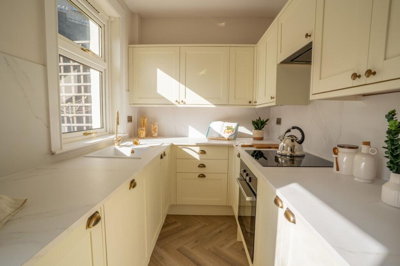
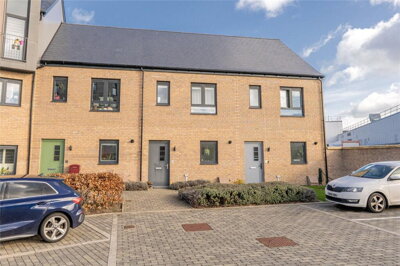
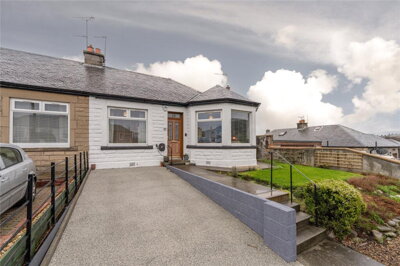
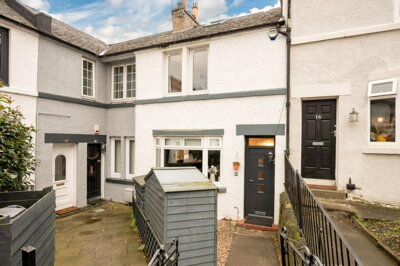
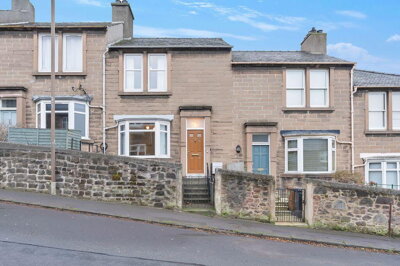
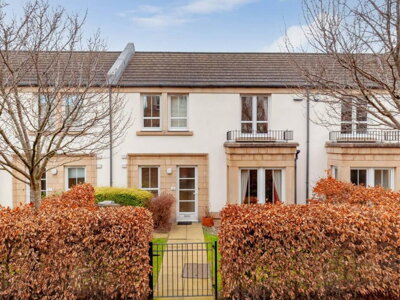
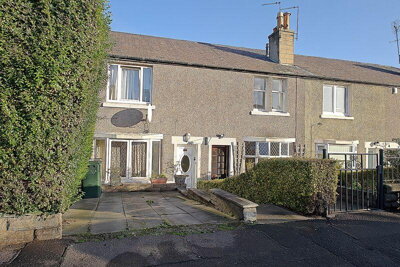
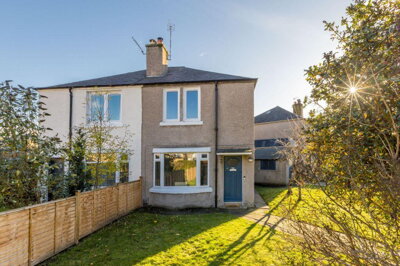
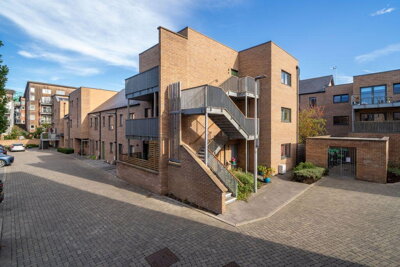
Browse 11 homes for sale in EH99 from local estate agents.
The 2 bed house market features detached, semi-detached, and terraced properties with two separate bedrooms plus living spaces. Properties in EH99 range from Victorian and Edwardian period homes to modern new builds, with pricing varying across different neighbourhoods.
£0k
0
0
0
Source: home.co.uk
Showing 0 results for 2 Bedroom Houses for sale in EH99.
Edinburgh's property market has demonstrated remarkable resilience and steady growth over recent years, driven by strong demand from buyers seeking quality of life, excellent career opportunities, and the city's unique cultural heritage. The city attracts a diverse mix of buyers, including professionals working in the financial sector, technology industry, healthcare, and public administration. Our platform lists properties across all price ranges, from more accessible flats in popular residential areas to substantial family homes in prestigious neighbourhoods. The average property price in Edinburgh reflects the city's status as a premium UK property destination, with flats typically commanding prices from around £200,000 for a one-bedroom city centre apartment up to well over £1 million for prime period properties in sought-after locations.
The Edinburgh housing market features a distinctive mix of property types that reflects its long and storied history. According to ONS Census 2021 data for the City of Edinburgh Council area, flats and maisonettes account for approximately 52.8% of all properties, making them the dominant housing type across the city. Terraced properties represent 16.5% of the housing stock, semi-detached homes comprise 15.3%, and detached properties make up 13.9%. This urban density, particularly in the city centre and Old Town areas, means that period flats in traditional sandstone buildings remain highly desirable and command strong prices. Newer developments have expanded the market in areas like Leith, Fountainbridge, and the Western General, offering contemporary alternatives to the city's historic architecture.

Edinburgh's city centre and surrounding historic areas offer an unparalleled quality of life that combines cultural richness with practical urban living. The area around the Scottish Parliament and Holyrood sits at the foot of the imposing Salisbury Crags and Arthur's Seat, providing residents with direct access to one of the UK's most dramatic urban wild spaces. Holyrood Park encompasses 650 acres of diverse landscape, including hills, moorland, and a loch, all within walking distance of the city centre. Residents in this part of Edinburgh enjoy morning walks along the park's ancient paths, spectacular views across the city, and the sense of living Scotland's capital while surrounded by natural beauty that few other major cities can match.
The population of the City of Edinburgh Council area reached 553,990 in 2022, with approximately 250,700 households distributed across the city. The local economy thrives on diverse sectors including financial services, tourism, education, and public administration, with the Scottish Government and Parliament providing significant employment in the EH99 area. Edinburgh's technology sector has grown substantially in recent years, earning the city a reputation as a tech hub outside London. This economic diversity supports a robust housing market with sustained demand from professionals, families, and investors alike. The city's cultural calendar is legendary, anchored by the Edinburgh Festival Fringe, the world's largest arts festival, alongside the International Festival, Hogmanay celebrations, and numerous year-round events that contribute to Edinburgh's status as a global destination.

Edinburgh offers an exceptional range of educational establishments, from prestigious private schools to highly regarded state schools, making it an attractive location for families considering a move to the city. The state education system in Edinburgh includes numerous primary schools and secondary schools that consistently perform well in national rankings. Parents should research individual school catchments carefully, as catchment areas can be specific and competition for places at popular schools can be strong. The city also hosts several well-known independent schools including Edinburgh Academy, Fettes College, and Stewart's Melville College, providing families with extensive educational choice regardless of their preference for state or private education.
For further and higher education, Edinburgh is home to several major universities and colleges that attract students from across the UK and internationally. The University of Edinburgh, consistently ranked among the top universities in the UK, has a significant student population that contributes to the city's vibrant atmosphere and rental market. Edinburgh Napier University and Heriot-Watt University add to the city's academic credentials, while Edinburgh College provides further education and vocational courses. These institutions not only serve students but also employ substantial numbers of academic and professional staff who frequently seek properties in and around the city centre. The presence of such renowned educational establishments significantly influences the Edinburgh property market, driving demand for family homes, flats near campus areas, and rental properties suitable for students and young professionals.
Edinburgh benefits from excellent transport connections that make commuting and exploring Scotland straightforward and convenient. Waverley Station, Edinburgh's main railway station, provides frequent services to major UK destinations including London (approximately 4 hours to King's Cross), Glasgow (50 minutes), and Newcastle (1.5 hours). The East Coast Main Line offers direct services to various English cities, while ScotRail connections link Edinburgh to destinations across Scotland. For air travel, Edinburgh Airport provides domestic and international flights and is accessible via tram, bus, or car. The tram network also connects key areas including the city centre, Murrayfield, and the waterfront at Newhaven, offering convenient public transport options for residents.
Within Edinburgh itself, the city offers comprehensive bus services operated by Lothian Buses, known for their reliability and extensive network covering most areas of the city. The city is also increasingly cycle-friendly, with dedicated bike lanes and the Common Wheel initiative making cycling a popular option for commuting and leisure. For drivers, Edinburgh's road network connects to the M8 motorway heading west towards Glasgow and the M9 towards Stirling. The city operates a controlled parking zone in the city centre, which influences parking availability in central areas. The Port of Leith and Ferrytoun provide additional transport links for ferry services, connecting Edinburgh to destinations across the Firth of Forth. Living in or around the EH99 area places you within walking distance of many of these transport options, making car-free living entirely feasible in this part of Edinburgh.
Edinburgh's built environment reflects centuries of architectural development, with properties ranging from medieval tenements along the Royal Mile to elegant Georgian crescents in the New Town. Traditional sandstone construction defines much of the city's historic housing stock, particularly in the Old Town, New Town, and the Canongate area surrounding the EH99 postcode. The distinctive grey or honey-coloured local sandstone has been used for centuries, giving Edinburgh its characteristic warm, golden appearance. Understanding these construction methods is essential when assessing property condition, as solid stone walls behave differently from modern cavity construction and require specific maintenance approaches.
Roofing throughout Edinburgh's historic areas predominantly features natural slate, sourced originally from Highland quarries and more recently from Welsh or Spanish slate. This material, while durable, can become brittle with age and may suffer from frost damage or gradual deterioration. Leadwork features extensively on traditional Edinburgh properties, particularly around bay windows, parapets, and roof junctions. Our inspectors frequently note that lead flashings and valley gutters require careful assessment, as corrosion or displacement can lead to water penetration. Timber construction elements including floor joists, roof rafters, and original floorboards are common in older properties and may be susceptible to various forms of deterioration that a thorough survey can identify.
The Old Town and New Town areas are UNESCO World Heritage Sites, reflecting the outstanding universal value of Edinburgh's architectural legacy. Many properties in the EH99 vicinity fall within or adjacent to these protected zones, meaning conservation area restrictions and listed building designations are common. Category A listed buildings represent the highest level of protection, applied to structures of national or international importance, while Category B and C listings offer progressively fewer restrictions. Any prospective buyer considering a listed property should understand that permitted development rights are typically removed or limited, requiring planning permission or listed building consent for alterations including window replacement, internal modifications, and even some repairs. Factor these considerations into your budget and timeline, as specialist contractors and materials may be required for work on historic properties.
Edinburgh's substantial stock of older properties dating from before 1919 brings particular challenges that prospective buyers should understand before making a purchase. Rising damp affects many solid-walled stone properties, where the absence of a proper damp-proof course or the failure of an original lime-based system allows moisture to travel up through the masonry. Our team regularly identifies signs of rising damp during inspections of Edinburgh flats and houses, including tide marks on walls, peeling decorations, and deterioration of skirting boards. Specialist treatment may be required, and understanding the extent of any damp issue helps you budget appropriately for remediation.
Penetrating damp presents another common challenge in Edinburgh properties, particularly those with weathered stonework, damaged pointing, or compromised roof coverings. The prevailing westerly winds and driving rain that Edinburgh experiences can exploit any weakness in the building envelope. Our inspectors pay close attention to the condition of pointing, the state of window cills and lintels, and the integrity of roof slopes when assessing potential water penetration. Properties on elevated sites, such as those near Arthur's Seat or along the slopes leading to the Old Town, may be particularly exposed to wind-driven rain that can affect upper floors and gable walls.
Timber defects including woodworm infestation and both wet and dry rot frequently occur in Edinburgh properties of any age. Woodworm (actually various species of wood-boring beetle larvae) can affect structural timbers, floorboards, and joinery, particularly in properties with ongoing damp issues or poor ventilation. Dry rot, caused by the fungus Serpula lacrymans, is less common than wet rot but can be more destructive, capable of spreading through masonry and plasterwork as well as timber. Our surveyors will inspect accessible timber elements and report any signs of infestation or decay that require treatment or replacement.
The sandstone construction typical of Edinburgh properties may show signs of weathering and erosion that will need ongoing maintenance. Salt damage from repeated wetting and drying cycles can cause surface spalling, while biological growth such as moss or lichen may indicate areas of persistent moisture. Repointing with appropriate lime mortar is essential for historic properties, as cement-based mortars can trap moisture and cause more damage to the soft local stone. These maintenance considerations form an important part of the long-term costs of owning a period property in Edinburgh.
Edinburgh's complex geology and urban environment create specific environmental factors that can affect properties in and around the EH99 area. The city sits atop a series of volcanic plugs and ridges, with bedrock consisting of various sandstones, shales, and limestones overlaid with superficial deposits. Areas with clay-rich soils may be susceptible to shrink-swell movement, which can affect foundations, particularly during periods of drought or where trees are located near properties. While the immediate city centre around Holyrood is generally stable, localised ground conditions vary across Edinburgh and your survey should include assessment of any signs of subsidence or ground movement.
Flood risk in Edinburgh varies across different areas, though the EH99 and Holyrood area is generally not considered high risk for river flooding from the Water of Leith. Surface water flooding can occur in urban environments during periods of heavy rainfall, particularly where drainage systems are overwhelmed or where natural drainage paths have been built over. Properties in lower-lying areas of the city, including parts of Leith and areas near the Braid Burn, may face greater flood risk from watercourses. The Scottish Environment Protection Agency (SEPA) provides detailed flood maps that your solicitor will typically include in the standard searches for a property purchase. Your surveyor can also assess the condition of drainage systems, guttering, and downpipes that contribute to managing surface water.
The historic nature of Edinburgh's built environment, while contributing enormously to the city's character and value, does bring responsibilities for owners. Properties in conservation areas must respect the established character when undertaking alterations, and listed buildings require consent for works that might affect their historic character. The Scottish Parliament building itself is located within the EH99 postcode, reflecting the administrative importance of this area. These designations exist to protect Edinburgh's heritage for future generations, and while they add a layer of complexity to property ownership, they also help maintain the distinctive character that makes Edinburgh property so desirable.
Before starting your property search, arrange a mortgage agreement in principle with a lender. This demonstrates your financial readiness to estate agents and sellers, giving you a competitive edge when making offers. Edinburgh's property market moves quickly, particularly for well-priced homes in popular areas, so having your financing confirmed will help you act quickly when you find the right property. Budget carefully for all associated costs including legal fees, surveys, and SDLT or LBTT depending on your residency status.
Take time to explore different areas of Edinburgh that align with your lifestyle needs and budget. Consider factors including proximity to work, schools, transport links, and local amenities. Each area has its own character, from the grand Georgian architecture of the New Town to the characterful closes of the Old Town, the vibrant atmosphere of Stockbridge, or the waterfront developments in Leith. Visiting at different times of day and week will give you a genuine feel for each neighbourhood and help you identify the right location for your circumstances.
Once you have identified suitable properties, schedule viewings through Homemove or directly with estate agents. Pay attention to the condition of the building, the quality of fittings, and any signs of common issues in Edinburgh properties such as damp, roof condition, or outdated electrics. A RICS Level 2 Survey can identify potential problems with older stone-built properties before you commit to a purchase. For older or more complex properties, particularly those that are listed or have unusual construction, consider a RICS Level 3 Building Survey for more detailed analysis.
When you find your ideal property, submit an offer through your estate agent. In Edinburgh's competitive market, be prepared to negotiate on price and terms. Your solicitor can advise on the title, any restrictions, and the implications of factors such as listed building status or conservation area requirements that are common in this part of the city. Factor in potential costs of maintenance and any works that may require planning or listed building consent before committing to a purchase price.
Your solicitor will handle the legal aspects of the purchase, including searches, contracts, and registration with the Land Register of Scotland. They will liaise with the seller's solicitor and coordinate the transfer of funds. The conveyancing process in Scotland has some differences from England and Wales, including the use of the Narrow Standard Clauses and the requirement for a Note of Tolerance. Choose a solicitor experienced in Scottish property transactions to ensure the process proceeds smoothly.
In Scotland, the conclusion of a missive (contract) marks the point when the transaction becomes legally binding. Completion typically follows shortly after, at which point you will receive the keys to your new Edinburgh home. Arrange buildings insurance from the date of conclusion and notify utility companies of your move. Consider having a professional cleaner and any necessary repairs arranged before you move in, particularly for older properties where a thorough clean and minor maintenance can make a significant difference.
Properties in Edinburgh, particularly in historic areas like the Old Town, New Town, and around Holyrood, often fall within conservation areas and may be listed buildings. Listed building status brings specific responsibilities and restrictions on alterations that any prospective buyer should understand before proceeding. Category A listed buildings represent the highest level of protection, while Category B and C listed buildings have progressively fewer restrictions. If you are considering purchasing a listed property, factor in the potential costs of specialist maintenance and the need for listed building consent for certain works. The historic environment adds considerably to Edinburgh's charm and property values, but it does require ongoing investment in proper upkeep using appropriate materials and techniques.
Given the age of much of Edinburgh's housing stock, with a substantial proportion of properties dating from before 1919, buyers should be particularly aware of common defects in older stone-built properties. Rising damp, penetrating damp, and condensation are frequent issues, especially in solid-walled construction without modern cavity insulation. The condition of slate roofs requires careful assessment, as does the state of leadwork, gutters, and other elements that can deteriorate over time. Timber defects including woodworm and both wet and dry rot can affect floor structures and roof timbers. The sandstone construction typical of Edinburgh properties may show signs of weathering and erosion that will need ongoing maintenance. We strongly recommend a RICS Level 2 Survey for any older property, with more complex historic buildings potentially requiring the more detailed RICS Level 3 Building Survey.
Flood risk in Edinburgh varies across different areas, though the EH99 and Holyrood area is generally not considered high risk for river flooding. Surface water flooding can occur in urban environments, and properties near the Water of Leith should be aware of potential fluvial flood risk. Your solicitor will conduct appropriate searches including those relating to flood risk, and your surveyor can assess drainage and any historical flooding issues. Additionally, Edinburgh's complex geology means that some areas may have localised subsidence risks related to clay soils or historical ground disturbance, factors that a thorough survey can identify. Understanding these potential issues before purchase allows you to make an informed decision and budget appropriately for any necessary repairs or improvements.
Understanding the full costs of buying a property in Edinburgh is essential for budgeting and avoiding surprises during the transaction. Beyond the property price itself, buyers should budget for Land and Buildings Transaction Tax (LBTT) or Stamp Duty Land Tax (SDLT) depending on their residency status, along with solicitor fees, survey costs, and various other expenses. For a typical flat in Edinburgh priced at £300,000, the SDLT or LBTT bill would be calculated on the portion above the relevant threshold. First-time buyers may benefit from relief on the first portion of the purchase price, potentially saving several thousand pounds compared to those who have previously owned property.
Solicitor fees for conveyancing in Edinburgh typically range from around £500 to £1,500 or more, depending on the complexity of the transaction and the property type. For older properties, particularly those that are listed or in conservation areas, additional work may be required that can increase legal fees. Survey costs vary based on the property and the level of inspection required. A RICS Level 2 Survey for a typical Edinburgh flat might cost from £400 to £900, while a more detailed RICS Level 3 Building Survey for a substantial period property could cost £600 or more. Additional costs to factor in include mortgage arrangement fees, valuation fees, buildings insurance from the date of conclusion, and removal costs. On-going costs after purchase include council tax, utilities, and maintenance, with older properties in particular potentially requiring ongoing investment in repairs and improvements.
Edinburgh's property market has seen steady growth over recent years, with city-wide average prices reflecting the premium nature of Scotland's capital. Flats typically range from around £200,000 for a one-bedroom city centre apartment to £400,000 or more for larger period flats in desirable locations. Terraced properties and semi-detached houses generally command higher prices, with substantial Victorian and Georgian family homes in areas like the New Town, Marchmont, and Stockbridge often exceeding £1 million. Newer properties in developments around Leith, the Waterfront, and areas like Trinity and Barnton offer alternatives at various price points. For the most current and accurate pricing data for specific properties, browse listings on Homemove or consult with local estate agents who can provide market insights for your target area and property type.
Council tax in Edinburgh is administered by the City of Edinburgh Council, and property bands range from A through to H based on the assessed value of the home. Band valuations were set in 1991 and have not been updated, meaning newer properties may be in higher bands relative to older properties of similar size. City centre properties and those in prestigious areas like the New Town and Stockbridge tend to fall in higher bands due to historical property values, while properties in newer developments may be in lower bands. You can check the council tax band for any specific property through the Scottish Assessors Association website or your solicitor will obtain this information during the conveyancing process. Factor council tax into your overall budget alongside mortgage payments, insurance, and maintenance costs.
Edinburgh offers an excellent selection of schools, though "best" depends on your specific criteria and what is available in your catchment area. State primary schools with strong reputations include Confetti, Flora Stevenson Primary, and Stockbridge Primary, among many others with positive Ofsted-equivalent ratings. For secondary education, schools such as James Gillespie's High School, Leith Academy, and Portobello High School serve their local communities, while selective schools like the Royal High School attract students from across the city. Families seeking private education have access to established options including Edinburgh Academy, Fettes College, and George Watson's College. Always verify current catchment areas, admission policies, and recent inspection reports when considering schools, as these can change and vary significantly even within short distances.
Edinburgh has excellent public transport connections that make car-free living entirely practical for most residents. Waverley Station provides mainline rail services to London, Glasgow, and destinations across Scotland, while Haymarket Station serves western routes and provides access to the tram network. Lothian Buses operates an extensive network throughout the city with reliable services to all major areas. Edinburgh Trams run from York Place in the city centre to Edinburgh Airport, passing through key areas including Murrayfield and the waterfront. For cycling, Edinburgh has an expanding network of dedicated lanes and is generally flat, making cycling popular for commuting and leisure. The city's compact size means that many residents find they can walk or cycle to work, reducing or eliminating the need for a car entirely.
Edinburgh has historically been a strong performer in the UK property market, offering both capital growth potential and attractive rental yields. The city's diverse economy, consistently high demand for housing, limited supply of period properties in prime locations, and status as a major tourist and cultural destination all support property values. The private rented sector is significant, with demand from students, young professionals, and newcomers to the city. Short-term letting has also become popular in certain areas, though regulations around this have tightened. For investment buyers, factors to consider include service charges for flats, any lease restrictions, and the condition of older properties that may require maintenance expenditure. As with any property investment, thorough research and realistic expectations regarding returns are essential.
Stamp Duty Land Tax (SDLT) in Scotland is devolved and operates under different rules from the rest of the UK, known as Land and Buildings Transaction Tax (LBTT). However, for buyers from outside Scotland purchasing in Edinburgh, SDLT rules may apply based on your circumstances. As of the 2024-25 tax year, SDLT rates for residential properties start at 0% for purchases up to £250,000, then 5% on the portion from £250,001 to £925,000, 10% from £925,001 to £1.5 million, and 12% on any amount above £1.5 million. First-time buyers may qualify for relief, with 0% SDLT on the first £425,000 and 5% on the portion from £425,001 to £625,000. Your solicitor can confirm which tax regime applies to your purchase and calculate the exact amount due based on your property price and circumstances.
Given that Edinburgh has a high proportion of older properties dating from before 1919, with traditional sandstone construction and slate roofing, a professional RICS survey is particularly valuable. Our inspectors frequently identify issues such as rising damp, timber defects, stone weathering, and roof deterioration that may not be apparent during a standard viewing. For listed buildings or properties in conservation areas, understanding the condition is essential for budgeting maintenance costs that may exceed those for modern properties. A RICS Level 2 Survey typically costs from £400 to £900 depending on property size, while a RICS Level 3 Building Survey for complex historic properties may cost £600 or more. This investment can save you thousands by identifying problems before you commit to a purchase.
Properties in Edinburgh's Old Town and surrounding areas, including those near the EH99 postcode, often sit within or adjacent to UNESCO World Heritage Site boundaries and conservation areas. Many buildings are listed, which restricts permitted development and may require consent for works that would not need permission on an unlisted property. The age of the housing stock means that defects common to Victorian and earlier construction are frequently encountered, including damp, timber issues, and stone decay. The topography of the Old Town can also create unusual orientations and exposures that affect weathering patterns. Living in one of the world's most historic urban environments brings responsibilities as well as rewards, and understanding these before purchase helps ensure your experience is positive.
From 3.5%
Finding the right mortgage is essential when buying in Edinburgh's competitive market. From 3.5%
From £499
Expert Scottish conveyancing for your Edinburgh property purchase.
From £400
Comprehensive condition survey for standard Edinburgh properties.
From £600
Detailed building survey for older and complex Edinburgh properties.
Properties for Sale In London

Properties for Sale In Plymouth

Properties for Sale In Liverpool

Properties for Sale In Glasgow

Properties for Sale In Sheffield

Properties for Sale In Edinburgh

Properties for Sale In Coventry

Properties for Sale In Bradford

Properties for Sale In Manchester

Properties for Sale In Birmingham

Properties for Sale In Bristol

Properties for Sale In Oxford

Properties for Sale In Leicester

Properties for Sale In Newcastle

Properties for Sale In Leeds

Properties for Sale In Southampton

Properties for Sale In Cardiff

Properties for Sale In Nottingham

Properties for Sale In Norwich

Properties for Sale In Brighton

Properties for Sale In Derby

Properties for Sale In Portsmouth

Properties for Sale In Northampton

Properties for Sale In Milton Keynes

Properties for Sale In Bournemouth

Properties for Sale In Bolton

Properties for Sale In Swansea

Properties for Sale In Swindon

Properties for Sale In Peterborough

Properties for Sale In Wolverhampton

Enter your details to see if this property is within your budget.
Loans, cards, car finance
Estimated property budget
Borrowing + deposit
You could borrow between
Typical borrowing
Monthly repayment
Est. at 4.5%
Loan-to-value
This is an estimate only. Your actual budget may vary depending on interest rates, credit history, and personal circumstances. For an accurate affordability assessment, speak to one of our free mortgage advisors.
This calculator provides estimates for illustrative purposes only and does not constitute financial advice. Your home may be repossessed if you do not keep up repayments on your mortgage. Estimates based on 4.5% interest rate, repayment mortgage. Actual rates depend on your circumstances.
Homemove is a trading name of HM Haus Group Ltd (Company No. 13873779, registered in England & Wales). Homemove Mortgages Ltd (Company No. 15947693) is an Appointed Representative of TMG Direct Limited, trading as TMG Mortgage Network, which is authorised and regulated by the Financial Conduct Authority (FRN 786245). Homemove Mortgages Ltd is entered on the FCA Register as an Appointed Representative (FRN 1022429). You can check registrations at NewRegister or by calling 0800 111 6768.

We use cookies to show you personalised content and improve your experience of our website. Find out more in our Privacy policy and Cookie policy.