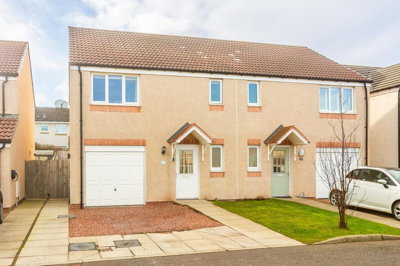
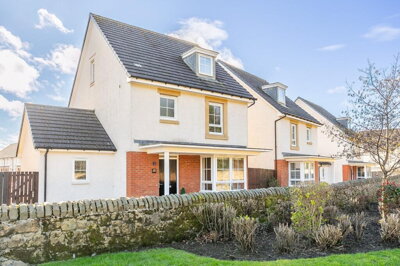
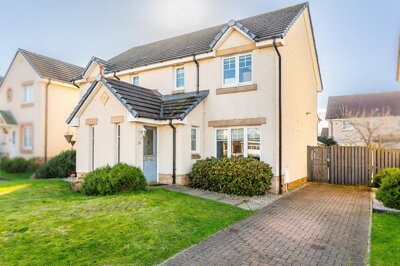
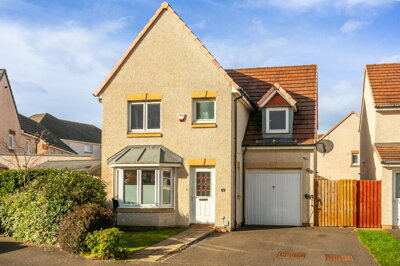
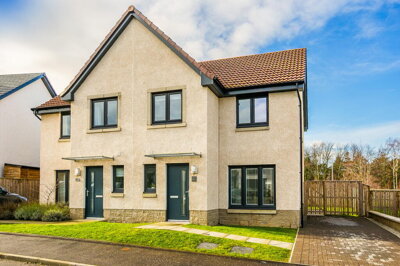
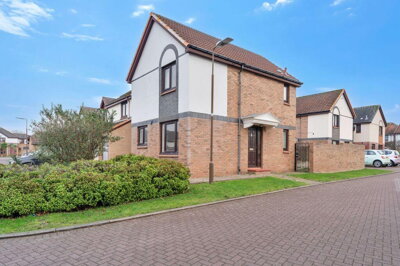
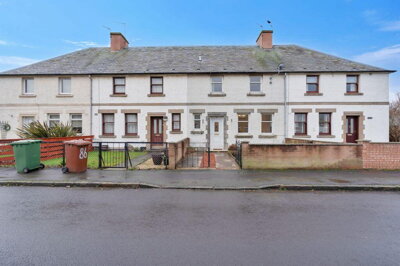
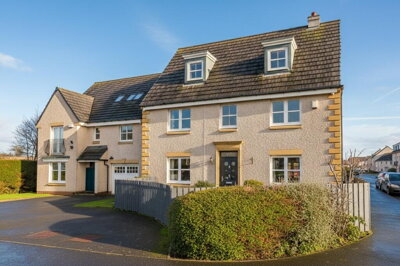
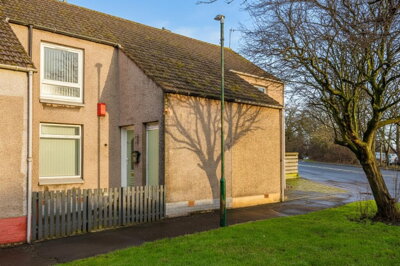
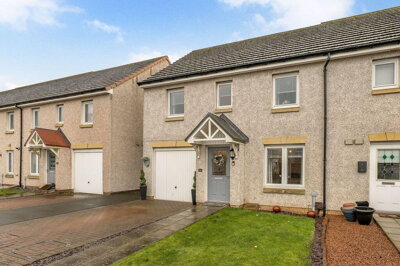
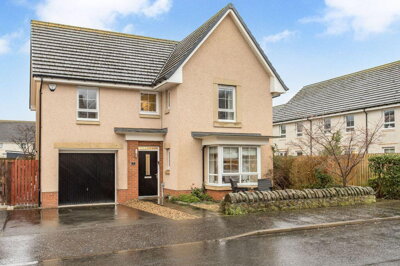
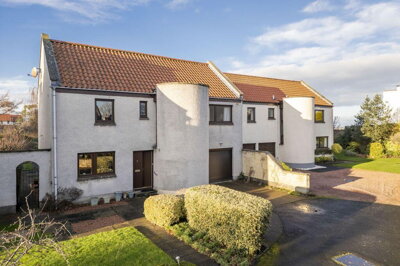
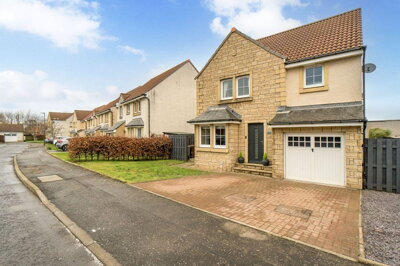
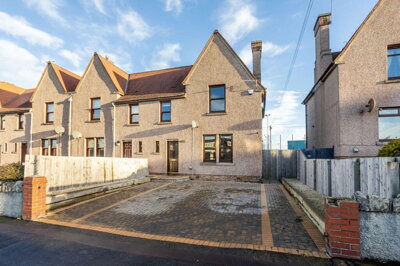
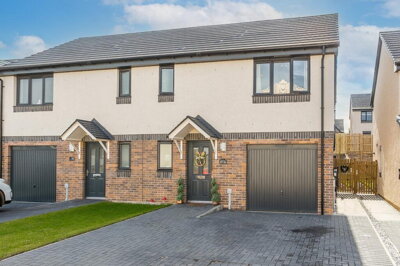
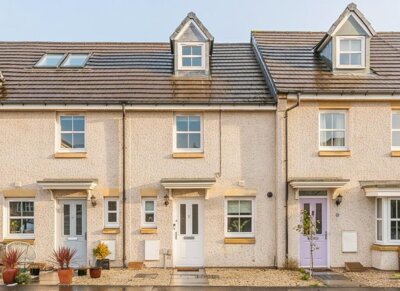
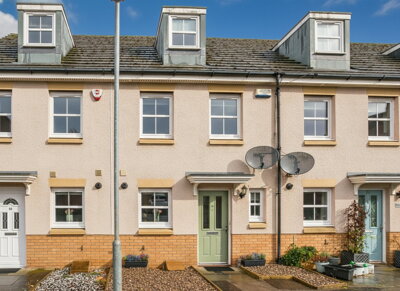
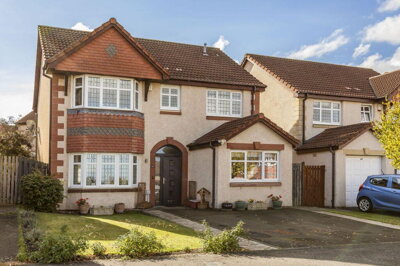
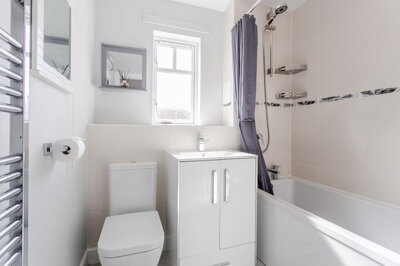
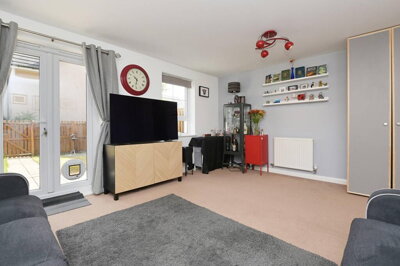
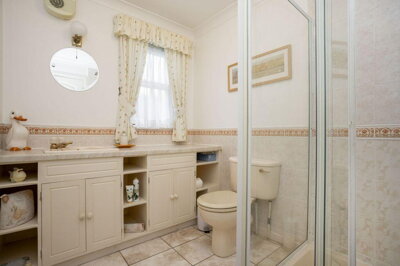
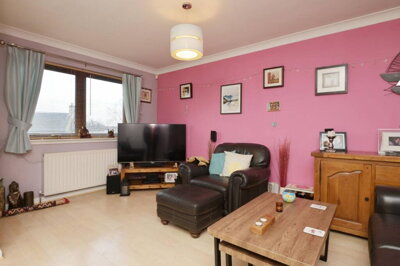
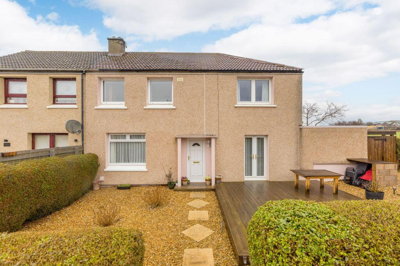
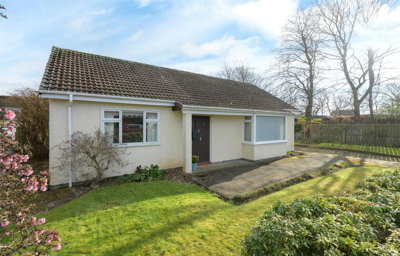
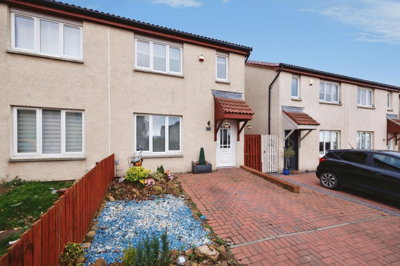
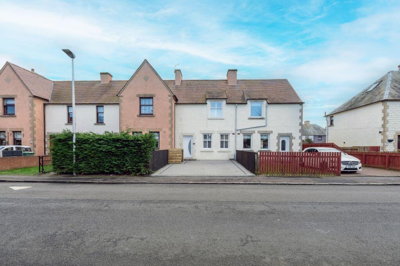
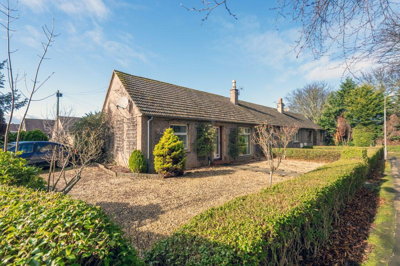
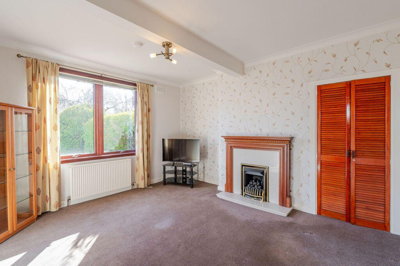
Browse 240 homes for sale in EH32 from local estate agents.
The EH32 property market offers detached, semi-detached, and terraced houses spanning various price ranges and neighbourhoods. Each listing includes detailed property information, photographs, and direct contact with the marketing agent.
£351k
46
0
110
Source: home.co.uk
Showing 46 results for Houses for sale in EH32. The median asking price is £351,248.
Source: home.co.uk
Detached
20 listings
Avg £549,724
Semi-Detached
16 listings
Avg £269,500
Terraced
10 listings
Avg £337,000
Source: home.co.uk
Source: home.co.uk
The EH6 property market demonstrates Edinburgh's characteristic stability with subtle growth patterns across different sub-postcodes. Our current data shows flats averaging around £251,000-£260,000, making them an accessible entry point for first-time buyers seeking to establish themselves in this desirable coastal neighbourhood. Terraced properties command significantly higher prices, typically ranging between £416,000 and £420,000, reflecting the popularity of these traditional homes with their original features, private gardens, and generous room proportions that define Victorian-era construction in the city.
Detached and semi-detached properties in EH6 remain comparatively scarce but achieve premium valuations, with detached homes averaging £361,000-£590,000 depending on location and specification. The Shore area has experienced steady price appreciation, rising approximately 2% year-on-year and now sitting around £243,000 for the broader postcode. Meanwhile, areas like EH6 6EQ have shown stronger growth at 23% above previous year prices, suggesting increased buyer interest in specific micro-markets within the district. These variations highlight the importance of understanding local market dynamics when making a purchasing decision in this diverse postcode.
Price trends across EH6's sub-postcodes reveal distinct patterns that savvy buyers can leverage. EH6 6SB has shown remarkable growth at 37% above the previous year, though still sitting 7% below its 2023 peak of £361,891. Springfield, Edinburgh, EH6 has experienced 21% annual growth, while Great Junction Street, Edinburgh, EH6 has risen 14% year-on-year, both demonstrating continued buyer confidence in Leith's transformation. Conversely, EH6 8PF has seen a 20% correction from previous highs, potentially offering opportunities for buyers seeking value in this popular area. These micro-market variations mean that property selection within EH6 can significantly impact purchase price and long-term investment returns.

EH6 encompasses some of Edinburgh's most distinctive neighbourhoods, with Leith standing as the jewel in this postcode's crown. This historic port area has transformed remarkably over the past two decades, evolving from a working dockland into one of Scotland's most celebrated cultural quarters. The Shore, with its cobbled quayside and converted warehouses, now hosts an impressive concentration of award-winning restaurants and artisan bars, while the surrounding streets maintain their authentic maritime character through surviving tenement blocks and Victorian industrial architecture. Residents enjoy walking along the waterfront promenade, watching fishing boats unload their catch, and accessing the extensive cycle paths that connect the area to neighbouring beaches and beyond.
The demographics of EH6 reflect a community in flux, attracting young professionals, creative entrepreneurs, and established families who appreciate the area's independent spirit. Ocean Terminal shopping centre provides practical amenities including supermarkets, healthcare facilities, and high street retailers, while the surrounding streets burst with independent shops, vintage stores, and specialist food producers. The Port of Leith continues operating as an active commercial hub, and the proximity to the Royal Yacht Britannia at Ocean Terminal brings significant tourism that supports local employment in hospitality and retail sectors. Creative industries have also gravitated to the area, establishing studios and workspaces in converted industrial units, bringing additional economic vitality and cultural depth to the neighbourhood.
The area's housing stock tells the story of Leith's evolution from working port to desirable residential district. Traditional sandstone tenements line the streets around Leith Walk and Bonnington, built in the Victorian era to house dockworkers and their families. These solid-wall properties, often exceeding 100 years of age, feature characteristic high ceilings, original timber sash windows, and ornate cornicing that appeals to those seeking period character. Modern developments at Western Harbour and along the waterfront represent the newest additions to EH6's housing mix, offering contemporary specifications including allocated parking, communal gardens, and sea views that attract professionals and downsizers seeking low-maintenance living with modern amenities.

Families considering a move to EH6 will find a reasonable selection of educational establishments serving the local community. Primary schools serving the area include Leith Primary School, St Mary's Primary School (Roman Catholic), and Bonnington Primary School, each providing education for children from nursery through to P7. These schools serve distinct catchment areas, and parents should verify their property's placement within the relevant catchment zone before purchasing, as Edinburgh's strict catchment policies mean school eligibility depends on residential address. Several primaries have undergone recent refurbishments, with modern facilities now complementing the characterful Victorian buildings that house some of these institutions.
Secondary education in the area is served by Leith Academy, a non-denominational secondary school with an established reputation, and St Mary's RC Secondary School for Catholic education. Leith Academy offers a broad curriculum and various extracurricular activities, though prospective parents should research current Education Scotland inspection reports to assess recent performance metrics. For families seeking alternative educational pathways, several independent schools in Edinburgh are accessible via public transport from EH6, including Fettes College and The Edinburgh Academy. Nursery and early years provision is well-represented throughout the area, with both council-run and private options available to suit different childcare requirements and budgets.
The high proportion of period properties in EH6 means that many families will live in flats or terraced houses rather than houses with private gardens, which influences decisions about outdoor space and play areas. Local parks including Leith Links and the Water of Leith walkway provide green spaces for family recreation, while the waterfront promenade offers safe cycling and walking routes. Families should also consider catchment boundaries when purchasing in EH6, as some streets near postcode boundaries may fall into adjacent school catchments, potentially requiring longer journeys to reach the nearest primary or secondary school.
Transport connectivity ranks among EH6's strongest attributes, making it particularly attractive to commuters working in Edinburgh city centre or beyond. Leith Walk provides a direct bus corridor with multiple services operating into the city centre, typically requiring 15-20 minutes for the journey depending on traffic conditions. The Edinburgh Tram line connects the area to the city centre and the airport, with stops at both Picardy Place (for Leith Walk) and Ocean Terminal, offering reliable alternatives to bus travel during peak hours. For cyclists, the area benefits from dedicated cycle lanes along the waterfront and connecting routes to the city centre, with Leith positioned as one of Edinburgh's most cycle-friendly districts.
Rail connections from Edinburgh Waverley station provide access to national destinations, with regular services to Glasgow, London, and other major cities available within easy reach via bus or tram from EH6. The area's proximity to the A1 and A900 trunk roads facilitates car travel to destinations beyond Edinburgh, while the Forth Road Bridge provides connection to Fife and areas north of the estuary. Parking availability varies significantly by specific location within EH6, with some traditional tenement areas offering limited on-street parking, while newer waterfront developments typically include allocated parking spaces. Residents without vehicles benefit from the excellent public transport network that positions Edinburgh's city centre, business districts, and cultural attractions within comfortable commuting distance.
The ongoing tram extension project to Leith has been subject to discussion and planning applications, with potential benefits for property values in EH6 if approved. An extended tram line serving Leith directly would further enhance connectivity to the city centre and airport, reducing journey times and providing additional transport resilience. Prospective buyers should monitor local planning authority updates regarding tram extension proposals, as any approved scheme could positively influence property values in surrounding streets, particularly those closest to proposed tram stops along Leith Walk and The Shore.
Start by exploring current property listings across different EH6 sub-postcodes to understand which neighbourhoods match your requirements. Consider factors like proximity to schools, transport links, and the type of property you need. Flats along the waterfront differ significantly from Victorian terraces on Leith Walk in terms of price, maintenance responsibilities, and lifestyle implications.
Contact lenders or mortgage brokers to obtain an Agreement in Principle before beginning property viewings. This demonstrates your buying capacity to sellers and estate agents, giving you a competitive edge in EH6's active market where desirable properties can attract multiple offers. Edinburgh's property market moves relatively quickly, and having your finances confirmed streamlines the purchasing process considerably.
Visit properties that match your criteria, paying attention to the construction type and condition. Given EH6's high proportion of pre-1919 properties, look for signs of damp, roof condition, and the state of original features like sash windows and timber floors. Consider viewing properties at different times of day to assess noise levels, natural light, and the neighbourhood's evening character.
Before committing to a purchase, arrange for a qualified RICS surveyor to inspect the property. For traditional sandstone tenements and older properties prevalent in EH6, this survey identifies defects common to Edinburgh's older housing stock, including potential damp issues, timber defects, and stonework deterioration. Properties in conservation areas or listed buildings may warrant the more comprehensive RICS Level 3 Building Survey.
Appoint a conveyancing solicitor with Edinburgh property experience to handle the legal aspects of your purchase. They will conduct searches, manage the title documentation, and liaise with the seller's solicitor. Given EH6's concentration of listed buildings and conservation area properties, experienced solicitors can identify any planning restrictions or listed building consent issues that might affect your plans for the property.
Once all surveys, searches, and legal checks are satisfactory, we proceed to contract exchange and deposit payment. Completion typically follows within 2-4 weeks, after which you receive the keys to your new EH6 home. Allow time to set up utilities, redirect mail, and familiarise yourself with local amenities and services in your new neighbourhood.
Purchasing property in EH6 requires awareness of several area-specific factors that could significantly impact your ownership experience. The high concentration of sandstone tenement buildings means many properties are constructed from traditional solid walls without modern cavity insulation, which can lead to condensation issues and higher heating costs than newer properties. Before purchasing, assess the condition of the stonework, noting any signs of spalling, cracking, or previous repair work that might indicate ongoing structural concerns. The age of these buildings also means electrical wiring and plumbing systems may require updating to meet current safety standards.
Flood risk deserves careful consideration when evaluating properties in EH6, particularly those near the Water of Leith or the coastal waterfront. While modern developments typically incorporate appropriate drainage and siting to minimise flood risk, older properties in lower-lying areas of Leith and Bonnington may have historical vulnerability to both river and surface water flooding. Review the Scottish Environment Protection Agency flood maps and ask the seller about any previous flooding incidents or flood prevention measures installed at the property. Buildings insurance costs may be higher in flood-prone areas, and mortgage lenders sometimes impose conditions on properties with significant flood history.
The presence of listed buildings throughout EH6 carries important implications for prospective buyers. If your chosen property is listed (either Category A, B, or C), you will face restrictions on alterations, extensions, and even exterior maintenance that require consent from Historic Environment Scotland. This can affect everything from replacing windows to installing double glazing, and costs for work on listed properties often exceed those for comparable unlisted buildings due to the requirement for specialist materials and craftspeople. Similarly, properties within Leith's conservation areas may face additional planning requirements that affect renovation projects, so understanding these constraints before purchasing prevents costly surprises during your ownership.
Edinburgh's underlying geology presents specific considerations for EH6 property buyers. The area's complex geology includes sedimentary bedrock with overlying glacial tills and superficial deposits, with clay-rich materials present in lower-lying areas and former estuarine zones. These clay soils can experience shrink-swell movement when moisture levels change, potentially affecting building foundations over time. Our surveyors frequently identify foundation movement indicators in older EH6 properties, particularly where trees or vegetation are located close to buildings, or where historic drainage issues have altered ground moisture conditions. A RICS Level 2 Survey will assess these risks and recommend further investigation if ground movement indicators are present.
Average house prices in EH6 currently range from approximately £270,000 to £310,000 depending on the data source used. Flats dominate the market at around £251,000-£260,000, while terraced properties command premium prices of £416,000-£420,000. Detached properties are scarce but can reach £361,000-£590,000. Specific sub-postcodes within EH6 show varying trends, with some areas like EH6 6EQ showing strong 23% annual growth while others remain more stable. The Shore area averages approximately £243,000, making it one of the more accessible parts of the postcode for first-time buyers.
Council tax bands in Edinburgh (including EH6) range from Band A to Band H, with most traditional tenement flats falling into Bands A-C and larger Victorian terraces or modern houses typically in Bands D-F. You can verify the specific band for any property through the Scottish Assessors Association website, which provides online access to valuation rolls and council tax listings for all properties in Scotland. The City of Edinburgh Council administers local taxation, and bands are based on the property's market value as of April 1991. Given EH6's mix of period properties and modern developments, council tax bands can vary significantly even on adjacent streets, with Victorian terraces typically falling into higher bands than comparable-sized flats in tenement blocks.
The area offers good primary education with schools including Leith Primary School, Bonnington Primary School, and St Mary's Primary School for Catholic families. Secondary education is served by Leith Academy for non-denominational schooling and St Mary's RC Secondary School. Research current Education Scotland inspection reports to assess recent performance, and always verify catchment areas before purchasing, as Edinburgh schools operate strict geographical admissions policies. Several independent schools are accessible via public transport from EH6 for families seeking alternative educational settings. Leith Primary School and Bonnington Primary School serve different geographical catchments within the EH6 postcode, with the boundary running roughly along Lindsay Road and Lorne Street, so checking your exact address against the catchment map is essential before committing to a purchase.
EH6 enjoys excellent public transport connectivity, with Leith Walk serving as a major bus corridor offering multiple routes into Edinburgh city centre in 15-20 minutes. The Edinburgh Tram line provides additional access with stops at Picardy Place and Ocean Terminal, connecting residents to the city centre, business districts, and Edinburgh Airport. Leith positioned on the north side of Edinburgh means the area avoids the heaviest traffic congestion that affects southern routes, making both public and private transport journeys relatively straightforward compared to other parts of the city. Bus services along Leith Walk include routes to the city centre, Edinburgh Airport (via tram connection), and connections to rest of Edinburgh, while the tram line provides direct access to Murrayfield Stadium and the zoo for those seeking entertainment venues.
EH6 offers several investment considerations that make it attractive to certain buyers. The strong rental demand driven by young professionals, students attending Edinburgh's universities, and workers in the hospitality and creative sectors supports consistent rental yields. The area's ongoing regeneration, particularly along the waterfront, suggests potential for continued capital appreciation. However, investors should be aware of the high proportion of flats versus houses, which can affect management complexity, and the prevalence of listed buildings and conservation areas, which restrict certain types of development. Properties near the proposed Leith tram extension, if approved, may benefit from improved accessibility. Areas like The Shore and Western Harbour have seen consistent rental demand due to their appeal to young professionals, with one-bedroom flats in good condition typically achieving rental yields of 5-7% depending on exact location and specification.
Stamp Duty Land Tax (SDLT) in Scotland operates under the Scottish Land and Buildings Transaction Tax (LBTT) system. As of 2024-25, LBTT rates start at 0% for residential purchases up to £145,000, then 2% on the portion from £145,001 to £250,000, 5% up to £325,000, 10% up to £750,000, and 12% on any amount above £750,000. First-time buyers may qualify for relief on the starting rates, paying 0% up to £175,000. Given EH6's average prices, most flat purchases will fall into the lower LBTT bands, while higher-value terraced or detached properties may incur more significant tax liabilities. For a typical £260,000 flat in EH6, the LBTT would be approximately £2,300, while a £420,000 terraced property would attract LBTT of around £7,850.
Our inspectors regularly identify several defect categories when surveying EH6 properties. Rising damp affects many traditional sandstone tenements with solid walls lacking modern damp-proof courses, particularly visible in ground-floor flats with original suspended timber floors. Roof defects including slipped slates, deteriorated leadwork, and blocked gutters commonly cause penetrating damp in period properties throughout Leith. Timber defects such as woodworm (common furniture beetle) and wet rot frequently affect floorboards, joists, and window joinery in older properties where ventilation has been compromised. Electrical systems in pre-1919 properties often require complete rewiring to meet current standards, as original wiring rarely complies with modern safety requirements. Spalling and crumbling sandstone pointing requires attention on many period facades, with repair costs varying depending on whether the property is listed and requires specific lime-based mortars and traditional masonry skills.
EH6 encompasses significant conservation area designations that affect property ownership in Leith, particularly around The Shore, Leith Walk, and the historic tenement streets surrounding these areas. Properties within conservation areas require planning permission for certain alterations that would not need consent on unlisted buildings outside conservation zones, including changes to windows, doors, roof materials, and exterior finishes. These additional planning requirements can delay renovation projects and increase costs when specialist materials or methods are mandated by conservation officers. When purchasing period properties in EH6's conservation areas, our surveyors recommend reviewing the property's maintenance history and any previous consents granted, as work undertaken without proper consent could create legal complications or require remedial action.
From £400
A mid-range survey suitable for most properties in EH6, identifying defects common to traditional sandstone construction
From £600
Comprehensive survey recommended for older properties, listed buildings, and those with visible defects
From £499
Expert property solicitors with Edinburgh experience, including listed building and conservation area transactions
From 4.5%
Competitive mortgage rates for EH6 properties, with access to lenders familiar with Scottish lending
Understanding the full cost of purchasing property in EH6 requires careful budgeting beyond the advertised purchase price. The Land and Buildings Transaction Tax (LBTT), Scotland's equivalent of stamp duty, forms the largest additional cost for most buyers. For a typical EH6 flat at £250,000, the LBTT liability would be approximately £2,100, calculated at 2% on the portion between £145,001 and £250,000. First-time buyers may benefit from relief, reducing this to around £1,050. For premium terraced properties averaging £420,000, LBTT could reach approximately £7,850, making it essential to factor this into your financial planning before proceeding.
Additional buying costs in EH6 include solicitor fees typically ranging from £500 to £1,500 depending on complexity, with transactions involving listed buildings or leasehold properties potentially incurring higher charges due to additional due diligence requirements. Survey costs vary by property type, with RICS Level 2 Surveys ranging from £400 for small flats to over £800 for larger houses, and RICS Level 3 Building Surveys for complex period properties potentially exceeding £1,000. Search fees, land registry registration costs, and mortgage arrangement fees (if applicable) add further expenses, with a realistic total for additional costs typically ranging from £2,500 to £5,000 for a standard transaction, rising higher for more complex purchases involving listed properties or unique circumstances.
Buildings insurance should be factored into ongoing costs immediately upon completion, with premiums varying considerably across EH6 based on property type, construction materials, and flood risk assessment. Traditional sandstone tenements often attract higher premiums than modern construction due to the perceived risk of masonry defects and slower repair processes. Properties near the Water of Leith or in lower-lying areas of Leith and Bonnington may face elevated premiums or require specialist insurers willing to cover flood risk. Our surveyors recommend requesting buildings insurance quotes before finalising your purchase budget, as these costs can significantly impact the overall affordability of period properties in EH6.
Properties for Sale In London

Properties for Sale In Plymouth

Properties for Sale In Liverpool

Properties for Sale In Glasgow

Properties for Sale In Sheffield

Properties for Sale In Edinburgh

Properties for Sale In Coventry

Properties for Sale In Bradford

Properties for Sale In Manchester

Properties for Sale In Birmingham

Properties for Sale In Bristol

Properties for Sale In Oxford

Properties for Sale In Leicester

Properties for Sale In Newcastle

Properties for Sale In Leeds

Properties for Sale In Southampton

Properties for Sale In Cardiff

Properties for Sale In Nottingham

Properties for Sale In Norwich

Properties for Sale In Brighton

Properties for Sale In Derby

Properties for Sale In Portsmouth

Properties for Sale In Northampton

Properties for Sale In Milton Keynes

Properties for Sale In Bournemouth

Properties for Sale In Bolton

Properties for Sale In Swansea

Properties for Sale In Swindon

Properties for Sale In Peterborough

Properties for Sale In Wolverhampton

Enter your details to see if this property is within your budget.
Loans, cards, car finance
Estimated property budget
Borrowing + deposit
You could borrow between
Typical borrowing
Monthly repayment
Est. at 4.5%
Loan-to-value
This is an estimate only. Your actual budget may vary depending on interest rates, credit history, and personal circumstances. For an accurate affordability assessment, speak to one of our free mortgage advisors.
This calculator provides estimates for illustrative purposes only and does not constitute financial advice. Your home may be repossessed if you do not keep up repayments on your mortgage. Estimates based on 4.5% interest rate, repayment mortgage. Actual rates depend on your circumstances.
Homemove is a trading name of HM Haus Group Ltd (Company No. 13873779, registered in England & Wales). Homemove Mortgages Ltd (Company No. 15947693) is an Appointed Representative of TMG Direct Limited, trading as TMG Mortgage Network, which is authorised and regulated by the Financial Conduct Authority (FRN 786245). Homemove Mortgages Ltd is entered on the FCA Register as an Appointed Representative (FRN 1022429). You can check registrations at NewRegister or by calling 0800 111 6768.

We use cookies to show you personalised content and improve your experience of our website. Find out more in our Privacy policy and Cookie policy.