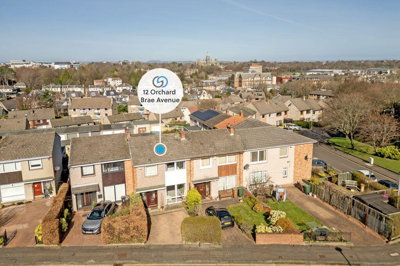
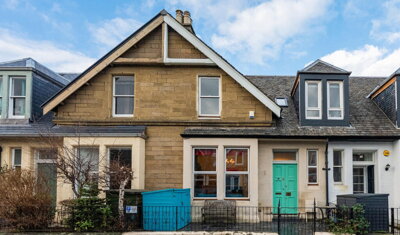
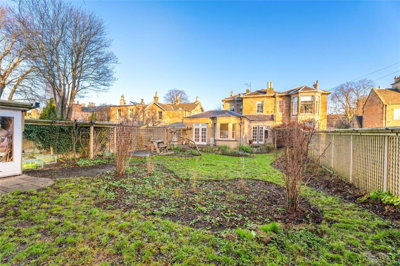
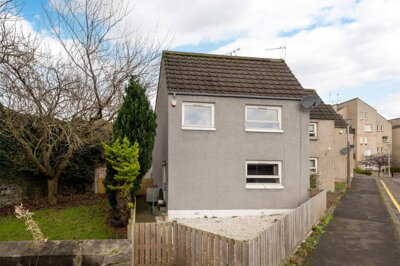
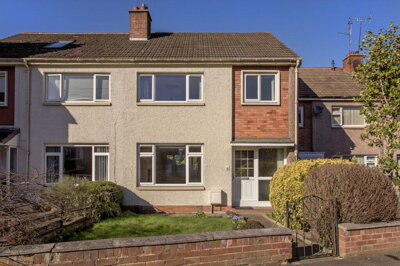
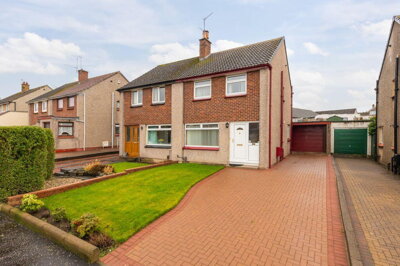
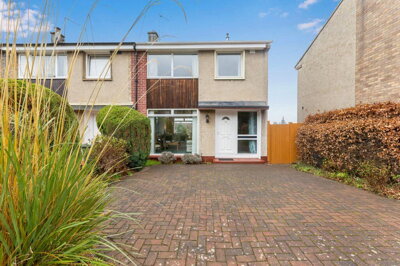
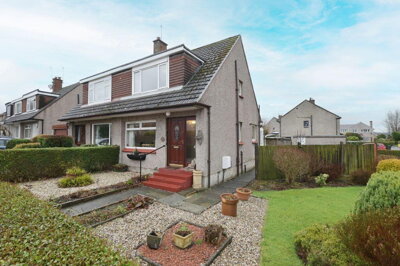
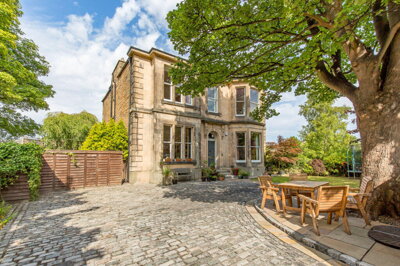
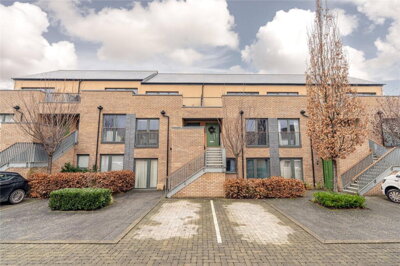
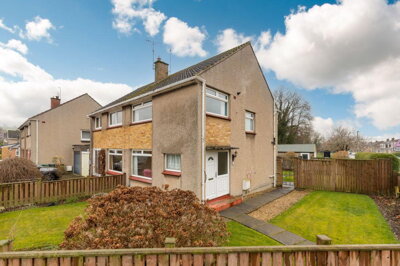
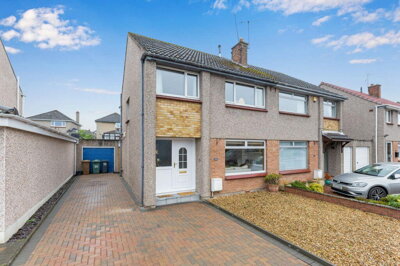
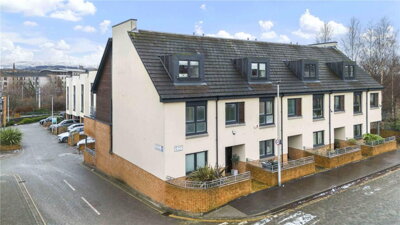
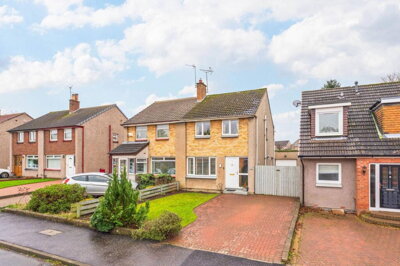
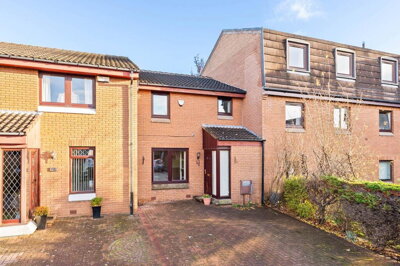
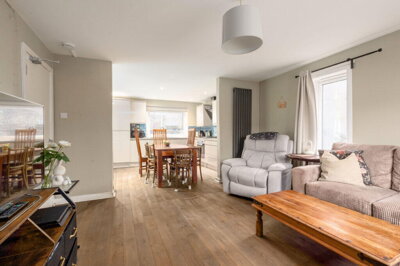
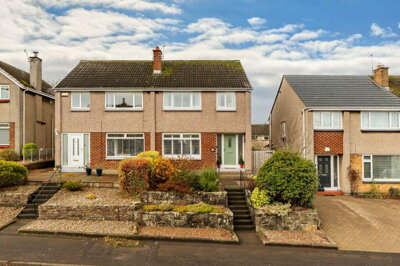
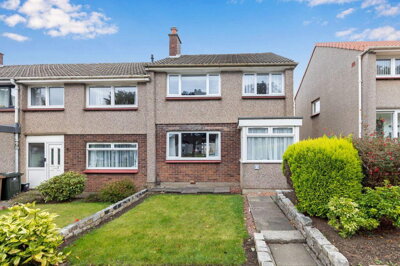
Browse 21 homes for sale in EH1 from local estate agents.
Three bedroom properties represent a significant portion of the EH1 housing market, offering space for families with multiple reception rooms and gardens in many cases. Browse detached, semi-detached, and terraced options ranging from period character homes to contemporary developments.
£0k
0
0
0
Source: home.co.uk
Showing 0 results for 3 Bedroom Houses for sale in EH1.
The EH1 property market reflects the unique character of Edinburgh's historic core, with approximately 90.7% of housing stock consisting of flats and apartments according to ONS Census 2021 data. Terraced properties account for around 6.2% of the market, while semi-detached homes represent just 1.1%, making EH1 one of the least suburban postcodes in the UK. The predominance of tenement living means that most buyers enter the market seeking a well-presented flat rather than a traditional house. Property prices have shown remarkable stability in recent years, with sold prices over the last twelve months standing just 1% below the 2021 peak of £325,000.
For those seeking larger family homes within EH1, the market offers limited but prestigious options. Detached properties in this coveted location command premium prices averaging around £1,050,000, reflecting their rarity value in a predominantly flat-based urban landscape. Semi-detached homes average approximately £485,000 while terraced properties typically sell for around £495,000. The most active segment of the market remains one and two-bedroom flats, which commonly range from £200,000 for older properties requiring renovation up to £500,000 or more for beautifully presented tenement apartments with original features and modern specifications.
New build options remain scarce within this UNESCO World Heritage Site, though the New Eidyn development at St James Quarter offers contemporary apartments starting from around £350,000 for a one-bedroom unit. This regeneration project represents one of the most significant additions to the EH1 housing stock in recent years, providing buyers with modern specifications within a traditional postcode. Beyond New Eidyn, opportunities for new construction are extremely limited due to the extensive conservation designations covering virtually every street in this area. Most new homes within EH1 arise from conversions of existing historic buildings rather than purpose-built developments.

EH1 represents the cultural and historical epicentre of Edinburgh, where the medieval grandeur of the Old Town meets the Georgian elegance of the New Town in a seamless urban composition. The area is characterised by its stunning sandstone architecture, with buildings primarily constructed from warm honey-coloured stone using traditional ashlar masonry techniques between the 18th and early 20th centuries. Virtually every property within EH1 falls within a conservation area, with an exceptionally high concentration of listed buildings spanning Categories A, B, and C. This means residents live surrounded by centuries of architectural heritage, from the dramatic turrets and tenements lining the Royal Mile to the harmonious crescents and terraces of the New Town.
The local economy thrives on a diverse foundation of tourism, retail, financial services, education, and public sector employment. Princes Street serves as one of Scotland's premier shopping destinations, while the St James Quarter development has introduced new retail and leisure facilities to the area. The University of Edinburgh maintains a significant presence nearby, contributing to a dynamic student population and sustained demand for rental accommodation. Residents benefit from an exceptional array of amenities including Michelin-starred restaurants, traditional Scottish pubs, specialist bookshops, and galleries showcasing Scottish art. The Festival Fringe, Hogmanay celebrations, and numerous cultural events throughout the year reinforce Edinburgh's reputation as a world-class destination for arts and entertainment.
The residential character of EH1 varies significantly between its Old Town and New Town districts. The Old Town, centred on the Royal Mile, features medieval closes, wynds, and dramatic elevation changes between the High Street and the Cowgate below. The New Town, by contrast, showcases Georgian town planning with its distinctive grid layout, garden squares, and classical facades. Most residents live in tenement flats, sharing communal staircases and common areas with their neighbours. The density of habitation creates a genuine sense of community, with residents often knowing their immediate neighbours and participating in factor-managed maintenance schemes for their buildings.

Understanding the construction methods used in EH1 properties is essential for any buyer, given that the vast majority of buildings predate 1919 and were built using techniques that differ substantially from modern construction. The predominant building material throughout EH1 is sandstone, typically sourced from local quarries including Craigmillar and Hailes. This warm, honey-coloured stone was cut and dressed into ashlar blocks for prestigious facades, while rubble stone filled the inner wall construction. Traditional tenement buildings in this area typically feature two leaves of stone masonry with a rubble infill between, creating thick walls that provide excellent thermal mass but require careful maintenance to prevent moisture penetration.
Roof construction in EH1 predominantly features pitched roofs covered with natural slate, originally imported from Wales or later sourced from Scottish quarries. The tenement roof structure consists of timber rafters, purlins, and sometimes iron ties, all of which can be susceptible to timber defects in properties over 100 years old. Flat roofs, where they exist on later additions or modern conversions, typically employ different construction methods and often require more frequent maintenance than traditional pitched roofs. Our inspectors frequently note issues with aging slate coverings, defective leadwork around chimney stacks and parapets, and deterioration of cast iron gutters and downpipes in older EH1 properties.
Floor construction in historic EH1 tenements typically uses suspended timber joists supporting floorboards, rather than the solid concrete floors found in modern construction. These timber floors can suffer from deflection, squeaking, and in more serious cases, rot affecting the joists themselves. Ground floors often incorporate air bricks for sub-floor ventilation, and dampness issues arise when these become blocked or when ground levels are raised over the years. Internal walls are generally solid masonry, with plaster applied directly to the stone using lime-based mortars and renders. Modern renovations may have applied cement renders or plasterboard, which can sometimes trap moisture and cause problems in buildings designed to breathe through traditional lime construction.
Families considering a move to EH1 will find a range of educational options within and adjacent to this central Edinburgh postcode. The surrounding EH2 and EH3 postcodes contain several highly regarded primary schools including Royal Mile Primary School, which serves the Old Town community, and Tollcross Primary School, located nearby in the vibrant Tollcross area. For secondary education, the nearby James Gillespie's High School and Leith Academy serve families within reasonable travelling distance of EH1, with both schools maintaining strong academic reputations. Parents should note that catchment areas are determined by the City of Edinburgh Council and can be competitive in the central zone, so early investigation of school places is advisable for families with school-age children.
EH1's proximity to Edinburgh's university district makes it particularly attractive to those seeking higher education options or academic careers. The University of Edinburgh's main campus at George Square lies just outside EH1, offering world-class facilities across arts, humanities, sciences, and professional programmes. Edinburgh Napier University also operates campuses across the city, with easy transport connections from EH1. For younger children, several private and independent schools operate in the wider Edinburgh area, including Fettes College in EH4 and Stewart's Melville College in EH4, both accessible via the efficient public transport network. The Royal High School in EH12 serves as another notable independent option for secondary education.
Transport links connecting EH1 to schools across Edinburgh include regular bus services operated by Lothian Buses and the tram network linking the city centre to broader Edinburgh. School transport options from central EH1 are generally good, with most schools in the wider area accessible within 30 minutes by public transport. However, parents should factor in journey times when selecting a property, as the steep topography of the Old Town can add time to walking routes. Many families in EH1 choose schools based on proximity and catchment availability rather than specific academic criteria, reflecting the competitive nature of central Edinburgh schooling.
EH1 enjoys exceptional connectivity within Edinburgh and beyond, making it one of the most accessible postcodes in Scotland for commuters and travellers alike. Edinburgh Waverley station sits at the southern edge of EH1, providing direct rail services to major UK destinations including London, with journey times of approximately four hours and twenty minutes to King's Cross. The station offers regular connections to Glasgow, with ScotRail services completing the journey in under one hour, making EH1 an attractive base for those working in either city. For air travel, Edinburgh Airport lies approximately eight miles to the west, accessible via the tram network which stops at St Andrew Square within EH1.
Within Edinburgh itself, residents benefit from an extensive bus network operated primarily by Lothian Buses, with numerous routes serving the city centre and connecting to all major neighbourhoods. The Edinburgh Tram line runs through the northern edge of EH1, providing convenient access to the airport, the Edinburgh International Conference Centre, and the Ocean Terminal shopping and leisure complex. For those preferring to drive, the city centre's park and ride facilities at Ingliston, Hermiston, and Straiton offer convenient parking with tram or bus connections into central EH1. Cyclists appreciate the growing network of protected cycle lanes throughout the city, while the geography of Edinburgh, with its seven hills, provides both challenges and rewarding views for those who enjoy cycling as a mode of transport.
Parking in EH1 presents a significant challenge for residents, as most properties were constructed long before the private car became widespread. On-street parking is controlled by resident permit schemes operated by the City of Edinburgh Council, with permits allocated based on availability in specific zones. The permit costs and waiting lists can be substantial in popular areas, particularly the New Town where street parking is at a premium. Many EH1 residents rely entirely on public transport, cycling, or walking for daily needs, embracing the car-free lifestyle that central Edinburgh offers. Those with cars should investigate permit availability and costs before committing to a purchase, particularly in areas like the Old Town where parking restrictions are most severe.
Explore current listings on Homemove to understand the local market, including the average price of £321,999 for EH1 properties and the predominance of tenement flats representing over 90% of available stock. Consider engaging a local estate agent who understands the nuances of this historic area, particularly the implications of purchasing listed buildings or properties within the World Heritage Site.
Before scheduling viewings, secure a mortgage agreement in principle from a lender to confirm your budget. For a flat averaging £300,000, you would typically need a deposit of at least 5-10%, meaning mortgage borrowing of £270,000-£285,000. First-time buyers should factor in current LBTT thresholds and potential relief on properties up to £425,000.
View multiple properties across different tenement buildings to compare conditions, orientations, and communal areas. Pay particular attention to the age of the property, the condition of the roof and external walls, and whether the building has an active factor managing common repairs. Remember that virtually all EH1 properties are either listed or within a conservation area, limiting permitted alterations.
Given that over 90% of EH1 properties predate 1919, a thorough survey is essential. For a typical two-bedroom flat, expect survey costs of £450-£700. Common issues in this area include penetrating damp in sandstone walls, aging slate roofs requiring maintenance, timber defects such as wet rot, and outdated electrical systems.
Engage an Edinburgh-based solicitor experienced in local transactions, particularly for listed building purchases. They will conduct searches including mining reports for any historical mineral workings and investigate the property's factor arrangements and outstanding common repairs. Exchange and completion typically follows within four to six weeks of accepted offer.
Upon completion, arrange your removal and notify relevant parties of your change of address. Consider that EH1's central location means most properties lack dedicated parking, so investigate permit options with the City of Edinburgh Council and familiarise yourself with local amenities including nearby supermarkets, restaurants, and leisure facilities.
Purchasing property in EH1 requires awareness of several area-specific factors that distinguish this historic postcode from standard residential markets. The first critical consideration involves listed building status and conservation area restrictions. With virtually all properties falling under these designations, buyers face significant planning controls governing permitted development rights, external alterations, and even interior modifications to listed features. Before purchasing, verify the property's listing category, as Category A properties representing the highest architectural significance carry the most stringent restrictions. These may affect plans for extensions, window replacements, or internal renovations, potentially impacting renovation budgets.
Tenement maintenance and factor arrangements demand careful investigation when buying a flat in EH1. Most residents share ownership of common elements including roofs, external walls, stairwells, and foundations, with collective responsibility for maintenance costs. Review the property's factor history, any outstanding repair work, and the building's reserve fund status. Properties with neglected common repairs can result in significant unexpected costs, with roof work or structural repairs potentially running to tens of thousands of pounds per flat. Request copies of the last three years of factor minutes and any correspondence regarding planned works. Additionally, investigate the age and condition of shared services including plumbing stacks, electrical systems serving common areas, and any lift equipment in larger developments.
Flood risk assessment should form part of any EH1 property due diligence. While EH1 does not sit adjacent to major rivers with significant flood risk, surface water flooding represents the primary environmental concern for this postcode. Properties in basements or low-lying areas face particular vulnerability during heavy rainfall events, with the urban density and hard surfaces exacerbating water run-off. The Water of Leith runs through Edinburgh but EH1 generally sits elevated above its immediate floodplain. A mining report is advisable given that some peripheral areas may have historical shallow mineral workings. Properties constructed on made ground, common in areas of historical infill, may present additional foundation considerations requiring specialist assessment.
The local geology of EH1 presents relatively low shrink-swell risk compared to other parts of the UK, owing to the stable bedrock formations underlying most of the area. However, superficial deposits including glacial till and made ground can vary significantly across short distances, particularly in areas of historical infill where former courts, yards, or geological features have been built over. Our surveyors recommend paying particular attention to properties on steep slopes in the Old Town, where differential settlement may have occurred over centuries. Properties showing signs of cracking or movement should be investigated by a structural engineer before purchase, regardless of the generally stable geological conditions.
The average property price in EH1 Edinburgh currently stands at £321,999 based on recent market data. Property types vary significantly in price, with detached homes averaging around £1,050,000, semi-detached properties at approximately £485,000, terraced houses at around £495,000, and flats averaging £300,000. Prices have remained relatively stable over the past year, decreasing by just 1% compared to the 2021 peak of £325,000. The market sees approximately 208 property sales annually, with the vast majority being flats and apartments reflecting the urban tenement character of this UNESCO World Heritage Site area.
Properties in EH1 Edinburgh fall under the City of Edinburgh Council tax banding system. The council bands properties from A through H based on their assessed value as of April 1991. A typical one-bedroom tenement flat in EH1 might fall into Band B or C, while larger properties or those with higher historical values could be rated in Bands D through F. Properties in prestigious New Town terraces or with exceptional features may attract higher banding due to their elevated market values. Prospective buyers should verify the specific band for any property through the Scottish Assessors Association website or by requesting this information during the conveyancing process.
The best schools serving EH1 Edinburgh include Royal Mile Primary School for primary education within the Old Town, with James Gillespie's High School serving secondary needs in the wider area. For families seeking private education, Fettes College in EH4 and the Royal High School in EH12 are accessible from EH1. The University of Edinburgh's main campus lies just outside EH1, offering higher education options. Parents should note that catchment areas are determined by the City of Edinburgh Council, and given the central location, competition for places at popular schools can be intense. Transport connections including Lothian Buses and the tram network provide access to schools across Edinburgh from EH1.
EH1 Edinburgh offers exceptional public transport connectivity, placing it among the best-connected postcodes in Scotland. Edinburgh Waverley station sits within the area providing direct rail services to London, Glasgow, and destinations across the UK. The Edinburgh Tram line passes through EH1 with stops at St Andrew Square, connecting to Edinburgh Airport in approximately 35 minutes. Lothian Buses operates extensive services throughout the city from stops throughout EH1, with routes serving all major Edinburgh neighbourhoods. The city's park and ride facilities at Ingliston and other locations connect via public transport to central EH1, offering alternatives to city centre driving for those preferring not to maintain a car.
EH1 Edinburgh presents a compelling case for property investment, driven by strong fundamentals including limited supply of new housing in this historic UNESCO World Heritage Site, consistent demand from professionals, students, and tourists, and the prestigious nature of central Edinburgh addresses. The rental market benefits from Edinburgh's status as a major tourist destination, financial hub, and university city, supporting healthy rental yields for landlords. Approximately 208 properties sell annually in EH1, indicating reasonable market liquidity. However, investors should factor in maintenance costs for older properties, potential service charges for flats in managed developments, and the implications of listed building status for permitted rental arrangements including any short-term letting restrictions.
Stamp Duty Land Tax for residential properties in Scotland follows Scottish Land and Buildings Transaction Tax bands. For a typical EH1 flat at £300,000, a first-time buyer would pay zero tax on the first £425,000 of their purchase, meaning approximately £0 on a £300,000 purchase. A home buyer who is not a first-time buyer purchasing at £300,000 would pay 0% on the first £145,000 and 2% on the remaining £155,000, totalling approximately £3,100. Properties above £750,000 attract higher rates. First-time buyer relief does not apply above £625,000, so premium properties in EH1's New Town do not benefit from this relief.
Older properties in EH1, which represent over 90% of the housing stock and mostly predate 1919, commonly exhibit several defects that buyers should investigate. Sandstone masonry requires regular maintenance, with erosion and weathered pointing frequently requiring attention. Slate roofs on tenement buildings often show slipped slates, defective leadwork, and aging gutters. Timber defects including wet rot, dry rot, and woodworm affect floor joists, roof timbers, and window frames throughout older properties. Original sash and case windows commonly suffer from rot, poor weatherproofing, and operational deterioration. Outdated electrical wiring and plumbing systems frequently require upgrading to meet modern standards. Given these common issues, a RICS Level 2 Survey is strongly recommended before purchasing any older property in EH1.
RICS surveys are particularly valuable for EH1 properties because the area's predominantly pre-1919 construction means virtually every property will have age-related defects requiring professional assessment. Our inspectors understand the specific construction methods used in Edinburgh tenements, including the characteristic sandstone walls, lime mortar pointing, and timber floor joists that define the local building stock. A thorough survey will identify penetrating damp in sandstone walls, which is common where rainwater goods have deteriorated, and will assess the condition of original sash and case windows that often require restoration rather than replacement in listed properties. The shared nature of tenement ownership means a survey also helps buyers understand potential liability for common repairs, which can represent significant future costs.
Factor arrangements in EH1 tenements require careful investigation before purchase, as these determine your responsibilities and costs for maintaining common areas. The factors, whether a professional property management company or an informal arrangement between owners, manage repairs to roofs, external walls, stairwells, and shared services. Our team recommends requesting factor accounts for the past three years, including any reserve fund contributions and details of planned maintenance works. Properties where major repairs have been deferred may present significant costs in the near future. Additionally, verify whether the building has an adequate sinking fund to cover anticipated works, as buildings without reserves can impose sudden levies on owners when significant repairs become necessary.
Understanding the full costs of purchasing property in EH1 Edinburgh is essential for budgeting effectively, particularly given the premium nature of this central postcode. Beyond the property price, buyers must factor in Land and Buildings Transaction Tax, which applies to Scottish property purchases rather than UK stamp duty. For a flat priced at the EH1 average of £300,000, first-time buyers benefit from zero LBTT on purchases up to £425,000, meaning no tax would be due on this transaction. Non-first-time buyers purchasing at £300,000 would pay LBTT calculated at 0% on the first £145,000 and 2% on the amount between £145,000 and £300,000, totalling approximately £3,100. The thresholds for LBTT have remained stable in recent years, though buyers should verify current rates closer to their anticipated purchase date.
Legal costs for conveyancing in Edinburgh typically range from £499 for standard transactions up to £1,500 or more for complex purchases involving listed buildings, factoring issues, or-title complications. Given that virtually all EH1 properties fall under listed building or conservation area designations, engaging a solicitor experienced in historic property transactions is advisable. Additional costs include property surveys, with RICS Level 2 Surveys for EH1 flats ranging from £450 to £700 depending on property size and complexity. Search fees, typically £250-£400, cover local authority, environmental, and mining searches. Buyers should also budget for mortgage arrangement fees, which vary by lender but commonly range from zero to £2,000, and removal costs, which vary significantly based on the volume of belongings being moved. Factor contributions or reserve fund payments may be applicable on leasehold or factored properties, potentially running to several hundred pounds.
From 4.5% APR
Compare mortgage rates from leading lenders
From £499
Expert conveyancing solicitors for EH1 properties
From £450
Detailed inspection of EH1 properties
From £600
Comprehensive building survey for older properties
Properties for Sale In London

Properties for Sale In Plymouth

Properties for Sale In Liverpool

Properties for Sale In Glasgow

Properties for Sale In Sheffield

Properties for Sale In Edinburgh

Properties for Sale In Coventry

Properties for Sale In Bradford

Properties for Sale In Manchester

Properties for Sale In Birmingham

Properties for Sale In Bristol

Properties for Sale In Oxford

Properties for Sale In Leicester

Properties for Sale In Newcastle

Properties for Sale In Leeds

Properties for Sale In Southampton

Properties for Sale In Cardiff

Properties for Sale In Nottingham

Properties for Sale In Norwich

Properties for Sale In Brighton

Properties for Sale In Derby

Properties for Sale In Portsmouth

Properties for Sale In Northampton

Properties for Sale In Milton Keynes

Properties for Sale In Bournemouth

Properties for Sale In Bolton

Properties for Sale In Swansea

Properties for Sale In Swindon

Properties for Sale In Peterborough

Properties for Sale In Wolverhampton

Enter your details to see if this property is within your budget.
Loans, cards, car finance
Estimated property budget
Borrowing + deposit
You could borrow between
Typical borrowing
Monthly repayment
Est. at 4.5%
Loan-to-value
This is an estimate only. Your actual budget may vary depending on interest rates, credit history, and personal circumstances. For an accurate affordability assessment, speak to one of our free mortgage advisors.
This calculator provides estimates for illustrative purposes only and does not constitute financial advice. Your home may be repossessed if you do not keep up repayments on your mortgage. Estimates based on 4.5% interest rate, repayment mortgage. Actual rates depend on your circumstances.
Homemove is a trading name of HM Haus Group Ltd (Company No. 13873779, registered in England & Wales). Homemove Mortgages Ltd (Company No. 15947693) is an Appointed Representative of TMG Direct Limited, trading as TMG Mortgage Network, which is authorised and regulated by the Financial Conduct Authority (FRN 786245). Homemove Mortgages Ltd is entered on the FCA Register as an Appointed Representative (FRN 1022429). You can check registrations at NewRegister or by calling 0800 111 6768.

We use cookies to show you personalised content and improve your experience of our website. Find out more in our Privacy policy and Cookie policy.