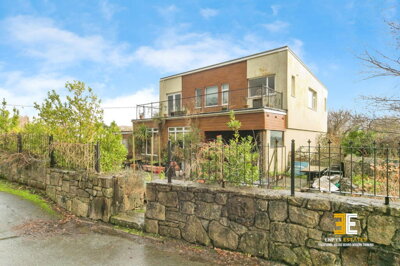
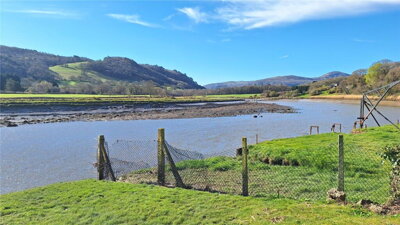
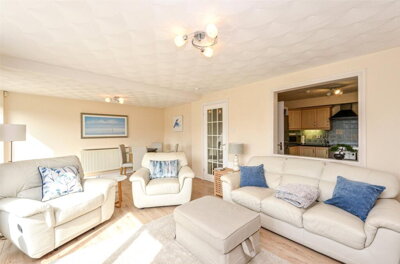
Browse 3 homes for sale in Eglwysbach, Conwy from local estate agents.
Studio apartments feature open-plan living spaces without separate bedrooms, incorporating sleeping, living, kitchen, and bathroom facilities. The Eglwysbach studio market includes properties in modern apartment complexes, converted Victorian and Georgian buildings, and purpose-built developments.
£0k
0
0
0
Source: home.co.uk
Showing 0 results for Studio Flats for sale in Eglwysbach, Conwy.
The rural property market in Wharton, Westmorland and Furness reflects the broader trends affecting Cumbrian villages, where demand for character homes and rural settings has remained steady despite broader national market fluctuations. Properties in this area typically include traditional stone-built cottages, farmhouses, and more recent developments that complement the agricultural heritage of the region. The village attracts buyers seeking countryside living, including families, retirees, and those working remotely who value the quality of life offered by rural England. Many properties in the area benefit from generous garden spaces, outbuildings, and views across open countryside, features that command a premium in the current market.
Property types available in the Wharton area span the full range from compact terraced cottages ideal for first-time buyers to substantial detached homes with generous gardens suitable for families. Our listings include homes across various price brackets, ensuring that whether you are searching for an affordable entry point into the Cumbrian property market or a prestigious rural estate, you will find suitable options within our property search. The local market benefits from a steady stream of buyers attracted by the area's natural beauty, strong community spirit, and excellent transport connections to surrounding towns and cities. Properties dating from the Georgian and Victorian periods are well represented, offering period features such as exposed stone walls, original fireplaces, and sash windows that appeal to those seeking homes with character and history.
Understanding local market conditions is essential for making informed purchasing decisions. The Wharton property market operates differently from urban areas, with fewer transactions but often strong competition for the most desirable properties. Buyers should be prepared to act decisively when a suitable property becomes available, particularly for character homes that appeal to multiple buyer types. Working with local estate agents who understand the nuances of the Cumbrian rural market can provide valuable insights into pricing, property availability, and the specifics of buying in this area.
Wharton, Westmorland and Furness embodies the quintessential English village experience, where community bonds remain strong and neighbours know one another by name. The village sits within the scenic landscape of South Cumbria, an area characterised by rolling farmland, dry stone walls, and proximity to the Morecambe Bay coastline. Residents enjoy access to an array of outdoor pursuits including walking, cycling, and exploring the numerous public footpaths that crisscross the surrounding countryside, making this an ideal location for those who appreciate an active outdoor lifestyle. The nearby Howgill Fells and Yorkshire Dales provide excellent terrain for hikers and outdoor enthusiasts, while the Morecambe Bay coastline offers beaches, coastal walks, and water sports activities within easy reach.
The local community is served by traditional country pubs, village shops, and parish facilities that provide essential services without requiring lengthy journeys to larger towns. Nearby market towns such as Kirkby Lonsdale and Sedbergh offer expanded retail options, supermarkets, healthcare facilities, and a wider selection of restaurants and cafes for those seeking more variety. The market towns in the Westmorland and Furness area retain their traditional character, with weekly markets providing fresh local produce and supporting the local economy. Dent, known as one of the highest villages in England, lies nearby and exemplifies the dramatic upland landscape that defines this corner of Cumbria.
The area's cultural calendar includes village fetes, agricultural shows, and seasonal events that bring the community together throughout the year, fostering the strong social connections that make rural Cumbrian living so rewarding for those who choose to call it home. The Westmorland and Furness area is home to numerous cultural attractions including historic houses, gardens open to the public, and the cultural venues of Kendal, the gateway town to the Lake District. Local community centres and village halls host regular activities ranging from exercise classes to arts and crafts groups, ensuring that residents of all ages can participate in community life.

Families considering a move to Wharton, Westmorland and Furness will find a selection of educational options within reasonable travelling distance. Primary education is available at village and cluster schools serving the local community, where small class sizes allow for personalised attention and strong pupil-teacher relationships. These schools often benefit from close ties to their local communities, with children learning in a supportive environment that values both academic achievement and personal development. The Westmorland and Furness area is known for its commitment to quality primary education, with many village schools achieving strong results in national assessments while maintaining the nurturing approach that smaller schools can provide.
Secondary education is typically accessed through schools in nearby towns, with bus services connecting Wharton to secondary schools across the Westmorland and Furness area. The region is home to several well-regarded secondary schools offering a range of GCSE and A-Level courses, along with specialist vocational options for students pursuing particular career paths. Schools in the surrounding market towns serve as hubs for the wider rural community, providing comprehensive education services to students from numerous villages across the area. The journey times to secondary schools are manageable for most families, with school transport services operating throughout the region.
For those seeking higher education, the proximity to universities in Lancaster, Carlisle, and further afield ensures that students have access to a wide range of undergraduate and postgraduate programmes without excessive distance from home. Lancaster University, situated on the edge of the Lake District, is particularly accessible and offers a broad range of subjects across its faculties. Students can commute from the Wharton area during term time or return home regularly, maintaining family connections while pursuing their studies. The university's strong reputation for research and teaching makes it a popular choice for students from the region, alongside options at the University of Cumbria in Carlisle and the University of Central Lancashire in Preston.
Transport connectivity from Wharton, Westmorland and Furness combines the benefits of rural serenity with practical access to regional transport networks. The village is situated within convenient reach of major road routes that connect Cumbria to Lancashire, Greater Manchester, and beyond. The A65 corridor provides a key route through the South Lakes, connecting Kendal to Skipton and offering access to the Yorkshire Dales National Park. The scenic routes through the South Lakes and the Lune Valley provide an attractive alternative for those who prefer to travel at a more leisurely pace, passing through some of the most beautiful countryside in England.
Public transport options include bus services connecting Wharton to nearby towns and villages, providing essential connectivity for those without private vehicles. The Stagecoach and local operator services link the village to Kirkby Lonsdale, Kendal, and surrounding communities, with timetables designed to accommodate school runs and market day travel. Rail connections are accessible from stations in surrounding towns, including Oxenholme Lake District on the West Coast Main Line, offering direct services to major cities including Manchester, Preston, Carlisle, and London. The journey from Oxenholme to London Euston takes approximately two and a half hours, making day trips to the capital entirely feasible.
The West Coast Main Line, accessible from nearby stations, provides fast connections to London and Glasgow, making Wharton viable for commuters who work in larger cities but prefer to live in a peaceful rural setting. Kendal railway station, although not on the West Coast Main Line, provides connections to the regional rail network and offers another option for travel planning. The nearest airports, including Manchester and Liverpool John Lennon, provide international travel options within reasonable driving distance. Manchester Airport, one of the UK's major international hubs, is accessible via the M6 motorway and offers flights to destinations worldwide, making overseas travel straightforward for residents of Wharton.

Explore Wharton, Westmorland and Furness thoroughly before committing to a purchase. Consider factors like distance to work, school catchment areas, local amenities, and the character of different neighbourhoods within and around the village. Spend time visiting at different times of day and week to get a genuine feel for the community and its rhythms.
Contact estate agents listing properties in Wharton to arrange viewings at times that suit you. Our platform connects you directly with local agents who can answer questions about specific properties and the buying process in this area. Attend multiple viewings of similar properties to develop your understanding of what represents good value in the local market.
Before making an offer, secure a mortgage agreement in principle from a lender. This strengthens your position as a buyer and demonstrates to sellers that you have finance available, which is particularly important in competitive local markets. Consult with a mortgage broker who understands the rural property market to explore the full range of lending options available.
Once your offer is accepted, arrange for a professional survey of the property. A RICS Level 2 survey is recommended for most properties, while older or unusual properties may benefit from a more detailed RICS Level 3 survey. Given the age of many properties in the Wharton area, a thorough survey is particularly valuable for identifying potential issues before purchase.
Appoint a solicitor to handle the legal aspects of your purchase. They will conduct searches, review contracts, and manage the transfer of ownership through to completion. Choose a solicitor with experience in rural property transactions, as they will be familiar with the specific considerations that can arise in village locations.
After satisfactory searches and negotiations, your solicitor will exchange contracts and agree a completion date. On completion day, the remaining funds are transferred and you receive the keys to your new home in Wharton. Plan your move carefully, particularly if you are moving from a distance, to ensure a smooth transition to your new home.
Purchasing a property in a rural Cumbrian village like Wharton requires attention to specific considerations that may differ from urban property buying. Properties in this area are often older than the national average, with many stone-built cottages and farmhouses dating back generations. This means buyers should pay particular attention to the condition of roofs, the presence of traditional construction methods, and the maintenance history of older properties. A thorough survey is strongly recommended to identify any issues that may not be immediately apparent during a viewing. Common issues in older Cumbrian properties include stonework deterioration, traditional timber frame elements, and the maintenance of period features such as sash windows and original fireplaces.
Flood risk should be considered when purchasing any property in Cumbria, given the region's relationship with rivers, streams, and the proximity to Morecambe Bay. Buyers should inquire about the property's flood history and check whether it lies within any flood risk zones. The Environment Agency maintains detailed flood risk mapping that should be consulted as part of your due diligence. Similarly, rural properties may have private water supplies or septic tanks rather than mains services, which carry their own maintenance responsibilities and costs. These factors are manageable but should be understood before committing to a purchase to avoid unexpected complications after completion. Regular testing of private water supplies and understanding the maintenance schedules for septic systems are important responsibilities that come with rural living.
The condition of boundaries and access rights also warrant careful investigation in rural areas. Dry stone walls, which are a characteristic feature of the Cumbrian landscape, require ongoing maintenance and the responsibility for repair may be shared between neighbouring properties. Access roads and lanes serving properties may be unadopted by the council, meaning residents are responsible for their upkeep. Energy efficiency can be a consideration in older properties, many of which were built before modern insulation standards were introduced. Understanding the current energy performance certificate rating and potential improvement costs will help you budget accurately for your purchase.
Wharton offers a rare combination of natural beauty, community spirit, and practical accessibility that makes it an attractive proposition for a wide range of buyers. The village's location within the Westmorland and Furness area places it close to some of England's most spectacular landscape, including the Lake District National Park, the Yorkshire Dales, and the Morecambe Bay coastline. Residents benefit from the cultural and recreational opportunities these landscapes provide while living in a community that retains its traditional character and strong local identity. The slower pace of life, clean air, and sense of space that rural Cumbria offers cannot easily be replicated in urban settings.
The economic profile of the area has evolved significantly in recent years, with improved digital connectivity enabling more people to work remotely from their Wharton homes. Professionals in fields such as digital technology, creative industries, and consulting can maintain their careers while enjoying the lifestyle benefits of rural living. The proximity to good road and rail connections makes occasional travel to regional offices manageable, while video conferencing reduces the need for daily commutes. This shift has expanded the pool of potential buyers for Wharton properties to include those who previously would not have considered rural locations.
The investment case for property in Wharton is supported by the fundamental scarcity of desirable rural homes in this part of Cumbria. The supply of suitable properties is naturally limited by the village's size and the character of the housing stock, while demand from buyers seeking the Cumbrian lifestyle remains consistent. Properties with character, good gardens, and practical access tend to hold their value well and can achieve strong prices when offered to the market. For buyers planning to stay long-term, the combination of lifestyle benefits and solid property fundamentals makes Wharton an compelling choice.
The property market in Wharton, Westmorland and Furness reflects the broader trends in rural Cumbrian villages, where properties often command prices in line with similar communities across the region. Specific transaction data for this particular village may be limited due to its small size and the relatively low number of annual sales. Prospective buyers should consult our current listings to see available properties and their asking prices, which provide the most accurate picture of current market conditions in the immediate area. The wider South Cumbria area has seen steady price appreciation over recent years, supported by continued demand from buyers seeking the rural lifestyle the region offers.
Properties in Wharton, Westmorland and Furness fall under Westmorland and Furness Council for council tax purposes. Bands range from A through to H, with most traditional cottages and smaller properties typically falling in the lower bands, while larger detached homes and more recent constructions may be placed in higher bands. Your solicitor can confirm the specific band for any property you are considering during the conveyancing process. Council tax rates in the Westmorland and Furness area are generally competitive compared to urban areas, providing good value for the services residents receive.
The Wharton area is served by local primary schools in surrounding villages and clusters, with secondary education available at schools in nearby market towns. The specific schools serving a property will depend on its exact location within the Westmorland and Furness area, and parents are advised to verify catchment areas with the local education authority before purchasing. Schools in the wider area generally perform in line with national averages, with several achieving above-average results in recent Ofsted inspections. The rural primary schools are known for their nurturing environments and strong community ties, while secondary schools in the market towns offer comprehensive curricula and good facilities.
Public transport connectivity from Wharton includes bus services linking the village to surrounding towns and communities, with routes serving Kirkby Lonsdale, Kendal, and other local destinations. Rail services are accessible from stations in nearby towns, with Oxenholme Lake District providing direct connections to the West Coast Main Line and services to London, Manchester, and Glasgow. While a car is certainly beneficial for living in a rural village, those relying on public transport can successfully manage daily travel with appropriate planning and awareness of service timetables. Many residents find that a combination of working from home and occasional use of local transport services meets their needs effectively.
Rural Cumbrian villages like Wharton can offer sound investment prospects, particularly for those seeking long-term capital growth and the lifestyle benefits of countryside living. Property values in the region have historically shown steady appreciation, supported by persistent demand for rural homes and limited supply of suitable properties. Those purchasing with investment intent should consider rental potential, particularly given demand from professionals seeking rural homes within commuting distance of major employment centres. The tourism appeal of the Lake District also supports short-term rental opportunities for certain property types, though regulations in this area should be carefully considered.
Stamp Duty Land Tax applies to all property purchases in England, with current thresholds starting at 0% for properties up to £250,000. For properties priced between £250,001 and £925,000, the rate is 5%, rising to 10% for properties between £925,001 and £1.5 million. First-time buyers benefit from increased thresholds, paying 0% on the first £425,000 of a property up to the value of £625,000. Your solicitor will calculate the exact SDLT due on your purchase based on your circumstances and the property price, and they can advise on any reliefs or exemptions that may apply to your situation.
When viewing properties in Wharton, pay particular attention to the age and construction of the building, the condition of the roof and stonework, and the presence of any signs of damp or structural movement. For older properties, check whether original features have been maintained and whether any modernisation has been carried out to acceptable standards. The condition of outbuildings, boundary walls, and gardens should also be assessed, as these can involve significant maintenance commitments. Energy performance certificates will indicate the current efficiency of the property, and you should factor any improvement works into your overall budget.
Understanding the full costs of buying a property in Wharton, Westmorland and Furness is essential for budgeting effectively. Beyond the purchase price, buyers should account for Stamp Duty Land Tax, which for most residential purchases will be the largest additional cost. Current SDLT rates mean that a typical property priced around £250,000 would incur no stamp duty, while a property at £400,000 would attract SDLT of £7,500 for a standard buyer. First-time buyers purchasing properties under £625,000 benefit from relief that can significantly reduce this cost, potentially saving several thousand pounds on their purchase.
Solicitor fees for conveyancing typically start from around £499 for a straightforward transaction, though more complex purchases involving leasehold properties, novel construction, or complications in the title may incur higher charges. Survey costs vary depending on the property and the level of inspection required, with a RICS Level 2 survey generally starting from £350. For older properties in the Wharton area, a more detailed RICS Level 3 survey may be advisable to fully assess the condition of traditional construction methods and identify any potential structural issues. Additional costs include search fees, land registry fees, and mortgage arrangement fees, which together can add several hundred pounds to the total cost of purchasing.
We recommend budgeting a further 2-3% of the property price to cover these ancillary costs when calculating your overall purchasing budget. For a property priced at £300,000, this would equate to approximately £6,000-£9,000 in addition to your deposit and mortgage funds. It is also wise to set aside funds for any immediate repairs or improvements you may wish to carry out after moving in, particularly for older properties where maintenance issues may become apparent after purchase. Building a realistic budget that accounts for all these factors will ensure a smoother purchasing experience and help you avoid financial stress during your move to Wharton.
Properties for Sale In London

Properties for Sale In Plymouth

Properties for Sale In Liverpool

Properties for Sale In Glasgow

Properties for Sale In Sheffield

Properties for Sale In Edinburgh

Properties for Sale In Coventry

Properties for Sale In Bradford

Properties for Sale In Manchester

Properties for Sale In Birmingham

Properties for Sale In Bristol

Properties for Sale In Oxford

Properties for Sale In Leicester

Properties for Sale In Newcastle

Properties for Sale In Leeds

Properties for Sale In Southampton

Properties for Sale In Cardiff

Properties for Sale In Nottingham

Properties for Sale In Norwich

Properties for Sale In Brighton

Properties for Sale In Derby

Properties for Sale In Portsmouth

Properties for Sale In Northampton

Properties for Sale In Milton Keynes

Properties for Sale In Bournemouth

Properties for Sale In Bolton

Properties for Sale In Swansea

Properties for Sale In Swindon

Properties for Sale In Peterborough

Properties for Sale In Wolverhampton

Enter your details to see if this property is within your budget.
Loans, cards, car finance
Estimated property budget
Borrowing + deposit
You could borrow between
Typical borrowing
Monthly repayment
Est. at 4.5%
Loan-to-value
This is an estimate only. Your actual budget may vary depending on interest rates, credit history, and personal circumstances. For an accurate affordability assessment, speak to one of our free mortgage advisors.
This calculator provides estimates for illustrative purposes only and does not constitute financial advice. Your home may be repossessed if you do not keep up repayments on your mortgage. Estimates based on 4.5% interest rate, repayment mortgage. Actual rates depend on your circumstances.
Homemove is a trading name of HM Haus Group Ltd (Company No. 13873779, registered in England & Wales). Homemove Mortgages Ltd (Company No. 15947693) is an Appointed Representative of TMG Direct Limited, trading as TMG Mortgage Network, which is authorised and regulated by the Financial Conduct Authority (FRN 786245). Homemove Mortgages Ltd is entered on the FCA Register as an Appointed Representative (FRN 1022429). You can check registrations at NewRegister or by calling 0800 111 6768.

We use cookies to show you personalised content and improve your experience of our website. Find out more in our Privacy policy and Cookie policy.