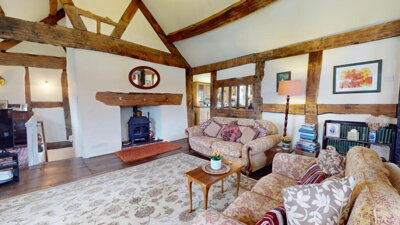
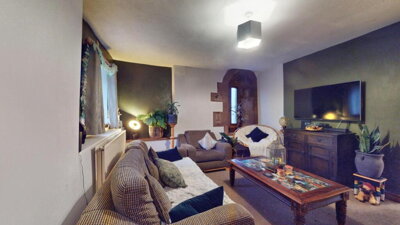
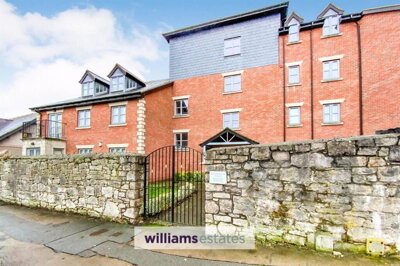
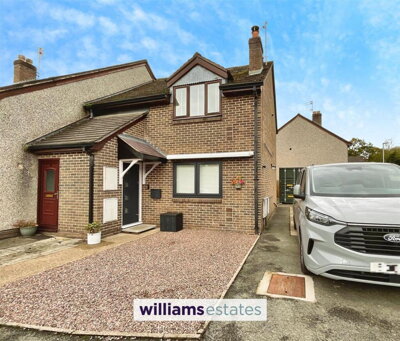
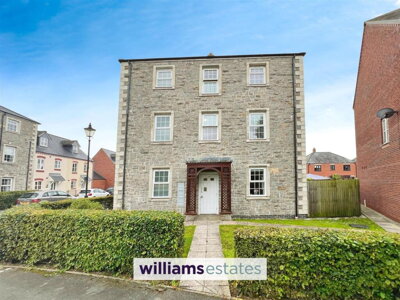
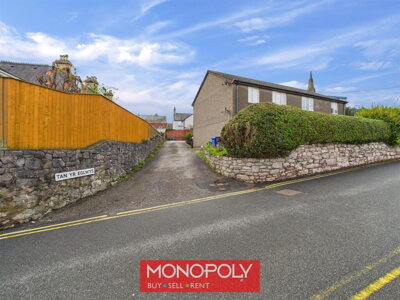
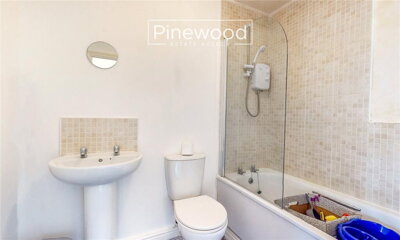
Browse 7 homes for sale in Efenechtyd, Denbighshire from local estate agents.
Studio apartments feature open-plan living spaces without separate bedrooms, incorporating sleeping, living, kitchen, and bathroom facilities. The Efenechtyd studio market includes properties in modern apartment complexes, converted Victorian and Georgian buildings, and purpose-built developments.
£0k
0
0
0
Source: home.co.uk
Showing 0 results for Studio Flats for sale in Efenechtyd, Denbighshire.
The Combrook property market reflects the character of the village itself - small-scale, distinctive, and characterised by period properties rather than modern developments. Our listings include detached family homes, charming cottages, and substantial country houses that rarely come to market. The average sold price for properties in Combrook over the last year stands at £400,000, while the CV35 9HP postcode shows a current average value of £531,185 as of September 2025. Recent transactions demonstrate the range available, from a semi-detached house at 41 Combrook Road that sold for £400,000 in September 2025 to a detached property at 25 School Lane that achieved £732,500 in February 2024.
Over the past decade, the CV35 9HP sales market has increased by 26.2%, showing sustained long-term growth despite recent price adjustments. Historical data shows prices were 45% down on the previous year and 41% down on the 2021 peak of £676,667 for the specific postcode area. The market has seen significant variation, with overall sold prices in Combrook 68% down on the 2016 peak of £1,250,000. At the upper end of the market, a six-bedroom detached period house was listed for £3,750,000 in November 2025, reduced from £3,950,000, illustrating the availability of substantial country houses in this sought-after village. A five-bedroom detached house in Compton Fields, Combrook, was listed for £1,750,000 in May 2025, having previously sold for £1,164,000 in April 2018, demonstrating strong value appreciation for quality period properties.
The CV35 9HP postcode has recorded 41 sales since 1995, with a total of 51 property transactions involving 32 unique properties, indicating a settled village with limited turnover. New build activity is extremely rare within Combrook itself - an exclusive five-property development by Kendrick Homes completed near Compton Fields in late 2020 represents one of the few recent additions to the village's housing stock. This scarcity of new development means buyers are primarily looking at characterful period properties, each with their own history and individual maintenance requirements.

Life in Combrook offers a rare glimpse of traditional English village life, unspoiled by modern development and steeped in history. The village traces its origins to at least 1086 during the reign of Henry I and was historically an estate village for the nearby Compton Verney manor, where until 1929 the Lord of the Manor controlled who could live there. This fascinating heritage has shaped the village's distinctive character, with many properties designed by the Victorian architect John Gibson in a cohesive Victorian neo-Elizabethan style, including estate houses and the distinctive horse drinking troughs that still exist in the village today.
The architectural variety in Combrook reflects its long history and estate village origins. Combrook House, a Grade II listed building with probable 17th-century origins and 16th-century roots as a school, is constructed of coursed limestone with elegant mullioned windows. The Church of St. Mary and St. Margaret, dating from between 1125 and 1150, features a 19th-century rebuild with white stone rubble and Hornton dressings, and a Medieval cross remains in its churchyard. Several houses in the village retain their original thatched roofs, adding to the picturesque rural character that makes Combrook so visually appealing to buyers seeking character properties.
Combrook is bounded by the River Dene to the south, providing attractive walks along the water's edge through the surrounding undulating countryside. The village forms part of the Leamington Spa Travel To Work Area, connecting residents to employment opportunities in the surrounding market towns while maintaining the peaceful village atmosphere. The village has a low deprivation score, ranked 19,918 out of 32,844 areas in England, indicating a prosperous and desirable place to live. With only 67 households according to the 2021 census, Combrook maintains an intimate community where neighbours are known to one another and village events bring residents together throughout the year.

Understanding the local construction methods is essential when purchasing property in Combrook, as the village's period properties feature specific building materials and techniques that differ from modern construction. The predominant building material in the village is limestone, sourced from local quarries, which is evident in structures such as Combrook House and the Church of St. Mary and St. Margaret. Properties constructed from this local stone may exhibit particular characteristics related to the regional geology, including variations in wall thickness and traditional lime-based mortars that require specific maintenance approaches.
Several properties in Combrook retain their original thatched roofs, which represent both a charming period feature and a significant consideration for prospective buyers. Thatched properties require specialist insurance coverage and regular maintenance from experienced craftsmen who understand traditional roofing techniques. The presence of thatch also affects how properties perform in terms of insulation and weather resistance, so buyers should factor in potential additional costs for specialist surveys and ongoing maintenance when considering these traditional village homes.
The Victorian neo-Elizabethan estate houses in Combrook, designed by John Gibson during the estate village period, represent another significant element of the village's architectural heritage. These properties often feature distinctive design elements including steeply pitched roofs, decorative half-timbering, and generous proportions typical of the Victorian era's interpretation of Elizabethan architecture. Properties within any designated heritage boundaries may be subject to planning restrictions that affect permitted development rights, so buyers should investigate the implications for their intended use and any planned modifications. The village's proximity to the River Dene means buyers should also enquire about flood risk assessments and any history of flooding in specific locations, particularly for properties situated in lower-lying areas of the village.
Families considering a move to Combrook will find a selection of educational options within easy reach in the surrounding Warwickshire countryside. The village itself is served by primary schools in nearby villages, with several well-regarded primary schools located within a short drive in towns such as Kineton, Wellesbourne, and Bishop's Tachbrook. These village primary schools typically serve tight-knit rural communities and provide a solid foundation for primary education in a supportive setting with smaller class sizes than often found in larger towns. Parents should visit potential schools and speak with headteachers to understand their specific approach and ethos before committing to a property purchase.
For secondary education, students typically travel to schools in Stratford-upon-Avon, Warwick, or Leamington Spa, all accessible from Combrook by car or public transport. Stratford-upon-Avon hosts several secondary schools including the highly regarded King Edward VI School, a selective grammar school with a strong academic reputation that has existed since 1550. Warwick School is another notable independent option, while the town also offers comprehensive secondary schools serving the local population. Leamington Spa provides additional options including Trinity Catholic School and Campion School, both of which serve students from the surrounding villages.
Parents should research specific school catchment areas and admission policies, as these can vary significantly and may influence property values in particular streets or neighbourhoods. Warwickshire County Council handles school admissions, and catchment boundaries do not necessarily follow postcode areas or parish boundaries. Early enquiry with Warwickshire County Council's admissions team is recommended when planning a school move to the area, particularly for popular oversubscribed schools where meeting the admissions criteria can be competitive. For families with children at different educational stages, the logistics of transporting children to multiple schools across different towns should be factored into the overall move planning.
Despite its rural village setting, Combrook benefits from reasonable transport connections to surrounding towns and cities for a village of its size. The village sits approximately 8 miles from Stratford-upon-Avon and around 7 miles from Warwick, both offering comprehensive shopping, dining, and leisure facilities. Leamington Spa, known for its elegant Regency architecture and vibrant town centre, is approximately 10 miles away and provides additional amenities and employment opportunities. The M40 motorway is accessible via Warwick (Junction 12), connecting Combrook to Birmingham to the north-west, Oxford to the east, and London to the south-east.
For rail travel, the nearest stations include Warwick Parkway and Stratford-upon-Avon Parkway, offering regular services to Birmingham, London Marylebone, and other regional destinations. Warwick Parkway station provides parking facilities and is popular with commuters, while Stratford-upon-Avon Parkway offers direct connections to London Marylebone via the Chiltern Main Line. Leamington Spa station provides more frequent services including direct connections to London Paddington via the West Coast Main Line, making it a practical option for regular commuters to the capital.
Daily commuters should factor in journey times when considering properties in Combrook, as the rural roads leading to main routes can add travel time compared to more urban locations. The B4087 and surrounding country lanes provide access to the village, and while scenic, they require confident driving especially during winter months when visibility can be reduced and rural roads may be affected by weather conditions. Bus services connect Combrook to surrounding villages and towns, though timings may be limited, making car ownership practically essential for residents. A village car scheme operates in some surrounding parishes, providing transport for residents without access to private vehicles for essential journeys such as medical appointments and shopping.
Start by exploring current listings in Combrook to understand what is available at your budget. The village has approximately 65 properties, with detached houses commanding the highest prices. Recent sales range from £400,000 for semi-detached properties to over £3 million for substantial period estates. With limited turnover in the village - only 41 recorded sales in CV35 9HP since 1995 - patience may be required to find the right property that matches your criteria.
Obtain a mortgage agreement in principle before viewing properties. With average values around £531,185 in CV35 9HP, most buyers will require mortgage financing. Contact local brokers who understand the Warwickshire rural property market and can advise on suitable products for period properties. For listed buildings or non-standard construction such as thatched properties, some lenders have specific requirements or may require additional valuations, so early broker engagement is advisable.
Schedule viewings of properties that match your criteria. Consider factors such as proximity to the River Dene, any conservation area restrictions, and the condition of period features like thatched roofs, listed status, and original windows. Take detailed notes and photographs to help compare properties later, and consider visiting villages at different times of day to understand the local atmosphere and traffic patterns.
Before purchasing any property, especially period homes with age-related issues, book a RICS Level 2 Homebuyer Report. This survey identifies structural concerns, maintenance needs, and potential issues with older properties common in villages like Combrook. For substantial period estates or listed buildings, a RICS Level 3 Building Survey may be more appropriate to provide a thorough assessment of the property's condition.
Choose a solicitor experienced in rural Warwickshire property transactions. They will handle searches, contracts, and registration. For listed buildings or properties in conservation areas, additional checks may be required regarding planning permissions, previous alterations, and any conditions attached to the property. Rural searches typically include drainage and water searches, environmental searches, and planning history checks specific to the property and neighbouring land.
Once all surveys, searches, and finances are in order, you will exchange contracts and pay your deposit, typically 10% of the purchase price. Completion typically follows within weeks, and you will receive your keys to your new Combrook home. Arrange for buildings insurance to be in place from the completion date, and notify the local authority of your change of address. Consider introducing yourself to neighbours, as village communities often appreciate new residents taking the time to make contact.
Purchasing a property in Combrook requires careful consideration of several factors unique to historic rural villages. Properties in the village may include listed buildings or fall within conservation area boundaries, which impose restrictions on alterations, extensions, and exterior changes. The Grade II listed Combrook House and other period properties require listed building consent for significant works, and buyers should budget for potentially higher maintenance costs associated with historic properties. Failure to obtain necessary consents before undertaking works can result in enforcement action and the requirement to restore the property to its original condition.
Building materials in Combrook properties reflect the local geology and traditional construction methods. Several village houses feature original thatched roofs, which require specialist maintenance and insurance considerations. Properties constructed from limestone, like Combrook House, may be susceptible to specific issues relating to the local stone type, and a thorough understanding of previous maintenance and any repairs undertaken is advisable. A thorough building survey is essential for any period property purchase, and buyers should not economise on survey costs given the potential for hidden defects in older properties.
Additionally, the village's proximity to the River Dene means buyers should enquire about flood risk and any history of flooding in specific locations. While the village has not experienced significant flooding events in recent years, properties in lower-lying positions near the river should be assessed individually. Other practical considerations include the condition of private drainage systems, which serve many village properties, and the availability of broadband services, which can vary in rural locations despite improvements in recent years.
The average sold price for properties in Combrook over the last year is £400,000. For the specific postcode CV35 9HP, the current average property value stands at £531,185 as of September 2025. Recent sales include a semi-detached house at 41 Combrook Road that sold for £400,000 in September 2025 and a detached property at 25 School Lane that achieved £732,500 in February 2024. The village also offers substantial period estates at the upper end of the market, with a six-bedroom detached house recently listed for £3,750,000. Over the past decade, the CV35 9HP market has demonstrated 26.2% growth despite recent fluctuations.
Properties in Combrook fall under Stratford-on-Avon District Council for council tax purposes. The village's rural character and mix of period properties mean council tax bands vary significantly depending on property type, size, and value. Larger detached country houses and period estates typically fall into higher bands, while smaller cottages may be in moderate bands. Contact Stratford-on-Avon District Council directly or view the Valuation Office Agency website for specific band information on individual properties. Council tax payments in Warwickshire fund local services including education, waste collection, and local infrastructure maintenance.
Combrook itself does not have a school, with primary schooling available in nearby villages including Kineton, Wellesbourne, and Bishop's Tachbrook. Primary schools in these villages serve the surrounding rural communities and typically offer smaller class sizes than urban schools. For secondary education, students commonly travel to Stratford-upon-Avon, Warwick, or Leamington Spa, with options ranging from selective grammar schools like King Edward VI School in Stratford-upon-Avon to comprehensive schools in the surrounding towns. Warwickshire County Council handles school admissions, and parents should check specific catchment areas as eligibility for popular schools can be competitive and may influence property purchase decisions in particular streets.
Combrook is a rural village where public transport options are limited compared to urban areas. Bus services connect the village to surrounding towns and villages, though frequencies are reduced, with some services operating only on specific days. For rail travel, the nearest stations are Warwick Parkway and Stratford-upon-Avon Parkway, with more frequent services available from Leamington Spa including direct trains to London Paddington. The M40 motorway is accessible via Warwick Junction 12, connecting the village to Birmingham, Oxford, and London. Car ownership is effectively essential for most residents given the limited public transport provision, and daily commuters should factor in journey times of approximately 30-45 minutes to reach major employment centres.
Combrook offers potential for property investment given its desirable rural location within Warwickshire and limited supply of properties coming to market. Over the past 10 years, the CV35 9HP market has increased by 26.2%, demonstrating long-term value growth that has outpaced some urban areas. The village's heritage status, distinctive architectural character, and proximity to Compton Verney and the River Dene attract buyers seeking authentic English village life. However, the rural location with limited local amenities and reduced public transport may affect rental demand, so investors should carefully consider their target market, whether that is families seeking a village lifestyle, retirees, or professionals working remotely who value countryside living.
Stamp Duty Land Tax rates for residential properties purchased from November 2024 are: 0% on the first £250,000 of the purchase price, 5% on the portion between £250,001 and £925,000, 10% on amounts between £925,001 and £1.5 million, and 12% on any amount exceeding £1.5 million. First-time buyers benefit from increased thresholds, paying 0% on the first £425,000 and 5% between £425,001 and £625,000. Given that many Combrook properties exceed £400,000, most buyers beyond the first-time buyer threshold will pay stamp duty. For example, a property priced at the CV35 9HP average of £531,185 would incur approximately £14,059 in SDLT for a standard buyer, while a £1,750,000 property would attract SDLT of approximately £117,750.
Buying a property in Combrook involves several costs beyond the purchase price that should be factored into your budget from the outset. Stamp Duty Land Tax (SDLT) is calculated on a tiered system: 0% on the first £250,000, 5% between £250,001 and £925,000, 10% between £925,001 and £1.5 million, and 12% on any amount exceeding £1.5 million. First-time buyers enjoy increased thresholds, paying 0% on the first £425,000 and 5% between £425,001 and £625,000. Given the average property value in CV35 9HP of £531,185, a standard buyer would expect to pay approximately £14,059 in stamp duty, while a buyer of a £1,750,000 period estate would face SDLT of approximately £97,750.
Additional buying costs include solicitor fees for conveyancing, typically ranging from £500 to £1,500 depending on complexity and whether the property is a listed building or has an unusual tenure. Survey costs for a RICS Level 2 Homebuyer Report start from around £350 for a modest property, rising to £1,000 or more for larger period homes, though this investment is essential for properties where age-related issues may be present. Mortgage arrangement fees, typically 0.5% to 1.5% of the loan amount, and valuation fees should also be budgeted for. For thatched properties, specialist insurance providers may be required, which can increase insurance costs compared to standard properties. Early financial preparation ensures a smooth purchase transaction for your new Combrook home.
From £350
A professional survey essential for period properties in Combrook. Identifies structural concerns, maintenance needs, and age-related issues common in historic homes.
From £500
Comprehensive structural survey recommended for older period properties, listed buildings, and substantial country houses in Combrook.
From £60
Energy Performance Certificate required for all property sales. Provides energy efficiency ratings and recommendations for improvements.
From £499
Professional legal services for your property transaction. Solicitors experienced in rural Warwickshire property sales.
From 4.5%
Competitive mortgage rates for Combrook property purchases. Specialist advice for period and listed properties.
Properties for Sale In London

Properties for Sale In Plymouth

Properties for Sale In Liverpool

Properties for Sale In Glasgow

Properties for Sale In Sheffield

Properties for Sale In Edinburgh

Properties for Sale In Coventry

Properties for Sale In Bradford

Properties for Sale In Manchester

Properties for Sale In Birmingham

Properties for Sale In Bristol

Properties for Sale In Oxford

Properties for Sale In Leicester

Properties for Sale In Newcastle

Properties for Sale In Leeds

Properties for Sale In Southampton

Properties for Sale In Cardiff

Properties for Sale In Nottingham

Properties for Sale In Norwich

Properties for Sale In Brighton

Properties for Sale In Derby

Properties for Sale In Portsmouth

Properties for Sale In Northampton

Properties for Sale In Milton Keynes

Properties for Sale In Bournemouth

Properties for Sale In Bolton

Properties for Sale In Swansea

Properties for Sale In Swindon

Properties for Sale In Peterborough

Properties for Sale In Wolverhampton

Enter your details to see if this property is within your budget.
Loans, cards, car finance
Estimated property budget
Borrowing + deposit
You could borrow between
Typical borrowing
Monthly repayment
Est. at 4.5%
Loan-to-value
This is an estimate only. Your actual budget may vary depending on interest rates, credit history, and personal circumstances. For an accurate affordability assessment, speak to one of our free mortgage advisors.
This calculator provides estimates for illustrative purposes only and does not constitute financial advice. Your home may be repossessed if you do not keep up repayments on your mortgage. Estimates based on 4.5% interest rate, repayment mortgage. Actual rates depend on your circumstances.
Homemove is a trading name of HM Haus Group Ltd (Company No. 13873779, registered in England & Wales). Homemove Mortgages Ltd (Company No. 15947693) is an Appointed Representative of TMG Direct Limited, trading as TMG Mortgage Network, which is authorised and regulated by the Financial Conduct Authority (FRN 786245). Homemove Mortgages Ltd is entered on the FCA Register as an Appointed Representative (FRN 1022429). You can check registrations at NewRegister or by calling 0800 111 6768.

We use cookies to show you personalised content and improve your experience of our website. Find out more in our Privacy policy and Cookie policy.