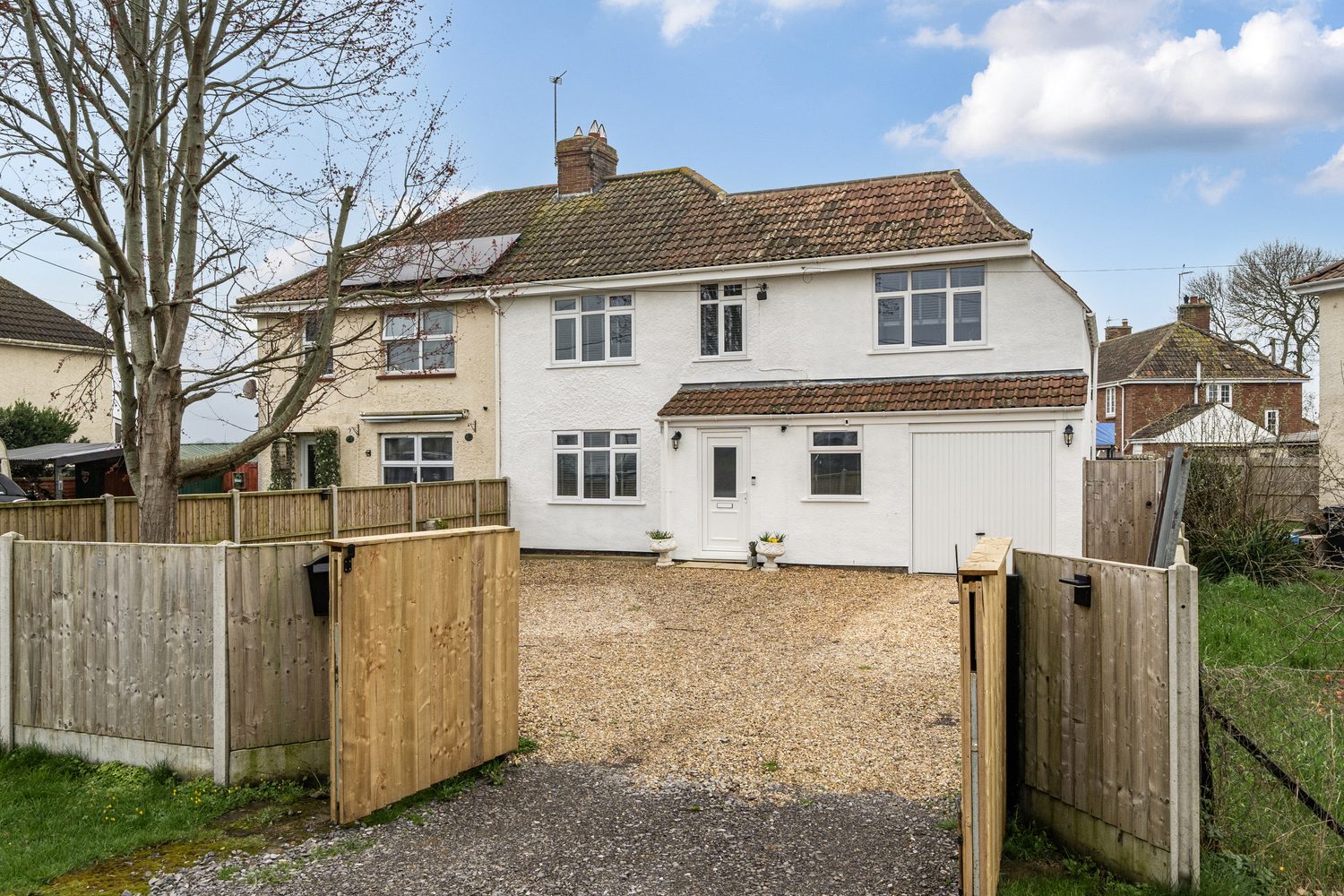
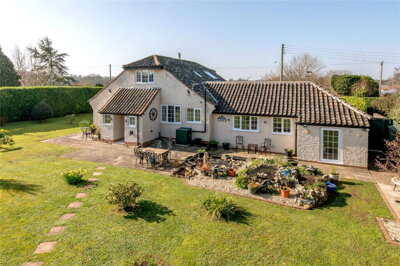
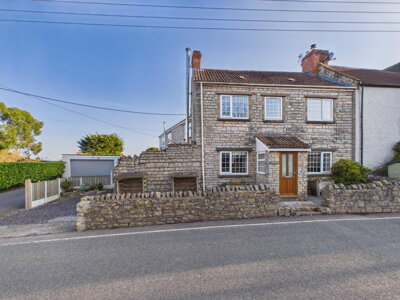
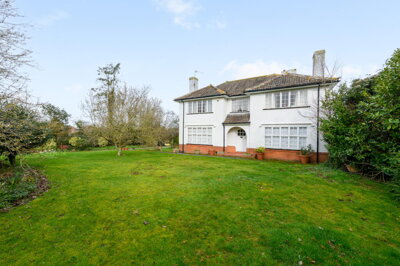
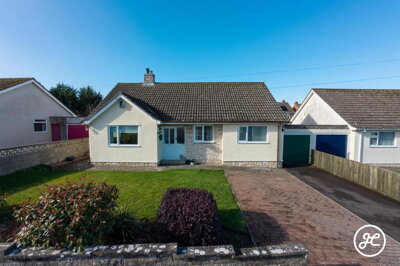
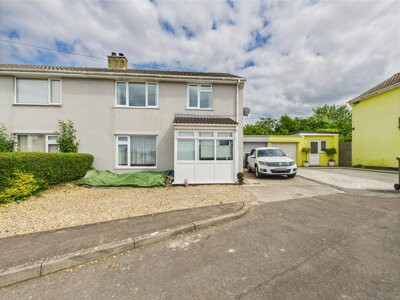
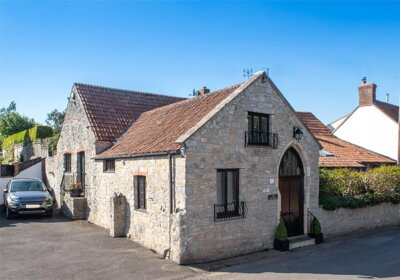
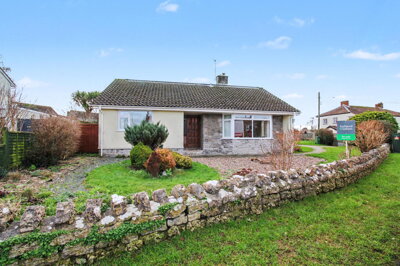
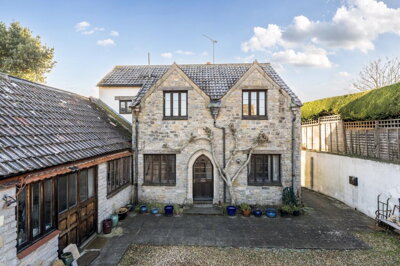
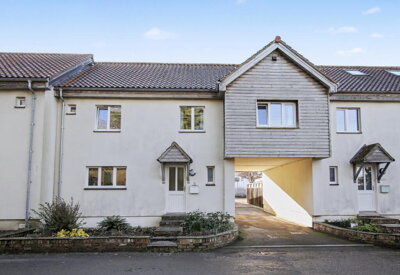
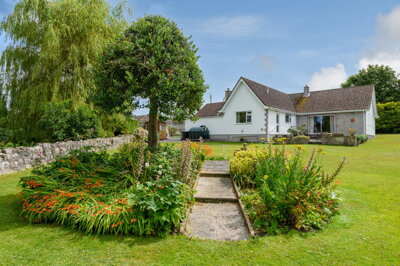
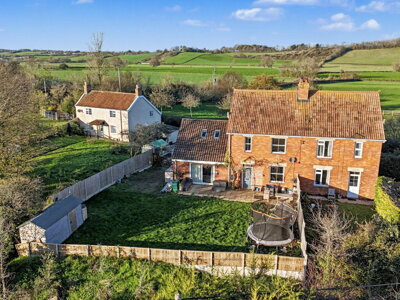
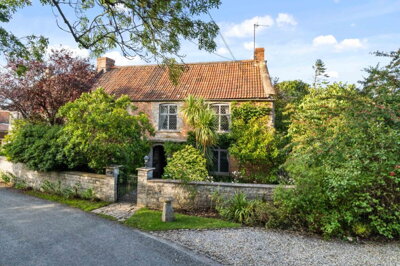
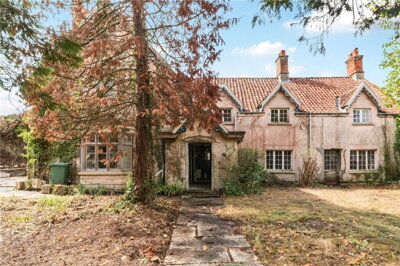
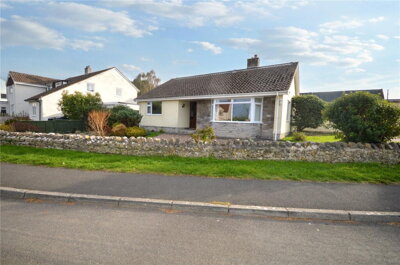
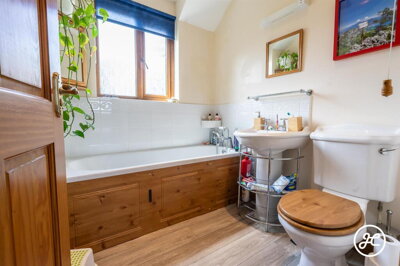
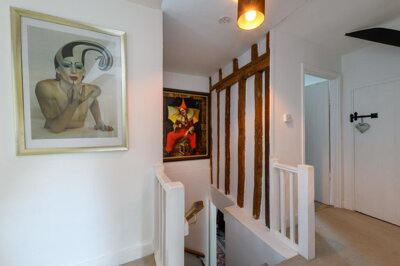
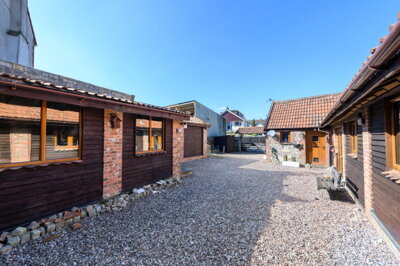
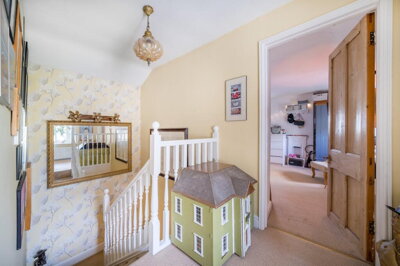
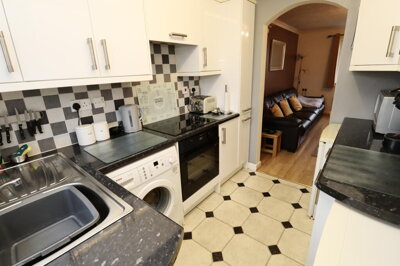
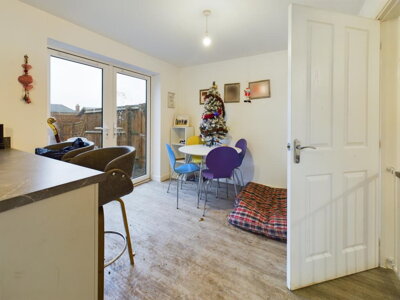
Browse 28 homes for sale in Edington from local estate agents.
The property market in Dunnerdale-with-Seathwaite reflects the unique dynamics of a small Lake District parish within a National Park. Our data shows that 4-bedroom detached houses are the most common property type available, commanding average prices of approximately £539,444. The broader market range spans from around £175,000 for smaller cottages up to £885,000 for premium period properties with substantial land or exceptional locations. Recent transactions in the wider LA20 postcode area include Long House in Seathwaite, which sold for £620,000 in October 2023, demonstrating sustained demand for quality homes in this valley.
The Lake District National Park designation significantly influences the property market here. Planning restrictions aim to preserve the character of the landscape, which means new build developments are exceptionally rare. Properties for sale typically include traditional stone-built cottages, farmhouses dating back to the 17th and 18th centuries, converted agricultural buildings, and a selection of more recent bungalows and family homes. The limited supply pipeline means that when properties do come to market, they attract strong interest from buyers seeking the authentic Lake District lifestyle that Dunnerdale-with-Seathwaite uniquely provides.
Historical sales in the area illustrate the sustained value of period properties in this valley. Hall Dunnerdale Farm, Seathwaite, sold for £415,000 in May 2003, showing how significant rural holdings in this location have held their value over two decades. Our inspectors frequently note that properties in this parish require careful assessment due to their age and traditional construction methods, making a thorough survey before purchase particularly valuable for prospective buyers.
Life in Dunnerdale-with-Seathwaite offers an authentic taste of Lakeland living in one of the most unspoiled valleys in the National Park. The civil parish sits along the River Duddon, with the river shaping both the landscape and the character of the communities that have settled here over centuries. Historically, the local economy centred on hill farming, supplemented by medieval bloomeries, lead and copper mining in the early 19th century including operations at Seathwaite Mine and Dunnerdale Mine, and large-scale slate quarrying that dominated the later Victorian period. A yarn spinning mill operated in the 1820s, adding to the local industrial heritage.
Today, tourism and related services form an important part of community life, though the parish maintains its agricultural roots with farms continuing to work the valley sides and fells. The population of 109 represents a significant decline from the peak of 299 residents recorded in 1881, when mining and quarrying were at their height, but the community remains active and connected. Local residents enjoy exceptional access to the Lakeland fells, with walking routes to Coniston Water, the Duddon Valley, and the high grounds above Seathwaite. The absence of major through-roads preserves a sense of tranquility that is increasingly rare in popular tourist destinations.
The parish contains several notable historic structures that define its character. Birks Bridge, Rawfold Bridge, Seathwaite Bridge, Shop Bridge, Ulpha Bridge, and Water Yeat Bridge all carry Grade II listing, reflecting their importance to the architectural heritage of the area. The Church of Holy Trinity in Seathwaite serves as a focal point for the community, while properties such as Dunnerdale Hall Farmhouse and Hesketh Hall represent the substantial 18th-century farmsteads that still stand in the valley. The blend of ecclesiastical, agricultural, and infrastructure heritage creates a built environment that prospective buyers should appreciate for its historical significance.

Families considering a move to Dunnerdale-with-Seathwaite will find the educational options are those typical of a small rural parish within a National Park. The closest primary schools are located in the surrounding villages of the South Lakeland district, with small village schools serving the immediate area. Parents should research specific catchment areas and current school placements, as rural school provision often requires careful planning for families living in dispersed communities like this parish. Our team frequently advises buyers to confirm school placements before committing to a purchase, given the practical logistics involved.
Secondary education options in the area include schools in the nearby market towns of Millom, Broughton-in-Furness, and potentially Ulverston, depending on exact residential location within the parish. Transport arrangements for secondary school pupils typically involve school bus services connecting to these towns. For families prioritising educational access, proximity to specific schools should be factored into property search criteria, as the rural nature of Dunnerdale-with-Seathwaite means travel times can be longer than in urban areas. Sixth form and further education provision is available at schools and colleges in the wider South Lakeland area.
The geography of the Lake District means that school transport can involve significant journey times, particularly during winter months when weather conditions may affect routes through the valley. We recommend that families visit potential schools and understand the full implications of rural education logistics before purchasing property here. The investment in a Lake District property often comes with the trade-off of accepting longer school runs, but many families find the quality of life benefits outweigh these practical considerations.
Transport connectivity from Dunnerdale-with-Seathwaite reflects its status as a small rural parish within a National Park. The nearest railway stations are located in the wider area, with connections to the national rail network via stations in Cumbria. The A593 and local roads provide access to surrounding towns and villages, though the winding nature of Lakeland roads means journey times can be longer than distances might suggest. The nearest towns for regular amenities include Broughton-in-Furness and Millom.
For those working in the area or commuting to larger centres, car ownership is effectively essential in Dunnerdale-with-Seathwaite. The road network connects the valley to the Lake District road system, providing access to Windermere, Keswick, and the coastal towns of West Cumbria. The nearest major motorway access is via the A590 connecting to the M6. Bus services connect the parish to surrounding communities, though frequencies reflect the rural nature of the area. Many residents enjoy the relative isolation and understand that the lack of through-traffic is part of the appeal of living in this beautiful valley.
Our inspectors who travel to the area for property surveys often note the importance of allowing extra time for journeys, particularly during peak tourist season when additional traffic uses the narrow valley roads. The A593 runs through the parish, connecting to the A595 and providing routes to the coast and the Furness peninsula. For residents travelling to Barrow-in-Furness or Workington for employment, the journey involves either the coastal A595 or routes through the South Lakes, both requiring significant travel time but offering scenic drives through the National Park.
Properties in Dunnerdale-with-Seathwaite showcase the traditional building methods that have served Lakeland communities for centuries. The geology of the area, based on material from the Borrowdale Volcanic Series around Seathwaite Tarn, has shaped both the landscape and the construction materials available to local builders. Properties are predominantly built from locally sourced stone, often with Westmorland slate roofs that blend seamlessly into the hillside scenery. Our surveyors frequently encounter lime-washed rubble walls on boulder plinths and coursed rubble with quoins, particularly in the older farmsteads and cottages that form the backbone of the parish housing stock.
The traditional construction methods used in this area require specific maintenance approaches that differ from modern building standards. Lime mortar, which was the universal building material before the introduction of Portland cement in the 19th century, remains the appropriate choice for repairs to these historic structures. Our inspectors always note that the use of inappropriate modern materials on listed buildings can cause lasting damage to the fabric of the property. Understanding these traditional building techniques is essential when assessing the condition of older properties in the parish.
The age of many properties in Dunnerdale-with-Seathwaite means that potential buyers should expect to encounter some features that differ from modern building regulations. Outbuildings and agricultural buildings that have been converted to residential use may have non-standard insulation, heating systems, or drainage arrangements. Our team has extensive experience surveying properties in the Lake District and understands how traditional construction interacts with modern living requirements.
Explore property listings and understand the unique dynamics of this Lake District parish property market. With an average price of £446,042 and limited stock due to National Park planning restrictions, patience is often required to find the right property. Our inspectors can provide condition reports on specific properties once you have identified your target home.
Before viewing properties, secure a mortgage agreement in principle from a lender. This demonstrates your financial credibility to estate agents and sellers, particularly important in a competitive market where properties are scarce. Given the higher values associated with Lake District properties, ensure your mortgage broker understands the rural property market.
View properties that match your criteria, paying attention to the condition of traditional stone buildings, potential maintenance requirements, and how the property sits within the National Park landscape. Consider seasonal variations in access and amenity availability, as weather conditions can affect the valley throughout the year.
Given the age of many properties in the area and the presence of listed buildings, a thorough survey is essential. The RICS Level 2 Survey provides detailed assessment of condition and any defects that may affect value or require attention. Our surveyors understand the specific construction types found in Dunnerdale-with-Seathwaite.
Appoint a solicitor experienced in rural and listed property transactions to handle the legal aspects of your purchase. They will manage searches, checks on planning history, and liaise with the Land Registry. Listed Building Consent requirements from the Lake District National Park Authority should be verified.
Once all checks are satisfactory and finance is confirmed, your solicitor will coordinate the exchange of contracts and final completion. Be prepared for the timescales typical of rural property transactions, which may involve additional searches related to National Park controls and listed building status.
Purchasing a property in Dunnerdale-with-Seathwaite requires careful consideration of factors specific to Lake District living. The presence of 19 Grade II listed buildings in the parish means that many properties carry historic designation, requiring planning permission for certain alterations and modifications. If you are considering works to a listed property, budget for the additional costs and timescales involved in obtaining Listed Building Consent from the Lake District National Park Authority.
Building materials in the area reflect the local geology and construction traditions. Properties are predominantly built from stone, often with Westmorland slate roofs, featuring lime-washed rubble walls on boulder plinths and coursed rubble with quoins. These traditional materials require appropriate maintenance and understanding, so factor potential repair costs into your budget. The borrowdale volcanic geology underlying the area shapes the landscape, and any extensions or new constructions should respect the established building traditions.
Flood risk should be considered given the proximity to the River Duddon. While specific flood risk assessments for individual properties require detailed searches, buyers should obtain drainage and water search results during conveyancing and consider the potential for fluvial flooding in valley locations. Properties in conservation areas and those subject to National Park planning controls may face restrictions on development potential, so understanding what changes are permissible is essential before committing to a purchase. Our inspectors always note the importance of understanding how traditional buildings perform in relation to moisture and weather exposure.

The average property price in the Hall Dunnerdale area (LA20 postcode) is £446,042, with prices typically ranging from £175,000 to £885,000 depending on property type, size, and location. Four-bedroom detached houses are the most common property type and command prices around £539,444 on average. The parish ranks as the 14th most expensive in South Lakeland, reflecting its desirability within the Lake District National Park. Recent sales such as Long House in Seathwaite selling for £620,000 in October 2023 demonstrate the premium commanded by quality period properties in this valley.
Properties in Dunnerdale-with-Seathwaite fall under Westmorland and Furness Council for council tax purposes. The specific band depends on the property valuation and type. Rural properties and traditional stone cottages may fall across various bands depending on their size and historic designation status. Prospective buyers should obtain the specific council tax band for any property they are considering, as this forms part of the ongoing costs of ownership. Listed buildings may have specific valuations that differ from standard residential properties.
Dunnerdale-with-Seathwaite is a small rural parish, so educational provision is typically found in nearby villages and towns. Primary schools in the surrounding South Lakeland area serve the local community, with secondary education available in towns like Broughton-in-Furness, Millom, and Ulverston. Families should research specific catchment areas and consider transport arrangements when evaluating schools for their children, as rural school transport can involve significant journey times through the Lake District road network.
Public transport options in Dunnerdale-with-Seathwaite are limited, reflecting its status as a small rural community within the Lake District National Park. Bus services connect the parish to surrounding villages and towns, though frequencies are typical of rural Cumbria. Car ownership is effectively essential for most residents due to the dispersed nature of the area and the limited public transport provision. The nearest railway stations are located in the wider region with connections to the national rail network via the West Coast Main Line.
Property in Dunnerdale-with-Seathwaite benefits from the scarcity created by Lake District National Park designation, which limits new development and maintains demand for existing homes. The area ranks among the more expensive parishes in South Lakeland, indicating sustained values. However, the small population and limited transaction volumes mean that property should be viewed primarily as a lifestyle investment rather than one generating significant rental income. National Park restrictions and the age of the housing stock require careful consideration of maintenance costs for traditional stone buildings.
Stamp Duty Land Tax applies at standard rates for purchases in Dunnerdale-with-Seathwaite. For residential purchases, you pay 0% on the first £250,000, 5% on £250,001 to £925,000, 10% on £925,001 to £1.5 million, and 12% above £1.5 million. First-time buyers benefit from relief on the first £425,000, paying 5% between £425,001 and £625,000. Given the average price of £446,042, most buyers would pay approximately £9,800 in stamp duty, though individual circumstances and purchase prices will vary.
When arranging a RICS Level 2 Survey for a property in Dunnerdale-with-Seathwaite, pay particular attention to the condition of stone walls, roof coverings, and any signs of damp or settlement in traditional buildings. Our inspectors check the integrity of lime mortar pointing, examine Westmorland slate roofing for damaged or slipped tiles, and assess how historic windows and doors have been maintained. Properties with listed building status may have had works carried out that require specific expertise to evaluate properly.
The Lake District National Park Authority exercises planning controls that affect property modifications in Dunnerdale-with-Seathwaite. Listed Building Consent is required for alterations to any of the 19 Grade II listed structures in the parish, including traditional farmsteads, bridges, and the Church of Holy Trinity. Our team advises buyers to understand these restrictions before purchasing, as renovation projects may face additional requirements compared to standard residential properties in non-protected areas.
Buying a property in Dunnerdale-with-Seathwaite involves several costs beyond the purchase price, with stamp duty being a significant consideration. At current rates, a residential purchase priced at the local average of £446,042 would incur stamp duty of approximately £9,800 for a standard buyer. First-time buyers may benefit from reduced rates under first-time buyer relief, potentially lowering this figure. The nil-rate threshold of £250,000 means that portion of any purchase attracts no stamp duty.
Additional buying costs to budget for include solicitor fees for conveyancing, which typically start from around £499 for a straightforward transaction but may be higher for properties involving listed buildings or complex titles. A RICS Level 2 Survey is strongly recommended for properties in this area, given the age of the housing stock and the prevalence of traditional construction. Survey costs typically start from £350 depending on property size and value. Searches including local authority, drainage, and environmental searches typically cost between £200 and £400. Removal costs, mortgage arrangement fees, and potential renovation costs for period properties should also be factored into your overall budget when calculating the true cost of purchasing in this beautiful Lakeland parish.
From £350
Recommended for all properties in Dunnerdale-with-Seathwaite given the age of the housing stock and prevalence of traditional construction
From £500
Comprehensive survey for older or listed properties requiring detailed assessment
From £80
Energy performance certificate required for all property sales
From £499
Expert solicitors handling rural and listed property transactions
From 4.5% APR
Competitive mortgage rates for Lake District properties
Properties for Sale In London

Properties for Sale In Plymouth

Properties for Sale In Liverpool

Properties for Sale In Glasgow

Properties for Sale In Sheffield

Properties for Sale In Edinburgh

Properties for Sale In Coventry

Properties for Sale In Bradford

Properties for Sale In Manchester

Properties for Sale In Birmingham

Properties for Sale In Bristol

Properties for Sale In Oxford

Properties for Sale In Leicester

Properties for Sale In Newcastle

Properties for Sale In Leeds

Properties for Sale In Southampton

Properties for Sale In Cardiff

Properties for Sale In Nottingham

Properties for Sale In Norwich

Properties for Sale In Brighton

Properties for Sale In Derby

Properties for Sale In Portsmouth

Properties for Sale In Northampton

Properties for Sale In Milton Keynes

Properties for Sale In Bournemouth

Properties for Sale In Bolton

Properties for Sale In Swansea

Properties for Sale In Swindon

Properties for Sale In Peterborough

Properties for Sale In Wolverhampton

Enter your details to see if this property is within your budget.
Loans, cards, car finance
Estimated property budget
Borrowing + deposit
You could borrow between
Typical borrowing
Monthly repayment
Est. at 4.5%
Loan-to-value
This is an estimate only. Your actual budget may vary depending on interest rates, credit history, and personal circumstances. For an accurate affordability assessment, speak to one of our free mortgage advisors.
This calculator provides estimates for illustrative purposes only and does not constitute financial advice. Your home may be repossessed if you do not keep up repayments on your mortgage. Estimates based on 4.5% interest rate, repayment mortgage. Actual rates depend on your circumstances.
Homemove is a trading name of HM Haus Group Ltd (Company No. 13873779, registered in England & Wales). Homemove Mortgages Ltd (Company No. 15947693) is an Appointed Representative of TMG Direct Limited, trading as TMG Mortgage Network, which is authorised and regulated by the Financial Conduct Authority (FRN 786245). Homemove Mortgages Ltd is entered on the FCA Register as an Appointed Representative (FRN 1022429). You can check registrations at NewRegister or by calling 0800 111 6768.

We use cookies to show you personalised content and improve your experience of our website. Find out more in our Privacy policy and Cookie policy.