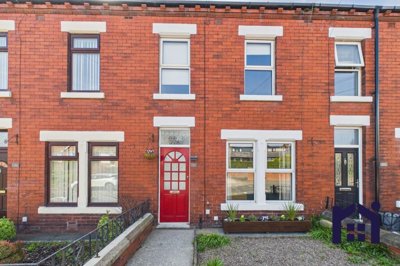
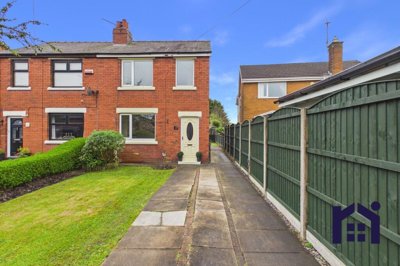
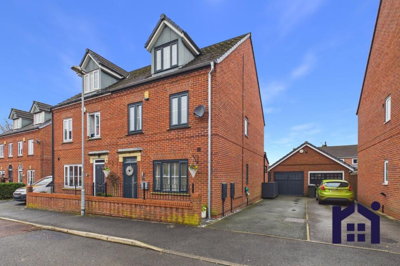
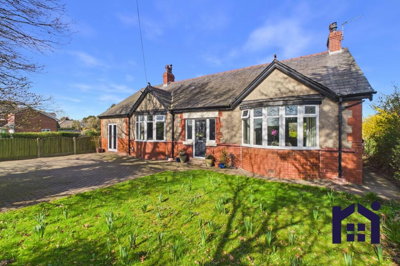
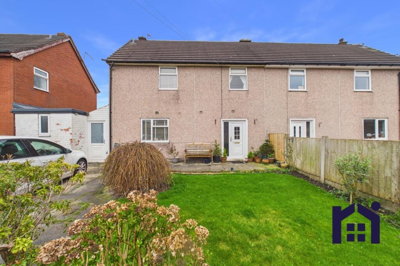
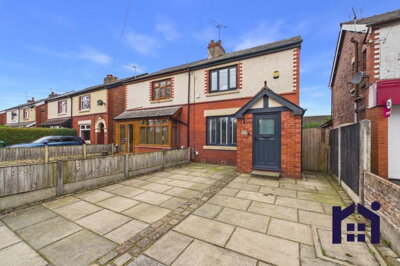
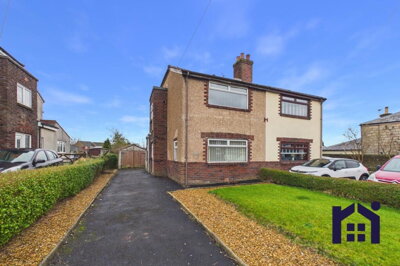
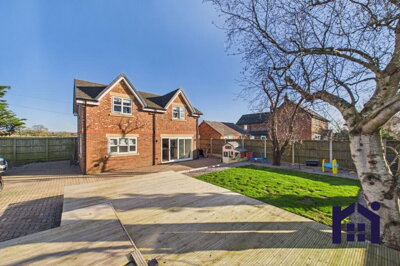
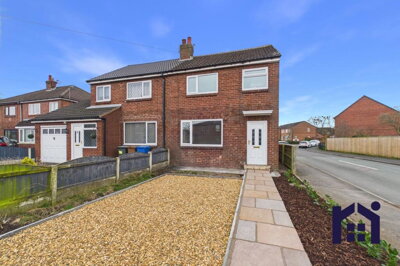
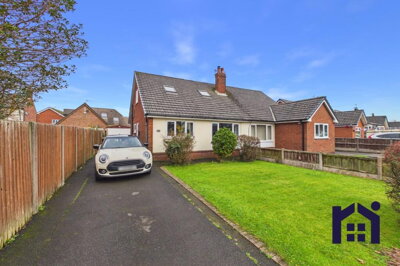
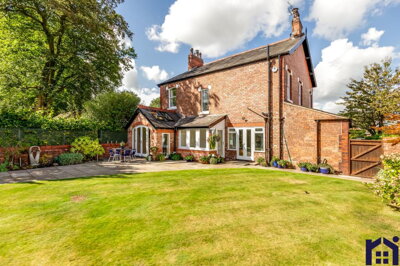
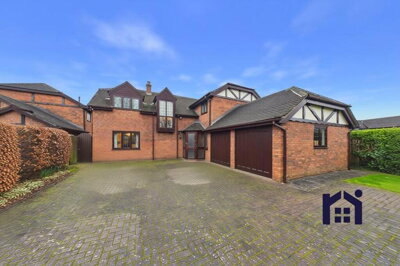
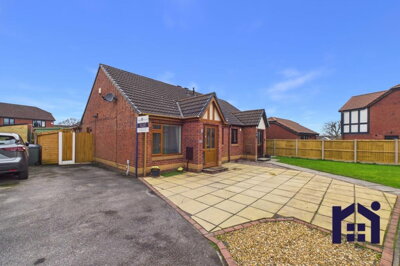
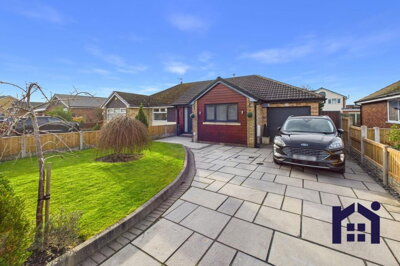
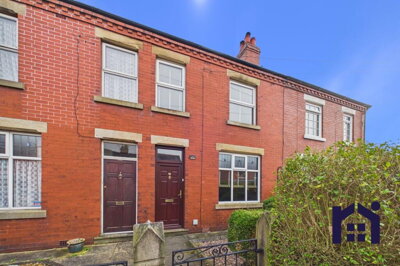
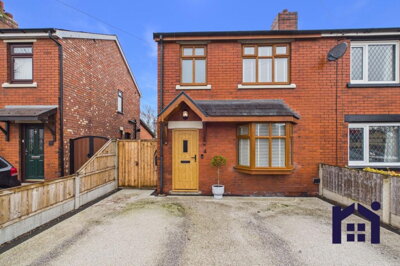
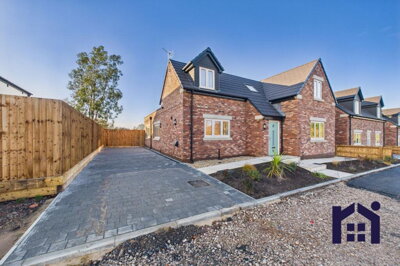
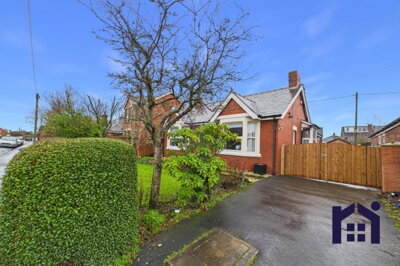
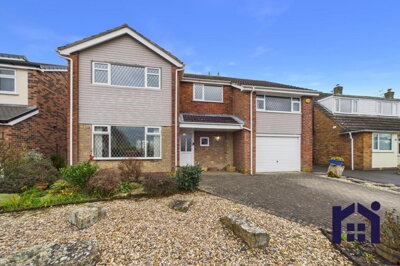
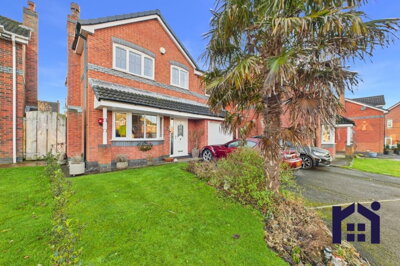
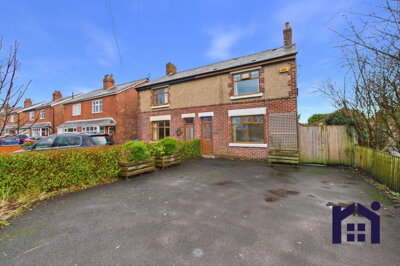
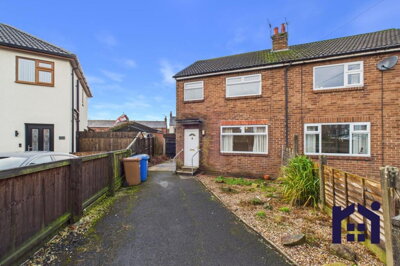
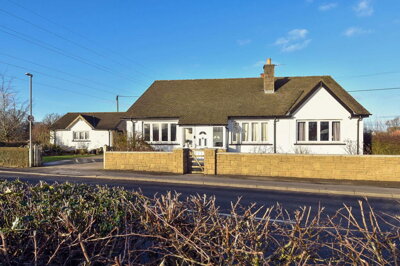
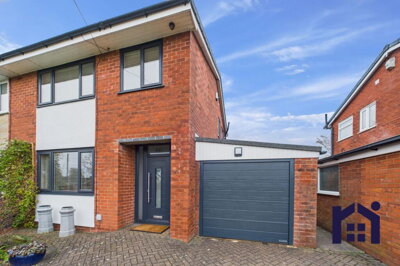
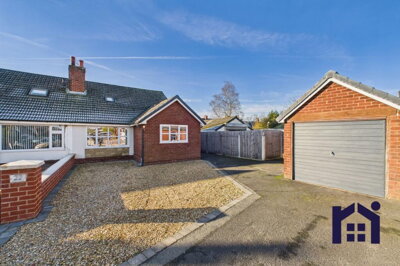
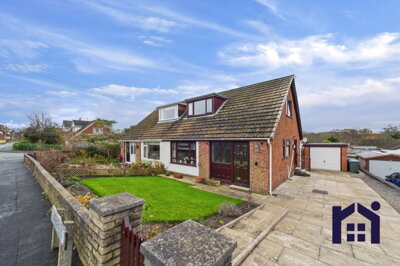
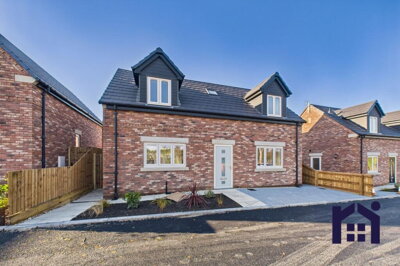
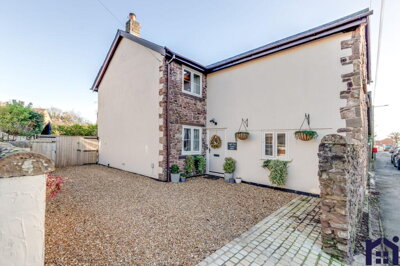
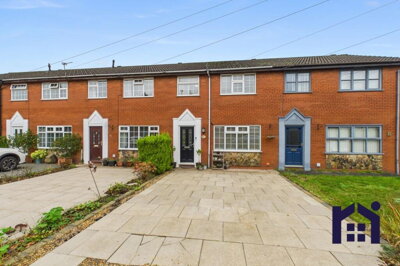
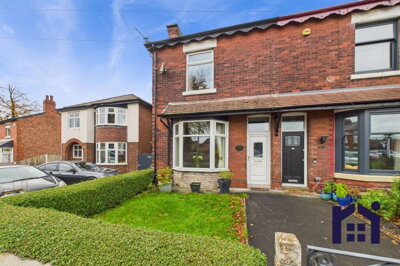
Browse 159 homes for sale in Eccleston from local estate agents.
The Eccleston housing market has demonstrated remarkable stability over the past year, with house prices holding steady at around £318,000 to £320,000. Our data shows prices are approximately 3% higher than the 2023 peak of £309,029, indicating sustained demand in this desirable village location. The market saw 135 recorded property sales in 2025, with Zoopla and Rightmove tracking many more transactions over longer periods, reflecting the consistent turnover in this active market.
Detached properties dominate the Eccleston market, commanding an average price of £425,708 and representing the majority of sales activity. Semi-detached homes average £251,323, offering excellent value for families seeking generous living space at a more accessible price point. Terraced properties provide an affordable entry into the village market, with averages around £160,600 to £183,313, while flats typically start from £150,000. The broader Chorley area has seen overall price growth of 1.8% from December 2024 to December 2025, with semi-detached properties performing particularly strongly at 2.8% growth.
The village features a mix of property ages and styles, from Victorian and Edwardian terraced homes on roads like Church Road and Mill Lane to 1930s semi-detached properties on streets such as Beech Road and Maple Close. These older properties often feature original character details including fireplaces, bay windows, and timber floors, though they may require updating of electrical and plumbing systems. Newer developments complement the established housing stock, providing modern alternatives for buyers seeking contemporary finishes and energy-efficient designs.

For buyers seeking modern living, Woodland Chase on Doctors Lane represents the primary new build development in Eccleston. This Redrow development offers an impressive selection of 4 and 5 bedroom detached homes priced from approximately £470,000 to £670,000. The development features popular house types including the Hampstead (5-bedroom), Ledsham (4-bedroom), Oxford (4-bedroom), Marlow (4-bedroom), and Henley (4-bedroom), catering to different family sizes and lifestyle requirements.
These Eco Electric homes from Redrow come with impressive energy-efficient features including underfloor heating and air source heat pumps, designed to reduce running costs and environmental impact. A standout property on the development includes a 4-bedroom detached home priced at £670,000, while other configurations range from £495,000 for more compact 4-bedroom options up to £650,000 for larger 5-bedroom variants. The combination of modern construction, energy efficiency, and the appeal of a new home without the hassle of self-build makes Woodland Chase an attractive option for buyers moving to Eccleston.
The Woodland Chase development is conveniently located on Doctors Lane, providing easy access to local amenities in Eccleston village centre. The development sits within walking distance of Eccleston Primary School and St Mary's Catholic Primary School, making it particularly appealing to families with young children. For daily shopping needs, Morrisons supermarket in Eccleston is approximately five minutes drive away, while Chorley town centre offers a wider range of retail and leisure facilities within ten minutes.

Eccleston embodies the appeal of Lancashire village life, offering residents a close-knit community atmosphere with the convenience of nearby urban centres. The village maintains its own character and identity within the Borough of Chorley, providing local amenities including shops, pubs, and recreational facilities while benefiting from the greater services available in nearby Chorley town. The area is characterised by a mix of housing styles spanning different eras, from traditional stone cottages to modern family homes, creating a diverse streetscape that appeals to varied tastes.
The village centre features essential services including a local convenience store, traditional public houses serving the community, and recreational spaces for families. Eccleston falls within the Eccleston civil parish, maintaining its administrative identity while benefiting from Chorley Borough Council services. The surrounding Lancashire countryside provides ample opportunities for outdoor recreation, with walking routes and green spaces accessible directly from the village. Residents appreciate the balance between rural tranquility and urban accessibility, with Preston reachable within approximately 20 minutes by car.
The community spirit in Eccleston is evident through regular village events and the presence of local clubs and societies. The village pub serves as a gathering point for residents, while community centres host activities throughout the year. For families, the village offers several parks and play areas where children can safely play, and the surrounding countryside provides excellent walking and cycling opportunities. The proximity to the M6 motorway makes day trips to the Lake District and coastal areas of Lancashire highly accessible for weekend adventures.

Education provision in Eccleston serves families with children of all ages, with primary schools located within the village and the surrounding area. Eccleston Primary School serves the immediate village community, while St Mary's Catholic Primary School provides faith-based education for families in the area. The local primary schools in Eccleston and nearby villages provide strong foundations for younger children, while secondary education options in Chorley and the wider Lancashire area offer excellent choices for older students. The presence of well-regarded schools significantly influences the area's appeal to families, contributing to sustained demand for family homes in Eccleston.
For families considering secondary education, the nearby town of Chorley provides several options including grammar schools and comprehensive schools serving the wider area. Students in Eccleston can access these facilities via regular bus services connecting the village to Chorley town centre and surrounding areas. The strong educational infrastructure, combined with the village's family-friendly character, makes Eccleston particularly popular among buyers with school-age children. Prospective buyers should research specific catchment areas and school performance data when considering properties in different parts of the village.
The school bus services that operate from Eccleston to secondary schools in Chorley provide a safe and reliable option for families without access to private transport. Many parents find that these services allow their children to attend highly-rated schools that would otherwise be beyond walking distance. The presence of good schools has a direct impact on property values in Eccleston, with homes in the catchment areas of top-performing schools often commanding premium prices.

Eccleston benefits from excellent connectivity, with the village well-positioned for commuters working in Preston, Liverpool, Manchester, and the surrounding Lancashire area. The M6 motorway is readily accessible from Eccleston, providing direct routes to major employment centres across the North West. The nearby A49 and A581 roads offer additional routes for local travel and connections to the wider road network, making car travel a practical option for most residents.
For those relying on public transport, Chorley railway station provides direct services to Preston, Manchester, Liverpool, and beyond, with regular trains throughout the day. Bus services connect Eccleston to Chorley town centre, enabling residents without cars to access shopping, services, and the railway station. The station at Chorley offers journey times of approximately 20 minutes to Preston, making it feasible for daily commuters to work in the city while enjoying village life. The excellent transport connections significantly enhance Eccleston's appeal to professionals seeking a better work-life balance.
The A581 provides a direct route from Eccleston to the M65 motorway, opening up connections to Blackburn, Burnley, and the wider East Lancashire area. For those working in Manchester, the drive to the city centre takes approximately 45 minutes via the M6 and M61, while Liverpool is reachable in around 40 minutes via the M58 and M6. These commute times make Eccleston attractive to professionals working across the North West who wish to enjoy village life while maintaining city-based careers.

Explore current listings on Homemove to understand property types, prices, and availability. We aggregate properties from all major estate agents in Eccleston, giving you a complete market overview. Consider visiting the village to get a feel for different neighbourhoods and proximity to schools, transport links, and local amenities.
Obtain a mortgage agreement in principle before viewing properties. This demonstrates your seriousness to sellers and estate agents, and helps you understand your true budget. Speak to our recommended mortgage brokers who can advise on the best deals available and guide you through the application process efficiently.
Use our platform to schedule viewings on properties that match your criteria. We recommend viewing several properties to compare options and understand what represents good value in the Eccleston market. Take notes on property condition, location specifics, and any questions about the property or area.
Once your offer is accepted, arrange a Level 2 Homebuyer Report to assess the property condition. Our RICS-qualified surveyors inspect the property for structural issues, maintenance concerns, and potential problems before you commit fully. This survey provides valuable negotiation leverage if issues are discovered and can save you thousands in unexpected repair costs.
Our recommended conveyancing solicitors handle the legal aspects of your purchase, including searches, contracts, and registration. They will liaise with your mortgage lender and the seller's solicitor to ensure a smooth transaction through to completion.
Once all searches are satisfactory and financing is confirmed, you will exchange contracts and agree a completion date. On completion day, you will receive the keys to your new Eccleston home. Our conveyancing service ensures all paperwork is processed correctly for a hassle-free move.
When purchasing property in Eccleston, understanding the specific property types and their characteristics helps you make an informed decision. Detached homes, which dominate the local market, offer space and privacy but typically command premium prices starting from around £425,000. Semi-detached properties provide an excellent middle ground, offering generous living space with gardens at more accessible price points averaging £251,000. Terraced homes in Eccleston represent the most affordable option, perfect for first-time buyers or those seeking a village location without the higher costs of detached living.
For properties in newer developments like Woodland Chase, buyers benefit from modern construction standards and energy-efficient features including air source heat pumps and underfloor heating. These Eco Electric homes typically offer lower running costs and require less maintenance than older properties. However, buyers should also consider the service charges and covenants associated with new developments. For older properties throughout Eccleston, arranging a thorough RICS Level 2 survey is particularly important to identify any issues with roofing, damp, or structural concerns common in properties of various ages.
Many of the terraced properties in Eccleston date from the Victorian and Edwardian periods, offering character features such as original fireplaces, high ceilings, and sash windows. These period features add considerable charm but may require ongoing maintenance. Prospective buyers should check the condition of timber windows, verify whether the property has been rewired and had plumbing updated, and assess the roof condition. Our recommended surveyors understand the common issues found in older Lancashire properties and provide thorough assessments that help you budget for any necessary repairs.

The average house price in Eccleston over the last year was approximately £318,551 according to Rightmove, with Zoopla reporting £320,165. The median sale price in 2025 was £262,000. Detached properties command the highest prices averaging £425,708, while semi-detached homes average £251,323 and terraced properties around £160,600 to £183,313. The market has remained stable with prices approximately 3% above the 2023 peak, making Eccleston a reliable location for property investment.
Properties in Eccleston fall under Chorley Borough Council. Council tax bands in the area range from Band A for lower-value properties up to Band H for the most expensive homes. Most detached family homes in Eccleston fall into Bands D to F, while terraced properties and smaller homes typically occupy Bands A to C. Exact bands depend on the specific property valuation, and you should verify the banding with Chorley Borough Council when considering a purchase. Council tax charges typically range from around £1,400 per year for Band A properties to over £3,000 for Band F homes.
Eccleston and the surrounding area offer good educational provision for children of all ages. The village has access to local primary schools including Eccleston Primary School and St Mary's Catholic Primary School, both serving the immediate community with good Ofsted ratings. Secondary education options in Chorley include several well-performing schools accessible by school transport or bus services. Families should research specific school catchment areas and current performance data to find the best options for their children.
Eccleston enjoys good public transport connections despite its village character. Regular bus services link the village to Chorley town centre, where residents can access the railway station for direct services to Preston, Manchester, and Liverpool. Chorley station offers approximately 20-minute journeys to Preston and regular services to Manchester Victoria. Bus routes throughout the day make commuting feasible without a car, while the proximity to the M6 motorway makes Eccleston equally practical for drivers.
The Eccleston property market has demonstrated consistent performance with stable prices and sustained demand. The village benefits from its proximity to major employment centres including Preston, Manchester, and Liverpool, making it attractive to commuters. The 1.8% price growth in the broader Chorley area and the ongoing new build development at Woodland Chase indicate continued market confidence. The village's family-friendly character, good schools, and transport links support both rental demand and long-term capital growth potential.
Stamp duty Land Tax (SDLT) rates for standard buyers start at 0% on the first £250,000 of property value, then 5% on the portion from £250,001 to £925,000. For a typical Eccleston home at £318,551, you would pay no SDLT on the first £250,000 and 5% on the remaining £68,551, totaling £3,427.50. First-time buyers benefit from relief on the first £425,000, meaning most first-time buyers in Eccleston would pay no SDLT at all on qualifying purchases.
Understanding the full costs of buying property in Eccleston helps you budget accurately for your purchase. Beyond the property price, SDLT represents the most significant additional cost. For a typical Eccleston home priced at around £318,551, a standard buyer would pay SDLT of £3,427.50, calculated at 5% on the amount above £250,000. First-time buyers purchasing properties up to £425,000 would qualify for relief on the first £425,000, meaning most first-time buyers in Eccleston would pay no SDLT whatsoever on qualifying purchases.
Beyond SDLT, budget for solicitor conveyancing costs typically ranging from £499 to £1,500 depending on complexity, mortgage arrangement fees of £0 to £1,500 depending on your chosen deal, and valuation fees of £200 to £500. A RICS Level 2 Homebuyer Report typically costs from £350 to £800 depending on property size, providing essential inspection of the property condition. An Energy Performance Certificate costs from £80 and is required for all sales. Moving costs, survey costs, and removal expenses should also be factored into your overall budget when calculating the true cost of purchasing your Eccleston home.
Properties for Sale In London

Properties for Sale In Plymouth

Properties for Sale In Liverpool

Properties for Sale In Glasgow

Properties for Sale In Sheffield

Properties for Sale In Edinburgh

Properties for Sale In Coventry

Properties for Sale In Bradford

Properties for Sale In Manchester

Properties for Sale In Birmingham

Properties for Sale In Bristol

Properties for Sale In Oxford

Properties for Sale In Leicester

Properties for Sale In Newcastle

Properties for Sale In Leeds

Properties for Sale In Southampton

Properties for Sale In Cardiff

Properties for Sale In Nottingham

Properties for Sale In Norwich

Properties for Sale In Brighton

Properties for Sale In Derby

Properties for Sale In Portsmouth

Properties for Sale In Northampton

Properties for Sale In Milton Keynes

Properties for Sale In Bournemouth

Properties for Sale In Bolton

Properties for Sale In Swansea

Properties for Sale In Swindon

Properties for Sale In Peterborough

Properties for Sale In Wolverhampton

Enter your details to see if this property is within your budget.
Loans, cards, car finance
Estimated property budget
Borrowing + deposit
You could borrow between
Typical borrowing
Monthly repayment
Est. at 4.5%
Loan-to-value
This is an estimate only. Your actual budget may vary depending on interest rates, credit history, and personal circumstances. For an accurate affordability assessment, speak to one of our free mortgage advisors.
This calculator provides estimates for illustrative purposes only and does not constitute financial advice. Your home may be repossessed if you do not keep up repayments on your mortgage. Estimates based on 4.5% interest rate, repayment mortgage. Actual rates depend on your circumstances.
Homemove is a trading name of HM Haus Group Ltd (Company No. 13873779, registered in England & Wales). Homemove Mortgages Ltd (Company No. 15947693) is an Appointed Representative of TMG Direct Limited, trading as TMG Mortgage Network, which is authorised and regulated by the Financial Conduct Authority (FRN 786245). Homemove Mortgages Ltd is entered on the FCA Register as an Appointed Representative (FRN 1022429). You can check registrations at NewRegister or by calling 0800 111 6768.

We use cookies to show you personalised content and improve your experience of our website. Find out more in our Privacy policy and Cookie policy.