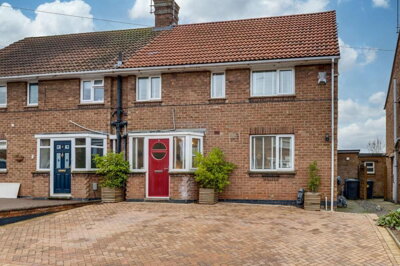
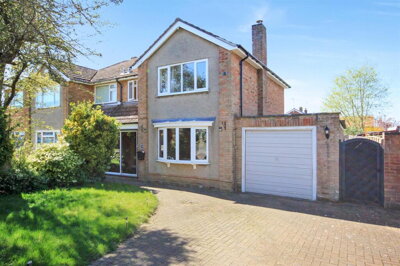
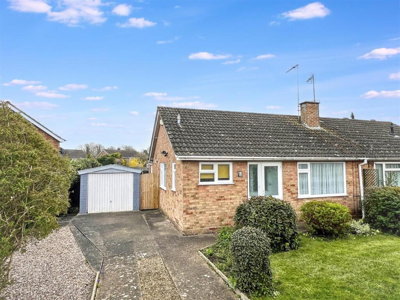
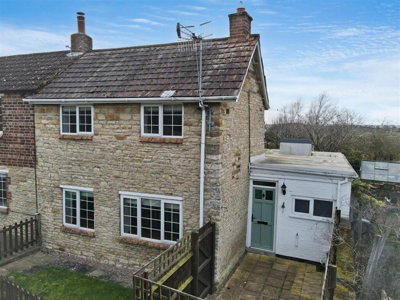
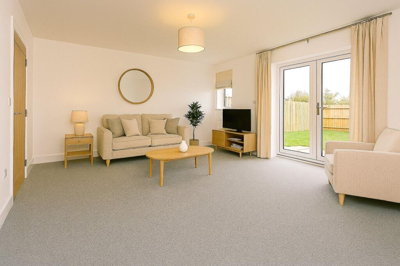
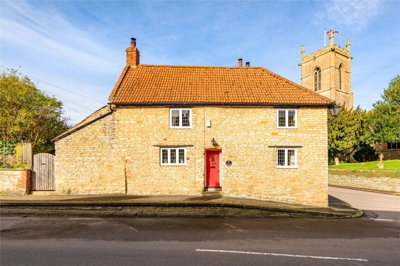
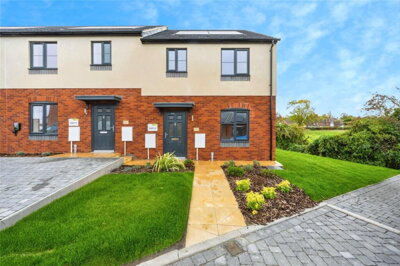
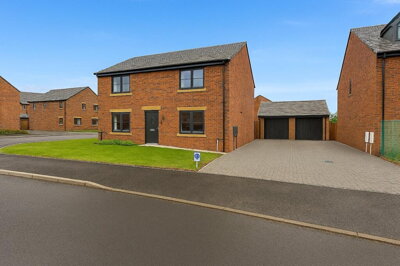
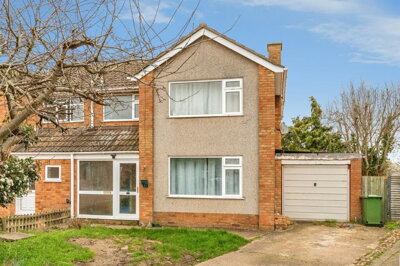
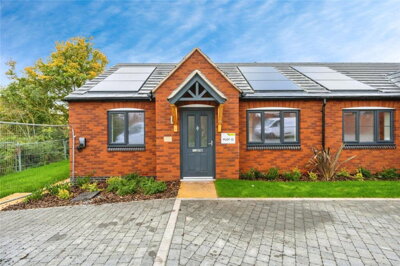
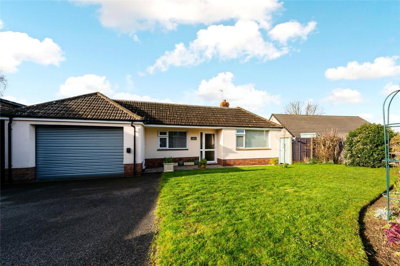
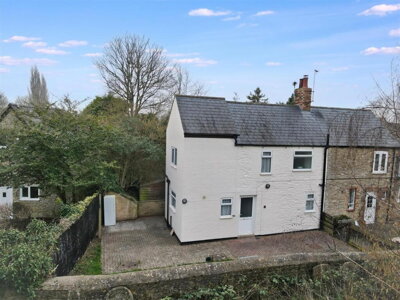
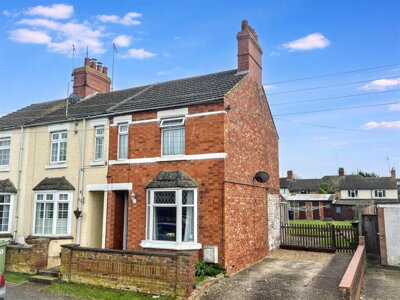
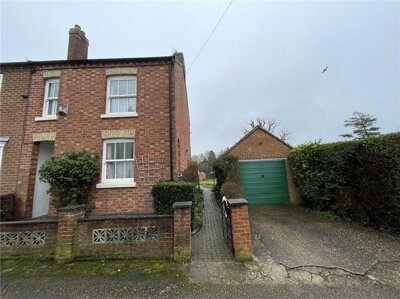
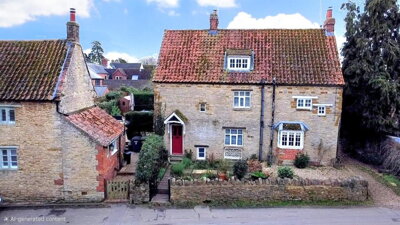
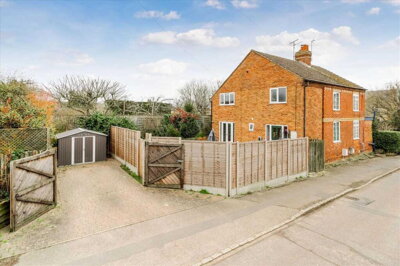
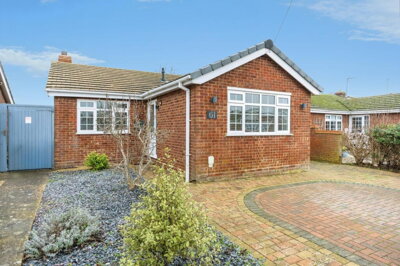
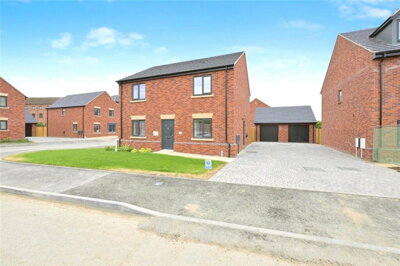
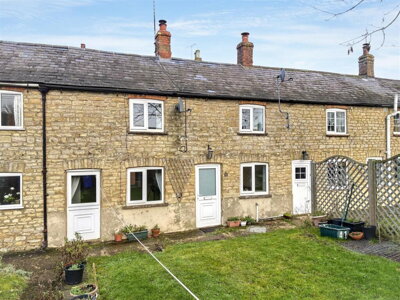
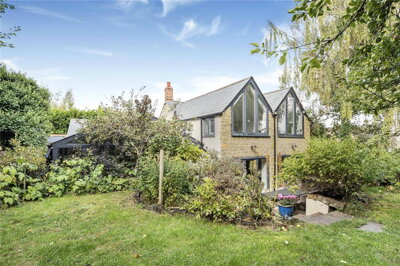
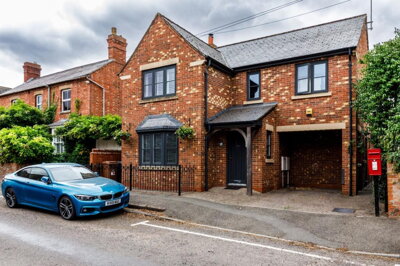
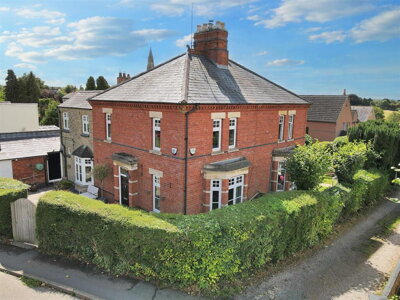
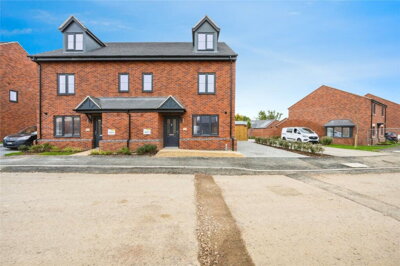
Browse 48 homes for sale in Easton Maudit from local estate agents.
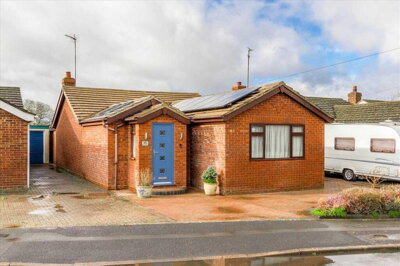
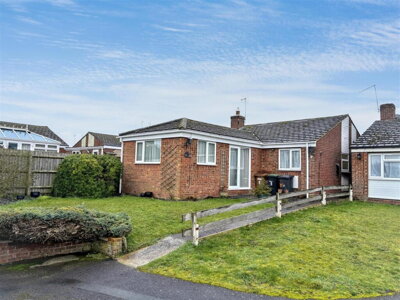
The Easton Maudit property market offers detached, semi-detached, and terraced houses spanning various price ranges and neighbourhoods. Each listing includes detailed property information, photographs, and direct contact with the marketing agent.
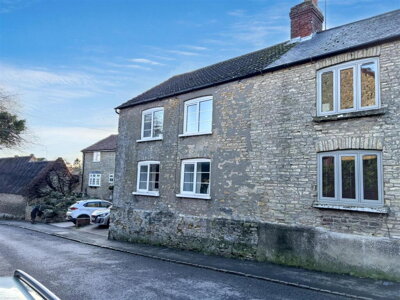
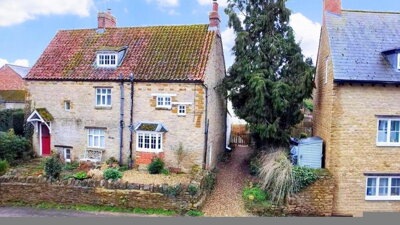
The Easton Maudit property market reflects the character of the village itself - traditional, established, and quietly desirable rather than frenetically competitive. Properties here are predominantly built from the warm local limestone that defines Northamptonshire villages, with many featuring the distinctive Collyweston slate roofs that are characteristic of the area. The village's housing stock skews towards older period properties, with a significant proportion built before 1945 and some dating back considerably further. New build development within the village is extremely limited, as the community has maintained its focus on preserving its heritage and rural character.
Within the wider NN29 postcode district that encompasses Easton Maudit, property prices show a clear hierarchy based on type and size. Detached homes command the highest prices, typically ranging from £450,000 to £550,000, reflecting the demand for generous space and privacy that rural living affords. Semi-detached properties generally fall between £280,000 and £350,000, offering an accessible entry point to village life for families and couples. Terraced cottages typically start from £200,000, while flats in the area - though relatively scarce - can be found from £150,000 to £200,000. This price structure makes Easton Maudit particularly attractive compared to larger Northamptonshire towns, where similar property types often command significant premiums.
Our team has helped numerous buyers navigate the local market here, and we always advise clients to factor in the age and construction of properties when assessing value. The limited supply of new homes means that demand for well-presented period properties remains steady, and properties in good condition often attract multiple interested parties. We recommend engaging with local estate agents who understand the nuances of village-level transactions, as relationships and reputation matter in small communities where everyone tends to know each other's business.

Life in Easton Maudit revolves around the rhythms of the English countryside, with the village offering an intimate community atmosphere that has become increasingly rare in modern Britain. The settlement spans approximately 35 households according to the most recent census data, creating a close-knit environment where neighbours know one another and community events bring residents together throughout the year. The village's medieval church serves as both a spiritual centre and a focal point for social gatherings, while the surrounding open farmland provides immediate access to countryside walks, wildlife, and the changing seasons that rural life offers.
The local geology of Easton Maudit parish varies from stiff clay to lighter stony land, a characteristic that has shaped both the construction of local buildings and the agricultural patterns of the surrounding area. The stiff clay present in parts of the parish is typical of Central England and creates the rich farmland that defines the Northamptonshire landscape. Residents benefit from the clean air and natural beauty of the countryside while remaining connected to larger settlements. The nearest larger villages and towns provide essential services including shops, pubs, restaurants, and medical facilities, ensuring that daily needs are easily met without requiring lengthy journeys.
The village's seclusion - with no major through-roads - contributes significantly to its peaceful character and makes it particularly suitable for families with young children, retirees, and anyone seeking an escape from the noise and stress of urban living. Historically, the nearby village of Bozeat supported a thriving shoe industry until 1982, providing employment for residents of surrounding villages including Easton Maudit. Today, most residents commute to larger towns and cities for work, but the village remains firmly rooted in its agricultural heritage, with farmland surrounding the settlement on all sides.

Families considering a move to Easton Maudit will find a range of educational options within reasonable driving distance, though the village itself does not host its own school. Primary education is available at nearby village schools in surrounding communities, with many parents travelling short distances to reach institutions that serve the wider rural catchment area. These smaller primary schools often benefit from close teacher-pupil relationships and strong community ties, though parents should research current Ofsted ratings and admission arrangements carefully as catchment areas can be competitive for popular schools.
Secondary education options in North Northamptonshire include schools in nearby towns that offer comprehensive education from Year 7 through to A-levels. Parents should verify current school performance data, admission policies, and transport arrangements when considering properties in Easton Maudit, as travel times and routes will factor significantly into family logistics. For families with specific educational preferences - such as grammar school access or faith-based education - the broader Northamptonshire area offers various options that may require consideration of catchment areas and entrance requirements. Sixth form provision is typically available at secondary schools with sixth forms or at nearby further education colleges, providing clear progression pathways for older students.
Our inspectors have surveyed numerous family homes in the surrounding area and often discuss school logistics with clients during the survey process. We find that families are generally prepared for the transport arrangements required in rural areas, and the shorter distances to village schools often mean less time spent in traffic compared to urban commutes. Many parents appreciate the opportunity to participate more actively in school life when distances are manageable and roads are quieter.
Easton Maudit occupies a relatively central position within North Northamptonshire, offering reasonable connectivity to the road network while maintaining its rural seclusion. The village's location amid open farmland means that access to major roads requires short journeys on country lanes, but once on the primary road network, destinations including Northampton, Milton Keynes, and Kettering become readily accessible. For commuters working in larger regional centres, the village offers a practical base that balances countryside living with employment connectivity. The absence of through-traffic within the village itself means that local roads are generally quiet and safe, though drivers should remain alert to farm vehicles and pedestrians on narrow lanes.
Public transport options serving Easton Maudit reflect the rural nature of the settlement, with bus services providing less frequent connections than would be available in urban areas. Residents typically rely on private vehicles for daily transportation, making car ownership essential for full participation in village and regional life. The nearest railway stations are located in larger nearby towns, offering services to major destinations including London and Birmingham. For those who commute to London, journey times from stations in the region can be competitive with door-to-door driving, particularly when considering parking costs and stress. Cyclists will find both the challenge and pleasure of rural Northamptonshire lanes, though the undulating terrain and occasional narrow roads demand appropriate caution and preparation.
When we survey properties in this area, we always discuss transport links with clients to ensure their lifestyle requirements are compatible with the local infrastructure. The village's position between Northampton to the northwest and Milton Keynes to the southeast provides access to the M1 motorway network within reasonable driving distance, making regional and national travel feasible for those who need it.
Start by exploring Easton Maudit's property market through Homemove, reviewing current listings and recent sales data. Understand the village's character by visiting at different times of day and speaking with residents about local amenities and community life. Pay particular attention to property construction types and the condition of traditional limestone buildings that form the majority of the housing stock.
Before viewing properties, obtain a mortgage agreement in principle from a lender. This strengthens your position when making offers and demonstrates your serious intent to sellers and agents. Given that property prices in the NN29 area typically range from £200,000 to £550,000 depending on type, understanding your borrowing capacity early helps narrow your search to achievable options.
Visit shortlisted properties in Easton Maudit, paying attention to construction materials, property condition, and any signs of damp or structural issues common in older limestone buildings. Consider returning for a second viewing before deciding, and ask agents about the history of the property, any previous works undertaken, and the dynamics of the immediate area.
Given the age of many properties in Easton Maudit, a Level 2 Survey is essential. Our inspectors specifically assess defects including damp in solid-wall construction, condition of Collyweston slate roofing, and potential subsidence risks from local clay soils. This detailed report helps you understand the true condition of the property before committing to purchase.
Choose a conveyancing solicitor with experience in rural Northamptonshire property transactions. They will handle searches, contracts, and legal requirements specific to the area, including any conservation area restrictions or listed building consents that may affect the property you are purchasing.
Once all searches are satisfactory and finance is confirmed, your solicitor will exchange contracts and set a completion date. On completion day, the remaining balance transfers and you receive the keys to your new Easton Maudit home. We recommend arranging a final inspection with your surveyor before completion to ensure no changes have occurred since the survey.
Purchasing property in Easton Maudit requires careful attention to factors specific to rural Northamptonshire, where traditional construction methods and local geology create particular considerations for buyers. The prevalence of limestone construction and Collyweston slate roofing throughout the village means that any survey should specifically assess the condition of these traditional building materials. Limestone walls, while durable, can suffer from weathering and moisture penetration over time, and Collyweston slates - prized for their character - require specialist repair when damaged. Buyers should look for signs of damp in older properties, as traditional solid-wall construction lacks the cavity insulation of modern buildings and can be more susceptible to moisture issues.
The stiff clay soils present in parts of the Easton Maudit parish carry implications for property foundations that warrant careful investigation. Clay soils are prone to shrink-swell movement in response to moisture changes, which can cause subsidence or heave affecting building foundations. Properties with trees nearby or those that have experienced drought conditions may be particularly susceptible. Our inspectors always assess foundation condition and look for signs of movement such as cracks in walls or distorted door and window frames. Additionally, we investigate whether the property falls within any conservation area or contains listed building elements, as these designations impose restrictions on alterations and renovations that can affect future plans and costs.
When we inspect properties in this area, common defects we encounter include deteriorated lead flashing around chimneys and roof junctions, timber decay in roof structures due to inadequate ventilation, and outdated electrical installations that do not meet current regulations. Older properties may also have plumbing systems that have not been updated for decades, with galvanised steel pipes that are prone to corrosion and reduced water pressure. We recommend budgeting for potential upgrades when purchasing period properties, as bringing older buildings up to modern standards often requires significant investment beyond the purchase price.
Flood risk in Easton Maudit warrants investigation despite the village's elevated position in the landscape. While the settlement itself sits above the surrounding farmland, surface water flooding can occur during periods of heavy rainfall, particularly in low-lying areas and near field drainage channels. We always recommend checking the Environment Agency flood maps and discussing any flood history with current owners during the due diligence process.
Specific price data for Easton Maudit alone is limited due to the village's small size, but properties within the broader NN29 postcode district typically average between £350,000 and £400,000. Detached homes command higher prices of £450,000 to £550,000, while semi-detached properties generally range from £280,000 to £350,000. Terraced cottages typically start from £200,000, and flats - which are relatively scarce in this rural village - can be found from £150,000 to £200,000. The village's historic character and limited supply of properties create stable rather than volatile pricing conditions, and our experience suggests that well-presented period properties in good condition tend to hold their value effectively in this market.
Properties in Easton Maudit fall under North Northamptonshire Council's jurisdiction. Council tax bands are assigned based on property value at the time of assessment, and older period properties may have been valued under different criteria than modern homes. Most traditional limestone cottages in the village would likely fall within bands B through E, though specific properties should be verified through the local authority's online portal or your solicitor during the conveyancing process. Given that the village's housing stock is predominantly older and traditionally constructed, many properties may have been assessed at values that do not reflect recent market movements.
Easton Maudit itself does not have a school within the village, but primary education is available at nearby village schools serving the wider rural catchment. Parents should research current Ofsted ratings and verify catchment boundaries, as these can be subject to change and demand can exceed supply in popular villages. Secondary education options in North Northamptonshire include schools in nearby towns, with transport arrangements and admission policies being important factors in the decision-making process. The nearest secondary schools typically serve students from across the rural catchment, and parents should factor in daily travel times when assessing the practical implications of property selection for their family's educational needs.
Public transport serving Easton Maudit is limited, reflecting the village's rural character and small population of approximately 103 residents. Bus services provide connections to nearby towns, though frequencies are typically lower than in urban areas, often with only a handful of services per day on less busy routes. Most residents rely on private vehicles for daily transportation, making car ownership essential for full participation in village and regional life. The nearest railway stations are located in larger nearby towns, offering services to major destinations including London and Birmingham. For commuters to London, regional stations can provide journey times of around one hour to the capital, making Easton Maudit's rural location practical for those who can travel during off-peak hours and have flexibility in their working arrangements.
Easton Maudit offers several characteristics that appeal to property investors, including its historic character, limited supply of available properties, and the broader desirability of rural Northamptonshire living. The village's small population and lack of new development suggest that property supply will remain constrained, potentially supporting long-term values in a market where demand consistently outstrips supply. However, the same factors that make the village attractive - its seclusion and lack of through-traffic - also mean that rental demand may be more limited than in larger towns where employment opportunities and amenities attract tenants. Any investment decision should consider factors including likely rental yields, void periods, tenant demand, and the specific condition and attributes of individual properties.
Stamp duty land tax rates for England currently apply zero percent duty on the first £250,000 of residential property purchases. For properties priced between £250,000 and £925,000, the rate increases to 5 percent, with further rates applying above this threshold. First-time buyers benefit from increased thresholds, paying zero percent on the first £425,000 and 5 percent between £425,000 and £625,000, though this relief does not apply above £625,000. A property priced at £350,000 would incur £5,000 in stamp duty for a non-first-time buyer, calculated as 5 percent of the £100,000 above the £250,000 threshold. First-time buyers purchasing at this price point would pay £0 in stamp duty, representing meaningful savings that can be redirected towards other purchasing costs or improvements to the property.
From £400
A detailed inspection of the property condition, ideal for older traditional homes
From £600
A comprehensive survey for complex properties or major renovations
From £80
Energy performance certificate required for all sales
From £499
Legal services for your property purchase
From 4.5% APR
Finance options for your Easton Maudit home
Understanding the full costs of purchasing property in Easton Maudit extends beyond the asking price to encompass government taxes, professional fees, and moving costs. Stamp duty land tax represents the most significant additional cost for most buyers, and understanding the current thresholds helps in budgeting accurately. For properties priced at the village average of £350,000, a standard buyer would pay £5,000 in stamp duty, calculated on the portion of the price between £250,000 and £350,000 at 5 percent. First-time buyers purchasing properties up to £425,000 would pay no stamp duty at all, providing meaningful savings that can be redirected towards other purchasing costs or improvements.
Professional fees typically include mortgage arrangement costs, which vary between lenders but often include product fees ranging from zero to several hundred pounds. Survey costs for a RICS Level 2 Survey generally range from £400 to £900 depending on property size and value, with the higher end of this range applicable to larger detached homes in the village. Our team prices surveys fairly based on the specific property characteristics, and we always recommend the most appropriate survey level for the property type and condition you are considering.
Conveyancing fees for handling the legal work typically start from around £500 for straightforward transactions, though complex cases involving listed buildings or additional searches may incur higher charges. Search fees, land registry fees, and mortgage valuation fees add further modest costs that together can amount to several hundred pounds. Factor in moving costs, potential furniture purchases, and a contingency for unexpected works identified during survey, and buyers should anticipate spending an additional 3 to 5 percent of the property price on top of the purchase price itself. For a £350,000 property, this means budgeting approximately £10,500 to £17,500 in addition to your mortgage and deposit.
Properties for Sale In London

Properties for Sale In Plymouth

Properties for Sale In Liverpool

Properties for Sale In Glasgow

Properties for Sale In Sheffield

Properties for Sale In Edinburgh

Properties for Sale In Coventry

Properties for Sale In Bradford

Properties for Sale In Manchester

Properties for Sale In Birmingham

Properties for Sale In Bristol

Properties for Sale In Oxford

Properties for Sale In Leicester

Properties for Sale In Newcastle

Properties for Sale In Leeds

Properties for Sale In Southampton

Properties for Sale In Cardiff

Properties for Sale In Nottingham

Properties for Sale In Norwich

Properties for Sale In Brighton

Properties for Sale In Derby

Properties for Sale In Portsmouth

Properties for Sale In Northampton

Properties for Sale In Milton Keynes

Properties for Sale In Bournemouth

Properties for Sale In Bolton

Properties for Sale In Swansea

Properties for Sale In Swindon

Properties for Sale In Peterborough

Properties for Sale In Wolverhampton

Enter your details to see if this property is within your budget.
Loans, cards, car finance
Estimated property budget
Borrowing + deposit
You could borrow between
Typical borrowing
Monthly repayment
Est. at 4.5%
Loan-to-value
This is an estimate only. Your actual budget may vary depending on interest rates, credit history, and personal circumstances. For an accurate affordability assessment, speak to one of our free mortgage advisors.
This calculator provides estimates for illustrative purposes only and does not constitute financial advice. Your home may be repossessed if you do not keep up repayments on your mortgage. Estimates based on 4.5% interest rate, repayment mortgage. Actual rates depend on your circumstances.
Homemove is a trading name of HM Haus Group Ltd (Company No. 13873779, registered in England & Wales). Homemove Mortgages Ltd (Company No. 15947693) is an Appointed Representative of TMG Direct Limited, trading as TMG Mortgage Network, which is authorised and regulated by the Financial Conduct Authority (FRN 786245). Homemove Mortgages Ltd is entered on the FCA Register as an Appointed Representative (FRN 1022429). You can check registrations at NewRegister or by calling 0800 111 6768.

We use cookies to show you personalised content and improve your experience of our website. Find out more in our Privacy policy and Cookie policy.