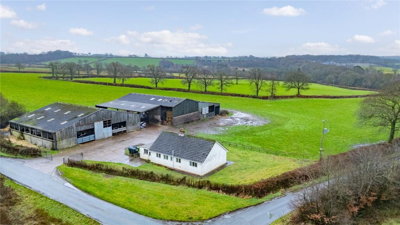
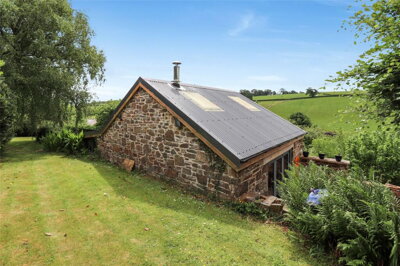
Browse 2 homes for sale in East Worlington from local estate agents.
Three bedroom properties represent a significant portion of the East Worlington housing market, offering space for families with multiple reception rooms and gardens in many cases. Browse detached, semi-detached, and terraced options ranging from period character homes to contemporary developments.
The East Worlington property market reflects the character of the village itself, offering predominantly detached and semi-detached homes that embody traditional North Devon architecture. Detached properties in the area command an average price of £295,000, while semi-detached homes average £235,500, providing options across different budgets within this rural setting. The village has experienced a notable price correction over recent years, with average prices sitting 66% below the 2022 peak of £775,000, creating more accessible entry points for buyers seeking village living at realistic price points.
Over the past decade, the East Worlington sales market has increased by 33.0%, demonstrating long-term value retention despite short-term fluctuations. This historical growth pattern suggests confidence in the area's desirability as a place to live, with buyers continuing to recognise the appeal of Devon's rural villages. The prevalence of historic properties means many homes feature traditional construction methods including cob walls, rubble stone, and thatched or slate roofing, characteristics that contribute to the village's architectural heritage but also require careful consideration during purchase.
Given the limited number of properties typically available in small parishes like East Worlington, prospective buyers should be prepared to act decisively when suitable properties become available, as demand for village homes in this area consistently outstrips supply. The village's housing stock includes a remarkable concentration of historic buildings, with 38 listed structures within the parish spanning centuries of construction from the 16th century through to the Victorian era. This heritage-rich property stock attracts buyers who appreciate character features and traditional craftsmanship that is increasingly difficult to find in modern developments.

East Worlington embodies the essence of rural Devon living, where the pace of life slows and community bonds strengthen. The parish is predominantly agricultural, with surrounding farmland dedicated to dairy, sheep, and beef production that has sustained local livelihoods for generations. This pastoral setting creates an environment of rolling green fields, hedgerow-lined lanes, and the kind of scenic beauty that draws people seeking escape from urban pressures. Residents include a mix of families, retired individuals, and those who work from home or commute to nearby towns, creating a balanced community demographic.
The village preserves a remarkable concentration of historic architecture, with 38 listed buildings within the parish including structures dating from the 16th, 17th, and 18th centuries. The Church of St Mary, with origins dating back to the 12th century and rebuilt in 1879, stands as a centrepiece of the community. East Worlington House, a Grade II* listed manor constructed of rubble and cob with water-reed thatch roofing, exemplifies the traditional construction techniques that characterise the village. The East Worlington Parish Hall, dating from the 17th century, continues to serve as a focal point for community gatherings and events, reflecting the village's strong sense of heritage and togetherness.
Local stone from the now-disused Coombe Quarry was used in constructing the Church of St Mary, illustrating how the landscape itself has shaped the built environment over centuries. The village's position on the northern slopes of the Little Dart River valley provides both scenic beauty and practical access to the river, while the surrounding countryside offers extensive footpaths and bridleways for exploration. Nearby Witheridge and the market town of Crediton provide access to everyday amenities, supermarkets, and services that complement village life without requiring lengthy journeys. Many residents appreciate the balance between East Worlington's peaceful setting and the practical accessibility of Crediton, approximately 12 miles distant, where mainline railway services connect to Exeter and the wider rail network.

Families considering a move to East Worlington will find educational options available within reasonable driving distance, though the rural nature of the parish means primary and secondary schools are located in surrounding villages and towns. The village's small population of 220 residents includes families with children of various ages, and the close-knit community often creates strong support networks for parents navigating school choices and logistics. Primary education options in the surrounding area serve the village's younger residents, with several good-rated schools within a short drive providing education for children through to age 11.
The surrounding villages provide several primary school options for East Worlington families, with schools in Witheridge serving local catchment areas. These smaller rural schools often benefit from close teacher-pupil relationships and enrichment programmes connected to the region's agricultural heritage. Parents should note that primary school placements are determined by catchment area, and waiting lists can be competitive during peak moving seasons. The rural setting means school transport arrangements require planning, with many families relying on private vehicles or coordinating shared transport with neighbours for the school run.
Secondary education is typically accessed through schools in nearby towns, with students from East Worlington travelling to schools in Crediton, South Molton, or other North Devon locations. These secondary schools serve catchment areas that include multiple rural parishes, reflecting the dispersed population of the region. For families prioritising education in their move decision, researching specific school catchments and admission arrangements is essential, as geographic location within these catchments can influence school placements significantly. Sixth form and further education options are concentrated in the larger towns of North Devon and Exeter, accessible via the region's transport links for older students pursuing higher education or vocational qualifications.
Transport connectivity from East Worlington reflects its rural village character, with residents relying primarily on private vehicles for daily commuting and essential journeys. The village sits within reasonable driving distance of Crediton, approximately 12 miles away, where residents access mainline railway services connecting to Exeter and beyond. The journey to Crediton takes around 25-30 minutes by car, with the A3072 providing the primary route linking East Worlington to the regional road network. For residents working in Exeter, journey times of approximately 45 minutes to one hour are typical, depending on traffic conditions and specific destinations.
Bus services operate in the surrounding area, providing connections to nearby towns for those without private vehicles, though frequency is limited compared to urban routes. The Stagecoach bus services through the region provide essential links to Crediton and surrounding villages, but journey planning should account for relatively infrequent timetables. The reliance on car travel means most households in East Worlington maintain at least one vehicle, a practical necessity given the village's dispersed rural location. The nearest mainline railway station at Crediton offers regular services to Exeter St David's, with journey times of approximately 30 minutes, connecting residents to the national rail network and destinations further afield.
For commuters working in Exeter or the wider Devon area, living in East Worlington offers a lifestyle trade-off between rural tranquility and commute duration. The village's position provides reasonable access to employment centres while preserving the character and peace that define village living. Cyclists and walkers benefit from the area's network of public footpaths and quiet country lanes, though cycling as a primary commute method is practical only for those working locally. The M5 motorway provides access to Bristol and the Midlands via Exeter, approximately 30 miles from the village, making regional and national travel accessible by car. Many residents find the commute to Exeter manageable, particularly those working flexible hours or partially from home.
Before beginning your property search in East Worlington, obtain a mortgage agreement in principle from a lender. This document demonstrates your financial readiness to sellers and estate agents, strengthening your position when making offers on rural properties. Having mortgage pre-approval is particularly valuable in the East Worlington market, where desirable properties can attract multiple interest and competitive offers.
Spend time understanding the East Worlington property market, including average prices, property types available, and the sales history of comparable homes. Given the limited number of properties available in this small parish, understanding values and local factors is essential before making offers. Our team can provide insights into recent transactions and market trends specific to the village and surrounding North Devon area.
Work with local estate agents to arrange viewings of properties matching your criteria. View multiple properties to understand the range of housing stock available, from traditional Devon longhouses to converted barns and historic cottages. We recommend viewing properties across different price points to fully appreciate what East Worlington living offers, as the character and condition of rural properties varies considerably.
Once your offer is accepted, arrange a RICS Level 2 Survey to assess the property's condition. Given the age of many East Worlington properties and prevalence of traditional construction methods, a thorough survey is particularly important for identifying potential issues. Our inspectors are experienced in assessing historic Devon properties and will check for defects common to cob walls, thatched roofs, and traditional construction throughout the property.
Appoint a conveyancing solicitor to handle the legal aspects of your purchase. They will conduct searches, handle contracts, and manage the transfer of ownership for your East Worlington property. Our recommended conveyancers have experience with rural properties and listed buildings, understanding the additional considerations that can arise with heritage properties in North Devon.
Finalise your mortgage, complete property searches, and arrange your completion date. On completion day, you receive the keys to your new East Worlington home. Our team remains available throughout the process to answer questions and ensure your purchase proceeds smoothly, from initial offer through to collecting your keys.
Purchasing a property in East Worlington requires careful attention to the characteristics common among the village's historic housing stock. The prevalence of traditional construction methods, including cob walls, rubble stone, and thatched roofing, means prospective buyers should understand these building types and their maintenance requirements. Properties dating from the 16th, 17th, and 18th centuries may have been updated over the years, but original features and construction techniques often remain, requiring specialist knowledge during surveys and renovations. Our RICS Level 2 Survey inspectors are experienced in assessing traditional Devon construction and will identify defects that might be missed by less experienced surveyors.
With 38 listed buildings within the parish, many East Worlington properties carry listed building status that imposes restrictions on alterations and renovations. Grade I, Grade II*, and Grade II listed properties require consent for certain works that might be permitted on unlisted homes, and this status should be confirmed during the purchase process. Notable listed properties in the village include East Worlington House (Grade II*), built of rubble and cob with water-reed thatch roofing, and the 17th-century Parish Hall with its half-hipped straw thatched roof. Buyers should verify the listing status of any property they are considering and understand the implications for future plans, maintenance costs, and insurance requirements.
Flood risk requires consideration given East Worlington's position in the Little Dart River valley. While specific flood risk data for individual properties was not detailed in available research, the proximity to the river and valley location suggests potential exposure to surface water and river flooding during extreme weather events. The Edgelake Bridge spans the Little Dart River, illustrating the water features present in the parish. A thorough survey should investigate drainage, ground conditions, and any signs of previous water damage or flooding history. Insurance implications of flood risk should be factored into your purchase costs and ongoing expenses, and we recommend discussing these factors with our survey team before proceeding.
Common defects in East Worlington's older properties include structural issues such as cracks, uneven floors, and doors not closing properly, often resulting from the movement of traditional construction materials over time. Dampness presents a particular challenge in solid-walled cob properties built before modern damp-proof courses, with penetrating damp, rising damp, and condensation all potential concerns. Our inspectors check thoroughly for these issues, examining walls, ceilings, and floors for signs of water ingress or timber decay. Roof conditions warrant careful inspection on thatched properties, where age, maintenance history, and the condition of ridge work all affect longevity and weather resistance.
The average house price in East Worlington over the past year is £265,250, based on transactions in this rural North Devon parish. Detached properties average £295,000 while semi-detached homes average £235,500. The market has experienced significant correction from the 2022 peak of £775,000, though long-term prices have increased by 33% over the past decade, demonstrating enduring value in this rural location. This combination of recent price adjustment and long-term growth makes East Worlington an attractive option for buyers seeking village living at realistic entry points.
Properties in East Worlington fall under Mid Devon District Council. Council tax bands vary by property based on valuation, with historic and traditional properties potentially attracting different bandings than modern equivalents. Most properties in the parish, given their age and character, tend to fall within bands A through D, though specific bands should be confirmed for any property you are considering purchasing. The village's concentration of listed buildings and historic cottages often results in varied banding across the housing stock.
East Worlington itself is a small village without its own primary or secondary school. Families typically access primary education at schools in nearby villages such as Witheridge, which serves the local catchment area for younger children. Secondary education is provided by schools in surrounding towns, with catchment areas determined by geographic location and students typically travelling to Crediton or South Molton for secondary provision. Parents should research specific school catchments and admission arrangements, as placements can be competitive in popular rural areas.
East Worlington has limited public transport options, reflecting its rural village character. Bus services operate in the surrounding area but with limited frequency, making private vehicles the primary transport method for most residents. The nearest mainline railway station is at Crediton, approximately 12 miles away and around 25-30 minutes by car, offering connections to Exeter St David's in approximately 30 minutes and onward to the national rail network. Journey times by car to Exeter typically take 45 minutes to one hour, depending on traffic and specific destination.
East Worlington offers potential for property investment, particularly given the 33% price increase over the past decade and the enduring appeal of rural Devon living. The limited supply of properties in this small parish, combined with demand from buyers seeking village lifestyles, supports long-term value retention. Properties with historic features, traditional construction methods such as cob walls or thatched roofing, or listed building status may offer particular appeal to buyers seeking character properties. Maintenance costs and renovation considerations should be factored into investment calculations, particularly for properties requiring specialist care.
Stamp duty rates for 2024-25 apply 0% on the first £250,000 of residential property purchases, 5% between £250,000 and £925,000, 10% between £925,000 and £1.5 million, and 12% above £1.5 million. First-time buyers receive relief on the first £425,000 with 5% applied between £425,000 and £625,000. Given the average East Worlington price of £265,250, most buyers would pay stamp duty only on amounts above £250,000, resulting in minimal SDLT costs. First-time buyers purchasing at or below average price would typically pay no SDLT at all under current relief provisions.
East Worlington's housing stock includes many properties built using traditional Devon methods, with cob walls, rubble stone construction, and thatched or slate roofing being common features. Buildings such as East Worlington House demonstrate the use of rubble and cob with water-reed thatch roofing, while the 17th-century Parish Hall features half-hipped straw thatch. Local stone from the Coombe Quarry was historically used for construction, as evidenced in the Church of St Mary. These traditional materials require specific maintenance approaches and specialist knowledge during surveys, which our inspectors provide when assessing properties across the village.
For most buyers purchasing property in East Worlington, stamp duty land tax (SDLT) costs will be modest given the village's average house price of £265,250 sits close to the standard nil-rate threshold. Under current 2024-25 rates, buyers pay 0% SDLT on the first £250,000 of residential purchases, meaning stamp duty applies only to amounts exceeding this threshold. On a typical East Worlington property at the average price, this means SDLT would be due only on £15,250, resulting in charges starting from £762.50. First-time buyers benefit from enhanced relief, with the nil-rate threshold extending to £425,000 and a 5% rate applying between £425,000 and £625,000, meaning first-time buyers purchasing at or below the East Worlington average price would typically pay no SDLT at all.
Beyond stamp duty, buyers should budget for survey costs, solicitor fees, and moving expenses. A RICS Level 2 Survey typically costs between £380 and £629 depending on property size and complexity, with older properties featuring traditional construction or non-standard builds often attracting higher survey fees due to the additional expertise required. Our inspectors understand the specific requirements for assessing cob walls, thatched roofs, and listed building elements that characterise many East Worlington properties. Conveyancing fees generally start from £499 for standard purchases, though complex titles, listed properties, or transactions involving unusual arrangements may incur additional charges.
Buildings insurance should be arranged from the point of exchange, and buyers of thatched or timber-framed properties should ensure policies adequately cover rebuild costs for traditional construction methods. Specialist insurers exist for heritage properties and thatched homes, and we recommend obtaining quotes before completion to understand ongoing costs. Moving expenses, search fees, and registration costs complete the purchase budget. For buyers proceeding without a mortgage, larger deposits typically enable more competitive negotiations, and cash buyers often benefit from faster transaction timelines in the village's relatively tight market.
Properties for Sale In London

Properties for Sale In Plymouth

Properties for Sale In Liverpool

Properties for Sale In Glasgow

Properties for Sale In Sheffield

Properties for Sale In Edinburgh

Properties for Sale In Coventry

Properties for Sale In Bradford

Properties for Sale In Manchester

Properties for Sale In Birmingham

Properties for Sale In Bristol

Properties for Sale In Oxford

Properties for Sale In Leicester

Properties for Sale In Newcastle

Properties for Sale In Leeds

Properties for Sale In Southampton

Properties for Sale In Cardiff

Properties for Sale In Nottingham

Properties for Sale In Norwich

Properties for Sale In Brighton

Properties for Sale In Derby

Properties for Sale In Portsmouth

Properties for Sale In Northampton

Properties for Sale In Milton Keynes

Properties for Sale In Bournemouth

Properties for Sale In Bolton

Properties for Sale In Swansea

Properties for Sale In Swindon

Properties for Sale In Peterborough

Properties for Sale In Wolverhampton

Enter your details to see if this property is within your budget.
Loans, cards, car finance
Estimated property budget
Borrowing + deposit
You could borrow between
Typical borrowing
Monthly repayment
Est. at 4.5%
Loan-to-value
This is an estimate only. Your actual budget may vary depending on interest rates, credit history, and personal circumstances. For an accurate affordability assessment, speak to one of our free mortgage advisors.
This calculator provides estimates for illustrative purposes only and does not constitute financial advice. Your home may be repossessed if you do not keep up repayments on your mortgage. Estimates based on 4.5% interest rate, repayment mortgage. Actual rates depend on your circumstances.
Homemove is a trading name of HM Haus Group Ltd (Company No. 13873779, registered in England & Wales). Homemove Mortgages Ltd (Company No. 15947693) is an Appointed Representative of TMG Direct Limited, trading as TMG Mortgage Network, which is authorised and regulated by the Financial Conduct Authority (FRN 786245). Homemove Mortgages Ltd is entered on the FCA Register as an Appointed Representative (FRN 1022429). You can check registrations at NewRegister or by calling 0800 111 6768.

We use cookies to show you personalised content and improve your experience of our website. Find out more in our Privacy policy and Cookie policy.