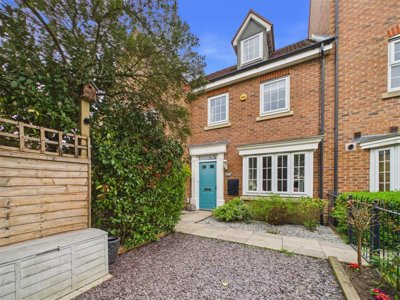
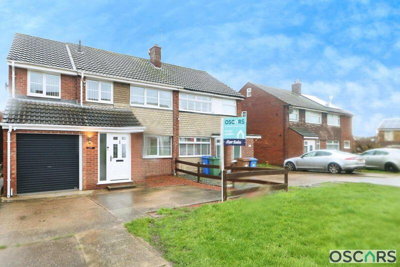
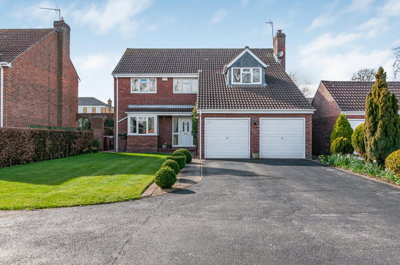
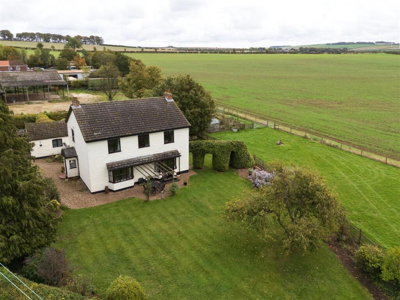
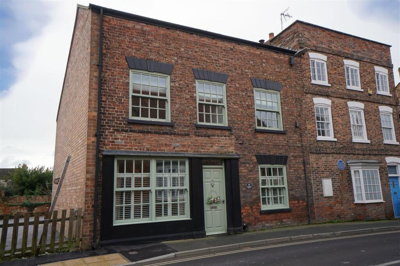
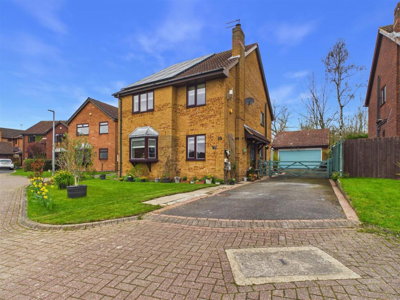
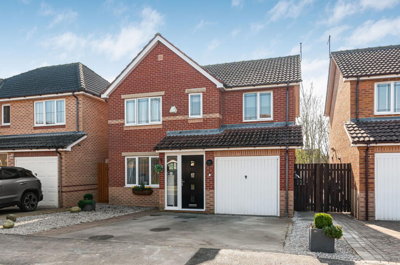
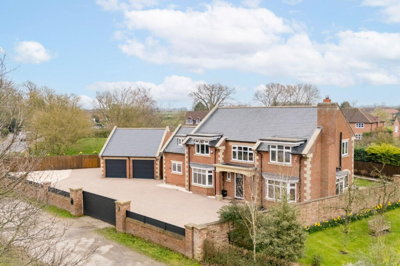
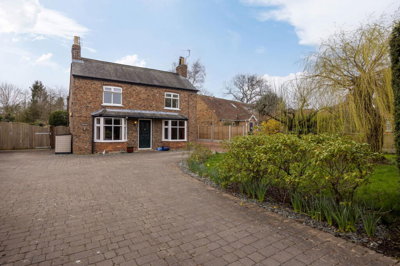
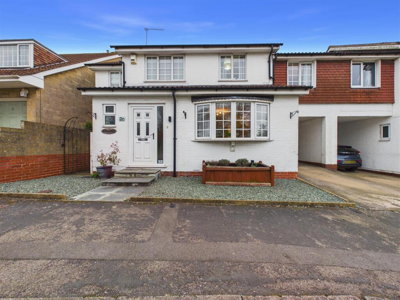
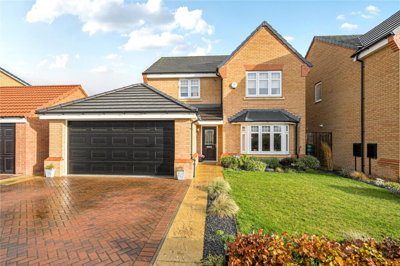
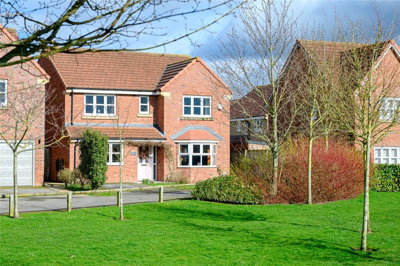
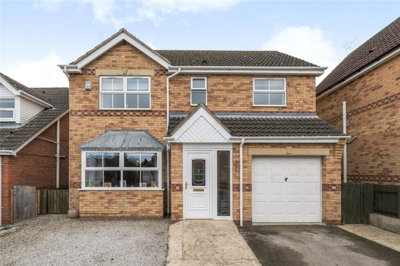
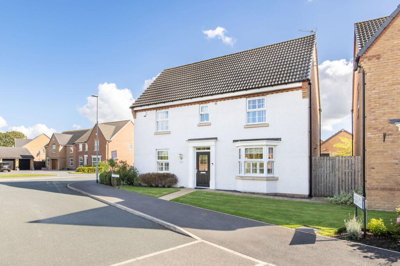
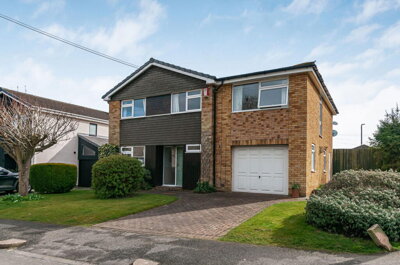
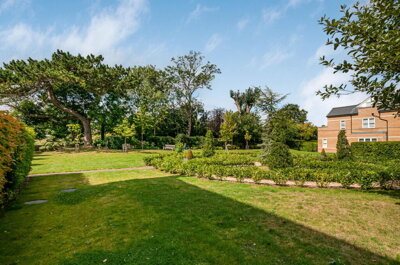
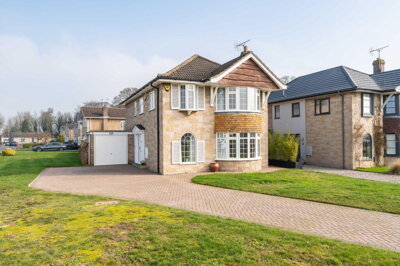
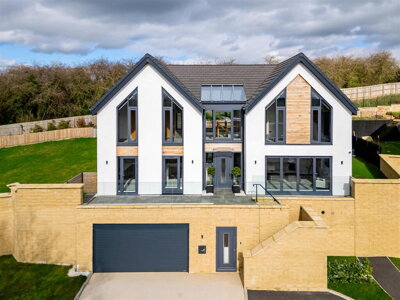
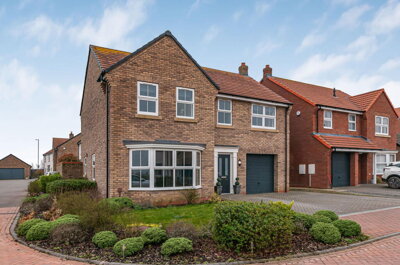
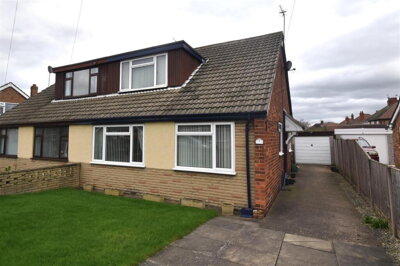
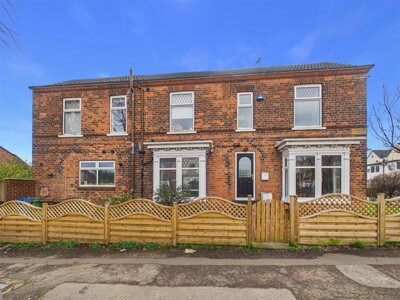
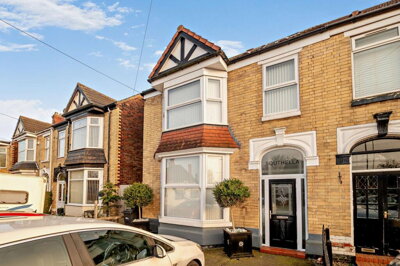
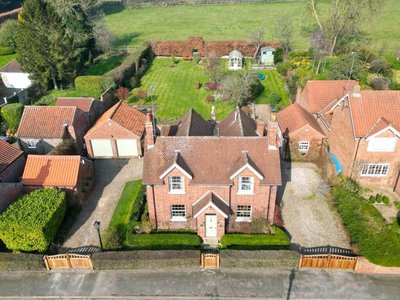
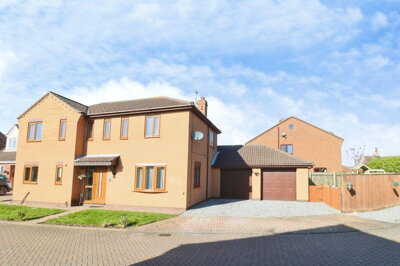
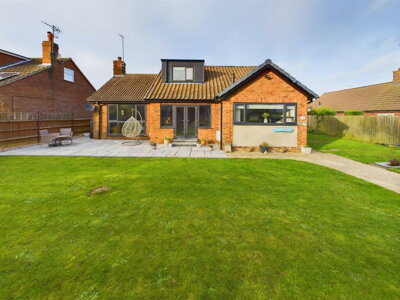
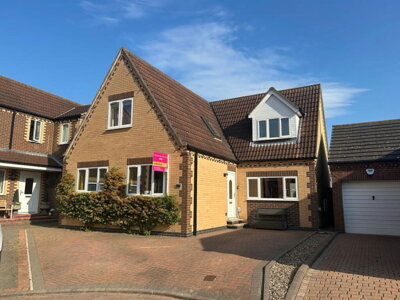
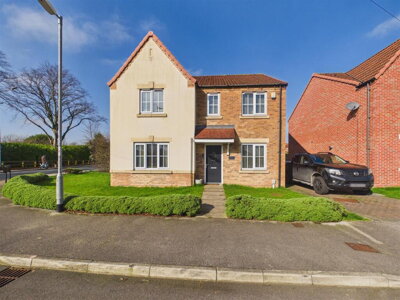
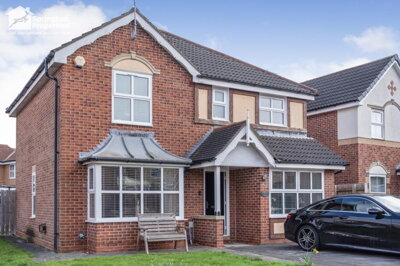
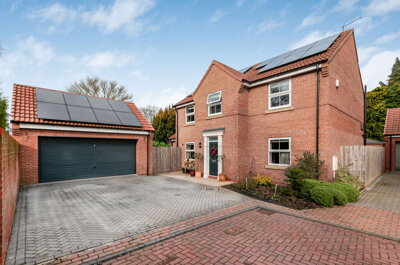
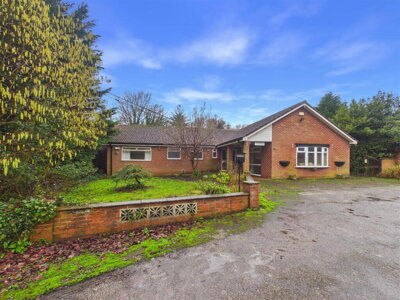
Browse 1,346 homes for sale in East Riding of Yorkshire from local estate agents.
The larger property sector typically features multiple bathrooms, substantial reception space, and private gardens or off-street parking. Four bedroom houses in East Riding Of Yorkshire span detached, semi-detached, and occasionally terraced configurations, with styles ranging from period properties to modern executive homes.
The East Riding of Yorkshire property market has demonstrated steady resilience, with house prices increasing by 4.8% over the 12 months to December 2025 according to ONS figures. Our data shows that approximately 7,900 properties sold in the area between January and December 2025, though this represents a 15.3% decrease in transaction volumes compared to the previous year, reflecting the broader national slowdown in housing activity. Despite this, the market remains active with semi-detached properties leading sales activity, selling at an average price of £214,000, while detached homes command an average of £337,000, making the area particularly popular with families seeking space without metropolitan price tags.
Property types across the East Riding reflect its blend of historic market towns and modern developments. Terraced properties average around £170,000, offering an accessible entry point for first-time buyers, while flats and maisonettes can be found from approximately £103,000. Newly built properties in the area command a premium, with the average new build reaching £258,000, and buyers can access a range of developments across the region from national housebuilders and smaller local developers. The market benefits from strong demand from commuters working in Hull and Leeds, as well as those seeking to relocate from more expensive southern regions. We have observed particular interest in the HU15 postcode area around Brough and Ella Grove, where new housing developments continue to attract families seeking modern accommodation within striking distance of the railway station.
Looking at longer-term trends, the East Riding has shown consistent growth patterns, with Rightmove indicating prices are approximately 1% above the 2023 peak of £219,003. The market benefits from the relative affordability compared to neighbouring areas like North Yorkshire and Lincolnshire, where comparable properties often command significantly higher prices. First-time buyers find particular value in terraced properties across towns like Goole, Bridlington, and Hull-adjacent areas, where entry-level homes remain accessible without the stratospheric deposits required in London and the Southeast.

Life in East Riding of Yorkshire offers a rare combination of rural tranquility and practical convenience. The county encompasses the sweeping Yorkshire Wolds, an Area of Outstanding Natural Beauty beloved by walkers and cyclists, alongside the dramatic Holderness coastline where towns like Bridlington, Hornsea, and Withernsea provide traditional seaside charm. The landscape is characterised by fertile agricultural land, with the Holderness Plain dominated by boulder clay deposits from glacial periods, while the chalk geology of the Wolds creates a distinctive rolling terrain. Many towns feature conservation areas protecting their historic architecture, with Beverley particularly notable for its Georgian and medieval heritage including the magnificent Minster and preserved town centre.
The local economy draws from diverse sectors including agriculture, which remains significant across the flat, productive plains, tourism along the coastline, and manufacturing around ports such as Goole. The Humber Estuary has emerged as a hub for renewable energy, particularly offshore wind, attracting investment and skilled employment to the region. Communities in towns like Pocklington, Howden, and Market Weighton maintain strong local identities with weekly markets, independent shops, and active village societies that welcome newcomers warmly. The county's strategic position provides access to larger employment centres while preserving a pace of life that feels distinctly apart from urban pressure. The development of green energy infrastructure around the Humber has created new skilled employment opportunities that are helping to retain young people in the area rather than forcing them to seek work in larger cities.
For those considering a move to the region, the community aspect deserves particular attention. Unlike metropolitan areas where neighbours may remain strangers for years, East Riding villages and towns typically feature active local societies, well-supported pub networks, and community facilities that make integration for newcomers relatively straightforward. The market towns serve as focal points for surrounding villages, with weekly markets in Beverley, Pocklington, and Driffield providing opportunities to meet locals and discover local produce. The lower cost of living compared to southern England means that disposable income often stretches further, whether spending evenings in local restaurants or enjoying the numerous walking routes across the Wolds Way and coastal paths.

Education provision across East Riding of Yorkshire serves families well, with a mix of primary schools in towns and villages, secondary schools offering GCSE and A-Level qualifications, and further education colleges providing vocational pathways. Beverley stands out as an educational centre with several well-regarded schools, while towns like Pocklington, Hull (bordering the area), and Bridlington offer comprehensive educational opportunities. The East Riding Local Education Authority maintains an active school improvement programme, and parents should research individual school performance through Ofsted reports when considering specific locations, as quality can vary between neighbouring villages and towns.
For families prioritising grammar school education, the East Riding falls outside the Kent or Lincolnshire grammar systems, meaning secondary schools operate on a comprehensive basis across most of the area. However, several academies and faith schools provide alternative educational approaches. South Hunsley School in the village of North Ferriby has built a strong reputation and draws students from across the region, while Pocklington School offers independent education with excellent examination results. The area also offers good access to higher education through the University of Hull, which has a strong reputation in subjects including engineering, health sciences, and maritime studies, while York and Leeds universities are within commuting distance for older students. Parents with specialist requirements should contact the local authority SEN team for details on provision for children with additional educational needs.
The proximity to good schools often influences property prices within the East Riding, with areas like Beverley and Pocklington commanding premiums due to their educational reputations. Parents buying near the Yorkshire Wolds should note that primary school provision in smaller villages can sometimes be limited, making proximity to a good primary school a significant factor in location choice. For secondary education, catchment areas vary and parents are advised to verify current arrangements with East Riding of Yorkshire Council before committing to a purchase, particularly in rural areas where school transport arrangements may affect daily logistics.
Connectivity from East Riding of Yorkshire has improved significantly in recent years, with the A164 and A1079 providing key road routes connecting market towns to Hull, York, and the wider motorway network. The M62 is accessible via Hull or Goole, linking the region to Leeds, Manchester, and Liverpool. For rail travel, Hull Paragon Station offers direct services to major cities including Leeds (approximately 90 minutes), London King's Cross (around 2.5 hours via select services), Sheffield, and Manchester. Smaller stations at Beverley, Brough, and Goole provide local connections and commuter options, though journey times and frequency may be more limited than on major routes.
Bus services operated by East Yorkshire Motor Services and other providers connect towns and villages across the region, though rural areas may require planning ahead for those without private transport. Cycling infrastructure varies, with some dedicated routes along the Wolds Way and coastal paths, but generally, car ownership remains important for residents in more rural locations. The proximity to Hull and Humber ports also creates freight and logistics employment opportunities, while commuters increasingly value the ability to work from home part of the week, making the East Riding's combination of space and connectivity particularly attractive for those seeking a countryside base. Brough station has seen increased usage as Leeds commuters discover the value of living in the East Riding while maintaining city access, with journey times of around 35 minutes to Leeds making this corridor particularly popular.
For those working in Hull, the commute is straightforward with regular bus services and the benefit of the A63 providing direct access into the city centre. The port towns of Goole and Hull also offer ferry connections for those travelling further afield, while the proximity to Humberside Airport (though currently serving limited destinations) provides international access when needed. Investment in road infrastructure continues, with the A164 dualling works improving connections between Beverley and the Humber Bridge approach roads, reducing journey times to Hull.
Explore different towns and villages to find the right fit for your lifestyle, budget, and commute needs. Consider proximity to schools, coastal access, and whether you prefer a historic property in a conservation area or a modern home on a newer development. Our team recommends spending time in your preferred locations at different times of day and week, visiting local shops and cafes to get a genuine feel for community atmosphere before committing to an area.
Speak to a mortgage broker to understand your borrowing capacity and secure an Agreement in Principle before viewing properties. This strengthens your position when making offers and helps you set realistic budget limits based on East Riding prices. Given that the average property in the region costs approximately £221,000, most buyers will fall well below the stamp duty nil-rate threshold, though those purchasing above £250,000 should factor SDLT costs into their budgeting. Brokers familiar with the East Riding market can advise on local lender criteria and any area-specific considerations.
Visit properties matching your criteria, paying attention to construction quality, flood risk factors, and the condition of older properties. Ask estate agents about service charges, tenure details, and any planned local developments that might affect the area. We recommend viewing properties at different times of day to assess noise levels, light quality, and traffic patterns. In coastal towns like Bridlington and Hornsea, consider the proximity to the seafront and seasonal tourism activity.
Before completing, arrange a Homebuyer Report to identify any structural issues, particularly important in areas with clay soils where subsidence risk exists. The survey will highlight defects common to East Riding properties including damp in older stock, roof condition issues, and signs of movement related to the shrink-swell behaviour of boulder clay soils prevalent across the Holderness Plain. Properties in historic towns like Beverley may also require assessment of traditional construction methods and any historic preservation concerns.
Appoint a conveyancing solicitor to handle the legal aspects of your purchase, including local searches with East Riding of Yorkshire Council, review of title documents, and management of the Land Registry registration process. Local solicitors familiar with the East Riding can provide valuable insight into specific issues affecting certain areas, including historic flood events, coastal erosion management plans, and any local authority maintenance obligations that might affect the property.
Once searches are satisfactory and your mortgage offer is confirmed, your solicitor will exchange contracts and agree a completion date. On completion day, you will receive the keys to your new East Riding home. We recommend arranging buildings insurance from the moment contracts are exchanged, particularly important in flood-risk areas where insurers may have specific requirements or excesses for properties in higher-risk postcodes.
Property buyers in East Riding of Yorkshire should be aware of several area-specific factors that can affect their purchase. The geology of the region presents particular considerations, as much of the Holderness Plain sits on boulder clay that is prone to shrink-swell behaviour during wet and dry periods. This can lead to ground movement affecting foundations, and buyers should look for signs of subsidence or structural movement in older properties, particularly those with large trees nearby. Properties in the Yorkshire Wolds area sit on chalk geology, which generally provides more stable foundations but may present different considerations for drainage and utilities.
Flood risk deserves careful attention across the East Riding, with significant areas facing fluvial, tidal, and surface water flooding depending on location. Coastal properties in towns like Bridlington, Hornsea, and Withernsea face coastal erosion risks that have affected properties over time, and buyers should research the shoreline management plans and long-term coastal protection strategies for their chosen area. Inland towns along the River Hull and its tributaries should be checked against Environment Agency flood maps. Properties in conservation areas, of which there are many in historic towns like Beverley, Pocklington, and Howden, may have additional planning restrictions on alterations and renovations that buyers should understand before committing to purchase.
The age and construction of properties across the East Riding varies significantly, and this affects the types of defects commonly encountered. Many properties in towns like Beverley and Pocklington date from the Georgian or Victorian periods, constructed with solid brick walls, traditional timber floors, and older roof structures that may require ongoing maintenance. We frequently see damp issues in these older properties, particularly rising damp where original damp-proof courses have failed or were never installed. Electrical systems in properties built before the 1980s often require updating to meet current standards, and buyers should budget for potential rewire costs. Properties built during the post-war period through to the 1980s commonly feature cavity wall construction, though insulation upgrades may be needed to meet modern energy efficiency standards.
When viewing properties, our inspectors pay particular attention to the condition of roofs, which often show their age on properties across the region. Slipped or missing tiles, deteriorating pointing on chimneys, and failed felt underlays are common findings on homes of any age. In coastal areas, salt spray can accelerate the deterioration of metalwork, including guttering, downpipes, and any visible flashing. Timber-framed windows and doors in older properties may show signs of rot or swelling, particularly where maintenance has been neglected. A thorough survey will identify these issues and allow buyers to negotiate appropriately or understand the true cost of ownership before completing their purchase.
The average house price in East Riding of Yorkshire is approximately £221,000 according to ONS data from December 2025. Detached properties average £337,000, semi-detached homes around £214,000, terraced properties £170,000, and flats approximately £103,000. Prices have increased by 4.8% over the past year, showing steady growth compared to some other UK regions. Rightmove data suggests prices are currently around 1% above the previous 2023 peak, indicating sustained demand in the area despite broader national market uncertainties.
Council tax bands in East Riding of Yorkshire are set by East Riding of Yorkshire Council and follow the national band A through H system. Properties in the region typically range from Band A for smaller flats and terraced homes up to Band H for larger detached properties in premium locations. Exact bands vary by property and can be checked on the Valuation Office Agency website using the property address. When budgeting for your purchase, remember that council tax forms part of the ongoing annual cost of ownership alongside mortgage payments, insurance, and maintenance.
East Riding of Yorkshire offers good educational provision across primary and secondary levels. Towns like Beverley, Pocklington, and Bridlington have well-regarded secondary schools, with South Hunsley School in North Ferriby consistently achieving strong academic results. Primary education is available in most villages and towns, though parents should verify current Ofsted ratings and catchment areas as these can change. The area has several academies and faith schools offering alternative educational approaches, and the University of Hull provides higher education opportunities locally for students choosing to study closer to home.
The East Riding has reasonable connectivity through rail services from Hull Paragon to Leeds (90 minutes), London King's Cross (2.5 hours), and other major cities, with smaller stations at Beverley, Brough, and Goole providing local access. Brough is particularly popular with commuters to Leeds, offering around 35-minute journey times. Bus services operate throughout the region by East Yorkshire Motor Services and others, though frequency may be limited in rural areas. Major road connections including the A164, A1079, and access to the M62 motorway network make car travel important for many residents, particularly those in more rural villages.
East Riding of Yorkshire offers several investment considerations for property buyers. House prices remain lower than many parts of England, providing relative affordability, and the area has seen consistent if modest price growth of around 4.8% annually. The Humber renewable energy sector is creating new employment opportunities that should support local demand, while coastal towns attract holiday let demand during the summer season. However, buyers should research local flood risk and coastal erosion carefully using Environment Agency maps, as these factors can affect future values and insurability in specific locations. Properties in the HU15 area around Brough have shown particular strength due to commuting appeal.
Stamp Duty Land Tax (SDLT) rates from April 2025 start at 0% for properties up to £250,000, rising to 5% on the portion between £250,001 and £925,000, 10% up to £1.5 million, and 12% above that. On a typical East Riding property priced at approximately £221,000, a standard buyer would pay zero SDLT, making the county particularly attractive for first-time buyers. First-time buyers benefit from relief on properties up to £625,000, paying 0% on the first £425,000 and 5% on the remainder. Your solicitor will calculate the exact amount due based on your specific circumstances and whether you qualify for any reliefs.
Yes, much of the East Riding, particularly the Holderness Plain, sits on boulder clay deposits that can shrink and swell with moisture changes, potentially affecting property foundations. This shrink-swell risk is most pronounced near large trees and during periods of extreme weather when clay moisture content fluctuates significantly. We recommend having a RICS Level 2 Survey that specifically checks for signs of subsidence or heave movement, including crack patterns, door and window sticking, and any previous underpinning or foundation work. Properties with large trees within 10 metres should be treated with particular caution, and buyers should ask vendors about any historic foundation problems or insurance claims related to subsidence.
The Holderness coastline is one of the fastest eroding coastlines in Europe, with some areas losing several metres of land annually. Towns like Bridlington, Hornsea, and Withernsea face ongoing coastal erosion risks that can affect property values, insurability, and long-term viability. Before purchasing any coastal property, we strongly recommend consulting Environment Agency flood and erosion risk maps and researching the specific Shoreline Management Plan for that area. Properties very close to the cliff edge in locations such as Skipsea or Aldbrough may face particular challenges, and standard insurance may be difficult to obtain or carry significant excesses for coastal locations.
From 3.84%
Expert mortgage advice and competitive rates for East Riding buyers
From £499
Specialist solicitors handling East Riding property transactions
From £350
Comprehensive property surveys by qualified inspectors
From £600
Detailed building surveys for older or complex properties
Buying property in East Riding of Yorkshire involves several costs beyond the purchase price that buyers should budget for carefully. Stamp Duty Land Tax (SDLT) applies at standard rates from April 2025, with the nil-rate threshold currently set at £250,000 for residential purchases. For properties between £250,001 and £925,000, buyers pay 5% on the value above £250,000, rising to 10% on the portion between £925,001 and £1.5 million, and 12% on any amount above that. On a typical East Riding property priced at the regional average of £221,000, a standard buyer would pay zero SDLT, making the county particularly attractive for first-time buyers and those trading up from smaller properties.
First-time buyers purchasing properties up to £625,000 benefit from increased relief, paying no SDLT on the first £425,000 and 5% only on the amount between £425,001 and £625,000. This relief can represent significant savings for first-time buyers in the East Riding, where the average terraced property at £170,000 or semi-detached at £214,000 would attract no stamp duty whatsoever under first-time buyer relief. Beyond stamp duty, buyers should budget for solicitor conveyancing fees typically ranging from £500 to £1,500 depending on complexity, survey costs of £350 to £600 for a RICS Level 2 Homebuyer Report, mortgage arrangement fees of 0% to 2% of the loan amount, and removals costs.
East Riding of Yorkshire Council may also charge search fees, and buyers should factor in buildings insurance from completion day onwards, particularly important in flood-risk areas of the region where insurers may apply higher excesses or require additional flood resilience measures. Land Registry registration fees for transferring ownership typically range from £20 to £950 depending on the property price. We recommend setting aside an additional 1-2% of the purchase price for miscellaneous costs including valuations, mortgage broker fees, and any unexpected repairs discovered during survey. For properties in conservation areas or listed buildings, buyers should also budget for potential planning fees and specialist conservation-approved contractors if renovations are intended.
Properties for Sale In London

Properties for Sale In Plymouth

Properties for Sale In Liverpool

Properties for Sale In Glasgow

Properties for Sale In Sheffield

Properties for Sale In Edinburgh

Properties for Sale In Coventry

Properties for Sale In Bradford

Properties for Sale In Manchester

Properties for Sale In Birmingham

Properties for Sale In Bristol

Properties for Sale In Oxford

Properties for Sale In Leicester

Properties for Sale In Newcastle

Properties for Sale In Leeds

Properties for Sale In Southampton

Properties for Sale In Cardiff

Properties for Sale In Nottingham

Properties for Sale In Norwich

Properties for Sale In Brighton

Properties for Sale In Derby

Properties for Sale In Portsmouth

Properties for Sale In Northampton

Properties for Sale In Milton Keynes

Properties for Sale In Bournemouth

Properties for Sale In Bolton

Properties for Sale In Swansea

Properties for Sale In Swindon

Properties for Sale In Peterborough

Properties for Sale In Wolverhampton

Enter your details to see if this property is within your budget.
Loans, cards, car finance
Estimated property budget
Borrowing + deposit
You could borrow between
Typical borrowing
Monthly repayment
Est. at 4.5%
Loan-to-value
This is an estimate only. Your actual budget may vary depending on interest rates, credit history, and personal circumstances. For an accurate affordability assessment, speak to one of our free mortgage advisors.
This calculator provides estimates for illustrative purposes only and does not constitute financial advice. Your home may be repossessed if you do not keep up repayments on your mortgage. Estimates based on 4.5% interest rate, repayment mortgage. Actual rates depend on your circumstances.
Homemove is a trading name of HM Haus Group Ltd (Company No. 13873779, registered in England & Wales). Homemove Mortgages Ltd (Company No. 15947693) is an Appointed Representative of TMG Direct Limited, trading as TMG Mortgage Network, which is authorised and regulated by the Financial Conduct Authority (FRN 786245). Homemove Mortgages Ltd is entered on the FCA Register as an Appointed Representative (FRN 1022429). You can check registrations at NewRegister or by calling 0800 111 6768.

We use cookies to show you personalised content and improve your experience of our website. Find out more in our Privacy policy and Cookie policy.