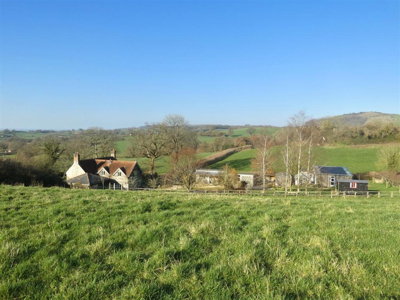
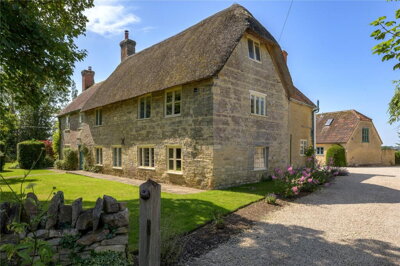
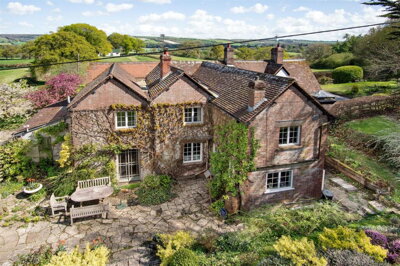
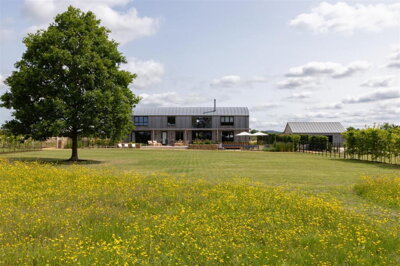
Browse 5 homes for sale in East Orchard from local estate agents.
The East Orchard property market offers detached, semi-detached, and terraced houses spanning various price ranges and neighbourhoods. Each listing includes detailed property information, photographs, and direct contact with the marketing agent.
The East Orchard property market demonstrates the resilient character of rural Dorset housing, with the average sold price reaching £335,000 over the past year according to Land Registry data. This represents a 2% increase on the previous year, a modest but encouraging rise that suggests stabilising conditions following the significant market corrections seen since the 2010 peak of £695,000. When compared against the broader Dorset picture, where the county average stands at £383,000 with a median of £338,000, East Orchard offers competitive pricing within a premium rural setting. The hamlet's positioning below the county average makes it an attractive entry point for buyers seeking Dorset countryside without paying the premium commanded by more sought-after villages.
Recent transaction data reveals a market dominated by detached and semi-detached properties, with semi-detached homes selling for between £335,000 and £350,000 in recent sales from October 2023 and October 2025. Detached properties command a premium, ranging from £385,000 to an impressive £720,000 for higher-specification homes, with one notable sale in July 2024 achieving £660,000 and another in October 2023 reaching £660,000. This range reflects the variety of property types available, from compact cottages to substantial family homes with generous gardens. The limited volume of nine sales over twelve months underscores the exclusive nature of this hamlet market, where properties change hands less frequently but attract determined buyers seeking rural Dorset living.
The housing stock in East Orchard spans several eras, from historic farmhouses and village cottages through to modern detached family homes. One notable recent sale included a five-bedroom detached house built in 2018, demonstrating that contemporary construction does occur in the area alongside the traditional housing stock. Properties such as Oaklands, described as a fine detached house with red brick and stone elevations under a tiled roof, exemplify the traditional Dorset architecture that characterises much of the hamlet. The mix of old and new creates a property market with options for different budgets and preferences, from those seeking a project requiring renovation to buyers wanting a modern home ready for immediate occupation.

East Orchard is a small village and civil parish in north Dorset, positioned delicately between the historic market towns of Sturminster Newton and Shaftesbury. This hamlet embodies the timeless appeal of rural England, with a scattering of traditional Dorset properties built from the local red brick and stone that characterise the area. Properties such as The Old School and The Old Vicarage speak to the village's heritage, while working farms and charming cottages complete a picture of authentic countryside living. The postcode area SP7 0LG encompasses approximately 11 households, fostering a close-knit community atmosphere where neighbours know one another and local events bring residents together throughout the year.
The village's rural character is complemented by its position within the Blackmore Vale, one of Dorset's most celebrated landscapes. The River Stour flows through the nearby countryside, offering scenic walks and opportunities for wildlife observation. Ancient footpaths criss-cross the surrounding farmland, connecting East Orchard to neighbouring villages and providing residents with an extensive network of trails for walking and cycling. The undulating Dorset countryside creates a beautiful backdrop for daily life, though buyers should note that properties may sit on varying ground conditions given the local geology which includes areas of clay, chalk, and limestone across the broader Dorset region.
For daily amenities, residents typically travel to nearby villages and market towns. Sturminster Newton offers a traditional weekly market, independent shops, and essential services including a GP surgery and pharmacy. Shaftesbury, famed for its steep hill and views across the Vale of Wardour, provides additional shopping facilities, restaurants, and cultural attractions. The nearby town of Gillingham, with its direct rail services to London Waterloo, serves as a practical hub for commuters and offers larger supermarket chains. This balance of hamlet tranquility with accessible town facilities makes East Orchard particularly appealing to those making the transition from urban to rural living.

Families considering a move to East Orchard will find a range of educational options within the surrounding north Dorset area. Primary education is served by schools in nearby villages and towns, with the nearest options typically within a short drive or bus journey. These village primary schools often benefit from smaller class sizes and strong community ties, providing children with a solid foundation in a supportive environment. Parents should research individual school performance data and Ofsted ratings to identify the best fit for their children's needs, as provision can vary between institutions.
Secondary education in the area centres on the market towns of Sturminster Newton and Shaftesbury, both of which offer comprehensive schools with sixth form provision. Theisbury School in Shaftesbury and Sturminster Newton High School provide secondary education up to A-Level, with students able to continue their studies locally rather than travelling further afield. For families seeking independent education, Dorset offers several private schools within reasonable driving distance, including boarding and day options at various levels. The rural setting of East Orchard does mean that school transport arrangements should be factored into any property search, particularly for secondary-aged children who may require bus services to reach their school of choice.
The relatively small scale of the local education system means that class sizes are often more manageable than in urban schools, allowing teachers to provide more individual attention to students. This can be particularly beneficial for younger children in their formative years, where the transition from nursery or Reception into formal education can be better supported in smaller settings. Parents moving from larger towns or cities often comment on the community feel of local schools, where teachers, parents, and children develop close relationships over time. For families prioritising educational environment alongside countryside living, the north Dorset school network provides a viable alternative to larger urban comprehensives.
Connectivity from East Orchard to broader transport networks is achieved through the nearby towns of Gillingham and Castle Cary, both offering regular rail services to London. From Gillingham station, passengers can reach London Waterloo in approximately two hours, making the capital accessible for commuters who need to travel regularly for work. Castle Cary station provides a faster route to London Paddington, with journey times of around one and a half hours, offering flexibility for those working in different parts of the capital or needing to connect to other major destinations.
Road connectivity is anchored by the A303, located approximately 12 miles from East Orchard, which provides a major arterial route across Hampshire and Wiltshire to the M3 and London beyond. The A350 corridor runs through nearby towns, connecting residents to the south coast ports and the wider motorway network. For local travel, bus services operate between villages and towns in north Dorset, though frequencies may be limited compared to urban areas. Cycling is popular for shorter journeys, with the undulating Dorset countryside offering scenic routes for those who appreciate pedal power. Daily commuters should factor in the reality of rural travel, where journey times to major employment centres will inevitably be longer than from metropolitan areas.
The proximity to Castle Cary station, with its direct Great Western Railway services to London Paddington, has become increasingly valuable for professionals working in the capital or the Thames Valley corridor. Journey times of around 90 minutes compare favourably with many outer suburban locations, and the station car park provides parking for those driving from East Orchard. Some residents choose to drive to Castle Cary rather than Gillingham, accepting the slightly longer journey to the station in exchange for faster onward travel. For those whose work patterns involve occasional commuting rather than daily travel, the current hybrid working arrangements make the East Orchard location even more practical than it might have been a decade ago.
Begin your property search by exploring current listings in East Orchard and understanding price trends. With an average sold price of £335,000 and limited inventory, familiarise yourself with what is available before making enquiries. Given the hamlet's small size and the relatively few properties that come to market each year, early research is essential to avoid missing opportunities when homes do become available. Our search tool aggregates listings from multiple estate agents, giving you a comprehensive view of the current market in one convenient location.
Contact a mortgage broker to obtain an agreement in principle. Having your finances confirmed before viewing properties strengthens your position and demonstrates seriousness to sellers in this competitive hamlet market. With typical purchase prices ranging from £335,000 for semi-detached homes to over £700,000 for premium detached properties, understanding your borrowing capacity early helps narrow your search effectively. Several specialist rural mortgage brokers operate in the Dorset market and understand the particular requirements of properties with land or outbuildings.
Visit properties that match your criteria, taking time to assess the condition of homes and the character of the area. Given the older housing stock, consider which properties might benefit from renovation and factor survey costs into your planning. When viewing period properties, look beyond cosmetic finishes to assess the condition of structural elements, roof coverings, and evidence of damp or timber issues. Many homes in East Orchard feature traditional construction with red brick, local stone, and tiled roofs, so understanding these building methods helps evaluate condition effectively.
Before proceeding with a purchase, instruct a qualified surveyor to conduct a Level 2 Survey. This is particularly important for period properties and farmhouses, where traditional construction methods may reveal issues requiring attention. Our surveyors understand the common defects found in Dorset properties, from age-related wear on traditional buildings to the specific challenges posed by local materials. A thorough survey can identify problems that might not be apparent during a casual viewing, potentially saving thousands in unexpected repair costs.
Appoint a conveyancing solicitor to handle the legal aspects of your purchase. They will conduct searches, review contracts, and manage the transaction through to completion. For properties in rural areas like East Orchard, searches should include drainage and water authority enquiries, environmental searches, and local authority checks for planning history. Rural properties may involve unusual title arrangements, rights of way, or agricultural covenants that require specialist attention.
Once all conditions are satisfied, your solicitor will exchange contracts and agree a completion date. On completion day, the property becomes yours and you can collect your keys. Given the small number of transactions in the East Orchard market, delays can occasionally occur when chains involve properties in multiple villages, so maintaining flexibility on timing helps navigate the process smoothly.
Property buyers in East Orchard should pay particular attention to the construction and condition of traditional Dorset homes. Many properties in the hamlet feature red brick and local stone elevations under tiled roofs, construction methods that have served the area well for generations but may show signs of age. Look for evidence of damp in older properties, check the condition of roof coverings, and investigate whether original features such as timber frames, thatched elements, or flagstone floors remain in good order. Properties like Higher Keybrook Farmhouse, a substantial stone farmhouse, exemplify the traditional construction that dominates the local housing stock and require experienced assessment of their condition.
The rural setting of East Orchard brings specific considerations that buyers should factor into their decision-making. Properties with land or outbuildings may require additional maintenance and insurance considerations. Drainage and water supply arrangements in rural areas can differ from town properties, so enquiries about septic systems, private water supplies, or shared arrangements should be made. Planning restrictions may apply to certain properties or locations, particularly given the rural character of the area. Your solicitor should investigate any planning history or potential restrictions during the conveyancing process, ensuring there are no surprises that might affect your enjoyment or investment.
Given Dorset's varied geology, which includes areas of clay, chalk, and limestone across the county, ground conditions warrant investigation for certain property types. While no specific subsidence or ground movement issues were identified in available research for East Orchard itself, the presence of clay soils in some parts of Dorset can create shrink-swell risks for foundations, particularly in properties with significant vegetation or those built on shrinkable clay subsoils. A thorough survey should include assessment of foundations and any signs of movement or cracking that might indicate ground-related issues. Properties built on more stable chalk or limestone formations typically present fewer foundation concerns, but this varies across the local landscape.
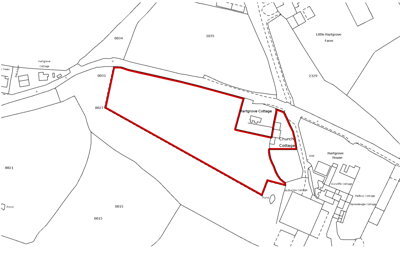
Beyond traditional residential properties, East Orchard offers unique opportunities for buyers interested in development or property projects. A rural development site on the edge of the hamlet is currently listed for sale, offering potential for multiple homes subject to planning permission. These development opportunities appeal to investors, self-builders, and developers seeking to create value through the planning process. The guide prices for such sites typically reflect their development potential, with recent listings indicating values in the £600,000 to £675,000 range for sites extending to approximately two acres.
For those seeking renovation or conversion projects, properties with planning potential continue to attract interest in the East Orchard area. One notable listing includes a four-bedroom farmhouse with planning permission for a two-bedroom Class Q agricultural conversion, set within 14.33 acres with additional land of 9.45 acres available separately. Class Q permitted development rights allow the conversion of agricultural buildings to residential use without the need for full planning permission, subject to meeting specific criteria. Such opportunities combine residential living with land ownership, appealing to those seeking a smallholding or equestrian use alongside their home.
Investment buyers should consider both the opportunity and the risks associated with development properties in rural Dorset. Planning consent is not guaranteed even where sites have been marketed with development potential, and the planning process can extend over many months with uncertain outcomes. However, for patient investors with appropriate resources, the combination of limited housing supply in the hamlet and continued demand for rural Dorset properties creates a compelling case for development activity. Your solicitor and any advisors should carefully review any planning history, pre-application advice from Dorset Council, and the specific conditions attached to any existing permissions before committing to a purchase.
The average sold price in East Orchard is £335,000 over the past year according to Land Registry data, representing a 2% increase on the previous year. This compares to a Dorset county average of £383,000 and median of £338,000. Detached properties typically sell for between £385,000 and £720,000, while semi-detached homes have sold for between £335,000 and £350,000 in recent transactions. The market remains relatively quiet with only 9 property sales recorded over twelve months, reflecting the hamlet's exclusive character.
East Orchard falls under the council tax jurisdiction of Dorset Council. Specific band allocations vary by property depending on their valuation, with bands typically ranging from A through to H for residential properties across the county. For a property at the local average price of £335,000, the council tax band would typically fall in the C to D range, though this varies based on the property's specific valuation. Your solicitor can confirm the council tax band for any specific property during the conveyancing process, and this information is publicly available through the Valuation Office Agency website.
Primary education in the area is served by village schools in surrounding communities including those in nearby parishes, while secondary schools are located in nearby towns such as Sturminster Newton and Shaftesbury. Theisbury School in Shaftesbury and Sturminster Newton High School offer secondary education with sixth form provision, serving students from the wider north Dorset area. Parents should research individual school performance data and Ofsted reports to identify the most suitable options for their children, as catchment areas and transport arrangements vary. Independent schools are available within reasonable driving distance for families seeking private education options.
East Orchard is a rural hamlet with limited bus services, though connections exist to nearby towns on certain routes and days. Rail services are accessed via Gillingham station, offering journeys to London Waterloo in approximately two hours, and Castle Cary station, providing access to London Paddington in around ninety minutes. The A303 is approximately 12 miles away, connecting the area to the wider road network and providing routes to the M3 corridor and beyond. For daily commuting, most residents rely on private vehicle transport, though the rail connections do make occasional commuting to London practical.
East Orchard offers a niche market for property investment, with limited availability and a rural Dorset location that continues to attract buyers seeking country living. The recent 2% price increase suggests market stability, though the volume of transactions is low with only 9 sales in the past year. Properties with development potential, such as the rural development sites currently on the market, may appeal to investors seeking to add value through planning consents or renovation projects. The hamlet's position below the Dorset county average price could indicate potential for further growth as demand for rural properties continues.
Stamp Duty Land Tax rates start at 0% for properties up to £250,000, rising to 5% on the portion between £250,001 and £925,000 for standard buyers. First-time buyers benefit from relief on the first £425,000 at 0%, with 5% charged between £425,001 and £625,000. At the average East Orchard price of £335,000, a standard buyer would pay £4,250 in stamp duty, calculated as 0% on £250,000 plus 5% on £85,000. First-time buyers would pay £0 under current thresholds, making East Orchard an attractive option for those entering the property market for the first time.
No specific conservation area designations or concentrations of listed buildings were identified in available research data for East Orchard itself. However, the hamlet's rural character and heritage properties such as The Old School and The Old Vicarage suggest that planning controls may apply to certain properties. Any listed building status would be confirmed during the conveyancing process through local authority searches and the Historic England register. Even where properties are not formally listed, their age and traditional construction may attract attention from conservation officers if significant alterations are proposed.
Given the traditional construction methods common in East Orchard, including red brick, local stone, and tiled roofs, surveyors will pay particular attention to the condition of these materials and any associated defects. Age-related deterioration, previous repairs, and the impact of weather on traditional buildings all warrant careful assessment. Properties with thatch or timber framing require specialist inspection for signs of rot, beetle activity, or structural movement. Draught-proofing and insulation standards in older properties may fall below modern expectations, affecting energy efficiency and running costs. A comprehensive RICS Level 2 Survey provides detailed assessment appropriate for most properties, though more complex historic buildings may benefit from a full Building Survey.
From £350
Professional survey suitable for most properties, identifying defects and condition issues
From £500
Comprehensive building survey recommended for older or complex properties
From £60
Energy performance certificate required for all property sales
From 4.5% APR
Compare mortgage deals from leading lenders
From £499
Expert legal services for your property purchase
Understanding the full cost of purchasing property in East Orchard requires careful budgeting beyond the advertised price. Stamp Duty Land Tax represents the most significant additional cost for buyers in England. For a property priced at the local average of £335,000, a standard buyer would pay £4,250 in stamp duty, calculated at 0% on the first £250,000 and 5% on the remaining £85,000. First-time buyers purchasing properties up to £425,000 would pay no stamp duty at all under current thresholds, providing meaningful savings for those entering the property market for the first time.
Professional costs typically include mortgage arrangement fees, which can range from free to around £2,000 depending on the lender and product chosen, plus valuation fees. Survey costs should be budgeted at £350 or more for a RICS Level 2 Survey, with more comprehensive assessments available for older or more complex properties. Conveyancing fees for a standard purchase usually start from around £499 for basic legal work, though costs can increase for properties with complications such as unusual titles, rights of way, or renovation requirements. Local searches through Dorset Council and drainage and water searches typically total £250-£400, while Land Registry fees and bank transfer charges add further modest costs to the transaction.
For those purchasing rural properties with land, additional costs may include specialist surveys for outbuildings, environmental assessments, or structural engineering reports. Properties with septic tanks or private water supplies require appropriate surveys to confirm their condition and compliance with current regulations. Buildings insurance should be arranged from the point of exchange, and for properties with significant land, agricultural or estate insurance may be appropriate. Budgeting conservatively at around 3-5% of the purchase price for additional costs beyond stamp duty helps ensure buyers are not caught out by unexpected expenses as completion approaches.
Properties for Sale In London

Properties for Sale In Plymouth

Properties for Sale In Liverpool

Properties for Sale In Glasgow

Properties for Sale In Sheffield

Properties for Sale In Edinburgh

Properties for Sale In Coventry

Properties for Sale In Bradford

Properties for Sale In Manchester

Properties for Sale In Birmingham

Properties for Sale In Bristol

Properties for Sale In Oxford

Properties for Sale In Leicester

Properties for Sale In Newcastle

Properties for Sale In Leeds

Properties for Sale In Southampton

Properties for Sale In Cardiff

Properties for Sale In Nottingham

Properties for Sale In Norwich

Properties for Sale In Brighton

Properties for Sale In Derby

Properties for Sale In Portsmouth

Properties for Sale In Northampton

Properties for Sale In Milton Keynes

Properties for Sale In Bournemouth

Properties for Sale In Bolton

Properties for Sale In Swansea

Properties for Sale In Swindon

Properties for Sale In Peterborough

Properties for Sale In Wolverhampton

Enter your details to see if this property is within your budget.
Loans, cards, car finance
Estimated property budget
Borrowing + deposit
You could borrow between
Typical borrowing
Monthly repayment
Est. at 4.5%
Loan-to-value
This is an estimate only. Your actual budget may vary depending on interest rates, credit history, and personal circumstances. For an accurate affordability assessment, speak to one of our free mortgage advisors.
This calculator provides estimates for illustrative purposes only and does not constitute financial advice. Your home may be repossessed if you do not keep up repayments on your mortgage. Estimates based on 4.5% interest rate, repayment mortgage. Actual rates depend on your circumstances.
Homemove is a trading name of HM Haus Group Ltd (Company No. 13873779, registered in England & Wales). Homemove Mortgages Ltd (Company No. 15947693) is an Appointed Representative of TMG Direct Limited, trading as TMG Mortgage Network, which is authorised and regulated by the Financial Conduct Authority (FRN 786245). Homemove Mortgages Ltd is entered on the FCA Register as an Appointed Representative (FRN 1022429). You can check registrations at NewRegister or by calling 0800 111 6768.

We use cookies to show you personalised content and improve your experience of our website. Find out more in our Privacy policy and Cookie policy.