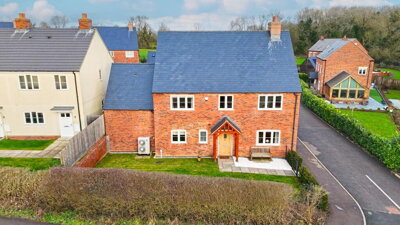
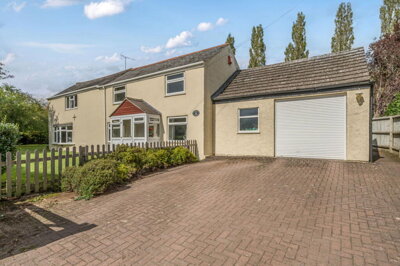
Browse 2 homes for sale in East Norton from local estate agents.
The larger property sector typically features multiple bathrooms, substantial reception space, and private gardens or off-street parking. Four bedroom houses in East Norton span detached, semi-detached, and occasionally terraced configurations, with styles ranging from period properties to modern executive homes.
240 residents
Population
LE7
Postcode
Harborough
District
A47 corridor
Transport
The East Norton property market reflects the village's status as a sought-after rural location within Harborough district. Recent transaction data indicates a diverse range of property values across the LE7 postcode area, with individual sales providing useful benchmarks for prospective buyers. A terraced property on Loddington Lane achieved £270,000 in July 2023, while detached homes on Church Lane and Uppingham Road have sold for between £555,000 and £1,550,000 depending on size and condition. Semi-detached properties on Hallaton Road averaged around £220,000 based on October 2025 sales, demonstrating the variety of entry points available in this village market.
Property types in East Norton predominantly consist of traditional stone and brick cottages, many of which predate the twentieth century given the village's wealth of listed buildings dating back several centuries. The housing stock includes historic thatched cottages, red brick period properties, and larger detached residences set within generous plot sizes. Our listings include character homes with original features alongside more modernised properties that have been sympathetically updated while retaining their traditional appeal. The absence of major new build developments within East Norton itself means buyers are typically acquiring established properties with established gardens and mature surroundings. This mature market appeals to buyers seeking authenticity over modernity, with properties often featuring original fireplaces, exposed beams, and stone walls that tell the story of the village's heritage.

Land Registry data for LE7 postcode area
Properties in East Norton showcase the distinctive construction methods that have shaped Leicestershire's rural architecture for centuries. East Norton Hall exemplifies local building traditions, constructed of coursed and squared ironstone rubble with limestone dressings and a stone tiled roof. The village's older properties feature similar ironstone and limestone construction, materials prized for their durability and thermal properties but requiring understanding of appropriate maintenance approaches. Many cottages along Church Lane and Main Street incorporate these traditional materials, with stone walls often exceeding eighteen inches in thickness, providing excellent insulation against Leicestershire's variable weather.
The geology beneath East Norton sits on the Marlstone Rock Formation, which influences local building practices and ground conditions. This underlying geology affects drainage patterns and foundation requirements, with properties built on naturally free-draining ground in some areas while low-lying parts of the village may experience different ground conditions. Prospective buyers should understand that clay shrink-swell risk affects many parts of Leicestershire, where clay-rich soils expand when wet and contract during dry periods. While East Norton's specific ground conditions vary across the parish, understanding the local geology helps explain the construction choices made by builders across different centuries.
The village's nineteenth-century brick buildings feature cast iron windows and detailing that requires regular maintenance to prevent corrosion. Thatched roofs remain highly desirable for their traditional appearance and excellent insulation properties, but they demand specialist knowledge and regular upkeep from craftspeople experienced in their maintenance. When evaluating East Norton properties, we encourage buyers to assess the condition of traditional materials honestly, budgeting for maintenance requirements that are normal for period buildings rather than viewing them as defects.
East Norton embodies the essence of traditional English rural village life, characterised by stone cottages, winding lanes, and an atmosphere of peaceful seclusion that draws buyers seeking escape from urban pressures. The village centre clusters around the historic Church Lane and Main Street, where centuries-old buildings stand alongside mature hedgerows and traditional farmsteads. The village's conservation area designation protects the historic core, ensuring that development maintains the architectural harmony that makes East Norton visually distinctive. Residents enjoy the rhythm of countryside living, with footpaths crossing farmland and connecting the village to neighbouring communities for walking and cycling.
The local economy centres on agriculture and small-scale rural enterprises, with farms and equestrian facilities dotting the surrounding countryside. The village community maintains an active social fabric through local events, parish council meetings, and the traditional pub which serves as a gathering point for residents. Cultural attractions include the Church of All Saints, a Grade II* listed building dating from the thirteenth century, which represents not only a place of worship but also an architectural landmark of regional significance. The Grade II listed Post Office, dated 1643, stands as one of the village's oldest surviving structures, while the Wesleyan Chapel reflects the Methodist heritage that shaped village life in the nineteenth century. These heritage assets contribute to East Norton's sense of place and provide focal points for community identity.
Leisure opportunities in the surrounding Leicestershire countryside include fishing on local rivers, golf at nearby courses, and exploring the Rutland Water area which offers watersports, cycling trails, and nature reserves within reasonable driving distance. The nearby market towns of Market Harborough and Oakham provide additional amenities including restaurants, independent shops, and cultural venues for days out closer to home. Families settling in East Norton benefit from the village's safe, traffic-free environment where children can play outdoors and neighbours maintain friendly, supportive relationships typical of small rural communities.

East Norton's conservation area status reflects the village's exceptional architectural heritage, encompassing its historic core along Main Street, Church Lane, and surrounding open spaces. The concentration of listed buildings throughout the village demonstrates centuries of continuous occupation and building development, from medieval structures through to Victorian additions. Our inspectors regularly assess properties within this conservation area, understanding how listed status affects maintenance responsibilities and any proposed alterations homeowners may wish to undertake.
Key heritage assets include the Church of All Saints, designated Grade II* for its special architectural and historical interest dating from the thirteenth century. East Norton Hall, constructed of coursed ironstone rubble with limestone dressings, represents the Georgian period's influence on country houses in Leicestershire. The Post Office, dated 1643, features stone mullion bay windows that survive as exceptional examples of seventeenth-century domestic architecture. Neatsgate Farmhouse, Smiths Cottage, and The Walnuts all contribute to the village's rich architectural , each building telling stories of the families and tradespeople who shaped East Norton over generations.
The K6 Telephone Kiosk, installed as part of the post-war telephone network expansion, represents twentieth-century heritage that now enjoys listed status for its design significance. The Wesleyan Chapel reflects the Methodist movement's important role in village life during the nineteenth century, when religious nonconformity shaped social organisation across rural England. Understanding East Norton's heritage helps buyers appreciate why the village maintains its distinctive character and why conservation area restrictions exist to protect this legacy for future generations.
Education provision for East Norton residents includes primary schools in nearby villages and towns, with the nearest primary school located in the surrounding area serving families with young children. Primary schools in the wider Harborough district generally serve small catchments reflecting the rural nature of the area, allowing children to build strong relationships with peers from neighbouring villages. Many parents choose to supplement local schooling with additional tutoring or extracurricular activities available in nearby market towns, particularly for music, sport, and arts education.
Secondary education options for East Norton families include schools in Market Harborough and the surrounding market towns, with several schools in the area maintaining good Ofsted ratings and strong academic reputations. Secondary schools in Harborough district offer a range of GCSE and A-level programmes, with sixth form provision available at secondary schools and colleges within reasonable commuting distance. Parents considering secondary school options should verify current catchment areas and admissions policies with Leicestershire County Council, as these can change and may affect which schools pupils can access from East Norton. Transport arrangements for secondary pupils typically involve school bus services or family transport, a consideration for families planning their move to this rural village location.
Transport connectivity from East Norton relies primarily on road networks, with the A47 passing through the village providing direct access to major destinations across the region. The A47 connects East Norton to Leicester to the northwest and Peterborough to the southeast, while the nearby A6 provides routes to Market Harborough, Kettering, and onwards to the M1 motorway at junction 19. This road network positions East Norton residents within reasonable driving distance of major employment centres including Leicester, Northampton, and Kettering, though commuting times should be factored into any relocation decision.
Public transport options serving East Norton include bus services connecting the village to nearby towns and larger villages where train stations provide onward rail connections. The nearest railway stations are located in Market Harborough and Leicester, offering East Coast Main Line and Midland Main Line services respectively to London St Pancras, with journey times to the capital typically taking between one and two hours depending on the service. Leicester station provides particularly comprehensive rail connections including services to Birmingham, Nottingham, Sheffield, and Leeds, making it a valuable resource for commuters working in northern cities who need access to capital connections.
For those who drive, parking provision in East Norton reflects its village status, with on-street parking available throughout the settlement alongside private driveways and garages attached to properties. The village's location away from major congestion points means commuting by car is generally straightforward, with the A606 and A5144 providing alternative routes to nearby towns. Cyclists benefit from quiet country lanes for recreational riding, while the Sustrans National Cycle Network routes in the region provide longer-distance options for those wishing to explore by bike. Growing infrastructure for electric vehicles includes charging points in nearby towns as the transition to sustainable transport continues.
Spend time exploring East Norton at different times of day and week to understand the community atmosphere, noise levels from the A47, and the availability of local services. Visit nearby market towns to assess practical amenities, and speak with current residents about their experience of living in the village.
Before viewing properties, obtain a mortgage agreement in principle from a lender or broker. This strengthens your position when making offers and demonstrates to sellers that you have financing secured, which is particularly important in a village market where sellers may receive multiple enquiries.
Schedule viewings of properties matching your criteria, taking time to assess condition, layout, and any potential issues requiring attention. Note the presence of period features alongside maintenance requirements typical of older properties in conservation areas.
Commission a RICS Level 2 or Level 3 survey before purchasing any East Norton property, given the age of many buildings and the prevalence of traditional construction materials including stone, thatch, and ironstone. A thorough survey identifies structural concerns, timber conditions, and any renovation work required.
Appoint a solicitor experienced in rural property transactions to handle legal work, searches, and contracts. They will investigate planning permissions, conservation area restrictions, and any rights of way affecting the property you are purchasing.
Once all searches are satisfactory and financing is confirmed, your solicitor will exchange contracts and set a completion date. On completion day, the remaining balance transfers and you receive the keys to your new East Norton home.
Properties in East Norton require careful inspection given their age and traditional construction methods, with buildings spanning several centuries of English architectural history. Many village properties are constructed from ironstone and limestone, materials that offer excellent durability but require understanding of appropriate maintenance approaches. Thatched roofs, while highly desirable for their traditional appearance, demand specialist knowledge and regular upkeep from craftspeople experienced in their maintenance. Prospective buyers should factor potential roof replacement costs into their budget when considering period properties, as full re-thatching represents a significant investment.
The conservation area status affecting the historic core of East Norton imposes restrictions on external alterations, repairs, and extensions that homeowners should understand before purchasing. Planning permission and listed building consent may be required for changes that would otherwise be permitted development in non-designated areas. The presence of the Grade II* and Grade II listed buildings throughout the village means neighbouring properties are also protected, which helps maintain character but requires patience when seeking approvals for any modifications. Your solicitor should confirm the property's position within or outside the conservation area boundary and explain any relevant planning conditions attached to the title.
Flood risk represents a consideration for East Norton buyers, with surface water flooding identified along the A47 corridor during periods of intense rainfall. Small flow paths cross and follow the A47 between Thurnby and East Norton during certain rainfall events, and a specific flooding incident on the A47 at East Norton in November 2016 was attributed to surface water runoff from saturated agricultural land exceeding the capacity of the highway drainage system. Properties near the main road or in low-lying positions within the village should be assessed for their flood history and any flood resilience measures installed. A thorough survey will check for signs of previous water ingress, dampness, or drainage issues that might indicate vulnerability to surface water flooding during extreme weather events.
Specific average house price data for East Norton as a discrete village is not published separately, but sales within the LE7 postcode area provide useful benchmarks. Recent transactions have ranged from approximately £220,000 for semi-detached properties on Hallaton Road to over £1,550,000 for large detached homes on Church Lane, with terraced cottages on Loddington Lane typically selling between £250,000 and £300,000. The broader Leicestershire market showed an average price of £299,000 as of early 2026, though East Norton's premium rural location and historic character often command prices towards the upper end of local comparables.
Council tax bands for East Norton properties are set by Harborough Borough Council and cover bands A through H depending on property value. Most traditional cottages and village homes constructed from ironstone and limestone fall within bands B through E, while larger detached properties such as those on Church Lane may be in bands F or G. Prospective buyers should check the specific banding for any property they are considering, as bands affect ongoing running costs and can indicate relative property values within the village.
East Norton does not have its own school, so families rely on primary schools in surrounding villages and secondary schools in nearby market towns. Primary education is available at village schools in the wider area, with several schools in the Harborough district maintaining good Ofsted ratings. Secondary options include schools in Market Harborough and surrounding towns, where families should verify current catchment areas and admissions criteria before purchasing. Families should plan for school transport arrangements, particularly for secondary education where daily journeys to nearby towns will be necessary from this rural village location.
Public transport options from East Norton include bus services connecting to nearby towns where railway stations provide national rail connections. The nearest stations are in Market Harborough and Leicester, offering East Coast and Midland Main Line services to London and northern cities with journey times of one to two hours. Bus services operate on the A47 route, though frequency is limited reflecting the rural nature of the village. Most residents rely on private cars for daily transport, with the A47 providing road connections to Leicester, Market Harborough, and onward motorway networks including the M1 at junction 19.
East Norton appeals to buyers seeking rural lifestyle rather than high rental yields, with property values reflecting the premium for village living and period character. The conservation area status and limited supply of village properties help maintain values, while the desirability of traditional English villages supports long-term demand. Investment buyers should consider that rental demand in East Norton is likely limited due to the village's small population of 240 residents and lack of local employment, making capital appreciation a more realistic prospect than rental income.
Stamp Duty Land Tax applies to all property purchases in England, with current thresholds set at zero percent for the first £250,000 of purchase price, five percent on the portion from £250,001 to £925,000, ten percent up to £1.5 million, and twelve percent above that. First-time buyers benefit from increased thresholds of zero percent up to £425,000 and five percent between £425,001 and £625,000. Given East Norton's typical property values, most purchases fall within the five percent band on amounts above £250,000, though larger detached properties reaching into the £600,000 to £1,550,000 range may reach the ten percent bracket.
From 4.5%
Financing your East Norton home purchase
From £499
Legal services for property transactions
From £350
Detailed inspection of your East Norton property
From £80
Energy performance certificate
Understanding the full costs of purchasing property in East Norton helps you budget accurately and avoid surprises during the transaction process. Beyond the purchase price, buyers should budget for Stamp Duty Land Tax, which applies to all English property purchases above £250,000 at standard rates. For a typical East Norton cottage priced at £350,000, this would mean Stamp Duty of £5,000, calculated as five percent on the £100,000 above the threshold. First-time buyers purchasing properties up to £625,000 benefit from relief that reduces this cost significantly, with no Stamp Duty payable below £425,000.
Legal costs for conveyancing typically range from £500 to £2,000 depending on the complexity of the transaction and whether the property is freehold or leasehold. Searches conducted by your solicitor include local authority searches, drainage and water searches, and environmental searches that investigate flood risk and ground conditions relevant to East Norton's geology and the Marlstone Rock Formation underlying the village. Survey costs depend on the level of inspection commissioned, with basic valuations around £300, while comprehensive RICS Level 2 or Level 3 surveys cost between £350 and £1,000 depending on property size. Given the age of many East Norton properties and their traditional ironstone and limestone construction, we recommend commissioning a thorough survey to identify any structural issues or maintenance requirements before committing to purchase.
Additional moving costs include removal charges, Land Registry fees for registering your ownership, and potentially mortgage arrangement fees if your lender charges these. Buildings insurance should be arranged from the point of exchange of contracts, as you become legally responsible for the property at that stage. Setting aside a contingency fund of around five to ten percent of the purchase price covers unexpected costs that may arise during the purchase process or immediately after moving in, particularly relevant for period properties where maintenance requirements become apparent only after occupation. Our inspectors often identify items requiring attention during surveys, and having funds available ensures you can address these without financial strain.
Properties for Sale In London

Properties for Sale In Plymouth

Properties for Sale In Liverpool

Properties for Sale In Glasgow

Properties for Sale In Sheffield

Properties for Sale In Edinburgh

Properties for Sale In Coventry

Properties for Sale In Bradford

Properties for Sale In Manchester

Properties for Sale In Birmingham

Properties for Sale In Bristol

Properties for Sale In Oxford

Properties for Sale In Leicester

Properties for Sale In Newcastle

Properties for Sale In Leeds

Properties for Sale In Southampton

Properties for Sale In Cardiff

Properties for Sale In Nottingham

Properties for Sale In Norwich

Properties for Sale In Brighton

Properties for Sale In Derby

Properties for Sale In Portsmouth

Properties for Sale In Northampton

Properties for Sale In Milton Keynes

Properties for Sale In Bournemouth

Properties for Sale In Bolton

Properties for Sale In Swansea

Properties for Sale In Swindon

Properties for Sale In Peterborough

Properties for Sale In Wolverhampton

Enter your details to see if this property is within your budget.
Loans, cards, car finance
Estimated property budget
Borrowing + deposit
You could borrow between
Typical borrowing
Monthly repayment
Est. at 4.5%
Loan-to-value
This is an estimate only. Your actual budget may vary depending on interest rates, credit history, and personal circumstances. For an accurate affordability assessment, speak to one of our free mortgage advisors.
This calculator provides estimates for illustrative purposes only and does not constitute financial advice. Your home may be repossessed if you do not keep up repayments on your mortgage. Estimates based on 4.5% interest rate, repayment mortgage. Actual rates depend on your circumstances.
Homemove is a trading name of HM Haus Group Ltd (Company No. 13873779, registered in England & Wales). Homemove Mortgages Ltd (Company No. 15947693) is an Appointed Representative of TMG Direct Limited, trading as TMG Mortgage Network, which is authorised and regulated by the Financial Conduct Authority (FRN 786245). Homemove Mortgages Ltd is entered on the FCA Register as an Appointed Representative (FRN 1022429). You can check registrations at NewRegister or by calling 0800 111 6768.

We use cookies to show you personalised content and improve your experience of our website. Find out more in our Privacy policy and Cookie policy.