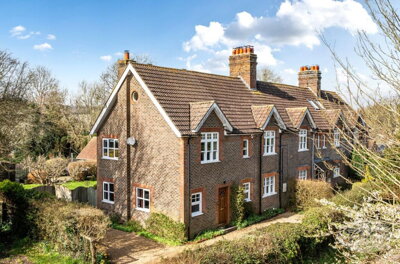
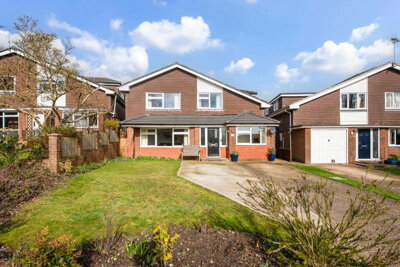
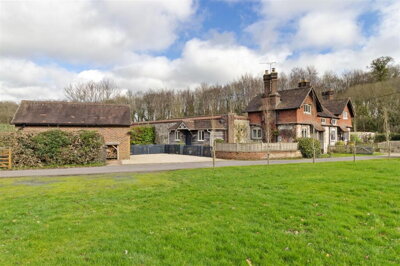
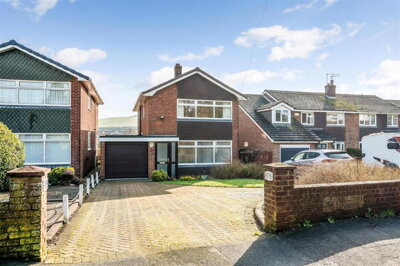
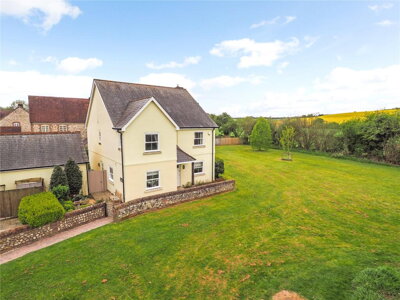
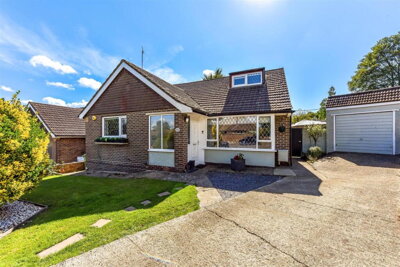
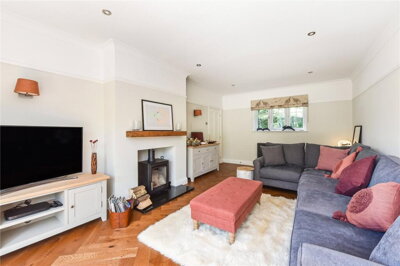
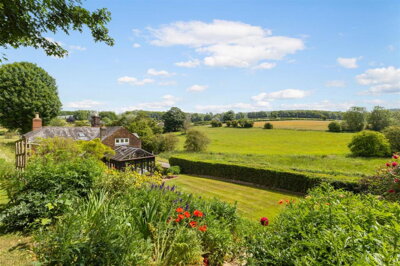
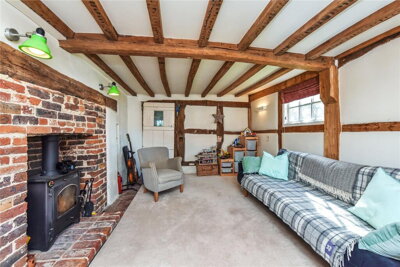
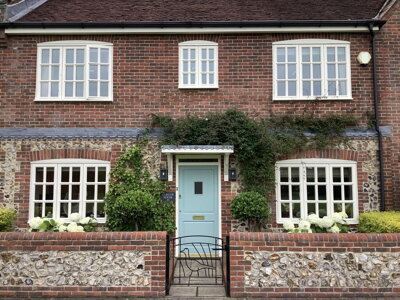
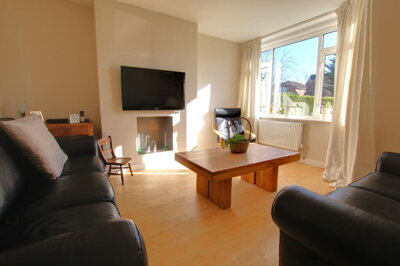
Browse 11 homes for sale in East Meon from local estate agents.
The larger property sector typically features multiple bathrooms, substantial reception space, and private gardens or off-street parking. Four bedroom houses in East Meon span detached, semi-detached, and occasionally terraced configurations, with styles ranging from period properties to modern executive homes.
The East Meon property market has demonstrated remarkable strength in recent years, with house prices rising significantly over the past twelve months. According to Rightmove data, sold prices in the village are 221% higher than the previous year and sit 11% above the 2019 peak of £1,713,571. This substantial increase reflects growing demand for rural properties with character and space, particularly since the shift towards flexible working arrangements has enabled more buyers to consider village locations away from major commuter routes. OnTheMarket reports an average price paid of £1,765,000 as of early 2026, underscoring the premium nature of property ownership in this part of East Hampshire.
Property types available in East Meon span a wide spectrum, from grand detached country houses to more modest terraced cottages. Recent sales data reveals the range of values achievable, with Glebe House on East Meon Lane achieving £3,750,000 in August 2025, while smaller period properties like Bakehouse Cottage on High Street sold for £485,000 in March 2024. Semi-detached houses in the village centre, such as a property at 5 The Green, have changed hands for £535,000. These figures illustrate that while East Meon commands premium prices overall, properties exist at various price points to suit different budgets and requirements.
New build activity within the GU32 postcode area remains limited, with no active development sites currently verified within the village itself. This scarcity of modern housing stock means buyers seeking contemporary features may need to look at renovation opportunities or properties that have undergone sympathetic modernisation. The village's location within the South Downs National Park also means that any new development faces strict planning controls designed to preserve the area's natural beauty and historic character, which further reinforces the exclusivity of the existing housing stock.
For the broader East Hampshire context, the Office for National Statistics reported an average house price of £440,000 in December 2025, a 0.4% change from the previous year. Within East Hampshire, semi-detached property prices rose by 1.8% year-on-year while flat values decreased by 2.2%, highlighting the continued premium attached to houses with gardens in this region. However, East Meon sits well above this broader average, reflecting the village's exceptional desirability and limited supply.

East Meon is a village that has retained its historic identity through the centuries, offering residents a glimpse of traditional English village life in the heart of the South Downs. The village centres around the River Meon, which flows gently through the settlement, crossed by picturesque stone bridges and bordered by meadowland that bursts into colour during spring and summer months. The architecture reflects centuries of habitation, with properties built predominantly from local stone and traditional brick, many featuring thatched roofs and period detailing that speak to the village's agricultural heritage.
Life in East Meon revolves around community, with a traditional pub serving as a focal point for social gatherings and a village hall hosting events throughout the year. The South Downs National Park provides an unparalleled backdrop for outdoor activities, with extensive footpaths and bridleways threading across chalk downland, offering spectacular views across the Meon Valley. Residents enjoy walking, cycling, and horse riding along these ancient routes, while the river itself supports a healthy ecosystem that attracts wildlife enthusiasts and anglers alike. The slower pace of life here stands in stark contrast to urban living, yet the village remains well-connected to surrounding towns for those occasions when amenities beyond village life are required.
The village's population comprises a mix of long-term residents, families drawn by the excellent local schooling, and professionals who appreciate the ability to work remotely in an inspiring setting. This demographic diversity creates a vibrant community atmosphere while maintaining the peaceful character that makes East Meon so appealing. Local amenities include a village shop, a primary school, and the mentioned pub, while larger facilities in nearby Petersfield are within easy reach for weekly shopping, healthcare appointments, and leisure activities.
The village's conservation area status ensures that any significant changes to the street scene require careful consideration and often consent from the National Park authority. Properties within these protected zones benefit from enhanced character but also carry obligations that affect what owners can and cannot do with their homes. This balance of preservation and practicality is fundamental to understanding what makes East Meon such a special place to live.

Education provision in East Meon centres on the village primary school, which serves families with children from Reception through to Year 6. This local school benefits from small class sizes that enable teachers to provide individual attention and support, fostering a nurturing environment where children can develop academically and socially. Parents frequently cite the school's strong community connections and the opportunities for outdoor learning facilitated by the surrounding countryside as particular advantages of educating children in this rural setting.
For secondary education, students typically travel to schools in nearby towns such as Petersfield, which offers several options including maintained schools and those with specialist status. The journey times are manageable, with school transport services operating from the village, though parents should factor commuting logistics into their decision-making process when considering secondary school options. Grammar school provision exists in the wider East Hampshire area, with selective schools in Petersfield and Alton attracting students who pass the entrance examination, and families often factor catchment areas into their property search.
Sixth form and further education opportunities are readily accessible in Petersfield, where students can pursue A-levels or vocational qualifications at established colleges. The proximity to larger towns means that families in East Meon have access to a broader range of educational institutions than the village itself could support, effectively combining the benefits of rural primary education with comprehensive secondary and post-16 provision within reasonable travelling distance. Parents should always verify current school performance data, admission policies, and transport arrangements, as these factors can significantly influence the educational journey of children growing up in the village.
Transport connections from East Meon reflect its rural village character, with road travel serving as the primary means of getting around for most residents. The village sits within easy reach of the A3, which provides a direct route to London and the south coast, connecting residents to Portsmouth to the south and Guildford to the north. The A272 offers an alternative east-west route through the heart of Hampshire, linking East Meon to Petersfield and Winchester. For those working in nearby towns, the journey times are generally manageable, though car ownership is considered essential for daily commuting and general mobility.
Rail services are accessed via nearby Petersfield, which operates a mainline station on the Portsmouth Direct line. From Petersfield, trains reach London Waterloo in approximately one hour and ten minutes, making this corridor viable for commuters who need to travel to the capital regularly. Portsmouth and Southampton are also accessible by train, with journey times of around thirty to forty minutes respectively. This makes East Meon an attractive option for workers who split their time between home working and occasional office attendance in major employment centres along the south coast or in London.
Local bus services connect East Meon to surrounding villages and towns, providing an alternative to car travel for those who prefer not to drive. However, service frequencies are limited compared to urban areas, so residents should check current timetables and plan journeys accordingly. Cycling infrastructure in the area has improved in recent years, with quieter country lanes offering pleasant routes for confident cyclists, while the South Downs Way attracts mountain bikers and touring cyclists from across the region. For international travel, Southampton Airport and Portsmouth ferry terminals provide connections to continental Europe, while London Gatwick and Heathrow are accessible via road or rail for longer-haul destinations.
Begin by exploring our listings for East Meon properties, familiarising yourself with the village's character, property types, and price points. Given the premium nature of this market, understanding what drives value in this South Downs location will help you make informed decisions about where to focus your search and what to expect in terms of competition.
Contact estate agents active in the East Meon area to arrange viewings of properties that match your criteria. Viewing multiple properties allows you to compare condition, character, and value, helping you identify the right home for your circumstances. Agents familiar with the village can also alert you to properties coming to market before they appear on major portals.
Before making an offer, secure a mortgage agreement in principle from a lender. This demonstrates your financial credibility to sellers and strengthens your position when negotiating on desirable properties like those in East Meon. Given the higher property values in this village, ensuring your financing is arranged early is particularly important.
Given the age and character of many East Meon properties, a Level 2 Survey is essential to identify any structural issues, damp problems, or maintenance concerns before you commit to purchase. Older period properties may require more detailed investigation, and properties with thatched roofs or listed building status may benefit from additional specialist assessments.
Appoint a solicitor experienced in rural property transactions to handle the legal aspects of your purchase, including searches, contracts, and registration of title at the Land Registry. Transactions involving properties in conservation areas or listed buildings require additional specialist knowledge of planning conditions and heritage obligations.
Once all surveys, searches, and legal work are satisfactory, you will exchange contracts and pay your deposit, with completion typically following within weeks to transfer ownership of your new East Meon home. The village's tight-knit property market means that maintaining good relationships with all parties throughout the process can be advantageous.
Purchasing a property in East Meon requires careful consideration of several factors that are particularly relevant to this rural village setting. The age of the housing stock means that many properties will exhibit characteristics typical of period construction, including solid walls without cavity insulation, original timber framing, and traditional building methods that predate modern building regulations. These features contribute to the charm and character that buyers seek, but they also require ongoing maintenance and may present challenges that buyers should understand before committing to purchase.
The village's location within the Meon Valley and its underlying chalk geology influence ground conditions throughout the area. While chalk is generally stable, localised variations in soil composition can affect individual properties. Properties built on or near clay deposits may be more susceptible to ground movement during periods of drought or heavy rainfall. A thorough survey will assess foundation conditions and identify any signs of subsidence or heave that might require attention. Given the village's historic properties, including notable examples like the Grade II listed 16th century thatched cottages found on some streets, specialist heritage assessments may also prove valuable for certain purchases.
Flood risk represents an important consideration for any buyer, given that East Meon is situated in the Meon Valley with the River Meon flowing through the village. Properties located near the river or in low-lying areas may be susceptible to fluvial flooding during periods of heavy rainfall, and prospective buyers should investigate the flood risk for any specific property under consideration. The presence of the river also contributes to the village's beauty and recreational opportunities, so this risk should be weighed against the benefits of living in such an attractive location. A RICS Level 2 Survey can help identify any previous flooding or water damage that may affect a property.
Planning restrictions within the South Downs National Park are particularly stringent, and buyers should be aware that permitted development rights may be more limited than in other areas. Any plans for extensions, outbuildings, or significant alterations will require careful consideration of National Park planning policies. Similarly, properties that are listed buildings will be subject to additional controls over alterations and maintenance, which can affect both the cost and complexity of future improvements. Understanding these constraints before purchase ensures that your plans for the property are realistic and achievable.
Understanding the costs associated with buying property in East Meon is essential for budgeting effectively, particularly given the higher property values in this premium market. Stamp Duty Land Tax applies to all purchases above £250,000 at standard rates, with buyers paying nothing on the first £250,000, 5% on the portion from £250,001 to £925,000, 10% on the next £575,000, and 12% on any amount exceeding £1.5 million. For a typical East Meon property priced at £1.7 million, this would result in SDLT of approximately £96,250, a substantial sum that buyers must factor into their financial planning.
First-time buyers purchasing property in East Meon should note that relief only applies to the portion of a purchase up to £625,000, with no relief available above this threshold. Given that most East Meon properties exceed this value, first-time buyers may find that standard SDLT rates apply to the majority of their purchase. However, those buying properties below the relief threshold should ensure they claim all applicable exemptions and relief, as failing to do so represents an unnecessary additional cost.
Beyond SDLT, buyers should budget for solicitor fees, which typically range from £500 to £1,500 for conveyancing on a residential property purchase. Survey costs for a RICS Level 2 Survey on a property in East Meon will depend on the property value and size, but buyers should expect to pay from £350 for a standard assessment. Removal costs, mortgage arrangement fees, and valuation fees from lenders also contribute to the overall cost of moving, and obtaining quotes for these services in advance helps ensure that your moving budget is comprehensive and realistic.
Properties in East Meon fall under East Hampshire District Council for council tax purposes, with bands typically ranging from E through H given the village's premium property values. This ongoing annual cost should be factored into household budgeting alongside mortgage payments and maintenance reserves. Buyers should check the specific council tax band for any property under offer, as this represents a permanent cost of ownership that varies between properties based on their assessed value.
The average house price in East Meon varies between data sources, with Zoopla reporting £1,570,833, Rightmove indicating £1,910,000, and OnTheMarket showing £1,765,000 for recent sales. This places East Meon firmly in the premium segment of the East Hampshire property market. Prices have risen significantly over the past twelve months, with Rightmove data showing a 221% increase compared to the previous year. Individual property values range from around £485,000 for smaller period cottages to over £3.75 million for substantial country houses, ensuring options exist across various budget levels.
East Meon benefits from a local primary school within the village, which offers small class sizes and strong community links. For secondary education, families typically access schools in nearby Petersfield, with options including both maintained schools and those with specialist status. Grammar schools in Petersfield and Alton attract students who pass the selective entrance examination. Parents should verify current Ofsted ratings and admission policies, as these factors can influence educational outcomes and access to preferred schools.
Public transport options from East Meon are limited, reflecting its rural village character. Bus services connect the village to surrounding communities, though frequencies are lower than in urban areas. Rail services are accessed via Petersfield station, approximately 5 miles away, which offers direct trains to London Waterloo in around 70 minutes. Car ownership is generally considered essential for daily commuting and accessing amenities, though residents who work remotely or have flexible schedules will find the village well-suited to their lifestyle.
East Meon offers several factors that appeal to property investors, including its desirable location within the South Downs National Park, the rarity of properties coming to market, and consistent demand from buyers seeking village living. The village's heritage, scenic setting, and community atmosphere support long-term desirability. However, investors should consider that premium entry costs, limited rental demand in such a small village, and planning restrictions within the National Park may affect rental yields and future appreciation. The market is relatively illiquid, meaning properties can take time to sell.
Properties in East Meon fall under East Hampshire District Council for council tax purposes. The specific band depends on the property's assessed value, with bands ranging from A through H. Given the village's premium property values, many homes will fall into higher bands, typically E through H. Prospective buyers should check the specific council tax band for any property they are considering, as this represents an ongoing annual cost that should be factored into household budgeting.
Stamp Duty Land Tax on an East Meon property is calculated on a sliding scale starting at 0% for the first £250,000, rising to 5% on £250,001 to £925,000, 10% on £925,001 to £1.5 million, and 12% on any amount above £1.5 million. For a property priced at the village average of around £1.77 million, SDLT would be approximately £99,000. First-time buyer relief applies only up to £625,000, so buyers at this price point would not benefit significantly from this exemption. Budgeting for these costs alongside purchase price and survey fees ensures a complete financial plan.
East Meon contains several listed buildings, reflecting its centuries-old heritage and the historical significance of its architecture. Properties such as Grade II listed 16th century thatched cottages can be found throughout the village, particularly along High Street and nearby lanes. These heritage properties carry additional obligations for owners, including restrictions on alterations and requirements for specialist maintenance. Buyers considering a listed property should factor in the additional costs and expertise required for any works, as well as the planning consents that may be needed from the National Park authority.
Given that East Meon features a significant proportion of older, period properties, common defects include damp issues arising from solid wall construction without modern damp-proof courses, roof problems such as slipped tiles or degraded leadwork, and outdated electrical wiring that may not meet current standards. Timber-framed properties may show signs of rot or woodworm infestation, while thatched roofs require specialist assessment and ongoing maintenance. A thorough RICS Level 2 Survey will identify these issues before purchase, allowing buyers to negotiate repairs or adjust their offer accordingly.
Properties for Sale In London

Properties for Sale In Plymouth

Properties for Sale In Liverpool

Properties for Sale In Glasgow

Properties for Sale In Sheffield

Properties for Sale In Edinburgh

Properties for Sale In Coventry

Properties for Sale In Bradford

Properties for Sale In Manchester

Properties for Sale In Birmingham

Properties for Sale In Bristol

Properties for Sale In Oxford

Properties for Sale In Leicester

Properties for Sale In Newcastle

Properties for Sale In Leeds

Properties for Sale In Southampton

Properties for Sale In Cardiff

Properties for Sale In Nottingham

Properties for Sale In Norwich

Properties for Sale In Brighton

Properties for Sale In Derby

Properties for Sale In Portsmouth

Properties for Sale In Northampton

Properties for Sale In Milton Keynes

Properties for Sale In Bournemouth

Properties for Sale In Bolton

Properties for Sale In Swansea

Properties for Sale In Swindon

Properties for Sale In Peterborough

Properties for Sale In Wolverhampton

Enter your details to see if this property is within your budget.
Loans, cards, car finance
Estimated property budget
Borrowing + deposit
You could borrow between
Typical borrowing
Monthly repayment
Est. at 4.5%
Loan-to-value
This is an estimate only. Your actual budget may vary depending on interest rates, credit history, and personal circumstances. For an accurate affordability assessment, speak to one of our free mortgage advisors.
This calculator provides estimates for illustrative purposes only and does not constitute financial advice. Your home may be repossessed if you do not keep up repayments on your mortgage. Estimates based on 4.5% interest rate, repayment mortgage. Actual rates depend on your circumstances.
Homemove is a trading name of HM Haus Group Ltd (Company No. 13873779, registered in England & Wales). Homemove Mortgages Ltd (Company No. 15947693) is an Appointed Representative of TMG Direct Limited, trading as TMG Mortgage Network, which is authorised and regulated by the Financial Conduct Authority (FRN 786245). Homemove Mortgages Ltd is entered on the FCA Register as an Appointed Representative (FRN 1022429). You can check registrations at NewRegister or by calling 0800 111 6768.

We use cookies to show you personalised content and improve your experience of our website. Find out more in our Privacy policy and Cookie policy.