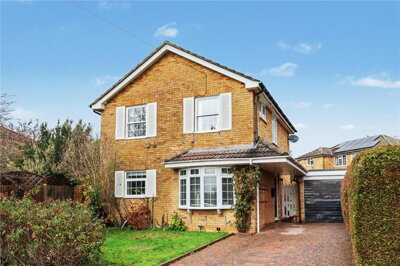
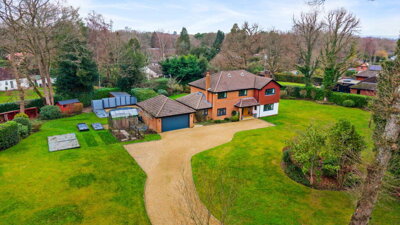
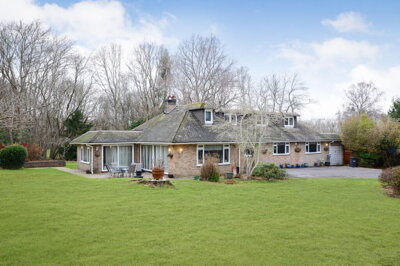
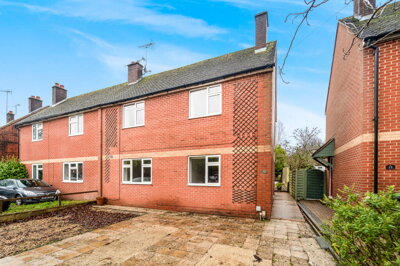
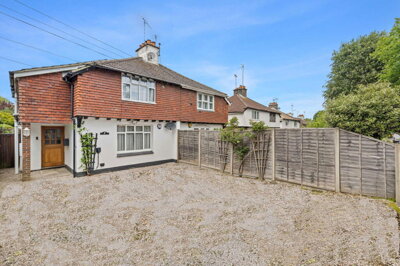
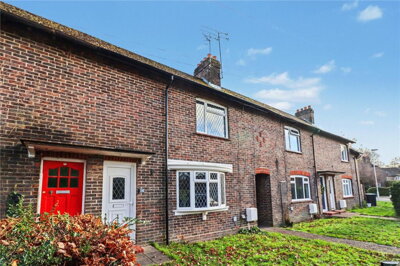
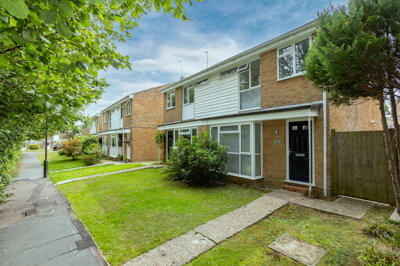
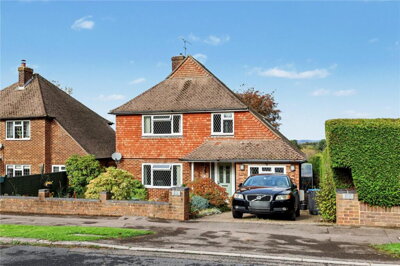
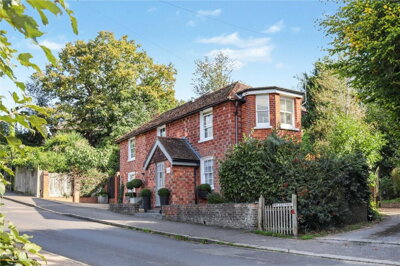
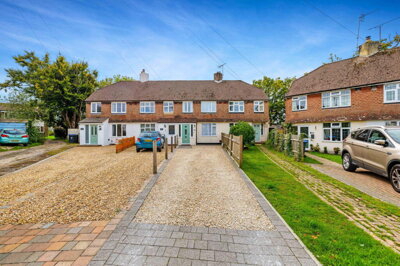
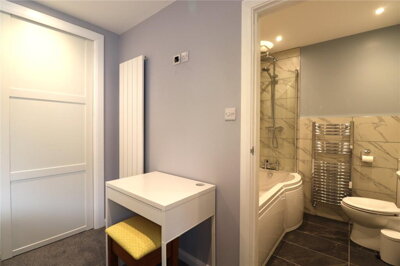
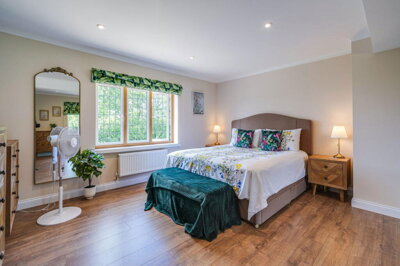
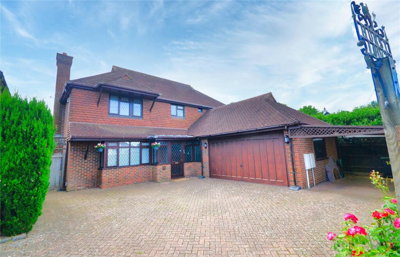
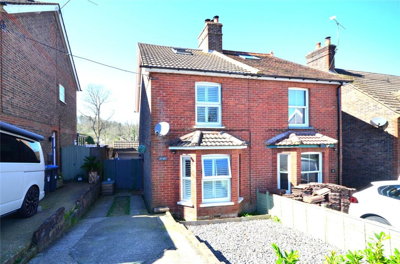
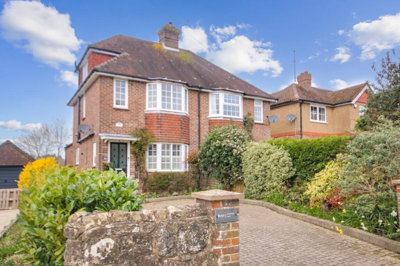
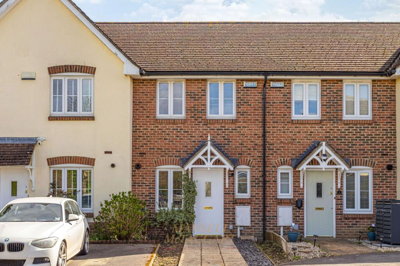
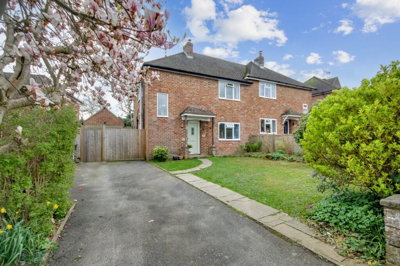
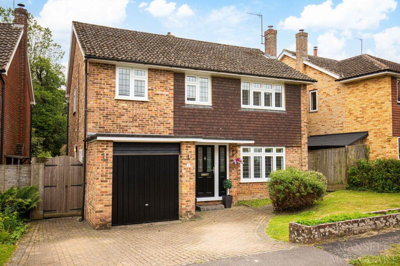
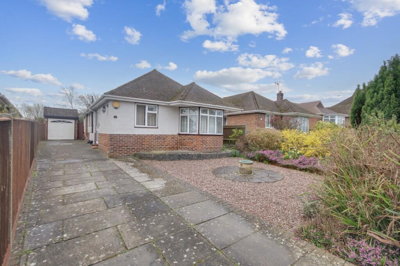
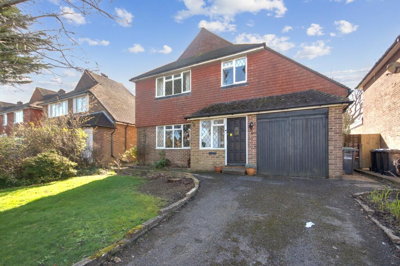
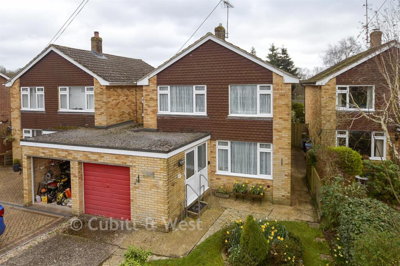
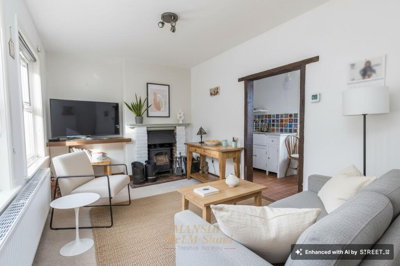
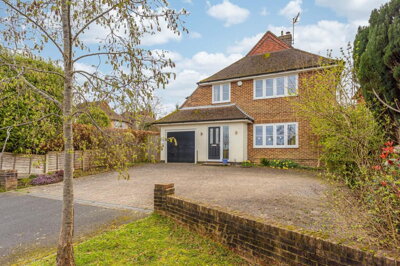
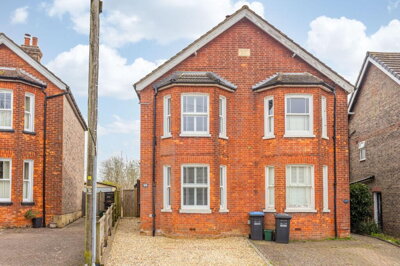
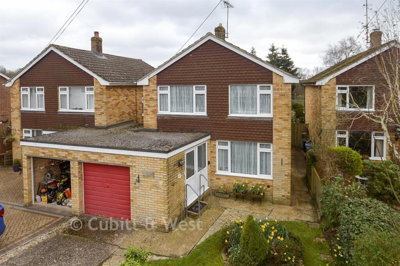
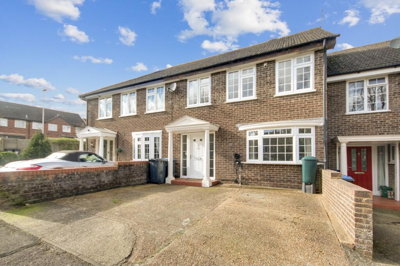
Browse 440 homes for sale in East Grinstead from local estate agents.
The East Grinstead property market offers detached, semi-detached, and terraced houses spanning various price ranges and neighbourhoods. Each listing includes detailed property information, photographs, and direct contact with the marketing agent.
The High Roothing property market has experienced notable shifts in recent years, presenting both opportunities and considerations for prospective buyers. As of February 2026, the average price paid for properties in the village stands at approximately £395,000, while broader market data indicates an overall average of around £440,000 over the past twelve months. These figures represent a significant adjustment from previous peaks, with sold prices down 40% compared to the previous year and 30% below the 2018 peak of £632,896. In 2025 specifically, the median sale price reached £477,500 across six recorded sales, marking a 21.7% decrease compared to 2024 figures.
Property types in High Roothing reflect the village's rural character and heritage architecture. Detached homes dominate the market, accounting for 50% of recent sales, with a median price of £495,000 in 2025. Semi-detached properties traded at a median of £390,000, while terraced homes achieved around £365,000 based on limited recent transactions. The village's housing stock spans centuries of construction, from timber-framed and thatched properties dating back to the 14th century through to more recent additions. This variety means buyers can choose between authentic period homes full of character and properties offering more modern standards of construction.
The limited transaction volume in High Roothing, with approximately 6 sales annually, means that properties rarely appear on the open market. When desirable properties do become available, they tend to attract strong interest from buyers specifically seeking the village's unique combination of heritage character and rural location. This relative scarcity creates opportunities for patient buyers who monitor the market consistently, as well as those prepared to act quickly when suitable properties emerge. Properties along The Street, which forms the village's main thoroughfare, frequently feature the most significant heritage buildings and command premiums reflecting their central location and architectural importance.
New build activity within High Roothing remains limited, with most available properties being existing homes rather than newly constructed developments. Individual new build properties occasionally appear on the market, including detached homes finished to high standards, but large-scale housing developments are not characteristic of this village location. For buyers seeking modern construction methods and energy efficiency, the existing period properties may require consideration of renovation potential or specialist surveys to assess their current condition thoroughly.

High Roothing embodies the classic English village experience, offering residents a peaceful countryside lifestyle within reach of urban conveniences. The village is renowned for its concentration of historic buildings, with numerous properties dating from the 14th century onwards. Many of these heritage homes feature traditional timber-framed construction and retain their original thatched roofs, creating an unmistakably picturesque streetscape that has been preserved for generations. The Hundred Parishes Society notes that Uttlesford District Council maintains a conservation area appraisal for the village, recognising the importance of its built heritage and the need to protect its distinctive character for future generations.
The demographic profile of High Roothing reflects typical rural village characteristics, with a population of 581 residents according to the most recent census data. Community life revolves around local landmarks, countryside walks, and the shared appreciation for the village's natural and built environment. The surrounding landscape of Uttlesford offers rolling farmland, ancient woodlands, and scenic footpaths that attract walkers and nature enthusiasts. The village's position within the Hundred Parishes region means residents have access to an extensive network of marked footpaths and bridleways connecting High Roothing to neighbouring villages including Aythorpe Roding, Leaden Roothing, and White Roothing.
Local amenities in High Roothing itself are limited, consistent with its village status, but essential services are accessible in neighbouring communities. The CM6 postcode area includes nearby villages and the market town of Great Dunmow, which offers supermarkets, pharmacies, healthcare facilities, and a range of independent shops. The White Hart pub in the village provides the primary local social venue, offering food and drinks in traditional surroundings that attract both residents and visitors from surrounding areas. For more comprehensive retail therapy and entertainment options, Chelmsford city centre is within comfortable driving distance, providing major shopping centres, restaurants, theatres, and comprehensive rail connections to London.
The seasonal calendar in High Roothing reflects traditional rural customs, with community events often tied to the agricultural heritage of the surrounding Uttlesford farmland. Local countryside shows and fetes in neighbouring villages draw attendance from High Roothing residents throughout the spring and summer months. The village's position within easy reach of Stansted Airport, approximately 20 minutes by car, adds an unexpected convenience for regular travellers while maintaining the rural atmosphere that defines the community. This balance of village tranquility and urban accessibility makes High Roothing particularly appealing to buyers who value countryside living without complete isolation from modern conveniences.
Education provision for families considering High Roothing relies on a network of local schools within the Uttlesford district. Primary education is typically accessed through village schools in the surrounding area, with several primary schools serving the rural communities nearby. Schools in nearby Great Dunmow, including Great Dunmow Primary School and Drury Academy, provide options within reasonable travelling distance. These establishments provide early years and Key Stage 1-2 education, with Ofsted ratings and specific performance data varying by institution. Parents are advised to research individual school performance metrics and consider catchment area boundaries when making property decisions, as school admissions policies can significantly impact family relocation plans.
Secondary education in the area is served by schools in larger nearby towns, requiring consideration of transportation arrangements for families with older children. The Uttlesford district includes several secondary schools offering comprehensive education through to sixth form, with academic and vocational pathways available to suit different learner preferences and career aspirations. St Mary's Catholic School in Bishop's Stortford and Helena Romanes School in Great Dunmow provide options for secondary-aged children, with transportation arrangements managed through the local authority or private arrangements. School transport links vary by location, so prospective buyers with school-age children should investigate specific journey times and arrangements from High Roothing to their preferred secondary school options.
For families requiring early years childcare or preschool facilities, several options exist within the local area, including village-based preschools and nurseries that provide flexible care arrangements for working parents. The Pre-School Learning Alliance and community-run facilities in surrounding villages offer early years education for children before they reach primary school age. Further education and higher education institutions are accessible in Chelmsford and beyond, with Writtle University College offering land-based and agricultural courses, while Chelmsford College provides A-levels and vocational qualifications. The proximity of High Roothing to Chelmsford means that older students have reasonable access to the city's educational institutions while benefiting from the village's countryside environment during their formative years.
Transport connectivity from High Roothing relies primarily on road networks, with the village situated within the Essex countryside between major towns and cities. The A120 provides an important east-west corridor connecting the local area to Bishop's Stortford to the west and Chelmsford to the east, facilitating commuting and access to amenities. The M11 motorway is accessible from the surrounding road network, offering connections to Cambridge to the north and London to the south, making High Roothing viable for professionals working in either direction. Journey times by car to major employment centres vary depending on traffic conditions but generally fall within reasonable ranges for those seeking countryside living with urban employment.
The nearest mainline railway station is located in Bishop's Stortford, approximately 15 miles from High Roothing, providing regular services to London Liverpool Street with journey times of around 40 minutes. Stansted Airport railway station, situated approximately 12 miles away, offers additional rail connections including services to Cambridge and direct links to London Liverpool Street via the Stansted Express. Chelmsford station, reachable within 25 minutes by car, provides frequent services to London Liverpool Street taking approximately 35 minutes, making it a practical option for daily commuters. Those dependent on rail travel should factor these distances into their location assessment when considering High Roothing as a base.
Public transport options from High Roothing are limited, consistent with rural village characteristics, and prospective buyers should factor this into their location assessment. Bus services connect the village to neighbouring towns and villages, but frequency and routing may not suit all commuting requirements. The 133 bus service operated by Essex Suffolk Herts Community Transport provides connections between surrounding villages, though service frequencies typically reflect the reduced demand characteristic of rural routes. Cycling infrastructure in the area consists primarily of rural lanes and public footpaths, with cycling feasible for local journeys and recreational purposes. Road cycling is popular in the Uttlesford countryside, with scenic routes through nearby villages and countryside attracting enthusiasts.
Parking provision within High Roothing reflects its residential nature, with on-street parking typical for the housing stock along The Street and surrounding roads. Properties with private driveways or garages represent valuable assets in the village, particularly for households requiring multiple vehicles. Commuters considering High Roothing as a base should evaluate their transportation requirements carefully, potentially considering the village most suitable for those with car access or flexible working arrangements that reduce daily commuting demands. The combination of road connectivity to major motorways and proximity to Stansted Airport makes High Roothing attractive for those who travel occasionally for work but maintain regular home-based working patterns.
Before beginning your property search in High Roothing, secure a mortgage agreement in principle from a lender. This financial preparedness demonstrates your seriousness to estate agents and sellers while helping you understand your realistic budget within the local market. Given the village's property prices ranging from terraced homes around £365,000 to detached properties at £495,000 median, understanding your borrowing capacity shapes your search parameters effectively. Many lenders offer online mortgage calculators that can provide initial budget guidance before you commit to a full application.
Explore property listings across major portals and register with local estate agents active in the High Roothing and Uttlesford area. Understanding what is available, recent sale prices achieved, and how long properties take to sell provides crucial market intelligence. The village's heritage properties and conservation area status mean additional considerations apply compared to standard residential purchases. Registering with agents such as those based in Great Dunmow and Bishop's Stortford ensures you receive notifications when properties matching your criteria become available.
Arrange viewings of shortlisted properties, ideally at different times of day and in various weather conditions to assess the property and neighbourhood thoroughly. Pay attention to the condition of period features, potential maintenance requirements, and how the property suits your lifestyle needs. For heritage properties, consider the implications of listed building status and any planning constraints that may affect your intended use. Viewing properties in different seasons can reveal aspects such as drainage, garden conditions, and natural lighting variations throughout the year.
Once you have agreed a purchase, instruct a qualified surveyor to assess the property's condition before proceeding. Given High Roothing's prevalence of older timber-framed and thatched properties, a comprehensive survey is particularly valuable. A RICS Level 2 Survey provides detailed assessment of the property's construction, identifies defects, and informs your purchasing decision and renegotiation if issues are discovered. For properties of significant historical interest or those requiring extensive renovation, a RICS Level 3 Building Survey may prove more appropriate for the deeper investigation it provides.
Appoint a conveyancing solicitor to handle the legal aspects of your purchase, including searches, contracts, and registration with the Land Registry. Your solicitor will manage communication between all parties, ensure you understand any conditions affecting the property, and guide the transaction through to completion. Using a solicitor with experience in rural and heritage properties is advantageous given the specific considerations in High Roothing, particularly for listed building transactions and conservation area properties.
Upon satisfactory survey results and contract negotiations, proceed to exchange contracts and pay your deposit. Completion dates are agreed between parties, and on completion day, your solicitor transfers the remaining funds and you receive the keys to your new High Roothing home. Registration with local services, utilities, and community groups completes your move into this historic Uttlesford village. Arranging buildings insurance from exchange of contracts is essential, particularly for period properties where specialist insurers may offer better coverage terms.
Buying property in High Roothing requires careful consideration of factors beyond standard property surveys, particularly given the village's heritage status and period housing stock. The concentration of listed buildings dating from the 14th century onwards means many properties carry statutory protections that affect permitted alterations, maintenance requirements, and renovation options. Prospective buyers should investigate whether their target property is listed and understand the implications for future plans before committing to a purchase. English Heritage guidance and Uttlesford District Council planning department provide specific information on listed building consent requirements.
Thatched roofs are a distinctive feature of High Roothing's architectural heritage, adding significant character but requiring specialist maintenance and ongoing costs. These roofs typically have shorter lifespans than modern alternatives and require skilled craftsmen for repairs, which can be more expensive than standard roofing work. A thorough survey should assess the condition of any thatched elements and provide cost estimates for future maintenance. Similarly, timber-framed construction, while historically authentic, requires attention to potential issues including woodworm, rot, and structural movement that may have occurred over the centuries.
Damp represents one of the most common issues identified in older properties across High Roothing, particularly those with traditional construction methods that predate modern damp proofing techniques. Rising damp, penetrating damp, and condensation-related moisture can all affect period properties, especially those with solid walls rather than cavity construction. A thorough survey should include detailed assessment of damp levels throughout the property, with particular attention to ground floor walls, cellars, and areas with limited ventilation. Electrical and plumbing systems in older properties frequently require updating to meet current safety standards, and buyers should budget for potential re-wiring or re-plumbing works.
Flood risk assessment is prudent for any property purchase, and while specific flood risk data for High Roothing was not identified in available research, general precautions apply to all property transactions. Subsidence considerations are relevant given the prevalence of clay soils across Essex, which can cause ground movement affecting older structures. The clay-rich geology common to the Uttlesford area can lead to shrink-swell ground movement during periods of drought or heavy rainfall, potentially affecting properties with shallow foundations. Buyers should review any existing insurance arrangements, past claims history, and geological factors that may influence long-term property condition. Conservation area restrictions may affect external modifications, so understanding these parameters helps align your purchase with your renovation and improvement expectations.

Properties in High Roothing have an average price of approximately £440,000 based on the last twelve months of sales data, with February 2026 figures showing an average of around £395,000. Detached properties command a median price of £495,000, while semi-detached homes trade at around £390,000 and terraced properties at approximately £365,000. Recent market activity shows 6 sales in 2025 with a median price of £477,500, though prices have experienced significant adjustment from the 2018 peak of £632,896. The village's relatively low transaction volume means that each sale can have a notable impact on aggregate statistics, making it important to assess individual properties rather than relying solely on average figures.
Properties in High Roothing fall under Uttlesford District Council administration, and council tax bands vary by individual property depending on its valuation. The CM6 postcode area covers multiple villages, and council tax bands typically range from Band A for lower-valued properties through to Band H for the most valuable homes. Given High Roothing's heritage properties and significant period homes, council tax valuations often reflect the character and size of these distinctive properties. Prospective buyers should check the specific property's council tax band through the Valuation Office Agency or Uttlesford District Council website, as this ongoing cost forms part of the overall financial commitment when purchasing in the village.
High Roothing is served by local primary schools in the surrounding Uttlesford area, with specific options depending on your exact location and catchment boundaries. Great Dunmow Primary School and Drury Academy provide primary education within reasonable travelling distance, while Helena Romanes School offers secondary education with a strong academic reputation in the nearby market town. Parents should research individual school Ofsted ratings, examination results, and admission policies to identify the most suitable options for their children's education needs. School transport arrangements should be verified before committing to a property purchase, as catchment area boundaries can affect eligibility for school places.
Public transport connectivity from High Roothing is limited, reflecting its rural village character. Bus services provide connections to neighbouring towns and villages, though frequencies may not suit regular commuting requirements. The nearest mainline railway stations are located in Bishop's Stortford and Stansted Airport, offering services to London Liverpool Street and Cambridge among other destinations. Most residents of High Roothing rely on private vehicle ownership for daily transportation, and prospective buyers without cars should carefully assess whether available services meet their practical needs. The village's position between the A120 and M11 provides road connectivity that offsets limited public transport options for those with access to a vehicle.
High Roothing offers distinct investment considerations compared to urban property markets. The village's heritage character, conservation status, and limited new build supply suggest stable long-term demand for period properties among buyers seeking rural lifestyle options. Recent price corrections from the 2018 peak may present buying opportunities for long-term investors, though market liquidity is limited with only around 6 sales annually. Properties requiring renovation may offer value enhancement potential, though heritage restrictions and specialist maintenance costs for period features should factor into investment calculations. Investors should consider the costs of maintaining thatched roofs, timber-framed structures, and outdated services when calculating potential returns.
Stamp duty Land Tax rates for residential property purchases from April 2025 are 0% on the first £250,000, 5% on the portion from £250,001 to £925,000, 10% on the portion from £925,001 to £1,500,000, and 12% on any amount above £1,500,000. First-time buyers benefit from relief on purchases up to £625,000, paying 0% on the first £425,000 and 5% on the remainder up to that threshold. Given High Roothing's property prices typically falling in the £365,000 to £495,000 range, most purchases attract stamp duty in the lower bands, though your solicitor will calculate the exact liability based on your specific circumstances and purchase price.
From £350
Detailed assessment ideal for High Roothing's period properties
From £500
Comprehensive survey for older or listed properties
From £75
Energy performance certificate for your property
From £499
Legal services for your property purchase
From 4.5%
Finance for your High Roothing home
Beyond the property purchase price, buyers acquiring a home in High Roothing should budget for additional costs including stamp duty Land Tax, solicitor fees, survey charges, and moving expenses. For properties in the typical High Roothing price range of £365,000 to £495,000, stamp duty calculations depend on your buyer status and whether you qualify for first-time buyer relief. A typical purchase at the current median price of £477,500 would incur stamp duty of approximately £11,375 for a main residence buyer, while first-time buyers could benefit from reduced rates paying approximately £2,625 on the same purchase.
Solicitor fees for conveyancing in the High Roothing area typically start from around £499 for basic transaction handling, though costs increase for leasehold properties, complex titles, or heritage properties requiring additional due diligence. Heritage property transactions often involve additional searches related to listed building status, conservation area obligations, and any planning conditions affecting the property. Survey costs vary by property type and survey level chosen, with a RICS Level 2 Survey starting from approximately £350 and providing detailed assessment particularly valuable for the village's period properties. For listed buildings or properties requiring extensive renovation assessment, a RICS Level 3 Building Survey starting from around £500 provides the comprehensive evaluation that such properties may require.
Ongoing costs following your High Roothing purchase include council tax payable to Uttlesford District Council, building and contents insurance, utility bills, and maintenance reserves for the property. Buildings insurance for period properties with thatched roofs may cost more than standard policies, and specialist insurers exist who understand the unique requirements of heritage properties. Period properties with heritage features may require higher maintenance budgets than modern equivalents, with thatched roofs, timber-framed structures, and older mechanical systems all potentially requiring specialist care. Setting aside funds for anticipated maintenance and unexpected repairs ensures you can preserve your historic High Roothing home properly while managing your household finances effectively. A recommended guideline is to budget 1-2% of the property value annually for maintenance and repairs on older properties.
Properties for Sale In London

Properties for Sale In Plymouth

Properties for Sale In Liverpool

Properties for Sale In Glasgow

Properties for Sale In Sheffield

Properties for Sale In Edinburgh

Properties for Sale In Coventry

Properties for Sale In Bradford

Properties for Sale In Manchester

Properties for Sale In Birmingham

Properties for Sale In Bristol

Properties for Sale In Oxford

Properties for Sale In Leicester

Properties for Sale In Newcastle

Properties for Sale In Leeds

Properties for Sale In Southampton

Properties for Sale In Cardiff

Properties for Sale In Nottingham

Properties for Sale In Norwich

Properties for Sale In Brighton

Properties for Sale In Derby

Properties for Sale In Portsmouth

Properties for Sale In Northampton

Properties for Sale In Milton Keynes

Properties for Sale In Bournemouth

Properties for Sale In Bolton

Properties for Sale In Swansea

Properties for Sale In Swindon

Properties for Sale In Peterborough

Properties for Sale In Wolverhampton

Enter your details to see if this property is within your budget.
Loans, cards, car finance
Estimated property budget
Borrowing + deposit
You could borrow between
Typical borrowing
Monthly repayment
Est. at 4.5%
Loan-to-value
This is an estimate only. Your actual budget may vary depending on interest rates, credit history, and personal circumstances. For an accurate affordability assessment, speak to one of our free mortgage advisors.
This calculator provides estimates for illustrative purposes only and does not constitute financial advice. Your home may be repossessed if you do not keep up repayments on your mortgage. Estimates based on 4.5% interest rate, repayment mortgage. Actual rates depend on your circumstances.
Homemove is a trading name of HM Haus Group Ltd (Company No. 13873779, registered in England & Wales). Homemove Mortgages Ltd (Company No. 15947693) is an Appointed Representative of TMG Direct Limited, trading as TMG Mortgage Network, which is authorised and regulated by the Financial Conduct Authority (FRN 786245). Homemove Mortgages Ltd is entered on the FCA Register as an Appointed Representative (FRN 1022429). You can check registrations at NewRegister or by calling 0800 111 6768.

We use cookies to show you personalised content and improve your experience of our website. Find out more in our Privacy policy and Cookie policy.