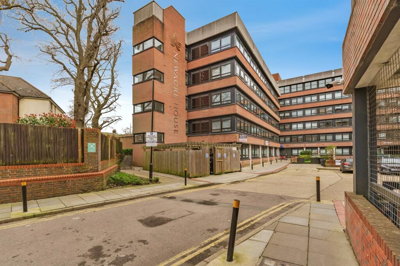
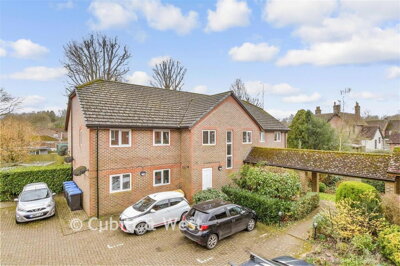
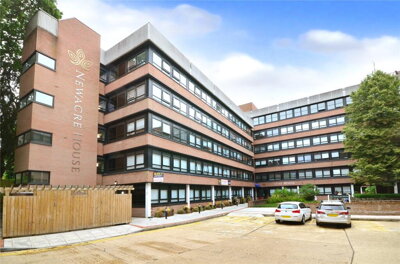
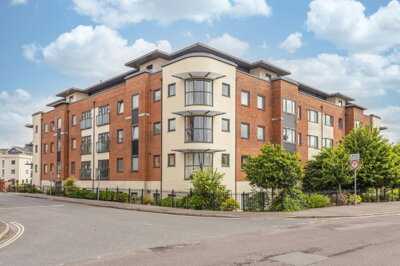
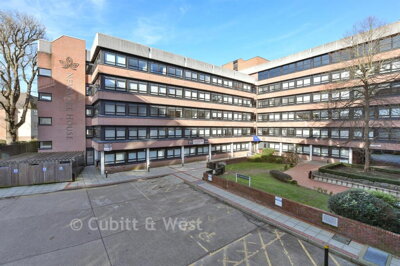
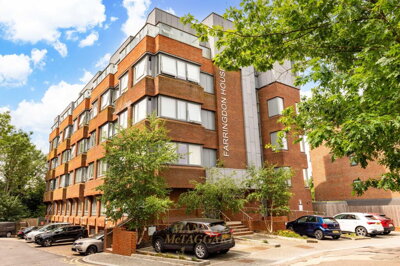
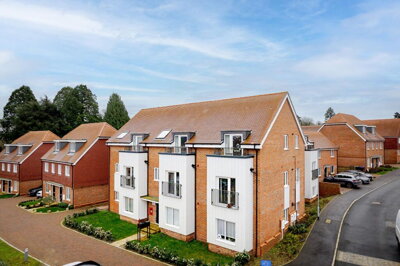
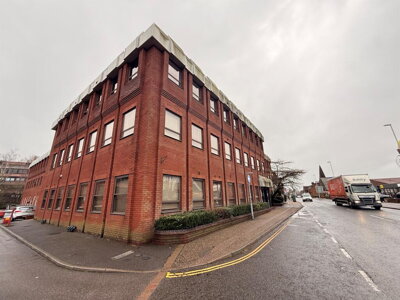
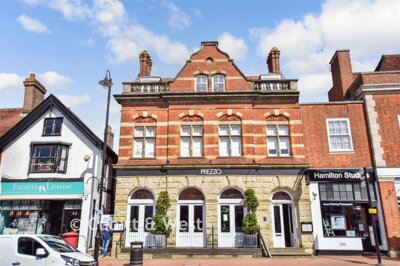
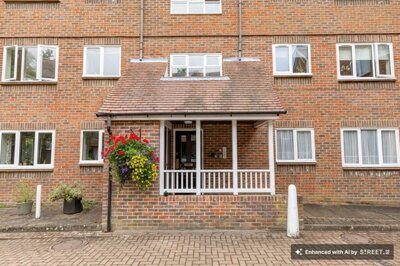
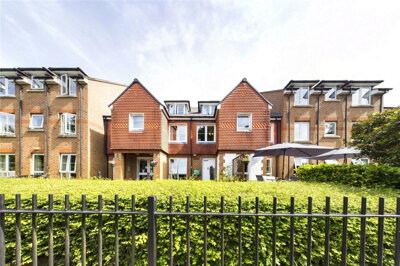
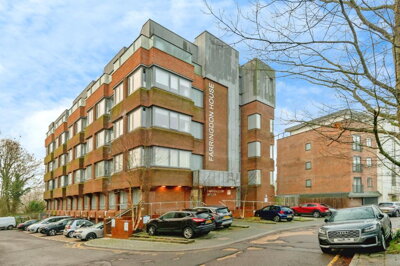
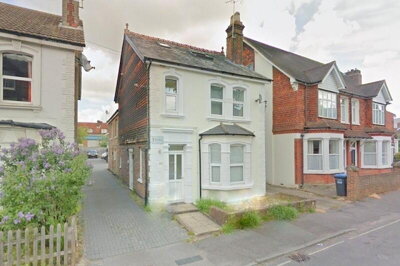
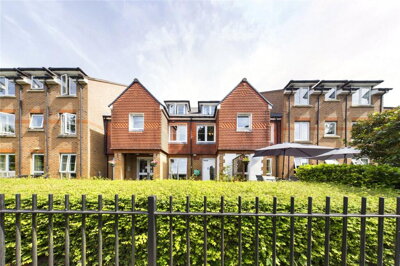
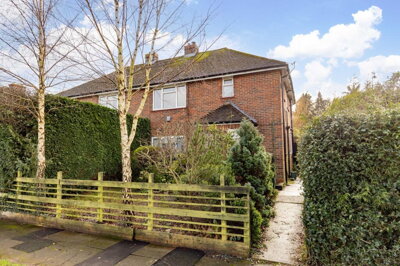
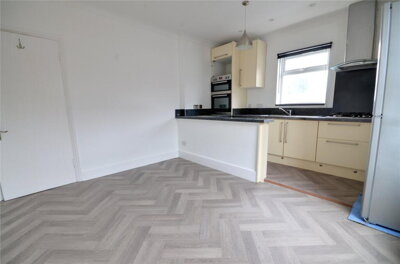
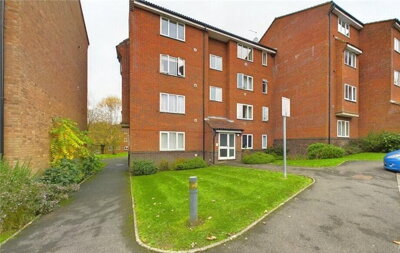
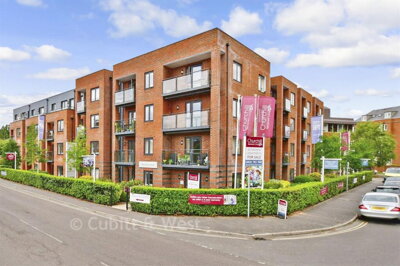
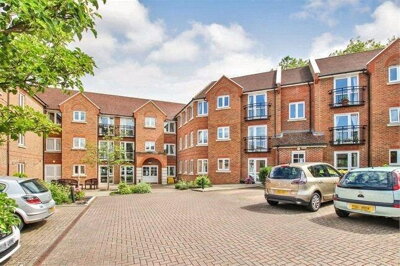
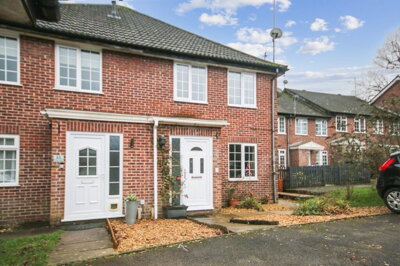
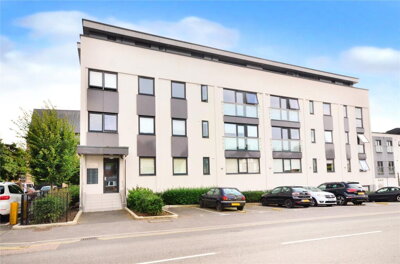
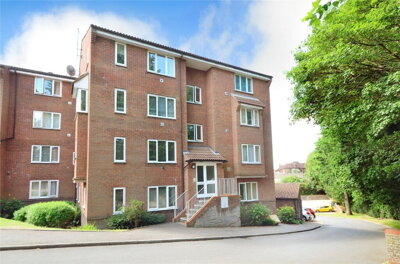
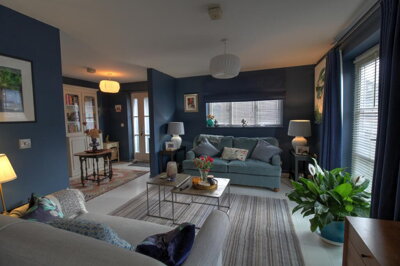
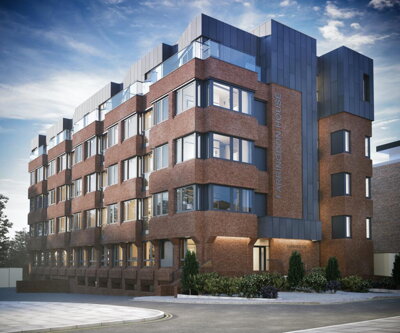
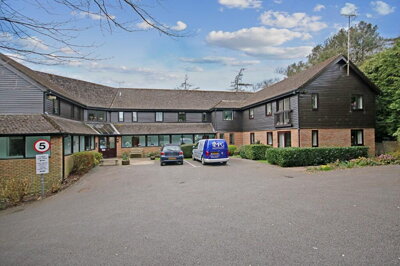
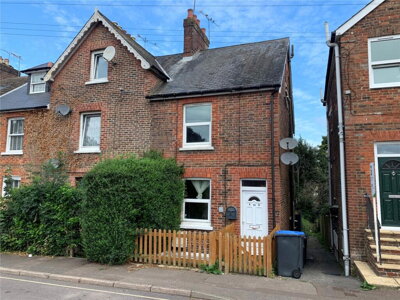
Browse 92 homes for sale in East Grinstead from local estate agents.
One bed apartments provide a separate bedroom alongside distinct living space, bathroom, and kitchen areas. Properties in East Grinstead are available in various building types including mansion blocks, contemporary developments, and house conversions.
The High Roothing property market has experienced notable shifts in recent years, presenting both opportunities and considerations for prospective buyers. Current data indicates an overall average property price of £395,000 as of February 2026, with another source citing £440,000 as the yearly average. The 2025 median sale price stood at £477,500 across 6 recorded sales, representing a 21.7% decrease compared to the previous year. This market correction follows a broader trend of price adjustments, with sold prices over the last year sitting approximately 40% below the previous year's levels and around 30% down on the 2018 peak of £632,896. These figures suggest a market that has returned to more historically grounded valuations, potentially creating entry points for buyers who found earlier price peaks challenging to meet.
Property types in High Roothing are predominantly detached homes, which accounted for 50% of all sales in 2025. The median price for detached properties reached £495,000 based on 3 recorded sales, reflecting the strong demand for standalone family homes with gardens and private parking. Semi-detached properties achieved a median of £390,000 across 3 sales, offering buyers a more accessible route into the village property market at around £393,333 average. Terraced homes transacted at a median of £365,000 in 2024 according to available records, while flats in the area achieved a median of £275,000 based on 2022 data. The limited volume of sales reflects the village's small scale, with approximately 224 properties comprising the total housing stock in the High Roding area.
The village's position within the CM6 postcode district places it alongside more expensive neighbouring communities including Thaxted, Great Dunmow, and the surrounding Uttlesford villages that collectively form one of Essex's most desirable rural districts. The High Roothing market benefits from spillover interest from buyers priced out of neighbouring villages where property prices have remained elevated despite broader market corrections. Our listings capture properties across all price points and types, from modest period cottages suitable for first-time buyers to substantial detached family homes commanding premium valuations from buyers seeking the village lifestyle without urban proximity.
Understanding the distinction between median and average prices helps contextualise High Roothing's market data for prospective buyers. The median sale price of £477,500 in 2025 represents the middle point where half of sales were above and half below this figure, while the average of £395,000 reflects the total value divided by transaction count. This differential indicates that a few lower-value transactions have pulled down the average more substantially than the median suggests, meaning typical properties in High Roothing actually sold closer to £477,500 than the headline average figure might imply.

High Roothing embodies the quintessential English village experience, with a rich heritage that permeates every street and cottage. The village is distinguished by its remarkable concentration of listed buildings, many constructed during the 14th century and beyond, showcasing traditional timber-framed architecture with at least half featuring the traditional thatched roofs that have become synonymous with Essex village character. The Hundred Parishes Society notes that Uttlesford District Council has conducted a conservation area appraisal for High Roding, acknowledging the village's special architectural and historic interest. Walking through The Street, the main thoroughfare, reveals properties that have stood for centuries, their exposed beams and distinctive features telling stories of generations past while serving as cherished family homes today.
The demographic composition of High Roothing reflects a stable community with families and professionals drawn to the quality of life the village offers. The population of 581 residents enjoys a close-knit atmosphere where neighbours know one another and community events foster connection. Local amenities, while modest in keeping with the village scale, typically include a public house serving as a social hub and essential services within reasonable driving distance in nearby towns such as Great Dunmow or Chelmsford. The surrounding Essex countryside offers extensive walking routes, bridleways, and opportunities for outdoor pursuits, with the village positioned within the attractive landscape of the Uttlesford district known for its rolling farmland, ancient woodlands, and pretty villages connected by country lanes.
The conservation area designation that covers the historic core of High Roothing brings both benefits and responsibilities that residents accept as part of village life. Properties within the designated area are subject to planning controls that preserve the architectural character the village is renowned for, restricting unsympathetic alterations that might otherwise diminish the historic environment. This regulatory framework contributes to property values over time by maintaining the visual appeal and character that makes High Roothing distinctive, though prospective buyers should understand these constraints apply to external changes, outbuildings, and even certain maintenance works that might proceed without permission in non-designated areas.
Daily life in High Roothing centres on the rhythm of village routines where the public house serves as the primary gathering point for social occasions and community notifications. Most residents travel by car to nearby Great Dunmow, approximately 5 miles distant, for routine shopping at supermarkets, pharmacy visits, and other essential services not available within the village itself. The relative quiet of High Roothing appeals particularly to those seeking escape from urban noise and traffic, though buyers should note that broadband speeds may vary given the rural location, potentially requiring consideration for those working from home who depend on reliable high-speed internet connections.

Families considering a move to High Roothing will find educational provision centred primarily in the surrounding towns and villages, with the village's small scale meaning it does not host its own primary school. Primary education is typically accessed through schools in nearby communities such as Great Dunmow, where several options exist to serve families within the Uttlesford district. Schools in Great Dunmow including Dr. Walker's Church of England Primary School and Furzewater Primary School provide reception through to Year 6 education, with journey times from High Roothing typically requiring 15 to 20 minutes by car depending on the specific school and traffic conditions. Parents should verify current catchment areas through Essex County Council's school admissions portal, as boundaries are subject to annual review and can significantly affect placement eligibility.
Secondary education in the area centres on schools in larger towns, with Uttlesford offering various options across its comprehensive and selective school network. The closest secondary schools include Helena Romanes School in Great Dunmow, a mixed secondary school and sixth form college, and St Mary's School in Bishop's Stortford for those preferring faith-based education. For families seeking grammar school provision, Chelmsford's highly selective grammars attract applicants from across the wider region, though competition for places is intense and admission based on the eleven-plus examination. Transport arrangements to secondary schools typically require parental conveyance or school bus services, with journey times from High Roothing ranging from 20 to 40 minutes depending on destination.
For families with older children considering further education, sixth form provision is available at secondary schools in surrounding towns, while further education colleges can be found in Chelmsford. Chelmsford College offers a broad range of vocational and academic courses, while Anglia Ruskin University provides higher education opportunities including degrees and professional qualifications in the city. The proximity of High Roothing to quality schools in both Essex and the wider region means parents have options to explore, though securing places at oversubscribed schools may require careful planning and early registration. Given the village's rural character and historical housing stock, many families are drawn to the area specifically for the educational opportunities available within Uttlesford's respected school network, combining small village living with access to well-performing schools.
Independent schooling options in the region include several preparatory and senior schools catering to families seeking private education. Schools in nearby towns and villages offer both day and boarding options, though fees and availability should be researched individually. Given the village's position equidistant from Chelmsford, Bishop's Stortford, and Saffron Walden, families have access to a broader selection of independent schools than might be available in more isolated locations. School transport arrangements, after-school activities, and the logistics of combining school runs with commuting obligations represent practical considerations for families moving to High Roothing from urban areas where schools may be more immediately accessible.
Transport connectivity from High Roothing centres primarily on road networks, with the village positioned approximately 9 miles northwest of Chelmsford, Essex's principal town. The A12 trunk road provides the main artery connecting the area to Colchester to the northeast and London to the southwest, offering relatively straightforward access to the capital and the wider motorway network. For residents commuting to Chelmsford, Stansted Airport, or Cambridge, the road infrastructure supports regular journeys, though prospective buyers should consider that car ownership is effectively essential given the limited public transport options typical of small Essex villages. Journey times by car to Chelmsford city centre typically take 25 to 35 minutes, while Stansted Airport is approximately 30 to 40 minutes away depending on traffic conditions.
While High Roothing lacks its own railway station, nearby towns provide access to the national rail network. Bishop's Stortford station offers regular services to London Liverpool Street with journey times of approximately 40 minutes, making it viable for commuters working in the capital who can combine rail travel with driving to the station. Stansted Mountfitchet station, similarly served by Greater Anglia services, provides an alternative route to London with comparable journey times. Both stations have car parking facilities, though spaces fill quickly during peak periods, and the cost of parking should be factored into commuting budgets. For those working in Chelmsford, direct rail services from Chelmsford station connect to London while the drive from High Roothing makes the city accessible by car for most employment purposes.
Bus services connecting High Roothing to surrounding villages and towns operate but are limited in frequency, typically running at intervals of one to two hours on weekdays with reduced services at weekends. The 133 bus route provides a connection between surrounding villages, though journey times to destinations that would otherwise be short by car can extend considerably when using public transport. Those dependent on buses for daily travel should carefully review current timetables and consider whether schedules align with employment or education commitments before committing to a property purchase. Cycling infrastructure in the area consists primarily of country lanes and rural routes, popular with recreational cyclists but requiring more caution during peak commuting hours. Parking within the village is generally straightforward given the low traffic volumes, offering residents respite from the parking challenges common in larger settlements.
The M11 motorway, accessible via the A120 and Bishop's Stortford, provides north-south connectivity to Cambridge and London, extending the commuting options available to High Roothing residents beyond the A12 corridor. The strategic position of the village between major road networks gives residents flexibility in choosing employment locations, though this flexibility comes with the expectation of daily driving. For those new to rural living, the adjustment from urban public transport reliance to car-dependent lifestyles represents a significant change requiring practical consideration of additional vehicle costs, insurance, and the time commitment involved in regular driving.
Start by exploring current listings in High Roothing through Homemove, reviewing property types, prices, and recent sales data. Understanding the village's character and your budget requirements helps narrow your search effectively. Given the limited property availability in this small village, registering with multiple local estate agents for advance notification of new listings is particularly valuable. Agents familiar with the High Roothing market often have buyers waiting for suitable properties, meaning new listings can move quickly, sometimes before appearing on major property portals.
Contact lenders or mortgage brokers to obtain an agreement in principle before viewing properties. This strengthens your position when making offers and demonstrates serious intent to sellers in this competitive village market. Given the prevalence of period properties in High Roothing, some lenders may require specialist valuation considerations for non-standard construction, including timber-framed and thatched properties. Brokers with experience in rural Essex markets can advise on appropriate mortgage products and lenders familiar with local property types and values.
Schedule viewings of properties matching your criteria, taking time to assess not just the property itself but also the neighbourhood, neighbouring properties, and the village atmosphere during different times of day. Viewing properties at various times reveals different aspects of village life, from morning school traffic to evening pub activity. Given the conservation area status and age of most properties, viewings should include careful inspection of construction quality, roof conditions, and any signs of maintenance issues that might indicate larger problems requiring investment.
Given High Roothing's prevalence of older, timber-framed and thatched properties, we strongly recommend a RICS Level 2 Survey before purchase. This assessment identifies defects common to period properties including damp, timber defects, and structural issues that may not be visible during standard viewings. The High Roothing housing stock, dominated by properties dating from the 14th century onwards, frequently presents challenges unfamiliar to newer constructions, making professional survey assessment essential. Survey costs typically range from £350 for smaller properties, rising for larger or more complex period homes, and represent a worthwhile investment against potentially significant repair bills.
Choose a conveyancing solicitor to handle the legal aspects of your purchase. They will conduct searches, handle contracts, and manage the transfer of ownership, working alongside your mortgage provider if applicable. Searches relevant to High Roothing purchases include local authority searches through Uttlesford District Council, drainage and water searches, and environmental searches that may reveal ground conditions relevant to the clay soils common across Essex. Given the conservation area status of many properties, your solicitor should also verify whether planning conditions or restrictions affect the property.
Once all searches are satisfactory and finance is confirmed, your solicitor will arrange the exchange of contracts and set a completion date. On completion day, ownership transfers and you receive the keys to your new High Roothing home. The period between exchange and completion in village property sales is typically four weeks but can be extended by agreement. Buildings insurance must be in place from the completion date, and for thatched or listed properties, specialist insurance arrangements may be required, potentially taking additional time to arrange.
Purchasing property in High Roothing requires particular attention to the age and construction of buildings, given the village's significant heritage stock. Many properties are timber-framed structures dating from the 14th century onwards, with traditional construction methods that differ substantially from modern buildings. Prospective buyers should carefully assess the condition of thatched roofs, where present, as these require specialist maintenance and may face insurance considerations or restrictions. Timber-framed properties are susceptible to woodworm, rot, and other forms of timber decay that can prove costly to address if not identified before purchase. A thorough survey by a qualified RICS surveyor experienced with historic properties is strongly recommended to assess these potential issues and provide accurate costings for any necessary repairs.
The conservation area status of High Roothing brings additional considerations for buyers, including restrictions on permitted development rights and requirements for planning permission for certain alterations. Those purchasing listed properties face even greater constraints, with properties of special architectural or historic interest subject to strict regulations governing external changes, extensions, and even maintenance works. Prospective buyers should verify the listing status of any property and understand the implications for future plans. Flood risk and subsidence assessments should be conducted as part of the purchase process, particularly given the clay soils common across Essex that can cause movement in properties with shallow foundations. Service charges, ground rent terms, and leasehold arrangements should be scrutinised for any flat or apartment purchases, while freehold properties should be checked for any encumbrances or covenants affecting use.
Beyond the structural considerations, prospective buyers should investigate the practical implications of living in a heritage property. Insurance premiums for thatched properties typically exceed those for modern construction, with some insurers declining to cover properties with certain roof types or ages. Maintenance costs for period properties generally run higher than for newer homes, as specialist tradespeople are required for traditional building methods, and materials matching original construction can be expensive and difficult to source. Energy efficiency in older properties may present challenges, with timber-framed buildings and single-glazed windows contributing to higher heating costs compared to modern insulation standards. However, many buyers find these considerations worthwhile given the unique character and solid construction quality that period properties offer.
When evaluating properties in High Roothing, particular attention should be paid to the condition of roofs, given the prevalence of traditional coverings including thatch and historic slate. Thatched roofs, while contributing significantly to the village's character, require specialist knowledge to assess properly, with typical lifespans of 30 to 50 years depending on materials and maintenance history. Signs of wear including sagging, missing or damaged ridges, and vegetation growth all indicate maintenance needs that should be reflected in offer prices or addressed before completion. For tiled or slated roofs, the condition of individual tiles, flashings, and pointing should be assessed, with particular attention to valleys where debris accumulates and water can penetrate.
Timber condition represents another critical consideration when purchasing period properties in High Roothing. Our inspectors frequently encounter evidence of woodworm infestation, particularly in properties where maintenance has been deferred or where ventilation is poor. Wet rot and dry rot affect timber in different ways and require different treatments, with both capable of compromising structural integrity if left unaddressed. Evidence of previous timber treatment should be verified as effective, with guarantees where available providing reassurance that remedial work has been professionally completed. Dampness indicators including tidal staining, peeling decorations, and musty odours suggest moisture penetration that requires investigation to identify sources and appropriate remediation.
Foundation conditions warrant careful assessment given the age of many High Roothing properties and the clay soils prevalent across Essex. Properties built before modern building regulations may have shallow foundations susceptible to movement as soil moisture levels fluctuate seasonally. Signs of subsidence including cracking, distorted door and window openings, and uneven floors should prompt further investigation through a RICS Level 3 Building Survey rather than the standard Level 2 assessment. While insurance can cover underpinning costs in some cases, the process is disruptive and expensive, making early identification essential for informed purchasing decisions. Our surveyors can recommend further investigation where initial findings suggest potential foundation issues requiring specialist assessment.
Electrical and plumbing systems in older High Roothing properties frequently require updating to meet modern standards and buyer expectations. Rewiring a period property is disruptive and costly but often necessary for safety certification and insurance purposes. Plumbing systems using lead or galvanized steel pipes may restrict water pressure and carry contamination risks that modern plastic or copper systems avoid. Heating systems in older properties may prove inadequate for modern comfort expectations, with solid fuel Aga installations and older boiler systems requiring assessment for efficiency and remaining lifespan. Budget provisions for essential upgrades should be factored into any purchase offer, with survey reports providing detailed cost estimates for necessary works.
The average house price in High Roothing stands at approximately £395,000 as of February 2026, with another source citing £440,000 as the yearly average. In 2025, the median sale price was £477,500 based on 6 recorded sales. Detached properties achieved a median of £495,000, semi-detached homes reached £390,000, and terraced properties sold at a median of £365,000. The market has experienced a significant correction, with prices falling 38.8% over the past 12 months and approximately 30% below the 2018 peak of £632,896. This correction has brought values back toward historically sustainable levels, creating opportunities for buyers who found previous price peaks prohibitive.
Properties in High Roothing fall under Uttlesford District Council's jurisdiction for council tax purposes. Bands range from A through to H depending on property value, with most period cottages and smaller homes typically falling in bands A to D, while larger detached properties may be in higher bands E through H. The age and character of High Roothing properties mean many fall into lower bands despite their market value, as valuations for council tax purposes were set at different times and reflect historical rather than current market values. Prospective buyers should verify the specific banding of any property through the Valuation Office Agency website or by requesting this information during the conveyancing process.
High Roothing itself does not have a primary school within the village, with local primary education accessed in surrounding communities such as Great Dunmow where Dr. Walker's Church of England Primary School and Furzewater Primary School serve local families. Uttlesford District offers several well-regarded primary and secondary schools, with parents advised to check current Ofsted ratings and catchment area boundaries through Essex County Council's school admissions portal. Secondary schools in nearby towns including Helena Romanes School in Great Dunmow provide GCSE and A-level provision, with further education colleges available in Chelmsford for post-16 courses including vocational qualifications and A-levels. School places are subject to availability and admission criteria, so early research and application is recommended given the competitive nature of popular schools in the area.
Public transport connectivity from High Roothing is limited, reflecting its small village status where car ownership is effectively essential for daily life. Bus services operate but with infrequent schedules, making private vehicle ownership a practical necessity rather than a preference for most residents. The nearest railway stations are located in surrounding towns, with Bishop's Stortford and Stansted Mountfitchet offering services to London Liverpool Street with journey times of approximately 40 minutes. The A12 trunk road provides the primary route for road travel, connecting to Chelmsford, Colchester, and the wider motorway network including access to Stansted Airport approximately 30 to 40 minutes away by car. Prospective buyers without vehicles should carefully consider whether the limited public transport options meet their daily requirements.
High Roothing offers several factors that may appeal to property investors, including its picturesque village character, proximity to Stansted Airport and the M11 corridor, and the limited supply of properties typical of small villages. The recent price correction, with values falling from previous peaks, may present buying opportunities for long-term investors seeking properties in desirable village locations. However, the village's small scale means liquidity in the property market is limited, with only 6 sales recorded in 2025, making quick resales potentially challenging. Rental demand may be moderate given the rural location, though tenant availability tends to be lower than in urban areas. Any investment strategy should account for the potential costs of maintaining period properties and the restrictions associated with listed and conservation area status that limit certain development opportunities.
Stamp Duty Land Tax (SDLT) rates for standard purchases in England start at 0% on the first £250,000 of property value, rising to 5% on the portion between £250,001 and £925,000, 10% up to £1.5 million, and 12% above that threshold. First-time buyers benefit from relief on the first £425,000 with 0% rate, and 5% applied between £425,001 and £625,000. Given the median prices in High Roothing ranging from £365,000 to £495,000, most purchases would attract SDLT in the 5% bracket on the amount above £250,000, translating to approximately £5,750 for a £365,000 property and £12,250 for a £495,000 property at current rates. First-time buyers may qualify for reduced rates or exemption depending on their circumstances and property price, though those purchasing as investment properties or second homes will face additional 3% surcharge on all rates.
Competitive mortgage rates for High Roothing property purchases
From 4.5%
Expert legal services for High Roothing property transactions
From £499
Essential survey for High Roothing period properties
From £350
Energy performance certificate for High Roothing homes
From £60
Understanding the full costs of purchasing property in High Roothing extends beyond the headline property price to encompass various fees and taxes. Stamp Duty Land Tax represents a significant consideration, with standard rates applying 0% on the first £250,000, 5% between £250,001 and £925,000, 10% up to £1.5 million, and 12% on any amount exceeding £1.5 million. Given that most High Roothing properties fall between £365,000 and £495,000, buyers can expect to pay SDLT on the amount above £250,000, typically around £5,750 to £12,250 at current rates. First-time buyers may benefit from increased thresholds, paying nothing on the first £425,000 and 5% on the portion up to £625,000, potentially reducing costs substantially for properties priced within these limits.
Solicitor conveyancing fees for High Roothing purchases typically start from around £499 for basic legal work, rising depending on complexity and property value. The village's heritage status means some transactions involve additional legal considerations including listed building regulations and conservation area restrictions that can add complexity to conveyancing. Search fees, bankruptcy checks, and Land Registry registration fees add approximately £300 to £500 to these costs, while local authority searches through Uttlesford District Council typically form part of the standard search package. For leasehold properties, managing agent enquiries and notice of transfer fees may apply, adding further costs that vary by property and management arrangement.
Survey costs warrant particular attention given the prevalence of period properties in High Roothing, with a RICS Level 2 Survey starting from approximately £350 for smaller properties but rising for larger or more complex homes. Given the age and construction of most High Roothing properties, we recommend the comprehensive RICS Level 3 Building Survey for listed buildings and properties showing signs of age-related deterioration, with costs reflecting the additional inspection time and reporting requirements. Mortgage arrangement fees, valuation fees, and broker charges should also be budgeted, typically ranging from £500 to £2,000 depending on loan size and lender requirements. Buildings insurance must be in place from completion day, with specialist policies for thatched properties potentially costing more than standard cover but providing essential protection for historic structures.
For properties with thatched roofs or those of listed status, specialist insurance may be required, potentially adding to ongoing costs but protecting against the significant expenses that could arise from damage to historic structures. Additional one-off costs include Land Registry registration fees at approximately £150 to £300 depending on property value, and bank transfer charges typically ranging from £20 to £50. Moving costs vary according to distance and volume but should typically be budgeted at £500 to £2,000 for regional moves. Setting aside a contingency fund equivalent to approximately 5% of purchase price is advisable to cover unexpected costs identified during survey or conveyancing, particularly for period properties where remediation requirements may exceed initial estimates.
Properties for Sale In London

Properties for Sale In Plymouth

Properties for Sale In Liverpool

Properties for Sale In Glasgow

Properties for Sale In Sheffield

Properties for Sale In Edinburgh

Properties for Sale In Coventry

Properties for Sale In Bradford

Properties for Sale In Manchester

Properties for Sale In Birmingham

Properties for Sale In Bristol

Properties for Sale In Oxford

Properties for Sale In Leicester

Properties for Sale In Newcastle

Properties for Sale In Leeds

Properties for Sale In Southampton

Properties for Sale In Cardiff

Properties for Sale In Nottingham

Properties for Sale In Norwich

Properties for Sale In Brighton

Properties for Sale In Derby

Properties for Sale In Portsmouth

Properties for Sale In Northampton

Properties for Sale In Milton Keynes

Properties for Sale In Bournemouth

Properties for Sale In Bolton

Properties for Sale In Swansea

Properties for Sale In Swindon

Properties for Sale In Peterborough

Properties for Sale In Wolverhampton

Enter your details to see if this property is within your budget.
Loans, cards, car finance
Estimated property budget
Borrowing + deposit
You could borrow between
Typical borrowing
Monthly repayment
Est. at 4.5%
Loan-to-value
This is an estimate only. Your actual budget may vary depending on interest rates, credit history, and personal circumstances. For an accurate affordability assessment, speak to one of our free mortgage advisors.
This calculator provides estimates for illustrative purposes only and does not constitute financial advice. Your home may be repossessed if you do not keep up repayments on your mortgage. Estimates based on 4.5% interest rate, repayment mortgage. Actual rates depend on your circumstances.
Homemove is a trading name of HM Haus Group Ltd (Company No. 13873779, registered in England & Wales). Homemove Mortgages Ltd (Company No. 15947693) is an Appointed Representative of TMG Direct Limited, trading as TMG Mortgage Network, which is authorised and regulated by the Financial Conduct Authority (FRN 786245). Homemove Mortgages Ltd is entered on the FCA Register as an Appointed Representative (FRN 1022429). You can check registrations at NewRegister or by calling 0800 111 6768.

We use cookies to show you personalised content and improve your experience of our website. Find out more in our Privacy policy and Cookie policy.