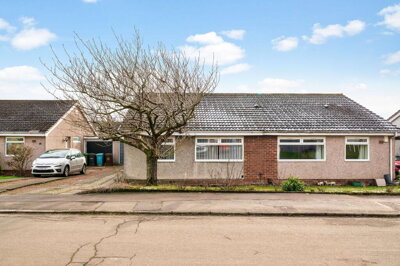
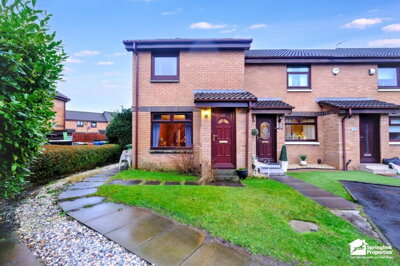
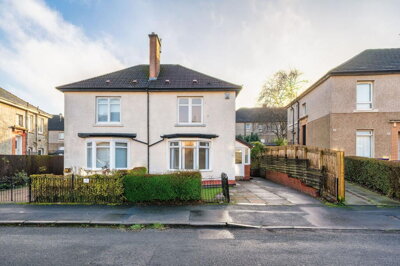
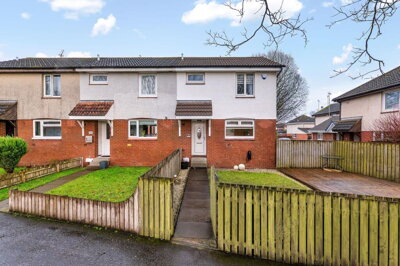
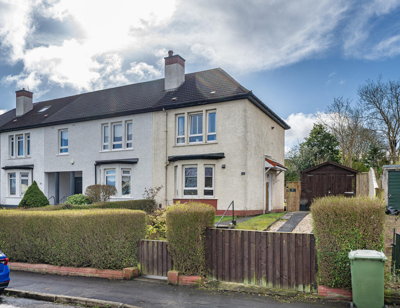
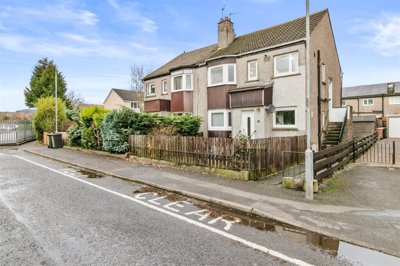
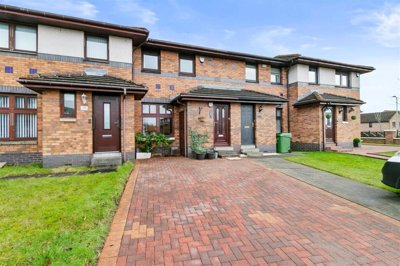
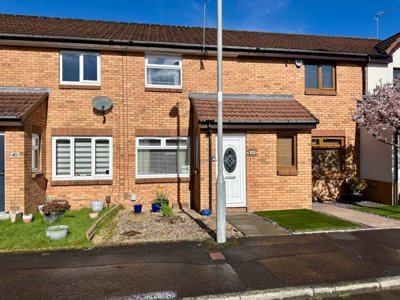
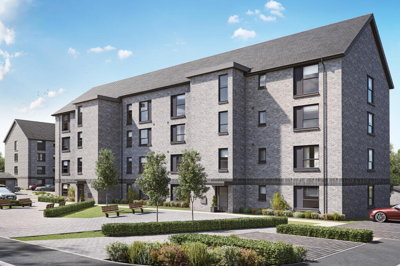
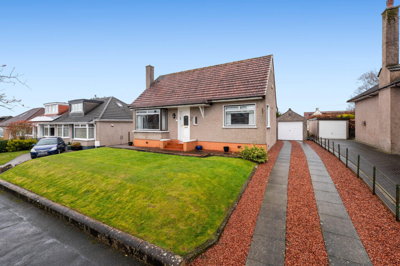
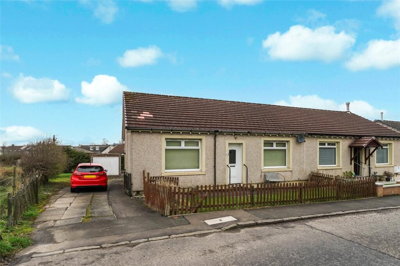
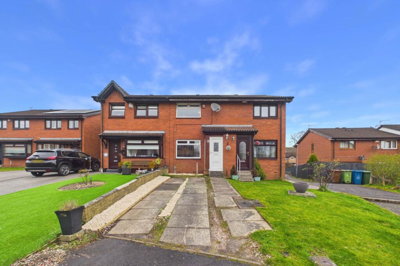
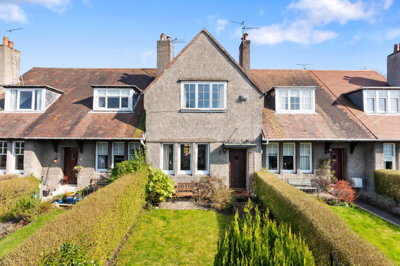
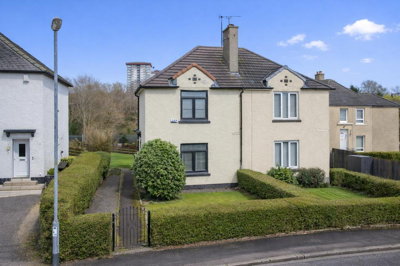
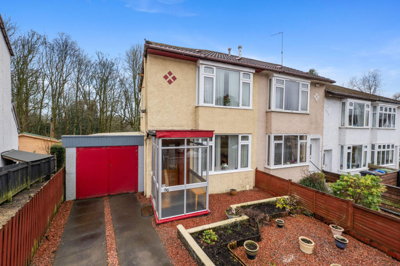
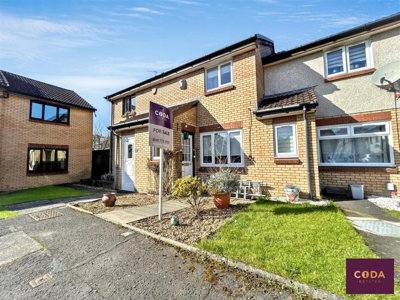
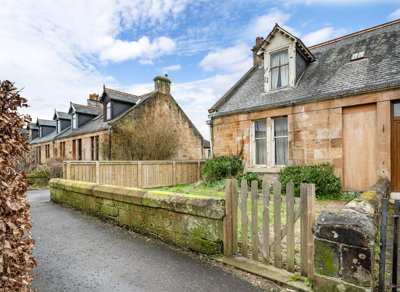
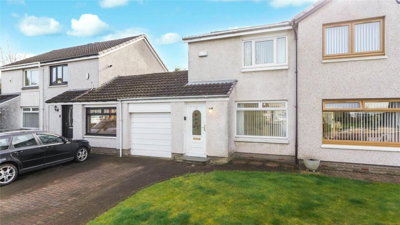
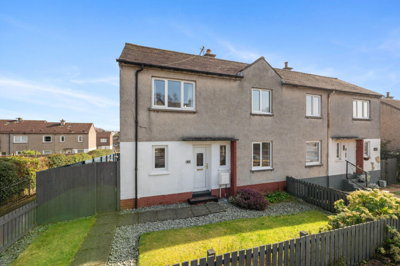
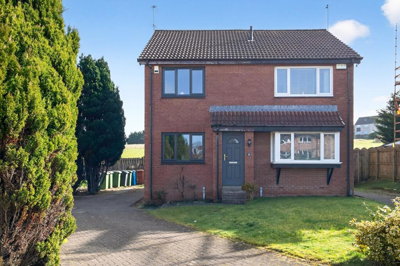
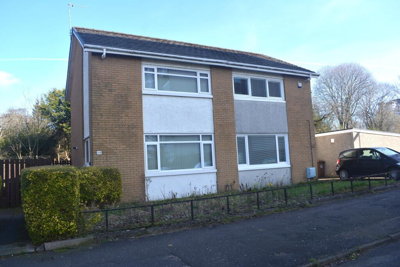
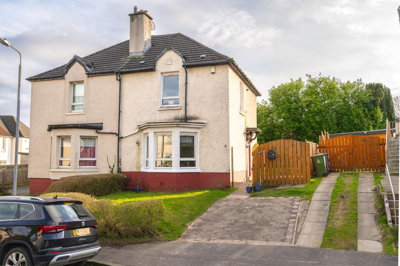
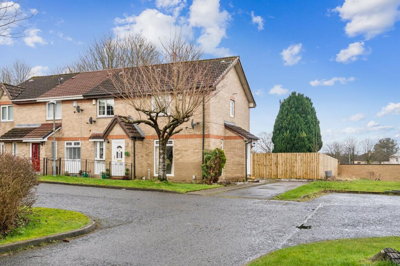
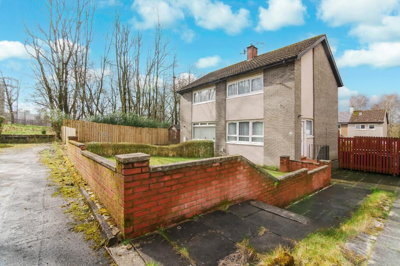
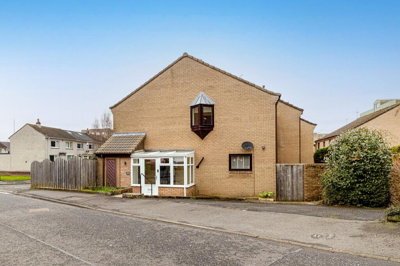
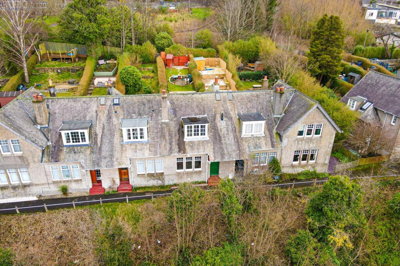
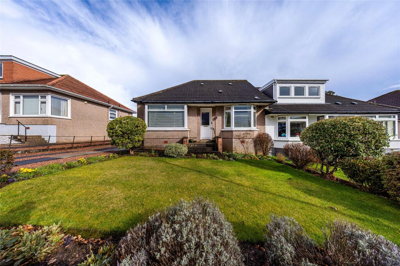
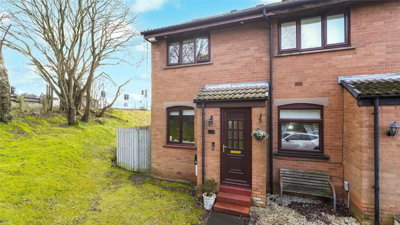
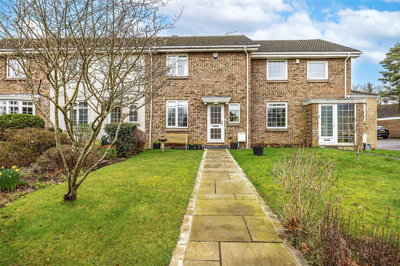
Browse 151 homes for sale in East Dunbartonshire from local estate agents.
The 2 bed house market features detached, semi-detached, and terraced properties with two separate bedrooms plus living spaces. Properties in East Dunbartonshire range from Victorian and Edwardian period homes to modern new builds, with pricing varying across different neighbourhoods.
The East Dunbartonshire property market has demonstrated remarkable resilience and steady growth over recent years. Our data shows that house prices in the area have risen by £62,450 between November 2020 and October 2025, representing the highest price inflation of any region in Scotland during that period. The market saw a 3.9% increase over the twelve months to December 2025, with terraced properties leading the charge at 5.8% growth, reflecting strong demand for family-sized homes at accessible price points. Overall, the average property value now sits at £262,000, making East Dunbartonshire competitive but still more affordable than Edinburgh or prime Glasgow postcodes.
Property types across East Dunbartonshire cater to a diverse range of buyers and budgets. Detached family homes command the highest prices, with an average of £511,000, offering generous gardens and spacious interiors that appeal to growing families. Semi-detached properties, which represent the majority of sales in the area, average £292,000 and provide an excellent balance of space and value. Terraced homes at £217,000 and flats at £154,000 offer more accessible entry points for first-time buyers and those seeking a low-maintenance lifestyle. The new build market adds further variety, with developments such as Weaver's Brae in Kirkintilloch offering terraced homes from £311,000 and detached options up to £420,000, while Eden at Boclair Mews in Bishopbriggs provides contemporary flats from around £280,000.
The local economy supports the housing market through strong employment and commuting patterns. With an average weekly wage of £823 and unemployment at just 2.5%, East Dunbartonshire residents enjoy economic stability that underpins property demand. The area's proximity to Glasgow's financial and professional services sector makes it attractive to commuters, while the high quality of local schools draws families willing to pay a premium for good catchment areas. These factors combine to make East Dunbartonshire the fourth most expensive area in Scotland in terms of salary needed to afford a home, typically requiring earnings of over £40,000.

East Dunbartonshire offers an enviable quality of life that combines Scottish heritage with modern suburban conveniences. The area is predominantly residential, with its economy driven by commuting to Glasgow and thriving local services including public sector employment, retail, and waterfront tourism around the Forth and Clyde Canal. With an average weekly wage of £823 and unemployment at just 2.5%, the area enjoys economic stability that supports a healthy property market. The population of 109,000 is projected to grow by over 5% by 2032, reaching approximately 49,000 households, indicating continued demand for housing in this desirable location.
The character of East Dunbartonshire varies delightfully across its towns and villages. Bearsden and Milngavie represent the more affluent enclaves, featuring tree-lined streets and period architecture that reflects the area's Victorian and Edwardian heritage. Kirkintilloch, the largest town, retains its historic market town centre with the Georgian-style Town House and excellent local shops along the canal basin. The area is dotted with listed buildings, including 15 Category A structures of national importance such as Bardowie Castle dating to the 16th century and Lennox Castle. Numerous conservation areas protect the special architectural and townscape qualities of neighbourhoods throughout the council area, ensuring that the character that makes East Dunbartonshire attractive is preserved for future generations.
The natural landscape adds to the area's appeal, with the Campsie Fells and Kilpatrick Hills providing scenic backdrop and outdoor recreation opportunities. The River Kelvin flows through the eastern part of the council area, while the River Luggie passes through Kirkintilloch, both contributing to the local geography but also introducing flood risk considerations for certain properties. The Forth and Clyde Canal, restored and navigable, offers a towpath stretching from Glasgow through to Falkirk, providing residents with a traffic-free route for walking and cycling that has become a valuable community asset.
Local neighbourhoods each offer distinct advantages for different types of buyers. Bearsden South and Milngavie West feature some of the most desirable addresses, with large detached homes on spacious plots attracting professional families. Bishopbriggs has undergone significant regeneration in recent years, with new developments complementing the existing housing stock and improved transport links making it increasingly popular with commuters. Kirkintilloch town centre offers a traditional market town atmosphere with local shops, cafes, and regular markets that foster a strong sense of community.

Education is a cornerstone of East Dunbartonshire's appeal to families, with the area consistently recognised for the quality of its schooling. The council area maintains a network of primary schools serving communities from Bearsden in the west to Kirkintilloch in the east, with many schools achieving excellent Ofsted-equivalent ratings under Education Scotland's inspection framework. Secondary schools in the area, including those serving Bearsden, Milngavie, and Bishopbriggs, benefit from strong academic traditions and good facilities. Parents should research specific catchment areas, as school admissions in Scotland operate on a geographic basis with catchment zones determining placement.
The proximity to Glasgow's university district means that students can benefit from world-class higher education institutions while enjoying the calmer lifestyle of an East Dunbartonshire home. The University of Glasgow, University of Strathclyde, and Glasgow Caledonian University are all accessible via the area's efficient transport network, making East Dunbartonshire an attractive base for students and academic staff alike. For younger children, the area's independent school options in the wider Glasgow area provide additional educational choices for families seeking alternatives to the state sector.
Families moving to the area should contact East Dunbartonshire Council directly or check the most current school information to confirm catchment areas and admissions criteria, as these can change and may affect your property selection. The council publishes detailed information about schoolCatchment boundaries and enrolment policies on its website, and we recommend verifying these details before committing to a property purchase. School performance data is publicly available through Education Scotland, allowing parents to research the academic track record of schools in specific neighbourhoods before deciding where to focus their property search.
East Dunbartonshire enjoys excellent transport connections that make commuting to Glasgow straightforward and convenient. The area is served by several railway stations including Bishopbriggs, Lenzie, and Kirkintilloch on the main Edinburgh to Glasgow line, offering regular services to Glasgow Queen Street with journey times of around 15-20 minutes. Additional stations at Milngavie and Bearsden provide access to the West Coast Main Line, further expanding commuting options for residents. Bus services operated by First Glasgow and other providers connect the towns within East Dunbartonshire and provide direct links to Glasgow city centre and surrounding areas.
For those who drive, the M80 motorway passes through the southern edge of the council area, providing direct access to Stirling and the north, while the A80 connects to Glasgow city centre. The M898 offers a direct link to the Erskine Bridge for those travelling to the west of Scotland. Cycling infrastructure has been improved in recent years, with several traffic-free paths following the canal towpaths and country lanes making cycling a viable option for shorter journeys. Glasgow Airport is accessible within approximately 30 minutes by car, while Edinburgh Airport can be reached in around an hour, making international travel feasible for residents of East Dunbartonshire.
The West Coast Main Line services from Milngavie and Bearsden provide access to destinations beyond Glasgow, including services to London Euston and other English cities. For air travel, Glasgow Airport's proximity makes East Dunbartonshire particularly attractive for frequent flyers and business travellers. The area's strategic position between Glasgow and the Highlands also provides easy access to Scotland's outdoor attractions and ski resorts during winter months, adding to the overall quality of life for residents.
Explore different neighbourhoods within East Dunbartonshire to find the area that best suits your lifestyle needs and budget. Consider proximity to schools, transport links, and local amenities. Review recent sold prices and current listings to understand what your budget can achieve in each location, whether you are looking for a period property in Bearsden or a modern flat in Bishopbriggs.
Contact a mortgage broker or lender to obtain an Agreement in Principle before you start viewing properties. This strengthens your position as a buyer and demonstrates to sellers that you are a serious, financially capable purchaser. East Dunbartonshire is the fourth most expensive area in Scotland, so understanding your borrowing capacity early is essential for setting realistic expectations in this competitive market.
Use Homemove to browse all available properties in East Dunbartonshire and arrange viewings through the listed estate agents. Take notes on each property's condition, age, and any potential issues you notice. Consider the flood risk in certain areas and note the presence of any listed buildings that may have additional maintenance requirements or require consent for alterations.
Once you have had an offer accepted, arrange a RICS Level 2 Survey (Homebuyer Report) to assess the property's condition thoroughly. This survey will identify any structural issues, damp, or defects that may affect the value of the property. Given East Dunbartonshire's mix of older properties and listed buildings, a thorough survey is particularly valuable before committing to a purchase.
Choose a conveyancing solicitor to handle the legal aspects of your purchase. They will conduct searches with East Dunbartonshire Council, handle the transfer of ownership, and ensure all necessary paperwork is completed correctly. Budget for additional costs including Land and Buildings Transaction Tax (Scotland's equivalent to Stamp Duty), legal fees, and moving costs.
Your solicitor will coordinate the exchange of contracts and finalisation of the transaction with the seller's legal team. Once all funds are transferred and the transaction registered with the Land Register of Scotland, you will receive the keys to your new East Dunbartonshire home.
Prospective buyers should be aware of several area-specific considerations when purchasing property in East Dunbartonshire. Flood risk is a genuine concern in parts of the council area, with historical flooding events occurring in August 2006, July 2013, and October 2013. A flood alleviation scheme was completed in November 2014, including a wetland area in Colquhoun Park, but certain properties near watercourses may still face elevated flood risk. Check SEPA's flood maps and ask the seller or agent about any past flooding incidents before committing to a purchase, and consider requesting a Flood Risk Assessment for properties in vulnerable locations.
The significant number of listed buildings and conservation areas throughout East Dunbartonshire adds character to the area but requires careful consideration from buyers. Properties with listed building status require consent from the council for any alterations or extensions, and buyers should factor this into their renovation plans. A RICS Level 3 Survey (Full Building Survey) may be more appropriate than a Level 2 for older or listed properties, as it provides a more comprehensive assessment of the building's condition and potential renovation costs. The 15 Category A listed buildings in the area, including Bardowie Castle and Lennox Castle, represent properties of national importance where specialist surveys are essential.
Service charges and ground rent for flats, particularly in newer developments, should be reviewed carefully before purchase, and buyers should understand what maintenance responsibilities come with different property types. The new build developments at Weaver's Brae in Kirkintilloch and Eden at Boclair Mews in Bishopbriggs will have their own management arrangements that buyers should investigate thoroughly. For older properties, be aware that traditional construction methods may require more maintenance than newer builds, and factor this into your overall budget.
When viewing properties, pay particular attention to the condition of roofs on older semi-detached and terraced homes, as these can show signs of wear requiring attention. The wooden sash windows common in Victorian and Edwardian properties throughout Bearsden and Milngavie may need renovation or replacement, and this should be reflected in your offer price. Properties near the River Kelvin or River Luggie should be checked for any history of damp or water ingress, particularly in basement areas.
The average house price in East Dunbartonshire stands at £262,000 as of December 2025, according to provisional data. The average sold price over the past year was £307,169. Property prices vary significantly by type, with detached homes averaging £511,000, semi-detached at £292,000, terraced at £217,000, and flats at £154,000. Prices have risen by £62,450 since November 2020, representing the highest price inflation of any region in Scotland during that period. The market remains competitive, with property typically selling for close to or above asking price in popular areas like Bearsden and Milngavie.
Council tax bands in East Dunbartonshire are set by East Dunbartonshire Council and range from Band A (lowest) to Band H (highest). The specific band depends on the property's assessed value as of April 1991, with Band A properties typically valued up to £27,000 and Band H properties valued over £512,000. You can check the council tax band for any property through the Scottish Assessors Association website or by contacting East Dunbartonshire Council directly. Bands affect your annual council tax payment, which will be communicated to you by the council after purchase, and also influence the overall cost of owning property in the area.
East Dunbartonshire is well-known for the quality of its schooling, with primary and secondary schools that consistently perform well in national assessments. Schools in Bearsden, Milngavie, and Bishopbriggs are particularly sought after by families, with good reputations for academic achievement and extracurricular activities. As in the rest of Scotland, education is organised by catchment area, so it is essential to check which schools serve a specific property before purchasing, as geographic boundaries can affect eligibility. The council maintains school information on its website, and parents should verify current catchment boundaries and any enrolment policies, particularly if considering properties near the edges of catchment zones.
East Dunbartonshire benefits from excellent public transport links to Glasgow. Railway stations at Bishopbriggs, Lenzie, Kirkintilloch, Milngavie, and Bearsden provide regular services to Glasgow Queen Street and beyond, with journey times typically between 15 and 25 minutes depending on the station and time of day. Bus services operated by First Glasgow and others connect towns within the council area and provide routes to Glasgow city centre, while the M80 and A80 provide road access for those preferring to drive. Glasgow Airport is reachable within approximately 30 minutes by car, making East Dunbartonshire particularly convenient for regular travellers and those with family abroad.
East Dunbartonshire has proven to be a strong investment, with consistent price growth and a projected household increase of over 5% by 2032 according to the Local Housing Strategy. The area's proximity to Glasgow, excellent schools, and high quality of life continue to attract buyers, supporting demand for property. However, the market is competitive and property is among the more expensive in Scotland, with an average annual salary of over £40,000 typically needed to afford a home. First-time buyers should be aware of the premium attached to popular postcodes like Bearsden and Milngavie and consider areas with slightly lower entry costs for better value.
In Scotland, Stamp Duty is replaced by Land and Buildings Transaction Tax (LBTT). As of 2024-25, there is no LBTT on the first £250,000 of a residential property purchase, with 5% charged on the portion from £250,001 to £925,000, 10% from £925,001 to £1.5 million, and 12% above £1.5 million. First-time buyers receive relief on properties up to £625,000, with no LBTT on the first £425,000 and 5% on the portion from £425,001 to £625,000. Above £625,000, no first-time buyer relief applies. For an average property at £262,000, a first-time buyer would pay no LBTT, while a home mover would pay approximately £600 on the portion above £250,000.
East Dunbartonshire has identified flood risk from rivers, surface water, groundwater, and drainage systems. Significant flooding occurred in August 2006, July 2013, and October 2013, leading to a flood alleviation scheme completed in November 2014 that included a wetland area in Colquhoun Park near Kirkintilloch. When buying, check SEPA's flood maps, ask about historical flooding at the property, and consider requesting a Flood Risk Assessment for properties in vulnerable locations. Properties near the River Kelvin, River Luggie, or the Forth and Clyde Canal may face elevated risk, while those in Bearsden and Milngavie generally sit at higher elevation with lower risk. East Dunbartonshire Council and SEPA recommend a 20% allowance on estimated peak flow for climate change when assessing flood risk.
From 4.5%
Compare mortgage deals from UK lenders
From £499
Expert Scottish conveyancing solicitors
From £380
Professional homebuyer survey by RICS qualified surveyor
From £585
Full structural survey for older or complex properties
Understanding the full costs of buying property in East Dunbartonshire is essential for budgeting effectively. Land and Buildings Transaction Tax (LBTT) applies to all residential purchases in Scotland, replacing Stamp Duty Land Tax used in England and Wales. For an average property in East Dunbartonshire at £262,000, a first-time buyer would pay no LBTT due to the relief on purchases up to £425,000. A home mover purchasing at the average price would pay no LBTT on the first £250,000 and 5% on the remaining £12,000, totalling approximately £600 in LBTT. This makes the Scottish system particularly favourable for first-time buyers entering the East Dunbartonshire market.
Beyond LBTT, buyers should budget for solicitor fees which typically range from £500 to £1,500 depending on the complexity of the transaction and the property value. Survey costs should be considered, with RICS Level 2 Surveys averaging £380 to £629 in the UK, while more comprehensive Level 3 surveys for older or listed properties can cost £585 or more in East Dunbartonshire. Additional costs include Land Register registration fees, search fees with East Dunbartonshire Council, and removal costs. Buyers purchasing flats should also review service charges and any ground rent applicable, particularly for leasehold properties, as these ongoing costs can significantly affect affordability.
It is advisable to obtain a mortgage Agreement in Principle before searching for properties, given that East Dunbartonshire is among the more expensive areas in Scotland and lenders will carefully assess your financial position. Factor in the cost of moving, including potential temporary storage if there is a gap between selling and buying, and budget for any immediate repairs or improvements needed once you move in. Setting aside a contingency fund of at least 5-10% of the property value is advisable for unexpected costs that can arise with any property purchase in this area.
Properties for Sale In London

Properties for Sale In Plymouth

Properties for Sale In Liverpool

Properties for Sale In Glasgow

Properties for Sale In Sheffield

Properties for Sale In Edinburgh

Properties for Sale In Coventry

Properties for Sale In Bradford

Properties for Sale In Manchester

Properties for Sale In Birmingham

Properties for Sale In Bristol

Properties for Sale In Oxford

Properties for Sale In Leicester

Properties for Sale In Newcastle

Properties for Sale In Leeds

Properties for Sale In Southampton

Properties for Sale In Cardiff

Properties for Sale In Nottingham

Properties for Sale In Norwich

Properties for Sale In Brighton

Properties for Sale In Derby

Properties for Sale In Portsmouth

Properties for Sale In Northampton

Properties for Sale In Milton Keynes

Properties for Sale In Bournemouth

Properties for Sale In Bolton

Properties for Sale In Swansea

Properties for Sale In Swindon

Properties for Sale In Peterborough

Properties for Sale In Wolverhampton

Enter your details to see if this property is within your budget.
Loans, cards, car finance
Estimated property budget
Borrowing + deposit
You could borrow between
Typical borrowing
Monthly repayment
Est. at 4.5%
Loan-to-value
This is an estimate only. Your actual budget may vary depending on interest rates, credit history, and personal circumstances. For an accurate affordability assessment, speak to one of our free mortgage advisors.
This calculator provides estimates for illustrative purposes only and does not constitute financial advice. Your home may be repossessed if you do not keep up repayments on your mortgage. Estimates based on 4.5% interest rate, repayment mortgage. Actual rates depend on your circumstances.
Homemove is a trading name of HM Haus Group Ltd (Company No. 13873779, registered in England & Wales). Homemove Mortgages Ltd (Company No. 15947693) is an Appointed Representative of TMG Direct Limited, trading as TMG Mortgage Network, which is authorised and regulated by the Financial Conduct Authority (FRN 786245). Homemove Mortgages Ltd is entered on the FCA Register as an Appointed Representative (FRN 1022429). You can check registrations at NewRegister or by calling 0800 111 6768.

We use cookies to show you personalised content and improve your experience of our website. Find out more in our Privacy policy and Cookie policy.